
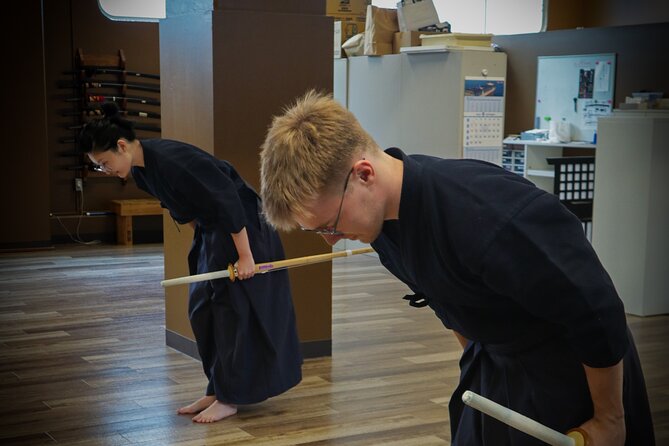
Reviewed · SAMURAI & NINJA CLASSES
Samurai Experience – Learn Bushido through Kendo, in Tokyo
Sword practice in a real Tokyo dojo. This 2-hour session trades sightseeing for hands-on kendo and the mindset behind it—taught by active instructors in a working training space. The best part is how quickly you go from standing around to understanding posture, timing, and the mental side of Kendo.
I also love the English-friendly instruction. Daichi, the main instructor, has overseas work experience and speaks fluent English, so you can ask questions without feeling lost. A lot of the training structure is built for newcomers, and the small group size helps everyone get real coaching.
One possible drawback: it’s still physical. Even if you’re not athletic, you’ll be moving and swinging a shinai, so wear comfy shoes and plan for some muscle soreness afterward.
In This Review
- Key things you’ll notice right away
- A working dojo beats a staged show in Tokyo
- Where you meet and how the session is structured
- Gear rental and what to expect when you show up
- Daichi’s teaching style: English, focus, and real kendo timing
- Learning the basics of Kendo and the Bushido mindset
- Training flow: from warm-up basics to a mini battle at the end
- Photos and videos: yes, you’ll have proof
- Price and value: is $132.14 worth it?
- Who should book this kendo lesson in Tokyo
- Practical tips to make your session go smoothly
- Should you book Samurai Experience in Tokyo?
Key things you’ll notice right away
- A working dojo setting instead of a staged demo
- Daichi leads in fluent English, plus additional instructors for hands-on attention
- Beginner-focused progression, with slow teaching and lots of practice time
- Uniform and shinai rental included, so you can travel light
- Photos and videos provided, delivered by email after the session
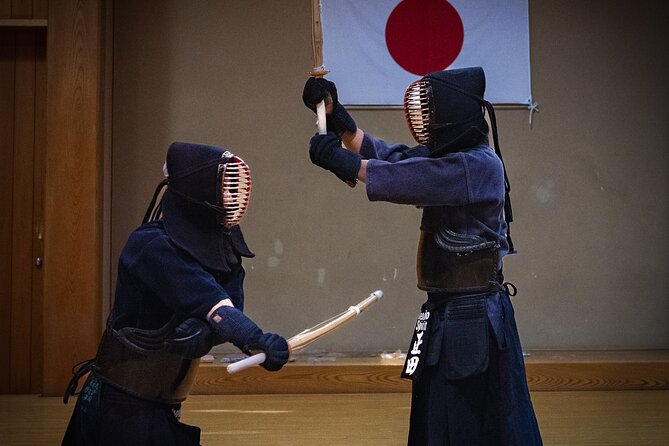
- A sparring-style showdown at the end that makes the session feel complete
A working dojo beats a staged show in Tokyo
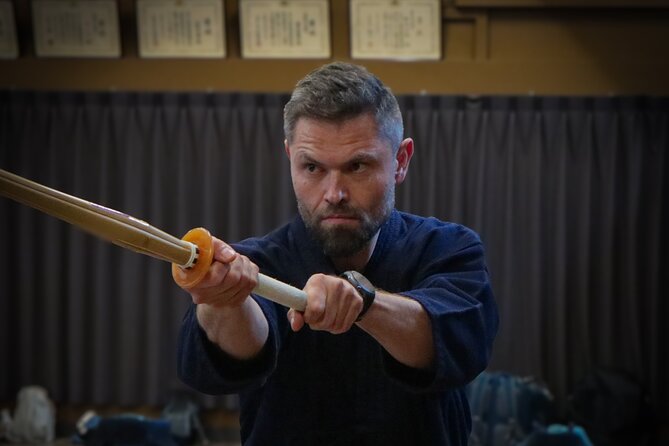
Tokyo is full of “look but don’t touch” culture experiences. This one flips that script. You train in a genuine Japanese dojo where kendo is taught the way it’s practiced today, not as a performance for tourists. That matters because kendo is as much about discipline and decision-making as it is about striking.
You’re not just learning movements. You’re learning how kendo feels when your body is aligned and your mind is alert—focus on posture, timing, and control. It’s the kind of training that makes you understand why people talk about Kendo as a living practice, not a costume activity.
If you’re the type of traveler who likes learning by doing, this is a great match. It’s also ideal if you want a break from long museum lines and crowded train platforms. You’ll get fresh air only from the doorway to the street and back, but you’ll come away with something you can carry home: a new understanding of Bushido as it relates to movement and mindset.
More blade-and-dojo sessions, reviewed
- Tokyo: Samurai Ninja Museum Guided tour and Experience
★ 4.6 · 1,010 reviews - Tokyo: Samurai Sword & Archery Class from Samurai Descendant
★ 5.0 · 603 reviews - Best Samurai Experience in Tokyo
★ 5.0 · 458 reviews - Ninja Experience (Family Friendly) at Samurai Ninja Museum TOKYO
★ 5.0 · 441 reviews
Where you meet and how the session is structured
You start at 10:00 am at Japan, 103-0024 Tokyo, Chuo City, Nihonbashikobunachō, 29 Sec日本橋ビル. The activity ends back at the same meeting point. It’s near public transportation, which is exactly what you want in Tokyo—less time hunting for a location, more time training.
The group size caps at 8 travelers, which is a big deal for an active class. In kendo, one-size-fits-all coaching doesn’t work well. With a smaller group, instructors can correct your stance, foot placement, and strike form before you pick up bad habits.
The session runs about 2 hours. That time is long enough to feel real progress—getting dressed, learning basics, practicing repeatedly, and then doing a finale exercise. It’s also short enough that it won’t wreck your whole day plans.
Gear rental and what to expect when you show up
The good news is you don’t need to bring your own kendo equipment. The experience includes kendo attire rental and a bamboo sword (shinai) rental, plus cultural experience tools rental (the exact items aren’t listed, but they’re part of the session’s training setup). There’s also bottled water included and a souvenir you take home.
What you’ll likely notice on arrival is the quick transition from tourist mode to trainee mode. They provide what you need to wear under the kendo uniform—T-shirts and pants—so you can focus on comfort and mobility without shopping for specialty clothing.
A small practical tip: bring socks you’re okay with staying in a training rhythm. Even though the gear rental handles the big outfit pieces, you’ll still want basic comfort for moving around.
This is one of those experiences where the logistics are designed to let you participate right away. Less waiting means more training, and more training means you actually learn something you can remember later.
Daichi’s teaching style: English, focus, and real kendo timing
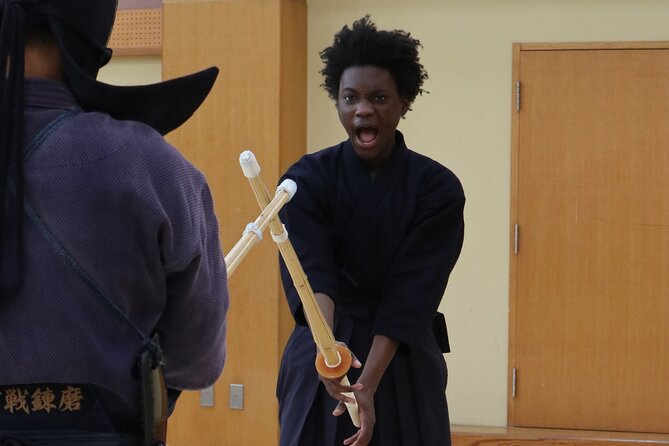
The main instructor is Daichi, who has 19 years of kendo training. What stands out from the way the session is described is that the instruction isn’t just technical. Daichi’s teaching aims at the mental side too: focus, timing, and the way your decisions shift when you’re under pressure.
The reviews also highlight instructors giving full attention during the session. One review specifically credits both Daiichi (Daichi) and Makoto for English support and coaching throughout. In practice, that means you’re not stuck trying to guess what to do next.
You’ll get authentic technique from people who actively practice. That shows in what they emphasize: posture you can feel right away, footwork that changes balance, and striking with honesty rather than just power-for-show. If you like sports and want to learn how athletes train, this is closer to a real lesson than a tourist introduction.
Learning the basics of Kendo and the Bushido mindset
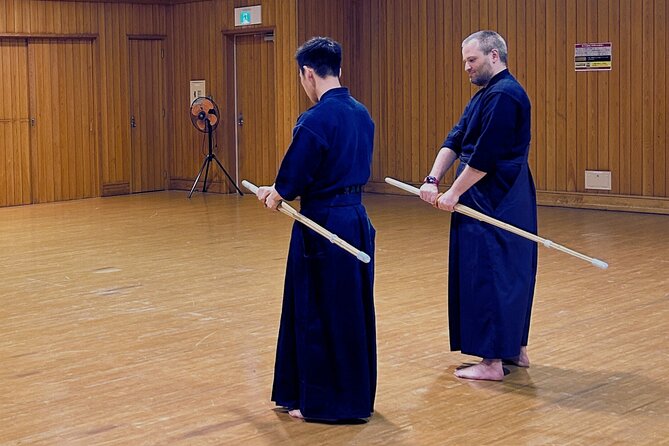
Kendo is often called the way of the sword, but the practical takeaway from a beginner class is simpler: you learn how to stand, move, and strike with controlled intent.
In this experience, you’ll build those foundations step by step:
- Posture and alignment so your body isn’t fighting the sword
- Footwork and timing so you can move without wobbling
- Breath and presence—often reflected in kiai, the sharp vocal expression used in kendo
- Controlled striking with a shinai, learning how it should connect and stop
The “Bushido” part isn’t treated like a lecture. It shows up through how instructors frame the practice: focus your mind, respect the training space, and treat each movement as intentional. That’s why reviews repeatedly mention mind, body, and sword as a combined lesson, not three separate topics.
If you’ve never done martial arts, you’re in good company. The experience is described as beginner-friendly, and it’s specifically noted that over 90% of participants are beginners. That tells me the coaching pace and class structure are designed for newcomers, not for people who already know stances and etiquette.
- Tokyo: Shinjuku Food Tour (13 Dishes at 4 Local Eateries)★ 5.0 · 6,603 reviews
- Tokyo Mt Fuji 5th St & Hakone Cruise Bus Tour w/Bullet Train★ 4.4 · 5,024 reviews
- Flagship 2-Hours Official Street Go-Kart Tour – Tokyo Bay Shop★ 5.0 · 4,974 reviews
- From Tokyo: Mount Fuji Full-Day Sightseeing Trip★ 4.5 · 4,970 reviews
- Tokyo: Hop-On Hop-Off Sightseeing Bus Ticket★ 3.9 · 4,207 reviews
Training flow: from warm-up basics to a mini battle at the end
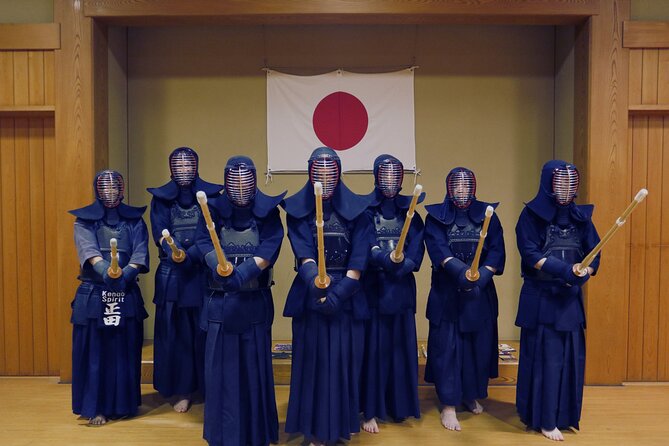
Even with only 2 hours, the session includes multiple layers. You’ll start with setup and instruction, then move into repeated practice. That repetition is key—kendo basics are the kind of thing you only “get” after your body does them a few times.
By the end, you’ll reach a more exciting moment: a sparring-style exchange or “battle” segment. Reviews call it exciting and describe it as a standout part of the experience. In other words, the finale isn’t just paperwork or a quick photo. It’s the moment where you apply what you learned under the pressure of another person across from you.
This is also where coaching quality matters. When you’re new, your form can fall apart quickly once you face a partner. A small group and hands-on correction help you avoid that spiral.
One more detail from reviews: there’s an emphasis on striking with strength and intent, and instructors seem to encourage real effort rather than passive participation. That’s why people mention their spirit growing stronger as they move through the drills.
Photos and videos: yes, you’ll have proof
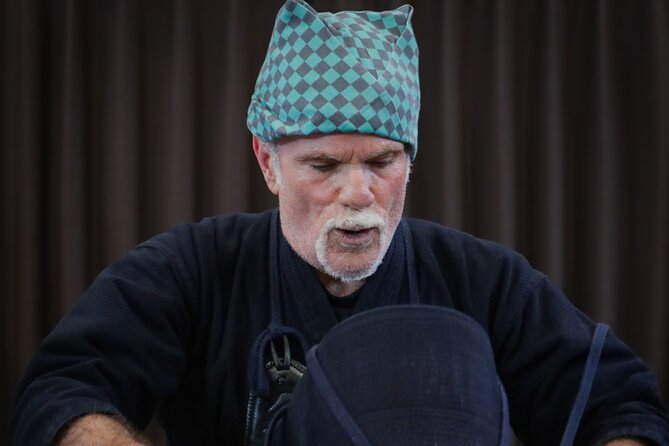
If you’re worried about being stuck without photos, don’t. The experience includes a photographer who takes photos and videos during the session. They send the data to you by email after the experience.
This is useful in two ways:
- You don’t have to ask your friend to manage a camera while you’re trying to practice safely.
- You can actually see your own form later—which helps you remember what posture and timing felt like.
For many active travel experiences, the biggest problem is that you end up with few usable images. Here, the session is designed to capture the training properly.
Price and value: is $132.14 worth it?
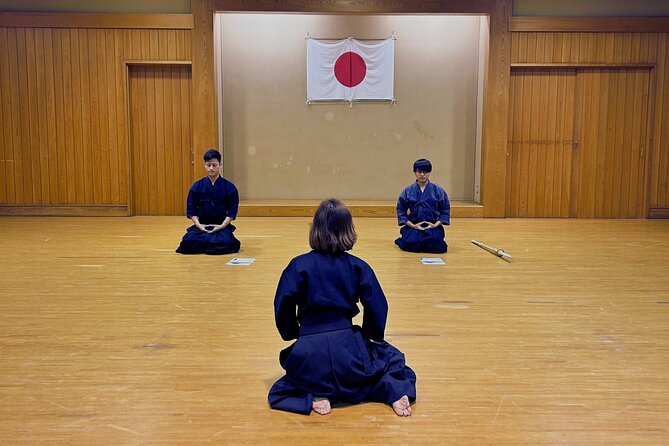
At $132.14 per person for about 2 hours, the price sits in the “experiences that cost, but you’re paying for real instruction” category. Here’s what you get that justifies it:
Included items:
- Kendo attire rental
- Shinai rental
- Cultural experience tools rental
- Bottled water
- Souvenir
- Guide
- Photos and videos after the session
Not included:
- Snacks (so plan to eat before or after)
The value isn’t only in the equipment. The bigger value is coaching time. With a max group of 8 and instruction by Daichi (plus other instructors like Makoto mentioned in reviews), you’re paying for individualized correction and an authentic dojo environment.
Also, compared with a tourist-friendly kendo demo that shows techniques but gives you little time to practice, this format gives you usable skills—footwork, stance basics, striking mechanics, and the mindset behind Bushido in motion.
If your travel budget allows one “do something” class in Tokyo, this is a strong candidate, especially if you want a change from passive sightseeing.
Who should book this kendo lesson in Tokyo
This experience fits best if you:
- Want a physical, skills-based cultural activity
- Like learning from people who actively practice
- Want a beginner-friendly intro to Kendo without feeling embarrassed
- Prefer small groups and direct instruction
It’s also a nice option for families. One review mentions a parent training with a 12-year-old, which suggests the dojo is used to working with different ages—though the only truly reliable guide is how the instructors assess you on arrival.
Who might want a different plan: if you have limitations that make standing and arm movement uncomfortable, this class may feel like too much. The experience is beginner-friendly, but it still involves training your body.
Practical tips to make your session go smoothly
A few things that will make the day easier:
- Wear comfortable clothes and supportive shoes for movement on your way to the dojo.
- Keep your goal simple: focus on posture and timing rather than “winning.” Kendo training rewards control, not chaos.
- After the class, plan a lighter schedule. Two hours of coordinated movement can hit muscles in unexpected ways.
- If you’re bringing a friend or sibling, set expectations that there may be moments when you’ll be too focused to chat—and that’s normal.
Also, since Daichi speaks fluent English, you can ask questions anytime. Use that. Ask what a particular drill is training you to do mentally, not just physically.
Should you book Samurai Experience in Tokyo?
Yes—if you want more than a cultural performance. This is one of the better choices in Tokyo for travelers who learn by doing: a real dojo, English-capable instructors, and a structured class that takes you from basics to a final exchange.
Book it especially if you:
- Have one morning you can dedicate to hands-on training
- Want a memorable Tokyo moment that doesn’t rely on crowds
- Like experiences where you leave with a skill and a mindset, not just photos
Skip it if you’re looking for a low-effort, strictly observational activity. Even though it’s beginner-friendly, this is a training session. Your body will be involved.
If you’re ready to trade a bit of sightseeing for focused practice, this is a strong, practical way to connect with modern Japan through an art that still matters.
More Tour Reviews in Tokyo
- Mt Fuji and Hakone 1-Day Bus Tour Return by Bullet Train
★ 5.0 · 26,383 reviews - 1-Day Tokyo Bus Tour
★ 5.0 · 14,250 reviews - Tokyo: teamLab Planets TOKYO Digital Art Museum Entry Ticket
★ 4.6 · 9,779 reviews - Mt Fuji & Hakone Cruise, Drum Show Bullet Train 1 Day from Tokyo
★ 4.0 · 7,413 reviews - Tokyo: Shinjuku Food Tour (13 Dishes at 4 Local Eateries)
★ 5.0 · 6,603 reviews
More Samurai and Ninja Sessions
- Tokyo: Samurai Ninja Museum Guided tour and Experience
★ 4.6 · 1,010 reviews - Tokyo: Samurai Sword & Archery Class from Samurai Descendant
★ 5.0 · 603 reviews - Best Samurai Experience in Tokyo
★ 5.0 · 458 reviews - Ninja Experience (Family Friendly) at Samurai Ninja Museum TOKYO
★ 5.0 · 441 reviews - Tokyo: Samurai Entertainment Night Show in Kanda Shrine
★ 4.6 · 417 reviews
Latest Tokyo reviews off our desk






Samurai & Ninja Classes, compared.
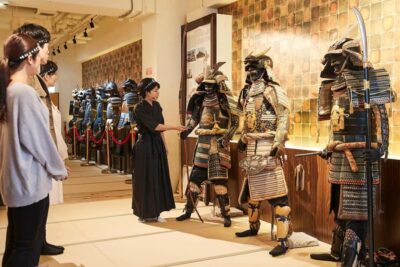 ★ 4.6Samurai Ninja Museum Guided tour and ExperienceFrom $271,010 reviews
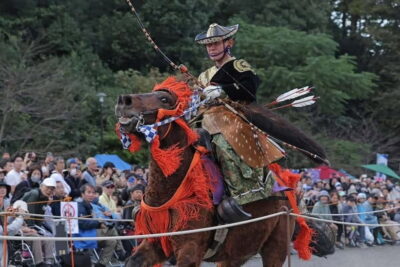 ★ 5.0Samurai Sword & Archery Class from Samurai DescendantFrom $193603 reviews
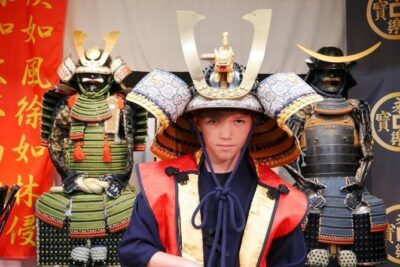 ★ 5.0Best Samurai Experience in TokyoFrom $65458 reviews
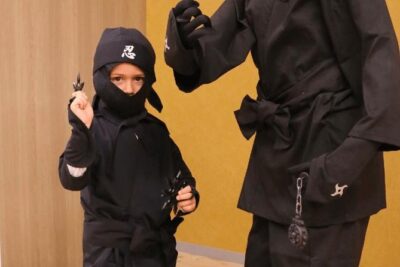 ★ 5.0Ninja Experience (Family Friendly) at Samurai Ninja Museum TOKYOFrom $47441 reviews
 ★ 4.6Samurai Entertainment Night Show in Kanda ShrineFrom $41417 reviews
 ★ 4.2Ninja Kabuki PerformanceFrom $29330 reviews
 ★ 5.0Tokyo Sword Experience – includes Museum Ticket/Ninja ExperienceFrom $84314 reviews
 ★ 4.8Samurai Ninja Museum Asakusa: Samurai Sword Lesson & TourFrom $63306 reviews
Browse the lists this tour appears in