
Reviewed · SAMURAI & NINJA CLASSES
Samurai Experience Mugai Ryu Iaido in Tokyo
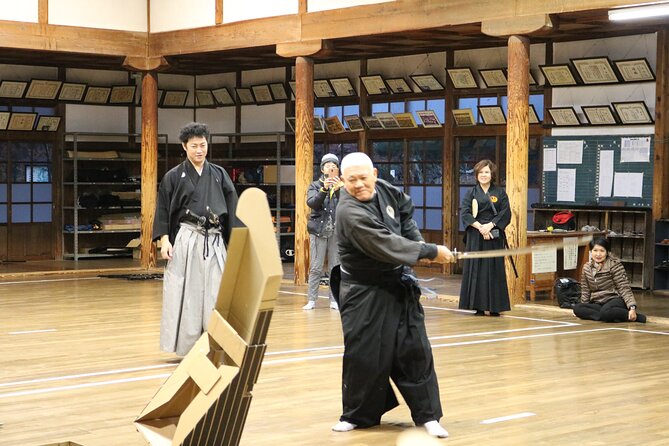
Want samurai training without the long haul? This Mugai-ryū iaido lesson in Tokyo brings you close to Master Takeda Hougyoku, with small-group attention and lots of hands-on practice, plus photo moments. One thing to factor in: you’ll use mock swords for safety, and there’s no hotel pick-up or drop-off.
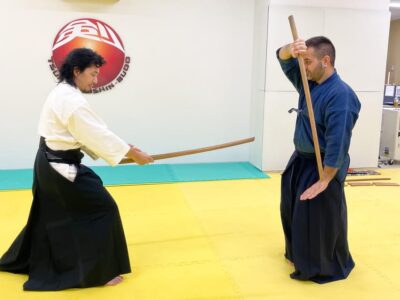
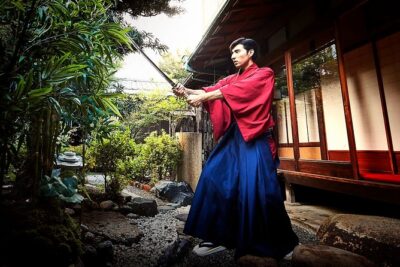
In 60 minutes, I like how the format is tight and practical. You’ll change into a rental hakama, learn the safe way to draw and sheath, try basic patterns, and then get to practice tameshigiri style cutting. For value, the big win is that the essentials are included right in the lesson: hakama rental and a Japanese sword rental, with an English-speaking instructor.
A possible drawback for some people: one hour is short. If you want deep technique or lots of repetition, this experience will feel like an excellent taste, not a long training session. Also, the meeting point is in Kuramae (not at a big landmark), so plan a direct route and arrive a few minutes early.
In This Review
- Key highlights you should know
- Mugai-ryū iaido in Tokyo: what this 60 minutes really delivers
- Kuramae meeting point and changing into a hakama without fuss
- The lesson flow: drawing, sheathing, and basic patterns you can actually follow
- Getting hands-on with tameshigiri (and what “mock” means for you)
- Watching Mugai-ryū kata at the end: why it clicks more after you practice
- Small group attention and safety: why this feels approachable
- Price and value for $151.92: what you’re paying for
- Who should book this Samurai experience (and who might pass)
- FAQ
- FAQ
- How long is the Samurai Experience Mugai Ryu Iaido lesson?
- What’s included in the price?
- Do I need previous experience with iaido or sword training?
- Are real swords used during practice?
- How big is the group?
- Where is the meeting point?
- Should you book Samurai Experience Mugai Ryu Iaido in Tokyo?
Key highlights you should know
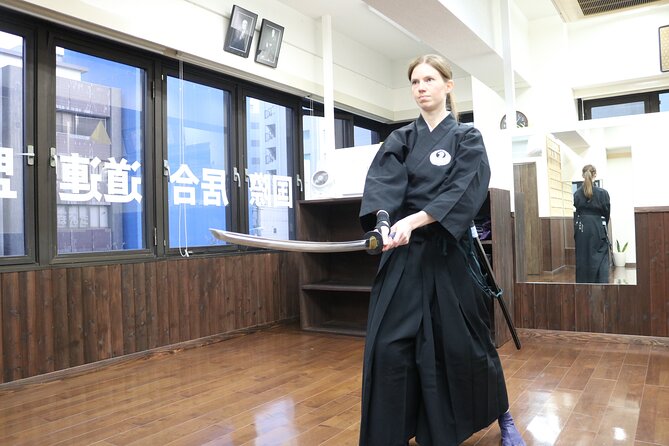
- Master Takeda Hougyoku teaches in a small group for focused coaching
- Hakama and sword rental are included, so you travel lighter
- Mock katanas are used, keeping the class safer and more approachable
- Hands-on tameshigiri practice plus time to learn the kata flow
- Real Iaido kata viewing at the end gives you context for what you just practiced
Mugai-ryū iaido in Tokyo: what this 60 minutes really delivers
This is one of those Tokyo experiences that doesn’t try to be everything at once. In about an hour, you get a structured, guided introduction to iaido (draw-draw-and-control swordwork) through the Mugai-ryū style, taught by Master Takeda Hougyoku. He’s identified as the head of the International Iaido Organization Hougyoku-kai, and the teaching line is tied to old scrolls and a long tradition of sword play. The result is that you’re not just waving a prop sword around—you’re learning a sequence and a mindset.
What I like for your planning is that the session is built for two different audiences at the same time: first-timers who want something uniquely Japanese, and Tokyo repeat visitors who’ve already seen the usual sights. The focus is cultural, but it’s also physical and skill-based. You’ll get real instruction on how to handle the sword safely, and you’ll watch kata to see where the basics lead.
The style is described as practical martial art work, not a museum performance. That matters because it helps you understand why the movements are shaped the way they are: the flow is designed around control, timing, and the actions you would do in sequence.
More blade-and-dojo sessions, reviewed
- Tokyo: Samurai Ninja Museum Guided tour and Experience
★ 4.6 · 1,010 reviews - Tokyo: Samurai Sword & Archery Class from Samurai Descendant
★ 5.0 · 603 reviews - Best Samurai Experience in Tokyo
★ 5.0 · 458 reviews - Ninja Experience (Family Friendly) at Samurai Ninja Museum TOKYO
★ 5.0 · 441 reviews
Kuramae meeting point and changing into a hakama without fuss
Your experience starts and ends at 4-chōme-20-10 Kuramae, Taito City. That’s in the Kuramae area, which is a smart choice if you want to step away from the busiest tourist corridors and into a lived-in neighborhood of Tokyo. It’s also a helpful detail that it’s near public transportation, because you can route yourself without depending on pick-up services.
You’ll change clothes as part of the lesson, and the rental hakama is included. That’s a major practical win: you don’t have to track down traditional garments ahead of time, and you don’t have to worry about whether you packed the right size. You’ll still want to give yourself a little buffer so you can get ready calmly, since everyone needs to settle before instruction starts.
One consideration: because there’s no hotel pick-up or drop-off, your success depends on you getting to the meeting point on time. For most people, that just means planning a direct subway/walk route and arriving early enough to feel unhurried before changing.
The lesson flow: drawing, sheathing, and basic patterns you can actually follow
Once you’re in the right clothing, the class moves in a clear order. You’ll start with an explanation of what iaido is, delivered by Master Takeda and the instructor. Then the session gives you an overview of how the training works—especially the safety steps for handling the sword.
Even though this is centered on the katana, you’ll be using imitation swords for practice. You’ll learn the basics like:
- how to safely handle the sword
- how to draw and sheath it
- how to hold it correctly
- basic patterns (kata-style sequencing at an introductory level)
This is the part you’ll appreciate the most if you’re not a martial arts person. The session is designed to reduce guesswork. You’re guided through the logic of the movement: what happens first, what the hands and body do next, and how the sequence connects.
I’d also watch how the instructors explain timing. In iaido, timing is everything, because the kata are essentially pre-arranged patterns. If you pay attention to how the instructors break down the rhythm, you’ll be able to follow along faster during your own practice.
Getting hands-on with tameshigiri (and what “mock” means for you)
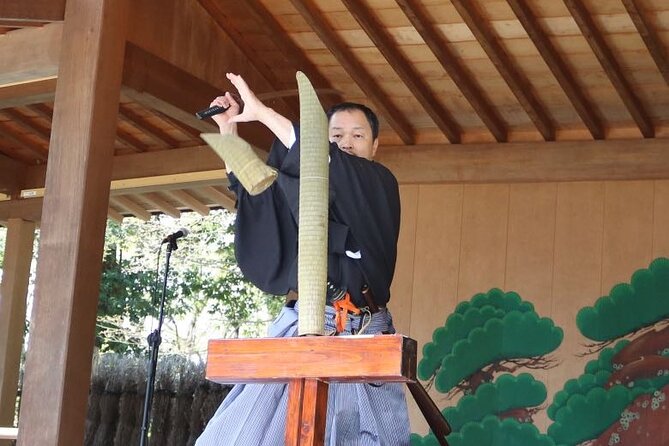
One of the headline parts of this Mugai-ryū experience is tameshigiri. In plain terms, it’s sword practice where you actually cut something as part of the lesson.
That said, the safety detail matters: this course uses mock katanas only. So if you’re expecting the exact weight and feel of a real steel katana, this isn’t that kind of session. But for learning correct handling, stance, and follow-through, mock blades can still be very educational.
Here’s why I think this matters for your decision: tameshigiri is where the training shifts from mostly form to real consequence. Even with an imitation sword, you’ll feel the difference when you’re doing actions that involve contact. It also makes the lesson more memorable. You’ll likely remember the physical cues—how you set your body, how you align, and how you complete the movement.
A smart mindset going in: treat this as guided practice, not as a test of strength. Follow the instructor’s cues closely, because the whole point of the session is controlled learning with safety built in.
Watching Mugai-ryū kata at the end: why it clicks more after you practice
After you’ve done the basics and the cutting practice, you’ll get to watch real Iaido kata. This ending is more than a show. It helps you make sense of what you just did with your own body.
In Mugai-ryū, kata are predetermined patterns of attack. They’re like a structured language—each movement isn’t random. Seeing kata after you’ve learned the fundamentals gives you context for things like:
- why the draw and sheath timing matters
- how the posture links from one action to the next
- what “control” looks like when it’s performed end-to-end
You’ll also get the chance to see instruction and mastery in action from Master Takeda Hougyoku, who is specifically presented as the head of Hougyoku-kai and a qualified teacher of Iai-Mugairyu. The session positions him as carrying forward a long lineage of Mugai-ryū spirit, tied to the ancient scroll tradition.
For many people, this is the moment where the whole experience stops feeling like a single activity and starts feeling like a doorway into a deeper skill system. Even if you don’t become a lifelong practitioner, you’ll leave with a clearer picture of what iaido training is actually about.
- Tokyo: Shinjuku Food Tour (13 Dishes at 4 Local Eateries)★ 5.0 · 6,603 reviews
- Tokyo Mt Fuji 5th St & Hakone Cruise Bus Tour w/Bullet Train★ 4.4 · 5,024 reviews
- Flagship 2-Hours Official Street Go-Kart Tour – Tokyo Bay Shop★ 5.0 · 4,974 reviews
- From Tokyo: Mount Fuji Full-Day Sightseeing Trip★ 4.5 · 4,970 reviews
- Tokyo: Hop-On Hop-Off Sightseeing Bus Ticket★ 3.9 · 4,207 reviews
Small group attention and safety: why this feels approachable
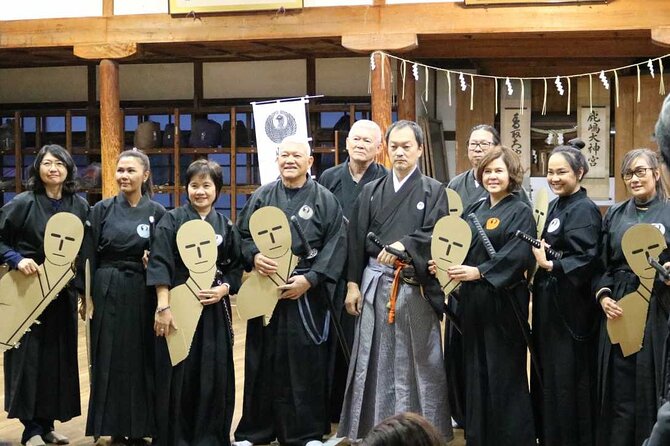
This experience runs with a maximum group size of 8 travelers, which is a big deal for a skill lesson. Smaller groups mean you can actually see what you’re doing right and where you need correction. You’re more likely to get individual cues on grip, posture, and safe handling.
The safety approach is also reassuring. Worried about safety? This course addresses that directly by using mock katanas. That choice makes it easier for newcomers to participate without feeling like they’ll be put at risk.
Also, you’ll get a lot of photo opportunities. If you care about documenting your Japan trip, this is one of the few martial arts experiences where photos make sense because there’s a clear, visual progression—changing into hakama, practicing basic patterns, and then watching kata.
Still, keep it realistic. You’re learning sword-handling. Follow instructions closely, keep your focus during your turn, and treat any practice as guided technique training, not a casual demo.
Price and value for $151.92: what you’re paying for
At $151.92 per person for about an hour, this isn’t a cheap “activity.” But it also isn’t overpriced for what you actually receive. Here’s where the value comes from:
- Rental hakama included: you’re not paying extra for traditional clothing on the spot.
- Japanese sword rental included: you get the training prop needed to participate.
- Instructor support in English: this reduces misunderstandings, especially when learning draw/sheath mechanics.
- Master Takeda present: the session is positioned around high-level teaching, not just a general class.
- Hands-on plus watching kata: you get participation and understanding, not just observation.
For Tokyo, the best deals are usually the ones that reduce friction. This lesson does that by including the required items and keeping the class time concentrated into one focused session.
The main value question for you is time. If you want a long training immersion, 60 minutes may feel brief. If you want a high-impact introduction with instruction and a memorable experience (including tameshigiri practice), it can be a very efficient use of your Tokyo day.
Who should book this Samurai experience (and who might pass)
I’d put this on your list if you:
- want a hands-on introduction to iaido without needing previous experience
- like small-group classes where instructors can correct technique
- enjoy structured Japanese culture activities (with practical movement) instead of only walking tours
- want something you can’t easily replicate on your own
You might want to consider another option if:
- you’re looking for a long, intensive martial arts session
- you want real-steel sword handling (this one specifically uses mock katanas)
- you don’t want to navigate to an exact Kuramae meeting point without pick-up
It’s also a strong fit for people who enjoy photography, because there are set moments for images tied to the progression of the class.
FAQ
FAQ
How long is the Samurai Experience Mugai Ryu Iaido lesson?
It runs for about 1 hour.
What’s included in the price?
Rental hakama, an English-speaking instructor, and Japanese sword rental are included.
Do I need previous experience with iaido or sword training?
No prior experience is indicated as required. The lesson covers the basics, including safe handling, drawing and sheathing, and introductory patterns.
Are real swords used during practice?
No. Mock katanas are used for safety.
How big is the group?
The group maximum is 8 people.
Where is the meeting point?
The lesson starts and ends at 4-chōme-20-10 Kuramae, Taito City, Tokyo 111-0051, Japan.
Should you book Samurai Experience Mugai Ryu Iaido in Tokyo?
If you want a meaningful Tokyo activity that mixes hands-on skill with cultural context, this one is easy to recommend. The small group size, included hakama and sword rental, and the chance to practice and then watch Mugai-ryū kata make it feel like more than a one-note demo.
The key decision point is your expectations about swords and time. You’re getting mock katana practice for a safer intro, and the session is only about an hour. If that sounds like the right balance for you, book it—especially if you’re in Tokyo for a short stay or you want a Japan experience that feels focused, personal, and genuinely different.
More Tour Reviews in Tokyo
- Mt Fuji and Hakone 1-Day Bus Tour Return by Bullet Train
★ 5.0 · 26,383 reviews - 1-Day Tokyo Bus Tour
★ 5.0 · 14,250 reviews - Tokyo: teamLab Planets TOKYO Digital Art Museum Entry Ticket
★ 4.6 · 9,779 reviews - Mt Fuji & Hakone Cruise, Drum Show Bullet Train 1 Day from Tokyo
★ 4.0 · 7,413 reviews - Tokyo: Shinjuku Food Tour (13 Dishes at 4 Local Eateries)
★ 5.0 · 6,603 reviews
More Samurai and Ninja Sessions
- Tokyo: Samurai Ninja Museum Guided tour and Experience
★ 4.6 · 1,010 reviews - Tokyo: Samurai Sword & Archery Class from Samurai Descendant
★ 5.0 · 603 reviews - Best Samurai Experience in Tokyo
★ 5.0 · 458 reviews - Ninja Experience (Family Friendly) at Samurai Ninja Museum TOKYO
★ 5.0 · 441 reviews - Tokyo: Samurai Entertainment Night Show in Kanda Shrine
★ 4.6 · 417 reviews
Latest Tokyo reviews off our desk




Samurai & Ninja Classes, compared.
 ★ 4.6Samurai Ninja Museum Guided tour and ExperienceFrom $271,010 reviews
 ★ 5.0Samurai Sword & Archery Class from Samurai DescendantFrom $193603 reviews
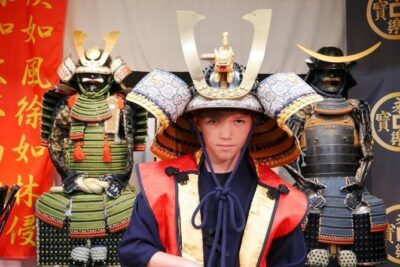 ★ 5.0Best Samurai Experience in TokyoFrom $65458 reviews
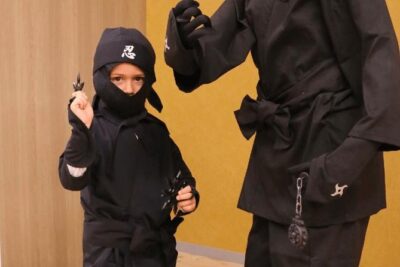 ★ 5.0Ninja Experience (Family Friendly) at Samurai Ninja Museum TOKYOFrom $47441 reviews
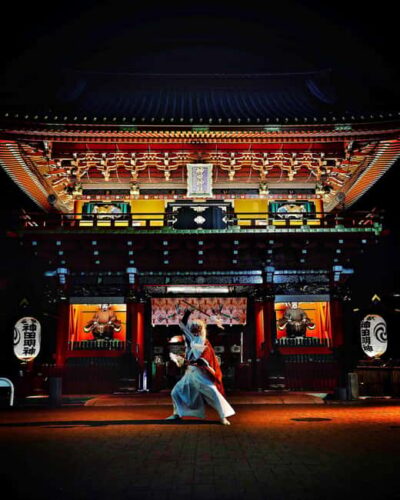 ★ 4.6Samurai Entertainment Night Show in Kanda ShrineFrom $41417 reviews
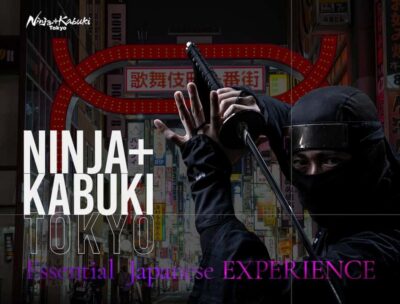 ★ 4.2Ninja Kabuki PerformanceFrom $29330 reviews
 ★ 5.0Tokyo Sword Experience – includes Museum Ticket/Ninja ExperienceFrom $84314 reviews
 ★ 4.8Samurai Ninja Museum Asakusa: Samurai Sword Lesson & TourFrom $63306 reviews
Browse the lists this tour appears in