
Reviewed · SAMURAI & NINJA CLASSES
Samurai Experience Tokyo : Samurai Signature (90 min)
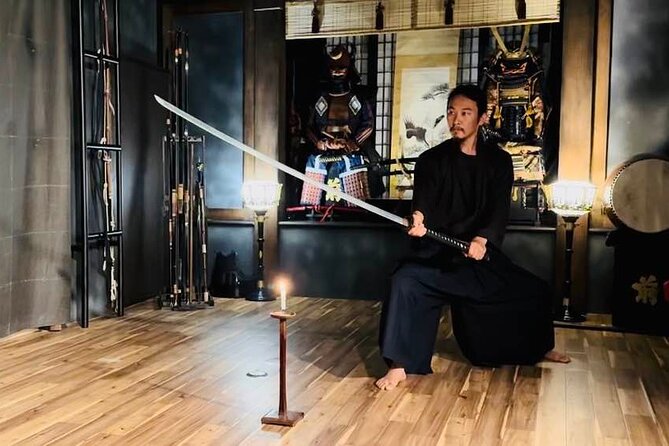
Swing a sword, then learn why it mattered. In Tokyo’s Musashi Ninja Clan dojo, you practice samurai and ninja training rituals, starting with meditation and moving into basic stances with a rental bokken. I like how the session treats etiquette as part of the skill, and I like the hands-on weapon practice, including shuriken throwing. A possible drawback: this is an active class, so if you prefer a sit-and-watch tour, you may not love it (and you’ll need to stay attentive).
Led by Suzak Shibata, the 19th-generation head of the Musashi Ninja Clan, this workshop also uses an interpreter so you can follow the meaning behind the movements. If you want it, you can request the oral lineage teaching called Sansai Teaching for dedicated participants aged seven and older. The whole experience runs about 90 minutes and is capped at six people, which keeps it personal.
In This Review
- Key highlights worth planning for
- A Dojo Lesson in Samurai and Ninja Discipline
- Meet Suzak Shibata and the Musashi Ninja Clan Legacy
- What Happens Before You Swing: Meditation, Attire, and Setup
- Changing Into Costume: Dogi, Etiquette, and Being Part of the Dojo
- Bokken Sword Practice: Stances, Moves, and Controlled Safety
- Shuriken Throwing: Where Ninja Skills Get Real
- The Time Breakdown: 90 Minutes That Actually Teach
- Price and Value: What $122.15 Covers in Tokyo
- Where You Meet: Matsugaya and What to Expect on Arrival
- Who Should Book This Workshop (and Who Might Skip It)
- Should You Book Samurai Experience Tokyo: Samurai Signature?
- FAQ
- How long is the Samurai Signature workshop?
- What’s included in the price?
- Is there language support for non-Japanese speakers?
- Can children participate?
- What happens during the session?
- Is there a fee for spectators?
- Do I need to bring food or drinks?
- Where does the tour start and end?
- Is cancellation free?
Key highlights worth planning for
- Small group size (max 6): more hands-on coaching and quicker feedback.
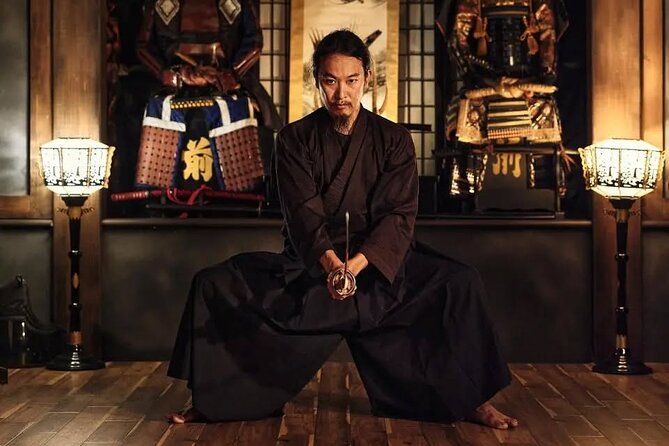
- Meditation before movement: you start with mindset and training etiquette, not just weapons.
- Traditional costume change: dogi (outfit) rental gets you into the right headspace.
- Bokken basics: you learn stances and simple techniques using a wooden sword.
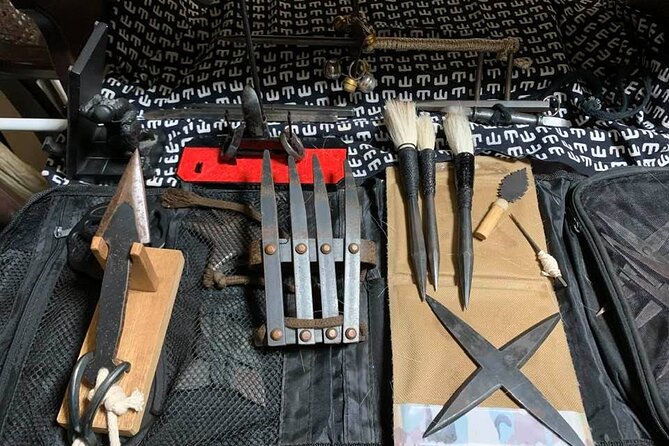
- Shuriken throwing practice: the class includes shuriken rental and guided practice.
- A lineage-led teaching option: request the Sansai Teaching for age 7+ participants.
A Dojo Lesson in Samurai and Ninja Discipline
This is not a “watch a performance” class. You’re in a real training space, following instructions that connect physical technique with discipline and manners. The flow is built to make you feel the structure of dojo life: you change into the outfit, you settle in, then you move through the skills one step at a time.
I especially like that etiquette isn’t tacked on as a background detail. You’re taught how to conduct yourself during training, and you’ll see how that affects everything else—when you move, how you hold your body, and how you respond to correction. The other strong point for me is the practical payoff: by the end, you’ve actually swung a bokken and practiced shuriken throwing rather than just learning about them.
The tone is also clear: this class expects participation. You might not get your best experience if you drift mentally or treat it like a casual photo stop. In a dojo setting, attention matters.
More blade-and-dojo sessions, reviewed
- Tokyo: Samurai Ninja Museum Guided tour and Experience
★ 4.6 · 1,010 reviews - Tokyo: Samurai Sword & Archery Class from Samurai Descendant
★ 5.0 · 603 reviews - Best Samurai Experience in Tokyo
★ 5.0 · 458 reviews - Ninja Experience (Family Friendly) at Samurai Ninja Museum TOKYO
★ 5.0 · 441 reviews
Meet Suzak Shibata and the Musashi Ninja Clan Legacy
This workshop is led through the Musashi Ninja Clan Honjin Dojo, and the head instructor is Suzak Shibata, described as the 19th-generation head. The experience is framed as lineage training passed down through a living tradition, not a costume-and-fantasy show.
There’s also a historical anchor. The clan’s past is described as 246 years of service to the Tokugawa Shogunate, with the idea that traditions and secrets were safeguarded over time. Whether you care most about history or movement, that context can help the session land differently. Instead of thinking of samurai and ninja as interchangeable pop-culture labels, you start seeing them as systems with their own training culture.
One detail that stands out: the session can include an oral teaching portion called Sansai Teaching when requested, shared with dedicated participants aged seven and older. That’s meaningful if you like “why” as much as “how,” and it gives the class an extra layer beyond learning a few tricks.
What Happens Before You Swing: Meditation, Attire, and Setup
The workshop rhythm is designed to get your body and mind ready. First, you change into the traditional outfit included with the session (dogi rental). That matters more than you might expect. Costume change can slow you down, make you more aware of posture, and mentally separate this from casual tourism.
Then you begin with an immersive meditation session. The goal here isn’t mystical fireworks; it’s training focus. You’ll likely see how breathing and stillness fit into martial discipline, which sets the tone for the rest of the class. After that, there’s a live demonstration of ancient techniques, which gives you a model to follow.
At some point, you’ll also get historical insights into warrior traditions of Japan. I like this part because it helps you connect what your body is doing to a larger training framework. If you go in thinking you’ll only learn weapon handling, you may be pleasantly surprised by how much culture and structure you get.
Finally, there’s a built-in photo time window (about five minutes). It’s short on purpose. You get a moment to capture the experience, then you get back to training.
Changing Into Costume: Dogi, Etiquette, and Being Part of the Dojo
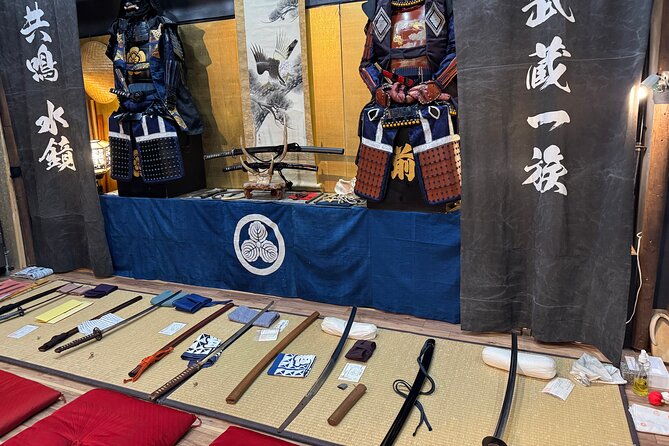
The costume isn’t just for looks. In a dojo setting, wearing the right training gear and sitting/waiting properly helps you follow the flow. The experience includes dogi (outfit) rental, so you don’t need to buy anything for this activity.
The etiquette piece is real here. You’ll be guided on how to position yourself, how to respond when the instructor adjusts you, and how to behave in the training space. That’s a big part of why many people love this class: you leave feeling like you learned something practical about training culture, not just a souvenir skill.
A note to keep your expectations grounded: this isn’t always a “everyone does everything” workshop. The instructor teaches, demonstrates, corrects, and you practice under guidance. Also, inattentive participants may be asked to leave the dojo (training facility). It’s not meant to be rude—it’s a safety and discipline rule in an environment that involves weapons practice.
Bokken Sword Practice: Stances, Moves, and Controlled Safety
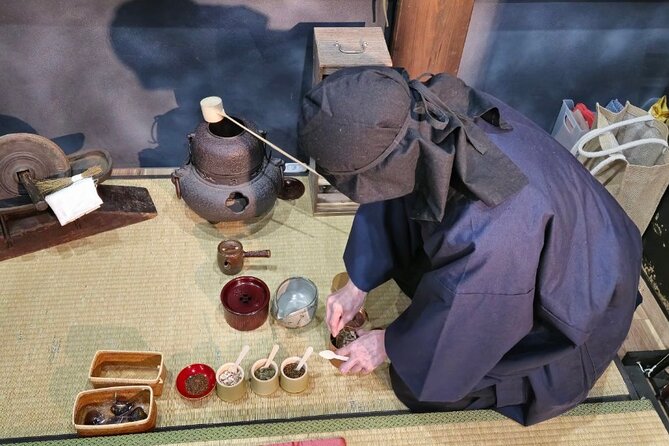
The core of the hands-on portion uses a bokken, a wooden training sword included in the class. You’ll learn typical stances and moves, and you’ll practice those skills under the watchful eye of the instructor.
I like bokken practice because it’s approachable. Even if you’ve never held a sword-shaped object before, the wooden design makes it easier to focus on form rather than fear. You’re learning the shape of the technique: posture, angle, spacing, and timing.
The class also emphasizes discipline of samurai swordsmanship and etiquette. That combination is the difference between “cool sword swings” and “real training.” You’re not only asked to move, but also to move with intent and control.
One more thing: group size is small (maximum six). That usually means you get more chances to be corrected and less time waiting around. If you’re the type who likes feedback, this is where it pays off.
- Tokyo: Shinjuku Food Tour (13 Dishes at 4 Local Eateries)★ 5.0 · 6,603 reviews
- Tokyo Mt Fuji 5th St & Hakone Cruise Bus Tour w/Bullet Train★ 4.4 · 5,024 reviews
- Flagship 2-Hours Official Street Go-Kart Tour – Tokyo Bay Shop★ 5.0 · 4,974 reviews
- From Tokyo: Mount Fuji Full-Day Sightseeing Trip★ 4.5 · 4,970 reviews
- Tokyo: Hop-On Hop-Off Sightseeing Bus Ticket★ 3.9 · 4,207 reviews
Shuriken Throwing: Where Ninja Skills Get Real
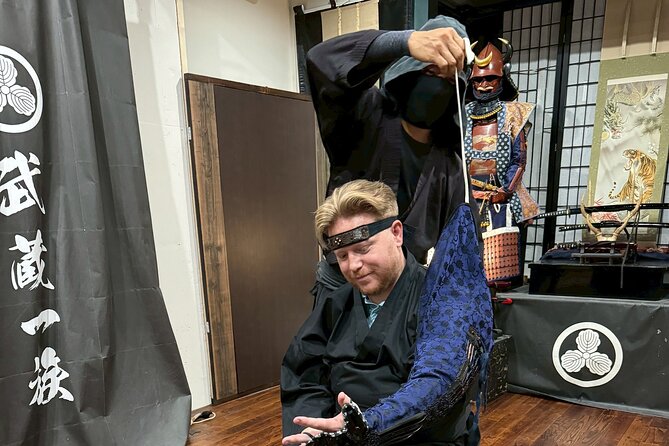
The workshop includes shuriken (ninja star) throwing practice, with shuriken rental provided. In many martial arts experiences, shuriken topics stay theoretical. Here, you actually get to practice.
That’s a highlight for a lot of people, and it makes sense. Throwing a star well is harder than it looks from videos. You need coordination and focus, and you’ll likely be taught a basic method rather than expecting you to master precision instantly.
The best way to enjoy this segment is to treat it like a skill drill. Keep your attention on form and cues from the instructor. If you go in thinking you’ll nail every throw on the first try, you may feel frustrated. If you go in thinking you’ll learn how to throw with better control, you’ll probably have more fun.
And since the setting follows dojo rules, you’ll be practicing in a more controlled environment than you’d get guessing on your own.
The Time Breakdown: 90 Minutes That Actually Teach
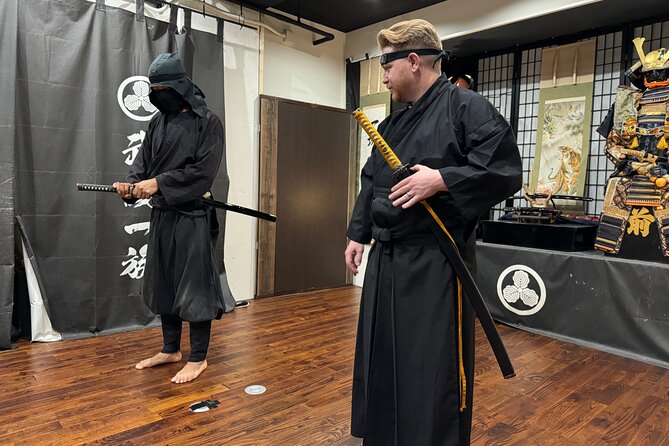
This session is about 1 hour 30 minutes. That’s a realistic amount of time for culture plus movement. In that span, you’ll go from settling in (meditation), to learning and watching (demonstration), to doing (stances and practice), and then to a final photo moment.
In practical terms, you should plan to arrive with enough energy to participate, not just spectate. Wear comfortable clothing under your outfit, and be ready to stand and move. If you’re traveling with kids, this can be a strong “active learning” format because the pacing stays structured.
Also, don’t ignore the option for the Sansai Teaching segment. If it’s important to you, ask for it during the session so you can join as requested. The teaching is available for dedicated participants aged seven and older, so it’s not aimed at toddlers tagging along without focus.
Price and Value: What $122.15 Covers in Tokyo
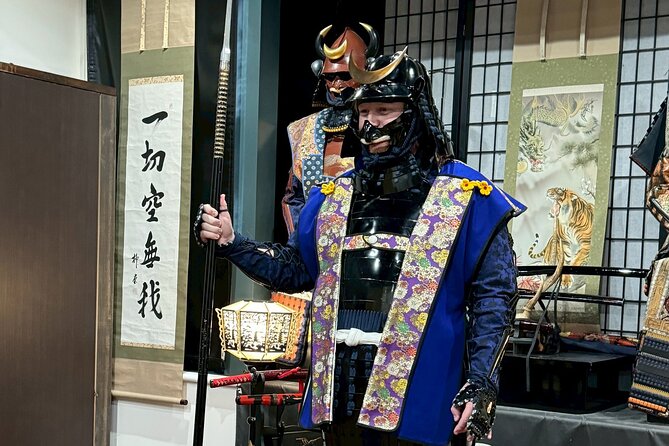
The price is $122.15 per person. For Tokyo, that’s not “cheap,” but it’s easier to justify when you look at what’s included.
You get:
- an instructor
- an online interpreter
- dogi (outfit) rental
- bokken (wooden sword) rental
- shuriken rental
That means you’re not paying extra just to borrow equipment. You’re also getting language support (online interpreter) so you can understand what you’re doing and why. And the class is capped at six people, which usually improves the coaching experience.
There’s one extra cost possibility for non-participating family members: a spectator fee of 4400 JPY per person, paid upon arrival. If you’re bringing someone who wants to watch, factor that into your planning.
Finally, no food or drinks are included. Bring water timing-wise, or plan to grab food before or after the workshop. A short training class can still make you thirsty.
Where You Meet: Matsugaya and What to Expect on Arrival
The meeting point is in Tokyo’s Taito City area, Matsugaya, at the Musashi Ninja Clan Shinobi Samurai Honjin Dojo. The address given is Japan, 111-0036 Tokyo, Taito City, Matsugaya, 3-chōme 1-13, Mets 八番館 3階 (as listed).
The activity ends back at the meeting point, so you don’t need to plan onward transport as part of the experience itself. You do want to plan your day around the start time, though you can coordinate timing if you want a different schedule.
One small but helpful detail: the experience uses a mobile ticket. If you’ve got a good offline backup for your phone, that can reduce stress on arrival.
Who Should Book This Workshop (and Who Might Skip It)
This is a great fit if you want hands-on Japanese culture. I’d book it if you like learning through doing, and if you’re curious about how training etiquette shapes martial technique.
It’s also a strong choice for families with older kids. The class is described as most travelers can participate, and children under 12 must be accompanied by a participating adult. If your child is older than that and ready to follow instructions, you’ll likely get more out of it than a restless “look but don’t touch” outing.
You might skip it if:
- you want only sightseeing and photos
- you don’t want any physical activity
- you’re sensitive to a strict training environment where inattentive participants may be asked to leave
Should You Book Samurai Experience Tokyo: Samurai Signature?
If you’re looking for a memorable Tokyo activity that combines movement, culture, and real coaching, this workshop is worth serious consideration. The best reasons to book are the tight 90-minute structure, the small group size, and the fact that you practice both bokken sword basics and shuriken throwing, with etiquette and meditation woven in.
The main reason to hesitate is expectation management: it’s active, and you’ll need focus. If you show up ready to participate and follow dojo rules, you’ll likely leave feeling like you learned something you can explain and remember, not just something you watched.
If you want a short, practical, authentic Tokyo experience that goes beyond a performance, this is the kind of class that can turn into a story you tell for years.
FAQ
How long is the Samurai Signature workshop?
It runs for about 1 hour 30 minutes.
What’s included in the price?
The experience includes an instructor, an online interpreter, dogi (outfit) rental, bokken (wooden sword) rental, and shuriken rental.
Is there language support for non-Japanese speakers?
Yes. An online interpreter is included.
Can children participate?
Most travelers can participate, and children under 12 must be accompanied by a participating adult. For the oral teaching called Sansai Teaching, dedicated participants aged seven and older can request it during the session.
What happens during the session?
You change into the traditional attire, begin with meditation, watch a live demonstration of techniques, receive historical insights into warrior traditions, practice shuriken throwing, and work on refined samurai swordsmanship and etiquette. There’s also a short photo time (about five minutes).
Is there a fee for spectators?
Yes. The spectator fee is 4400 JPY per person, paid upon arrival.
Do I need to bring food or drinks?
Food and drinks are not included.
Where does the tour start and end?
It starts at the Musashi Ninja Clan Shinobi Samurai Honjin Dojo in Taito City, Matsugaya, and ends back at the meeting point.
Is cancellation free?
Yes. You can cancel up to 24 hours in advance for a full refund, and free cancellation applies under that rule.
More Tour Reviews in Tokyo
- Mt Fuji and Hakone 1-Day Bus Tour Return by Bullet Train
★ 5.0 · 26,383 reviews - 1-Day Tokyo Bus Tour
★ 5.0 · 14,250 reviews - Tokyo: teamLab Planets TOKYO Digital Art Museum Entry Ticket
★ 4.6 · 9,779 reviews - Mt Fuji & Hakone Cruise, Drum Show Bullet Train 1 Day from Tokyo
★ 4.0 · 7,413 reviews - Tokyo: Shinjuku Food Tour (13 Dishes at 4 Local Eateries)
★ 5.0 · 6,603 reviews
More Samurai and Ninja Sessions
- Tokyo: Samurai Ninja Museum Guided tour and Experience
★ 4.6 · 1,010 reviews - Tokyo: Samurai Sword & Archery Class from Samurai Descendant
★ 5.0 · 603 reviews - Best Samurai Experience in Tokyo
★ 5.0 · 458 reviews - Ninja Experience (Family Friendly) at Samurai Ninja Museum TOKYO
★ 5.0 · 441 reviews - Tokyo: Samurai Entertainment Night Show in Kanda Shrine
★ 4.6 · 417 reviews
Latest Tokyo reviews off our desk






Samurai & Ninja Classes, compared.
 ★ 4.6Samurai Ninja Museum Guided tour and ExperienceFrom $271,010 reviews
 ★ 5.0Samurai Sword & Archery Class from Samurai DescendantFrom $193603 reviews
 ★ 5.0Best Samurai Experience in TokyoFrom $65458 reviews
 ★ 5.0Ninja Experience (Family Friendly) at Samurai Ninja Museum TOKYOFrom $47441 reviews
 ★ 4.6Samurai Entertainment Night Show in Kanda ShrineFrom $41417 reviews
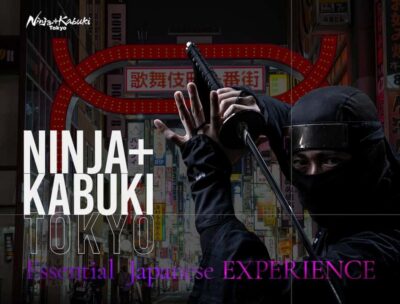 ★ 4.2Ninja Kabuki PerformanceFrom $29330 reviews
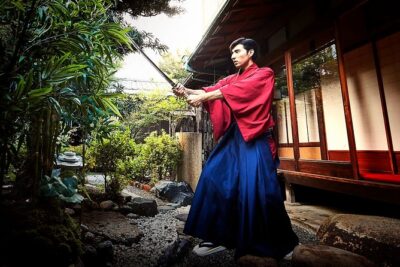 ★ 5.0Tokyo Sword Experience – includes Museum Ticket/Ninja ExperienceFrom $84314 reviews
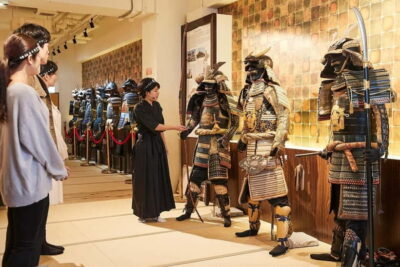 ★ 4.8Samurai Ninja Museum Asakusa: Samurai Sword Lesson & TourFrom $63306 reviews
Browse the lists this tour appears in