
Reviewed · SAMURAI & NINJA CLASSES
Samurai sword cutting experience
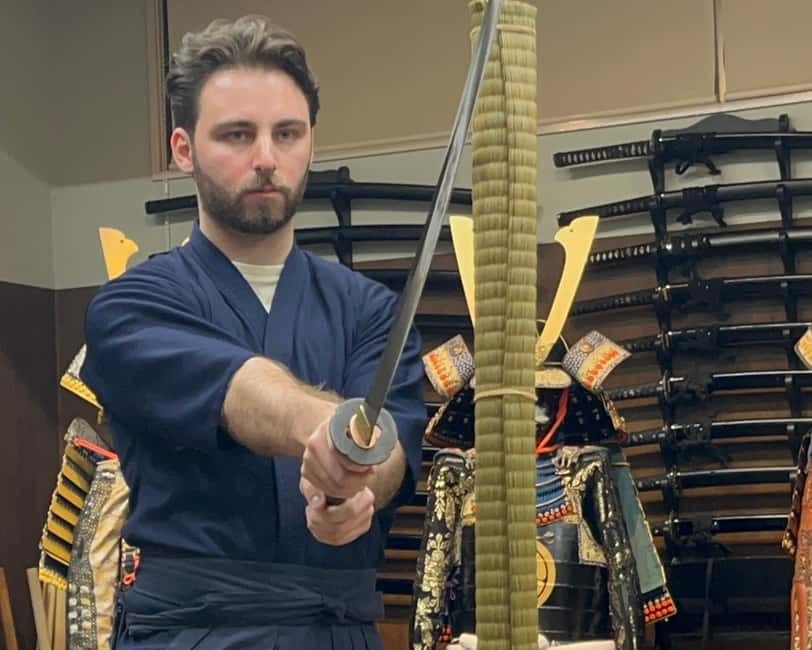
Old steel, new focus, real tatami cuts. That’s what makes this Iaido experience so satisfying: you dress in traditional iai practice gear, then learn the timing and spirit behind battoushi-style cutting with a real instructor. You’re not watching from a distance—you follow step-by-step, from sword basics to your own tatami strikes.
I also love how the session mixes physical training with mental habits. You do greetings and meditation for mental unity, so the practice feels less like a stunt and more like a discipline. One consideration: it’s not a casual, sit-and-watch activity—if you’re under 14, pregnant, using a wheelchair, or have visual impairments, it’s not suitable.
In This Review
- Key things you’ll notice right away
- Finding the Spot: Samurai Theater Tokyo, Honshu-Style
- Dressing in Traditional Iai Clothing: You’ll Feel the Shift
- Greetings, Meditation, and Mental Unity (The Part Most People Underestimate)
- Sword Explanation and Practice Swings: Learn Before You Cut
- The Armor Display: Seeing Age Up Close
- Instructor Demonstration: Watch the Timing, Not Just the Motion
- Cutting Tatami Twice: Your Timing, Your Control
- Real Sword Moment: 100+ Year Steel, Real Responsibility
- Wrap-Up: Questions, Commemorative Photo, and Another Look at the Teacher
- Price and Value: Why $93 Can Make Sense Here
- Language, Pace, and Who This Fits Best
- Practical Tips for Getting the Most Out of Your Cut
- Should You Book This Samurai Sword Cutting Experience?
- FAQ
- What is included in the Samurai sword cutting experience?
- What happens during the session from start to finish?
- Will I use both imitation and real swords?
- Are there age or health requirements?
- What languages are available?
- Can I reserve & pay later, and what is the cancellation policy?
Key things you’ll notice right away
- Traditional iai costume change before any sword work starts
- Greetings and meditation that set the tone and help you focus
- Real Japanese swords over 100 years old (not just replicas)
- Battoushi Do instruction from a teacher, with clear steps
- Tatami cutting twice, with control over your own timing
- Photos and video included, plus time for a commemorative shot
Finding the Spot: Samurai Theater Tokyo, Honshu-Style
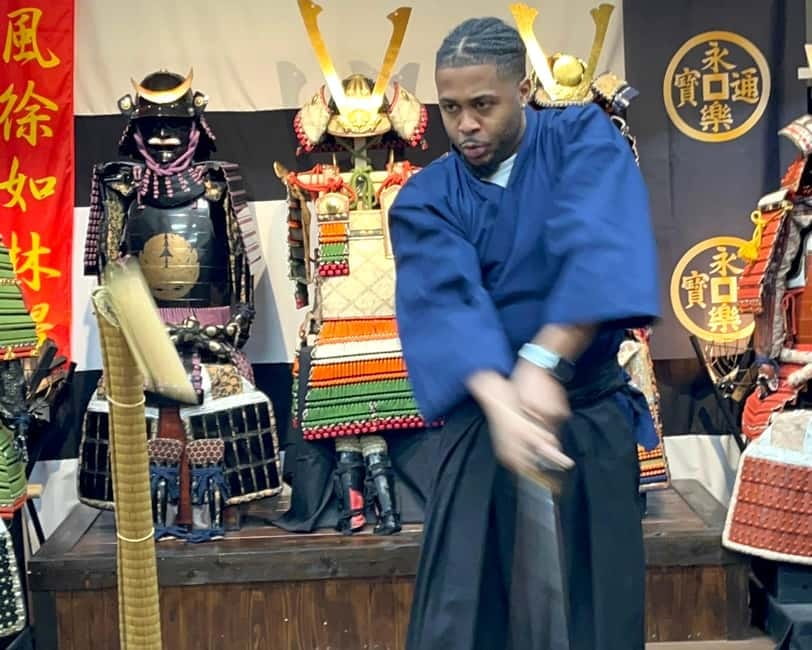
This experience starts and ends at the same meeting point. The easiest move is to open Google Maps and search for Samurai Theater Tokyo. The provider that runs the session is 株式会社テイク, and the flow is designed to keep things simple: arrive, meet your instructor, get ready, practice, cut, then wrap up with a photo and time for questions.
Because you’re changing into practice clothing and handling equipment, show up a little early. Not because you’ll be rushed, but because getting settled helps you take in the instruction instead of feeling like you’re catching up.
More blade-and-dojo sessions, reviewed
- Tokyo: Samurai Ninja Museum Guided tour and Experience
★ 4.6 · 1,010 reviews - Tokyo: Samurai Sword & Archery Class from Samurai Descendant
★ 5.0 · 603 reviews - Best Samurai Experience in Tokyo
★ 5.0 · 458 reviews - Ninja Experience (Family Friendly) at Samurai Ninja Museum TOKYO
★ 5.0 · 441 reviews
Dressing in Traditional Iai Clothing: You’ll Feel the Shift
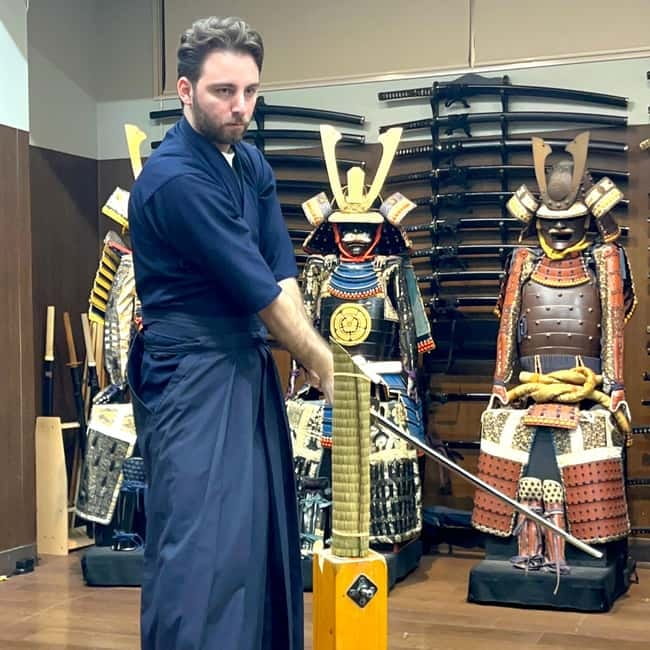
The first big moment is changing into traditional iai attire. It’s part costume, part training gear. Once you’re in it, you naturally stand and move differently—your posture changes, your mind slows down, and you start thinking in terms of controlled motion instead of big dramatic swings.
I like that the costume change isn’t treated like a gimmick. It’s set up as your start point for the practice sequence: greetings, mental unity, then sword basics. That order matters. If you put the gear on and immediately run to the cutting, it turns into performance. Here, the ritual comes first.
Greetings, Meditation, and Mental Unity (The Part Most People Underestimate)
Before anyone swings anything, you’ll take part in greetings and meditation. This is where the experience earns its “samurai spirit” promise, because the training isn’t only about technique—it’s about attention.
In plain terms, you’re being asked to do something hard for most tourists: focus. Not just “try harder,” but follow a specific way of being present—how you arrive, how you settle, and how your mind stays steady as you prepare.
You’ll hear guidance on mental unity, and you’ll practice it as part of the routine that surrounds the sword work. If you’ve ever wondered why Japanese martial arts often feel strict and calm at the same time, this is the moment you’ll understand why.
Sword Explanation and Practice Swings: Learn Before You Cut
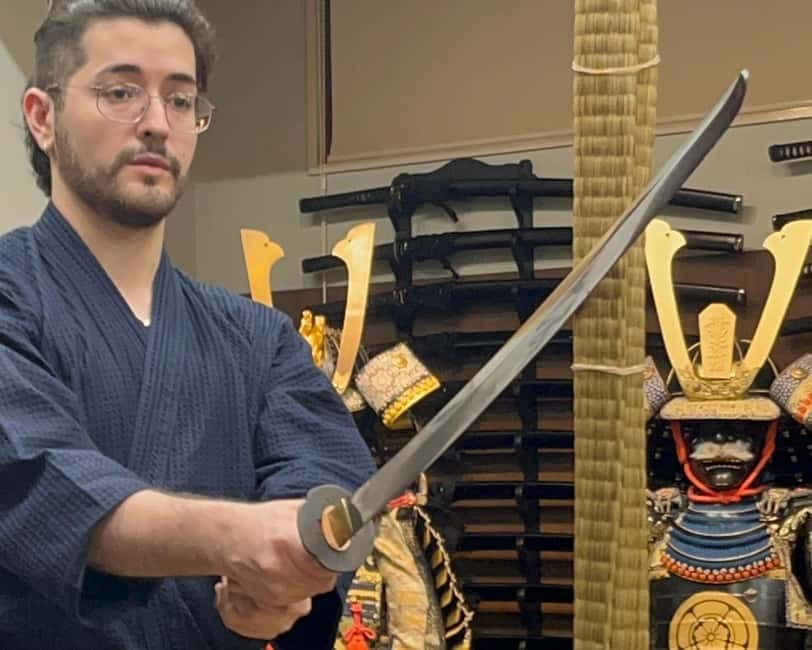
Once you’ve changed and settled, you get an explanation of the Japanese sword. This isn’t a random history lecture. It’s meant to give context for what you’re about to do: how to hold and swing the sword as a tool, not a prop.
Then you move into practice swings. The idea is to build a correct pattern with an imitation or practice setup before the real action. It also helps you feel the weight and balance—because a sword that feels light in a movie can feel very different when it’s in your hands for real.
One thing I appreciate here is that the training sequence is structured: explanation first, then controlled practice. You’ll get demonstration cues from the instructor so your movements have a target.
The Armor Display: Seeing Age Up Close
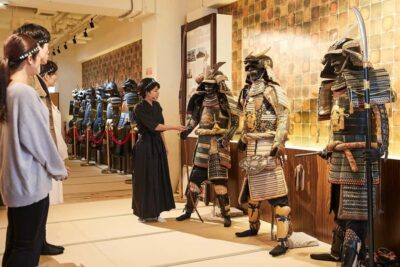
There’s a lot of armor on display. This matters more than you might think. When you see worn, older-style protective gear in person, it makes the practice feel grounded in real history and real bodies, not just a modern stage show.
It also gives you an “in your face” sense of what samurai equipment was meant to do: function under pressure. You’re learning sword movement, but the armor display quietly reminds you that this was all about survival and discipline.
If you’re the type who likes context between hands-on steps, this helps connect the dots while you wait for your turn.
- Tokyo: Shinjuku Food Tour (13 Dishes at 4 Local Eateries)★ 5.0 · 6,603 reviews
- Tokyo Mt Fuji 5th St & Hakone Cruise Bus Tour w/Bullet Train★ 4.4 · 5,024 reviews
- Flagship 2-Hours Official Street Go-Kart Tour – Tokyo Bay Shop★ 5.0 · 4,974 reviews
- From Tokyo: Mount Fuji Full-Day Sightseeing Trip★ 4.5 · 4,970 reviews
- Tokyo: Hop-On Hop-Off Sightseeing Bus Ticket★ 3.9 · 4,207 reviews
Instructor Demonstration: Watch the Timing, Not Just the Motion
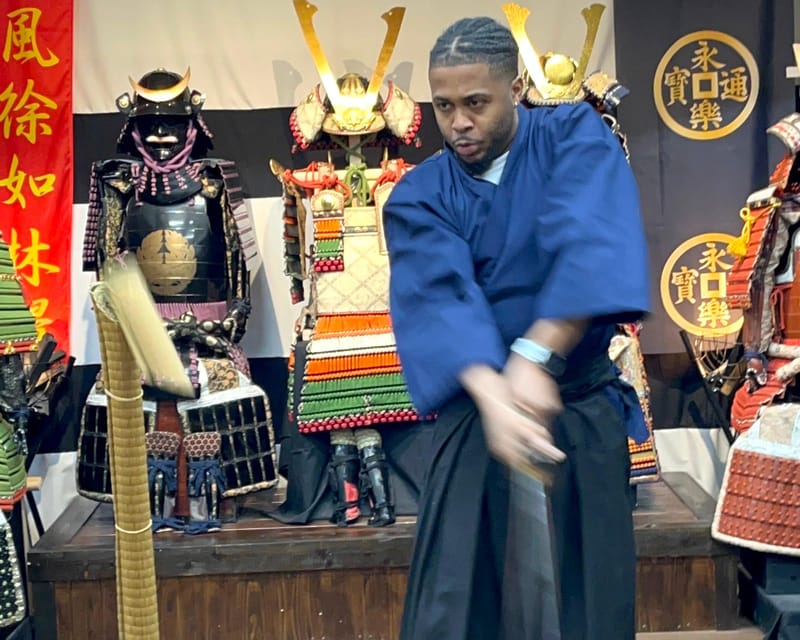
Next comes the instructor demonstration. This is where you learn what to copy—and more importantly, what to ignore. You’re watching how the teacher handles the full sequence: preparation, movement, and the cut itself.
A good sword teacher won’t only show speed. They show control. And you’ll likely notice that the “important part” isn’t the slash—it’s the readiness and the timing leading up to it.
This is a key moment to pay attention. You can always move your arms faster later, but you can’t fake timing once it’s wrong. The instructor’s performance gives you a working model to follow when you’re standing where they stood.
Cutting Tatami Twice: Your Timing, Your Control
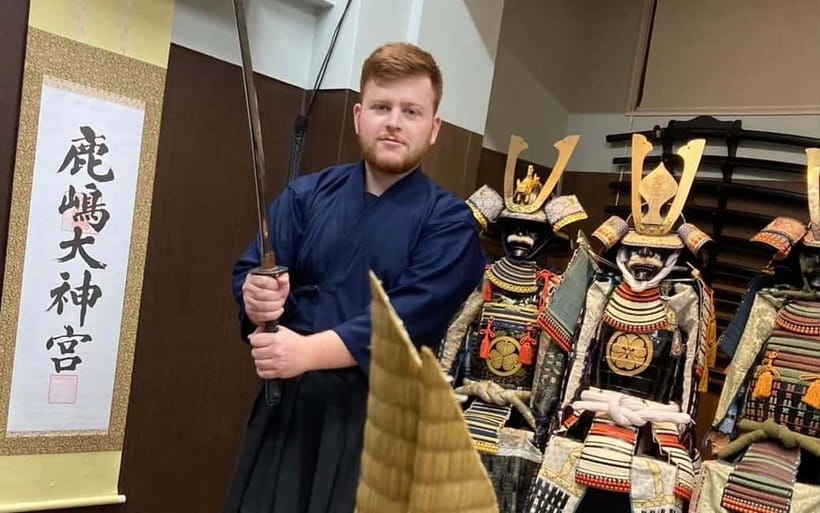
Here’s the main event: you’ll follow the instructor’s instructions to cut the tatami mat twice. The tatami are rolled mats, and they act as your target.
You’ll cut once, reset, and cut again. The process is guided, but you also get an element of choice: you can cut at the timing you want. That’s a big deal because you’re not only copying a move—you’re learning what “your timing” means while keeping the technique correct.
So what should you focus on?
- Stay calm during the preparation. If you rush the start, the cut becomes sloppy.
- Follow the instructor’s cues for the sequence. This experience is built around a specific flow.
- Treat the two cuts like two chances to improve, not two separate stunts.
Also, the session includes room for you to take pictures and videos of yourself cutting the tatami, if you wish. That’s a nice touch because you’ll want to remember the difference between how it feels in your body and how it looks from the outside.
Real Sword Moment: 100+ Year Steel, Real Responsibility
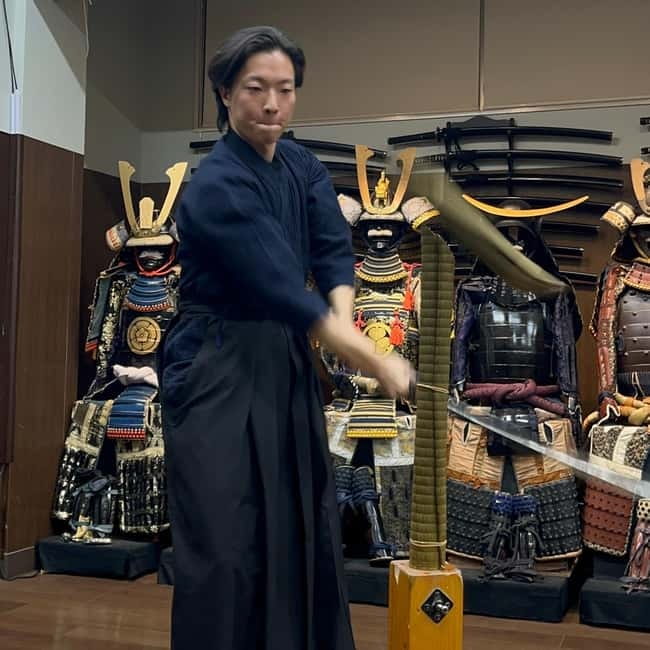
One of the standout parts is the chance to use real Japanese swords that are more than 100 years old. Even if you’ve handled swords before, you’ll likely feel the added seriousness. Older steel is heavier in a different way—not just physically, but emotionally. It makes you respect the tool.
You’ll also use an imitation sword as part of the training flow, so you’re not thrown immediately into the most intense part. The day is structured to prepare you. But when the real sword comes into play, you’ll feel that shift.
If you’re thinking about this as a souvenir experience, keep that mindset out of the room. This is training. The equipment is real, and the instructor expects your movements to be deliberate.
Wrap-Up: Questions, Commemorative Photo, and Another Look at the Teacher
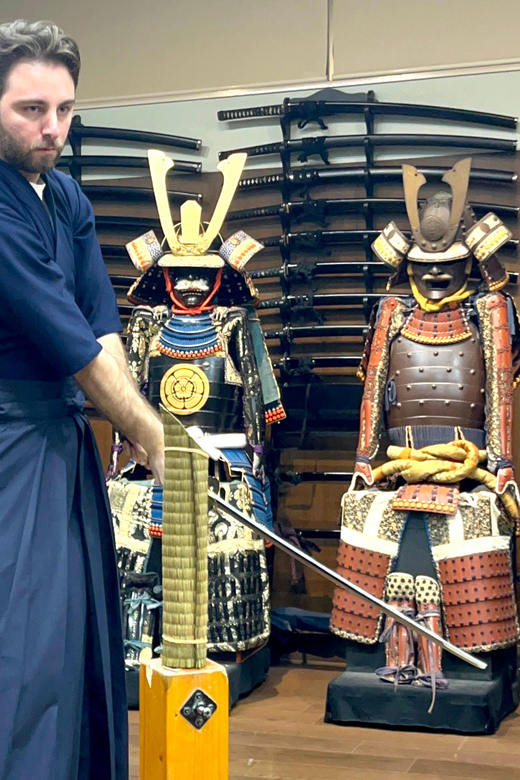
After you finish your tatami cutting, you’ll watch the teacher’s performance again. This is a helpful finishing step. It gives you a final reference point after you’ve done the hard part yourself. In other words, you get feedback-by-example: you can compare what you just tried to what the instructor makes look easy.
Then there’s more greetings and mental unity, plus a commemorative photo. You’ll also have a chance to ask questions if you want. That’s often where the experience becomes more personal: you can clarify details about grip, timing, or what to practice next if you continue studying.
The session also includes photography and video recording, so you’ll have documentation without needing to figure out angles or timing yourself.
Price and Value: Why $93 Can Make Sense Here
At $93 per person, you’re paying for more than a demo. This cost includes:
- instruction from a real Battoushi Do teacher
- sword explanation and practice
- practice suit and practice sword
- instructor demonstration
- rolled tatami mats and both imitation and real sword use
- photography/video and a commemorative photo
That mix changes the value equation. A cheaper sword show often gives you a look and a photo. This one gives you structured steps and the chance to actually cut twice, with real old swords involved.
Is it expensive compared to casual attractions? Yes. But compared to other hands-on cultural workshops, the real sword component, the guided sequence, and the included media make the price feel more justified.
If your goal is a quick story for Instagram, this might feel like more work than you expected. If you want a real skill-based experience, it’s good value.
Language, Pace, and Who This Fits Best
Languages offered are English and Japanese. That matters because clear instruction is everything in sword training. If you’re comfortable with either language, you can follow the steps and ask questions for clarification.
This experience is for adults and older teens only. It’s not suitable for children under 14. It’s also not suitable for pregnant women, wheelchair users, or visually impaired people. So be honest about your ability to stand, move, and focus safely for a hands-on martial arts session.
Who tends to love this most:
- people interested in Japanese culture beyond food and photos
- visitors who like structured training and clear coaching
- anyone curious about Iaido as a discipline, not just a spectacle
Practical Tips for Getting the Most Out of Your Cut
You’ll learn best when you treat this like training, not entertainment. A few smart moves:
- Listen for the instructor’s sequence cues before you move.
- If you take video, do it without changing your focus during the actual practice.
- After you cut, ask one clear question rather than multiple vague ones.
Also, remember you’ll be using both imitation and real swords in the flow. That means you should expect the day to move from explanation to controlled practice, then to real cutting.
Should You Book This Samurai Sword Cutting Experience?
Book it if you want a hands-on Iaido-style training session where you dress up, learn the logic behind the movements, and cut tatami twice with guidance. The combination of traditional gear, mental unity (greetings and meditation), clear instruction from a Battoushi Do teacher, and the chance to handle real 100+ year swords makes it feel like more than a show.
Skip it if you want a relaxed, sightseeing-only afternoon, or if you fall into the stated unsuitability categories. And if you’re hoping for lots of free roaming or casual distractions, this is a focused practice experience with a clear structure.
FAQ
What is included in the Samurai sword cutting experience?
It includes an instructor, sword explanation, sword practice, a practice suit, a practice sword, the instructor’s demonstration, rolled tatami mats, an imitation sword, a real sword, and photography/video recording.
What happens during the session from start to finish?
You change into traditional iaido clothing, do greetings and mental unity, receive an explanation of the Japanese sword, practice swinging, watch an instructor demonstration, then cut the tatami mat twice following the teacher’s instructions (at timing you choose). You can take pictures and videos if you want, then watch more teacher performance, do greetings and mental unification again, get a commemorative photo, and ask questions if you wish.
Will I use both imitation and real swords?
Yes. The practice includes an imitation sword and a practice suit and practice sword, and the experience also includes using a real Japanese sword.
Are there age or health requirements?
Yes. It’s not suitable for children under 14, pregnant women, wheelchair users, or visually impaired people.
What languages are available?
The experience is offered in English and Japanese.
Can I reserve & pay later, and what is the cancellation policy?
You can reserve your spot and pay later, with no payment required today. You can cancel up to 24 hours in advance for a full refund.
More Tour Reviews in Tokyo
- Mt Fuji and Hakone 1-Day Bus Tour Return by Bullet Train
★ 5.0 · 26,383 reviews - 1-Day Tokyo Bus Tour
★ 5.0 · 14,250 reviews - Tokyo: teamLab Planets TOKYO Digital Art Museum Entry Ticket
★ 4.6 · 9,779 reviews - Mt Fuji & Hakone Cruise, Drum Show Bullet Train 1 Day from Tokyo
★ 4.0 · 7,413 reviews - Tokyo: Shinjuku Food Tour (13 Dishes at 4 Local Eateries)
★ 5.0 · 6,603 reviews
More Samurai and Ninja Sessions
- Tokyo: Samurai Ninja Museum Guided tour and Experience
★ 4.6 · 1,010 reviews - Tokyo: Samurai Sword & Archery Class from Samurai Descendant
★ 5.0 · 603 reviews - Best Samurai Experience in Tokyo
★ 5.0 · 458 reviews - Ninja Experience (Family Friendly) at Samurai Ninja Museum TOKYO
★ 5.0 · 441 reviews - Tokyo: Samurai Entertainment Night Show in Kanda Shrine
★ 4.6 · 417 reviews
Latest Tokyo reviews off our desk






Samurai & Ninja Classes, compared.
 ★ 4.6Samurai Ninja Museum Guided tour and ExperienceFrom $271,010 reviews
 ★ 5.0Samurai Sword & Archery Class from Samurai DescendantFrom $193603 reviews
 ★ 5.0Best Samurai Experience in TokyoFrom $65458 reviews
 ★ 5.0Ninja Experience (Family Friendly) at Samurai Ninja Museum TOKYOFrom $47441 reviews
 ★ 4.6Samurai Entertainment Night Show in Kanda ShrineFrom $41417 reviews
 ★ 4.2Ninja Kabuki PerformanceFrom $29330 reviews
 ★ 5.0Tokyo Sword Experience – includes Museum Ticket/Ninja ExperienceFrom $84314 reviews
 ★ 4.8Samurai Ninja Museum Asakusa: Samurai Sword Lesson & TourFrom $63306 reviews
Browse the lists this tour appears in