
Reviewed · SUSHI MAKING CLASSES
Sushi Making in Tokyo at a Michelin-Listed Restaurant
Tokyo’s sushi lesson feels like being let in.
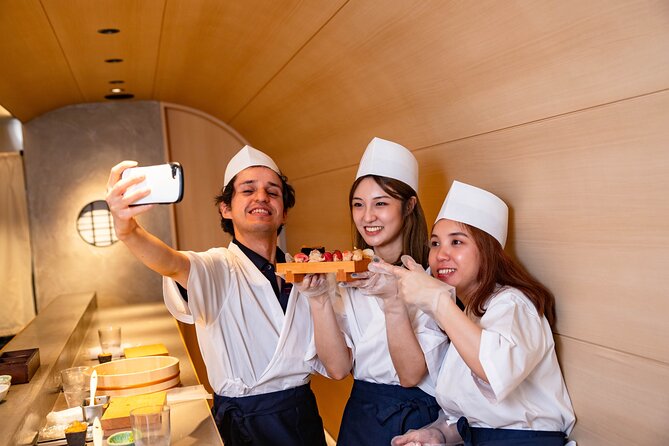
This hands-on class at Tachiguisushi Sushikawa (a Michelin-listed standing sushi restaurant) is built around real technique, not a demo you watch from afar. I like that you craft 10 nigiri yourself, then compare your work to what a chef makes. The small setting in Shibuya and the Edo-style vibe make it feel more like training than a show.
I also like the practical souvenir and the small perks that keep the mood light. You’ll get chef costume time and a set of commemorative chopsticks to take home, plus a Japanese tea or sake set while you’re learning. One thing to consider: there has been at least one past incident where the venue closed due to an internal oversight, so I’d double-check your confirmation and keep an eye on updates the day-of.
In This Review
- Key Things You’ll Notice Right Away
- Sushi-Making in Shibuya at a Michelin-Listed Standing Counter
- The 90-Minute Plan: 10 Nigiri You Make, 10 You Taste
- What You Learn That You Can Actually Use at Home
- Tea or Sake Set: A Small Detail With Real Payoff
- Tools, Costume, and the Chopsticks Souvenir You’ll Keep
- Price and Value: Is $99.08 Worth It?
- Logistics You Should Know Before You Go
- Who This Class Suits Best (And Who Might Prefer Something Else)
- Should You Book This Sushi-Making Experience?
- FAQ
- How long is the sushi-making experience?
- Where does the class meet?
- Is it a small group class?
- What will I make during the class?
- How much sushi will I taste?
- Is tea or sake included?
- What do I take home as a souvenir?
- What’s included in the price?
- Are dietary restrictions accommodated?
- Is transportation included?
Key Things You’ll Notice Right Away
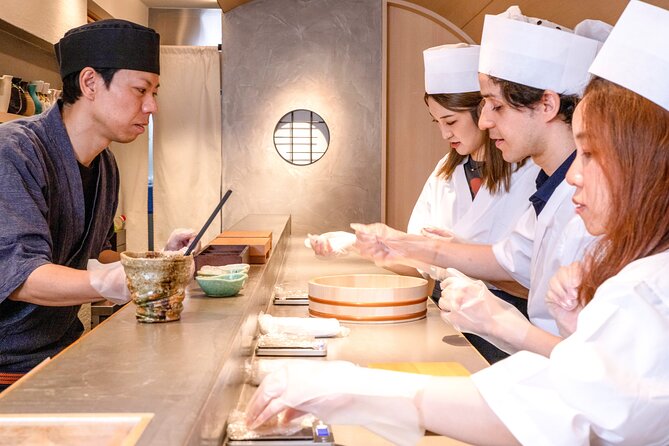
- Standing-counter, hands-on format: you learn by doing, not just watching
- 10 nigiri you make: enough repetition to feel real progress in 90 minutes
- 10 nigiri made by the chef to taste: instant feedback on texture, seasoning, and shape
- Costume + Edo-style setting: it helps you relax and focus on technique
- Japanese tea or sake set included: a simple way to reset between steps
- Small group limit (max 10): more time with the English guide and chef instruction
Sushi-Making in Shibuya at a Michelin-Listed Standing Counter
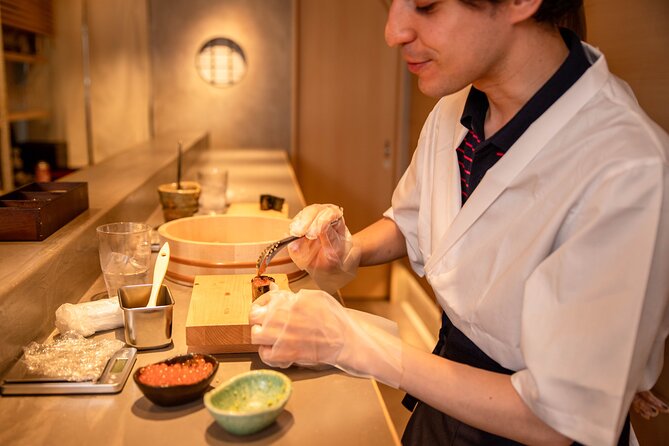
This experience takes place in Tokyo’s Shibuya area, with the meeting point at Sasazuka (Prime Bliss Sasazuka, 1-chōme626). From there, you’ll head into Tachiguisushi Sushikawa, described as a Michelin-listed standing sushi restaurant. That matters, because standing-counter sushi is a different rhythm than a traditional dining room. You’re closer to the work, the pace is tighter, and you can actually see how each step ties into the next.
The class is designed for small groups—no more than 10 people. In a room this size, you’re more likely to get specific coaching when your nigiri starts looking uneven or your rice feels off. It’s also easier to keep your attention on one thing at a time, instead of juggling a big group’s questions.
A final note on the tone: you’re encouraged to dress up in a sushi chef costume as part of the experience. That might sound silly, but it’s a smart move. It lowers the pressure. Instead of worrying about whether you’ll do it right, you’re simply learning the motions, then improving by contrast.
More sushi counters to book, ranked
- Tokyo: Roll and Authentic Sushi Making Class in Asakusa
★ 4.9 · 1,957 reviews - Make Sushi and Create Unforgettable Memories in Tokyo
★ 5.0 · 1,413 reviews - Tokyo: Sushi Making Class in a Happi Coat near a Famous Spot
★ 4.9 · 1,377 reviews - Tokyo Sushi Making Class in Tsukiji with Professional Chef
★ 5.0 · 1,177 reviews
The 90-Minute Plan: 10 Nigiri You Make, 10 You Taste
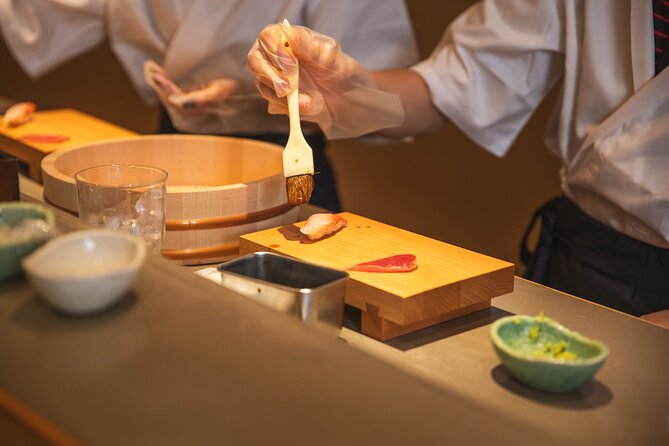
The total duration is about 1 hour 30 minutes, and the structure is refreshingly clear. The centerpiece is making nigiri: you’ll craft 10 pieces yourself under expert guidance. Not one roll. Not a long platter of complicated items. Just nigiri, repeated enough to develop muscle memory.
Then you’ll taste 10 pieces made by the chef. This second half isn’t filler. It’s where the lesson really clicks. When you taste the chef’s nigiri right after you’ve made your own, you can notice the differences that matter: the bite feel, the shape and balance, how the rice supports the fish, and how seasoning stays controlled instead of overpowering.
Expect the class to focus on technique and consistency. Nigiri looks deceptively simple, and that’s why it’s such a good skill to learn while you’re in Tokyo. The chef’s guidance helps you understand what you’re aiming for—then you get immediate evidence by tasting.
Also, the included meal is split in a useful way:
- the sushi you make
- the sushi the chef makes for tasting
That keeps expectations realistic. You aren’t just learning a craft and leaving hungry.
What You Learn That You Can Actually Use at Home
This is where the class earns its value. Sushi lessons often fail because they stop at presentation: you learn the idea, but not the mechanics. Here, you’re trained to make nigiri through hands-on repetition, and the guidance is aimed at helping you produce something that looks and tastes right.
Even in a short class, you can pick up three high-impact takeaways:
First, you learn that rice isn’t just rice. The handling and shaping are part of the flavor experience. If your rice is too loose, your nigiri won’t hold. If it’s pressed wrong, the texture changes. You can’t fix that after the fact—you have to get it right while forming.
Second, you see how fish quality and cut size change the outcome. The class uses upgraded ingredients for your session, and the chef’s tasting pieces show you what “good” looks like in a practical way. That’s not snob appeal. It’s training your palate so you recognize the goal.
Third, you learn balance. Nigiri isn’t about stacking. It’s about pairing rice and fish so the bite feels harmonious. When you compare your pieces to the chef’s, you learn what “balance” means in real terms.
One useful mindset: aim for consistency, not perfection. Even when your pieces look imperfect, the technique you practice still transfers. And in the kitchen at home, that’s what matters most.
Tea or Sake Set: A Small Detail With Real Payoff
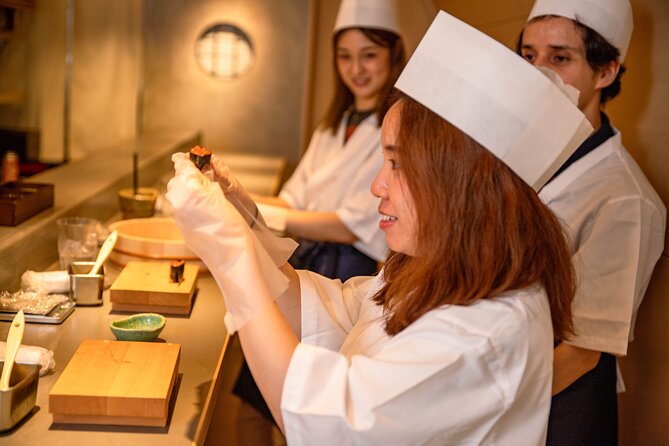
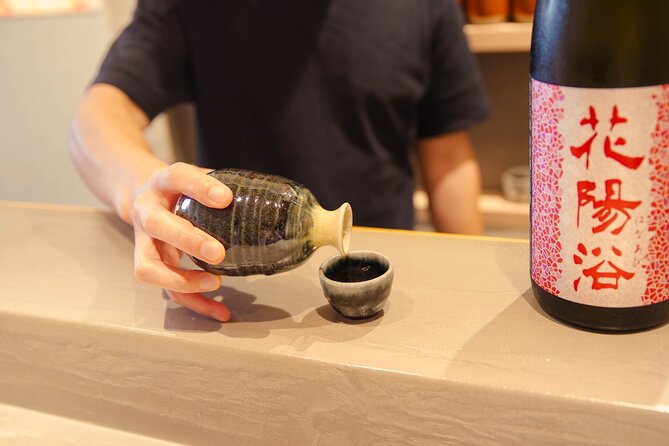
You get a complimentary Japanese tea or sake set during the experience. It’s included, and it serves a simple purpose: it keeps the pacing comfortable while you’re working with rice, tools, and fish.
Tea is a natural palate reset. Sake fits the sushi rhythm. Either way, it helps you shift from making to tasting, which keeps your brain engaged instead of stuck in one mode.
If you’re the type who likes to learn through senses, this pairing adds one more layer. You’ll taste your pieces, then taste the chef’s, and the drink gives you a gentle way to compare flavors without getting overwhelmed.
Tools, Costume, and the Chopsticks Souvenir You’ll Keep
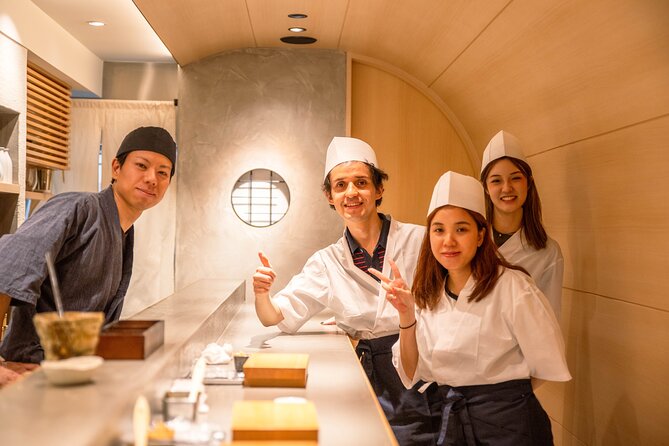
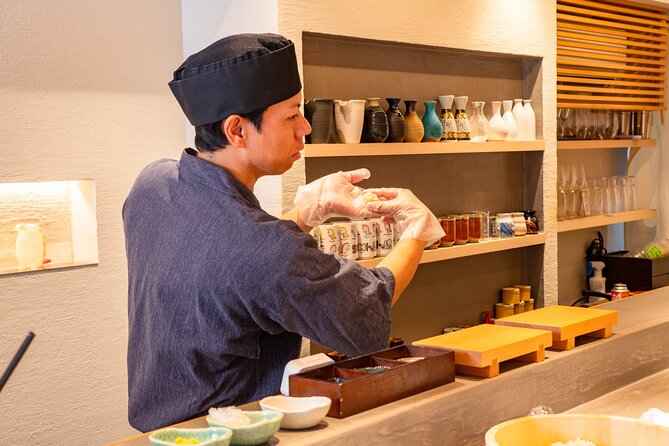
The class provides everything you need to make sushi: tools are included, and you’re also given the sushi chef costume as part of the setup. That’s more than a fun photo op. Having the right tools (instead of improvising at home) helps you learn the motions correctly while you’re in Tokyo.
Then there’s the souvenir: you take home a pair of commemorative chopsticks. That might sound minor, but it’s a good match for this kind of experience. You’re learning food technique, not buying a “thing.” Chopsticks become a reminder you can use, especially if you end up practicing nigiri later.
Readers also shortlisted these Tokyo bookings:
- Tokyo Bar Hopping Tour in Shinjuku (All-You-Can-Drink + Dinner)★ 5.0 · 3,587 reviews
- Tokyo: Yakatabune Dinner Cruise with Japanese Show & Drinks★ 4.7 · 871 reviews
- Sumida River: Japanese Traditional Yakatabune Dinner Cruise★ 4.6 · 779 reviews
- Tokyo Bay Yakatabune Dinner/Day Cruise with Japan Show and Drinks★ 4.5 · 473 reviews
- Tokyo: Shinjuku Bar Hopping with All-You-Can-Drink & Dinner★ 4.9 · 440 reviews
Price and Value: Is $99.08 Worth It?
At $99.08 per person, this isn’t a budget snack class, but it’s also not trying to be a full-on multi-course dining experience. You’re paying for three concentrated things:
1) Expert instruction in a Michelin-listed setting
2) Time with the process: tools, costume, and making 10 nigiri yourself
3) A tasting component: 10 chef-made nigiri plus a tea or sake set
The value comes from repetition and feedback. A class where you only watch is cheaper, sure, but it also teaches you almost nothing you can reproduce. Here, the structure pushes you to make, then taste, then adjust.
There’s also mention of group discounts, which can matter if you’re booking with friends. A small group plus a limit of 10 people keeps the experience from feeling like assembly-line activity.
One caution on value: if you’re expecting a long, laid-back meal, this isn’t that. It’s a focused, working session in about 90 minutes. If you like hands-on cooking and want a skill you can bring home, that timeline is exactly right.
Logistics You Should Know Before You Go
The meeting point is in Shibuya’s Sasazuka area: Prime Bliss Sasazuka (151-0073 Tokyo, Shibuya, Sasazuka, 1-chōme626). The tour ends back at the meeting point. The experience is near public transportation, which helps you get there without stress.
Two details worth planning around:
- It’s a standing sushi restaurant setting, so comfortable shoes matter more than you think.
- The experience includes a mobile ticket. Make sure it’s accessible offline, just in case.
Also, there’s a practical reliability consideration based on a reported past problem: one booking experience described the restaurant being closed due to internal oversight, and communication attempts reportedly didn’t get a quick response. I can’t predict whether that happens again. Still, it’s smart to treat the day-of like you do with any small, specialty activity: arrive a bit early, have your confirmation handy, and keep a way to contact the operator if anything feels off.
Who This Class Suits Best (And Who Might Prefer Something Else)
This sushi-making experience fits best if you want a real skill, not just a fun evening. It’s especially good for:
- first-timers who want to learn nigiri technique clearly
- people who like short classes with focused outcomes
- couples or small friend groups who enjoy hands-on cooking together
- anyone who wants a Michelin-listed setting without paying for a full meal out
You might consider another option if:
- you strongly prefer seated dining experiences
- you’re looking for a long cultural lecture rather than doing the work
- you have very specific dietary needs and you don’t want to manage advance planning (the operator asks you to inform them in advance so they can consult suitable options)
The class is designed to be personal, and the maximum group size of 10 supports that.
Should You Book This Sushi-Making Experience?
Yes—if you want a practical Tokyo food skill and you like the idea of learning nigiri by making 10 pieces, then checking your results by tasting 10 chef-made pieces. The tea or sake set, the chef costume, and the commemorative chopsticks add real warmth to a lesson that’s mostly about technique.
But book with your eyes open. Because it’s a specialty, small operation, I’d do the basics well: confirm details before you leave, arrive early, and keep your phone and mobile ticket ready.
If you’re craving a sushi class that teaches how to do it, not just how it looks, this one makes a lot of sense.
FAQ
How long is the sushi-making experience?
It runs for about 1 hour 30 minutes (approx.).
Where does the class meet?
The meeting point is in Shibuya’s Sasazuka area at Prime Bliss Sasazuka, 1-chōme626 (Tokyo 151-0073). The activity ends back at the meeting point.
Is it a small group class?
Yes. The experience has a maximum of 10 travelers.
What will I make during the class?
You will make 10 pieces of nigiri sushi yourself.
How much sushi will I taste?
You’ll taste 10 pieces made by the chef.
Is tea or sake included?
Yes. You’ll get a Japanese tea or sake set included.
What do I take home as a souvenir?
You’ll take home a pair of commemorative chopsticks.
What’s included in the price?
Included items are: tools needed for sushi making, sushi chef costume, the sushi you made, the sushi made by the chef, Japanese tea or sake set, souvenir, and an English guide.
Are dietary restrictions accommodated?
If you have food restrictions or vegetarian preferences, you should inform the provider in advance so they can consult suitable options.
Is transportation included?
Private transportation is not included.
More Dining Experiences in Tokyo
- Tokyo Bar Hopping Tour in Shinjuku (All-You-Can-Drink + Dinner)
★ 5.0 · 3,587 reviews - Tokyo: Sumo Show and Dining Experience
★ 4.8 · 2,742 reviews - Tokyo: Yakatabune Dinner Cruise with Japanese Show & Drinks
★ 4.7 · 871 reviews - Sumida River: Japanese Traditional Yakatabune Dinner Cruise
★ 4.6 · 779 reviews - Tokyo Bay Yakatabune Dinner/Day Cruise with Japan Show and Drinks
★ 4.5 · 473 reviews
More Tour Reviews in Tokyo
- Mt Fuji and Hakone 1-Day Bus Tour Return by Bullet Train
★ 5.0 · 26,383 reviews - 1-Day Tokyo Bus Tour
★ 5.0 · 14,250 reviews - Tokyo: teamLab Planets TOKYO Digital Art Museum Entry Ticket
★ 4.6 · 9,779 reviews - Mt Fuji & Hakone Cruise, Drum Show Bullet Train 1 Day from Tokyo
★ 4.0 · 7,413 reviews - Tokyo: Shinjuku Food Tour (13 Dishes at 4 Local Eateries)
★ 5.0 · 6,603 reviews
More Sushi Counters to Book
- Sushi Making Tokyo Roll and Authentic Japanese Sushi Class
★ 5.0 · 3,971 reviews - Tokyo: Roll and Authentic Sushi Making Class in Asakusa
★ 4.9 · 1,957 reviews - Make Sushi and Create Unforgettable Memories in Tokyo
★ 5.0 · 1,413 reviews - Tokyo: Sushi Making Class in a Happi Coat near a Famous Spot
★ 4.9 · 1,377 reviews - Tokyo Sushi Making Class in Tsukiji with Professional Chef
★ 5.0 · 1,177 reviews
Latest Tokyo reviews off our desk






Sushi Making Classes, compared.
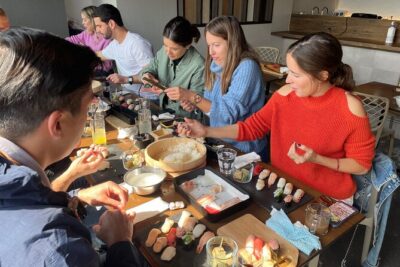 ★ 5.0Sushi Making Tokyo Roll and Authentic Japanese Sushi ClassFrom $593,971 reviews
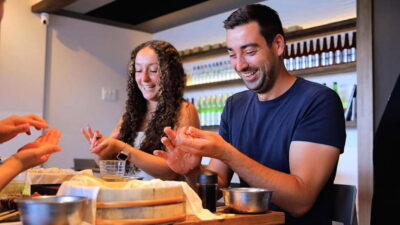 ★ 4.9Roll and Authentic Sushi Making Class in AsakusaFrom $581,957 reviews
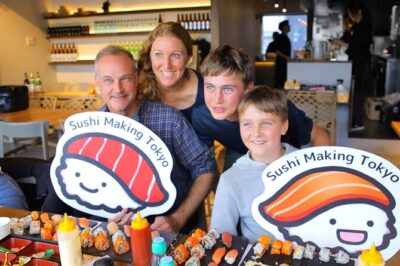 ★ 5.0Make Sushi and Create Unforgettable Memories in TokyoFrom $791,413 reviews
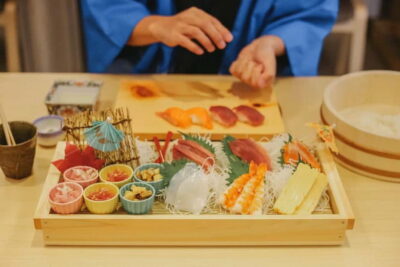 ★ 4.9Sushi Making Class in a Happi Coat near a Famous SpotFrom $421,377 reviews
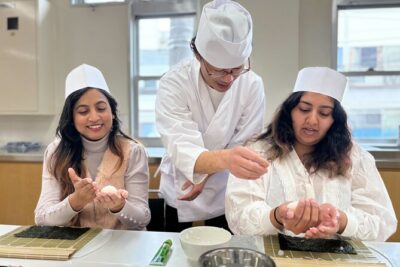 ★ 5.0Tokyo Sushi Making Class in Tsukiji with Professional ChefFrom $491,177 reviews
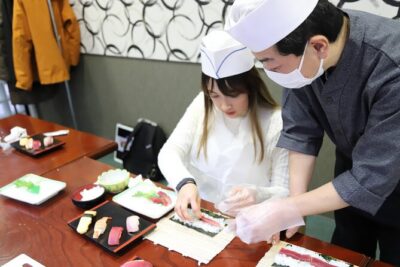 ★ 5.0Tsukiji Fish Market Guided Tour and Sushi Making with Pro ChefFrom $104775 reviews
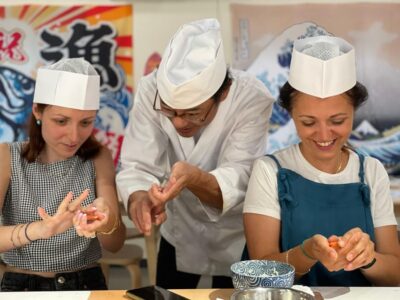 ★ 4.9Tsukiji Fish Market Sushi Making Class with Pro ChefFrom $63506 reviews
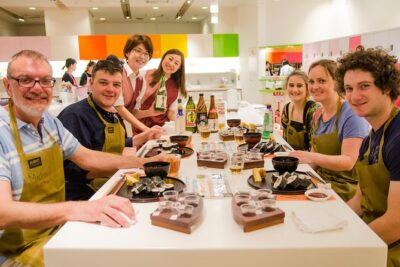 ★ 5.0Tokyo Tsukiji Fish Market Tour and Sushi Making LessonFrom $99390 reviews
Browse the lists this tour appears in