
Reviewed · SUSHI MAKING CLASSES
Tokyo: Sushi Making Class
That first bite of well-made sushi is a small miracle. This Tokyo experience is the kind where you make the pieces, not just watch them, in a friendly studio setting with real Japanese instruction.
I love how practical the lesson feels, especially the sushi rice approach you’ll use again at home. I also like the mix of food skills and Japanese food culture, from dashi and seasonings to miso soup and tamagoyaki with guides like Mika and Yuko leading the way.
One thing to plan for: the studio is in a residential area and can be tricky to find, so read the meeting-point directions closely before you go.
In This Review
- Key highlights you can actually plan around
- Finding Cooking Sun Tokyo: A Real Neighborhood, Not a Tourist Factory
- The 3-Hour Flow: What Happens From Start to Finish
- 1) Ingredients + basics: dashi, seasonings, and miso soup
- 2) Tamagoyaki: Japanese rolled egg, step-by-step
- 3) Prep time: sushi rice and toppings
- 4) Hands-on sushi making: nigiri, inari, and rolls
- 5) Sit down and eat what you made
- Sushi Rice: The Technique That Makes You Look Like You Know What You’re Doing
- The Sushi Styles: What Each One Teaches You
- Nigiri (hand-pressed sushi): precision and gentle pressure
- Inari (sweet tofu pouch sushi): working with something pre-prepped
- Hosomaki (thin roll): rolling technique you can reuse
- California roll: the familiar structure, the technique practice
- Fish and Food Safety Expectations (So You’re Not Surprised)
- Studio Setup: Apron, Towel, and the Comfort of Real Coaching
- Price and Value: Why $67 Can Actually Be a Bargain
- Who This Sushi Class Is Best For
- Should You Book Cooking Sun Tokyo?
- FAQ
- How long is the sushi making class in Tokyo?
- Is the class taught in English?
- Do I need any prior cooking or sushi experience?
- What sushi types will I make?
- Is raw fish cutting included?
- What’s included in the price?
- Is hotel pickup or transportation included?
- Can they accommodate dietary restrictions?
- What if I need to cancel?
Key highlights you can actually plan around
- Small group (up to 9 people) means more hands-on help when your rice starts sticking
- Sushi rice technique first, so your nigiri and rolls hold together instead of falling apart
- You make multiple styles: nigiri, inari, hosomaki, and a California roll
- Tamagoyaki included so you learn how Japanese rolled egg gets its texture
- Pre-sliced fish only, and the class does not teach cutting raw fish
Finding Cooking Sun Tokyo: A Real Neighborhood, Not a Tourist Factory
I like a class that feels like it belongs in everyday Tokyo. This one is in a quiet residential area, which is exactly why it can be hard to locate if you expect a big street-level shop.
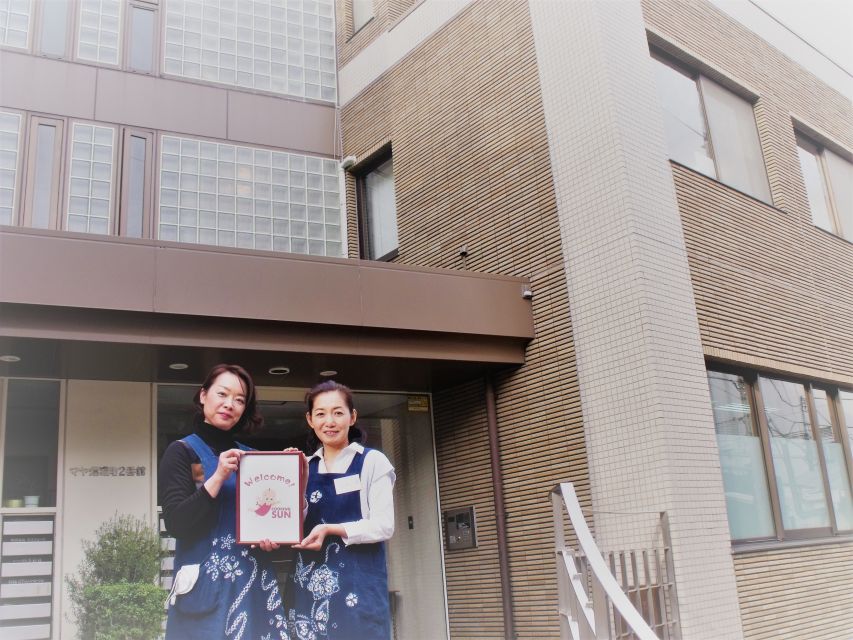
Your meeting point is a beige residential building, on the 2nd floor. At the entrance there are two doors—use the right-side door for the studio. If you need help, press 314 on the intercom. If you have Wi‑Fi, use Google Maps and search Cooking Sun Tokyo (Shinanomachi 18-39, Shinjuku-ku, Tokyo). If you don’t have Wi‑Fi, plan your route in advance and check the detailed directions on the activity website before you head out.
This is also where I’d give you one practical mindset: arrive with patience. You’re not going to a flashy kitchen with big signage. You’re going to a real building where the staff expects you to follow the instructions.
More sushi counters to book, ranked
- Tokyo: Roll and Authentic Sushi Making Class in Asakusa
★ 4.9 · 1,957 reviews - Make Sushi and Create Unforgettable Memories in Tokyo
★ 5.0 · 1,413 reviews - Tokyo: Sushi Making Class in a Happi Coat near a Famous Spot
★ 4.9 · 1,377 reviews - Tokyo Sushi Making Class in Tsukiji with Professional Chef
★ 5.0 · 1,177 reviews
The 3-Hour Flow: What Happens From Start to Finish
The class runs about 3 hours, and it’s built so you don’t spend half the time waiting around. It’s structured in steps, with demonstrations, then time for you to do the work.
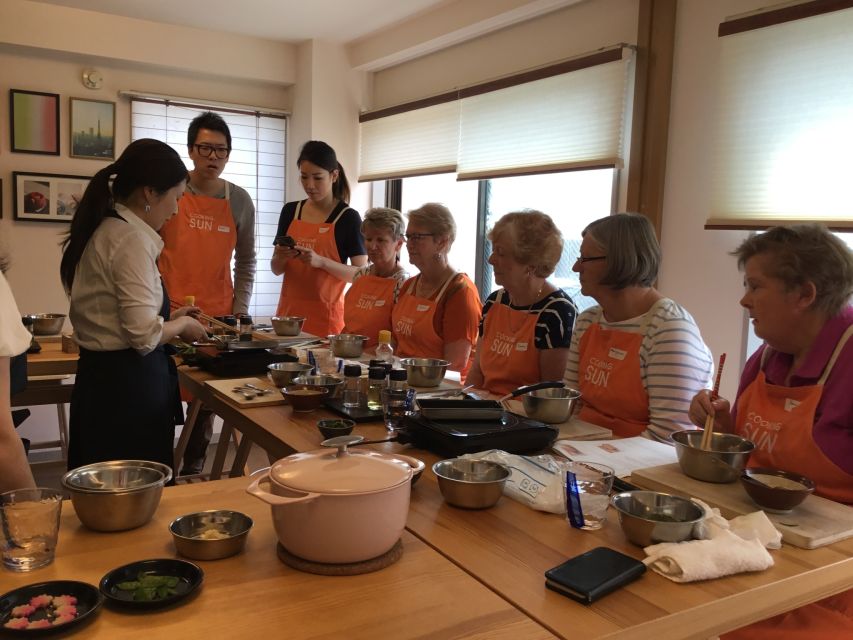
Even if it’s your first time making sushi, the instruction is designed for beginners. The group stays small (limited to 9), so you’re not lost in a crowd of 20 people, and the guides can correct your grip, your rice pressure, and your rolling technique.
Here’s how the lesson is paced.
1) Ingredients + basics: dashi, seasonings, and miso soup
You start with an intro to the flavors that make Japanese cooking taste balanced instead of salty-only or sweet-only. You’ll learn about dashi (soup stock) and traditional seasonings, and you’ll also cover miso soup basics.
This part matters because sushi is more than fish and rice. Getting the seasoning logic right helps you understand why the final plate tastes like it does. Several people also noted that the class explains the ingredients and the thinking behind them, not just the steps.
2) Tamagoyaki: Japanese rolled egg, step-by-step
Next up is tamagoyaki, the Japanese rolled egg. You’ll learn a technique that’s very “sushi-adjacent,” because the same idea—control, patience, and thin layers—shows up again in rolling and shaping.
You’ll make it with step-by-step guidance, and the goal isn’t complicated cooking skills. It’s learning how texture happens. If you’ve ever wondered why some tamagoyaki looks soft and custardy while others look dry, this is the part that teaches you what to watch for.
3) Prep time: sushi rice and toppings
After that, you get into sushi prep. Sushi rice is the centerpiece. You’ll prepare the rice and also prep toppings such as shrimp.
I like this sequence because rice timing is everything. If you miss the rice step, your rolls don’t cooperate later. If you get it right here, the rest of the class feels much easier.
Readers also shortlisted these Tokyo bookings:
- Sushi Making Tokyo Roll and Authentic Japanese Sushi Class★ 5.0 · 3,971 reviews
- Tokyo: Roll and Authentic Sushi Making Class in Asakusa★ 4.9 · 1,957 reviews
- Tokyo Shinjuku Chopsticks Making Class★ 5.0 · 1,763 reviews
- Tokyo: Sushi Making Class in a Happi Coat near a Famous Spot★ 4.9 · 1,377 reviews
- Chopstick Making Workshop in Ginza★ 4.8 · 1,366 reviews
4) Hands-on sushi making: nigiri, inari, and rolls
Then it’s your turn. You’ll do the active work: rolling and shaping, plus learning how the pieces fit together.
The class menu includes:
- Nigiri (hand-pressed sushi)
- Inari (sweet tofu pouch sushi)
- Thin roll / Hosomaki
- California roll
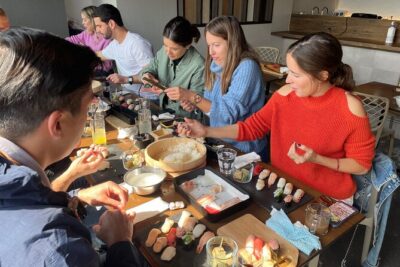
You’ll watch demonstrations first, then get support while you build your own sushi. This is where the small-group size earns its keep. When you’re pressing nigiri, your hand technique matters, and the guides can adjust you in real time.
5) Sit down and eat what you made
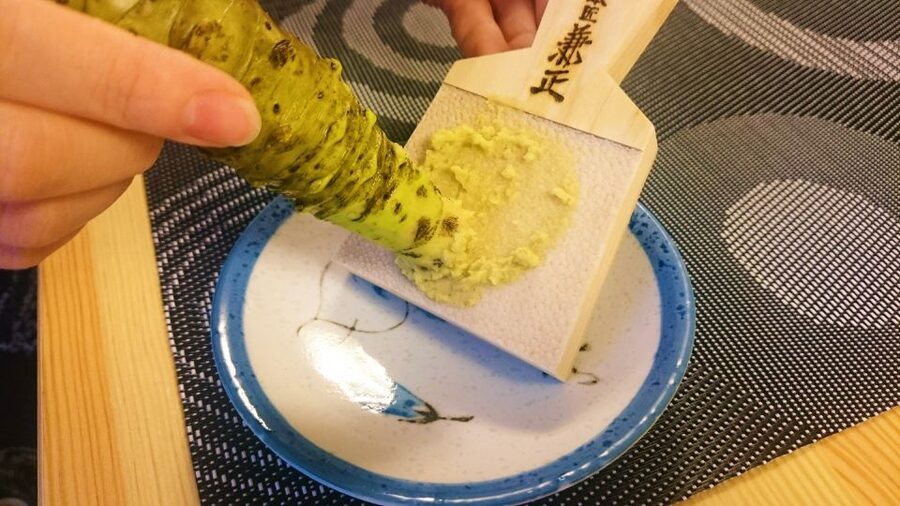
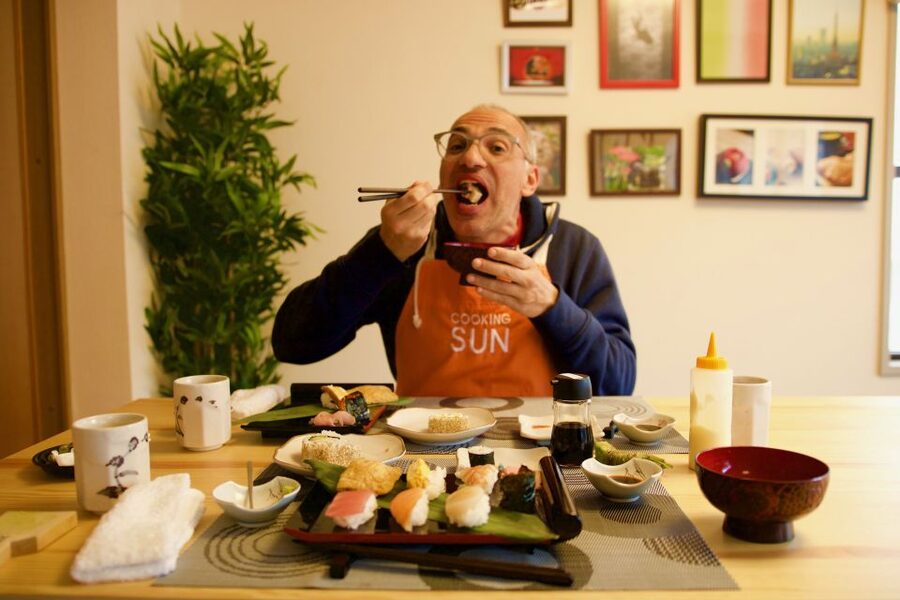
At the end, you get to enjoy your handmade sushi with miso soup. Fresh wasabi and pickled ginger are served on the side.
Most classes end with a snack. This one ends with an actual meal, which is why it works well on days when you don’t want to think about dinner plans afterward.
Sushi Rice: The Technique That Makes You Look Like You Know What You’re Doing
If you want the biggest takeaway from a sushi class, you want the rice method. This class focuses on making tasty sushi rice, and that’s not a minor detail.
Sushi rice is where people usually mess up at home:
- It’s too wet or too dry
- The seasoning is uneven
- The rice is the wrong temperature when you start shaping
In class, you learn how the rice is built and handled so it’s usable for both nigiri and rolls. And because you’re making several types of sushi, you learn how the rice behaves in different formats. A hand-pressed piece behaves differently than a thin roll.
If you’re cooking at all, you’ll appreciate that the guides explain the right ratios and techniques in a way that makes sense. Several reviews mention that instructions break everything down clearly, and that even people with celiac disease or gluten-free needs felt accommodated through ingredient substitutions.
The Sushi Styles: What Each One Teaches You
This is one reason I think the class feels better than a single-roll workshop. You’re making a set of sushi types that each teach a different skill.
Nigiri (hand-pressed sushi): precision and gentle pressure
Nigiri is about control. You’re shaping by feel—enough pressure for the rice and topping to stay together, but not so much that the rice turns into paste. That balance is exactly why having an instructor support you matters.
Inari (sweet tofu pouch sushi): working with something pre-prepped
Inari uses sweet tofu pouches, which lets you learn shaping and filling without needing to master raw fish work. It’s a great way to add variety to your plate.
Hosomaki (thin roll): rolling technique you can reuse
Thin rolls teach you rolling fundamentals—alignment, even distribution, and a clean finish. If you can make a hosomaki, you’re already halfway to more complex rolls.
California roll: the familiar structure, the technique practice
California roll is also helpful as a learning tool. It gives you an accessible format to apply your rice and rolling technique. You’re practicing the same mechanics, just with a more recognizable combination.
Fish and Food Safety Expectations (So You’re Not Surprised)
There’s an important note you should know before you book: this class uses pre-sliced fish. The class does not include instruction on how to cut raw fish.
That can be a good thing. You’re learning what most people actually want: rice, shaping, rolling, and the flavors. But it’s also worth matching expectations—if your goal is mastering knife work on raw fish, this isn’t advertised as that kind of course.
If you have dietary requirements, the studio says it can substitute ingredients as needed (for example gluten-free, vegetarian preferences, religious restrictions, and more). You should inform them at booking so they can plan substitutions.
Studio Setup: Apron, Towel, and the Comfort of Real Coaching
You get recipes, plus all ingredients and utensils. A towel and apron rental are included too, which is a small detail that makes a big difference when you’re trying to focus on technique instead of hunting for gear.
From the feedback, the kitchen setup is professional and organized. Reviews also mention that instruction includes pauses and hand-washing breaks, plus support so you never feel left behind. That matters because sushi is touchy—if you’re rushing, rice and rolling quality can suffer.
Price and Value: Why $67 Can Actually Be a Bargain
Let’s talk money like adults.
At $67 per person for about 3 hours, you’re paying for:
- English instruction
- A small group format
- Full ingredients and utensils
- Towel and apron rental
- The recipes to take home
- And a full meal at the end (not just a tasting)
In Tokyo, sushi can be pricey when you’re buying it as a tourist meal. This class gives you more than one “sushi bite.” You leave with multiple sushi styles you made yourself and the method behind them, which is why the value feels stronger than many short cooking experiences.
Also, $67 buys you time with instructors who explain not just what to do, but why it works. That can save you money later if you remake the recipes at home.
Who This Sushi Class Is Best For
This class fits best if you want hands-on food work in a friendly, beginner-friendly setting. It’s also a strong choice if you like structure—step-by-step guidance, clear demonstrations, and support when your rice won’t cooperate.
It can work for families too. One review mentions taking a sushi-obsessed child and the team being patient and helpful, which tells me the class isn’t only for adults comfortable with kitchen work.
If you’re a serious home cook, you’ll still find value in technique breakdown—especially rice handling and rolling habits. And if you just love sushi, you’ll get the satisfaction of building the whole plate yourself.
Should You Book Cooking Sun Tokyo?
I’d book it if you want a Tokyo experience that feels local, practical, and satisfying. The best parts are the small group size, the hands-on sushi rice focus, and the fact that you make multiple styles—nigiri, inari, hosomaki, and California roll—then eat a full meal.
I wouldn’t book it if:
- You expect instruction on how to cut raw fish (this class uses pre-sliced fish)
- You want a super-easy meeting point with no residential navigation (the building is in a quieter neighborhood, and the directions matter)
- You’re only interested in one quick sushi roll with no rice or broader instruction
If that sounds like you, this is one of the better ways to spend an afternoon in Tokyo.
FAQ
How long is the sushi making class in Tokyo?
The class lasts about 3 hours.
Is the class taught in English?
Yes. Instruction is in English.
Do I need any prior cooking or sushi experience?
No prior experience is required. The class is set up for beginners.
What sushi types will I make?
You’ll make nigiri, inari, thin roll (hosomaki), and a California roll.
Is raw fish cutting included?
No. The class uses pre-sliced fish, and it does not include instruction on how to cut raw fish.
What’s included in the price?
Recipes, all ingredients and utensils, plus towel and apron rental are included.
Is hotel pickup or transportation included?
No. Hotel pickup and transportation are not included.
Can they accommodate dietary restrictions?
They say they can substitute ingredients for dietary requirements like allergies, gluten-free diets, religious restrictions, and vegetarian preferences. Tell them your needs when booking.
What if I need to cancel?
You can cancel up to 24 hours in advance for a full refund.
More Workshops in Tokyo
- Sushi Making Tokyo Roll and Authentic Japanese Sushi Class
★ 5.0 · 3,971 reviews - Tokyo: Roll and Authentic Sushi Making Class in Asakusa
★ 4.9 · 1,957 reviews - Tokyo Shinjuku Chopsticks Making Class
★ 5.0 · 1,763 reviews - Tokyo: Sushi Making Class in a Happi Coat near a Famous Spot
★ 4.9 · 1,377 reviews - Chopstick Making Workshop in Ginza
★ 4.8 · 1,366 reviews
More Tour Reviews in Tokyo
- Mt Fuji and Hakone 1-Day Bus Tour Return by Bullet Train
★ 5.0 · 26,383 reviews - 1-Day Tokyo Bus Tour
★ 5.0 · 14,250 reviews - Tokyo: teamLab Planets TOKYO Digital Art Museum Entry Ticket
★ 4.6 · 9,779 reviews - Mt Fuji & Hakone Cruise, Drum Show Bullet Train 1 Day from Tokyo
★ 4.0 · 7,413 reviews - Tokyo: Shinjuku Food Tour (13 Dishes at 4 Local Eateries)
★ 5.0 · 6,603 reviews
More Sushi Counters to Book
- Sushi Making Tokyo Roll and Authentic Japanese Sushi Class
★ 5.0 · 3,971 reviews - Tokyo: Roll and Authentic Sushi Making Class in Asakusa
★ 4.9 · 1,957 reviews - Make Sushi and Create Unforgettable Memories in Tokyo
★ 5.0 · 1,413 reviews - Tokyo: Sushi Making Class in a Happi Coat near a Famous Spot
★ 4.9 · 1,377 reviews - Tokyo Sushi Making Class in Tsukiji with Professional Chef
★ 5.0 · 1,177 reviews
Latest Tokyo reviews off our desk




Sushi Making Classes, compared.
 ★ 5.0Sushi Making Tokyo Roll and Authentic Japanese Sushi ClassFrom $593,971 reviews
 ★ 4.9Roll and Authentic Sushi Making Class in AsakusaFrom $581,957 reviews
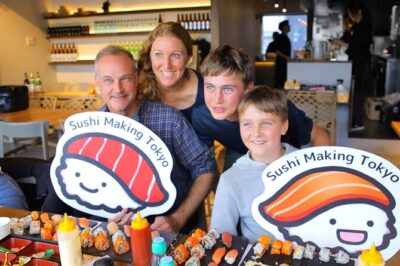 ★ 5.0Make Sushi and Create Unforgettable Memories in TokyoFrom $791,413 reviews
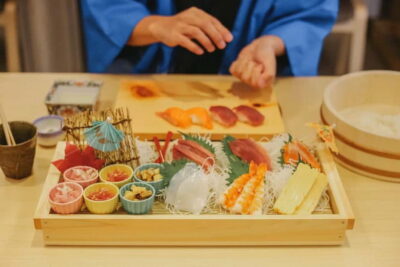 ★ 4.9Sushi Making Class in a Happi Coat near a Famous SpotFrom $421,377 reviews
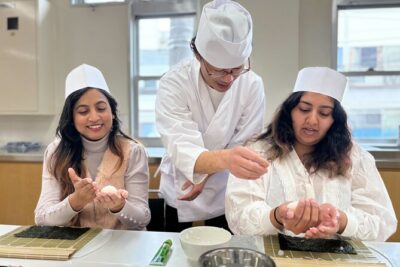 ★ 5.0Tokyo Sushi Making Class in Tsukiji with Professional ChefFrom $491,177 reviews
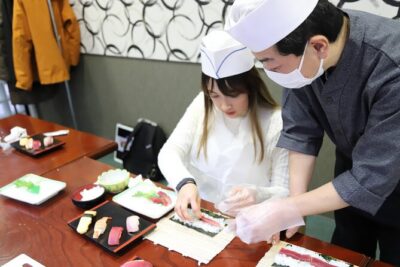 ★ 5.0Tsukiji Fish Market Guided Tour and Sushi Making with Pro ChefFrom $104775 reviews
 ★ 4.9Tsukiji Fish Market Sushi Making Class with Pro ChefFrom $63506 reviews
 ★ 5.0Tokyo Tsukiji Fish Market Tour and Sushi Making LessonFrom $99390 reviews
Browse the lists this tour appears in