
Reviewed · WALKING TOURS
Tokyo 2-Day Private Walking Tour with Licensed Guide
Tokyo can feel like a game on hard mode.
This private two-day plan gives you a licensed English guide and a customizable route, so you can mix modern Tokyo with traditional neighborhoods without wasting the short time you have.
I especially like the same guide for both days and the way the schedule is built around 3–4 chosen stops per day. That pacing helps you spend time understanding what you’re seeing, not just moving your feet from one photo spot to the next. In the feedback I’m seeing, guides like Yasuho Suzuki, Yoshi, and Kazu are praised for answering questions and getting groups to requested places efficiently.
One consideration: most visits are walking, and some key sights have separate admission costs or limits (like Imperial Palace interior access not included). You’ll also want to expect meals and transport to be on your own, and the tour can be weather-dependent.
In This Review
- Key things that make this tour a smart Tokyo base
- Why Tokyo needs two days on foot, not one
- How choosing 3–4 stops per day changes your whole experience
- Day 1 options: Asakusa, Senso-ji, Tsukiji, Akihabara, and the old-downtown feel
- Asakusa and getting your bearings
- Senso-ji Temple: the icon you’ll actually understand
- Imperial Palace grounds: dramatic walls without paying for a restricted interior
- Tokyo National Museum: history mode, with extra tickets
- Tsukiji Fish Market (old market): a fast, flavorful Tokyo morning
- Akihabara: electronics, games, and the Tokyo that runs on curiosity
- Hama Rikyu Gardens: calm reset by the bay
- Shibamata: old-school charm away from the biggest tourist circuits
- Nezu (Yanaka/Nezu): last-century streets that still work
- Ueno Park: a big umbrella for museums, shrines, and pauses
- Day 2 options: Shinjuku Gyoen, Meiji Jingu, Shibuya Crossing, Tokyo Tower, and Odaiba
- Shinjuku Gyoen National Garden: big park time without the guesswork
- Rikugien Garden: a classic Edo-period-style garden option
- Yoyogi Park and Harajuku area: outdoors + youth fashion energy
- Meiji Jingu Shrine: right beside the chaos, and still quiet
- Shibuya Crossing: the icon, plus practical crossing advice
- Koishikawa Korakuen Garden: an older garden with a slower tempo
- Kabukicho and Golden Gai area: neon nightlife districts
- Tokyo Tower: the view, but not the top deck
- Odaiba: waterline Tokyo with shopping and entertainment options
- Licensed English guide power: faster choices and better explanations
- Price and value: what $286.16 buys (and what it doesn’t)
- Practical tips to keep your walking days pleasant
- Should you book this Tokyo two-day private walking tour?
- FAQ
- Is this tour private?
- How long is the tour?
- Can I choose the stops I want?
- What’s included in the price?
- Are entrance fees included?
- Is the Imperial Palace and Tokyo Tower access fully included?
Key things that make this tour a smart Tokyo base
- Same guide, two consecutive days: less repetition, better flow across neighborhoods
- Pick 3–4 stops per day: you control the vibe, from temples to tech to gardens
- Licensed English guidance: explanations you can actually use while you walk
- A mix of old and new Tokyo: Asakusa/Ueno/Nezu plus Harajuku/Shibuya/Tower/Odaiba options
- Garden breaks built in: places like Hama Rikyu, Shinjuku Gyoen, and Rikugien reset your day
- Not everything is included: some museum and garden entries usually cost extra
Why Tokyo needs two days on foot, not one
Tokyo is big in a way that doesn’t show up on a map. Neighborhoods feel like mini-cities, and hopping between them quickly turns into a timing puzzle—especially when trains are crowded and you’re trying to see real sights, not just transit stations.
This tour’s structure helps. You get about six hours each day with one guide, and you’re choosing a small set of stops from the options. That means the day can stay human-scale: time to walk slowly through a shrine approach, time to stand back and absorb a park, time to ask questions when something catches your eye.
You also get the benefit of continuity. With the same guide for both days, the second day usually feels less like a fresh start and more like a continuation of your Tokyo story.
Readers also shortlisted these Tokyo bookings:
- Tokyo Tsukiji Fish Market Food and Culture Walking Tour
★ 5.0 · 3,184 reviews - Tokyo: Imperial Palace and Shogun Historical Walking Tour
★ 5.0 · 2,251 reviews - Tokyo: Shinjuku Local Bar and Izakaya Guided Walking Tour
★ 4.9 · 1,794 reviews - Tokyo: Tsukiji Fish Market Food and Walking tour
★ 5.0 · 1,724 reviews
How choosing 3–4 stops per day changes your whole experience
This isn’t a rigid “see everything” parade. You select your must-see spots from the provided lists, and you can mix choices across the two days. Practically, that’s huge.
For your planning, it means:
- If you care more about history, you can emphasize areas like Asakusa, Ueno, and the Imperial Palace grounds.
- If you care more about modern Tokyo, you can steer toward Harajuku, Shibuya Crossing, Tokyo Tower (main deck), and Odaiba.
- If you like scenery and breathing room, you can build in garden time with places like Shinjuku Gyoen, Rikugien, Hama Rikyu, and Koishikawa Korakuen (each listed as an option).
For your day-to-day comfort, it also prevents “fatigue tourism.” When you’re only committing to a few major stops, you can handle meals, small detours, and photo pauses without the guide needing to speed-walk past everything that matters.
One more detail I appreciate: the tour offers pickup, and you meet your guide in the Tokyo area on foot near public transportation. That matters because Tokyo rewards planning that minimizes guesswork on where to start.
Day 1 options: Asakusa, Senso-ji, Tsukiji, Akihabara, and the old-downtown feel
Day 1 gives you a classic Tokyo arc: temples and old streets in the east, then markets and tech energy, with garden and old-neighborhood options that slow things down again.
Asakusa and getting your bearings
Asakusa is a great “Tokyo orientation” choice. It’s one of those areas where you instantly understand the layout of the city’s older downtown rhythm—streets that feel like they’ve been here forever, plus a temple-centered atmosphere.
If you choose it, you’re likely to use this stop as a warm-up: you can ease in before the crowds and start learning how the neighborhood flows.
Senso-ji Temple: the icon you’ll actually understand
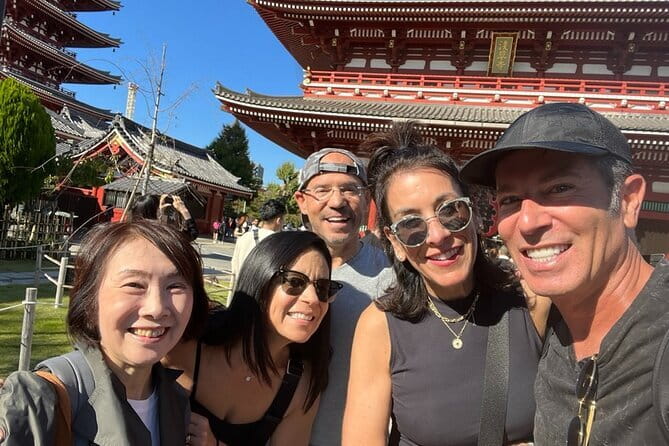
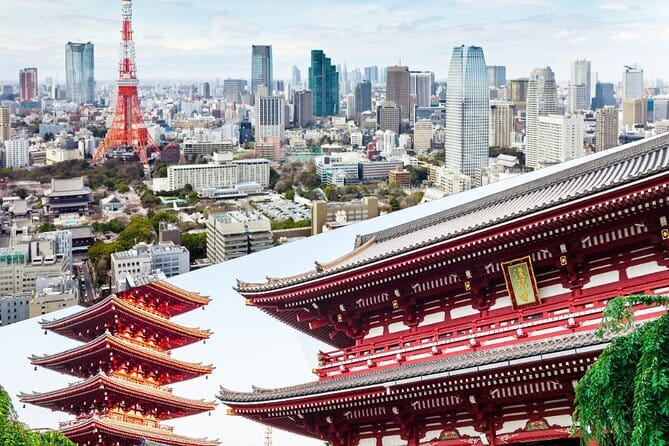
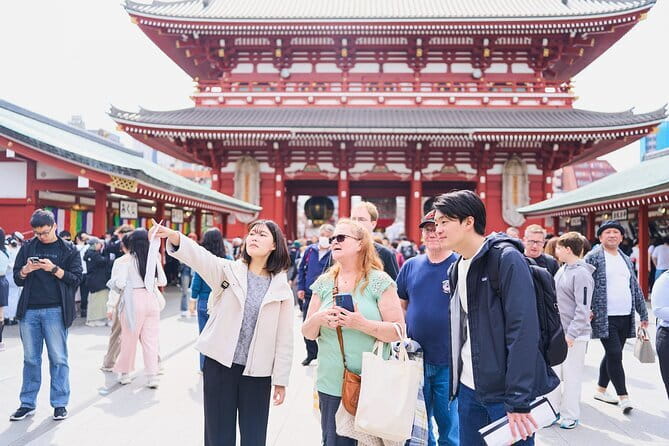
Senso-ji is one of Tokyo’s most colorful and popular temples, and it’s also a place where a guide can help you read what you’re seeing. You get the big temple moment, but you also get context around the site and what people do there—exactly the kind of meaning that turns a photo into a memory.
Entry is described as free, which makes this a low-risk, high-impact choice.
Readers also shortlisted these Tokyo bookings:
- Tokyo 6hr Private Tour with Government-Licensed Guide★ 5.0 · 3,902 reviews
- Tokyo: Shinjuku Local Bar and Izakaya Guided Walking Tour★ 4.9 · 1,794 reviews
- Tokyo: Private City Highlights Tour with Local Guide★ 4.8 · 1,433 reviews
- Tokyo: Tsukiji Fish Market Guided Walking Tour★ 4.9 · 1,397 reviews
- Tokyo 4hr Private Tour with Government-Licensed Guide★ 5.0 · 1,394 reviews
Imperial Palace grounds: dramatic walls without paying for a restricted interior
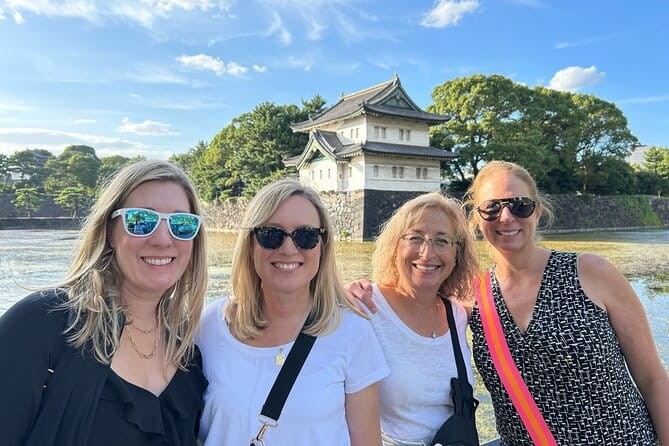
You’ll be able to see the Imperial Palace area, but access inside the palace is not included. That’s common for tours that keep things practical, and it’s still worth it because the exterior setting—moats and massive stone walls—is part of the story.
If you want a “Tokyo power and tradition” contrast without committing to a timed paid entry, this is a solid fit.
Tokyo National Museum: history mode, with extra tickets
Tokyo National Museum is listed as a stop, and it’s the kind of place where a knowledgeable guide can make your visit feel guided even when you’re moving at your own pace. The listing indicates admission is not included, so you should plan on paying that on your own.
Choose this if you want cultural depth and you don’t mind slowing down for galleries.
Tsukiji Fish Market (old market): a fast, flavorful Tokyo morning
Tsukiji is an option that keeps Day 1 moving. It’s described as exploring the old fish market in Tokyo, with a shorter time window.
This is a smart pick if you want sensory Tokyo—crush-of-activity energy, food culture, and local market vibes—without turning Day 1 into an all-day museum marathon.
Akihabara: electronics, games, and the Tokyo that runs on curiosity
Akihabara is the option for modern Tokyo’s geek-coded side. If electronics shops, gaming culture, or specialty stores are on your “must see” list, this is where you’ll aim your attention.
Entry is described as free, which also makes it an easy slot to include even if you end up spending extra on snacks or souvenirs.
Hama Rikyu Gardens: calm reset by the bay
Hama Rikyu is a garden option with seawater ponds that change level with the tides, plus a teahouse in the garden setting. It’s also listed as admission not included.
This stop is valuable because it’s a break from Tokyo’s “go-go” intensity. Gardens like this give you a different pace: more slow looking, fewer decisions, more atmosphere.
Shibamata: old-school charm away from the biggest tourist circuits
Shibamata is an option on the eastern end of Tokyo, not far from the Edogawa River. The description emphasizes that the neighborhood retains an old-school feel.
If you want Tokyo that feels less like a theme park, Shibamata is a strong contrast pick. Entry is listed as free, which keeps it friendly on budget.
Nezu (Yanaka/Nezu): last-century streets that still work
Nezu is another old-downtown option that’s described as having avoided major damage in wars and disasters. That’s why parts of the area retain the feel of the past, with a more relaxed pace than the central showpieces.
It’s listed as free, and it’s also the kind of stop where walking with a guide can help you see what’s “old” about the neighborhood beyond just the architecture.
Ueno Park: a big umbrella for museums, shrines, and pauses
Ueno Park can be a flexible choice. The listing notes multiple attractions in one area, including a Toshogu Shrine and Shinobazu Pond, plus that it’s known as a cherry blossom party spot.
Admission is listed as not included, so if you pick Ueno as a stop, check what you want to do there and budget for paid sights inside the park.
Day 2 options: Shinjuku Gyoen, Meiji Jingu, Shibuya Crossing, Tokyo Tower, and Odaiba
Day 2 leans more mixed: parks, shrine atmosphere, youth fashion zones, neon crossroads, and skyline views. It’s a good day for contrast—calm in the morning, energy later.
Shinjuku Gyoen National Garden: big park time without the guesswork
Shinjuku Gyoen is listed as one of Tokyo’s largest and most popular parks. It’s short walk from Shinjuku Station, which helps if you like practical logistics.
Admission is not included, so expect a small extra cost. But it’s a great option if you want real breathing room after a city-heavy day.
Rikugien Garden: a classic Edo-period-style garden option
Rikugien is described as one of Tokyo’s most beautiful Japanese landscape gardens, built around 1700 for a Tokugawa shogun. Admission is listed as not included.
This is a good pick if gardens are your thing and you want a more structured, traditional-feeling environment. If you’re not a garden person, you might swap it for something more “street level.”
Yoyogi Park and Harajuku area: outdoors + youth fashion energy
Yoyogi Park is listed as an option with lawns, ponds, and forested areas, plus jogging and picnicking vibes. Entry is free.
Then you’ve got Takeshita Street (Harajuku), listed as free and centered on extreme teenage culture and fashion styles. If you want to see what young Tokyo looks like, this pair works well: park to recharge, street to shock your senses in a fun way.
Meiji Jingu Shrine: right beside the chaos, and still quiet
Meiji Jingu is a shrine dedicated to Emperor Meiji and Empress Shoken, listed as free, and close to Harajuku Station.
A guide’s value here is pacing. You get the famous shrine experience while also understanding why it feels like a different world compared to the street outside.
Shibuya Crossing: the icon, plus practical crossing advice
Shibuya Crossing is listed as an option with a one-hour slot. It’s free, but it’s also one of those places where a guide can help you get oriented quickly so you’re not just standing there waiting for a gap.
This is a good stop if you want the Tokyo “moment” that everyone recognizes.
Koishikawa Korakuen Garden: an older garden with a slower tempo
Koishikawa Korakuen is listed as one of Tokyo’s oldest and best Japanese gardens. Admission is not included.
If you included a garden on Day 1, you might choose this as a second garden only if you truly enjoy that style. Otherwise, swap it for Tokyo Tower or Odaiba later in the day.
Kabukicho and Golden Gai area: neon nightlife districts
Kabukicho is listed as an option, with notes about Golden Gai’s history and the idea of eating and drinking establishments forming in that area. Entry is free.
This is less about “seeing a monument” and more about experiencing Tokyo at night energy—even in daylight hours, the district has that atmosphere.
Tokyo Tower: the view, but not the top deck
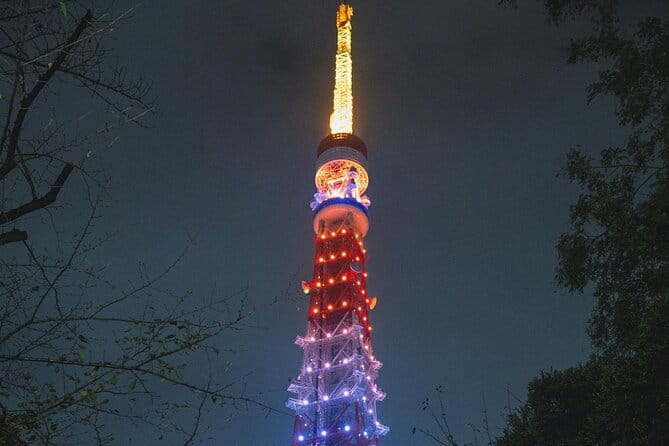
Tokyo Tower is listed as an option with the note that you can go up to the main deck, but the top deck is not included. Admission is not included.
This is still a great pick if you want a classic Tokyo skyline photo. Just set expectations: you’ll get the main deck view, not the highest level.
Odaiba: waterline Tokyo with shopping and entertainment options
Odaiba is described as a popular shopping and entertainment district on a man-made island in Tokyo Bay. It’s listed as free.
This is a nice end-of-day option if you want open space and a different kind of Tokyo feel—less shrine-temple, more waterfront city.
Licensed English guide power: faster choices and better explanations
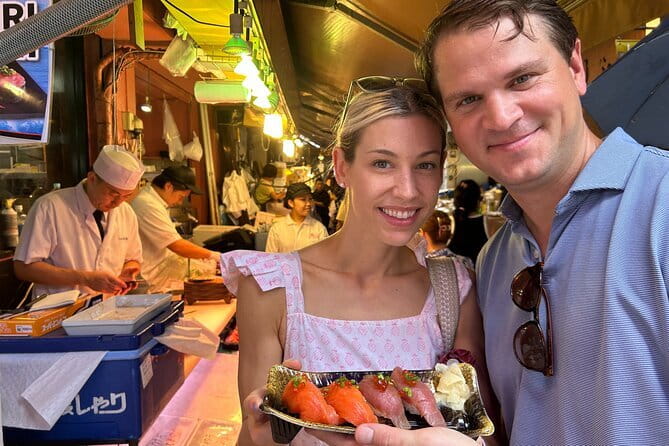
What makes this tour worth real money isn’t just that it’s private. It’s that you’re with a licensed local English-speaking guide, and the feedback I’m seeing repeatedly points to the same strengths: the guide knows what you’re looking at, answers questions, and keeps things efficient.
That matters in Tokyo. Without help, you can easily miss the point of a shrine approach, misread what a neighborhood is known for, or waste time trying to find the right entrances for things that look similar.
In the reviews, guides including Yasuho Suzuki, Yoshi, and Kazu are praised for being easygoing while still guiding with purpose—plus, in one case, Kazu even arranged an exclusive tea ceremony during a two-day visit. If that sounds like your style, it’s worth asking your guide if anything like that can be added on a day when the schedule allows.
Also, because you have one guide across two days, they can adjust. If you like a stop and want more time, or you’re less interested than you thought, the second day can be tailored accordingly.
Price and value: what $286.16 buys (and what it doesn’t)
At $286.16 per person for two consecutive days with private guiding, the value depends on your style.
You’re paying for:
- About 12 hours of private time across two days (6 hours each day)
- A licensed guide who can explain and organize your route
- The ability to choose 3–4 stops each day, so you aren’t forced into a one-size itinerary
You’re not paying for:
- Accommodation, meals, and transportation fees
- Entrance fees for many sights (some are free, some are not)
- A private vehicle (so expect walking and public transit use where needed)
In practical terms, this price often makes sense if you’re:
- Short on time and want to see more than a DIY day-by-day plan
- Traveling with family or friends who prefer a smoother pace
- Someone who gets more out of sites with context, not just selfies
If you enjoy planning tightly on your own and don’t want to pay for guidance, you might do fine DIY. But if you want Tokyo to feel navigable and meaningful, private guiding at this length can be a very good deal.
Practical tips to keep your walking days pleasant
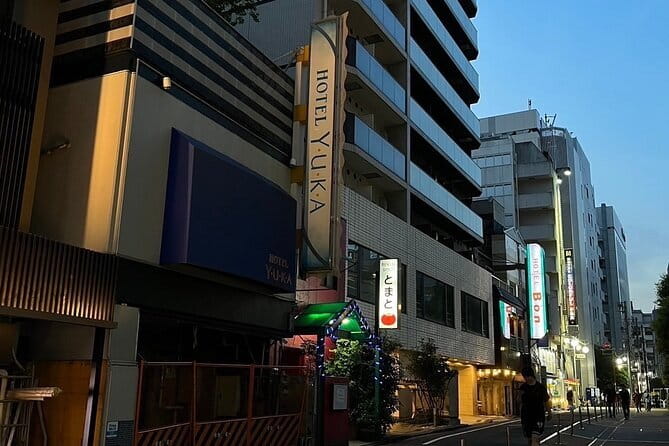
Tokyo walking tours are easy to enjoy when you plan for comfort. Here’s how I’d set yourself up:
- Wear comfortable shoes. You’ll be moving enough that sore feet will steal the fun.
- Build in water breaks. The tour doesn’t include meals, and you’ll want time to refill.
- Choose 3–4 stops that work as a “story.” For example: old Tokyo (Asakusa + Senso-ji) then a culture anchor (museum) then a reset (garden).
- Expect some admissions costs. Museums and many gardens are listed as not included, while temples and some districts are free to enter.
- Know the limits. Imperial Palace interior access is not included, and Tokyo Tower is main deck only.
- Plan around weather. The tour requires good weather and can be rescheduled or refunded if canceled due to poor weather.
If you want the best experience, take your list seriously before booking. The whole point is choosing what you’ll care about on your two days.
Should you book this Tokyo two-day private walking tour?
I’d book it if you want Tokyo in two focused days with a licensed English guide, and you like the idea of picking exact stops instead of surrendering your time to a fixed route. It’s also ideal if you care about meaning—why a place matters, what to notice, and how neighborhoods connect.
Skip it or replace it with a DIY plan if:
- You’re comfortable designing an efficient route across Tokyo without guidance
- You don’t want to manage any extra admission fees on top
- You only care about a handful of ultra-specific sights and nothing else
If you’re on a tight schedule and want your two days to feel logical and well paced, this tour is a very strong match.
FAQ
Is this tour private?
Yes. It’s a private tour/activity, and only your group will participate.
How long is the tour?
It’s listed as about 2 days, with each day running approximately 6 hours.
Can I choose the stops I want?
Yes. You select 3 to 4 sites from the provided lists for each day, and you can mix and match the lists between the two days.
What’s included in the price?
The licensed local English-speaking guide is included, along with the customizable tour. Pickup is offered, and you meet the guide on foot within the designated area of Tokyo.
Are entrance fees included?
No. Accommodation, meals, transportation fees, and entrance fees are not included. Some stops are listed as free, but others are not included.
Is the Imperial Palace and Tokyo Tower access fully included?
No. Access to the inside of the Imperial Palace is not included. For Tokyo Tower, only up to the main deck is included, and the top deck is not included.
More Walking Tours in Tokyo
- Tokyo Tsukiji Fish Market Food and Culture Walking Tour
★ 5.0 · 3,184 reviews - Tokyo: Imperial Palace and Shogun Historical Walking Tour
★ 5.0 · 2,251 reviews - Tokyo: Shinjuku Local Bar and Izakaya Guided Walking Tour
★ 4.9 · 1,794 reviews - Tokyo: Tsukiji Fish Market Food and Walking tour
★ 5.0 · 1,724 reviews - Tokyo: Asakusa Walking Tour with Sensoji Temple Visit
★ 4.8 · 1,583 reviews
More Tours in Tokyo
- Mt Fuji and Hakone 1-Day Bus Tour Return by Bullet Train
★ 5.0 · 26,383 reviews - 1-Day Tokyo Bus Tour
★ 5.0 · 14,250 reviews - Tokyo: Shinjuku Food Tour (13 Dishes at 4 Local Eateries)
★ 5.0 · 6,603 reviews - Tokyo Mt Fuji 5th St & Hakone Cruise Bus Tour w/Bullet Train
★ 4.4 · 5,024 reviews - Flagship 2-Hours Official Street Go-Kart Tour – Tokyo Bay Shop
★ 5.0 · 4,974 reviews
More Tour Reviews in Tokyo
- Mt Fuji and Hakone 1-Day Bus Tour Return by Bullet Train
★ 5.0 · 26,383 reviews - 1-Day Tokyo Bus Tour
★ 5.0 · 14,250 reviews - Tokyo: teamLab Planets TOKYO Digital Art Museum Entry Ticket
★ 4.6 · 9,779 reviews - Mt Fuji & Hakone Cruise, Drum Show Bullet Train 1 Day from Tokyo
★ 4.0 · 7,413 reviews - Tokyo: Shinjuku Food Tour (13 Dishes at 4 Local Eateries)
★ 5.0 · 6,603 reviews
Latest Tokyo reviews off our desk






Walking Tours, compared.
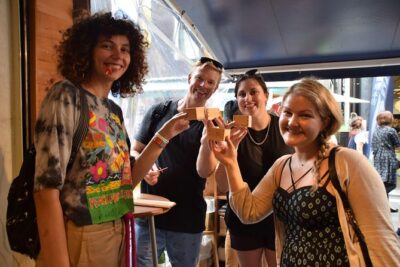 ★ 5.0Tokyo Tsukiji Fish Market Food and Culture Walking TourFrom $993,184 reviews
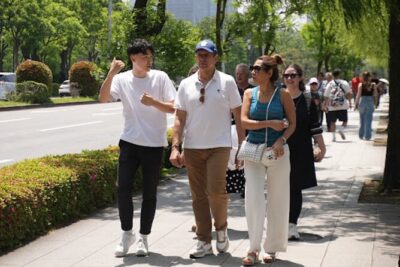 ★ 5.0Imperial Palace and Shogun Historical Walking TourFrom $222,251 reviews
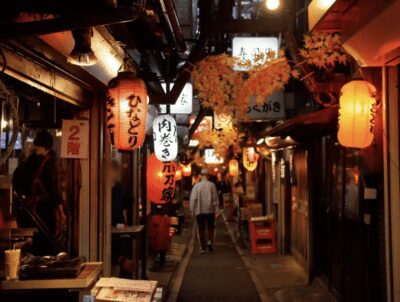 ★ 4.9Shinjuku Local Bar and Izakaya Guided Walking TourFrom $341,794 reviews
 ★ 5.0Tsukiji Fish Market Food and Walking tourFrom $301,724 reviews
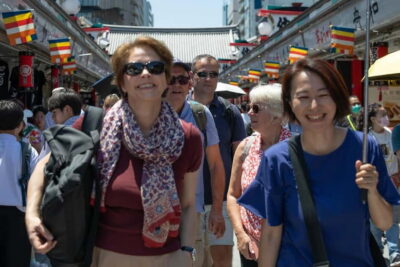 ★ 4.8Asakusa Walking Tour with Sensoji Temple VisitFrom $221,583 reviews
 ★ 4.9Tsukiji Fish Market Guided Walking TourFrom $221,397 reviews
 ★ 4.7Tokyo Castle & Imperial PalaceーShogun Walking TourFrom $231,068 reviews
 ★ 4.9Imperial Palace Japanese History Walking TourFrom $32987 reviews
Browse the lists this tour appears in