
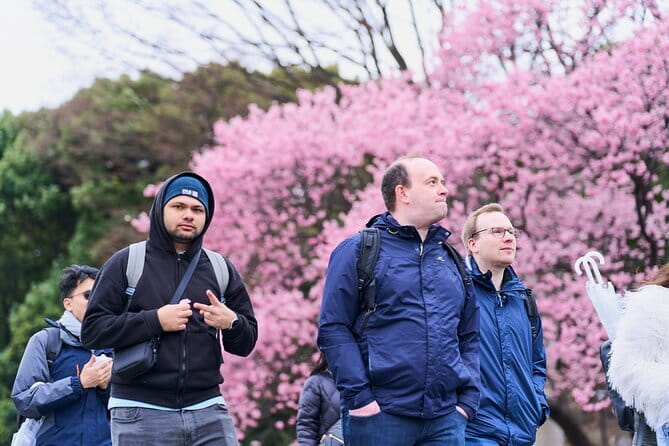
Reviewed · WALKING TOURS
Tokyo Castle & Imperial PalaceーShogun Walking Tour
Tokyo’s power stories don’t get more concentrated than this walk. You’ll trace Edo Castle into today’s Imperial Palace grounds, and the guide does the hard work of making it all make sense fast. I like that the tour keeps the group small, so you can ask questions instead of just listening in the back.
The two things I’m especially glad you get are the layered explanation of how Edo Castle’s defenses shaped samurai-era peace, and the time in carefully preserved gardens, including the kind of Japanese garden the emperor is said to admire. One watch-out: a large chunk of this route is outdoors, and the Imperial Palace area includes a security check plus some walking and slopes, so plan for weather and comfortable shoes.
In This Review
- Key Highlights You’ll Feel on the Walk
- Edo Castle to Imperial Palace: Why This Walk Works in 2 Hours
- Where You Start: Starbucks at Kōkyo Gaien and a Low-Stress Begin
- Sakurada Tatsumi Yagura: A Short Stop That Sets the Defensive Mood
- Ote-Mon Gate: Reading Power in a Single Structure
- Tokyo Imperial Palace: How the Stories Connect to Today
- Ninomaru Garden: The Emperor-Admired Garden Moment
- Edo Castle Ruins: Small Footprints, Big Explanations
- Imperial Palace East Gardens: Calm Walking With Built-In Detail
- Price and Value: What $23 Buys You in Real Terms
- The Guides: Clear Explanations, Patience, and Photo Help
- Logistics That Actually Matter: Weather, Security, and Walking Realities
- Who This Tour Fits Best (and Who Might Want Something Else)
- Should You Book the Tokyo Castle & Imperial Palace Shogun Walking Tour?
- FAQ
- How long is the tour?
- What group size should I expect?
- Is the tour offered in English?
- Where do I meet the guide?
- Which parts of the Imperial Palace grounds are included?
- What stops are on the route?
- Are there any security rules I should know?
- Is photography allowed?
- What’s included besides the walking tour?
- Is cancellation allowed?
Key Highlights You’ll Feel on the Walk
- Small group up to 10 means smoother pacing and more chances to ask your guide questions
- Edo Castle explained through real surviving points like gates and watchtower remains, not just vague history
- Japan’s 2,600-year imperial system put into context with the shogun’s role in day-to-day power
- Garden time at Ninomaru and the East Gardens with photo-friendly viewpoints and a calm rhythm
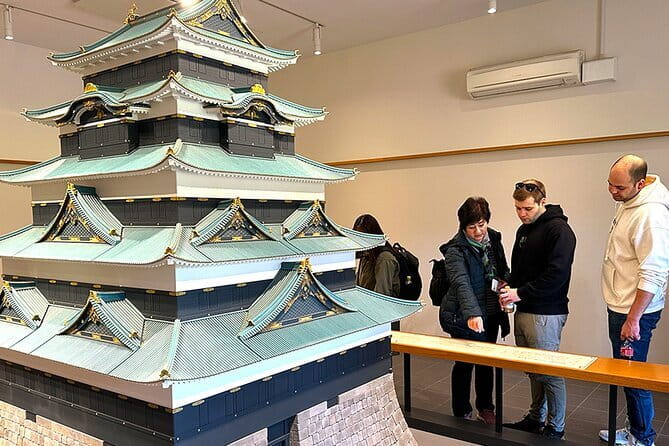
- Miniature former-palace structure and garden details like koi fish and trees from across Japan
- English-only guiding keeps the tour focused, but you’ll want to feel comfortable in English
Edo Castle to Imperial Palace: Why This Walk Works in 2 Hours
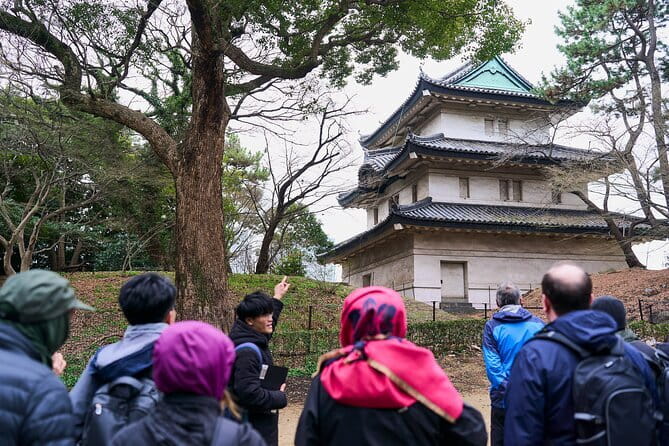
This tour is built for people who want Tokyo history with structure. You’re not just wandering around pretty walls and moats; you’re learning why those shapes mattered. Edo Castle once dominated the city, and even today you can still read parts of that scale in the grounds and layouts you pass.
What I like about the timing is that it respects attention spans. With 2 hours and a small group, the guide can move from big-picture story (samurai and shogun) to specific places (gates, garden spaces, ruins) without turning it into a lecture marathon.
You should also know this is an English-only experience. If you’re relying on Japanese support, this isn’t the format for you. The tradeoff is clarity: your guide can explain details without switching languages or guessing what you need to follow.
Readers also shortlisted these Tokyo bookings:
- Tokyo Tsukiji Fish Market Food and Culture Walking Tour
★ 5.0 · 3,184 reviews - Tokyo: Imperial Palace and Shogun Historical Walking Tour
★ 5.0 · 2,251 reviews - Tokyo: Shinjuku Local Bar and Izakaya Guided Walking Tour
★ 4.9 · 1,794 reviews - Tokyo: Tsukiji Fish Market Food and Walking tour
★ 5.0 · 1,724 reviews
Where You Start: Starbucks at Kōkyo Gaien and a Low-Stress Begin
The meeting point is in front of Starbucks Coffee Kōkyo Gaien Wadakura Fountain Park Store, at 3-1 Kōkyo Gaien, Chiyoda City, Tokyo. It’s a practical choice: easy to find, easy to regroup, and it sets you up near the Imperial Palace area without turning the start into a scavenger hunt.
Look for the guide holding a sign that says Local Guide Stars. That simple visual cue matters on a first visit, because the Imperial Palace complex can feel like a maze when you’re arriving on your own.
Sakurada Tatsumi Yagura: A Short Stop That Sets the Defensive Mood
Your first site is Sakurada Tatsumi Yagura. Expect a quick 5-minute photo stop and guided orientation. This is where the tour starts teaching you to see what you’d normally ignore.
A yagura is a watchtower element, and even if you only spend a few minutes there, the guide uses it to explain how Edo Castle’s defenses were designed to slow, misdirect, and control movement. You’re learning the idea that the castle wasn’t just a big building. It was a system.
The drawback here is time. If you want long looks at architecture details, this is more of a kickoff point than a full deep look. The payoff comes later when you see gates and ruins through the lens you just built.
Ote-Mon Gate: Reading Power in a Single Structure
Next is Ote-Mon Gate, with about 15 minutes for photo stops, visits, and guided sightseeing. This part of the walk is where you start noticing how gates functioned like choke points in real conflict scenarios.
A gate isn’t just a doorway. In Edo Castle’s era, it helped manage who could enter, where people would be funneled, and how defenders could respond. When you understand that, you’ll look at the stone, spacing, and layout differently as you keep walking.
This segment also tends to be a favorite for photo lovers. Even in daylight, gates and approach views tend to come out well, especially in the Imperial Palace area where sightlines often feel open and framed.
Tokyo Imperial Palace: How the Stories Connect to Today
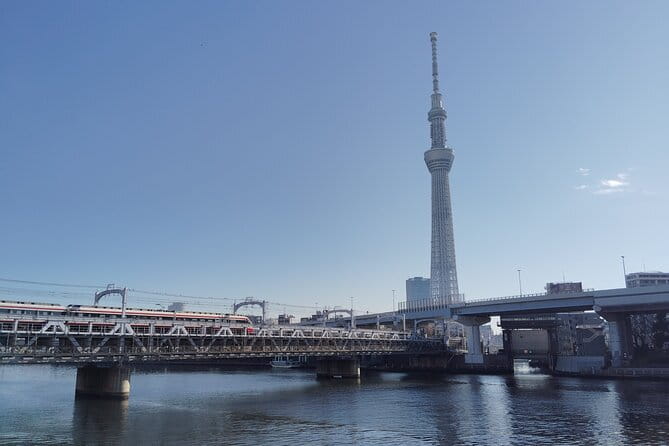
You’ll spend about 20 minutes at Tokyo Imperial Palace for a photo stop, visit, and guided tour. Today, these grounds are associated with Japan’s emperor, but the guide’s real job is to show you the connection rather than leaving it as a change of signage.
A key theme here is the contrast between the 2,600-year imperial system and the shogun’s long era of rule. The tour asks a smart question: how did an imperial tradition last so long while the country’s power structure shifted toward the shogun for long periods?
If you’ve watched samurai stories or recent TV dramas and thought, Wait, how did that actually work? this is the stop that helps you map the roles onto real space.
One consideration: the Imperial Palace grounds require a security check. The tour data is clear about what not to bring. Leave knives and alcohol at your accommodation. If you’re traveling with anything that could be flagged, pack it away before you arrive.
- Tokyo: Shinjuku Food Tour (13 Dishes at 4 Local Eateries)★ 5.0 · 6,603 reviews
- Tokyo Mt Fuji 5th St & Hakone Cruise Bus Tour w/Bullet Train★ 4.4 · 5,024 reviews
- Flagship 2-Hours Official Street Go-Kart Tour – Tokyo Bay Shop★ 5.0 · 4,974 reviews
- From Tokyo: Mount Fuji Full-Day Sightseeing Trip★ 4.5 · 4,970 reviews
- Tokyo: Hop-On Hop-Off Sightseeing Bus Ticket★ 3.9 · 4,207 reviews
Ninomaru Garden: The Emperor-Admired Garden Moment
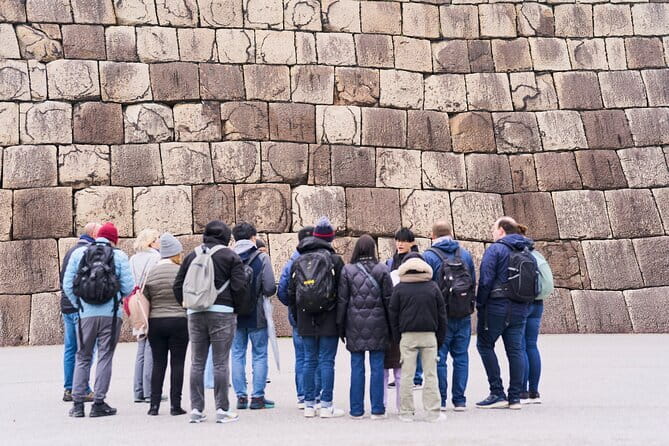
Then comes Ninomaru Garden, with about 15 minutes of photo stops, guided sightseeing, and walking. This is your garden pause, and it’s more than scenery.
The highlights mention a Japanese garden admired by the emperor, and the time here is your chance to see how Edo-era aesthetics and everyday comfort blend. Gardens like this are designed for pacing—views that reveal themselves in steps, water details that soften the space, and tree and stone placement that feels intentional rather than random.
You’ll also get garden-focused inclusions. The tour includes encounters with special koi fish and diverse trees from across Japan. That matters because it turns the garden from a generic postcard stop into a living collection you can actually recognize while you walk.
If you’re the type who likes to sit and stare, you may still feel a little rushed at the 15-minute mark. But the upside is that the guide usually points out what to look for, so you’re not spending all your time guessing.
Edo Castle Ruins: Small Footprints, Big Explanations

Your next stop is Edo Castle Ruins, with about 10 minutes of photo stop and guided sightseeing. This is short, but it’s a powerful segment because ruins are easy to misunderstand.
Without context, ruins can look like nothing in particular—just leftover stone or uneven ground. With the guide’s framing, you learn what those traces suggest about how the castle functioned, where movement would have been controlled, and how defenses layered over space.
This is also a place where a good guide helps you practice the tour’s main skill: noticing how the past hides inside the present. When you leave this section, you’ll likely start seeing the larger Tokyo area differently, because Edo-era scale can feel abstract until it’s tied to real points under your feet.
Imperial Palace East Gardens: Calm Walking With Built-In Detail
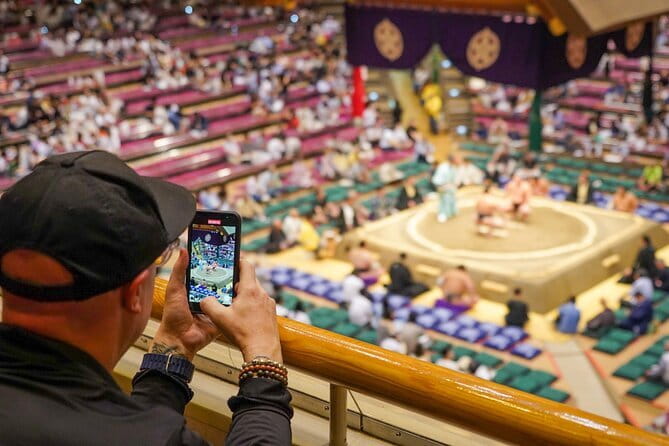
The final major sightseeing block is Imperial Palace East Gardens, about 20 minutes. This is where the tour balances history with a calmer, more scenic tempo.
It’s also your best window for photography. The grounds typically offer open views, stone features, and garden perspectives that feel naturally framed. The tour info also encourages you to bring your camera, and this is one of the best places to use it.
Another inclusion that fits here is the focus on tree variety from across Japan, along with the koi fish encounter mentioned in the inclusions. If you’re the kind of traveler who enjoys small sensory details—water motion, reflections, the look of mature plants—you’ll probably find this section satisfying.
Price and Value: What $23 Buys You in Real Terms
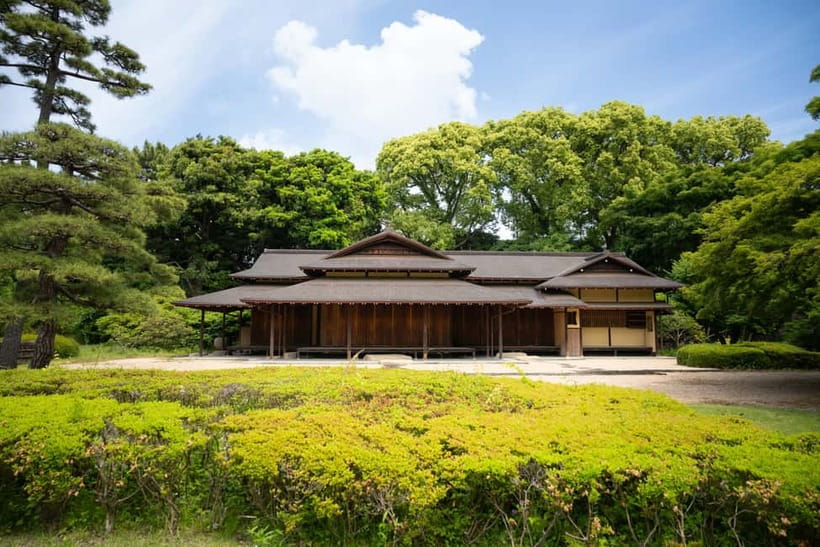
At $23 per person for a 2-hour English-guided walk, the price is less about “paying for entry” and more about buying interpretation.
Imperial Palace grounds and the East Gardens are part of what you get access to with the guide. But the bigger value is the explanation. Edo Castle’s story is hard to follow without a guide because the physical remnants are scattered and the power roles are layered. Paying for an English guide that can translate these relationships into simple, place-based storytelling is the point.
The small group size adds value too. When you’re in a group of up to 10, the tour can keep questions moving. That’s not a minor detail if you want to understand what you’re looking at, especially when the official spaces are subject to security checks and rules.
The Guides: Clear Explanations, Patience, and Photo Help
This tour’s quality often hinges on the guide. In the experience you’re likely to book, the guides are described as friendly, organized, and strong at answering questions. Names you may see associated with the tour include Anju, Yuuka, Tomo, Fuma, Yuki, and Keiko, among others.
What stands out across the guide feedback is how they handle the pacing and attention span. People often appreciate when the guide points out details you could walk past, and when the tour doesn’t feel rushed. Some guides are also credited with helping participants take better photos, which matters because the setting is beautiful and you’ll want to capture it well.
If you care about asking follow-ups—why a gate matters, how defenses shaped routes, what changed after the shogun era—this is a tour that supports that style of learning.
Logistics That Actually Matter: Weather, Security, and Walking Realities
A lot of the tour is outdoors, so dress for the day. In Tokyo, weather can shift fast, and most of your comfort comes down to shoes and layers.
For security, plan ahead. The Imperial Palace check means you shouldn’t bring knives or alcohol. Keep things simple and low-profile.
On mobility: wheelchairs are available and can be used within the Imperial Palace grounds, but expect slopes and areas where you may still need to walk or go down on foot. If you’re balancing mobility needs, it’s smart to consider how often your route will require short, unavoidable movement.
And yes, photography is encouraged. Bring your camera and plan to use it rather than saving photos for later. The garden and gate sections are built for it.
Who This Tour Fits Best (and Who Might Want Something Else)
This tour is a good match if you:
- want a compact Edo-to-Imperial story in one walk
- enjoy samurai-era context, especially the shogun’s role versus the emperor’s tradition
- like gardens and want them explained, not just admired
- prefer small-group pacing and Q&A instead of a crowd
You might want a different option if:
- you’re expecting long, slow time inside buildings (this is mainly a walking and outdoors experience)
- you’re not comfortable in English, since the tour is English-only with no Japanese language support
- you dislike outdoor walking in variable weather
Should You Book the Tokyo Castle & Imperial Palace Shogun Walking Tour?
If you’re aiming to understand Tokyo’s power history without wasting time, I’d say yes. The value comes from the way the guide turns Edo Castle’s scale into something you can actually see, step-by-step, and then connects it to the imperial system that still defines the grounds today.
Book it if you want both structure and atmosphere: defenses explained at gates and ruins, then breathing room in gardens with koi and tree details. If your goal is pure scenery with zero history, you may feel the tour is too focused on explanation. But if your goal is real context, this walk is a smart use of time.
FAQ
How long is the tour?
It lasts about 2 hours.
What group size should I expect?
The group is limited to a maximum of 10 participants.
Is the tour offered in English?
Yes. The tour is conducted in English only, and Japanese language support is not available.
Where do I meet the guide?
Meet in front of Starbucks Coffee Kōkyo Gaien Wadakura Fountain Park Store. The address is 3-1 Kōkyo Gaien, Chiyoda City, Tokyo.
Which parts of the Imperial Palace grounds are included?
You’ll cover the Imperial Palace grounds and the Imperial Palace East Gardens.
What stops are on the route?
You’ll visit places including Sakurada Tatsumi Yagura, Ote-Mon Gate, Tokyo Imperial Palace, Ninomaru Garden, Edo Castle Ruins, and Imperial Palace East Gardens.
Are there any security rules I should know?
There is a security check when entering the Imperial Palace. Don’t bring knives or alcohol.
Is photography allowed?
Photography is encouraged, so bring your camera.
What’s included besides the walking tour?
In addition to the English guide and access to the grounds, the tour includes a viewing of a miniature structure of the former palace and encounters with koi fish and diverse trees from across Japan.
Is cancellation allowed?
You can cancel up to 24 hours in advance for a full refund.
More Walking Tours in Tokyo
- Tokyo Tsukiji Fish Market Food and Culture Walking Tour
★ 5.0 · 3,184 reviews - Tokyo: Imperial Palace and Shogun Historical Walking Tour
★ 5.0 · 2,251 reviews - Tokyo: Shinjuku Local Bar and Izakaya Guided Walking Tour
★ 4.9 · 1,794 reviews - Tokyo: Tsukiji Fish Market Food and Walking tour
★ 5.0 · 1,724 reviews - Tokyo: Asakusa Walking Tour with Sensoji Temple Visit
★ 4.8 · 1,583 reviews
More Tours in Tokyo
- Mt Fuji and Hakone 1-Day Bus Tour Return by Bullet Train
★ 5.0 · 26,383 reviews - 1-Day Tokyo Bus Tour
★ 5.0 · 14,250 reviews - Tokyo: Shinjuku Food Tour (13 Dishes at 4 Local Eateries)
★ 5.0 · 6,603 reviews - Tokyo Mt Fuji 5th St & Hakone Cruise Bus Tour w/Bullet Train
★ 4.4 · 5,024 reviews - Flagship 2-Hours Official Street Go-Kart Tour – Tokyo Bay Shop
★ 5.0 · 4,974 reviews
More Tour Reviews in Tokyo
- Mt Fuji and Hakone 1-Day Bus Tour Return by Bullet Train
★ 5.0 · 26,383 reviews - 1-Day Tokyo Bus Tour
★ 5.0 · 14,250 reviews - Tokyo: teamLab Planets TOKYO Digital Art Museum Entry Ticket
★ 4.6 · 9,779 reviews - Mt Fuji & Hakone Cruise, Drum Show Bullet Train 1 Day from Tokyo
★ 4.0 · 7,413 reviews - Tokyo: Shinjuku Food Tour (13 Dishes at 4 Local Eateries)
★ 5.0 · 6,603 reviews
Latest Tokyo reviews off our desk






Walking Tours, compared.
 ★ 5.0Tokyo Tsukiji Fish Market Food and Culture Walking TourFrom $993,184 reviews
 ★ 5.0Imperial Palace and Shogun Historical Walking TourFrom $222,251 reviews
 ★ 4.9Shinjuku Local Bar and Izakaya Guided Walking TourFrom $341,794 reviews
 ★ 5.0Tsukiji Fish Market Food and Walking tourFrom $301,724 reviews
 ★ 4.8Asakusa Walking Tour with Sensoji Temple VisitFrom $221,583 reviews
 ★ 4.9Tsukiji Fish Market Guided Walking TourFrom $221,397 reviews
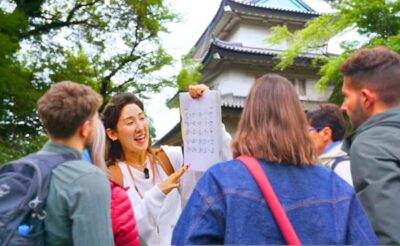 ★ 4.9Imperial Palace Japanese History Walking TourFrom $32987 reviews
 ★ 4.9Imperial Palace and Shogun Walking TourFrom $16935 reviews
Browse the lists this tour appears in