
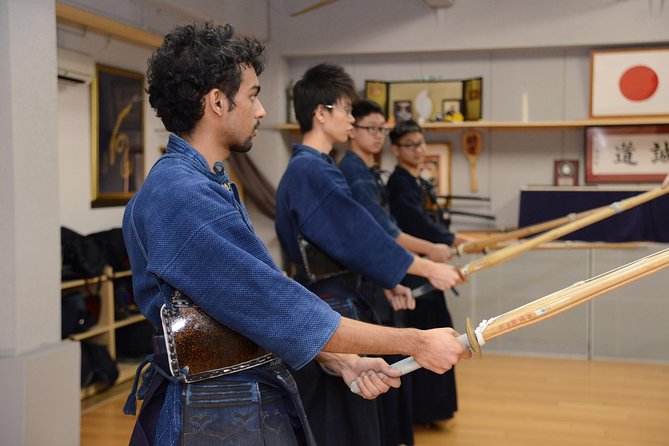
Reviewed · SAMURAI & NINJA CLASSES
Tokyo 2-Hour Genuine Samurai Experience: Kendo in Japan
Kendo in Tokyo is loud and surprisingly fun. This 2-hour workshop turns samurai sword practice into hands-on skill-building, with real sparring and English-friendly instruction. My favorite parts are the practical strikes you can use right away and the clear focus on proper form, not just flailing. The main drawback is the class is active and the protective gear can feel warm and heavy, so plan for some strain.
You can pick a morning or afternoon slot, then make your own way to a northern Tokyo neighborhood for the session. You’ll learn basic Kendo moves, the culture and etiquette behind the sport, and how to interact safely in a dojo setting.
The whole experience is built to fit a tight schedule: about two hours, a small group, and included bottled water and a towel souvenir. You’ll leave with a better sense of what Kendo is beyond the movie version.
In This Review
- Key things to know before you go
- Kendo Basics in a Short 2-Hour Session
- Meeting the Dojo: Where to Go in Northern Tokyo
- Gear Up Like a Samurai: Keikogi, Hakama, and Bogu
- Etiquette and Stances: How Kendo Works Beyond the Swing
- From Drills to Tournament-Style Combat Game
- Price and Value: What $118.92 Buys in Real Training Time
- Best Fit for Families, Beginners, and Busy Schedules
- Should You Book This Samurai Trip Kendo Workshop?
- FAQ
- How long is the Kendo experience?
- Where is the meeting point?
- Is hotel pickup included?
- What should I wear or expect during the class?
- What’s included in the price?
- Are there age and group limits?
Key things to know before you go
- Two-hour, dojo-style training: you go from instruction to a tournament-style combat game without dragging it out.
- Bogu armor setup is part of the lesson: you learn how to put on the Keikogi and Hakama, then the protective gear.
- You get one-on-one attention: an English-speaking instructor guides your form and corrections.
- Mock tournament format: you practice against opponents in a controlled, point-based sparring setup.
- Heavy gear, real movement: the protective equipment gets warm; you’ll want athletic clothes and solid stamina.
- Small group energy: capped at 15, so you don’t get stuck watching for long stretches.
Kendo Basics in a Short 2-Hour Session
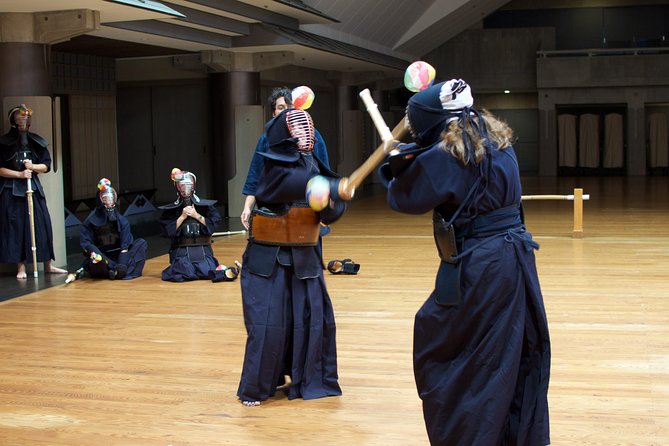
This is not a sit-and-watch demonstration. The session is designed to teach you how Kendo actually feels when you put on gear, hold the shinai (bamboo sword), and try to hit the right target with the right timing. You learn practical swordsmanship moves, then test them in a tournament-style game rather than a single drill loop.
I like the structure because it stays understandable. You start with etiquette and fundamentals, then build up to partner practice. By the end, you’re doing something that looks like Kendo training, not a watered-down “tour activity.”
And yes, it can be intense in short bursts. Expect the class rhythm: instructions, corrections, then active rounds where you both learn and get feedback fast.
More blade-and-dojo sessions, reviewed
- Tokyo: Samurai Ninja Museum Guided tour and Experience
★ 4.6 · 1,010 reviews - Tokyo: Samurai Sword & Archery Class from Samurai Descendant
★ 5.0 · 603 reviews - Best Samurai Experience in Tokyo
★ 5.0 · 458 reviews - Ninja Experience (Family Friendly) at Samurai Ninja Museum TOKYO
★ 5.0 · 441 reviews
Meeting the Dojo: Where to Go in Northern Tokyo
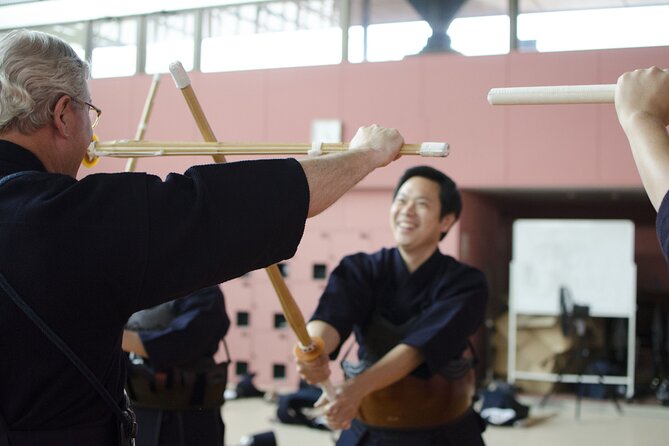
You meet at the dojo building address in northern Tokyo: 誠道館ビル 4 Chome-7 Higashinippori, Arakawa City, Tokyo 116-0014, Japan. The start time listed is 10:00 am for the session shown, and there are morning or afternoon options depending on what you book.
Hotel pickup and drop-off are not included, but pickup is offered. So if you’re coming from your hotel, you’ll want to confirm what pickup means for your exact session. The good news: the area is near public transportation, which usually makes timing less stressful.
Also, keep this in mind for planning: you’re starting at the dojo and ending back there. That makes it easier to pair with nearby food and sightseeing afterward. The neighborhood around the meeting point is walkable, and you can often build the rest of your day around it.
One small practical note: there’s a free-cancellation window up to 24 hours in advance for a full refund, which is helpful if your Tokyo plans shift.
Gear Up Like a Samurai: Keikogi, Hakama, and Bogu
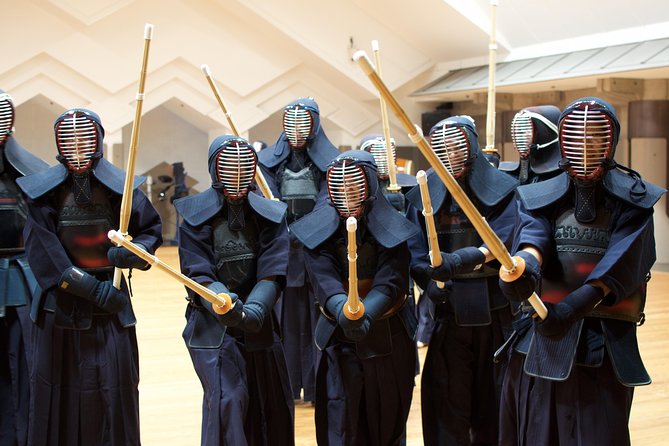
This part is more than costume. Wearing Kendo uniform and protective gear changes your movement and your comfort, so the instructor helps you get it right. You’ll work through dressing steps like putting on the Keikogi (jacket-style top) and Hakama (skirt-like trousers). Then you add the armor set (Bogu), which is the protective equipment for sparring.
A few things matter for comfort. The gear is made to protect you, so it’s not “light and breezy.” From what people report, the fabric and armor can feel heavy and warm. Bring athletic clothes that you can sweat in, and hydrate before you arrive even though bottled water is provided during the session.
In the class flow, you’ll likely get at least one water break in between rounds. Still, you’ll want to treat these two hours like exercise, not a casual cultural stop.
Etiquette and Stances: How Kendo Works Beyond the Swing
Kendo isn’t only about hitting something with force. The dojo focus is on control, respect, and correct form. Part of your lesson is learning the culture and etiquette behind the sport, so you know how to behave in the space and how to interact with partners safely.
You’ll also get an instructor demonstration before you try moves yourself. That matters because Kendo technique is all angles and timing. When your stance and wrist position are slightly off, your hits tend to land wrong. The class includes practical coaching, so you understand what you’re aiming for and why.
One useful detail: in the feedback style of Kendo, you’ll hear clear calls related to whether your strike lands properly. When you get the target hit with correct form, you’ll be rewarded with the class’s positive reinforcement. When you miss the mark, you’ll get corrections quickly so you can improve on the next attempt.
From Drills to Tournament-Style Combat Game
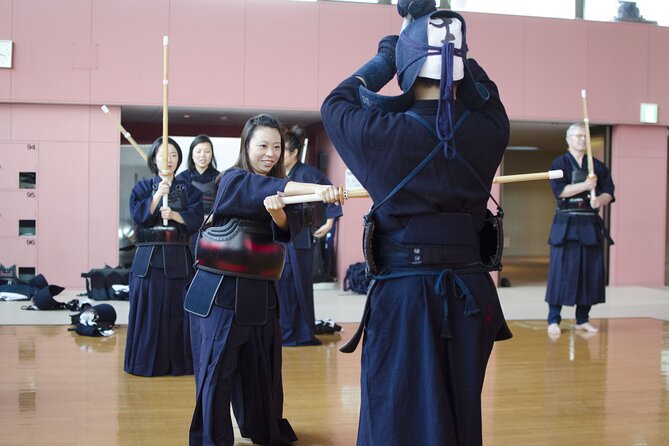
The workshop builds toward a tournament-style combat game where you practice against opponents in a controlled way. This is where the experience becomes truly memorable, because you stop being a learner and start doing Kendo under real pressure, just in a safe, instructor-guided setting.
The structure usually looks like:
- warm-up and technique focus
- partner drills that teach distance and timing
- sparring rounds that resemble a mini tournament setup
During sparring, the goal becomes hitting specific targets at the right moment. People describe it as lots of shouting and very direct feedback. It’s also very physical—your legs and core do the work while your arms and shoulders swing with control.
If you have any knee issues, this is the place to be honest early. One practical tip from the session style: tell the instructor if kneeling or certain positions cause pain. The coaching can adjust what you do so you can still participate without forcing discomfort.
And if you’re coming in with zero experience, good. The class is set up for all experience levels, and the point is to teach you how to join in safely.
Readers also shortlisted these Tokyo bookings:
- Ninja Samurai 2-hour hands-on lesson by Japanese master in Tokyo★ 5.0 · 194 reviews
- Tokyo: Flagship 2-Hour Street Go-Kart Tour by Street Kart★ 4.9 · 94 reviews
- Tokyo: Shinjuku Izakaya and Golden Gai Bar Hopping Tour (2h)★ 4.9 · 67 reviews
- Tokyo: 2-Hour Vegan and Vegetarian Ramen Guided Walking Tour★ 4.8 · 33 reviews
- Asakusa: 2-hour history exploration★ 5.0 · 32 reviews
Price and Value: What $118.92 Buys in Real Training Time
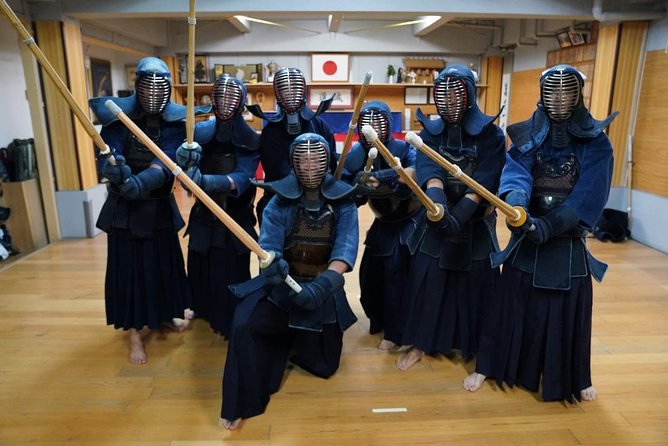
At $118.92 per person for about two hours, you’re paying for something that’s hard to recreate on your own: an instructor-led dojo session plus full equipment rental. That price isn’t just “access.” It covers the pro guide/instructor time, the Bogu and gear setup, and the bottled water and towel souvenir included with the experience.
Here’s how I’d frame the value for your decision:
- Gear rental is included, so you’re not spending money hunting equipment that fits.
- Instruction is direct, not generic. You get coaching and demonstration, plus corrections.
- Small group size (max 15) helps keep the class moving and reduces standing around.
Two costs to plan around are also real. Food and drinks are not included, so you’ll want snacks or a plan for a meal after. And while pickup is offered, hotel pickup and drop-off isn’t included, so you may still need some local transport to get to the dojo meeting point.
Finally, if you’re comparing prices, remember this isn’t a long class where you pay hourly for sitting. Two hours can feel short until you’re in full armor and trying to land the right strike. Then it feels just about right.
Best Fit for Families, Beginners, and Busy Schedules
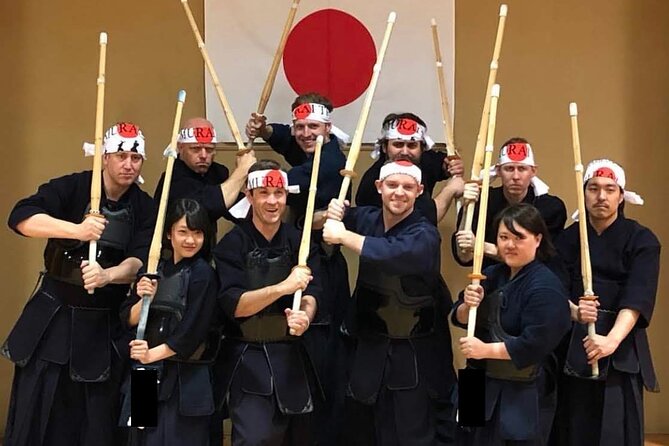
This Kendo experience works well for:
- people who want an active, structured activity in Tokyo
- families with kids old enough to participate safely (minimum age is 9)
- beginners who want a real introduction to etiquette and fundamentals
- visitors who want more than a “look and learn” cultural stop
It also helps that you can choose a morning or afternoon session. That flexibility is underrated when you’re planning Tokyo around trains, meals, and other sights.
One more practical requirement: the tour notes say travelers should have a strong physical fitness level. The reason is simple—Kendo training with protective gear is movement-heavy. You don’t need to be an athlete, but you do need to be ready to stand, move, and participate actively for the full session.
If you’re traveling with mixed ages, this can still work well because the instructor can guide technique and participation. The session is hands-on, and people with different starting points generally benefit from the structured coaching.
Should You Book This Samurai Trip Kendo Workshop?
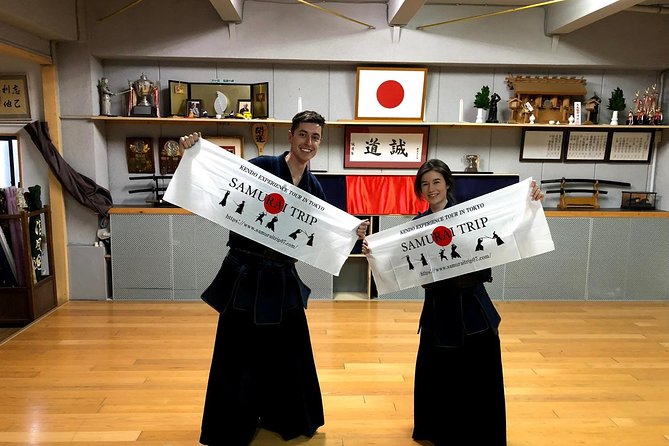
If you want one Tokyo experience that feels hands-on and real—where you learn, practice, and actually spar in a controlled way—this is a strong choice. The combination of armor-included training, dojo etiquette, and a tournament-style practice game is exactly the kind of authentic activity that doesn’t fade into generic memories.
I’d book it if you’re okay with the physical side of Kendo: warm gear, active movement, and quick coaching corrections. I’d think twice (or at least plan accommodations) if kneeling or heavy gear is an issue, and make sure you communicate that early to the instructor.
Overall, for the time and what you get—gear rental, instructor guidance, and a full practice arc—this is good value. It’s the rare activity where you leave Tokyo with a skill experience you can describe clearly: how it felt, what you learned, and what you managed to do by the end.
FAQ
How long is the Kendo experience?
It lasts about 2 hours.
Where is the meeting point?
The meeting point is 誠道館ビル 4 Chome-7 Higashinippori, Arakawa City, Tokyo 116-0014, Japan.
Is hotel pickup included?
Hotel pickup and drop-off are not included. Pickup is offered, but hotel transfer isn’t listed as included.
What should I wear or expect during the class?
Wear athletic wear. You’ll also put on Kendo uniform and protective armor (Bogu), and the gear can feel warm and heavy during the active session.
What’s included in the price?
A professional guide/instructor, rental of kendo armor and equipment, bottled mineral water, and a Japanese hand towel.
Are there age and group limits?
The minimum age is 9 years. The class has a maximum size of 15 travelers, and bookings require at least 2 people per booking.
More 2-Hour Experiences in Tokyo
- Ninja Samurai 2-hour hands-on lesson by Japanese master in Tokyo
★ 5.0 · 194 reviews - Tokyo: Flagship 2-Hour Street Go-Kart Tour by Street Kart
★ 4.9 · 94 reviews - Tokyo: Shinjuku Izakaya and Golden Gai Bar Hopping Tour (2h)
★ 4.9 · 67 reviews - Tokyo: 2-Hour Vegan and Vegetarian Ramen Guided Walking Tour
★ 4.8 · 33 reviews - Asakusa: 2-hour history exploration
★ 5.0 · 32 reviews
More Tour Reviews in Tokyo
- Mt Fuji and Hakone 1-Day Bus Tour Return by Bullet Train
★ 5.0 · 26,383 reviews - 1-Day Tokyo Bus Tour
★ 5.0 · 14,250 reviews - Tokyo: teamLab Planets TOKYO Digital Art Museum Entry Ticket
★ 4.6 · 9,779 reviews - Mt Fuji & Hakone Cruise, Drum Show Bullet Train 1 Day from Tokyo
★ 4.0 · 7,413 reviews - Tokyo: Shinjuku Food Tour (13 Dishes at 4 Local Eateries)
★ 5.0 · 6,603 reviews
More Samurai and Ninja Sessions
- Tokyo: Samurai Ninja Museum Guided tour and Experience
★ 4.6 · 1,010 reviews - Tokyo: Samurai Sword & Archery Class from Samurai Descendant
★ 5.0 · 603 reviews - Best Samurai Experience in Tokyo
★ 5.0 · 458 reviews - Ninja Experience (Family Friendly) at Samurai Ninja Museum TOKYO
★ 5.0 · 441 reviews - Tokyo: Samurai Entertainment Night Show in Kanda Shrine
★ 4.6 · 417 reviews
Latest Tokyo reviews off our desk






Samurai & Ninja Classes, compared.
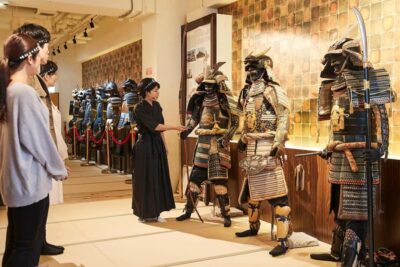 ★ 4.6Samurai Ninja Museum Guided tour and ExperienceFrom $271,010 reviews
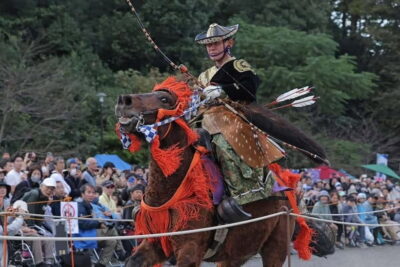 ★ 5.0Samurai Sword & Archery Class from Samurai DescendantFrom $193603 reviews
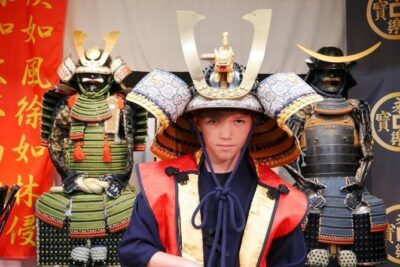 ★ 5.0Best Samurai Experience in TokyoFrom $65458 reviews
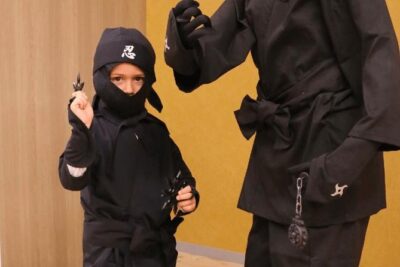 ★ 5.0Ninja Experience (Family Friendly) at Samurai Ninja Museum TOKYOFrom $47441 reviews
 ★ 4.6Samurai Entertainment Night Show in Kanda ShrineFrom $41417 reviews
 ★ 4.2Ninja Kabuki PerformanceFrom $29330 reviews
 ★ 5.0Tokyo Sword Experience – includes Museum Ticket/Ninja ExperienceFrom $84314 reviews
 ★ 4.8Samurai Ninja Museum Asakusa: Samurai Sword Lesson & TourFrom $63306 reviews
Browse the lists this tour appears in