
Reviewed · SAMURAI & NINJA CLASSES
Ninja Samurai 2-hour hands-on lesson by Japanese master in Tokyo
A dojo class in Tokyo, built for real hands-on time. In a small group (max six), you’ll learn ninja and samurai basics in English, from Kuji-In meditation to using a Japanese sword. I like that it’s taught by Japanese masters and that you get rental ninja clothes to help you shift into training mode fast. A heads-up: it’s a working dojo, with activities that can involve movement, and the meeting building involves stairs.
Here’s what makes this feel different from a typical museum stop. You’ll practice multiple tools (including shuriken and blowgun darts) and also learn the samurai side: how to draw and handle a sword and what the techniques are trying to do mentally, not just physically. I also like how the instructors mix technique with context, and you’ll hear names like Hyoga sensei, Asami, and Onel in the teaching team. The only possible drawback is locating the place can be tricky at first, so give yourself extra time to find the address in Shiomi.
In This Review
- Key things to know before you go
- Shiomi dojo energy: why this beats another Tokyo photo stop
- The 2-hour training flow: Kuji-In to shuriken and blowgun darts
- Samurai sword time: drawing, handling, and the mental side
- Hands-on tools and costumes: what you’ll actually use
- Instructor talent in small groups: the coaching effect
- Price and value: is $86.22 fair for this kind of practice?
- Getting there in Tokyo: meeting point and real-world logistics
- Who should book this class (and who might skip it)
- Should you book Ninja Samurai in Tokyo?
- FAQ
- FAQ
- How many people are in the class?
- Is the lesson taught in English?
- What does the 2-hour lesson include?
- What’s included in the price?
- Do I need to bring water?
- Where is the meeting point?
- Who can participate?
- Can I cancel for a full refund?
- What happens if weather is bad?
Key things to know before you go
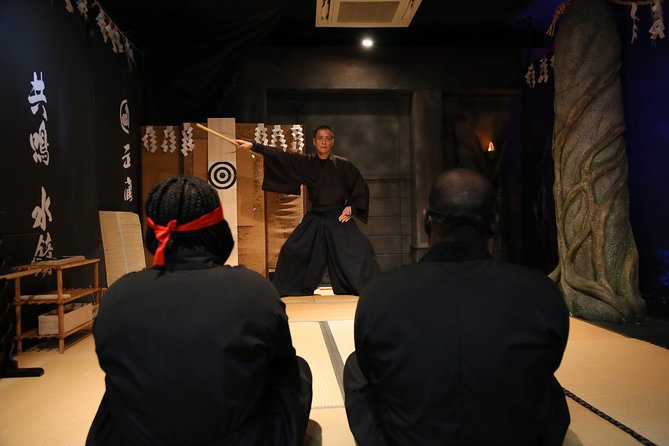
- Small group training (max six) means more coaching and less waiting around.
- Kuji-In ninja meditation plus stealth-style practice, not just props and photos.
- Weapon stations include shuriken and blowgun darts, with targets and guided technique.
- Samurai sword draw and use helps you understand movements and intent, not only swings.
- Ninja outfit rental adds immersion and makes it easier to fully participate.
- Dojo reality check: comfortable shoes matter, and the building has stairs.
Shiomi dojo energy: why this beats another Tokyo photo stop
Tokyo has plenty of flashy attractions. This one is calmer and more physical. The setting is in Shiomi (Koto City), and the lesson happens in a real training space, not a stage show. That matters because you’re not just watching history on a screen. You’re handling tools, practicing positions, and learning short routines you can actually repeat.
What I like about this style of class is the mix of ninja and samurai. In pop culture, those worlds often get separated into stereotypes. Here, you get both, and the training connects the mind-body side with the gear side. You’ll also get English instruction, which makes a big difference when the techniques include small details like grips, angles, and breathing.
More blade-and-dojo sessions, reviewed
- Tokyo: Samurai Ninja Museum Guided tour and Experience
★ 4.6 · 1,010 reviews - Tokyo: Samurai Sword & Archery Class from Samurai Descendant
★ 5.0 · 603 reviews - Best Samurai Experience in Tokyo
★ 5.0 · 458 reviews - Ninja Experience (Family Friendly) at Samurai Ninja Museum TOKYO
★ 5.0 · 441 reviews
The 2-hour training flow: Kuji-In to shuriken and blowgun darts
The session is about two hours, and it follows a “learn, watch, practice” pattern. Early on, you’ll get an introduction to ninja training spirits and historical background, then move into exercises that focus on control. One of the main items is ninja meditation called Kuji-In. Even if you’ve never heard the term, the value is simple: you practice quiet focus and controlled movement before touching weapons.
After that, the lesson goes into ninja weapons and tools. You can expect stations that typically include:
- Ninja sword demonstration and training (how it’s held and used)
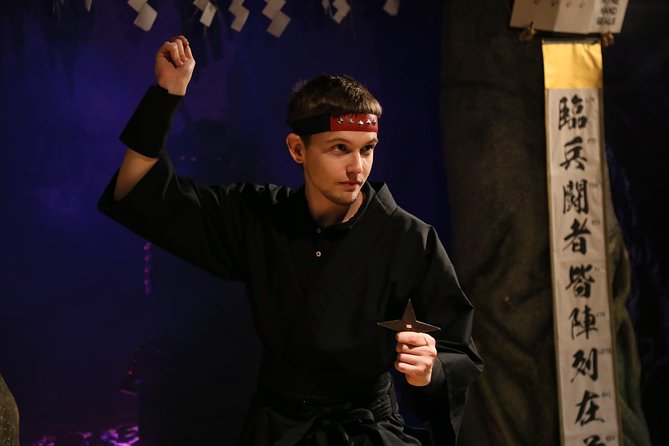
- Shuriken training (throwing practice at targets)
- Ninja blowgun (blow darts) training (aiming and technique with darts)
There’s also an introduction to ninja tricks. The information you’re given includes an introduction to a gimmick at a ninja trick house, which signals that you’ll get some playful elements alongside the serious training. That balance is part of why people leave saying it was fun and memorable, not just educational.
A practical point: weapon practice is hands-on, and you’ll want to listen closely when the instructor sets rules. In a group size this small, you’ll likely get more direct correction. Still, go in with a patient mindset. The goal is safe, repeatable technique, not speed.
Samurai sword time: drawing, handling, and the mental side
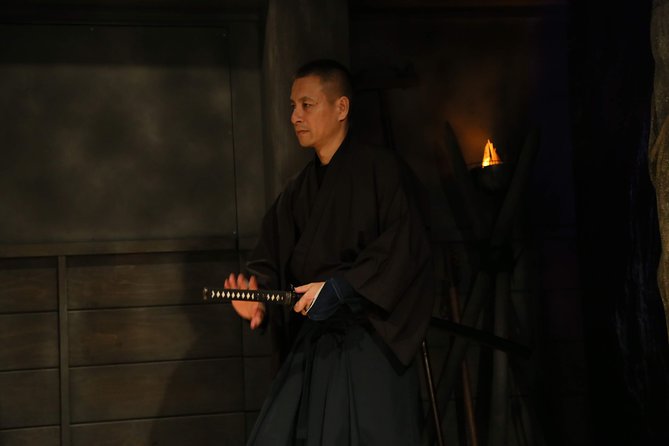
Then comes the samurai half. You’ll learn samurai techniques and spirits with a Japanese samurai sword. The class specifically calls out learning how to use and draw the sword. That’s not just a party trick. A draw is a whole system: timing, grip, and body positioning.
What makes this section worth your attention is that the class connects movement to intent. One review highlights that you learn the difference between a ninja sword and a samurai sword. That’s a big deal, because many visitors walk in thinking all swords are the same. Here, you get a clearer sense of how each tradition approaches form and purpose.
You may also see performance moments. The training includes watching and playing the samurai performance you learn. That format helps you lock in the sequence, because it turns individual moves into a short routine you can actually remember.
Hands-on tools and costumes: what you’ll actually use
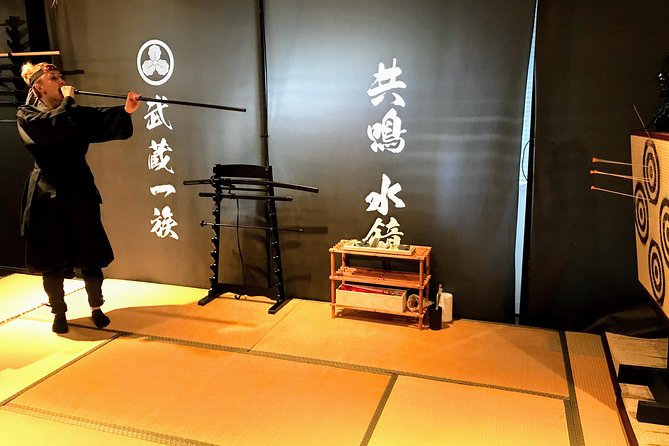
This is not a sit-and-listen lecture. You get ninja clothes rental during training, which helps you feel part of the world you’re studying. It also makes the experience easier for groups with mixed ages, because everyone can dress the part and jump into the same activity setup.
On the props side, reviews mention using real-feeling training items such as ninja stars (shuriken), blow darts, and samurai katanas. One review even notes a real metal sword used for practice rather than only a wooden version. Another mentions chopsticks as part of what you try, which suggests you’ll get at least one “everyday-looking” tool station designed to teach coordination and control.
Here’s the value for you: you’re learning the mechanics, but you’re also learning what kind of patience the training demands. Small corrections matter in throwing and aiming. If you’ve ever struggled with a sport that requires steady form, you’ll recognize the pattern: it clicks when you stop forcing it and start repeating the basics.
Also, the vibe seems intentionally light. Reviews repeatedly mention instructors who teach in English, stay funny, and handle different skill levels. One instructor named Hyoga sensei shows up in multiple write-ups, which suggests he’s a frequent teacher. Onel and Asami are also named. In plain terms: you’ll likely get clear coaching and a relaxed atmosphere, even if you’re new to everything.
Instructor talent in small groups: the coaching effect
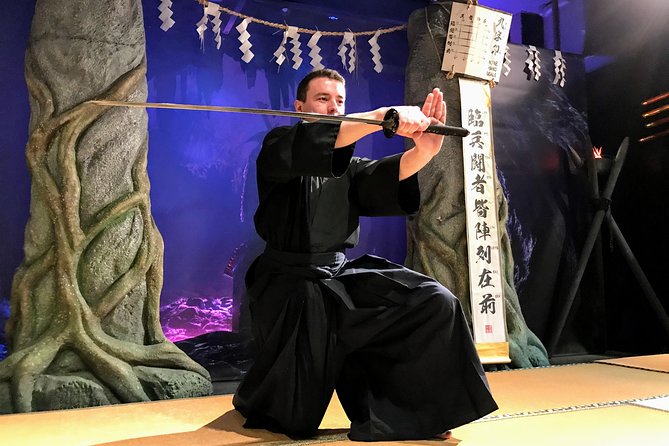
This class caps at six travelers. That small size changes how learning feels. In a bigger group, you often do a token try. Here, you have more chance to do the technique, get feedback, and then do it again.
I’m also glad this is taught by a Japanese sensei who has trained in ninja arts. The structure matters: you’re not just collecting facts. You’re practicing while the instructor explains why a movement works. Several reviews praise the English level of the instructors, which is crucial for sword and weapon training where tiny misunderstandings can lead to sloppy technique.
The other coaching benefit is pacing. Two hours sounds short until you’re in the dojo. With a max of six, you’re not constantly waiting for your turn. That keeps your energy up and makes the whole thing feel active rather than rushed.
Readers also shortlisted these Tokyo bookings:
- Sushi Making Tokyo Roll and Authentic Japanese Sushi Class★ 5.0 · 3,971 reviews
- Tokyo: Roll and Authentic Sushi Making Class in Asakusa★ 4.9 · 1,957 reviews
- Tokyo Shinjuku Chopsticks Making Class★ 5.0 · 1,763 reviews
- Tokyo: Sushi Making Class in a Happi Coat near a Famous Spot★ 4.9 · 1,377 reviews
- Chopstick Making Workshop in Ginza★ 4.8 · 1,366 reviews
Price and value: is $86.22 fair for this kind of practice?
At $86.22 per person for about two hours, you’re paying for three things that most Tokyo experiences separate:
- Direct instruction in English by a master-level instructor
- Hands-on practice with multiple training tools
- Costume rental (ninja outfit) plus admission included
If you compare it to a generic one-hour workshop with no weapon stations or sword handling, the value starts to look stronger. You’re not just learning a single trick. You’re cycling through several parts: meditation basics, ninja weapon practice (shuriken and blow darts), and samurai sword draw and handling.
Also, the price isn’t only about the activity. It includes admission fee and training setup. One review mentions the instructor practicing with people of very different ages, including teens and older adults, which hints the class is set up to teach fundamentals safely and clearly.
That said, it’s still a hands-on activity in a real dojo. If you want a purely passive, sit-down cultural tour, this may feel too active. But if you want movement, practice, and a story you can tell after, the cost starts making sense quickly.
Getting there in Tokyo: meeting point and real-world logistics
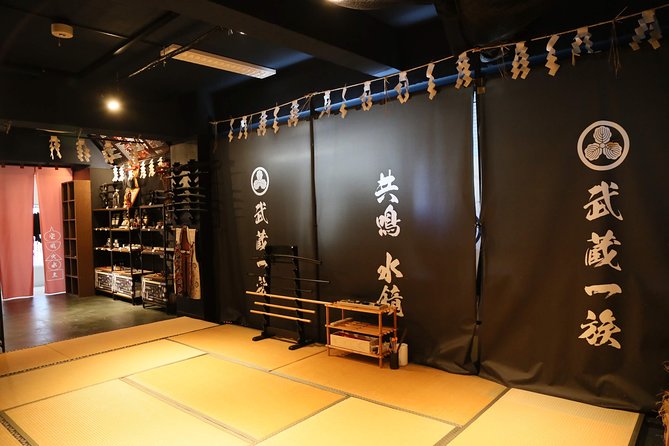
The meeting point is NINJA SAMURAI TOKYO, 135-0052 Tokyo, Koto City, Shiomi, 2-chōme 39 Bayfrere Shiomi, EAST 4階.
This is near public transportation, which helps. Still, one review describes trouble locating the class. That’s your cue to do two things: arrive a bit early, and double-check the exact building floor once you’re outside. If you’re using a taxi, it should be able to follow the address, but you don’t want to test luck on day one.
Inside the building, one review notes four short flights of stairs and that an elevator was not working. So if you’re carrying a bag or you prefer step-free access, keep that in mind. Bring a small camera or phone if you like, but remember this is a training space; you’ll want to follow instructor timing for photos.
What to pack is simple:
- Comfortable shoes (you might need to move)
- A phone/camera if you want to record the experience
- Bottled water is not included, so plan to pick some up nearby before class
Who should book this class (and who might skip it)
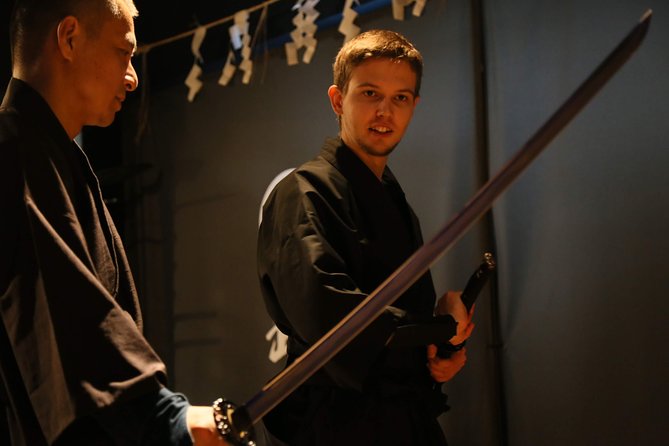
This works well if you want more than a tourist walkthrough. It’s a strong pick for families and mixed-age groups because the class is described as suitable for all ages and includes hands-on steps that people can progress through.
It’s also great for first-timers who like interactive culture. Reviews mention people learning myths versus facts about ninjas and samurai, and that’s a common benefit of technique-based training. You’ll learn why certain traditions exist and how the practice trains control.
You might think twice if:
- You dislike any activity involving aiming, throwing, or movement
- You need step-free access (stairs are mentioned)
- You’re looking for a quiet, purely historical museum experience
If you’re in Tokyo for a few days and want one memorable, active block of time, this class is a solid contender.
Should you book Ninja Samurai in Tokyo?
I’d book it if you want a small-group experience that mixes Kuji-In ninja meditation, shuriken and blowgun dart practice, and samurai sword draw and handling in English. The value comes from the structure: you don’t just learn names, you practice the tools and the body mechanics.
I’d hesitate only if stairs are a problem for you or if you prefer passive sightseeing. Otherwise, the combination of costume rental, real training props, and coaching in a max-six group makes this one of the more memorable “do something” options in central Tokyo.
FAQ
FAQ
How many people are in the class?
The class has a maximum of six travelers, so you get more personal attention than in a big group.
Is the lesson taught in English?
Yes. The training is described as authentic ninja and samurai training taught in English.
What does the 2-hour lesson include?
The experience includes Kuji-In ninja meditation, introductions to ninja weapons and tools, ninja sword demonstration and training, shuriken training, blowgun (blow darts) training, and samurai sword techniques including how to use and draw the sword.
What’s included in the price?
Included items are the English-speaking Japanese sensei/master who teaches the ninja arts, ninja clothes rental during training, and the admission fee.
Do I need to bring water?
Bottled water is not included, so plan to bring or buy water nearby.
Where is the meeting point?
You meet at NINJA SAMURAI TOKYO, 135-0052 Tokyo, Koto City, Shiomi, 2-chōme 39 Bayfrere Shiomi, EAST 4階.
Who can participate?
Most travelers can participate, and the class is suitable for all ages.
Can I cancel for a full refund?
Yes. You can cancel up to 24 hours in advance for a full refund.
What happens if weather is bad?
The experience requires good weather. If it’s canceled due to poor weather, you’ll be offered a different date or a full refund.
More Workshops in Tokyo
- Sushi Making Tokyo Roll and Authentic Japanese Sushi Class
★ 5.0 · 3,971 reviews - Tokyo: Roll and Authentic Sushi Making Class in Asakusa
★ 4.9 · 1,957 reviews - Tokyo Shinjuku Chopsticks Making Class
★ 5.0 · 1,763 reviews - Tokyo: Sushi Making Class in a Happi Coat near a Famous Spot
★ 4.9 · 1,377 reviews - Chopstick Making Workshop in Ginza
★ 4.8 · 1,366 reviews
More Tour Reviews in Tokyo
- Mt Fuji and Hakone 1-Day Bus Tour Return by Bullet Train
★ 5.0 · 26,383 reviews - 1-Day Tokyo Bus Tour
★ 5.0 · 14,250 reviews - Tokyo: teamLab Planets TOKYO Digital Art Museum Entry Ticket
★ 4.6 · 9,779 reviews - Mt Fuji & Hakone Cruise, Drum Show Bullet Train 1 Day from Tokyo
★ 4.0 · 7,413 reviews - Tokyo: Shinjuku Food Tour (13 Dishes at 4 Local Eateries)
★ 5.0 · 6,603 reviews
More Samurai and Ninja Sessions
- Tokyo: Samurai Ninja Museum Guided tour and Experience
★ 4.6 · 1,010 reviews - Tokyo: Samurai Sword & Archery Class from Samurai Descendant
★ 5.0 · 603 reviews - Best Samurai Experience in Tokyo
★ 5.0 · 458 reviews - Ninja Experience (Family Friendly) at Samurai Ninja Museum TOKYO
★ 5.0 · 441 reviews - Tokyo: Samurai Entertainment Night Show in Kanda Shrine
★ 4.6 · 417 reviews
Latest Tokyo reviews off our desk






Samurai & Ninja Classes, compared.
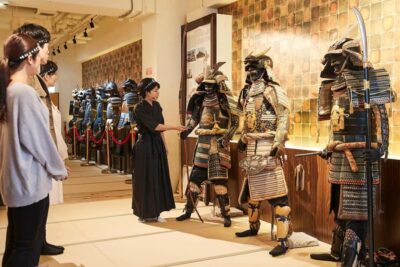 ★ 4.6Samurai Ninja Museum Guided tour and ExperienceFrom $271,010 reviews
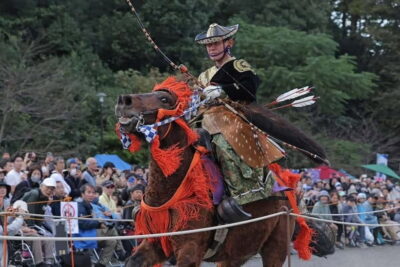 ★ 5.0Samurai Sword & Archery Class from Samurai DescendantFrom $193603 reviews
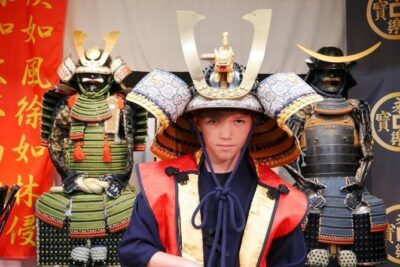 ★ 5.0Best Samurai Experience in TokyoFrom $65458 reviews
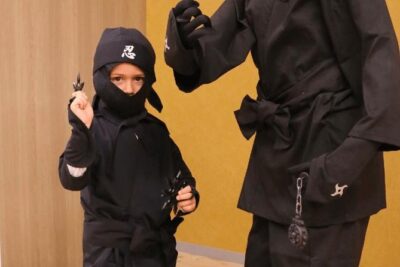 ★ 5.0Ninja Experience (Family Friendly) at Samurai Ninja Museum TOKYOFrom $47441 reviews
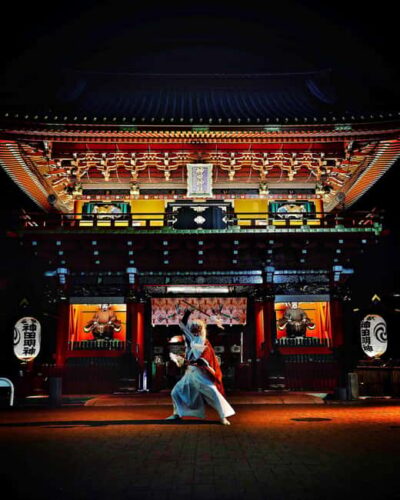 ★ 4.6Samurai Entertainment Night Show in Kanda ShrineFrom $41417 reviews
 ★ 4.2Ninja Kabuki PerformanceFrom $29330 reviews
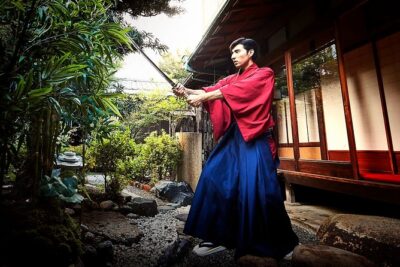 ★ 5.0Tokyo Sword Experience – includes Museum Ticket/Ninja ExperienceFrom $84314 reviews
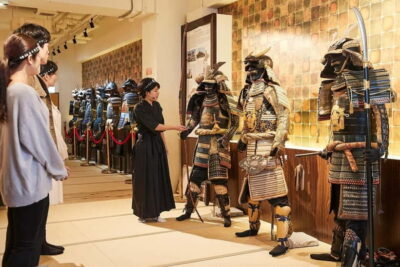 ★ 4.8Samurai Ninja Museum Asakusa: Samurai Sword Lesson & TourFrom $63306 reviews
Browse the lists this tour appears in