
Reviewed · WALKING TOURS
Tokyo Architecture and Contemporary Art Walking Tour with a local guide
Tokyo’s buildings tell stories on foot. I like the private-group pace and the smart mix of big-name architecture with street-level art culture, but plan for some legs of subway travel (including underground sections) between stops.
This is a day you can tailor to your group, led by a local guide and supported with practical perks: pickup is offered, you’ll use public transport, and bottled water keeps you going. Guides such as Richie, Riley, and Masa are specifically called out for clear English and good day planning, which matters when you’re trying to connect design details to real neighborhoods.
In This Review
- Key things to know before you go
- Why this architecture + contemporary art walk works
- Price and value for up to 9 people
- How long is the day, and how much walking should you expect?
- Ginza: where polished design meets shopping streets
- Tokyo International Forum: Rafael Viñoly’s postmodern statement
- Roppongi: the Art Triangle and museum concentration
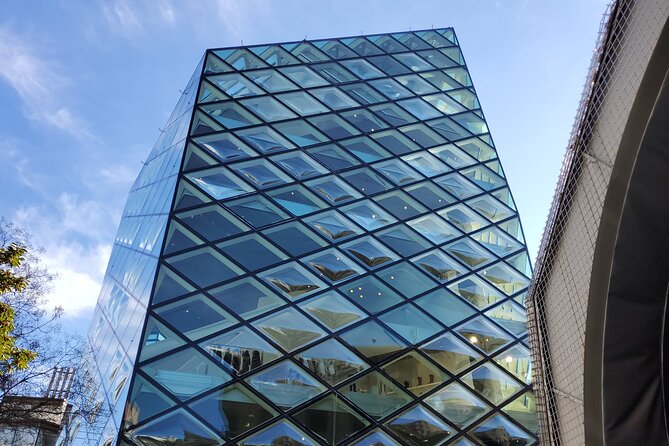
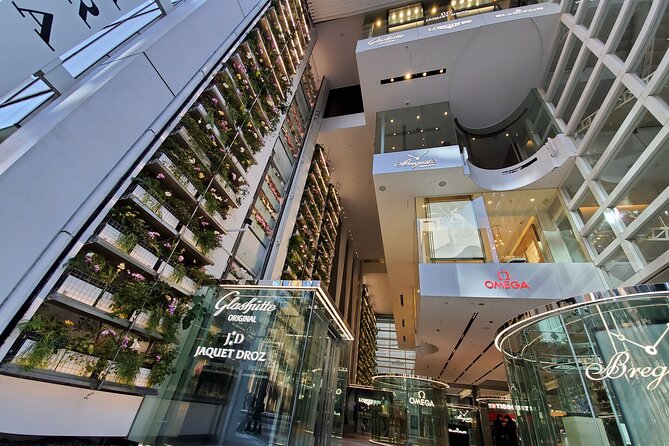
- Omotesando: fashion architecture and Herzog & de Meuron’s Prada
- Takeshita Street (Harajuku): youth culture in built form
- Shibuya crossing: the world’s busiest intersection feeling real
- Daikanyama and Nakameguro: a calmer, more stylish pace
- Getting around: subway connections and staying comfortable
- What your local guide should do for you
- Who this tour is best for (and who should think twice)
- Final call: should you book this architecture and contemporary art walk?
Key things to know before you go
- Private tour for up to 9 people, so you can move at your speed instead of syncing to a massive group.
- Architecture-first route across several Tokyo design districts, not just one neighborhood.
- Contemporary art context in Roppongi’s Art Triangle area, where museums and galleries sit side by side.
- Planned public transport between sites, often including the subway, so wear comfortable shoes.
- Extra fuel for the day with bottled water and a guide who helps you notice what most people miss.
Why this architecture + contemporary art walk works
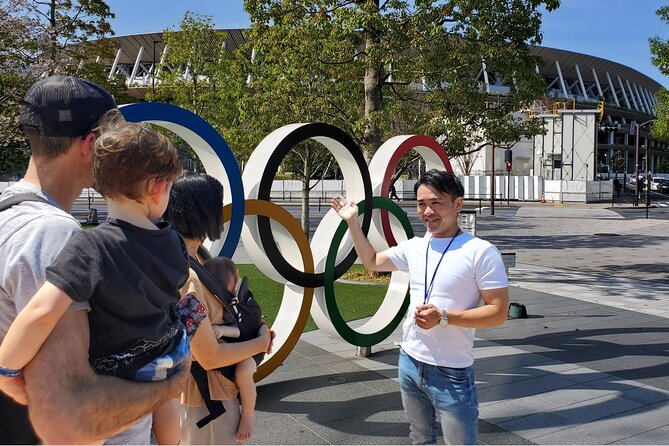
Tokyo can be overwhelming when you’re doing it solo. This tour gives you an organized route that turns architecture from background noise into the main event. Instead of hopping randomly between “must-sees,” you get a sequence of districts that each have a different design personality.
I also like that it’s a walking experience with a human scale. You’re not just standing outside buildings for photos. You’re actually moving through the environments that shape how those buildings feel, from stylish Ginza streets to the energy of Shibuya.
The day is private (up to nine people) which changes the whole vibe. You can ask questions, pause for viewpoints, and adjust your pace. That’s especially valuable on an architecture tour, where the details only show up if you slow down for a minute.
Readers also shortlisted these Tokyo bookings:
- Tokyo Tsukiji Fish Market Food and Culture Walking Tour
★ 5.0 · 3,184 reviews - Tokyo: Imperial Palace and Shogun Historical Walking Tour
★ 5.0 · 2,251 reviews - Tokyo: Shinjuku Local Bar and Izakaya Guided Walking Tour
★ 4.9 · 1,794 reviews - Tokyo: Tsukiji Fish Market Food and Walking tour
★ 5.0 · 1,724 reviews
Price and value for up to 9 people
At $424.58 per group (up to 9), this isn’t a budget tour. It’s priced like a quality, guide-led experience with a structured route. The value angle is how the per-group cost spreads across your group size.
Here’s the practical way to think about it:
- If you’re traveling as a party of 3 to 6, you can usually make the cost feel reasonable compared with paying for individual guided experiences across multiple neighborhoods.
- If you’re traveling solo or as a couple, the cost can feel steep unless you really want a full-day architecture lens instead of a self-guided walk.
Also, the tour saves time. You’re guided between major design zones and key contemporary-art stops. That’s not just convenience. It means you’re spending your energy on the buildings instead of working out the best way to chain districts yourself.
How long is the day, and how much walking should you expect?
Plan on about 6 to 8 hours. The on-the-ground time across stops is roughly 5.75 hours based on typical stop lengths, and then you add transit time plus small buffers for getting together and moving as a group.
In a real-world example from a past day, people logged around 13,000 to 20,000 steps. That range depends on how long you linger and how efficiently your group moves between subway entrances and street crossings. Either way, treat this as a true walking tour. Comfortable shoes are not optional.
Ginza: where polished design meets shopping streets
Ginza is known for boutiques, galleries, and fashionable Japanese stores, but the real draw here is architectural variety. You’re not just seeing one “type” of building. You’re seeing a district that’s constantly reinventing how commerce and design connect.
You start in Ginza for a reason: it sets the tone. This is where Tokyo shows off refined urban planning and sleek facades. Even if you’re not an architecture nerd, Ginza helps you learn how to “read” Tokyo’s modern style—then you carry that habit into the more art-focused areas later.
What to watch for: look at how buildings sit along the street edge, how entrances are framed, and how the district uses scale to make everything feel crisp.
Tokyo International Forum: Rafael Viñoly’s postmodern statement
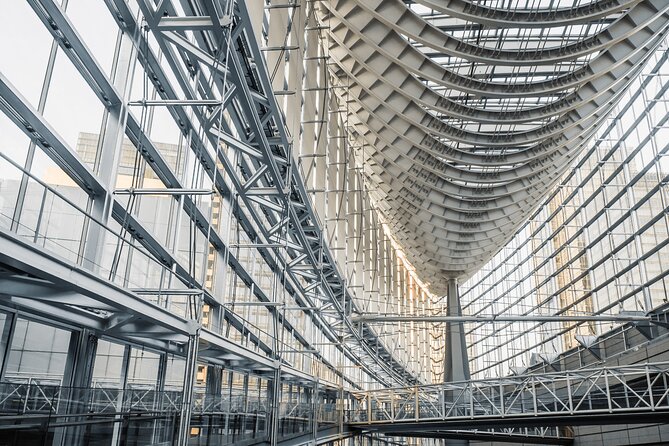
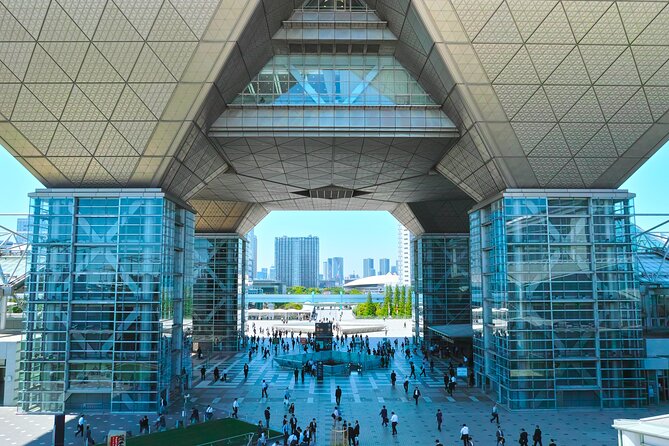
Next is Tokyo International Forum, a postmodern landmark designed by Uruguay-born American architect Rafael Viñoly. It’s described as the first major convention and art center of its kind in Tokyo, which tells you the intention: this isn’t a niche building. It’s a public-facing stage for major events and culture.
You’ll spend a short window here (around 15 minutes), so the goal is not to “tour the whole complex.” It’s to understand what the building is doing visually and functionally—then move on with your eyes more alert.
Why it’s worth the stop: architecture here isn’t hiding behind the crowd. The building is a focal point, and the surrounding area frames it like an urban showcase.
Readers also shortlisted these Tokyo bookings:
- Tokyo 6hr Private Tour with Government-Licensed Guide★ 5.0 · 3,902 reviews
- Tokyo: Shinjuku Local Bar and Izakaya Guided Walking Tour★ 4.9 · 1,794 reviews
- Tokyo: Private City Highlights Tour with Local Guide★ 4.8 · 1,433 reviews
- Tokyo: Tsukiji Fish Market Guided Walking Tour★ 4.9 · 1,397 reviews
- Tokyo 4hr Private Tour with Government-Licensed Guide★ 5.0 · 1,394 reviews
Roppongi: the Art Triangle and museum concentration
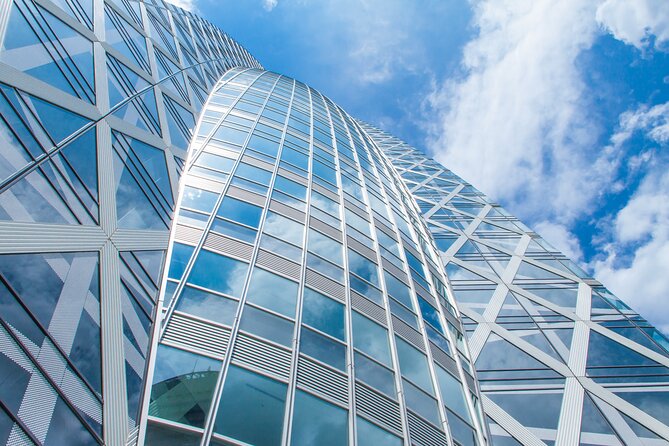
Roppongi is where contemporary culture becomes a physical map. This stop centers on a cluster often referred to as the Art Triangle Roppongi, made up of the National Art Center, Mori Art Museum, and Suntory Museum of Art.
What I like about this portion of the day is the way it connects art to place. Even when you’re just walking past, you get a sense that these museums aren’t isolated buildings. They belong to a broader cultural zone that draws in exhibitions, visitors, and creative energy.
You’ll also see the area’s relationship to business and branding in the background, including Fujifilm Square (noted as part of the local mix). That helps you understand a key Tokyo pattern: art, commerce, and design often share the same urban stage.
Possible drawback: if you’re craving nonstop walking outdoors, museum-zone areas can include longer transitions between entrances and subway exits. It’s still worth it, but set expectations.
Omotesando: fashion architecture and Herzog & de Meuron’s Prada
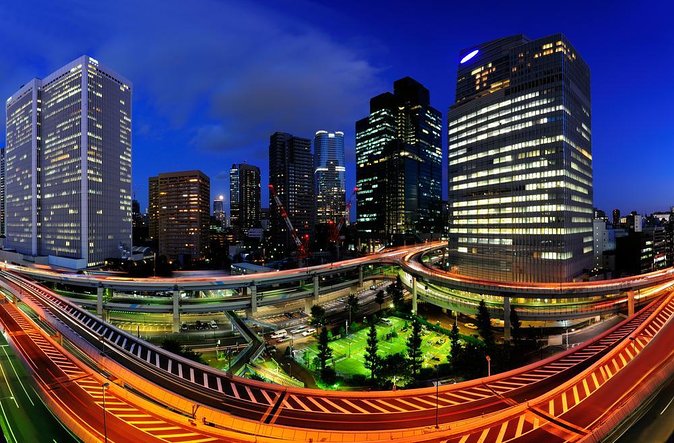
Omotesando is famous for high-end fashion and jewelry stores, but the architecture is the real reason to come here. This stretch is especially good for noticing how Tokyo builds for style without losing structural clarity.
A highlight mentioned for this area is the Prada flagship store, created by Swiss firm Herzog & de Meuron. When you see a building like this in context, it helps you understand what “architecture as branding” looks like in real life.
You’ll spend around an hour in this zone, which gives you time to slow down. You can look at how the streetscape guides foot traffic, how facades change along the block, and how the building’s shape affects the surrounding view lines.
Tip for your photos: don’t only shoot from the front. Omotesando is the kind of place where angles matter because the buildings and sidewalks are designed to be read as volumes, not flat posters.
Takeshita Street (Harajuku): youth culture in built form
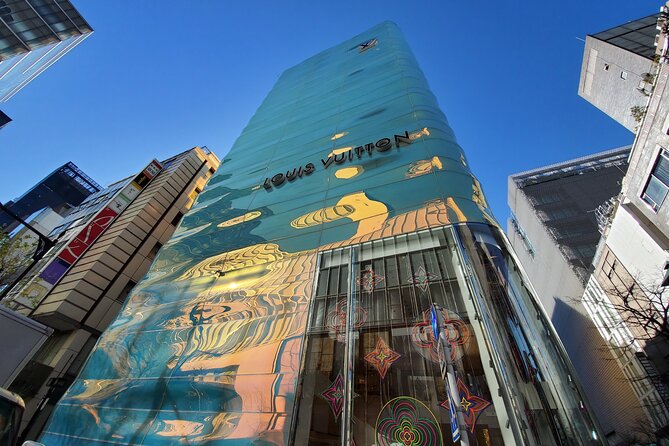
From high-end fashion architecture, you shift to Harajuku’s youthful side with Takeshita Street. The atmosphere changes fast. Here the focus is on unique fashion trends and more outrageous design choices in both clothing and the built environment.
You’ll likely spend about an hour. That time is useful because Takeshita is more about people and street spectacle than architectural “landmark” moments. You’ll get a better feel for the district if you walk slowly enough to notice how storefronts and signage create their own kind of micro-design language.
What to keep in mind: if you’re mainly there for architecture, treat this as a cultural contrast stop. It shows you how Tokyo’s design principles can show up in street fashion and temporary-looking storefront worlds, not only polished corporate buildings.
Shibuya crossing: the world’s busiest intersection feeling real
Shibuya crossing is the famous moment most people already recognize. It’s described as the busiest intersection in the world, making Times Square seem like a sleepy village. Even if you’ve seen photos, being there changes your sense of scale.
The stop is around 30 minutes, which is about right. You don’t need a long stay to understand what the crossing represents: Tokyo’s ability to manage intense flow with precision.
How to enjoy it more: watch how crowds move like currents. You’re observing infrastructure and choreography. It’s architecture in the broad sense: the design of movement.
Daikanyama and Nakameguro: a calmer, more stylish pace
Daikanyama and nearby Nakameguro give you a palate cleanser after the intensity of Shibuya and Harajuku. These areas are described as full of boutiques and cafes, with a different atmosphere and a less hectic pace than more famous shopping zones.
You’ll spend about an hour here. This is a nice point in the day for slowing down and letting your brain rest while still seeing design detail. The vibe is quieter, and that makes small things more noticeable: storefront layouts, signage style, and how streets feel when they’re not packed at peak volume.
A specific cultural anchor mentioned is Tsutaya book store, which fits the area’s identity as a place for browsing and lingering rather than rushing through.
Getting around: subway connections and staying comfortable
This tour leans on public transport, and you should plan for the kind of urban logistics Tokyo does well: short walks to stations, subway rides, and quick transfers. One review called out “a lot of time spent underground” moving between sites. That’s a real consideration for your comfort and energy.
A few practical moves help:
- Wear shoes with grip. Station entrances and stairways can be crowded and fast-moving.
- Keep your pace steady. If you speed up too much, you’ll spend energy matching exits and entrances later.
- If you have an IC card, it can make train and subway payments simple during the day (this came up in an example where IC cards were used).
If your group gets tired easily, ask your guide to adjust pauses. The private format is built for that.
What your local guide should do for you
On an architecture tour, the guide’s value is not just naming buildings. The real help is pointing out what to notice so the city stops being a blur.
In past experiences with guides on this route (names like Richie, Riley, and Masa appear), the common thread is planning and explanation. That matters because the itinerary covers multiple districts with very different visual languages. A good guide connects the dots so you don’t just see impressive buildings—you learn how the style works in Tokyo.
What you can ask during the day:
- Which building design choices matter most at street level versus from a distance?
- How is a museum district like Roppongi designed to draw people in?
- Why does a neighborhood’s street layout change how a building feels?
When you ask questions like this, you get more out of the short stop times.
Who this tour is best for (and who should think twice)
This tour is a strong fit if you:
- Love modern architecture and want context, not just photos.
- Want contemporary art culture connected to the neighborhoods where it lives.
- Prefer a private group size (up to 9) so you can control your pace.
- Are comfortable walking a full day and using trains/subways.
Consider another option if you:
- Hate subway stations and underground transfers. The route involves multiple public transport legs.
- Want long museum interior time at each major stop. The stops are structured for viewing and orientation more than deep museum immersion.
If you’re the type who gets energy from walking and noticing details, this day can feel like a guided city lesson with very photogenic payoff.
Final call: should you book this architecture and contemporary art walk?
If you want a first-rate way to see Tokyo through design, this is a smart booking. It strings together places that show different sides of the same story: corporate modernism, postmodern public space, art districts, fashion architecture, and street-level youth culture.
I’d book it when:
- You’re traveling with a small group and can split the group price.
- You want a full-day structure that helps you avoid decision fatigue.
- You like architecture enough to enjoy watching how Tokyo moves you from district to district.
I’d hesitate when:
- You’re sensitive to long underground transit or you’d rather keep everything above ground.
- You’re looking for a slow, museum-heavy pace rather than a district-hopping architecture walk.
If you fit the first group, this tour is exactly the kind of Tokyo experience that turns seeing into understanding.
More Walking Tours in Tokyo
- Tokyo Tsukiji Fish Market Food and Culture Walking Tour
★ 5.0 · 3,184 reviews - Tokyo: Imperial Palace and Shogun Historical Walking Tour
★ 5.0 · 2,251 reviews - Tokyo: Shinjuku Local Bar and Izakaya Guided Walking Tour
★ 4.9 · 1,794 reviews - Tokyo: Tsukiji Fish Market Food and Walking tour
★ 5.0 · 1,724 reviews - Tokyo: Asakusa Walking Tour with Sensoji Temple Visit
★ 4.8 · 1,583 reviews
More Tours in Tokyo
- Mt Fuji and Hakone 1-Day Bus Tour Return by Bullet Train
★ 5.0 · 26,383 reviews - 1-Day Tokyo Bus Tour
★ 5.0 · 14,250 reviews - Tokyo: Shinjuku Food Tour (13 Dishes at 4 Local Eateries)
★ 5.0 · 6,603 reviews - Tokyo Mt Fuji 5th St & Hakone Cruise Bus Tour w/Bullet Train
★ 4.4 · 5,024 reviews - Flagship 2-Hours Official Street Go-Kart Tour – Tokyo Bay Shop
★ 5.0 · 4,974 reviews
More Tour Reviews in Tokyo
- Mt Fuji and Hakone 1-Day Bus Tour Return by Bullet Train
★ 5.0 · 26,383 reviews - 1-Day Tokyo Bus Tour
★ 5.0 · 14,250 reviews - Tokyo: teamLab Planets TOKYO Digital Art Museum Entry Ticket
★ 4.6 · 9,779 reviews - Mt Fuji & Hakone Cruise, Drum Show Bullet Train 1 Day from Tokyo
★ 4.0 · 7,413 reviews - Tokyo: Shinjuku Food Tour (13 Dishes at 4 Local Eateries)
★ 5.0 · 6,603 reviews
Latest Tokyo reviews off our desk






Walking Tours, compared.
 ★ 5.0Tokyo Tsukiji Fish Market Food and Culture Walking TourFrom $993,184 reviews
 ★ 5.0Imperial Palace and Shogun Historical Walking TourFrom $222,251 reviews
 ★ 4.9Shinjuku Local Bar and Izakaya Guided Walking TourFrom $341,794 reviews
 ★ 5.0Tsukiji Fish Market Food and Walking tourFrom $301,724 reviews
 ★ 4.8Asakusa Walking Tour with Sensoji Temple VisitFrom $221,583 reviews
 ★ 4.9Tsukiji Fish Market Guided Walking TourFrom $221,397 reviews
 ★ 4.7Tokyo Castle & Imperial PalaceーShogun Walking TourFrom $231,068 reviews
 ★ 4.9Imperial Palace Japanese History Walking TourFrom $32987 reviews
Browse the lists this tour appears in