
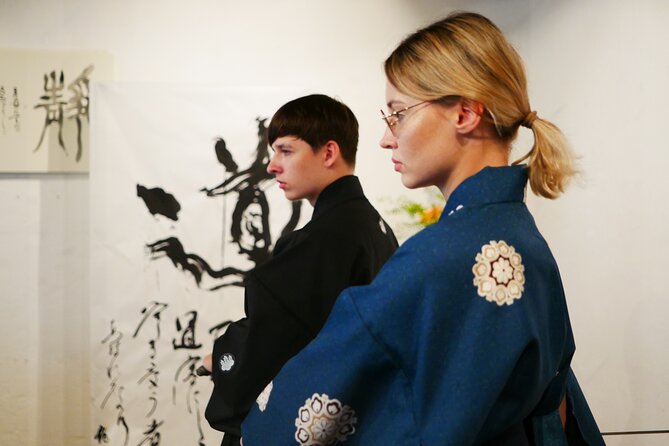
Reviewed · SAMURAI & NINJA CLASSES
Tokyo : Authentic Samurai Experience in a Private Space.
A katana lesson without leaving Tokyo. In a 90-minute session in an old private house, you dress up in formal samurai-style clothing, then get hands-on with real sword basics and etiquette. I also liked that the class isn’t just performance: you get to fight against a real samurai-style partner with safety built in. One heads-up: it’s not for everyone, especially kids under 10 or anyone who can’t manage a more physical activity.
This is run in small groups (up to 3), taught by a Japanese instructor who also speaks English, and it ends right where it starts. I found the vibe practical and friendly, and I appreciated the chance to ask questions while everything is fresh—like when you’re learning how to hold the sword correctly. If you have any issue with the blade (for example, you don’t like the edge), you should tell them first, because they’ll take that seriously.
I’d also plan one small request: near the end, ask if you can see how the sword comes apart. One participant specifically asked for this, and the instructor was willing to show it, which turns the finale into something you’ll remember long after the photos fade.
In This Review
- Key Highlights That Matter in Real Life
- Inside the Old Private House: What the 90 Minutes Feels Like
- Kimono Dressing and Samurai Etiquette: More Than a Costume Step
- Your Real-Sword Lesson: Stances, Swinging, and Control
- The Sparring Moment With a Real Samurai-Style Partner
- Tea, Break Time, and the Old-House Photo Moment
- Price and Value: Is $322 Worth 90 Minutes of Sword Training?
- Who This Tokyo Samurai Experience Suits (and Who Should Skip It)
- Practical Tips So You Get the Most Out of Your Session
- Should You Book This Samurai Experience in Tokyo?
- FAQ
- Where is the meeting point?
- How long is the experience?
- Is this a private activity?
- What languages are the instructor and teaching available in?
- What’s included in the price?
- Do we get to wear samurai-style clothing?
- Do we actually fight with a sword?
- Is the experience safe for beginners?
- What are the age and health restrictions?
- What’s the cancellation and payment flexibility?
Key Highlights That Matter in Real Life
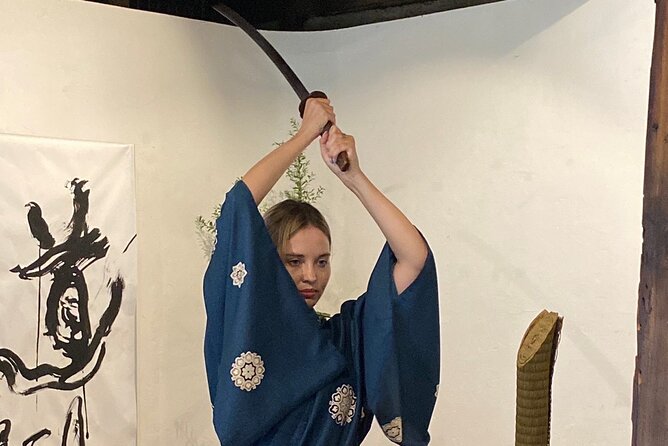
- Kimono dressing: you get changed on-site, not just a quick outfit look
- Sword etiquette from scratch: the basics first, so you don’t feel lost
- Real sword handling: swing, control, and learn what not to do
- A safety-first sparring moment: you fight in a structured way, not a free-for-all
- Tea and old-house photos: you get a calmer close to the adrenaline
Inside the Old Private House: What the 90 Minutes Feels Like
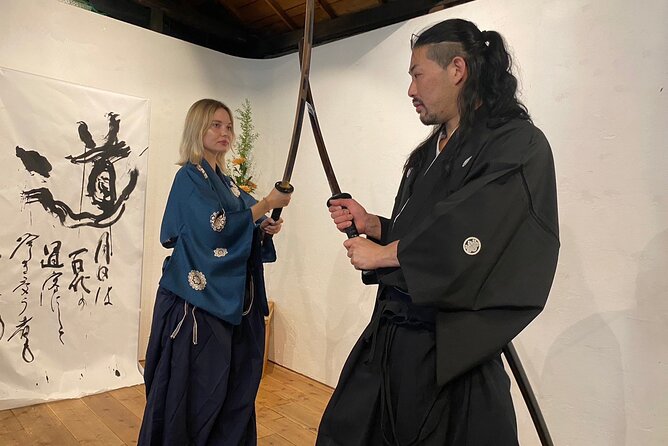
This experience is designed to hit the sweet spot between hands-on action and real cultural context. The setting is an old private house, which matters more than people expect. A plain studio can feel like a demo. An older home with tatami-style rooms and lived-in details makes the lesson feel anchored, like you’re stepping into a different pace for a short time.
You start with dressing. You don’t just put on something “samurai-themed.” You change into a formal style and learn how to move in it. That’s not a small detail. Clothing affects posture, balance, and how your arms and shoulders work when you pick up a sword. When you’re new, having an instructor guide you through that setup helps you avoid the classic beginner problems—hunching, losing stance, and rushing the motions.
Then the session moves into sword work and Bushido etiquette. The whole flow stays beginner-friendly: learning first, practicing next, then putting it together. By the end, you’re not only holding a sword—you’re behaving like you understand why samurai culture was so strict about form, timing, and respect.
More blade-and-dojo sessions, reviewed
- Tokyo: Samurai Ninja Museum Guided tour and Experience
★ 4.6 · 1,010 reviews - Tokyo: Samurai Sword & Archery Class from Samurai Descendant
★ 5.0 · 603 reviews - Best Samurai Experience in Tokyo
★ 5.0 · 458 reviews - Ninja Experience (Family Friendly) at Samurai Ninja Museum TOKYO
★ 5.0 · 441 reviews
Kimono Dressing and Samurai Etiquette: More Than a Costume Step
The kimono dressing experience sets the tone. It’s the first “switch” from normal tourist mode into disciplined practice mode. You’re taught how to wear the outfit properly and likely get a quick adjustment if something feels off. A good instructor here makes you feel comfortable fast, because awkward clothing is distracting.
After you’re dressed, you’ll get an introduction to samurai Bushido etiquette—how you carry yourself and how you treat the weapon and the space. This is where the session becomes more than sword cosplay. Even if your only goal is to learn a cool skill, you’ll still walk away with simple rules: posture, controlled movements, and how to keep attention on the instructor’s cues.
The best part is that it’s not delivered like a lecture. It’s linked to the actions you’re about to do. That connection helps the “etiquette” stick in your brain, instead of fading right after the lesson.
Your Real-Sword Lesson: Stances, Swinging, and Control
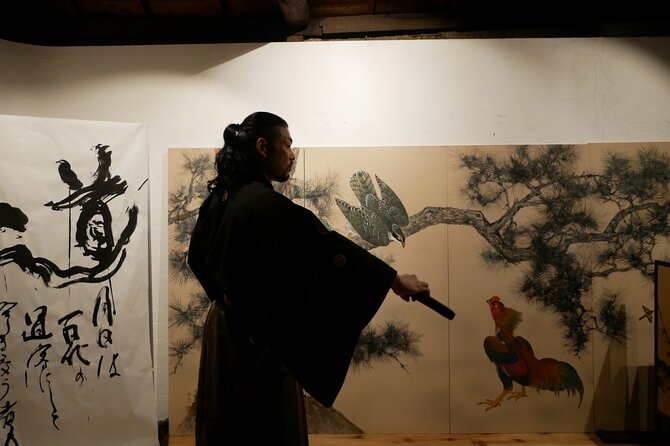
Once the basics start, the class becomes very physical, very fast. You’ll learn how to handle the sword safely and how to swing it with intention. Even if you’re starting from zero, you’re not thrown into chaos. The instructor’s role is to correct you as you practice, so the movements start to look less like random arm flailing and more like a controlled form.
You can expect a sequence that teaches you:
- how to hold the sword properly
- how to move into basic stances
- how to swing without losing control
- how to follow the etiquette taught earlier
One practical advantage of a small group (up to 3) is that you get more attention. With more participants, beginners often get corrected “after the fact.” Here, you’re more likely to get immediate cues while the muscle memory is still forming.
If you enjoy history weapons or have any interest in HEMA-style training, you might recognize familiar ideas in the stance and handling. One participant with experience called out that the session included practice with stances, pulling and sheathing, and the mechanics of swinging the katana—plus a cutting drill moment that was genuinely fun on first try.
The Sparring Moment With a Real Samurai-Style Partner
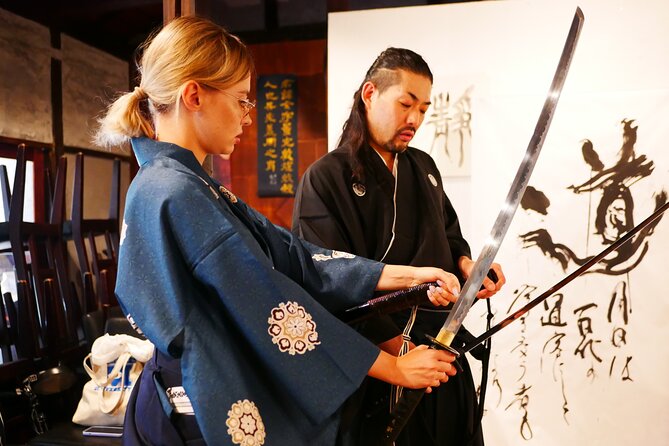
The headline for many people is fighting against a real samurai with a sword. What’s important is the safety framing. The program explicitly says safety is taken into consideration, and they also clarify a key detail: no one will point the blade at you.
That rule makes a big difference in how you relax. If you’re nervous, you tend to tense up and your form gets sloppy. With clear boundaries, you can focus on timing and control instead of fear.
During the sparring part, you’ll follow the instructor’s direction rather than “inventing” your own duel. The goal is to let you experience the feel of contact and reaction while staying within a structured training environment. For me, the best way to think of this part is not as a movie scene—it’s controlled practice designed to show what you’ve learned and what you still need to improve.
Tea, Break Time, and the Old-House Photo Moment
After the sword training, you get Japanese tea. This matters because it’s not just a “here’s your drink” finish. It’s a reset. Your body is still buzzing from the motion, and tea gives you a calm landing.
You’ll also get time to talk, and the experience includes the chance to take typical Japanese photos in the old private house. Even if you’re not the type who loves posing, you’ll appreciate this segment because it uses the setting while you still remember how the lesson felt.
One extra value I like: the social part happens after the action, not before. You already earned the conversation. People tend to compare notes naturally—what worked, what didn’t, and what to try next time.
If you want photos that feel more like a memory than a souvenir, wear the full outfit comfortably and let the host or assistant take the pictures from angles that show both your posture and the space.
Readers also shortlisted these Tokyo bookings:
- Tokyo 6hr Private Tour with Government-Licensed Guide★ 5.0 · 3,902 reviews
- Private Tour to Mt. Fuji and Hakone (Fully Licenced Operator)★ 5.0 · 1,910 reviews
- Tokyo Customized Private Tour (Must See Places in 1 Day)★ 5.0 · 1,499 reviews
- Mount Fuji Full-Day Private Tour from Tokyo (Customizable)★ 4.9 · 1,470 reviews
- Tokyo: Private City Highlights Tour with Local Guide★ 4.8 · 1,433 reviews
Price and Value: Is $322 Worth 90 Minutes of Sword Training?
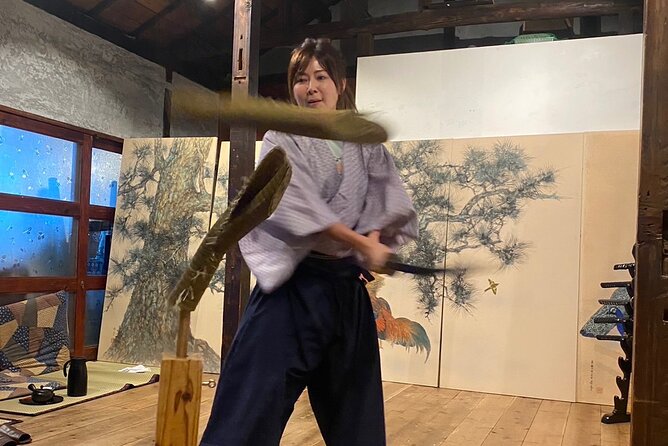
At $322 per person for 90 minutes, this is not a budget activity. But value here isn’t only in the “sword thing.” The price is tied to a few expensive inputs:
- A real instructor (Japanese, English)
- A small group size (limited to 3)
- On-site kimono dressing
- Real sword use with structured safety
- A dedicated old-house setting
- Tea and guided downtime
If you were thinking of doing a self-guided “samurai photoshoot,” you’d miss most of what you pay for here. You’re paying for coaching and for the ability to actually practice with a sword, under controlled rules.
So I think it’s worth it if you want more than a theme experience. This is best when you genuinely want to learn form, etiquette, and how a sword movement should feel. If you only want a quick thrill and don’t care about technique or culture, you may feel the cost more than the reward.
Who This Tokyo Samurai Experience Suits (and Who Should Skip It)
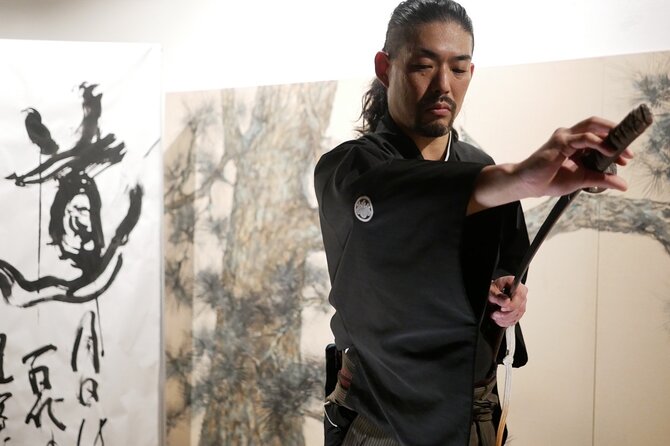
This is open to both men and women, and it’s ideal for beginners who want real guidance. Because the instruction is structured, you don’t need prior sword experience to have a good time.
It’s also a strong fit if you like hands-on activities and you’re comfortable with short bursts of intensity. Expect to stand, move, and focus. You’ll likely be more satisfied if you show up in good spirits and listen closely to corrections.
On the other hand, the program isn’t suitable for:
- pregnant women
- people with mobility impairments
- children under 10
And one more practical detail: scooters aren’t allowed. If you’re traveling with any mobility device, plan ahead and confirm what you can use. When in doubt, ask the operator before booking.
Practical Tips So You Get the Most Out of Your Session
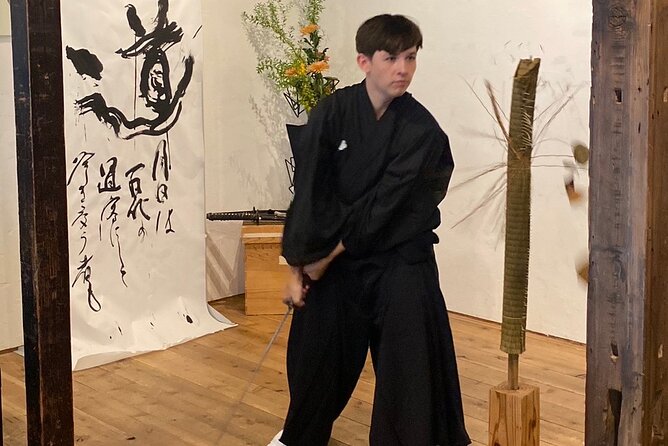
A few small moves will make your 90 minutes smoother:
- Tell the instructor if you don’t like the edge of the blade. They say to say so first, and it’s there for a reason.
- Ask for a sword breakdown at the end if you’re curious about how it’s constructed. One participant requested this and got a willing demonstration, which turned the closing minutes into something extra.
- Go in with a beginner mindset even if you’re confident. Technique details matter more than you think.
- Don’t fight your outfit. If something feels tight or off in the kimono/formal wear, adjust quickly so your posture stays correct.
- Keep your focus on what the instructor is cueing. This kind of training improves fast when you stop guessing and start following the sequence.
Also, because the session ends with everyone disbanding on the spot, it helps to plan your next stop nearby. You won’t be getting dropped off at a distant hub later—so don’t schedule something tight right after.
Should You Book This Samurai Experience in Tokyo?
Yes, if you want a hands-on Tokyo samurai experience that actually teaches sword handling and Bushido etiquette in a controlled way. I especially think it’s a good call for first-timers who want structure, small-group attention, and the bonus of tea and a photo stop in an old house.
Skip it if you’re looking for a casual sightseeing add-on or if the physical side (standing, moving, and practicing movements) sounds like a mismatch. Also, if you’re uncomfortable around weapons at any level, bring those concerns up early—because the rules are clear, but comfort is still personal.
If your travel style includes one memorable workshop moment, this one earns its place.
FAQ
Where is the meeting point?
There’s a signboard near the meeting place. Follow the arrow and enter through the entrance.
How long is the experience?
It lasts 90 minutes.
Is this a private activity?
It’s a small group activity limited to 3 participants.
What languages are the instructor and teaching available in?
The instructor speaks Japanese and English.
What’s included in the price?
You get the Samurai Experience, a real sword, kimono dressing experience, Japanese tea, and learning in an old Japanese house.
Do we get to wear samurai-style clothing?
Yes. You change into Samurai formal dress and learn through the session.
Do we actually fight with a sword?
You fight against a real samurai with a sword as part of the program, with safety taken into consideration.
Is the experience safe for beginners?
The program says safety is considered, and it also notes that no one will point the blade at you. You can also tell them if you don’t like the edge of the blade.
What are the age and health restrictions?
It is not suitable for pregnant women, people with mobility impairments, or children under 10.
What’s the cancellation and payment flexibility?
You can cancel up to 24 hours in advance for a full refund, and you can reserve now and pay later to keep your plans flexible.
More Private in Tokyo
- Tokyo 6hr Private Tour with Government-Licensed Guide
★ 5.0 · 3,902 reviews - Private Tour to Mt. Fuji and Hakone (Fully Licenced Operator)
★ 5.0 · 1,910 reviews - Tokyo Customized Private Tour (Must See Places in 1 Day)
★ 5.0 · 1,499 reviews - Mount Fuji Full-Day Private Tour from Tokyo (Customizable)
★ 4.9 · 1,470 reviews - Tokyo: Private City Highlights Tour with Local Guide
★ 4.8 · 1,433 reviews
More Tour Reviews in Tokyo
- Mt Fuji and Hakone 1-Day Bus Tour Return by Bullet Train
★ 5.0 · 26,383 reviews - 1-Day Tokyo Bus Tour
★ 5.0 · 14,250 reviews - Tokyo: teamLab Planets TOKYO Digital Art Museum Entry Ticket
★ 4.6 · 9,779 reviews - Mt Fuji & Hakone Cruise, Drum Show Bullet Train 1 Day from Tokyo
★ 4.0 · 7,413 reviews - Tokyo: Shinjuku Food Tour (13 Dishes at 4 Local Eateries)
★ 5.0 · 6,603 reviews
More Samurai and Ninja Sessions
- Tokyo: Samurai Ninja Museum Guided tour and Experience
★ 4.6 · 1,010 reviews - Tokyo: Samurai Sword & Archery Class from Samurai Descendant
★ 5.0 · 603 reviews - Best Samurai Experience in Tokyo
★ 5.0 · 458 reviews - Ninja Experience (Family Friendly) at Samurai Ninja Museum TOKYO
★ 5.0 · 441 reviews - Tokyo: Samurai Entertainment Night Show in Kanda Shrine
★ 4.6 · 417 reviews
Latest Tokyo reviews off our desk






Samurai & Ninja Classes, compared.
 ★ 4.6Samurai Ninja Museum Guided tour and ExperienceFrom $271,010 reviews
 ★ 5.0Samurai Sword & Archery Class from Samurai DescendantFrom $193603 reviews
 ★ 5.0Best Samurai Experience in TokyoFrom $65458 reviews
 ★ 5.0Ninja Experience (Family Friendly) at Samurai Ninja Museum TOKYOFrom $47441 reviews
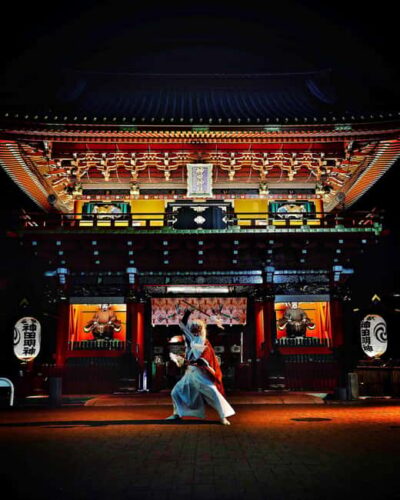 ★ 4.6Samurai Entertainment Night Show in Kanda ShrineFrom $41417 reviews
 ★ 4.2Ninja Kabuki PerformanceFrom $29330 reviews
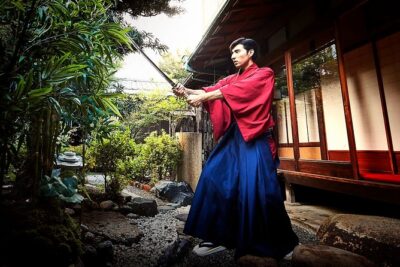 ★ 5.0Tokyo Sword Experience – includes Museum Ticket/Ninja ExperienceFrom $84314 reviews
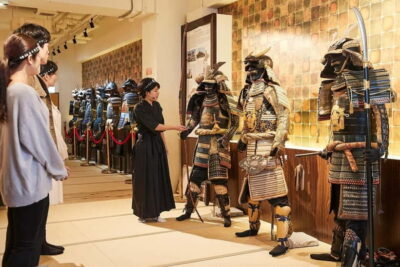 ★ 4.8Samurai Ninja Museum Asakusa: Samurai Sword Lesson & TourFrom $63306 reviews
Browse the lists this tour appears in