
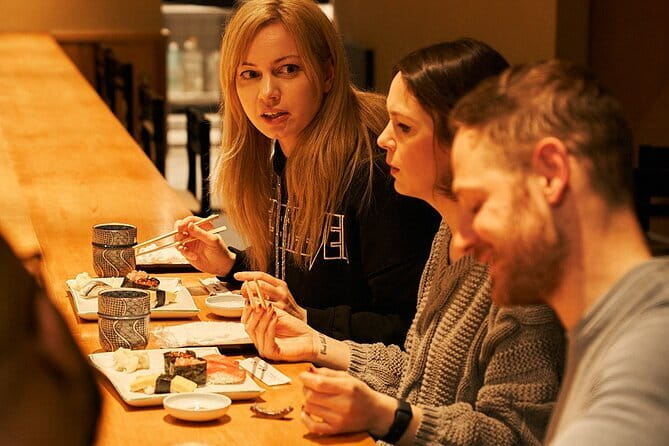
Reviewed · SUSHI MAKING CLASSES
Tokyo: Authentic Sushi Making at a Local Sushi Restaurant
Sushi basics come fast here. I like the hands-on focus on slicing fish and seasoning sushi rice, taught by a master sushi chef with 50 years of tradition. You’ll shape classic nigiri and traditional rolls, then eat what you made.
One thing to plan for: transportation isn’t included, so you’ll need to get yourself to the meeting point in Meguro (Takaban). The good news is it’s near public transportation, and the class is small, with up to 8 people.
In This Review
- Key things to know before you go
- A small-class sushi workshop in Meguro
- Meeting the chef and the 50-year sushi story
- Knife skills and rice seasoning: the heart of the lesson
- Shaping nigiri and rolling traditional sushi
- Eating what you made: why it lands better than a demo
- Price and value of the $130 hands-on class
- What to expect during the 2 hours
- Who this is best for (and when to skip)
- Practical tips to get the most out of your class
- Should you book Authentic Sushi Making at a Local Sushi Restaurant?
- FAQ
- How long is the sushi-making experience?
- How much does it cost?
- What is included in the class?
- Do I need to arrange transportation?
- How big is the group?
- What is the cancellation policy?
Key things to know before you go
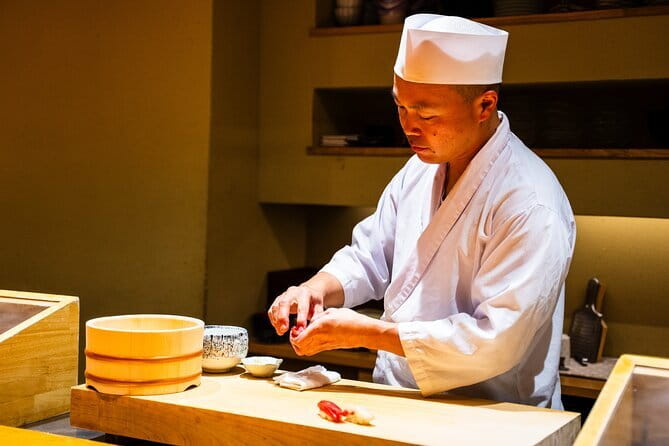
- A master chef teaching techniques, not just showing pictures: You learn by doing, with direct guidance.
- Nigiri and traditional rolls, both included: You’ll practice more than one sushi style.
- Rice and fish skills are the core lesson: Expect time on seasoning rice and proper slicing.
- A clean, local-style sushi restaurant setting: It feels like a real working spot, not a staged demo.
- Small group size (up to 8): More chances to ask questions and get fixes early.
A small-class sushi workshop in Meguro
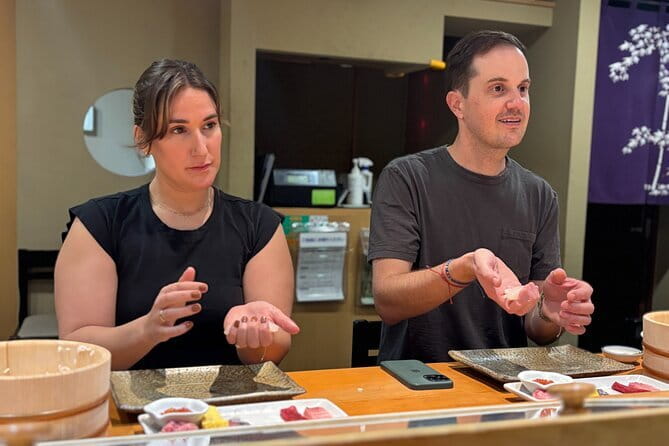
This is the kind of Tokyo food experience that feels simple on paper and satisfying in real life. You’re not hunting for a menu mystery. You’re standing at the counter, following a chef’s instructions, and making sushi step by step.
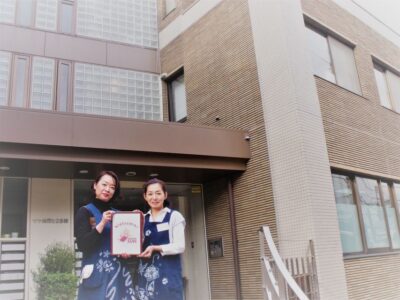
The setting matters here. The class takes place in a traditional sushi restaurant with more than 50 years of history. Reviews mention a clean space and a kitchen view, which fits the vibe of a serious local place. That translates into a better learning environment: you can focus on your hands, not on the theatrics.
With a maximum of 8 travelers, you’re also less likely to feel lost in the crowd. In practice, that usually means you’ll have time to ask basic questions and get small corrections—especially when it comes to technique. A class like this lives or dies on feedback, and the group size supports it.
More sushi counters to book, ranked
- Sushi Making Tokyo Roll and Authentic Japanese Sushi Class
★ 5.0 · 3,971 reviews - Tokyo: Roll and Authentic Sushi Making Class in Asakusa
★ 4.9 · 1,957 reviews - Make Sushi and Create Unforgettable Memories in Tokyo
★ 5.0 · 1,413 reviews - Tokyo: Sushi Making Class in a Happi Coat near a Famous Spot
★ 4.9 · 1,377 reviews
Meeting the chef and the 50-year sushi story
Before you start shaping anything, you’ll get context: the history of sushi and how the craft developed. The experience description calls this out clearly, and that history talk is more than trivia. It helps you understand why the techniques look specific—like the care in rice seasoning and the focus on fish handling.
You’re working with a seasoned sushi chef who’s built this knowledge over decades (50 years of tradition is part of the experience details). That matters because sushi isn’t just a recipe. It’s timing, touch, and consistency. When a chef can explain what to aim for—how the rice should feel, how the fish should be cut—it speeds up learning.
One review also highlights that the chef was friendly and answered questions with fascinating facts. If you’re the type who likes to ask why something is done a certain way, this setup tends to reward you.
Knife skills and rice seasoning: the heart of the lesson
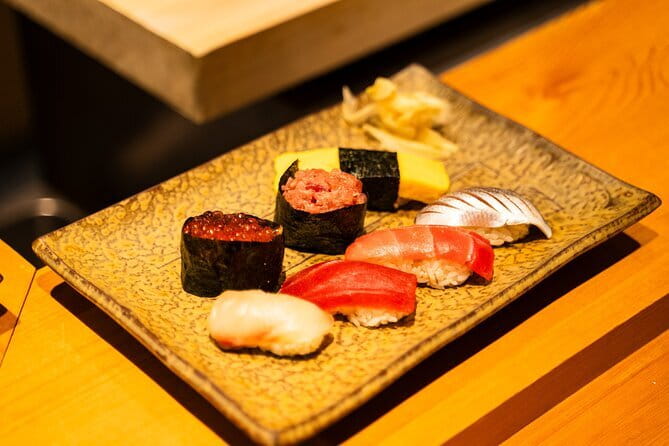
The core of sushi-making starts with two things: the fish and the rice. This class focuses on both, and that’s a big reason it feels worth it.
You’ll learn techniques for slicing fish. That doesn’t just mean cutting into pieces—it’s about controlling shape and thickness so the fish sits right on the rice. When you do it under guidance, you can feel the difference between guesswork and repeatable technique. If you’ve ever wondered why different nigiri tastes different even when ingredients sound similar, knife technique is a major piece of the puzzle.
Then there’s rice seasoning. The experience specifically mentions learning how to season sushi rice. This is the part many people underestimate because rice looks easy until you try to make it right. In a hands-on class, you can pay attention to what the chef is teaching: what balance tastes correct, and how the rice should be handled so it stays cohesive.
I like that the lesson targets fundamentals. You can’t fake them. If you learn the fish cuts and rice seasoning basics, the rest of sushi-making gets easier, because you’re building on the right foundation.
Shaping nigiri and rolling traditional sushi
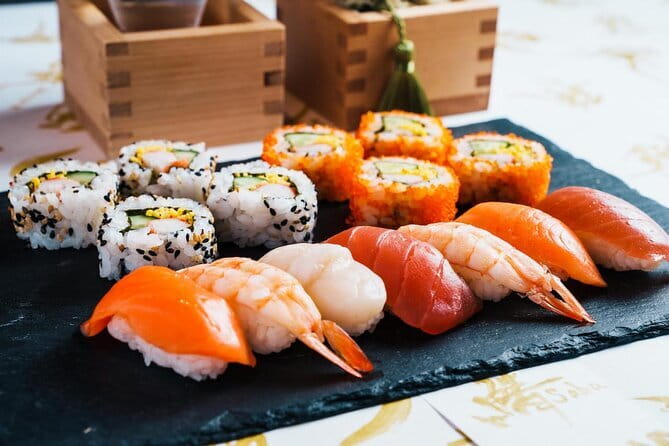
After the prep work, you’ll move into the fun part: making sushi you can recognize and eat.
The experience includes both nigiri and traditional rolls. That matters because nigiri and rolls test different skills. Nigiri asks for good placement and portioning—your rice and fish have to fit together cleanly. Rolls are more about assembling and forming in a way that holds shape.
In short: you don’t just do one sushi style and call it a day. You’ll get practice across classic categories, and that makes the class feel fuller even though the total time is about 2 hours.
You’ll assemble the sushi you’ve crafted using the freshest ingredients. While the exact ingredient list isn’t provided here, you can still expect high-quality materials because the chef is guiding you through foundational tasks that depend on ingredient freshness. In other words: you’re learning technique, but you’re also learning with ingredients that help you succeed.
Eating what you made: why it lands better than a demo
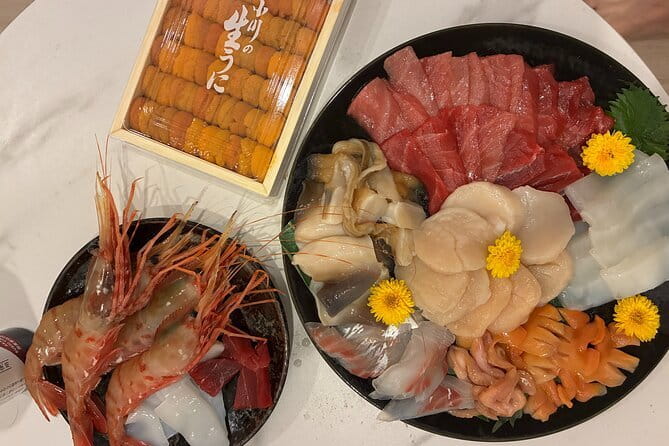
The best part is that you actually get to eat the sushi you make. This isn’t a quick taste of someone else’s work. You’ll enjoy the sushi you’ve crafted yourself, right after you finish.
That changes the whole experience. A demonstration teaches you what to do. Eating your own sushi teaches you what it should feel like in real life—how the rice seasoning comes across, how the fish cut affects texture, and whether your assembly held together the way it should.
Reviews echo this point strongly: people call the experience awesome, fun with friends, and a must-do for sushi lovers. There’s also a clear theme that learning the art of making nigiri was a highlight, and that the chef’s teaching style made the session feel welcoming.
A small but important note: since this ends back at the meeting point and lasts about 2 hours, plan to treat it as a single event in your day. Give yourself a little flexibility so you’re not rushed to squeeze another stop immediately after.
Readers also shortlisted these Tokyo bookings:
- Tokyo Bar Hopping Tour in Shinjuku (All-You-Can-Drink + Dinner)★ 5.0 · 3,587 reviews
- Tokyo: Yakatabune Dinner Cruise with Japanese Show & Drinks★ 4.7 · 871 reviews
- Sumida River: Japanese Traditional Yakatabune Dinner Cruise★ 4.6 · 779 reviews
- Tokyo Bay Yakatabune Dinner/Day Cruise with Japan Show and Drinks★ 4.5 · 473 reviews
- Tokyo: Shinjuku Bar Hopping with All-You-Can-Drink & Dinner★ 4.9 · 440 reviews
Price and value of the $130 hands-on class
At $130 per person for about 2 hours, you’re paying for expert, hands-on instruction plus the food you produce. That’s a different value proposition than a sushi dinner where you’re mostly observing and paying for restaurant service.
Here’s what you’re getting value-wise:
- Chef-guided technique practice for multiple sushi styles (nigiri and traditional rolls)
- Rice seasoning and fish slicing instruction, which are the hardest parts for beginners to learn correctly
- The meal is included since you eat what you make
- A small group size (up to 8) that supports more personal attention
What you’re not getting is transportation. That’s standard for many food classes, but it does affect total cost and planning. If you’re already staying near public transit lines, it’s usually painless.
I’d also think about your learning goal. If you love sushi and you want more than a meal—if you want to understand how it’s built—this price starts to make sense quickly. If you’re only looking for a casual snack, there are cheaper ways. But if you want skills you can talk about for years, you’re paying for that “doing” time.
What to expect during the 2 hours
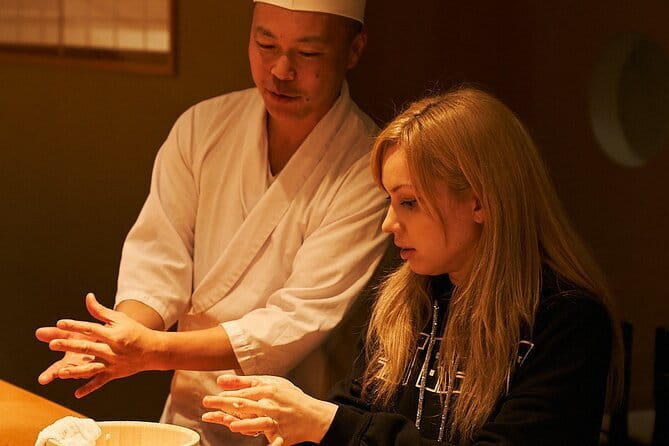
You should expect a focused rhythm. You’ll start at the meeting point in Meguro (Takaban). The session centers on learning the history of sushi and then moving into practical technique: slicing fish, seasoning rice, assembling nigiri and rolls, and finally eating your creations.
Because it’s about 2 hours and the group is capped at 8, there usually isn’t time for long diversions. You’ll get enough guidance to keep moving without feeling rushed out the door. Think of it as a workshop: structured, hands-on, and fast-moving in the best way.
Also, you’ll get a mobile ticket, and confirmation is received at booking. That helps you show up prepared and reduces the last-minute stress that can ruin a food-focused plan.
Who this is best for (and when to skip)
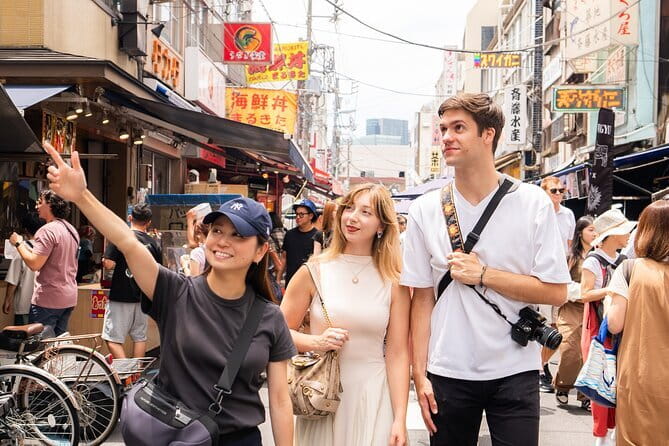
This class is a strong fit if:
- You love sushi and want to learn the basics properly.
- You enjoy cooking or hands-on food activities, even if you’re a beginner.
- You want to ask questions and get direct answers from a chef.
- You like small-group experiences where you’re not lost in a crowd.
It may be less ideal if:
- You prefer to watch rather than make food.
- You’re hoping for a sightseeing-focused Tokyo experience. This is about sushi technique at one location.
- You don’t want to handle getting yourself to the meeting point (since transportation isn’t included).
If you fall somewhere in the middle—like you enjoy food but you’re unsure about participating actively—try to lean toward your curiosity. Sushi-making feels approachable once you’re standing there. The chef’s guidance is the safety net.
Practical tips to get the most out of your class
A few small choices can improve your outcome.
- Come hungry, but don’t overdo it. You’ll eat what you make, so you want appetite. At the same time, avoid arriving so full that you can’t enjoy the last part.
- Ask one question early. If the chef’s open to answering, early questions help you avoid repeating mistakes later.
- Focus on texture and handling. The experience centers on rice seasoning and fish slicing. Pay attention to how things feel in your hands—how the rice holds together, how portions are formed.
- Wear something easy to move in. You’ll be working at counter height and using your hands a lot.
These are simple, but they match what the class actually teaches: technique you can repeat.
Should you book Authentic Sushi Making at a Local Sushi Restaurant?
If you’re choosing between a basic sushi meal and a hands-on skills experience, this one is an easy yes. The combination of nigiri + traditional rolls, direct instruction from a master sushi chef, and getting to eat what you make makes it feel like more than a ticketed activity.
I’d book it especially if you want an authentic Tokyo food moment that’s still practical. You’ll leave with knowledge you can use—at home, on your next sushi trip, and in the stories you tell about Tokyo.
If you’re budget-tight, or you don’t want to travel to Meguro on your own, you can still have a great time in Tokyo elsewhere. But if sushi is a passion for you, this class is one of the most focused ways to turn that passion into real technique.
FAQ
How long is the sushi-making experience?
The experience runs for about 2 hours.
How much does it cost?
It costs $130.00 per person.
What is included in the class?
You’ll get a guided sushi-making experience with a skilled chef, you’ll enjoy the sushi you craft yourself, and you’ll learn about the history of sushi.
Do I need to arrange transportation?
Transportation is not included. The meeting point is near public transportation, but you’ll need to get there yourself.
How big is the group?
The experience has a maximum of 8 travelers.
What is the cancellation policy?
You can cancel for a full refund if you cancel at least 24 hours in advance of the experience start time.
More Dining Experiences in Tokyo
- Tokyo Bar Hopping Tour in Shinjuku (All-You-Can-Drink + Dinner)
★ 5.0 · 3,587 reviews - Tokyo: Sumo Show and Dining Experience
★ 4.8 · 2,742 reviews - Tokyo: Yakatabune Dinner Cruise with Japanese Show & Drinks
★ 4.7 · 871 reviews - Sumida River: Japanese Traditional Yakatabune Dinner Cruise
★ 4.6 · 779 reviews - Tokyo Bay Yakatabune Dinner/Day Cruise with Japan Show and Drinks
★ 4.5 · 473 reviews
More Tour Reviews in Tokyo
- Mt Fuji and Hakone 1-Day Bus Tour Return by Bullet Train
★ 5.0 · 26,383 reviews - 1-Day Tokyo Bus Tour
★ 5.0 · 14,250 reviews - Tokyo: teamLab Planets TOKYO Digital Art Museum Entry Ticket
★ 4.6 · 9,779 reviews - Mt Fuji & Hakone Cruise, Drum Show Bullet Train 1 Day from Tokyo
★ 4.0 · 7,413 reviews - Tokyo: Shinjuku Food Tour (13 Dishes at 4 Local Eateries)
★ 5.0 · 6,603 reviews
More Sushi Counters to Book
- Sushi Making Tokyo Roll and Authentic Japanese Sushi Class
★ 5.0 · 3,971 reviews - Tokyo: Roll and Authentic Sushi Making Class in Asakusa
★ 4.9 · 1,957 reviews - Make Sushi and Create Unforgettable Memories in Tokyo
★ 5.0 · 1,413 reviews - Tokyo: Sushi Making Class in a Happi Coat near a Famous Spot
★ 4.9 · 1,377 reviews - Tokyo Sushi Making Class in Tsukiji with Professional Chef
★ 5.0 · 1,177 reviews
Latest Tokyo reviews off our desk






Sushi Making Classes, compared.
 ★ 5.0Sushi Making Tokyo Roll and Authentic Japanese Sushi ClassFrom $593,971 reviews
 ★ 4.9Roll and Authentic Sushi Making Class in AsakusaFrom $581,957 reviews
 ★ 5.0Make Sushi and Create Unforgettable Memories in TokyoFrom $791,413 reviews
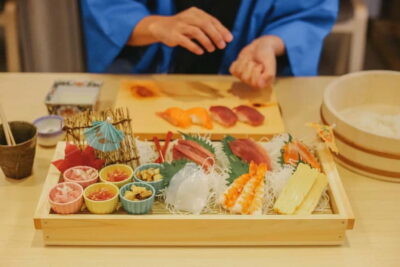 ★ 4.9Sushi Making Class in a Happi Coat near a Famous SpotFrom $421,377 reviews
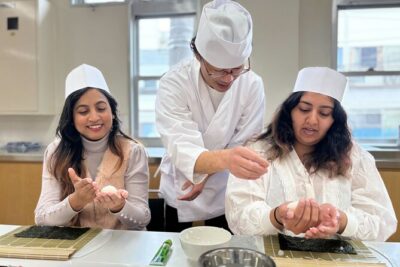 ★ 5.0Tokyo Sushi Making Class in Tsukiji with Professional ChefFrom $491,177 reviews
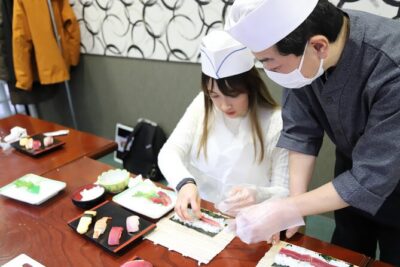 ★ 5.0Tsukiji Fish Market Guided Tour and Sushi Making with Pro ChefFrom $104775 reviews
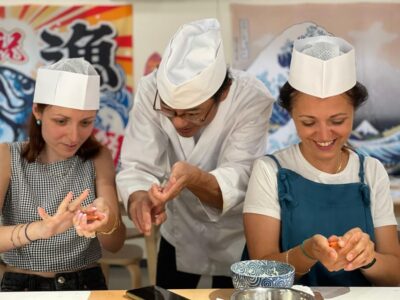 ★ 4.9Tsukiji Fish Market Sushi Making Class with Pro ChefFrom $63506 reviews
 ★ 4.9Sushi Making ClassFrom $67390 reviews
Browse the lists this tour appears in