
Reviewed · SAMURAI & NINJA CLASSES
Tokyo: Best Samurai Experience
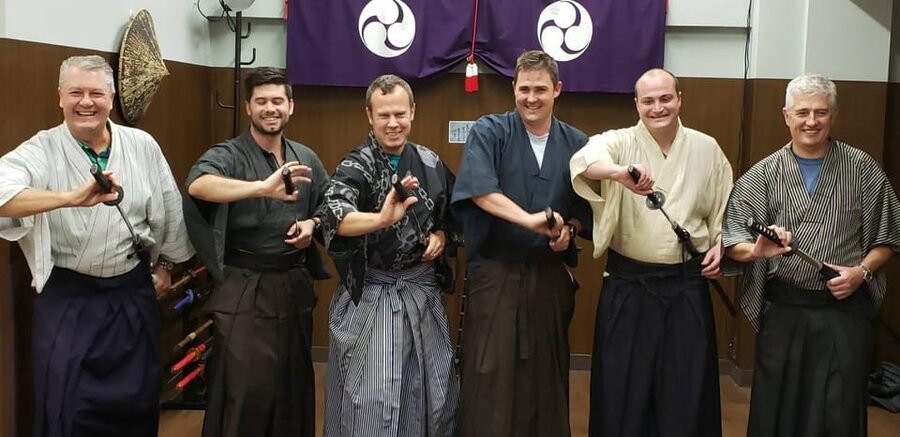
A few minutes in, you’re holding a sword like you mean it. This one-hour Tokyo experience mixes kimono dress-up with hands-on sword technique and a goofy-cool chanbara sparring finale.
Two things I really like: you start by choosing your own kimono and hakama, and you actually practice real, repeatable sword movements using a safe fake blade. There’s also a strong photo-and-video setup so you leave with more than just memories in your head.
One thing to consider: it’s not a casual sit-and-watch activity, and it has clear limits (it’s not suitable for wheelchair users and certain ages/heights), so check the requirements before you book.
In This Review
- Key highlights worth your time
- Choosing your costume before you touch the sword
- Your first lesson: how the blade works (before you swing)
- Drawing and retracting: the basic skills that make the fight possible
- Chanbara practice: where technique meets play
- The music-driven finale: fighting bad guys on stage
- The dojo setting: weapons on display and a not-so-modern space
- Photos and videos: plan to leave with proof, not just vibes
- Price and time: why $63 for one hour can still feel complete
- Who this is perfect for (and who should skip it)
- How to plan your timing in Tokyo
- Should you book Samurai Theater Tokyo’s samurai experience?
- FAQ
- How long is the Samurai experience?
- What is the price per person?
- Where do I meet for the tour?
- Is this a small group activity?
- What languages are the instructors?
- What do I get to do during the session?
- Can I take photos or videos?
- Can one person join the tour?
- Can I wear armor on display?
- Who should not book this experience?
Key highlights worth your time
- Pick your kimono and hakama first, then learn how that costume fits into samurai sword basics
- Learn blade parts and stances, not just a single trick move
- Draw, swing, and retract with a fake sword designed so it cannot cut
- Chanbara sword-fight practice that feels structured but still fun
- A music-driven bad-guy finale plus lots of photo/video time
- Small group (max 10) so instruction stays hands-on
Choosing your costume before you touch the sword
You start with the fun part: choosing your favorite kimono and hakama. It matters more than it sounds. Getting into the right outfit helps you understand how samurai-style movement works—your posture, where your fabric sits, and how you handle your stance all change once you’re dressed for it.
Then you transition fully into a samurai look. This is the moment where the experience turns from an attraction into a role you’re actually stepping into. And yes, you’ll want to look good for photos; the activity is built for it.
If you’re the kind of traveler who likes activities that feel personal, this “choose your outfit” approach is a real win. It also means your photos don’t look like generic costume shots.
More blade-and-dojo sessions, reviewed
- Tokyo: Samurai Ninja Museum Guided tour and Experience
★ 4.6 · 1,010 reviews - Tokyo: Samurai Sword & Archery Class from Samurai Descendant
★ 5.0 · 603 reviews - Best Samurai Experience in Tokyo
★ 5.0 · 458 reviews - Ninja Experience (Family Friendly) at Samurai Ninja Museum TOKYO
★ 5.0 · 441 reviews
Your first lesson: how the blade works (before you swing)
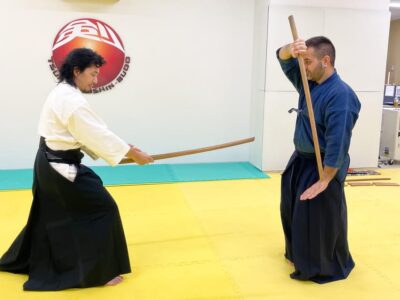
Next comes the teaching. You get an explanation of sword parts, which is a great way to make the movements make sense instead of turning everything into random choreography.
You’ll learn how to handle the sword with a focus on control: how to hold it, how to move it safely, and how to recognize what your hands and arms are doing. The sword you use is a faux weapon that cannot cut, so the goal is technique and timing, not power.
This is also where the instructors’ background shows. The teachers are presented as authentic instructors who have appeared in major Japanese dramas and movies, and the teaching style reflects that—clear, performance-ready, and focused on getting you moving correctly.
Drawing and retracting: the basic skills that make the fight possible
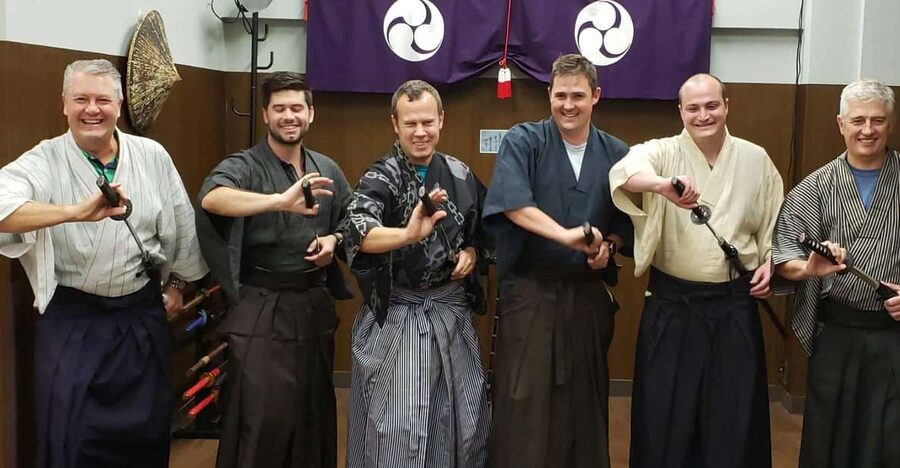
You don’t jump straight into sparring. Instead, you build up the core actions step by step.
You’ll practice:
- drawing the sword
- holding it correctly
- swinging it with control
- retracting it safely
These moves sound simple, but they’re the difference between a satisfying performance and a clumsy one. When you practice the full cycle (draw → action → retract), you start to feel how rhythm works in sword forms. Even if you’re a total beginner, you can still end up looking competent because you’re repeating the fundamentals in the right order.
The instructors are also running this as a class, not a show-with-a-single-stunt. With a small group capped at 10 participants, you’re more likely to get the type of corrections that help you improve quickly.
Chanbara practice: where technique meets play
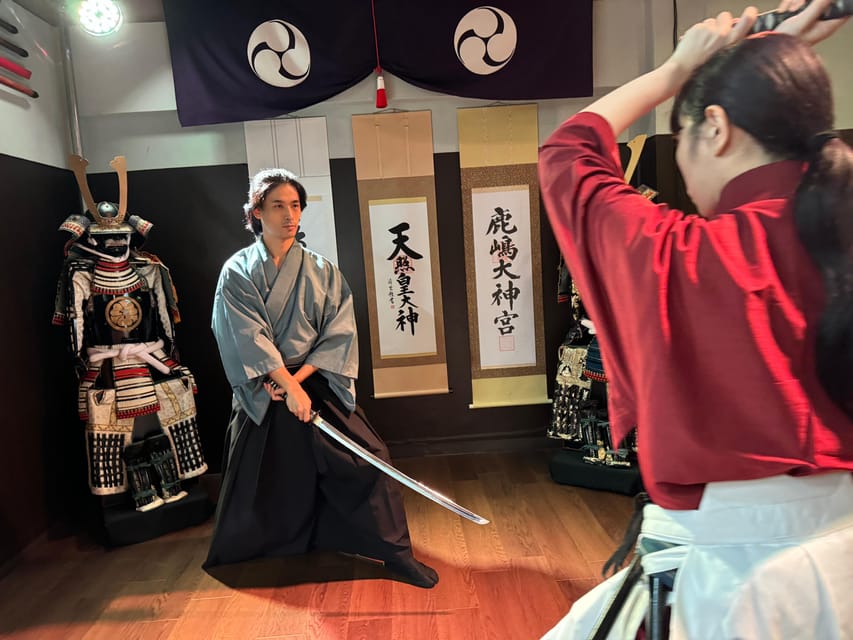
Once you’ve got the basics, you shift into a simple chanbara sword fight. Chanbara is basically a playful, training-style sword match—fast, dramatic, and built for learning timing and distance.
This part is where the experience becomes truly interactive. You’ll practice a fight sequence with the instructors and/or partners, working offensive and defensive moves while staying within safe rules. The vibe is “martial arts practice meets theater,” and the instructors put energy into keeping it fun without turning it into chaos.
If you love action movies or martial arts, you’ll probably clock that your movements start looking more believable right away. Not because you suddenly became a sword master, but because the sequence is designed around fundamentals you just practiced.
And because you’re using a fake sword that cannot cut, you can focus on form and reactions rather than worrying about safety.
The music-driven finale: fighting bad guys on stage
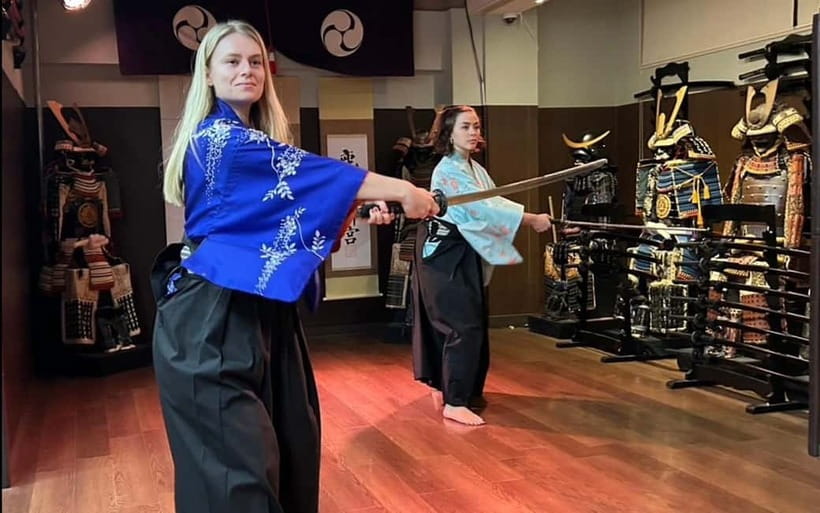
After the training segment, you’ll go bigger. The experience includes a music-based finale where you try to “exterminate bad guys,” which is basically a performance-style climax built around your new moves.
This matters for two reasons. First, you get a clear payoff for your effort—your practice doesn’t fade away the moment the lesson ends. Second, it gives you something easy to remember and share: a specific moment you can point to later and say, that’s when I did X.
Lights and soundtrack are part of the energy here, and you’ll also have staff capturing the moment with photos and video as you perform. If you like memories you can actually show, this is one of the best parts to lean into.
- Tokyo: Shinjuku Food Tour (13 Dishes at 4 Local Eateries)★ 5.0 · 6,603 reviews
- Tokyo Mt Fuji 5th St & Hakone Cruise Bus Tour w/Bullet Train★ 4.4 · 5,024 reviews
- Flagship 2-Hours Official Street Go-Kart Tour – Tokyo Bay Shop★ 5.0 · 4,974 reviews
- From Tokyo: Mount Fuji Full-Day Sightseeing Trip★ 4.5 · 4,970 reviews
- Tokyo: Hop-On Hop-Off Sightseeing Bus Ticket★ 3.9 · 4,207 reviews
The dojo setting: weapons on display and a not-so-modern space
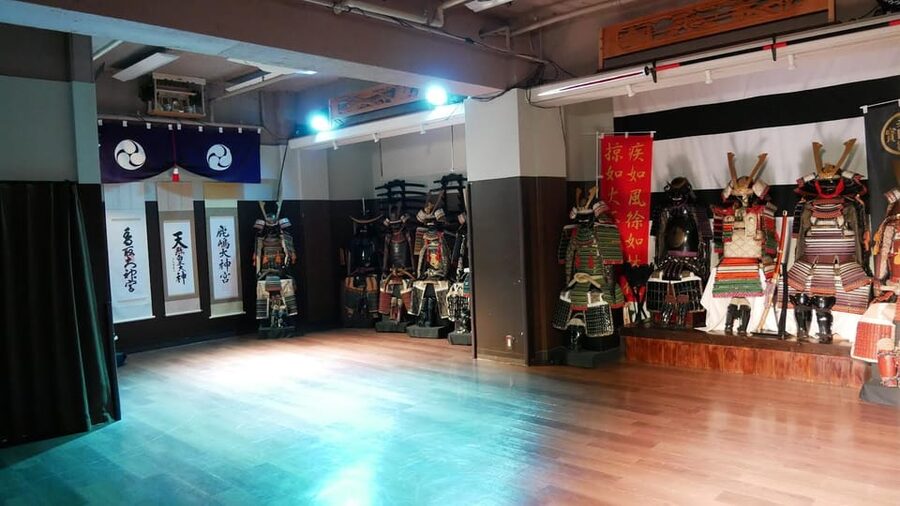
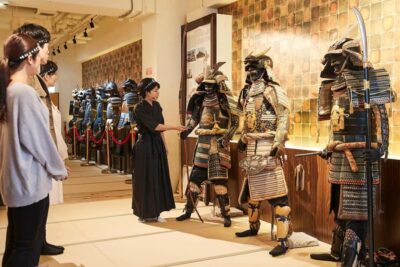
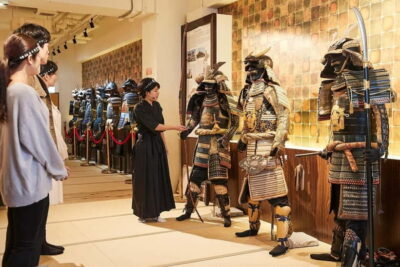
Even before the sword lesson starts, the atmosphere pulls you in. The dojo has many weapons on display—swords and spears—and you’ll also see armor.
The space is described as one that doesn’t feel modern, which helps the whole role-play work. It’s easier to get into character when the room itself looks like it belongs to another time.
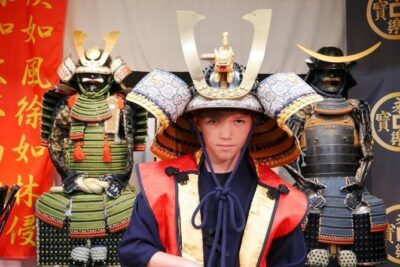
There’s also an optional armor piece you can wear from the armor on display, but it comes with an extra fee. If you’re a big photo person, it’s worth considering—just know it isn’t included in the base price.
Photos and videos: plan to leave with proof, not just vibes
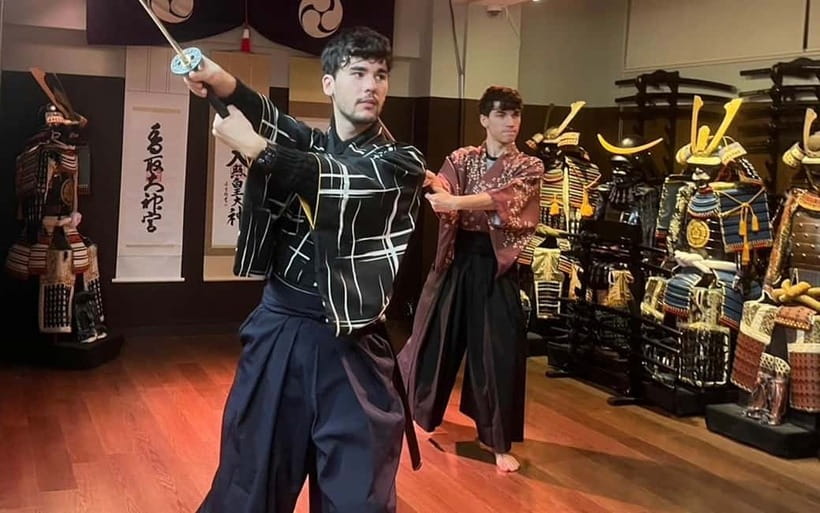
A big practical plus here is how the activity handles documentation. You can take videos with your smartphone, and you’ll also be able to take pictures with a samurai.
On top of that, assistants take photos and video during the session, so you’re not stuck holding your phone up the whole time. That’s a surprisingly important detail. If you’re busy learning sword movements, you want your camera work handled while you focus on technique and not dropping your phone in hakama.
So think of it like this: you’re going to get both the hands-on practice and the social media-ready shots afterward. You won’t have to choose between doing the activity and capturing it.
Price and time: why $63 for one hour can still feel complete
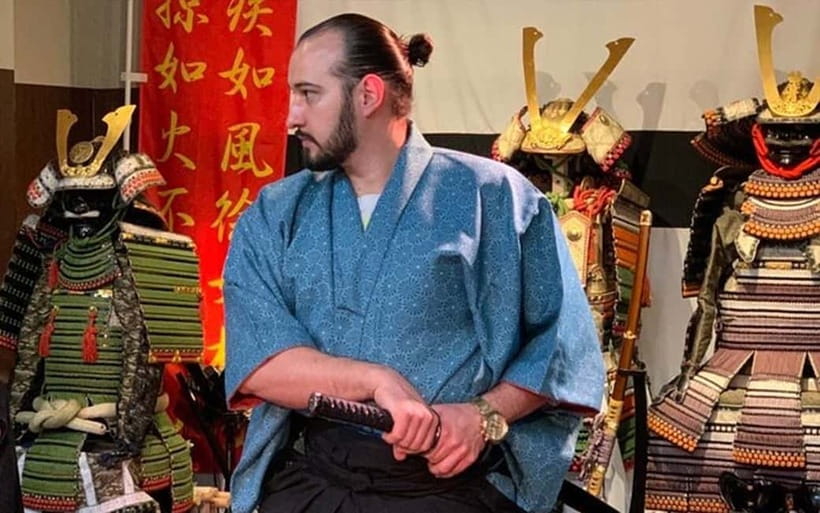
At about $63 per person for a one-hour session, the value comes from what’s included, not from stretching the time.
Included are:
- changing into kimono and hakama
- explanation of sword parts
- wielding a fake sword (cannot cut)
- a sword fight with samurai (chanbara practice)
- a photo with a samurai
When an activity includes costume change plus instruction plus a guided photo moment, it’s not just paying for entertainment. You’re paying for access and structure. That’s why one hour can feel satisfying: you’re constantly doing something, and the class flow builds toward a finale.
Also, small group size (max 10) helps. Even at a short duration, you’re more likely to get personal attention and feel included in the practice rather than waiting your turn.
Who this is perfect for (and who should skip it)
This experience is best for you if you want an interactive activity that still teaches basics. It’s especially fun if you like:
- samurai movies and performance energy
- martial arts style movement (even as a beginner)
- dressing up in traditional clothing
- activities where photos and video are part of the package
It’s also listed as possible for solo participants, and the setup supports same-day reservations.
But it’s not suitable for a number of travelers, including:
- wheelchair users
- visually impaired people
- pregnant women
- very young children (it lists children under 2, 3, and 4, plus babies under 1)
- people over 95 years
- children under 3 ft (90 cm)
If you fall into one of those categories, it’s safer to skip this one rather than gamble on comfort or participation.
How to plan your timing in Tokyo
This is a short one-hour experience, which makes it easy to fit into a busy Tokyo day. The meeting point is straightforward: search Google Map for Samurai Theater Tokyo.
Because it’s hands-on and costume-based, I suggest treating it like a scheduled event, not a “sometime today” activity. You’ll want enough time before and after so you’re not rushing into the change or out the door right after the finale.
If you’re traveling between cities, this can still work since same-day reservations are possible—but plan buffer time if you’re coming from far away, just so you don’t feel late during a costume-based start.
Should you book Samurai Theater Tokyo’s samurai experience?
If you want a one-hour activity that combines kimono dress-up, real instruction on sword handling, and a staged finale with plenty of photo/video moments, I think you’ll enjoy this. The short format is intentional: it gives you enough training to feel like your movements matter, then immediately turns that practice into a memorable performance.
I’d skip it if you want a quiet museum-style experience, or if you need accessibility accommodations not listed here. It’s hands-on, role-play focused, and built for most people to participate actively.
If you’re unsure, you can make the decision easier by asking yourself one question: do you want to practice sword movements yourself, wearing a traditional costume, with instructors guiding you step by step? If yes, this is a strong Tokyo pick.
FAQ
How long is the Samurai experience?
The experience lasts 1 hour.
What is the price per person?
The price is $63 per person.
Where do I meet for the tour?
Search Google Map for Samurai Theater Tokyo to find the meeting point.
Is this a small group activity?
Yes. The group is limited to 10 participants.
What languages are the instructors?
The instructor team works in English and Japanese.
What do I get to do during the session?
You’ll change into kimono and hakama, learn sword parts, practice with a fake sword that cannot cut, and take part in a chanbara-style sword fight.
Can I take photos or videos?
Yes. You can take videos with your smartphone, and you can take photos with a samurai.
Can one person join the tour?
Yes. One person can join.
Can I wear armor on display?
You can, but there is an optional extra fee to wear the armor.
Who should not book this experience?
It is not suitable for wheelchair users, visually impaired people, pregnant women, people over 95 years, and children under the listed age/height limits.
More Tour Reviews in Tokyo
- Mt Fuji and Hakone 1-Day Bus Tour Return by Bullet Train
★ 5.0 · 26,383 reviews - 1-Day Tokyo Bus Tour
★ 5.0 · 14,250 reviews - Tokyo: teamLab Planets TOKYO Digital Art Museum Entry Ticket
★ 4.6 · 9,779 reviews - Mt Fuji & Hakone Cruise, Drum Show Bullet Train 1 Day from Tokyo
★ 4.0 · 7,413 reviews - Tokyo: Shinjuku Food Tour (13 Dishes at 4 Local Eateries)
★ 5.0 · 6,603 reviews
More Samurai and Ninja Sessions
- Tokyo: Samurai Ninja Museum Guided tour and Experience
★ 4.6 · 1,010 reviews - Tokyo: Samurai Sword & Archery Class from Samurai Descendant
★ 5.0 · 603 reviews - Best Samurai Experience in Tokyo
★ 5.0 · 458 reviews - Ninja Experience (Family Friendly) at Samurai Ninja Museum TOKYO
★ 5.0 · 441 reviews - Tokyo: Samurai Entertainment Night Show in Kanda Shrine
★ 4.6 · 417 reviews
Latest Tokyo reviews off our desk




Samurai & Ninja Classes, compared.
 ★ 4.6Samurai Ninja Museum Guided tour and ExperienceFrom $271,010 reviews
 ★ 5.0Samurai Sword & Archery Class from Samurai DescendantFrom $193603 reviews
 ★ 5.0Best Samurai Experience in TokyoFrom $65458 reviews
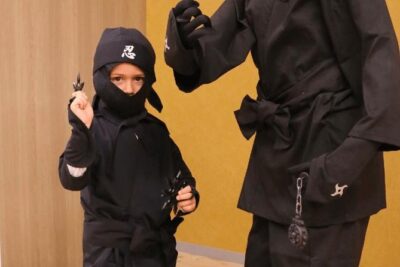 ★ 5.0Ninja Experience (Family Friendly) at Samurai Ninja Museum TOKYOFrom $47441 reviews
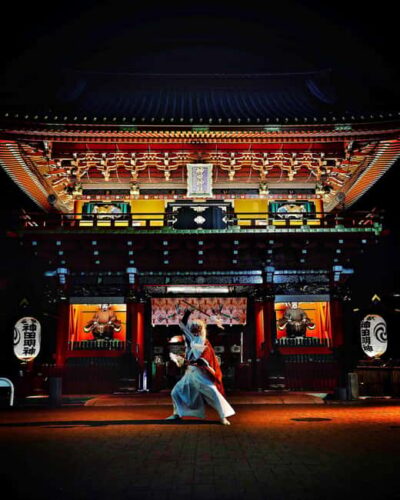 ★ 4.6Samurai Entertainment Night Show in Kanda ShrineFrom $41417 reviews
 ★ 4.2Ninja Kabuki PerformanceFrom $29330 reviews
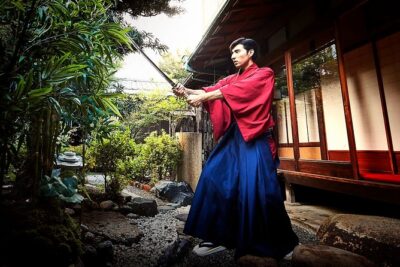 ★ 5.0Tokyo Sword Experience – includes Museum Ticket/Ninja ExperienceFrom $84314 reviews
 ★ 4.8Samurai Ninja Museum Asakusa: Samurai Sword Lesson & TourFrom $63306 reviews
Browse the lists this tour appears in