
Reviewed · SUMO TOURNAMENTS & SHOWS
Tokyo: Challenge Sumo Wrestlers and Enjoy Meal
Sumo isn’t just for tournaments. This Tokyo experience pairs a real retired sumo wrestler demonstration with a hands-on session in the dohyo (ring), then rewards you with a tasty tonkatsu lunch or sukiyaki dinner.
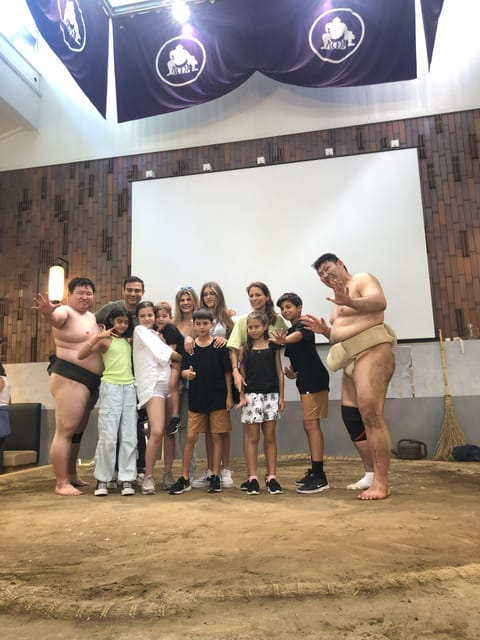
You get English guidance, a costume try-on, and plenty of photo moments, all wrapped into a tight, easy-going afternoon.
I especially like the fact that it’s led by retired pros, so the explanations feel connected to how sumo actually works. I also really like that the food is part of the show—so you’re not spending your day doing culture sightseeing and then wandering around hungry.
One thing to consider: the best seating is based on booking order, and your experience depends on being able to hear the commentary during the Q&A.
In This Review
- Key Things You’ll Do (and Why They Matter)
- Tokyo Sumo, But With Lunch Attached
- Getting There From Shinjuku: Kikukawa Station Walk Plan
- The Session Flow: Demo First, Then Your Turn
- How the demonstration works
- Q&A is part of the package
- Putting On the Sumo Suit: Hands-On Without the Guesswork
- A note on energy and crowd behavior
- Tonkatsu Lunch vs. Sukiyaki Dinner: What You’re Really Paying For
- Tonkatsu (lunch option)
- Sukiyaki (dinner option)
- Food details from real experiences
- Photos, Seating, and How to Hear the English Commentary
- Price and Value: Why $117 Can Make Sense in Tokyo
- Who This Fits Best (and Who Might Want Another Option)
- Should You Book This Sumo + Meal Experience?
- FAQ
- How long does the Tokyo sumo experience last?
- Where do I meet for the activity?
- Is lunch or dinner included?
- Is transportation or hotel pickup included?
- What language do you provide during the experience?
- Can I bring my own food or drinks?
- Are there any age or child considerations mentioned?
- What if my plans change and I need to cancel?
Key Things You’ll Do (and Why They Matter)
- Meet retired wrestlers in an English-guided setting so you get the terminology and context, not just the performance
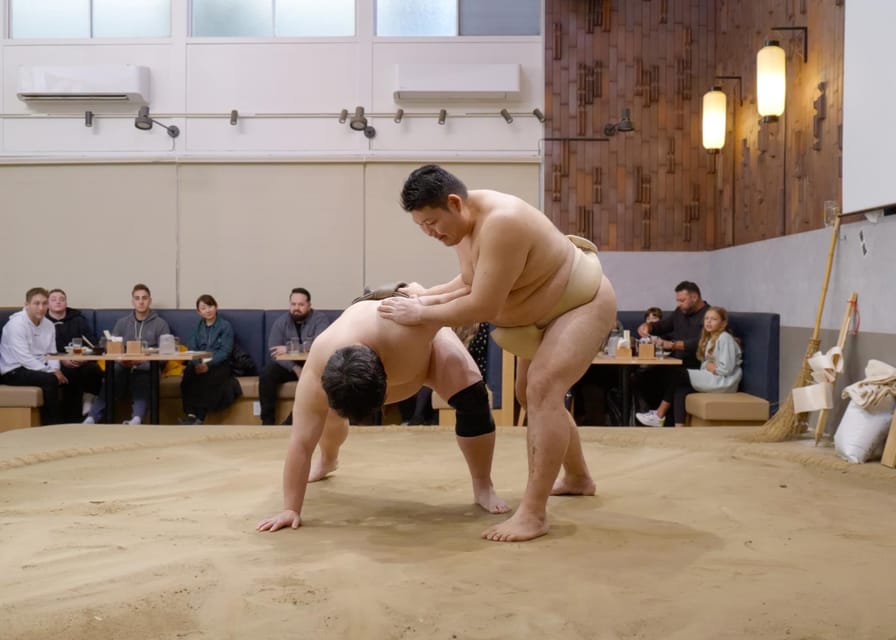
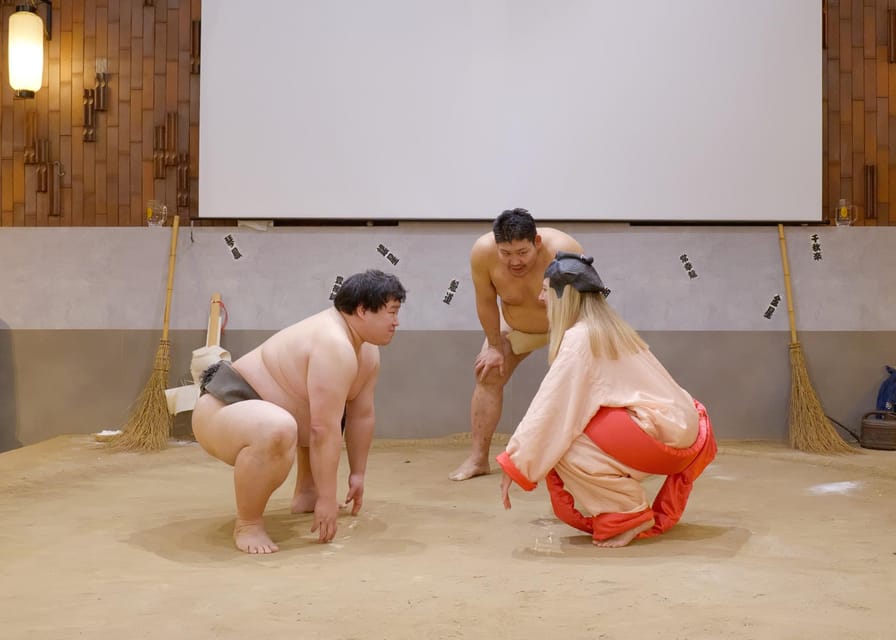
- Wear a sumo costume and step into the ring for a genuine hands-on try, not a passive photo stop
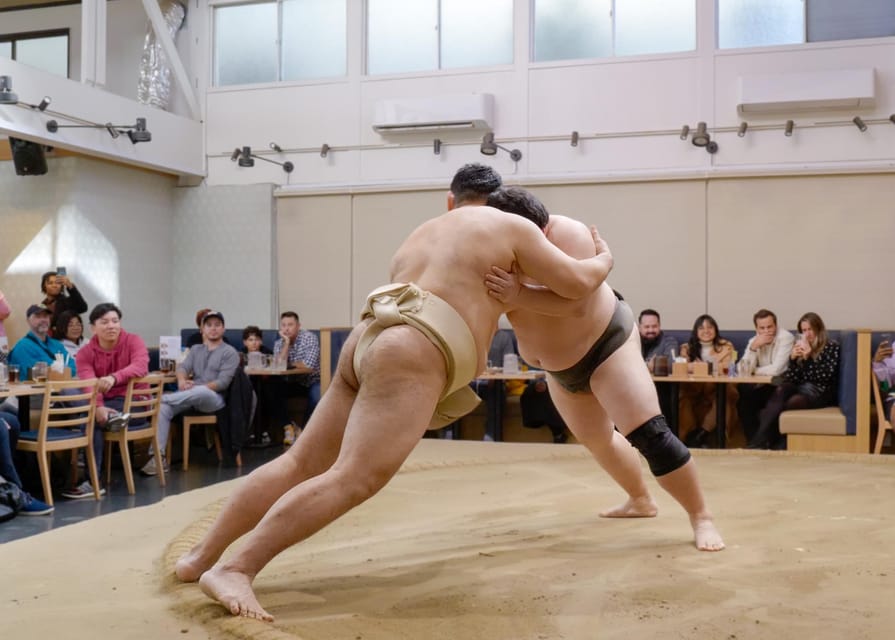
- Watch a lively exhibition match inside the dohyo to understand what you’re seeing
- Choose tonkatsu lunch or sukiyaki dinner when you book, and eat as part of the flow
- Get a photo with the wrestlers and join a Q&A to turn the show into real understanding
- Plan your seat timing since earlier bookings typically get better placement, mainly for hearing and participation
Tokyo Sumo, But With Lunch Attached
This is one of those Tokyo activities that fits neatly into a travel day: you show up, get briefed in English, watch a focused demonstration, then take part in the fun part—trying sumo moves with help from former wrestlers. If your Japan trip includes Tokyo shopping, temples, and neighborhoods, this adds something that feels specific, cultural, and surprisingly interactive.
The big value here is that it doesn’t treat sumo like a silent museum piece. You’ll hear terminology as you watch, then you’ll be guided into putting on the costume and taking a turn. That combo—watching plus doing—turns sumo from a sport you’ve heard of into a sport you can picture clearly.
And yes, you also eat. You’ll either have tonkatsu for lunch or sukiyaki for dinner, depending on what you select at booking. Even if you normally avoid “tour meals,” this is scheduled as part of the event, so it feels like one complete block of the day rather than an awkward extra stop.
Other ringside bookings readers scored
- Tokyo: Sumo Show and Dining Experience
★ 4.8 · 2,742 reviews - the SUMO show
★ 5.0 · 1,960 reviews - Tokyo Shinjuku Sumo Show & Experience with Photo
★ 5.0 · 1,750 reviews - Tokyo: Sumo Show and Experience in Shinjuku
★ 4.8 · 1,001 reviews
Getting There From Shinjuku: Kikukawa Station Walk Plan
Logistics matter in Tokyo, and the meeting point is straightforward if you use transit smartly. You’ll take the Shinjuku Line and get off at Kikukawa Station. From there, it’s about a 5 to 8 minute walk from Exit A1.
Two practical tips:
- If you’re arriving from Shinjuku, give yourself enough buffer to find Exit A1 and get settled before the group starts. This experience is short enough that lateness can feel stressful.
- If your group includes different ages, you’ll want everyone coordinated for timing, since the session includes a set demo flow, costume time, and a meal.
Once the experience ends, it finishes back at the meeting point. No hotel pickup, no drop-off, and no included transportation to/from the restaurant.
The Session Flow: Demo First, Then Your Turn
The experience runs about 1.5 hours in the schedule, and it can feel closer to around two hours depending on pacing (photo time, meal service, and Q&A). Either way, you’re not committing to a half-day. It’s designed as a compact experience: watch sumo, learn the basics, then try it yourself.
How the demonstration works
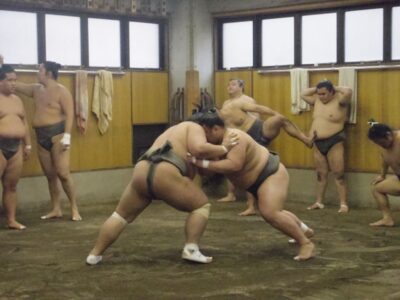
You’ll begin with a sumo wrestling demonstration led by a retired sumo wrestler. Expect explanations in English, plus a look at commonly used terminology as the action happens. The goal isn’t to recreate a full tournament—you’re getting the “here’s what matters” view: what the dohyo looks like, how the movement is organized, and what makes sumo different from other combat sports.
The atmosphere stays fun. The wrestlers are there to teach, and the emcee-style English commentary is part of what makes it click quickly for visitors.
Q&A is part of the package
After the main activities, you’ll get time for questions. This is one of the best parts for turning your curiosity into actual answers—especially if you came to Tokyo knowing only the basics. The session is structured so you’re not left guessing what things mean.
- Tokyo: Shinjuku Food Tour (13 Dishes at 4 Local Eateries)★ 5.0 · 6,603 reviews
- Tokyo Mt Fuji 5th St & Hakone Cruise Bus Tour w/Bullet Train★ 4.4 · 5,024 reviews
- Flagship 2-Hours Official Street Go-Kart Tour – Tokyo Bay Shop★ 5.0 · 4,974 reviews
- From Tokyo: Mount Fuji Full-Day Sightseeing Trip★ 4.5 · 4,970 reviews
- Tokyo: Hop-On Hop-Off Sightseeing Bus Ticket★ 3.9 · 4,207 reviews
Putting On the Sumo Suit: Hands-On Without the Guesswork
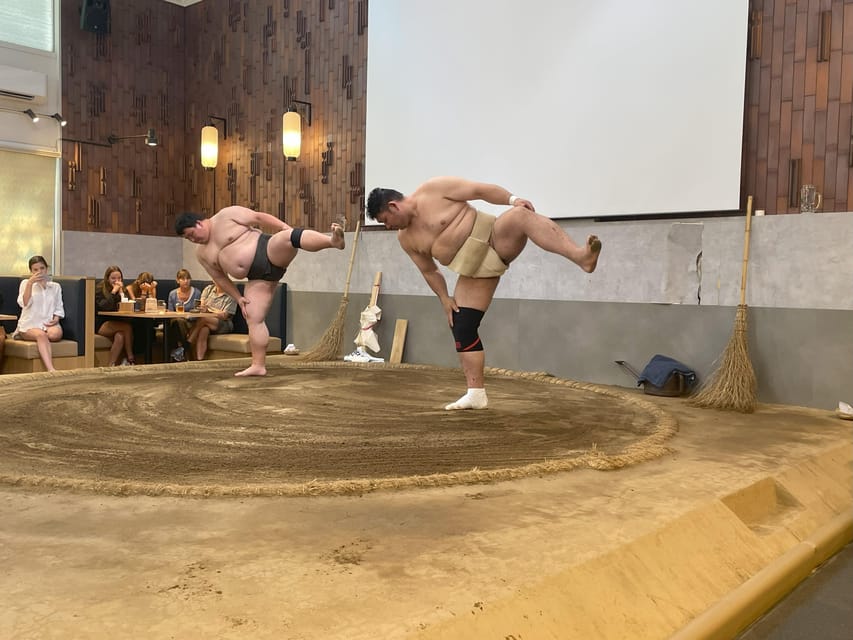
Here’s the part that turns this from a “watch show” into a “you did it” memory: you’ll put on a sumo costume and step into the ring yourself.
You won’t be thrown into the deep end with no help. You’re guided during your try, and you get to test your strength and movements in a way that feels friendly and controlled. Several people love this because it doesn’t require special athletic background. You’re learning the feel of sumo basics rather than trying to master the sport.
A useful reality check: if your only goal is to get a photo with the wrestlers, you might feel like you’re waiting for that moment. But if you’re genuinely curious about the sport and want to experience the ring and costume time, that “do” element is the payoff.
A note on energy and crowd behavior
One small consideration: as with any group activity, other participants can affect how pleasant it is. Loud conversation from nearby groups can make the English commentary harder to follow. If you’re sensitive to noise, this is where your seat choice matters.
Tonkatsu Lunch vs. Sukiyaki Dinner: What You’re Really Paying For
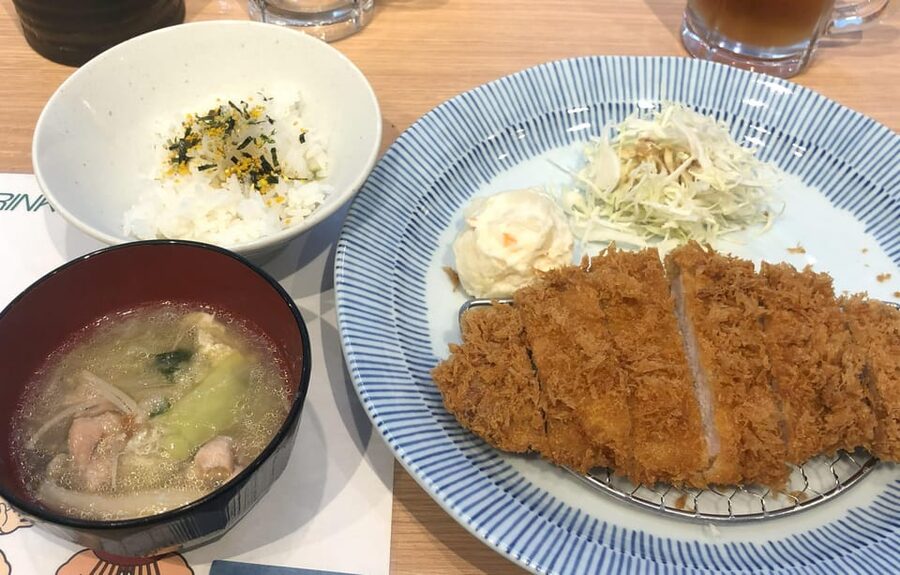
You choose either lunch with tonkatsu or dinner with sukiyaki when you book. The meal is included, but it’s not the kind of buffet add-on you can skip without affecting the program. It’s built into the event pacing, so your experience is designed to flow from demo to try to eating.
Tonkatsu (lunch option)
Tonkatsu is a classic Japanese pork cutlet dish, deep fried, generally served with sides and a sauce. For visitors, it’s often an easy comfort meal after watching something unfamiliar and intense.
Sukiyaki (dinner option)
Sukiyaki is a hot pot style dish with beef and vegetables in a sweetened soy broth. Dinner timing can be nice if your day is packed with Tokyo sightseeing earlier.
Food details from real experiences
At least one person’s meal details included chanko-style components, and another mentioned a Genghis Khan lunchbox. That doesn’t prove every option will look identical, so the safe way to think about it is this: the meal quality seems to be a genuine part of the experience, and you should expect it to be more substantial than a small snack.
If you have dietary requirements, you should advise the operator when booking. And if you have preferences (or just want backup), the activity says it’s acceptable to bring your own food and drink.
Photos, Seating, and How to Hear the English Commentary
The photo moment is real and it happens during the event. You’ll capture a memorable shot alongside the wrestlers—one of the top reasons people book in the first place.
Now the practical part: seat placement affects what you can do with the experience. People have noted that sitting closer to the front helps you hear the commentary and join questions more easily. It’s not necessarily about view. It’s about sound.
Two more helpful notes:
- Best seats are arranged by order of booking. If you care about hearing everything, book earlier rather than later.
- Depending on group size, the operator may ask you to sit at different tables. So don’t assume you’ll all be in the same line of sight.
Also, remember this is a guided hall setting. If you follow instructions from staff and keep good judgment, everything stays smooth. The rules are clear that if behavior becomes troublesome, you may be required to leave the hall without a refund.
Price and Value: Why $117 Can Make Sense in Tokyo
At $117 per person, this isn’t a “cheap and cheerful” activity. So you should ask: what exactly are you buying?
You’re paying for a combination that’s hard to recreate on your own:
- Former wrestlers leading the session (not actors, not just a slideshow)
- English explanation tied directly to what you’re watching
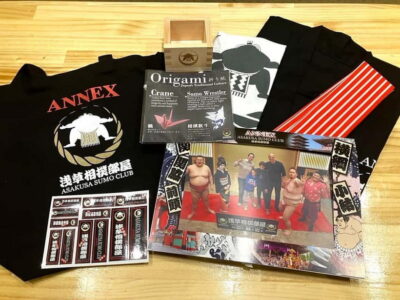
- Costume try-on plus ring time
- A built-in meal (tonkatsu lunch or sukiyaki dinner)
- Photo time and Q&A
If you tried to build this yourself, you’d spend time finding a suitable venue, arranging access, and still end up with either a show with no hands-on element or a meal with no cultural program. Here, it’s one package with a fixed flow, which is part of the value in Tokyo where time can get expensive fast.
If your priorities are:
- a real activity you can participate in, not just spectate, and
- a guaranteed meal included so you don’t lose time hunting,
then the price becomes easier to justify.
If your priorities are:
- seeing sumo practice at a stable, or
- watching tournament-level action,
then this may feel more like an introduction and experience rather than a full competition.
Who This Fits Best (and Who Might Want Another Option)
This experience is a strong fit for:
- First-timers in sumo who want a quick, friendly explanation
- Families who want an interactive outing without advanced training
- Travelers who like structured activities with an included meal
- People who want photos but also want to actually participate
It may be less ideal if:
- You already know all the terminology and only want high-level competitive action
- You dislike group settings where noise from other tables can affect the commentary
If you’re also considering sumo stable visits for training, note that some stables have age restrictions. One common issue is access limitations for younger kids (for example, some places may not allow children below 12 in the training area). That’s where a guided demo can become the practical alternative.
Should You Book This Sumo + Meal Experience?
If you want a Tokyo activity that checks multiple boxes—retired wrestlers, an actual hands-on costume moment, and a meal you don’t have to plan—this is a very reasonable buy. The show is short, easy to reach from Kikukawa Station, and designed to give you both understanding and participation, not just seats and silence.
I’d book it if sumo is on your “must do” list but you’re not planning around a tournament schedule. I’d skip it if you’re strictly chasing tournament-grade matches or you’re sure you’ll be frustrated by group dynamics and shared seating.
If you do book, choose the option (lunch tonkatsu or dinner sukiyaki) that best matches your day. And if hearing the English commentary matters to you, book early so you’re more likely to get the better seats.
FAQ
How long does the Tokyo sumo experience last?
The duration is listed as 1.5 hours. Some experiences may feel closer to about two hours because the session includes the demo, hands-on time, a meal, and Q&A.
Where do I meet for the activity?
You meet at Kikukawa Station. Take the Shinjuku Line, get off at Kikukawa Station, and walk about 5 to 8 minutes from Exit A1.
Is lunch or dinner included?
Yes. The meal is included, and you’ll choose either lunch with tonkatsu or dinner with sukiyaki at the time of booking.
Is transportation or hotel pickup included?
No. Hotel pickup and drop-off are not included, and transportation to and from the restaurant is also not included.
What language do you provide during the experience?
The host or greeter provides English and Japanese. The explanation is in English.
Can I bring my own food or drinks?
Yes, it is acceptable to bring your own food and drink.
Are there any age or child considerations mentioned?
The information provided notes infant rates apply if the infant does not occupy a seat, and infant meals are not included. Also, it’s described as a group hall setting where you must follow staff instructions.
What if my plans change and I need to cancel?
This activity is non-refundable.
More Tour Reviews in Tokyo
- Mt Fuji and Hakone 1-Day Bus Tour Return by Bullet Train
★ 5.0 · 26,383 reviews - 1-Day Tokyo Bus Tour
★ 5.0 · 14,250 reviews - Tokyo: teamLab Planets TOKYO Digital Art Museum Entry Ticket
★ 4.6 · 9,779 reviews - Mt Fuji & Hakone Cruise, Drum Show Bullet Train 1 Day from Tokyo
★ 4.0 · 7,413 reviews - Tokyo: Shinjuku Food Tour (13 Dishes at 4 Local Eateries)
★ 5.0 · 6,603 reviews
More Sumo, Ringside and Rated
- Tokyo: Sumo Show and Dining Experience
★ 4.8 · 2,742 reviews - the SUMO show
★ 5.0 · 1,960 reviews - Tokyo Shinjuku Sumo Show & Experience with Photo
★ 5.0 · 1,750 reviews - Tokyo: Sumo Show and Experience in Shinjuku
★ 4.8 · 1,001 reviews - Tokyo Grand Sumo Tournament Viewing Tour with Tickets
★ 5.0 · 692 reviews
Latest Tokyo reviews off our desk






Sumo Tournaments & Shows, compared.
 ★ 4.8Sumo Show and Dining ExperienceFrom $792,742 reviews
 ★ 5.0the SUMO showFrom $891,960 reviews
 ★ 5.0Tokyo Shinjuku Sumo Show & Experience with PhotoFrom $791,750 reviews
 ★ 4.8Sumo Show and Experience in ShinjukuFrom $691,001 reviews
 ★ 5.0Tokyo Grand Sumo Tournament Viewing Tour with TicketsFrom $124692 reviews
 ★ 5.0Tokyo Sumo Wrestling Tournament ExperienceFrom $124660 reviews
 ★ 4.7Luxury Sumo Show Experience & Japanese cuisine & DrinkFrom $103577 reviews
 ★ 4.8Sumo Morning Practice Viewing TourFrom $81570 reviews
Browse the lists this tour appears in