
Reviewed · IMPERIAL PALACE TOURS
Tokyo: Edo Castle and Imperial Palace Guided Walking Tour
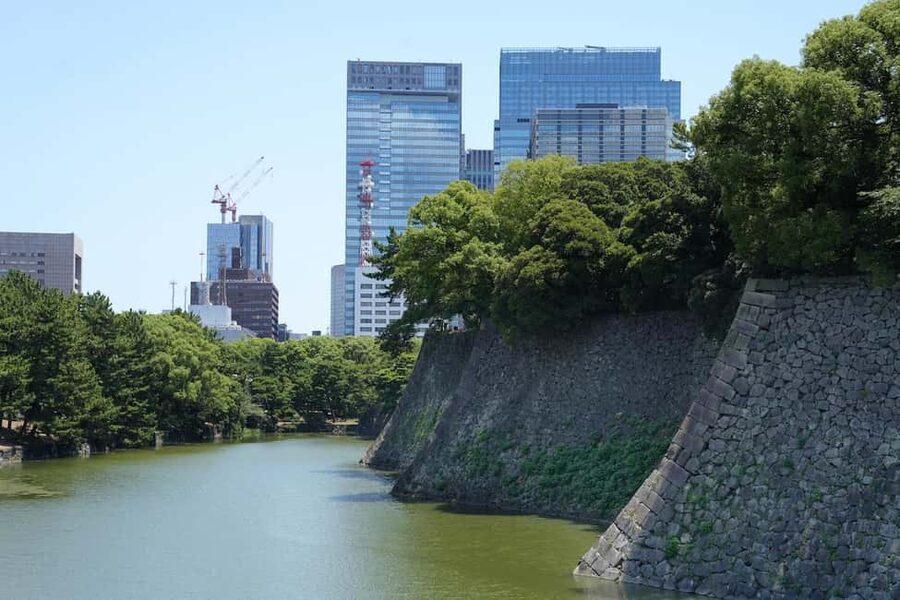
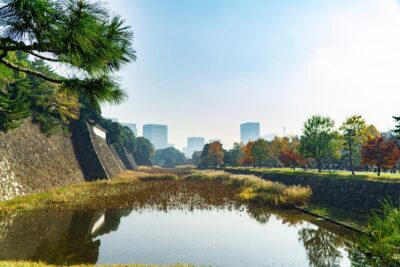
Edo Castle feels close-up, not textbook. You’ll walk the stone walls and moats of the former shogun’s world, then pivot to today’s Imperial Palace grounds with an English guide and a map view of Edo in the 1650s. I love how the tour turns the layout into a story you can follow gate by gate, and I also like the way it connects politics to daily life, including the less-obvious side of Edo culture.
One thing to consider: this is steady walking between many points, so comfortable shoes matter even if the pace feels manageable.
Key things I’d plan around
- Small group (up to 8) keeps questions quick and answers clear
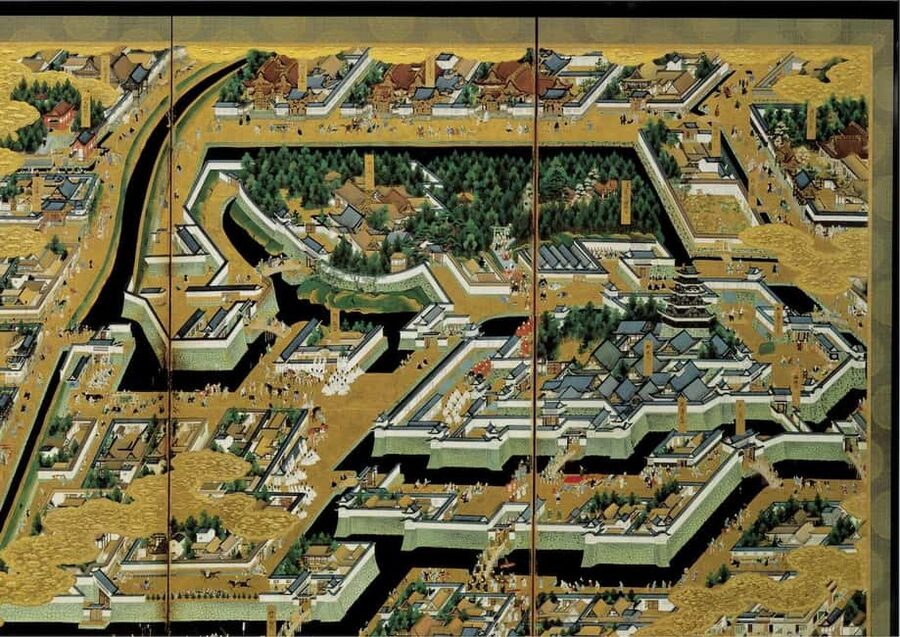
- English-speaking guide uses a map of Edo in the 1650s so the geography clicks
- Stone walls, moats, and gate sequence make defense feel real, not abstract
- Honmaru (main hall) site is the main payoff stretch at 30 minutes
- Tokugawa shogunate to Meiji Restoration gets explained as one continuous change
- Finish near Hirakawa Gate (平川門) so you end in the thick of the palace-side area
In This Review
- Finding the Tour: Tokyo Station’s Marunouchi South Gate Dome
- Mitsubishi Ichigokan Museum: Setting the Edo Map in Your Head
- Sakurada-mon Gate: The First Real Gate Moment
- Chiyoda Guard Areas and Kikyo-mon: When “Walls” Become a System
- Sakurada Tatsumi Yagura: Defensive Shape, Human Story
- Ote-Mon Gate and Ote-San’no Gate Ruins: Learning to See Ruins
- Hyakunin Bansho Guardhouse: Defense With Procedures
- Honmaru Site (Main Hall): Tokugawa Power and the Meiji Shift
- Kita-Hanebashi to Takebashi and Hirakawa Bridge: Reading the Route to the Finish
- What You’ll Learn Beyond Gates and Stones
- Price, Timing, and Who This Walking Tour Fits Best
- Should You Book This Edo Castle and Imperial Palace Walking Tour?
- FAQ
- Where is the meeting point?
- How do I recognize the meeting location?
- What’s the tour duration?
- Is the tour guided in English?
- How big is the group?
- Is the tour wheelchair accessible?
- What’s included in the price?
- What’s not included?
- Is cancellation possible for a refund?
Finding the Tour: Tokyo Station’s Marunouchi South Gate Dome
Start at Marunouchi South Exit of Tokyo Station, right at the ground floor. The meeting point is easy to spot if you look for the western-style historic yellow dome. If you’re coming in on train and you tend to rush, give yourself a few extra minutes to avoid the usual Tokyo Station sprint—this tour begins on time and it’s a walking route.
What I like about this start is that it places you in the modern city first, then guides you toward the castle’s former center. You’re not just arriving at “old ruins.” You’re transitioning from today’s Tokyo into what used to be the most powerful political space in Japan.
Mitsubishi Ichigokan Museum: Setting the Edo Map in Your Head
The first stop is Mitsubishi Ichigokan Museum, Tokyo, with a short guided segment. Even though the time here is brief, it’s a smart opener because it primes you for what comes next: you’ll be using a map view of Edo in the 1650s as you walk.
That map is the secret sauce. Gates, bridges, moats—these can look like random bits of stone if you just stare at them. With the guide’s framing, each next location starts to feel like it has a job in a larger system. It’s the difference between seeing sights and understanding the route.
Also, it’s a good moment to get your bearings before you start moving deeper into the palace-side area.
More walks around the Imperial grounds
- Tokyo: Imperial Palace and Shogun Historical Walking Tour
★ 5.0 · 2,251 reviews - Tokyo: Imperial Palace Japanese History Walking Tour
★ 4.9 · 987 reviews - Tokyo: Imperial Palace and Shogun Walking Tour
★ 4.9 · 935 reviews - Imperial Palace East Garden and Edo Castle Walking Tour in Tokyo
★ 5.0 · 510 reviews
Sakurada-mon Gate: The First Real Gate Moment
Next up is Sakurada-mon Gate. This is one of those places where you’ll feel the scale shift: you’re moving from street-level Tokyo into the world of controlled entry points.
What matters here is not only the structure itself, but the sequence. The guide uses the gate-and-route logic of Edo to explain why this kind of placement mattered for authority and safety. If you like walking tours that explain how people moved, this is a strong early anchor.
Practical tip: if you care about photos, this is usually a good spot to pause and frame the approach line—once you’re farther into the route, the angles change and you’ll be focusing more on listening.
Chiyoda Guard Areas and Kikyo-mon: When “Walls” Become a System
As you continue, the route threads through several palace-area points, including the Kikyo-mon Gate and nearby gate/guard-area stops. Even though these segments can feel short on the clock, your guide’s job is consistent: connect what you see (gates, boundaries, stonework) to what the space was designed to do.
This is also where the tour’s focus on the stone walls and moats starts to feel less like scenery and more like engineering. A guided walking tour is the best way to appreciate things you’d otherwise miss—like how the route and water features shape movement and visibility.
A particularly memorable theme covered during this tour is the way Edo Castle’s stonework reflects different styles associated with major lords, not just one uniform look. It’s the kind of detail that makes you stand a little longer than planned, because your brain finally has something specific to notice.
Sakurada Tatsumi Yagura: Defensive Shape, Human Story
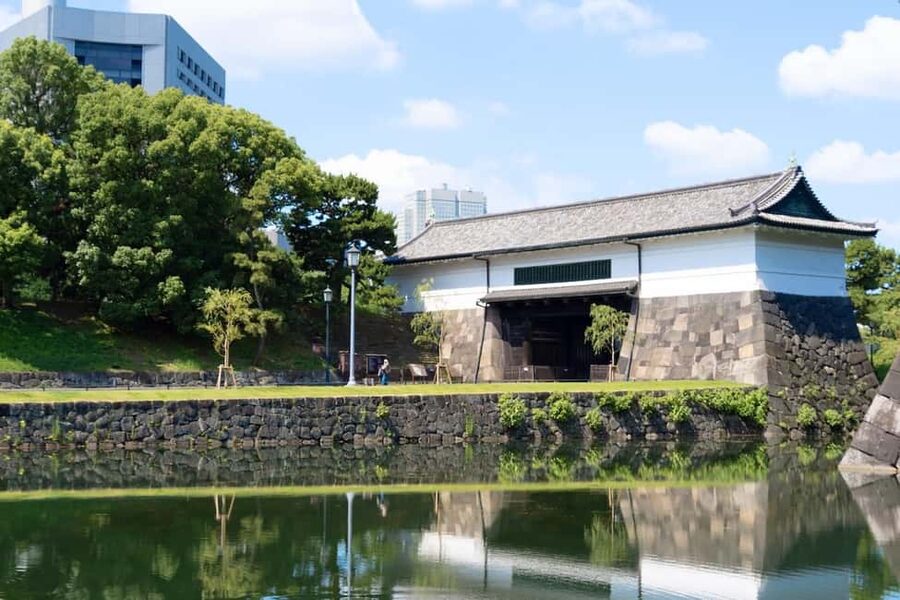
The route includes Sakurada Tatsumi Yagura, another short guided stop. Here, the emphasis tends to shift from general layout to the human side of defense: people who watched, guarded, and carried out routines around the castle’s boundaries.
Even if you don’t have a strong visual memory for old Japanese fortifications, this stop works because the guide focuses on what the structure implies—control, surveillance, and the practical needs of operating a major seat of power.
If you’re the type who likes history that explains how people lived inside the rules, this is where that tone shows up.
Ote-Mon Gate and Ote-San’no Gate Ruins: Learning to See Ruins
Next comes Ote-Mon Gate and then Ote-San’no Gate Ruins. Ruins can be tricky on a walking tour: you might wonder what, exactly, you’re meant to notice.
That’s why the guided framing matters. Instead of treating the ruins like leftovers, the guide helps you read them as part of the castle’s shifting story—places where entry lines changed and where the city-power relationship evolved over time. You start paying attention to what’s still here, and also what the shape of what’s gone suggests.
This portion is also useful if you’re traveling with limited time. A good guide can turn a “not much to see” stop into a meaningful checkpoint, and this tour aims for that.
Readers also shortlisted these Tokyo bookings:
- Tokyo Tsukiji Fish Market Food and Culture Walking Tour★ 5.0 · 3,184 reviews
- Tokyo: Imperial Palace and Shogun Historical Walking Tour★ 5.0 · 2,251 reviews
- Tokyo: Shinjuku Local Bar and Izakaya Guided Walking Tour★ 4.9 · 1,794 reviews
- Tokyo: Tsukiji Fish Market Food and Walking tour★ 5.0 · 1,724 reviews
- Tokyo: Asakusa Walking Tour with Sensoji Temple Visit★ 4.8 · 1,583 reviews
Hyakunin Bansho Guardhouse: Defense With Procedures
The route continues to the Hyakunin Bansho Guardhouse. This is one of the best types of stops for curious minds: it’s a location that points you toward process. Not just walls, but how security worked, who handled it, and how routines supported the larger political role of Edo Castle.
This is also where the tour’s storytelling feels more grounded. You’re hearing not only about leaders and eras, but about the people whose jobs made the whole system run. That’s why this stop tends to land well—your brain stops treating history like a list of dates.
Honmaru Site (Main Hall): Tokugawa Power and the Meiji Shift
The highlight anchor is the Site of Edo Castle Honmaru (Main Hall), with about 30 minutes guided. This is the heart of the walk for a reason: you’re standing where the castle’s political center functioned as the core of governance for the Tokugawa shogunate for about 260 years.
From here, the tour transitions into the big historical hinge: the Meiji Restoration, when the space became what you know today as the Imperial Palace, the current residence of the Emperor.
What I really like about this segment is how it avoids a simple before-and-after story. The guide connects decision-making, rebuilding, and power shifts. For example, the tour includes the discussion of what happened after the Great Fire of Meireki and how rebuilding priorities leaned toward restoring Edo’s city life before rebuilding a keep to the top. It’s a helpful reminder that political centers are also human systems that must keep functioning.
If you enjoy understanding how power changes hands through infrastructure and policy, this is the moment you’ll appreciate most.
Kita-Hanebashi to Takebashi and Hirakawa Bridge: Reading the Route to the Finish
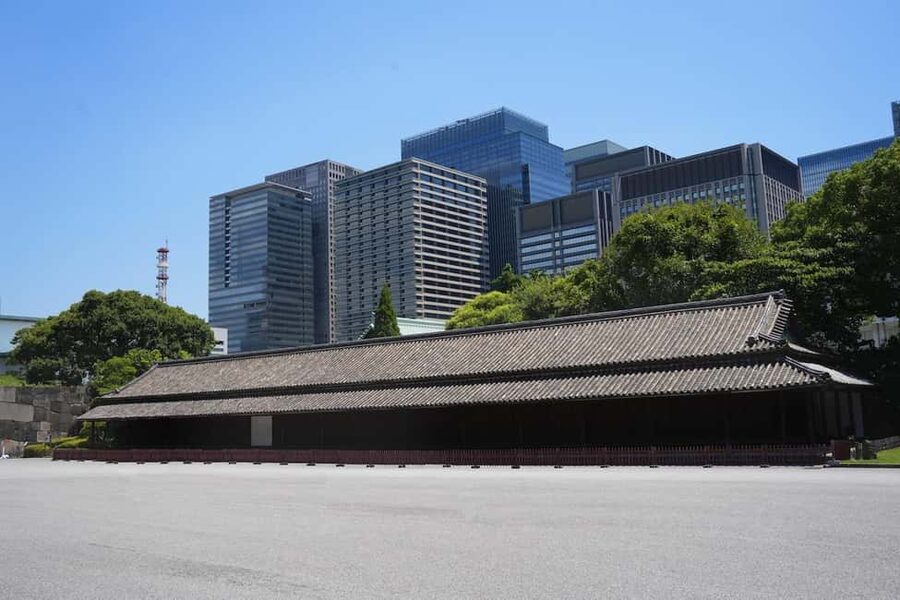
After Honmaru, the walk flows toward Kita-Hanebashi Gate, then Takebashi (竹橋), and Hirakawa Bridge before ending at Hirakawa Gate (平川門).
These bridge-and-gate stretches help you lock in the geography. Even without seeing every original feature intact, you start recognizing how the castle complex used water and boundaries to shape movement. It’s also a nice pacing choice: you’ve spent the peak time at Honmaru, so the final part feels like a guided “walk-off” that ties the whole layout together.
A practical note for the end: by the time you reach the finish near Hirakawa Gate, you’re in a good position to continue exploring nearby on your own. The tour doesn’t just dump you at a random transit spot—it aims to keep you in the palace-side zone.
What You’ll Learn Beyond Gates and Stones
This tour is more than a walk around an impressive site. The guide uses the Edo-in-the-1650s map approach to turn physical locations into political and social context.
A few themes stand out as part of what you’ll likely carry home:
- You’ll connect the Tokugawa shogunate’s long rule to how the castle operated as a center of government
- You’ll understand how the Meiji Restoration changed the role of this same space into the Imperial Palace area
- You’ll hear stories tied to daily life and culture, not just rulers
- The guide also covers social/political angles of Edo life, including discussion of Ōoku (大奥) as a political world
- You’ll get mention of specific themed sites connected with order and boundaries, including Fujōmon (不浄門) and Obikaku (帯廓), which helps the tour feel less like pure military history
And here’s the big payoff: once you’ve heard those threads, you’ll start noticing patterns as you walk—where the boundaries are, where entry points likely funneled movement, and why the castle’s design mattered to people living their lives around it.
If your interest is history that connects politics to real people and real places, this one fits.
Price, Timing, and Who This Walking Tour Fits Best
The price listed for this 150-minute guided walk is extremely low on a per-hour basis. That matters because, at this price, you’re not paying just for access to a few spots. You’re paying for the guide’s ability to explain what you’re seeing—especially the stonework, moats, gate logic, and the Tokugawa-to-Meiji transformation.
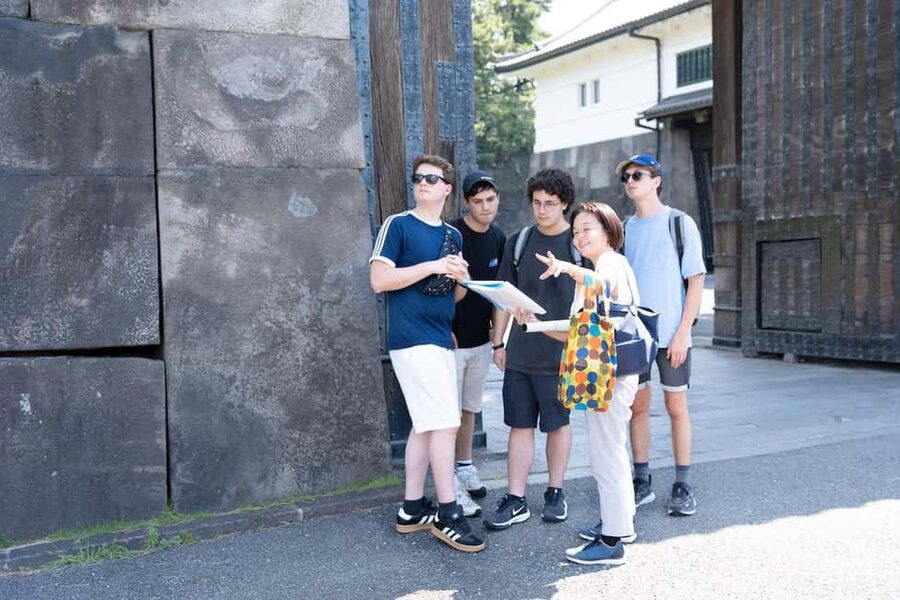
The small group size (limited to 8) is also part of the value. With fewer people, it’s easier to ask questions when something doesn’t make sense—like why a particular boundary feels significant or how the route relates to Edo’s layout.
Timing-wise, the itinerary is broken into short walking legs and short guided segments, then a longer payoff at Honmaru. That pacing keeps the tour from dragging, but it still requires real effort. Plan for walking between multiple points, often just a few minutes apart, and wear shoes you trust for Tokyo sidewalks and slight shifts in ground.
This tour is a great match if:
- you like guided explanations tied to geography
- you want Tokugawa/Meiji context without reading a textbook
- you enjoy history that includes the social sides (not only battles)
It might feel less ideal if:
- you want a relaxed sit-down museum-style experience
- you dislike walking routes with frequent stops and short segments of standing/listening
Should You Book This Edo Castle and Imperial Palace Walking Tour?
I’d book it if you want your Tokyo history fix to feel like a guided route, not a list of landmarks. The combination of stone walls and moats, the Honmaru main hall site focus, and the Tokugawa-to-Meiji explanation makes this worth your time even if you’re not a hardcore history buff.
Before you commit, only ask yourself one question: can you handle a focused walking tour for about 2.5 hours? If yes, you’ll likely come away with a much clearer mental map of Edo Castle—and a stronger sense of how that space transformed into the Imperial Palace grounds you see today.
FAQ
Where is the meeting point?
You meet at the Marunouchi South Exit of Tokyo Station, at the ground floor of the exit.
How do I recognize the meeting location?
Look for the western-style historic yellow dome near the Marunouchi South Exit.
What’s the tour duration?
The tour lasts about 150 minutes.
Is the tour guided in English?
Yes. It includes an English-speaking guide.
How big is the group?
This is a small group limited to 8 participants.
Is the tour wheelchair accessible?
Yes, the tour is wheelchair accessible.
What’s included in the price?
You get an English-speaking guide and a small gift.
What’s not included?
Transportation to the starting point, plus meals and drinks, are not included.
Is cancellation possible for a refund?
Yes. You can cancel up to 24 hours in advance for a full refund.
More Tours in Tokyo
- Mt Fuji and Hakone 1-Day Bus Tour Return by Bullet Train
★ 5.0 · 26,383 reviews - 1-Day Tokyo Bus Tour
★ 5.0 · 14,250 reviews - Tokyo: Shinjuku Food Tour (13 Dishes at 4 Local Eateries)
★ 5.0 · 6,603 reviews - Tokyo Mt Fuji 5th St & Hakone Cruise Bus Tour w/Bullet Train
★ 4.4 · 5,024 reviews - Flagship 2-Hours Official Street Go-Kart Tour – Tokyo Bay Shop
★ 5.0 · 4,974 reviews
More Tour Reviews in Tokyo
- Mt Fuji and Hakone 1-Day Bus Tour Return by Bullet Train
★ 5.0 · 26,383 reviews - 1-Day Tokyo Bus Tour
★ 5.0 · 14,250 reviews - Tokyo: teamLab Planets TOKYO Digital Art Museum Entry Ticket
★ 4.6 · 9,779 reviews - Mt Fuji & Hakone Cruise, Drum Show Bullet Train 1 Day from Tokyo
★ 4.0 · 7,413 reviews - Tokyo: Shinjuku Food Tour (13 Dishes at 4 Local Eateries)
★ 5.0 · 6,603 reviews
More Imperial Palace Walks
- Tokyo: Imperial Palace and Shogun Historical Walking Tour
★ 5.0 · 2,251 reviews - Tokyo: Imperial Palace Japanese History Walking Tour
★ 4.9 · 987 reviews - Tokyo: Imperial Palace and Shogun Walking Tour
★ 4.9 · 935 reviews - Imperial Palace East Garden and Edo Castle Walking Tour in Tokyo
★ 5.0 · 510 reviews - Tokyo: Imperial Palace East Gardens Walking Tour
★ 4.8 · 353 reviews
Latest Tokyo reviews off our desk




Imperial Palace Tours, compared.
 ★ 5.0Imperial Palace and Shogun Historical Walking TourFrom $222,251 reviews
 ★ 4.9Imperial Palace Japanese History Walking TourFrom $32987 reviews
 ★ 4.9Imperial Palace and Shogun Walking TourFrom $16935 reviews
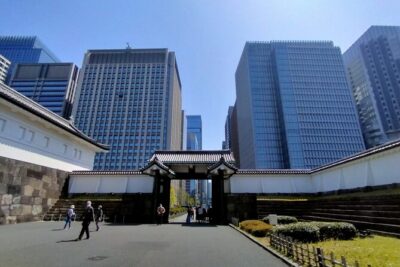 ★ 5.0Imperial Palace East Garden and Edo Castle Walking Tour in TokyoFrom $25510 reviews
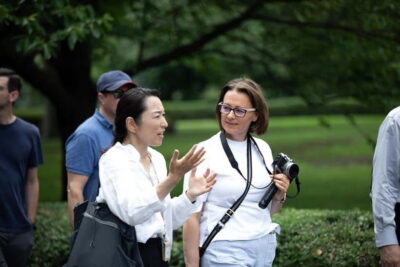 ★ 4.8Imperial Palace East Gardens Walking TourFrom $19353 reviews
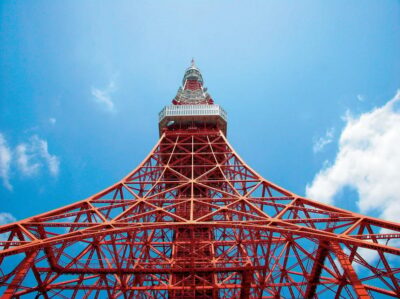 ★ 4.5Imperial Palace, Sensō-ji Temple, & Tokyo Tower TourFrom $40339 reviews
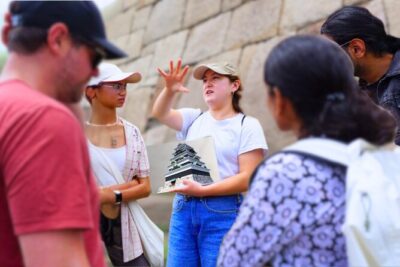 ★ 5.0Tokyo Castle, Imperial Palace, Shogun & Garden Walking TourFrom $31211 reviews
 ★ 4.7Edo Castle & East Garden of the Imperial Palace TourFrom $42112 reviews
Browse the lists this tour appears in