
Reviewed · SUMO TOURNAMENTS & SHOWS
Tokyo Ginza : Sumo and Mikoshi Experience,Open from Sep.
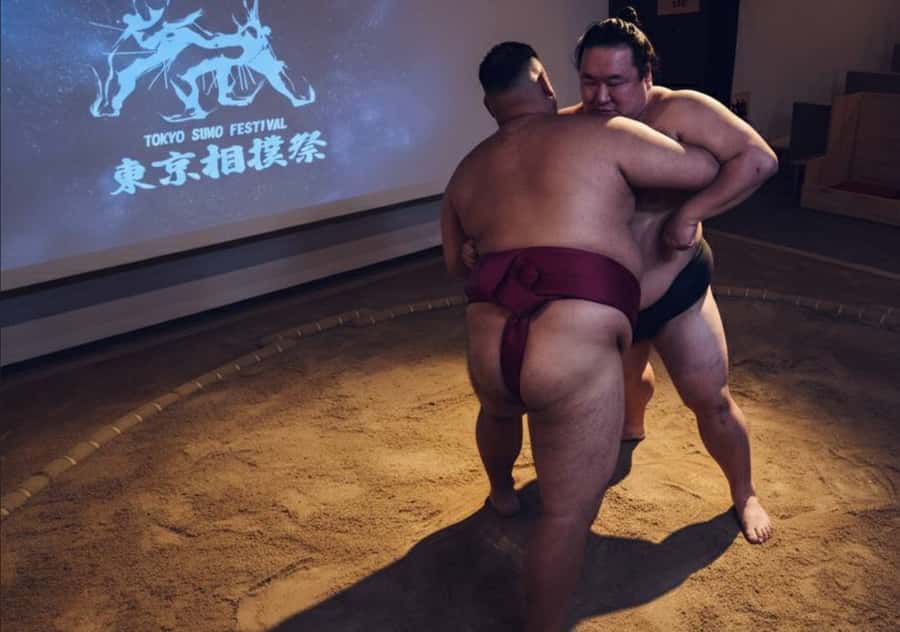
Sumo gets personal in Ginza. This Tokyo Sumo Festival experience blends ring time with former pro wrestlers, a hearty sumo-style meal, and a lively festival moment. I love how close you get to the real physicality of the sport, and I also like the included food that matches what sumo culture is known for. One thing to watch: participation is limited and can be lottery-based unless you book the premium/box seating.
Ginza makes it easy. The venue is steps from major stations like JR Yurakucho and Tokyo Metro Ginza-Itchome, and it’s on the first basement floor—so I’d plan a few extra minutes to get oriented. The format is also meant to be fun and accessible for adults and children, so if you’re looking for hardcore morning training, this isn’t that.
In This Review
- Tokyo Ginza Sumo and Mikoshi: Festival Energy Plus Real Ring Time
- Key Things You’ll Notice From Start to Finish
- Getting Oriented at Ginza INZ 1 B1 (and Not Losing Time)
- The Sumo Show Flow: Training Basics, Winning Techniques, and Demonstrations
- Ring Time With a Retired Wrestler: What You’re Really Signing Up For
- Chanko Hot Pot or Snack: The Included Meal Is Part of the Culture
- Carrying a Mikoshi: The Festival Moment That Feels Alive
- Price and Logistics: Is $97 Worth It?
- Accessibility and Food Requirements: Plan Smart Before You Go
- Who This Ginza Sumo + Mikoshi Experience Suits Best
- Should You Book This Sumo and Mikoshi Experience?
- FAQ
- What’s included in the Tokyo Ginza sumo and mikoshi experience?
- What meal options do I get, and are drinks included?
- How does participation work for sumo wrestling?
- Do I get to carry a mikoshi during the experience?
- Where is the meeting point, and how do I get there?
- Can the meal be made vegetarian or vegan?
- Is gluten-free or halal food available?
- What’s the cancellation policy?
Tokyo Ginza Sumo and Mikoshi: Festival Energy Plus Real Ring Time
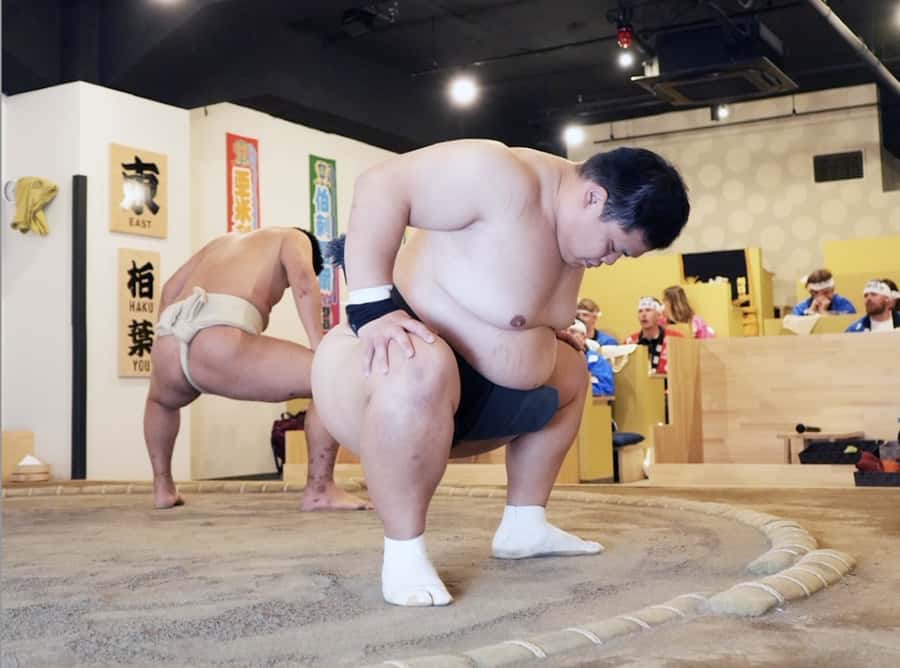
This isn’t a museum-style show where you watch from far away. The experience is built like a festival: you learn the basics, see demonstrations, then you’re invited to participate. The highlight for me is the chance to step into the ring and test your skills against a wrestler, not just watch sumo explained on a screen.
And then you shift gears from fighting to celebration. Carrying a mikoshi, a portable shrine tied to Japanese festivals, is the kind of hands-on moment that makes Tokyo feel like a living place rather than a checklist. It’s also the sort of memory that stands out because it’s physical—your arms and shoulders feel it immediately.
The other practical strength is location. Ginza is one of Tokyo’s easiest areas to navigate, and you’ll start and end right at the same spot. That matters when you’re squeezing in one great activity between shopping and dinner.
Key Things You’ll Notice From Start to Finish
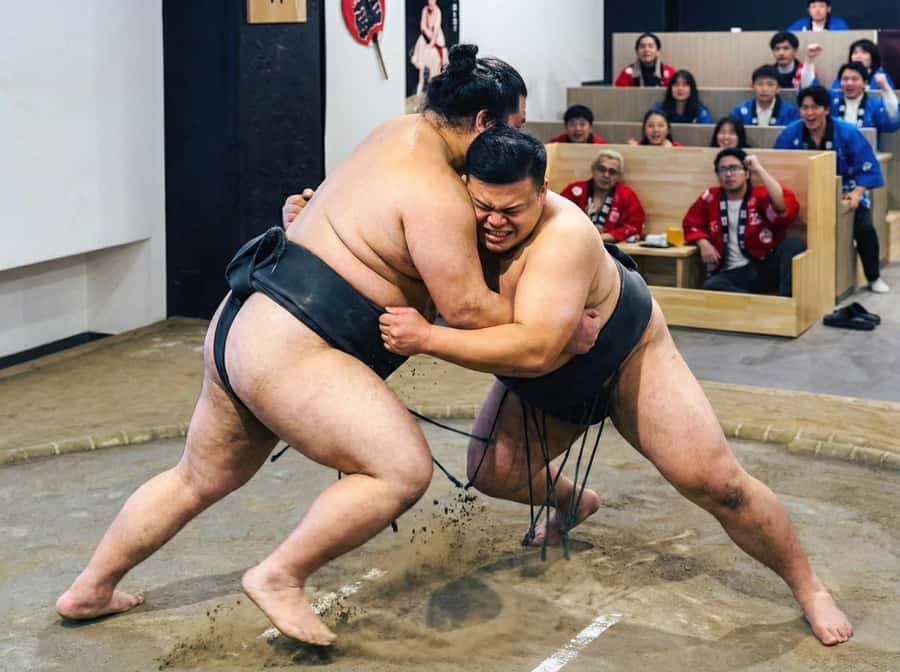
- Former pro wrestler ring challenge: You get an actual wrestling moment, not just a talk.
- Limited participation with seating categories: General seating may involve a lottery; premium/box is guaranteed.
- Chanko hot pot or snack included: You eat as part of the show, not before or after.
- Mikoshi carry in a festival vibe: The hands-on cultural moment comes after the sumo portion.
- English-language guidance: Staff explain clearly and keep things engaging.
- Festival-style format, not serious morning practice: Expect a show built for fun and understanding.
Other ringside bookings readers scored
- Tokyo: Sumo Show and Dining Experience
★ 4.8 · 2,742 reviews - the SUMO show
★ 5.0 · 1,960 reviews - Tokyo Shinjuku Sumo Show & Experience with Photo
★ 5.0 · 1,750 reviews - Tokyo: Sumo Show and Experience in Shinjuku
★ 4.8 · 1,001 reviews
Getting Oriented at Ginza INZ 1 B1 (and Not Losing Time)
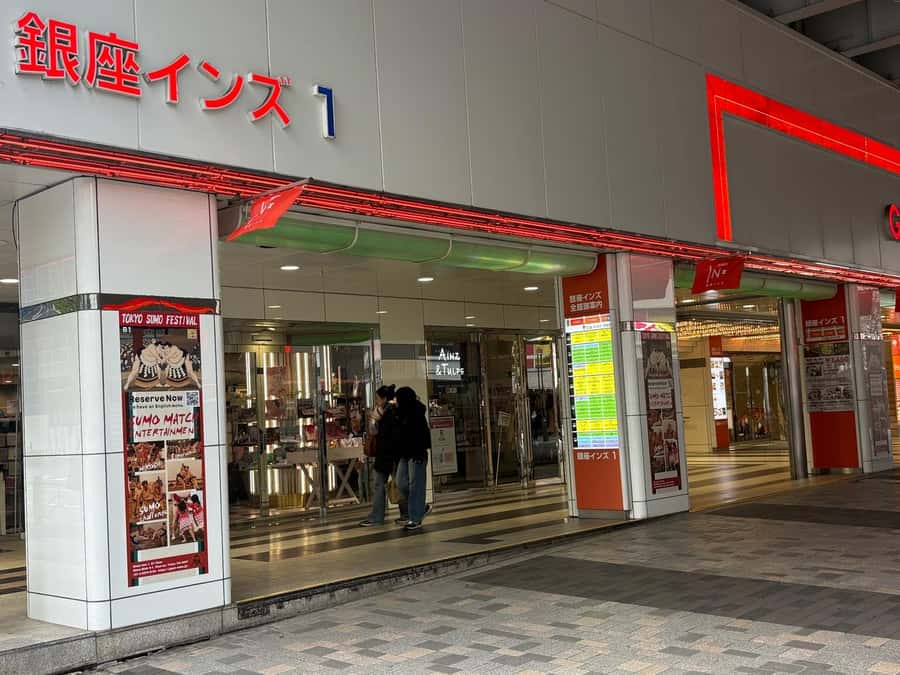
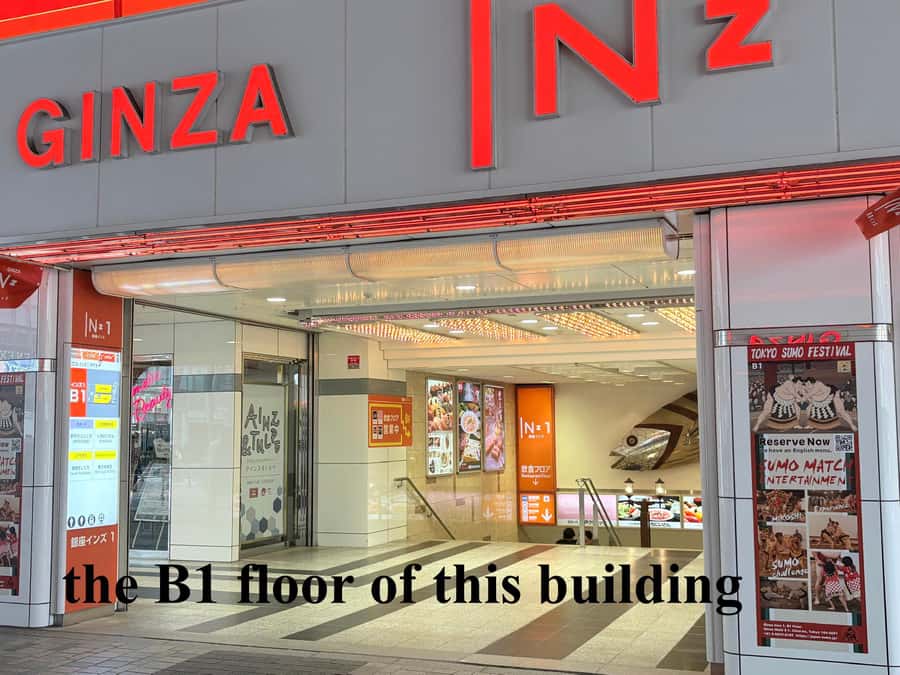
Your meeting point is Ginza INZ 1 B1, Nishi 3-chome, Ginza (Chuo City). The venue is in a first basement floor space, which is a small detail but it changes how fast you’ll find it. If you arrive even a bit late, you’ll still want time to settle before the session starts.
Getting there is straightforward:
- JR Yurakucho Station: about a 3-minute walk
- Tokyo Metro Ginza-Itchome Station: about a 2-minute walk
- Tokyo Metro Ginza Station: about a 4-minute walk
This is ideal if you’re already sightseeing around Ginza or coming in from Tokyo Station. Also, since you end back at the meeting point, you won’t need a second navigation task afterward.
One more small logistics tip: the experience is in English, so you don’t need to hunt for a translation app to enjoy the story. That said, you’ll still want to listen closely during the rules explanations—those rules help you understand what you’re about to try.
The Sumo Show Flow: Training Basics, Winning Techniques, and Demonstrations
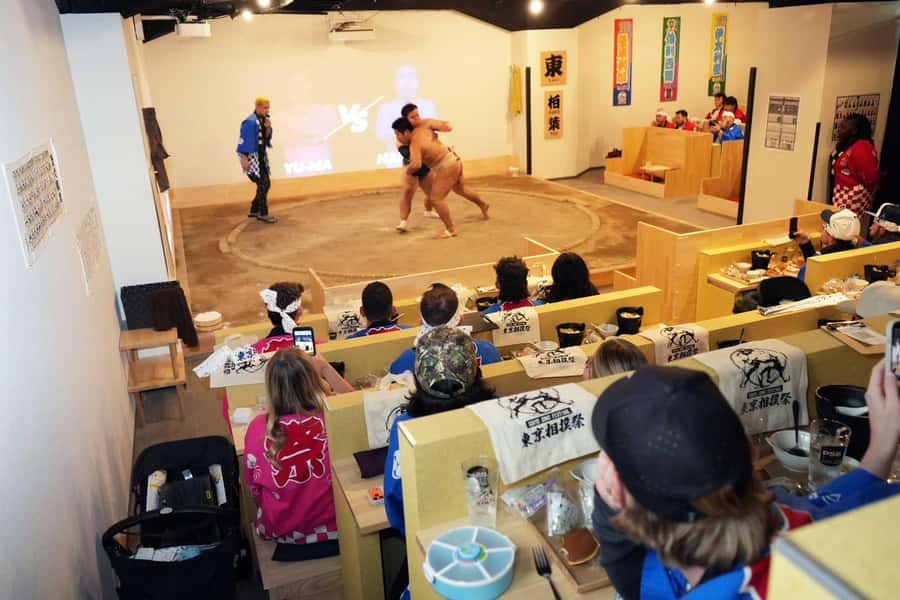
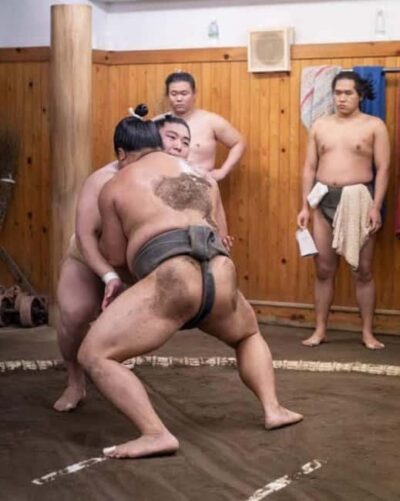
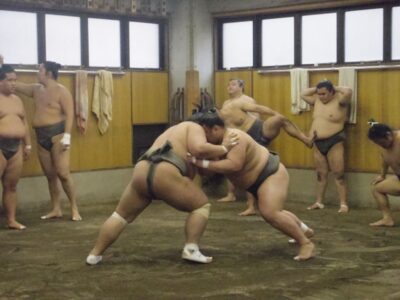
The session centers on a festival-style sumo program. You’ll typically start by watching morning sumo training. But don’t expect the same vibe as serious tournament preparation. This format is designed to be enjoyable and understandable for a wide range of ages.
After that, you’ll learn the sport’s key ideas. You’ll hear explanations about winning techniques and see live demonstrations. This matters because sumo is simple on the surface and tricky in practice. Once you understand the goal—push or throw your opponent out, or force them to touch down—you can appreciate why certain moves work.
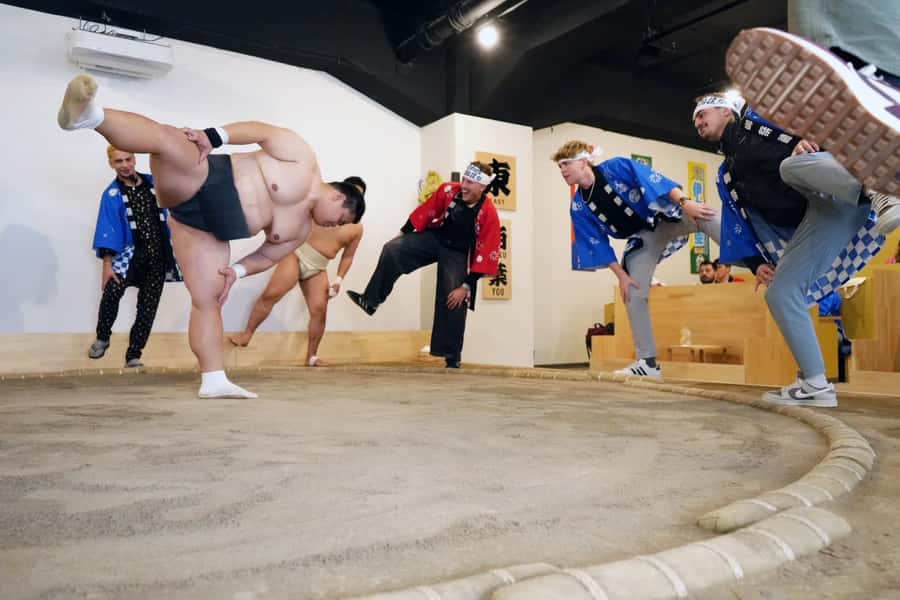
Then comes the part that turns spectators into participants: you may be invited to step into the ring and do a bout. The experience also includes playful interaction from the staff, with chances to get involved and learn in a less intimidating way. In one session, people were even taught some Japanese and were brought on stage for quick activities with wrestlers, which fits the overall tone.
A gentle caution: since participation is limited, not everyone will get the same level of in-ring time. If you want a sure bet, your booking choice matters.
Ring Time With a Retired Wrestler: What You’re Really Signing Up For
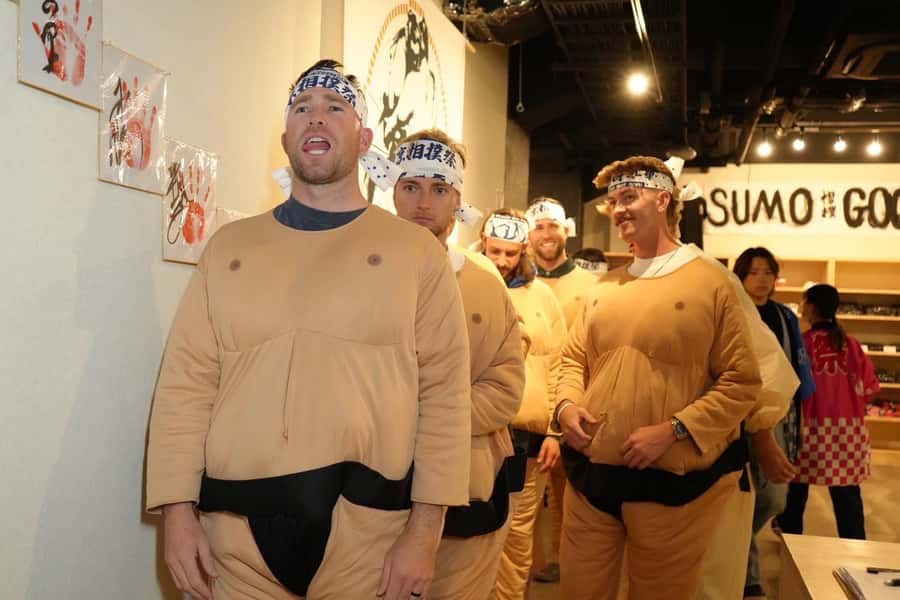
This is the moment most people care about: wrestling with a sumo wrestler. Your odds depend on seating type.
- General seating participation may be determined by lottery if demand is high.
- Premium and box seats are guaranteed to include participation.
That structure isn’t just a money-and-odds setup. It changes your mindset for the whole evening. If you’re in general seating, treat the wrestling as a potential bonus you hope for. If you’re in premium/box, you can mentally switch into participation mode early, because you’ll know you’ll be stepping into the ring.
Also, the experience description makes it clear: this is an entertainment show. It’s not the same thing as full competitive training. That’s actually a plus for many visitors. You’ll still feel the size, strength, and balance challenges firsthand, but it’s presented in a way that feels safe, guided, and meant for visitors.
Finally, remember you’re facing a very strong athlete with different footwork and leverage. Even if you’re athletic, sumo uses physics in a very specific way. In plain terms: don’t assume it’s like a casual grappling match.
Chanko Hot Pot or Snack: The Included Meal Is Part of the Culture
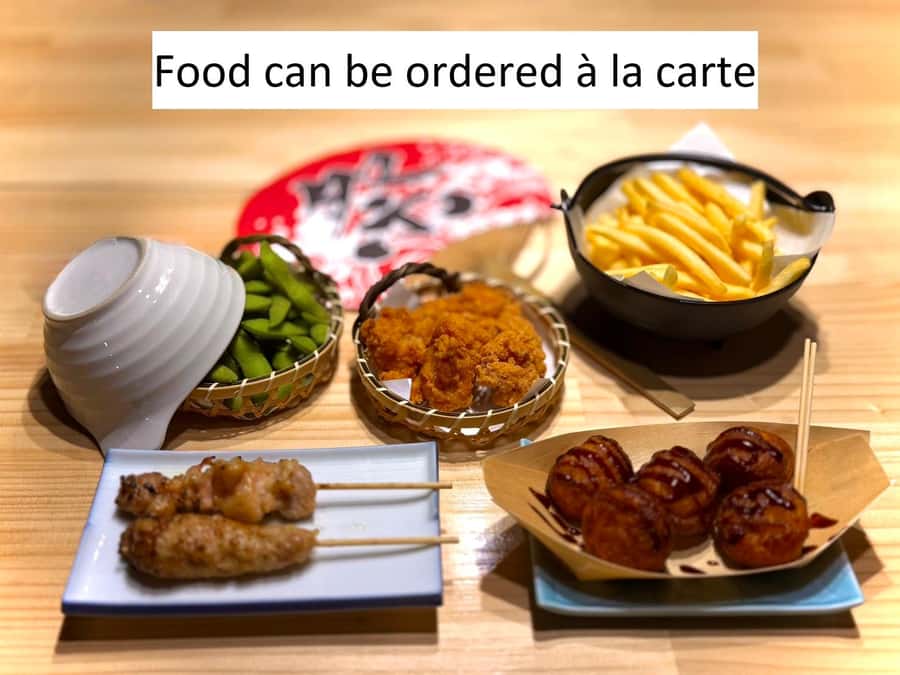
You get a meal with your ticket: chanko hot pot or a snack option. This isn’t an afterthought. It’s part of the sumo-world flavor. Chanko nabe is strongly associated with sumo life, so even if you don’t know every ingredient, you’re eating something tied to the sport’s culture.
The practical side:
- Drinks are not included, so plan water or your preferred beverage separately.
- You’ll need to specify your plan in advance: the number of people choosing chanko hot pot versus the snack option should be communicated through the messaging feature.
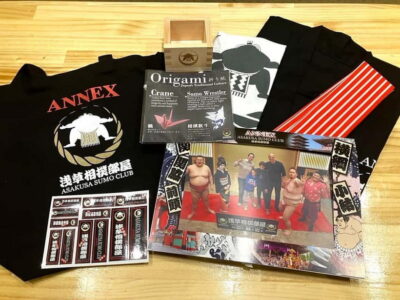
- Souvenirs are included, and what you receive may change by season.
Diet notes are straightforward. Vegetarian and vegan meals can be provided, but you need to inform the operator 2 days before your reservation date. On the other hand, gluten-free or halal food can’t be provided, so if those are requirements, plan to bring your own items that fit your diet.
This meal setup gives good value in Tokyo because it reduces the “what should we eat right now” stress. Also, you’ll eat in a relaxed, traditional setting that matches the tone of the show.
- Tokyo: Shinjuku Food Tour (13 Dishes at 4 Local Eateries)★ 5.0 · 6,603 reviews
- Tokyo Mt Fuji 5th St & Hakone Cruise Bus Tour w/Bullet Train★ 4.4 · 5,024 reviews
- Flagship 2-Hours Official Street Go-Kart Tour – Tokyo Bay Shop★ 5.0 · 4,974 reviews
- From Tokyo: Mount Fuji Full-Day Sightseeing Trip★ 4.5 · 4,970 reviews
- Tokyo: Hop-On Hop-Off Sightseeing Bus Ticket★ 3.9 · 4,207 reviews
Carrying a Mikoshi: The Festival Moment That Feels Alive
After the sumo portion, you’ll switch into the festival highlight: a mikoshi experience. A mikoshi is a portable shrine used in Japanese festival processions. Carrying it is the kind of activity that turns an idea—Japanese festival traditions—into something you can feel in your body.
In this experience, carrying a mikoshi is one of the rare chances you can actually do the festival action, not just watch it. That’s a big deal. Tokyo has plenty of festivals around the year, but getting hands-on is still uncommon for visitors.
Expect it to feel celebratory and energetic. Reviews also point out that the whole concept runs like a festival, with staff guiding you clearly in English so you’re not guessing what to do. It’s also the kind of activity that works well for people who aren’t hardcore sports fans but still want an authentic cultural experience.
If you’re worried about physical effort, don’t panic. The activity is designed for participants, and you’ll be guided. That said, it’s still hands-on. Wear comfortable clothing and shoes you can move in.
Price and Logistics: Is $97 Worth It?
At $97 per person, you’re paying for three things bundled together: an interactive sumo show, an included meal, and a mikoshi experience. If you were to line those up separately—tickets, a guided activity, and a dedicated meal—this format can start to look efficient.
The best value comes from the parts you can’t easily DIY:
- You can’t usually arrange safe in-ring instruction and ring time with a wrestler on your own.
- The mikoshi carrying is specific to this kind of festival-style setup.
- You’re also getting English guidance, so you’re not stuck interpreting everything alone.
The one financial watch point is participation odds. If you strongly care about guaranteed ring involvement, premium or box seating becomes more meaningful. If you’re fine with the show experience even without stepping into the ring, general seating can still be a fun option—just plan around the possibility of lottery-based participation.
Also note: drinks aren’t included, so budget a little extra if you typically drink soda, coffee, or tea during activities.
Accessibility and Food Requirements: Plan Smart Before You Go
This experience is designed to work for a wide range of visitors, including kids, but a couple of details are worth noting early.
For wheelchair users, there are limited seats available, so you should flag your needs when reserving. If you’re managing dietary restrictions, the rules are clear:
- Vegetarian and vegan meals are available with advance notice.
- Gluten-free and halal options aren’t available, so bring your own if needed.
One more practical point: if you have multiple dietary choices in your group (for example, some people want chanko and others want snack), message the operator with the headcount for each plan. That helps everything move smoothly on the day.
Who This Ginza Sumo + Mikoshi Experience Suits Best
I’d recommend this tour if you want a hands-on introduction to Japanese festival culture and sumo basics in one compact stop. It’s also a good fit if you like interactive activities where you can try something rather than just watch.
It’s especially compelling for:
- People curious about sumo but overwhelmed by where to start
- First-time visitors who want authentic culture without complicated planning
- Families, since the show is structured for adults and children
- Anyone who enjoys learning through doing, like carrying a mikoshi and stepping into the ring
It may be less ideal if your main goal is to see top-tier, serious sumo training exactly as it happens for competition. This is a show format. You’ll learn and participate, but the tone is entertainment-focused.
Should You Book This Sumo and Mikoshi Experience?
Yes, if you want an active, guided taste of sumo culture in one of Tokyo’s most convenient areas. The best reasons to book are ring time with a wrestler (with the participation structure you can choose), the included chanko or snack, and the mikoshi carry—a true festival action that’s hard to replicate on your own.
Book with extra confidence if you’re choosing premium or box seating, because you’re buying certainty. Book general seating if you’re flexible and happy to enjoy the show, food, and culture even if ring participation depends on the lottery.
If you’re tight on time in Ginza, this is also one of the easier ways to get something memorable without a long travel shuffle.
FAQ
What’s included in the Tokyo Ginza sumo and mikoshi experience?
Your ticket includes a meal (either chanko hot pot or a snack), the sumo experience and explanations, a mikoshi (portable shrine) experience, sumo wrestling participation (with general seating by lottery and premium/box guaranteed), and a souvenir.
What meal options do I get, and are drinks included?
You can choose between chanko hot pot or a snack. Drinks are not included.
How does participation work for sumo wrestling?
Participation is limited. General seating participation may be determined by lottery if there are many applicants, while premium and box seats are guaranteed participation.
Do I get to carry a mikoshi during the experience?
Yes. After the sumo show portion, you’ll also get to experience carrying a mikoshi, a traditional portable shrine used in Japanese festivals.
Where is the meeting point, and how do I get there?
You meet at Ginza INZ 1 B1, Nishi 3-chome, Ginza, Chuo City, Tokyo, Japan. It’s about a 3-minute walk from JR Yurakucho Station, about a 2-minute walk from Tokyo Metro Ginza-Itchome Station, and about a 4-minute walk from Tokyo Metro Ginza Station. The facility is on the first basement floor.
Can the meal be made vegetarian or vegan?
Yes. Vegetarian and vegan meals are available, but you need to inform the operator through the reservation process at least 2 days before your reservation date.
Is gluten-free or halal food available?
No. Gluten-free and halal food can’t be provided, but you’re welcome to bring your own.
What’s the cancellation policy?
You can cancel up to 24 hours in advance for a full refund.
More Tour Reviews in Tokyo
- Mt Fuji and Hakone 1-Day Bus Tour Return by Bullet Train
★ 5.0 · 26,383 reviews - 1-Day Tokyo Bus Tour
★ 5.0 · 14,250 reviews - Tokyo: teamLab Planets TOKYO Digital Art Museum Entry Ticket
★ 4.6 · 9,779 reviews - Mt Fuji & Hakone Cruise, Drum Show Bullet Train 1 Day from Tokyo
★ 4.0 · 7,413 reviews - Tokyo: Shinjuku Food Tour (13 Dishes at 4 Local Eateries)
★ 5.0 · 6,603 reviews
More Sumo, Ringside and Rated
- Tokyo: Sumo Show and Dining Experience
★ 4.8 · 2,742 reviews - the SUMO show
★ 5.0 · 1,960 reviews - Tokyo Shinjuku Sumo Show & Experience with Photo
★ 5.0 · 1,750 reviews - Tokyo: Sumo Show and Experience in Shinjuku
★ 4.8 · 1,001 reviews - Tokyo Grand Sumo Tournament Viewing Tour with Tickets
★ 5.0 · 692 reviews
Latest Tokyo reviews off our desk






Sumo Tournaments & Shows, compared.
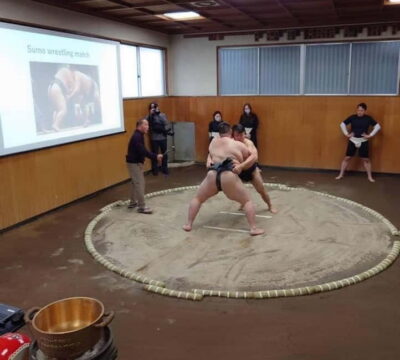 ★ 4.8Sumo Show and Dining ExperienceFrom $792,742 reviews
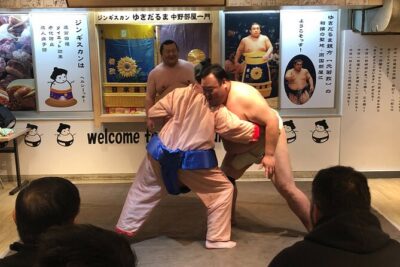 ★ 5.0the SUMO showFrom $891,960 reviews
 ★ 5.0Tokyo Shinjuku Sumo Show & Experience with PhotoFrom $791,750 reviews
 ★ 4.8Sumo Show and Experience in ShinjukuFrom $691,001 reviews
 ★ 5.0Tokyo Grand Sumo Tournament Viewing Tour with TicketsFrom $124692 reviews
 ★ 5.0Tokyo Sumo Wrestling Tournament ExperienceFrom $124660 reviews
 ★ 4.7Luxury Sumo Show Experience & Japanese cuisine & DrinkFrom $103577 reviews
 ★ 4.8Sumo Morning Practice Viewing TourFrom $81570 reviews
Browse the lists this tour appears in