
Reviewed · SUMO TOURNAMENTS & SHOWS
Tokyo: Grand Sumo May Tournament
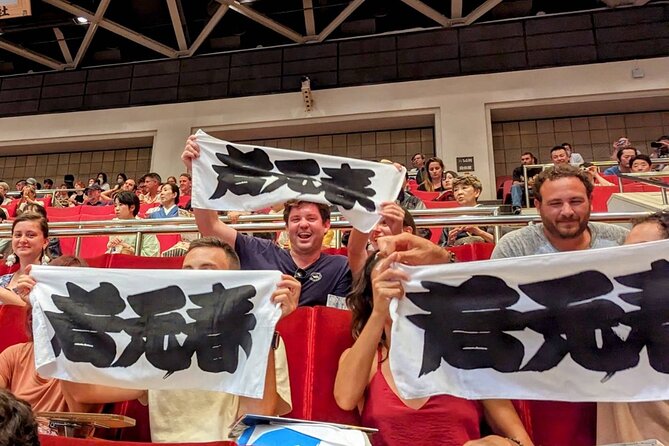
Sumo feels like theatre when you know the rules. This private Ryogoku tour pairs a short neighborhood walk with live earphone commentary in the arena, so you can follow the rituals, the rankings, and the match flow. One possible drawback: it’s not cheap, and the quality of the chat can depend on the guide’s style—some are more chatty than others.
You’ll also build context before you step into the Ryogoku Kokugikan, then you can finish with hearty chanko-nabe near the stadium. If you’re the kind of person who enjoys doing a little homework and reaping the payoff in your seat, this is a strong fit.
In This Review
- Key highlights worth your attention
- A Tokyo sumo day that makes the arena make sense
- Tour rhythm: how the day flows in Ryogoku
- Stop 1 in Ryogoku: landmarks that turn background into big payoff
- Ryogoku Kokugikan: how the arena tour and earphones change everything
- Seating: chair option and staying comfortable
- What you’ll understand once the bouts start
- The chanko-nabe dinner: why this meal feels like part of sumo
- Price and value: is $198.20 a fair deal for sumo?
- Who this Tokyo sumo tour is best for
- Should you book the Grand Sumo May Tournament tour?
- FAQ
- How long is the Tokyo Grand Sumo May Tournament tour?
- Is the sumo arena admission included?
- What does the tour include besides the sumo match?
- Do I get earphones or headsets?
- Is chanko-nabe dinner included?
- What’s not included for the dinner?
- What ticket format do I receive?
- Is there an option for chair seating?
- Where does the tour meet you?
- Can I cancel for a refund?
Key highlights worth your attention
- Private attention in a small group: max 35 people, with headsets for clearer listening when the group is 3+.
- Live guidance during the bouts: your guide’s commentary comes through personal earphones so you can follow along even when it’s loud.
- Ryogoku history before you watch: a walk that connects you to stables, shrines, and sumo landmarks so the arena makes more sense.
- Arena tour extras: you’ll see murals, championship prizes, and a stop in the sumo museum.
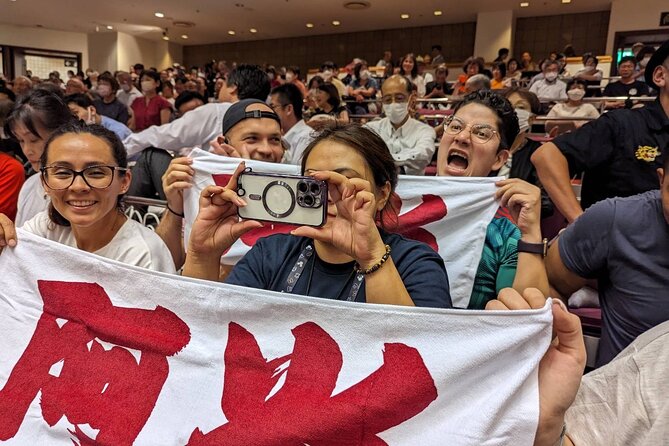
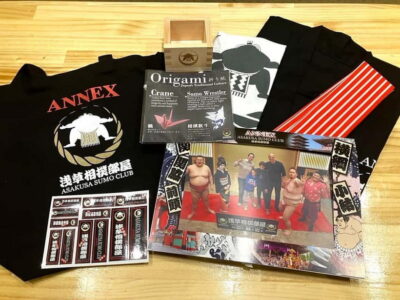
- Cheer for a wrestler: you get cheer-up goods tied to rooting for a specific fighter.
- Optional chanko-nabe dinner: a wrestler-style hot pot meal after the matches.
A Tokyo sumo day that makes the arena make sense
Grand sumo is one of those experiences that can go two ways. You either enjoy the spectacle… or you enjoy it and also understand what you’re looking at. This tour aims hard at the second option.
The big win is the timing. You don’t just show up for the bouts and hope you can read the room. You walk Ryogoku first, learn the background, then watch with real-time explanation through earphones. Guides named in past participant feedback include Aki, Ken, Yoko, Ali, and Sue-san—many praised for explaining the history, rules, and routines clearly, and for being willing to answer questions.
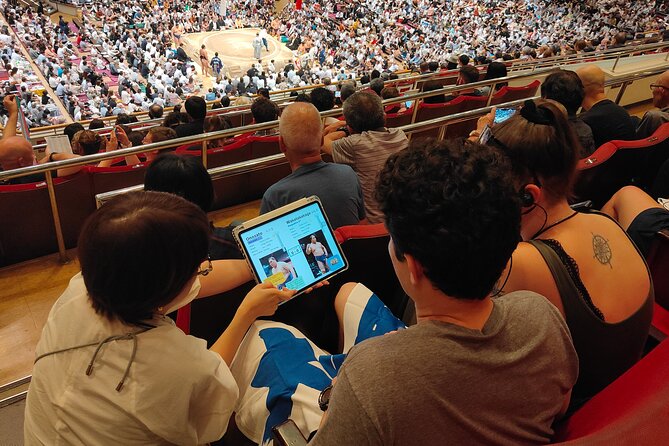
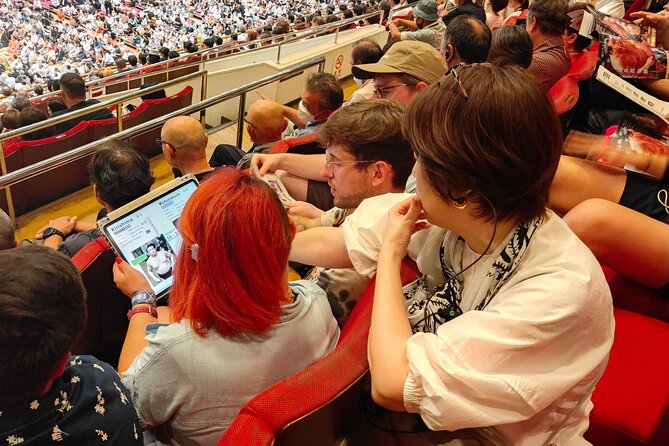
You’ll also get a practical package: a tournament info handout with sumo rankings and profiles of prominent wrestlers. That helps you connect names to faces as the day goes on, instead of watching the match as a blur of motion.
Other ringside bookings readers scored
- Tokyo: Sumo Show and Dining Experience
★ 4.8 · 2,742 reviews - the SUMO show
★ 5.0 · 1,960 reviews - Tokyo Shinjuku Sumo Show & Experience with Photo
★ 5.0 · 1,750 reviews - Tokyo: Sumo Show and Experience in Shinjuku
★ 4.8 · 1,001 reviews
Tour rhythm: how the day flows in Ryogoku
Your day is built around three parts that work together:
You start around 13:00 with a Ryogoku neighborhood focus on sumo culture. It’s scheduled for about two hours, and it’s designed to deepen the fun of watching later. Expect a walking segment tied to sumo landmarks—people have reported stops like a Yokozuna shrine and views of sumo-related sites and exterior stables.
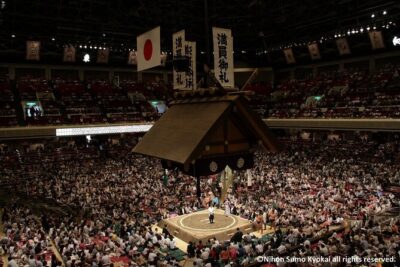
Then you head to the Ryogoku Kokugikan. This is the heart of the day, roughly 15:00 to 18:00. You’ll get inside time to see key visuals (murals and championship prizes are called out), a short museum stop, and then you’ll stay for the tournament bouts as your guide talks you through what’s happening.
The final optional piece is chanko-nabe dinner, around 18:00 onward. The tour includes the meal itself, but drinks are on you.
That pacing matters. By the time you’re in the arena, you’re not trying to figure out the basics while the action is already speeding up. You’ll know what questions to ask and what moments to look for.
Stop 1 in Ryogoku: landmarks that turn background into big payoff
The Ryogoku segment is about context. Ryogoku is sumo country. This walk is how you turn a tournament from “cool to watch” into “I get what that means.”
In the feedback people share, the history walk has included exterior looks at sumo stables and a stop at a Yokozuna shrine. You might also hear explanations of how sumo life and tournament tradition connect—from the sport’s ceremonial side to how the day’s matches fit the larger picture.
Here’s the practical reason this works: the Kokugikan has a lot going on, and sumo is full of small moments that are easy to miss if you don’t know what you’re seeing. When you’ve already heard about the routines and symbols, the arena feels less like random pageantry and more like a script you can follow.
One small note: this first stop is described as optional for the “deepen knowledge” part. If you’re already a hardcore sumo fan, you might feel it’s lighter than you’d like. If you’re a newcomer, it’s a great on-ramp.
Ryogoku Kokugikan: how the arena tour and earphones change everything
This is where the tour earns its keep. You’re not just buying a seat and hoping for the best. You’re guided through the arena with a plan.
Inside, your guide walks you past things that set the tone before the bouts start. The program highlights include:
- Murals (around 10 meters)
- Championship prizes (also around 10 meters)
- A sumo museum stop (about 15 minutes)
- Paintings and photos connected to successive yokozuna
Then the tournament begins, and your guide’s commentary comes through personal earphones. That’s a huge difference-maker. In a loud arena, even enthusiastic fans can miss the “why” behind the “what.” Earphones solve the problem.
Seating: chair option and staying comfortable
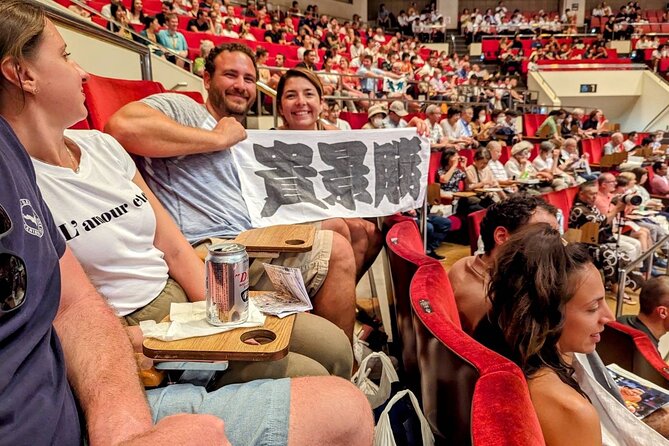
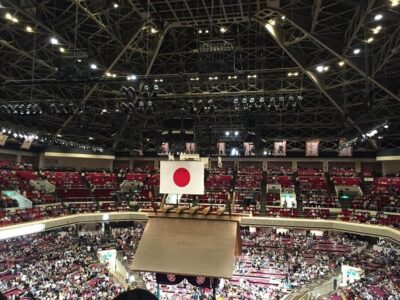
There’s an option for seating with chairs on the balcony. If you choose the chair setup, you can sit in comfort for the whole session. The tour notes that you’ll be seated either in chair B or C. If you stay on the first floor without the chair option, seating is described as a flat floor situation (which can be less comfortable for some people).
If you have any knee or back limits, choose the chair option if it’s available for your booking. Comfort in the arena is not a luxury here—it’s what lets you focus on the match instead of your body.
- Tokyo: Shinjuku Food Tour (13 Dishes at 4 Local Eateries)★ 5.0 · 6,603 reviews
- Tokyo Mt Fuji 5th St & Hakone Cruise Bus Tour w/Bullet Train★ 4.4 · 5,024 reviews
- Flagship 2-Hours Official Street Go-Kart Tour – Tokyo Bay Shop★ 5.0 · 4,974 reviews
- From Tokyo: Mount Fuji Full-Day Sightseeing Trip★ 4.5 · 4,970 reviews
- Tokyo: Hop-On Hop-Off Sightseeing Bus Ticket★ 3.9 · 4,207 reviews
What you’ll understand once the bouts start
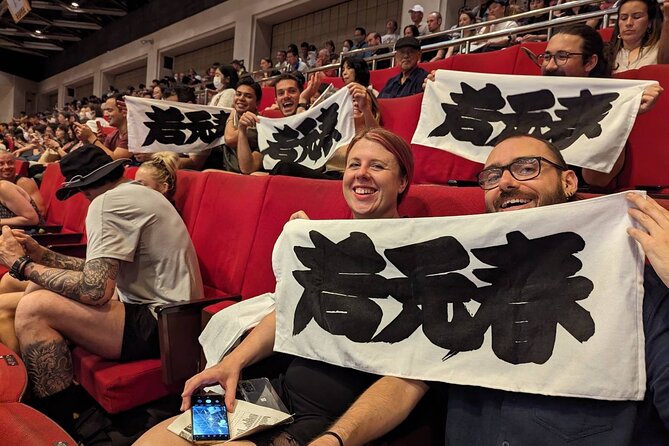
Sumo has a rhythm. Once you know what to watch, it gets addictive. The tour is designed to help you understand the action as it unfolds, including how major bouts by top-division wrestlers and grand champions fit into the day.
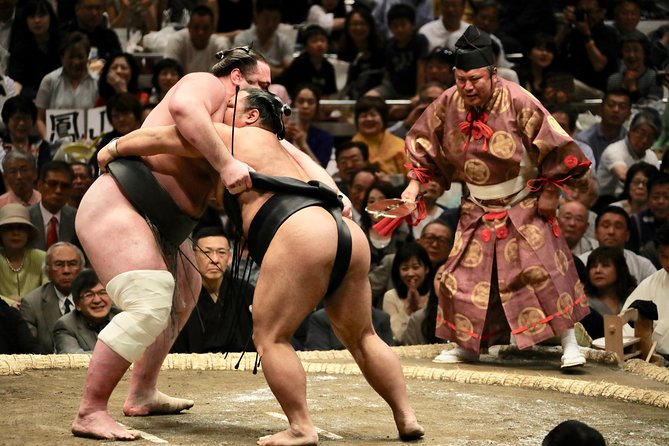
You’ll also be in the arena for the ring entering ceremonies, described as especially gorgeous when grand champions and top wrestlers appear. Those ceremonies are more than pageantry. They’re a kind of signal: who’s who, where the hierarchy sits, and what level of formality you’re witnessing.
Guides praised in feedback have often explained rituals and match routines, and some have gone a step further—for example, Ken has been described as sharing sumo lore and even singing the sumo song near the arena in the lead-up. You can’t count on that exact detail, but it points to the style you’re likely to get: explanation that turns traditions into something you can feel.
A smart way to enjoy the bouts:
- Listen for your guide’s cues when they explain what’s happening.
- Watch the setup moments, not just the collision.
- Use the wrestler profiles you receive, so names stick.
The chanko-nabe dinner: why this meal feels like part of sumo
After the matches, the tour offers an optional chanko-nabe dinner. This is the wrestler hot-pot dish associated with building muscle and gaining weight—the idea is simple: hot food, lots of nutrients, hearty portions.
The meal is included if you choose it, but drinks aren’t. So bring your wallet mindset for beverages.
One practical heads-up from participant feedback: chanko-nabe can include a lot of fish ingredients. If you’re not a fish eater, you’ll want to plan carefully and check with the restaurant or your guide before committing to a full bowl.
The upside? The dinner timing makes sense. It’s ready upon arrival for at least some groups, with only a short walk from the match area noted in past experiences. That keeps the day from turning into a long shuffle after you’ve already been sitting for hours.
Price and value: is $198.20 a fair deal for sumo?
At $198.20 per person, this isn’t a budget add-on. The best argument for the price is the hard reality of tournament access.
Sumo tickets can sell out fast. One review notes how crucial early booking was to actually getting in. This tour wraps the ticket into a guided day with added value: arena time that includes museum and major visuals, live narration through earphones, and a structured walk that improves your understanding while you’re there.
So, where does the cost feel justified?
- You’re paying for guidance during the bouts, not just entry.
- You get background before you sit down, so the experience lands harder.
- You get extra arena stops, like the museum segment and set-piece visuals.
- You’re not navigating alone in a high-demand setting.
Where could the price feel too high?
- If you’re the kind of person who prefers watching in silence and doesn’t care about explanations.
- If the guide’s style is quieter and you don’t prompt with questions.
One piece of balanced advice: if you want maximum value, show up ready to engage. Ask about rules, rankings, and what a particular wrestler’s style means. When guides respond, the tour becomes more than a ticket. It becomes a translation layer between the sport and your understanding.
Who this Tokyo sumo tour is best for
This experience is ideal if you:
- Want a guided entry into traditional Japanese culture, not just a sports event.
- Like the combo of walking + context + action.
- Enjoy being told what to look for when something is unfamiliar.
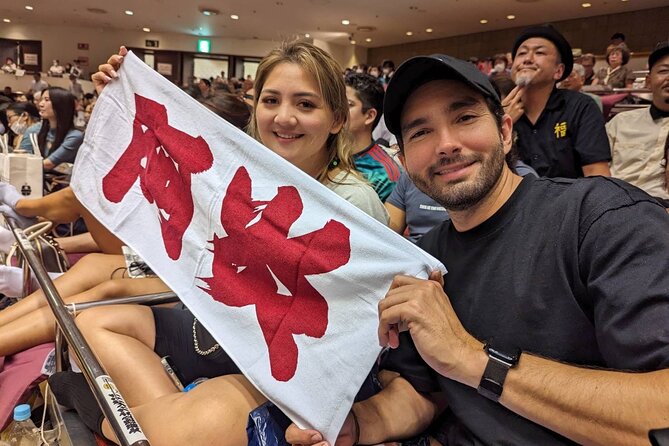
- Plan to cheer for a wrestler and like the added “rooting” feeling from the included cheer-up goods.
It also fits well for pairs and small groups because the guide attention and earphone system help everyone stay connected to the explanation.
If you’re a super-sumo fan who already knows the rules and doesn’t care about ceremonies, you might feel the history walk is only a warm-up. But even then, the arena tour moments and the earphones can still make it easier to follow along.
Should you book the Grand Sumo May Tournament tour?
I’d book this if you want your sumo day to feel guided, not guessed-at. The live earphone commentary and the Ryogoku history walk are exactly the kind of pairing that turns a great event into a memorable one.
I’d think twice if:
- You’re very sensitive to cost and already know sumo deeply.
- You expect constant chat from the guide no matter what (guide styles can vary).
- You’d struggle with chanko-nabe ingredients if you’re not a fish eater.
If you’re flexible, curious, and ready to ask questions, this is a strong way to experience grand sumo in Ryogoku—with comfort options, built-in context, and a meal that fits the wrestler tradition.
FAQ
How long is the Tokyo Grand Sumo May Tournament tour?
The tour runs about 6 hours, with the day split between a Ryogoku walking/history segment, arena viewing time, and an optional chanko-nabe dinner.
Is the sumo arena admission included?
Yes. The arena viewing portion includes the relevant admissions described for the Kokugikan experience, and the museum stop is included as part of that arena segment.
What does the tour include besides the sumo match?
You get English guiding by a sumo expert guide, an information package with tournament details and wrestler profiles, headsets for group clarity when applicable, and cheer-up goods to root for a wrestler.
Do I get earphones or headsets?
For a group of 3 or more, you receive headsets so you can hear the guide clearly even from a distance. Earphone-style live commentary is part of how the arena portion is described.
Is chanko-nabe dinner included?
Chanko-nabe dinner is an optional add-on. If you choose it, the meal is included. Drinks are not included and must be ordered separately.
What’s not included for the dinner?
Drinks for the chanko-nabe dinner option are not included; you order them separately.
What ticket format do I receive?
You receive a mobile ticket.
Is there an option for chair seating?
Yes. There is a chair option with seats on the balcony. If you choose the chair setup, you’ll be seated either in chair B or chair C. Without it, first-floor seating is described as a flat floor situation.
Where does the tour meet you?
You meet your guide in a convenient place in Ryogoku, and the meeting area is described as near public transportation.
Can I cancel for a refund?
Yes, free cancellation is available up to 24 hours before the experience start time for a full refund. Changes within 24 hours are not accepted.
More Tour Reviews in Tokyo
- Mt Fuji and Hakone 1-Day Bus Tour Return by Bullet Train
★ 5.0 · 26,383 reviews - 1-Day Tokyo Bus Tour
★ 5.0 · 14,250 reviews - Tokyo: teamLab Planets TOKYO Digital Art Museum Entry Ticket
★ 4.6 · 9,779 reviews - Mt Fuji & Hakone Cruise, Drum Show Bullet Train 1 Day from Tokyo
★ 4.0 · 7,413 reviews - Tokyo: Shinjuku Food Tour (13 Dishes at 4 Local Eateries)
★ 5.0 · 6,603 reviews
More Sumo, Ringside and Rated
- Tokyo: Sumo Show and Dining Experience
★ 4.8 · 2,742 reviews - the SUMO show
★ 5.0 · 1,960 reviews - Tokyo Shinjuku Sumo Show & Experience with Photo
★ 5.0 · 1,750 reviews - Tokyo: Sumo Show and Experience in Shinjuku
★ 4.8 · 1,001 reviews - Tokyo Grand Sumo Tournament Viewing Tour with Tickets
★ 5.0 · 692 reviews
Latest Tokyo reviews off our desk

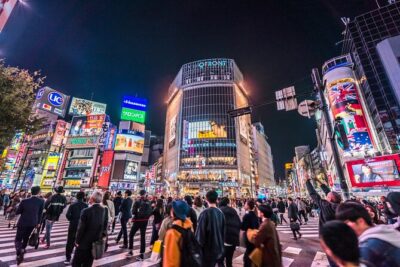
Sumo Tournaments & Shows, compared.
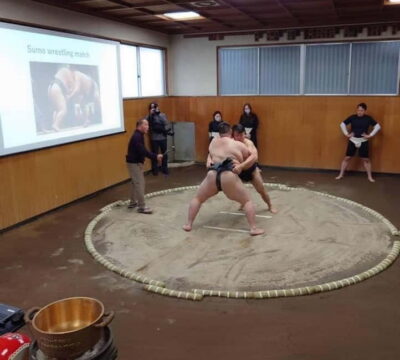 ★ 4.8Sumo Show and Dining ExperienceFrom $792,742 reviews
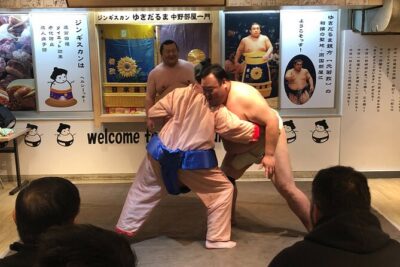 ★ 5.0the SUMO showFrom $891,960 reviews
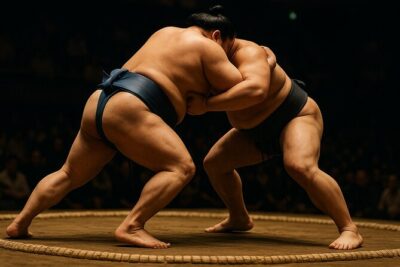 ★ 5.0Tokyo Shinjuku Sumo Show & Experience with PhotoFrom $791,750 reviews
 ★ 4.8Sumo Show and Experience in ShinjukuFrom $691,001 reviews
 ★ 5.0Tokyo Grand Sumo Tournament Viewing Tour with TicketsFrom $124692 reviews
 ★ 5.0Tokyo Sumo Wrestling Tournament ExperienceFrom $124660 reviews
 ★ 4.7Luxury Sumo Show Experience & Japanese cuisine & DrinkFrom $103577 reviews
 ★ 4.8Sumo Morning Practice Viewing TourFrom $81570 reviews
Browse the lists this tour appears in