
Reviewed · SUMO TOURNAMENTS & SHOWS
Tokyo: Grand Sumo Tournament Tour
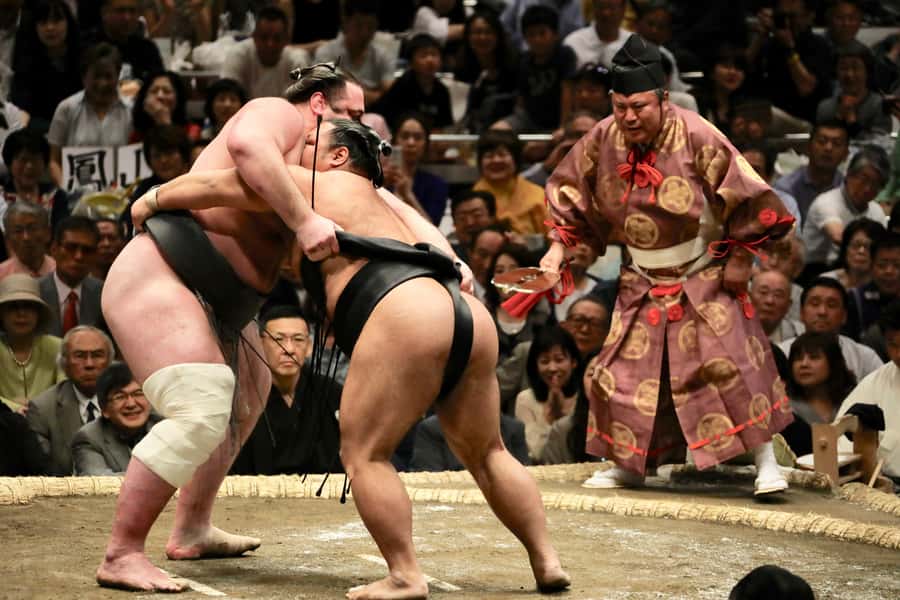
Sumo hits different when you know what you’re seeing. This Tokyo Grand Sumo Tournament tour adds English real-time commentary in the arena, plus a Ryogoku walk that explains the sport’s roots. I also like the small-group size and the way the guide keeps the matches clear as they unfold. The main drawback is the price: $195 is hard to justify if you only want a seat and aren’t looking for guidance.
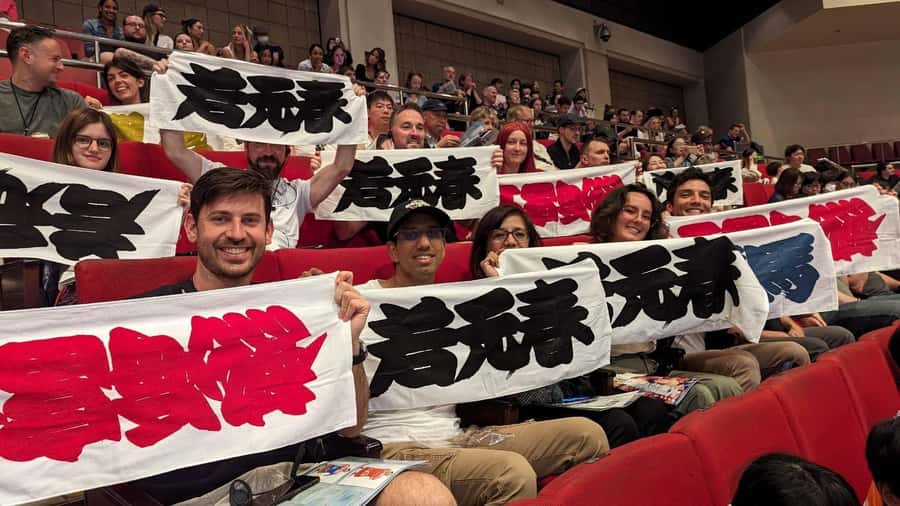
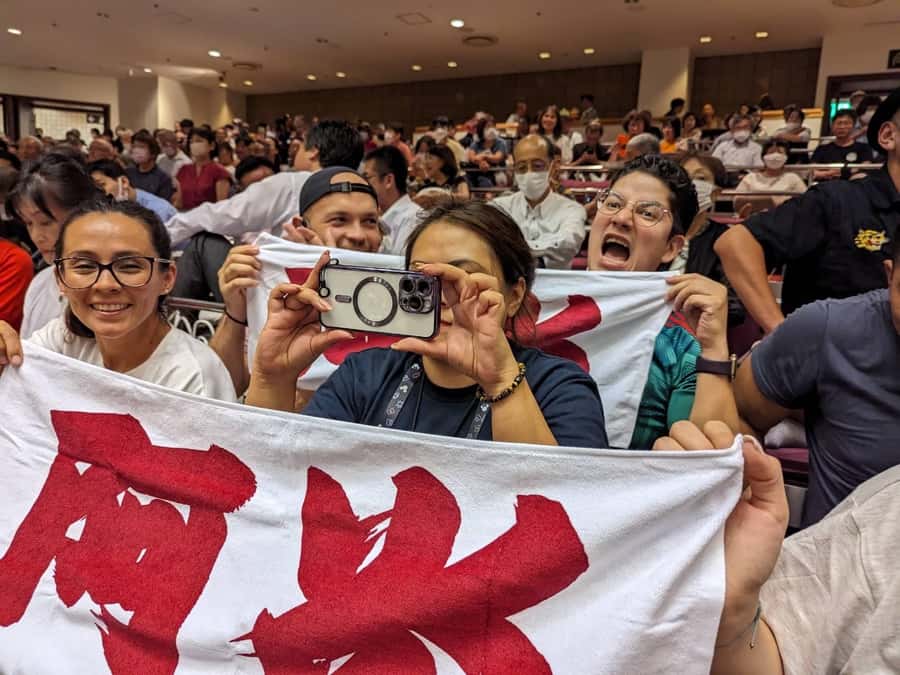
What really changes the day is the structure. You get a guide-led tour with headsets, a tournament information package, and an English pamphlet the guide walks through so you stay on top of what’s happening. And yes, you even get to join the crowd energy by cheering with your guide using a provided cheering towel.
The experience is delivered by different English-speaking guides, and the vibe can depend on the person. Names I’ve seen associated with top reviews include Jeff, Dawn, Yoko, Taka, Yosh, Bruce, and Yuki, all praised for explaining sumo and keeping energy up. If you’re sensitive to sound, note that some people found the headset audio not always perfect, even though the guide was close enough to help when needed.
In This Review
- Key highlights worth your attention
- Entering Kokugikan: what the headset and live commentary actually do
- The Ryogoku walking tour: sumo life you can see before the ring
- Tournament viewing from 15:00 to 18:00: staying in sync with bouts
- Chanko-nabe option: what the meal adds to the day
- Price and value: is $195 worth it?
- Group size, seats, and that headset reality check
- How to pick the right option: full-day walk plus sumo vs sumo-only
- Who this tour is for (and who should skip it)
- Should you book this Tokyo Grand Sumo Tournament Tour?
- FAQ
- Where is the meeting point for the tour?
- What time options are available?
- What’s included if I choose the chanko-nabe option?
- How do I hear the guide in the arena?
- What seating will I have?
- Is the tour wheelchair accessible?
Key highlights worth your attention
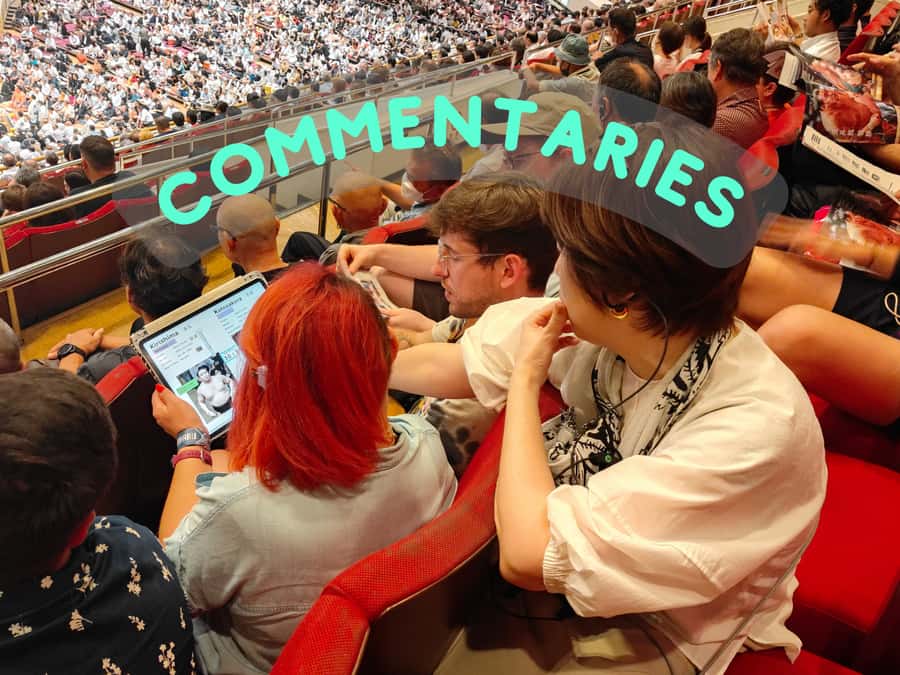
- Real-time in-arena explanation so you understand bouts as they happen
- English pamphlet + tournament info package to keep match details straight
- Ryogoku town walk with stables and sumo-related landmarks from the outside
- Headsets for the guide’s commentary even from farther seats
- Chanko-nabe option if you want to eat what many wrestlers eat
Entering Kokugikan: what the headset and live commentary actually do
The match is the headline, but the magic is how you get there. You don’t just sit down and guess. You hear what matters next: who’s in action, what to watch for, and why certain moments are a big deal in sumo.
The tour includes headsets so you can hear the guide clearly even from farther away. That matters because arena seating can put you at a distance, and sumo goes fast once things get going. When you understand the flow, the sport stops being a spectacle you watch and becomes a contest you can follow.
I also like that the tour isn’t only instruction before you arrive. It’s commentary throughout the viewing portion. That keeps you from drifting during transitions, when you’d normally be waiting for the next bout to start.
Other ringside bookings readers scored
- Tokyo: Sumo Show and Dining Experience
★ 4.8 · 2,742 reviews - the SUMO show
★ 5.0 · 1,960 reviews - Tokyo Shinjuku Sumo Show & Experience with Photo
★ 5.0 · 1,750 reviews - Tokyo: Sumo Show and Experience in Shinjuku
★ 4.8 · 1,001 reviews
The Ryogoku walking tour: sumo life you can see before the ring
Before you ever enter the arena, you walk through Ryogoku, the part of Tokyo strongly associated with sumo. This portion is optional, but it’s one of the best ways to make the tournament feel personal instead of random.
On this walk, you’ll visit sumo-related historical landmarks and look at sumo stables from the outside. You’re not going into private spaces here, but you do get that grounded feeling of sumo as a real training culture, not just a TV event. Seeing where wrestlers live and train in the broader area changes how you interpret the pageantry inside.
This history-and-culture focus is what turns sumo from just action into context. You’ll get explanations tied to origins and tradition, and the guide helps connect what you hear to what you’ll see later on the dohyô.
One practical note: the walking component can take a chunk of the afternoon. If you’re short on time, you can skip the landmark/history part and choose the tour option that focuses only on the arena viewing.
Tournament viewing from 15:00 to 18:00: staying in sync with bouts
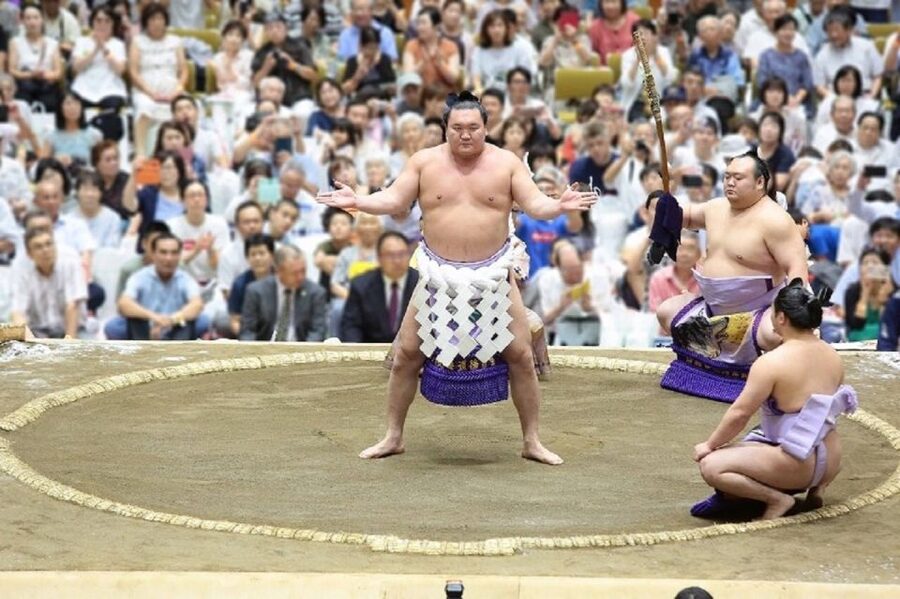
The viewing portion is scheduled from 15:00 to 18:00, and that timing is intentional. It gives you a solid stretch of bouts, plus the chance to see top-division wrestlers. The guide’s real-time commentary is built for this rhythm, so you always know where you are in the event.
Your seats are chair B or chair C. That sounds technical, but it matters because stadium views vary. Even if you’re not at ground level, you can still follow the ring because the guide keeps pointing your attention at the right moments.
A big part of the experience is how you’re helped to track the action. You’ll get a tournament information package, and there’s also a special English pamphlet that the guide walks through. I like this a lot because it reduces the mental load. Instead of trying to decode labels and matchups on your own, you get guided structure.
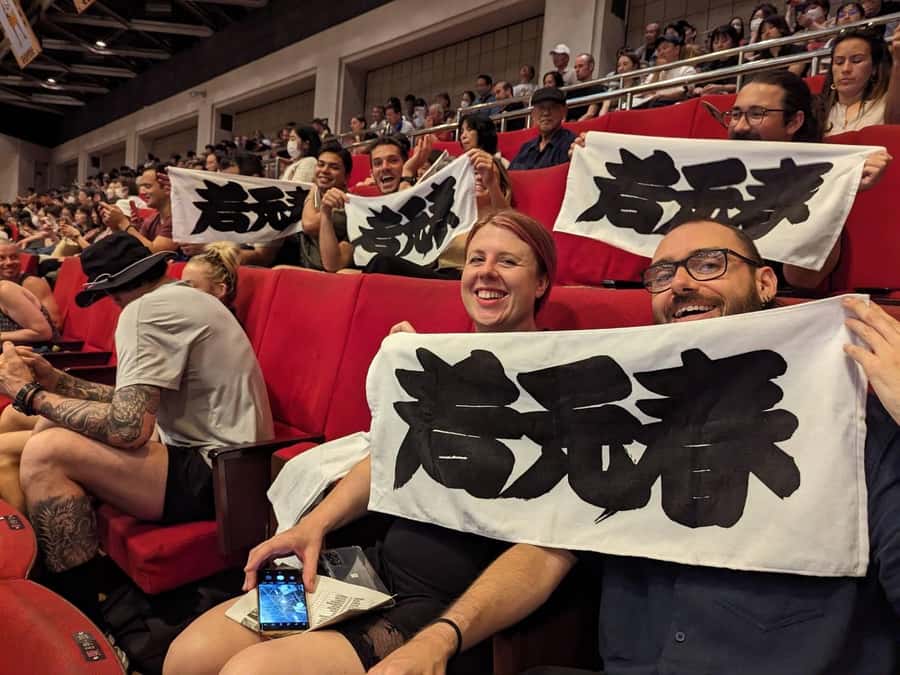
Then there’s the fun part: you join the enthusiasm. You’ll cheer for a wrestler with your guide using the included cheering towel. It’s small, but it pushes you from spectator mode into participant mode, which is exactly what makes sumo feel like a live tradition.
Chanko-nabe option: what the meal adds to the day
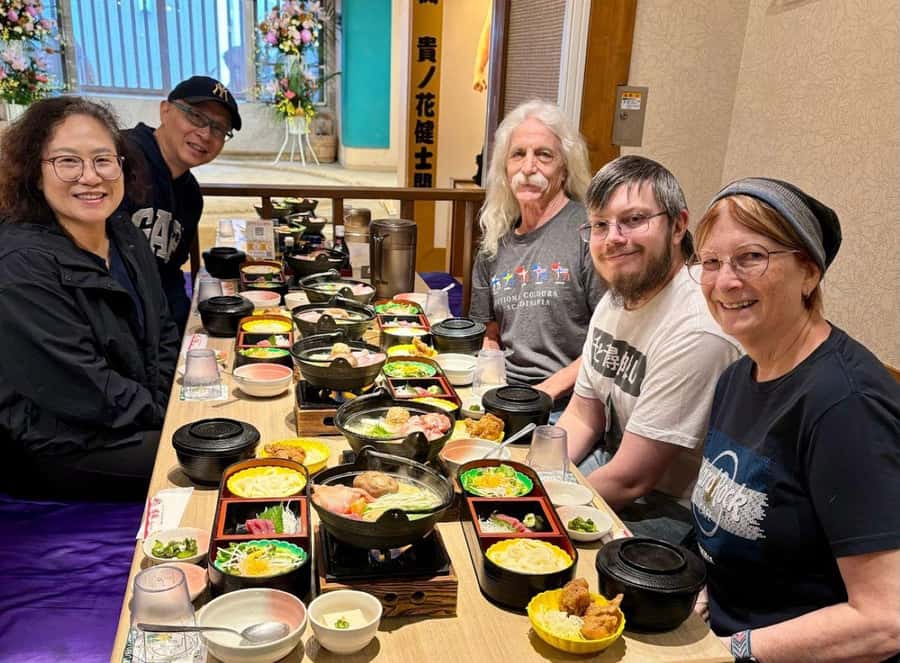
If you choose the chanko-nabe option, you’ll add a meal that’s commonly eaten by sumo wrestlers. The idea is simple: this is nutrient-dense food associated with building the body and sustaining heavy training.
You should know one detail up front: drinks aren’t included for the chanko option, so you’ll need to order separately. That’s an easy cost to miss when you’re focused on the main meal.
The main value of adding chanko is not just eating Japanese food. It’s the storytelling. You’re already learning the cultural background of sumo, and then you eat something tied to the sport’s lifestyle. It helps the day feel connected instead of like two unrelated activities.
If you’re traveling on a tight schedule or you don’t want a longer day, you can also skip the dinner and keep the focus on the arena.
Price and value: is $195 worth it?
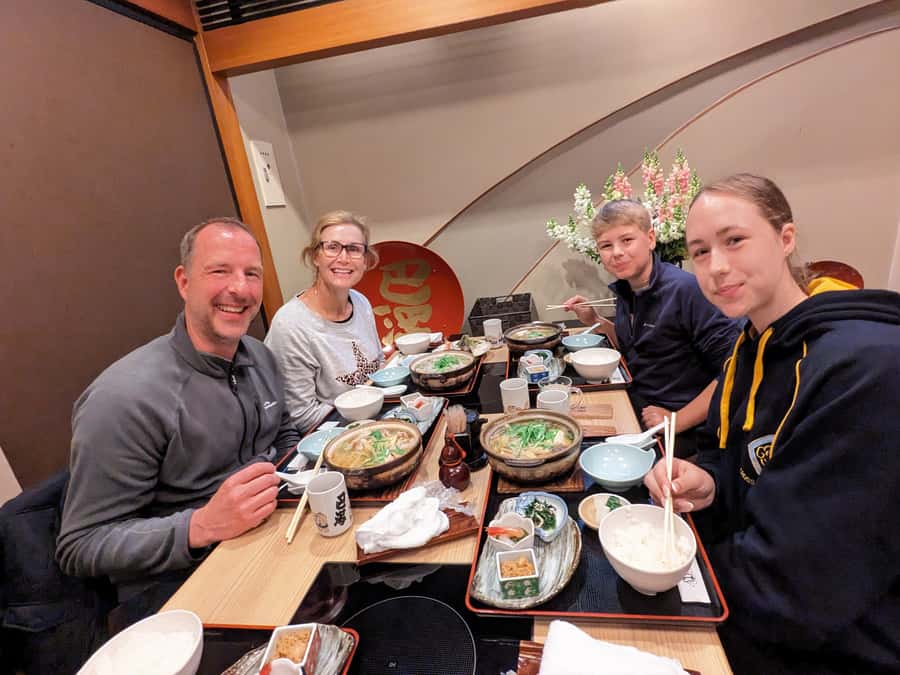
At $195 per person, this tour is pricier than buying a tournament admission ticket by itself. That price may feel steep if you’re the type of person who can wing it easily, finds match records online, and doesn’t need explanations.
But this price buys more than entry. You’re paying for:
- an English-speaking guide who explains sumo history and culture
- real-time commentary during the matches
- headsets so you can hear the guide from your seat
- an English pamphlet plus a tournament information package
- a small group format (maximum 10 travelers)
- the Ryogoku walking portion if you choose the full option
- the cheering towel, which adds to the experience
For me, the value equation is about time and enjoyment. If you want the tournament to make sense quickly, the guide does that work for you. Without commentary, sumo can still be enjoyable, but you’ll spend more time searching for what matters.
If you’re brand-new to sumo, live guidance is often the difference between a good day and a great one. If you’re already a sumo fan who understands the basics, you might prefer a cheaper ticket-only approach. This tour is built for people who want the sport explained while it’s happening.
- Tokyo: Shinjuku Food Tour (13 Dishes at 4 Local Eateries)★ 5.0 · 6,603 reviews
- Tokyo Mt Fuji 5th St & Hakone Cruise Bus Tour w/Bullet Train★ 4.4 · 5,024 reviews
- Flagship 2-Hours Official Street Go-Kart Tour – Tokyo Bay Shop★ 5.0 · 4,974 reviews
- From Tokyo: Mount Fuji Full-Day Sightseeing Trip★ 4.5 · 4,970 reviews
- Tokyo: Hop-On Hop-Off Sightseeing Bus Ticket★ 3.9 · 4,207 reviews
Group size, seats, and that headset reality check
This is a small group tour with a maximum of 10 travelers. That size makes it easier to hear, ask questions, and stay together during the walk around Ryogoku. It also helps during the arena portion, where you need to manage crowd flow without losing track of the guide.
You’ll use headsets included in the tour. In practice, headsets can be a mixed bag in any venue: sound systems, distance, and background noise all play a role. Some people found the headset audio slightly hard to hear at times, but that usually wasn’t a dealbreaker because the guide stayed close enough to catch what you missed.
Comfort matters too. Even when the headset works well, wearing it for a long time can get tiring. The tour can run in multiple parts depending on your selected option, so plan for a day where you’ll be managing some gear.
Accessibility is also straightforward: it’s not suitable for wheelchair users. If mobility is an issue, it’s worth choosing another sumo option that matches your needs.
If you’re bringing a baby or toddler, infants (0–3) must sit on your lap, and infants are free of charge. You’ll want to let the operator know how many infants are coming if you take one along.
How to pick the right option: full-day walk plus sumo vs sumo-only
You can combine the tour parts in a couple of ways, and picking the right mix changes the whole day.
- Landmark/history tour (13:00–15:00) + arena viewing (15:00–18:00): best if you want context first and action later. This option makes the tournament feel earned.
- Sumo viewing only (15:00–18:00): best if you’re short on time or you’ve seen the Ryogoku area already. You’ll still get commentary and the match-focused experience.
- Chanko dinner option: choose this if you want the lifestyle connection. It adds time, and drinks aren’t included.
If you’re new to sumo, I’d lean toward the full-day flow. It helps you watch with better instincts instead of relying on luck.
Who this tour is for (and who should skip it)
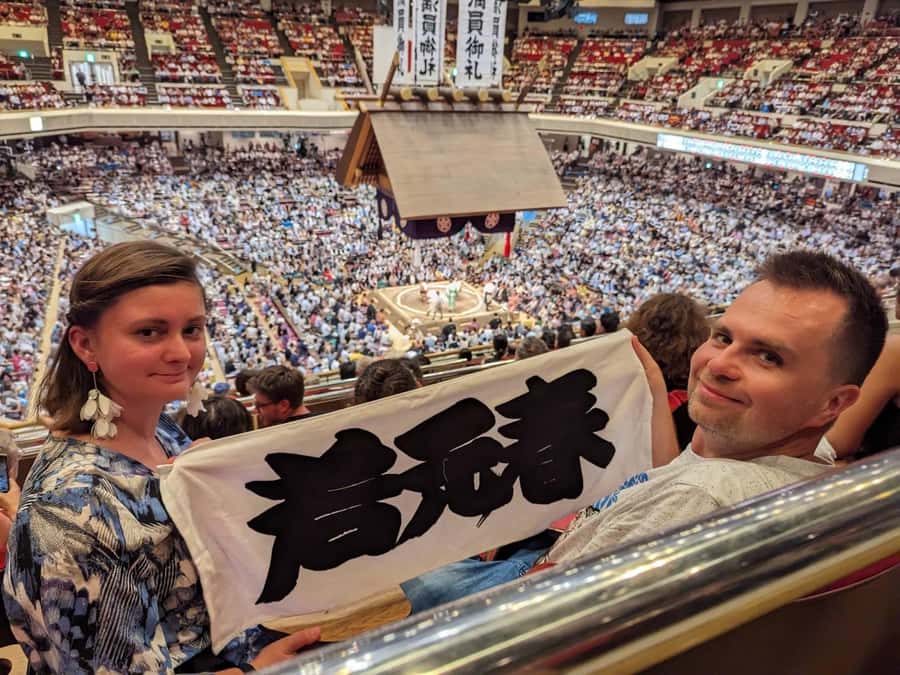
This tour is a great match if:
- you want English guidance throughout the tournament
- you’re curious about sumo’s origins and traditions
- you like small groups and structured experiences
- you want to understand bouts instead of just watching movement
It might be less ideal if:
- you’re mainly chasing the cheapest possible ticket
- you already know sumo rules and match formats and don’t want narration
- you can’t handle a long day with a headset (even if the guide’s close by)
Should you book this Tokyo Grand Sumo Tournament Tour?
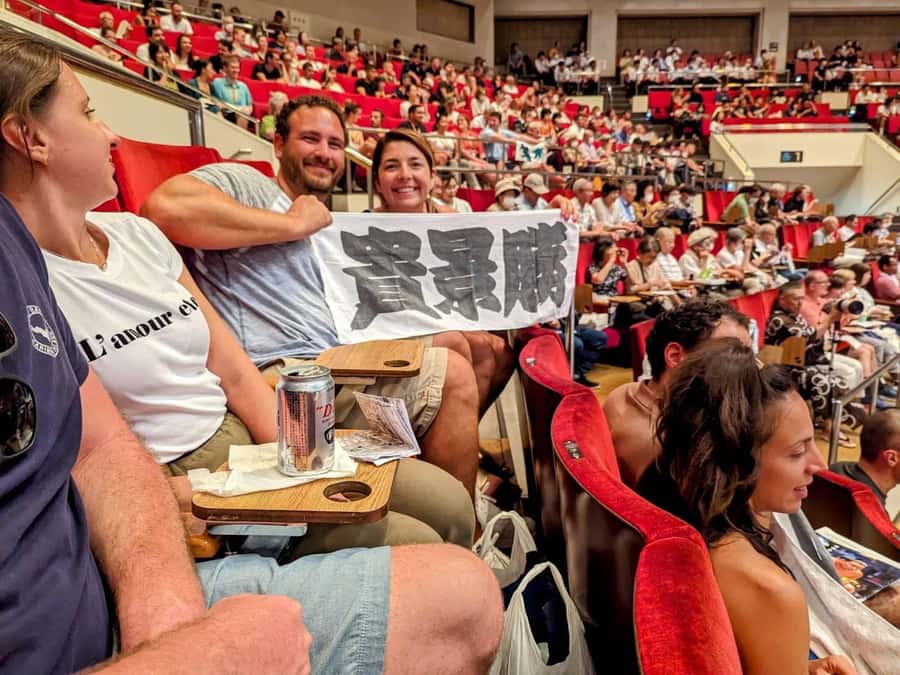
Book it if you want sumo to make sense fast. The combination of real-time commentary, English match support, and a Ryogoku history walk is what turns a tournament outing into a real cultural experience. The cheering moment with the towel is also a small detail that nudges you toward actually participating in the atmosphere.
Skip it if your priority is only getting into the arena at the lowest cost. In that case, buying admission on your own may fit better, and you can always add sumo learning elsewhere.
If you do book, do one smart thing: arrive ready to listen. You’ll get the most out of this tour when you treat the guide like part of the show, not like a background narrator.
FAQ
Where is the meeting point for the tour?
You meet at the left side of the Kokugikan arena front gate. The tour ends back at the same meeting point.
What time options are available?
There’s a 13:00–15:00 option for the landmark/history portion, and a 15:00–18:00 option for the arena viewing. You can also choose to join only the 15:00–18:00 viewing portion.
What’s included if I choose the chanko-nabe option?
Chanko-nabe is included as a meal option. Drinks for the meal are not included and must be ordered separately.
How do I hear the guide in the arena?
The tour includes headsets to hear the guide clearly, even from a distance. You’ll also get real-time commentary during the tournament.
What seating will I have?
The tour uses chair B seats and chair C seats.
Is the tour wheelchair accessible?
No. The tour is not suitable for wheelchair users.
More Tours in Tokyo
- Mt Fuji and Hakone 1-Day Bus Tour Return by Bullet Train
★ 5.0 · 26,383 reviews - 1-Day Tokyo Bus Tour
★ 5.0 · 14,250 reviews - Tokyo: Shinjuku Food Tour (13 Dishes at 4 Local Eateries)
★ 5.0 · 6,603 reviews - Tokyo Mt Fuji 5th St & Hakone Cruise Bus Tour w/Bullet Train
★ 4.4 · 5,024 reviews - Flagship 2-Hours Official Street Go-Kart Tour – Tokyo Bay Shop
★ 5.0 · 4,974 reviews
More Tour Reviews in Tokyo
- Mt Fuji and Hakone 1-Day Bus Tour Return by Bullet Train
★ 5.0 · 26,383 reviews - 1-Day Tokyo Bus Tour
★ 5.0 · 14,250 reviews - Tokyo: teamLab Planets TOKYO Digital Art Museum Entry Ticket
★ 4.6 · 9,779 reviews - Mt Fuji & Hakone Cruise, Drum Show Bullet Train 1 Day from Tokyo
★ 4.0 · 7,413 reviews - Tokyo: Shinjuku Food Tour (13 Dishes at 4 Local Eateries)
★ 5.0 · 6,603 reviews
More Sumo, Ringside and Rated
- Tokyo: Sumo Show and Dining Experience
★ 4.8 · 2,742 reviews - the SUMO show
★ 5.0 · 1,960 reviews - Tokyo Shinjuku Sumo Show & Experience with Photo
★ 5.0 · 1,750 reviews - Tokyo: Sumo Show and Experience in Shinjuku
★ 4.8 · 1,001 reviews - Tokyo Grand Sumo Tournament Viewing Tour with Tickets
★ 5.0 · 692 reviews
Latest Tokyo reviews off our desk


Sumo Tournaments & Shows, compared.
 ★ 4.8Sumo Show and Dining ExperienceFrom $792,742 reviews
 ★ 5.0the SUMO showFrom $891,960 reviews
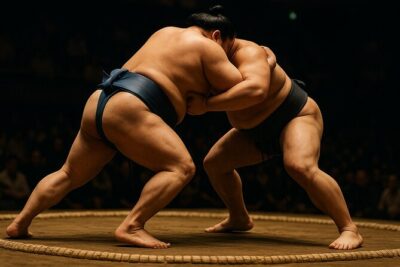 ★ 5.0Tokyo Shinjuku Sumo Show & Experience with PhotoFrom $791,750 reviews
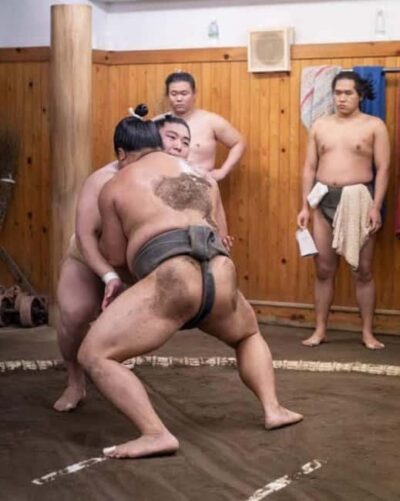 ★ 4.8Sumo Show and Experience in ShinjukuFrom $691,001 reviews
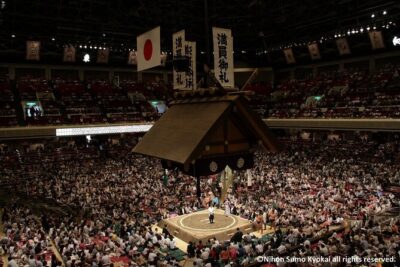 ★ 5.0Tokyo Grand Sumo Tournament Viewing Tour with TicketsFrom $124692 reviews
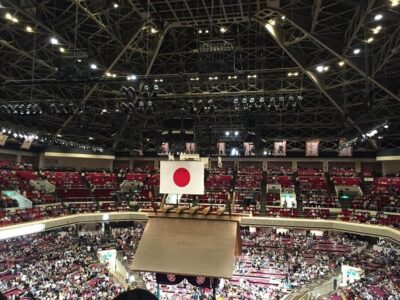 ★ 5.0Tokyo Sumo Wrestling Tournament ExperienceFrom $124660 reviews
 ★ 4.7Luxury Sumo Show Experience & Japanese cuisine & DrinkFrom $103577 reviews
 ★ 4.8Sumo Morning Practice Viewing TourFrom $81570 reviews
Browse the lists this tour appears in