
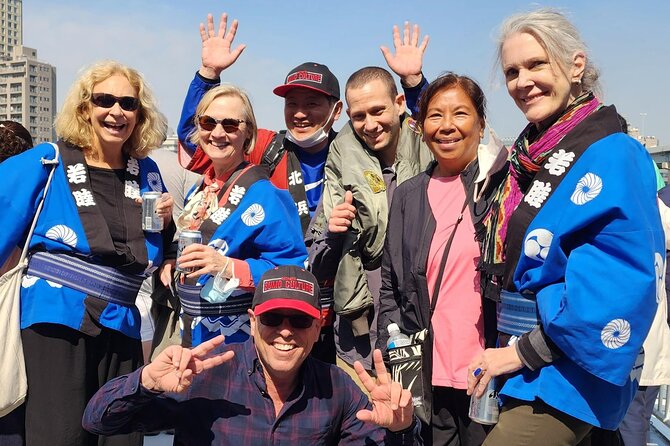
Reviewed · SUMO TOURNAMENTS & SHOWS
Tokyo – Grand Sumo Tournament
Sumo in Tokyo is sport, theater, and tradition all at once. This Grand Sumo Tournament ticket gets you into the action at Ryōgoku Kokugikan, with fans cheering like it is playoff season. You’re not hunting for tickets last-minute either, since prebooking is the point of the experience.
I especially like the sheer energy. In a good sumo match, you feel the crowd respond instantly—one moment it’s quiet, the next it’s noise. I also like that the experience frames sumo as culture, not just competition, so you’re watching with context instead of just translation.
One thing to consider: this is largely a ticket-only experience and does not include transportation. If you’re hoping for a guaranteed guided deep-dive or consistent access to wrestler training, plan your expectations around the match itself and what’s scheduled that day.
In This Review
- Key things to know before you go
- Ryōgoku Kokugikan: Where Sumo Turns Into a Big-Sport Event
- Tokyo or Osaka: Picking the Right Tournament Dates
- Your 2-Hour Match Visit: What You’ll See and How It Feels
- Price, Paper Tickets, and Optional Seat Upgrades
- Meeting Point, Getting There, and What to Plan for
- Does This Include Training and Temples? How Sumo Culture Pieces Fit
- Who should book this Grand Sumo Tournament ticket?
- Should you book this Tokyo/Osaka Grand Sumo Tournament experience?
- FAQ
- How long is the Grand Sumo Tournament experience?
- Where does the experience take place?
- What is the meeting point and start time?
- Is transportation included?
- Do I receive a paper ticket?
- Can I upgrade my seats?
- Is the experience refundable if I cancel?
Key things to know before you go
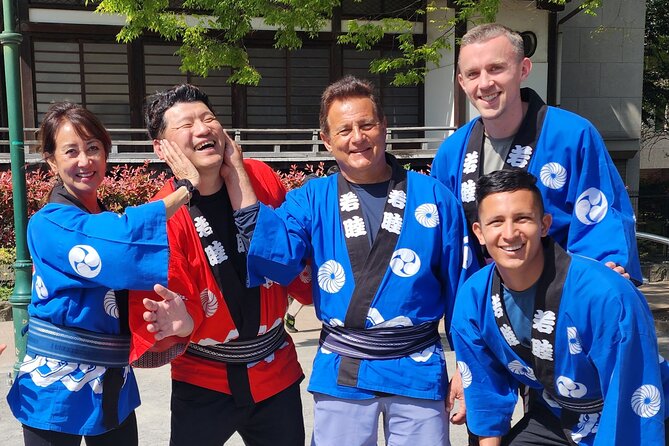
- Ryōgoku Kokugikan is the Tokyo sumo hub, and it’s built for big-match atmosphere.
- Prebooking matters: you get a spot at a popular, in-demand event.
- It’s a compact outing (about 2 hours), so it fits neatly into a day.
- Paper ticket and possible seat upgrades help you manage the day quickly.
- Group size is capped at 20, which keeps the vibe from getting chaotic.
Ryōgoku Kokugikan: Where Sumo Turns Into a Big-Sport Event
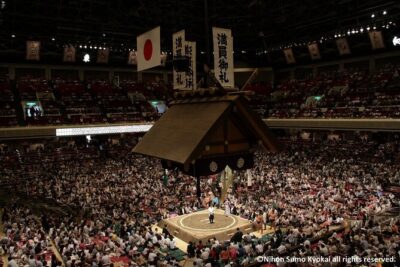
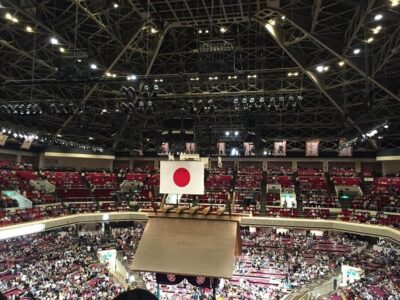
If you’ve never been to a Grand Sumo Tournament, this is one of the quickest ways to see why Japan treats sumo like a national sport. The arena setting at Ryōgoku Kokugikan has that clear “match-day” feeling: people are dressed for the moment, conversations move from casual to focused, and when bouts start, the attention in the room tightens fast.
What makes this venue work for first-timers is that the crowd behaves like you’d expect at a major league event. You don’t need insider knowledge to understand when something matters—you feel it. Even if you’re there for the cultural side, you’ll quickly see how physical and intense the sport is, and how quickly the outcome changes from anticipation to impact.
A practical plus: the experience is timed as an approximately 2-hour visit. That’s helpful if you’re balancing Japan logistics, jet lag, and the rest of your Tokyo plans. You get the core experience without turning it into a full day of scheduling stress.
Other ringside bookings readers scored
- Tokyo: Sumo Show and Dining Experience
★ 4.8 · 2,742 reviews - the SUMO show
★ 5.0 · 1,960 reviews - Tokyo Shinjuku Sumo Show & Experience with Photo
★ 5.0 · 1,750 reviews - Tokyo: Sumo Show and Experience in Shinjuku
★ 4.8 · 1,001 reviews
Tokyo or Osaka: Picking the Right Tournament Dates
This experience follows the tournament calendar and may be in Tokyo or Osaka, depending on the dates you book. That flexibility is useful: Tokyo is usually where people land first, but Osaka can be a better fit if you’re already building an itinerary in the Kansai region.
Here are the published tournament windows for 2026:
- Tokyo: Jan 11–25, 2026 and May 10–24, 2026
- Osaka: Mar 8–22, 2026
My rule of thumb: pick the city that reduces your travel friction. If you’re already set on Tokyo for most days, grab a Tokyo date. If you’re doing Osaka anyway (or want to split time between regions), Osaka can feel like a more natural fit.
Also note: the experience includes admission, and the event you’re buying is the match itself. That’s good. You’re not gambling on whether you’ll stumble into the right cultural moment—you’re booked for the tournament.
Your 2-Hour Match Visit: What You’ll See and How It Feels
The heart of this outing is simple: watch a Grand Sumo match live. You’ll be at Ryōgoku Kokugikan for the session, and it’s set up as a ticketed entry experience, not a long scripted tour.
What you’ll likely notice right away is that sumo doesn’t feel casual. The sport has a strong sense of ritual and seriousness, and the crowd reacts with real emotion. This is one of those activities where you can learn a lot just by watching: how wrestlers move, how quickly the room responds, and how the traditions shape the pacing of the competition.
Expect the experience to be energetic, but not rushed. The roughly 2-hour duration is long enough for you to settle in, find your rhythm, and feel what makes match-day different. It’s also short enough that, if you want, you can keep your day moving afterward.
Two extra notes from how these outings are described:
- You may get additional cultural context as part of the broader experience (some hosts mentioned in past groups have focused on history and tradition around sumo).
- You should still anchor your expectations on the main event: your guaranteed entry to watch sumo live.
Price, Paper Tickets, and Optional Seat Upgrades
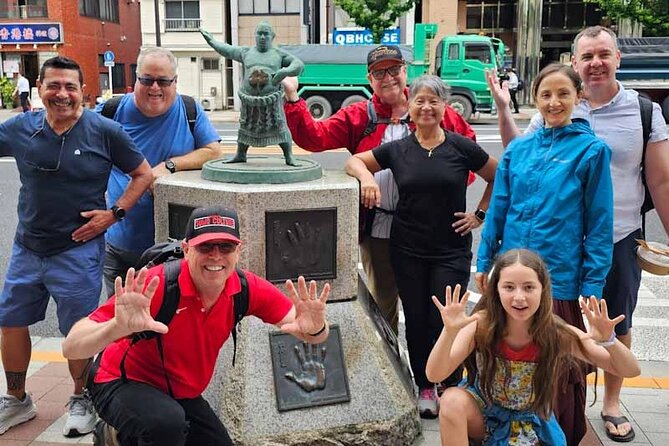
At $565 per person, you’re paying for three big things: access, convenience, and control. Live tournament tickets in Japan can be tricky, and this experience is built around prebooking so you don’t spend your time refreshing ticket pages.
Is it “cheap”? No. But value in Japan often comes from removing friction—especially when the activity is popular. Here, you’re buying the odds that your day goes smoothly.
A few logistics details that matter for your budget and your sanity:
- Admission is included in the ticket price.
- Paper tickets are part of the experience, so treat the physical ticket like a small passport. Don’t leave it loose in a bag where it gets folded a hundred times.
- Upgraded seats are available for an additional fee. If you’re going to spend your day focused on the match, upgrading can be worth it—especially if your seating choice affects how clearly you can follow action in the ring.
Also, the group cap (max 20 travelers) is a quiet value booster. Smaller groups tend to move faster at meeting points and keep things more manageable around the venue.
Meeting Point, Getting There, and What to Plan for
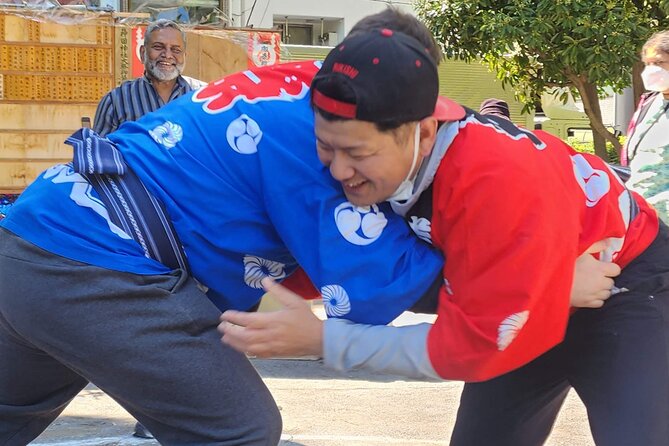
This experience starts at 10:00 am and meets at Ryōgoku Edo NORENJapan, 1-chōme 3-20, 1階, Yokoami, Sumida City, Tokyo. The activity ends back at the meeting point.
Two things I’d take seriously:
- Transportation is not included. You’ll need your own route planning to get to Ryōgoku.
- You’re on your own inside the flow. Since this is described as ticket-only, don’t plan your day around help from a guide to navigate the arena. Plan to figure out your entry process on site.
What I recommend for a smooth morning:
- Arrive a bit early around Ryōgoku so you can find the meeting spot without stress.
- Build in extra time for crowds. Grand sumo draws real attention.
- If you’re pairing this with other sights in Tokyo, schedule something flexible right after. Two hours sounds short—until you realize how long it takes to leave an arena with excited fans.
One more practical detail: service animals are allowed, and the experience is listed as suitable for most travelers. That’s helpful when you’re comparing tours.
- Tokyo: Shinjuku Food Tour (13 Dishes at 4 Local Eateries)★ 5.0 · 6,603 reviews
- Tokyo Mt Fuji 5th St & Hakone Cruise Bus Tour w/Bullet Train★ 4.4 · 5,024 reviews
- Flagship 2-Hours Official Street Go-Kart Tour – Tokyo Bay Shop★ 5.0 · 4,974 reviews
- From Tokyo: Mount Fuji Full-Day Sightseeing Trip★ 4.5 · 4,970 reviews
- Tokyo: Hop-On Hop-Off Sightseeing Bus Ticket★ 3.9 · 4,207 reviews
Does This Include Training and Temples? How Sumo Culture Pieces Fit
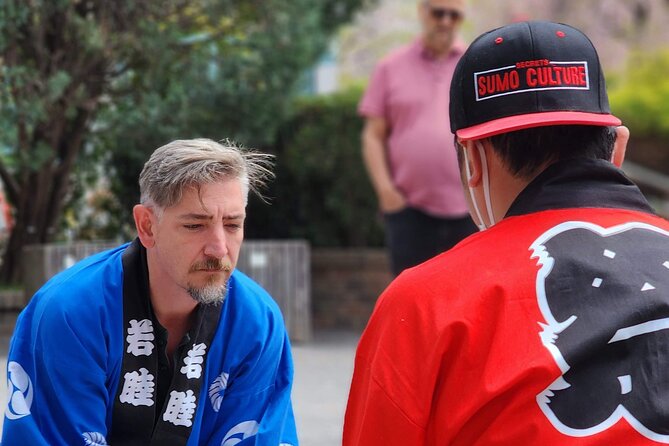
The match is the anchor. But sumo is bigger than the ring, and this experience is designed to connect you to that wider world.
Some versions of this kind of day have included cultural stops around Ryōgoku such as Buddhist temples, Shinto shrines, and even time in a Japanese garden setting. You may also see extra elements tied to traditions around sumo and training culture, especially when schedules allow it.
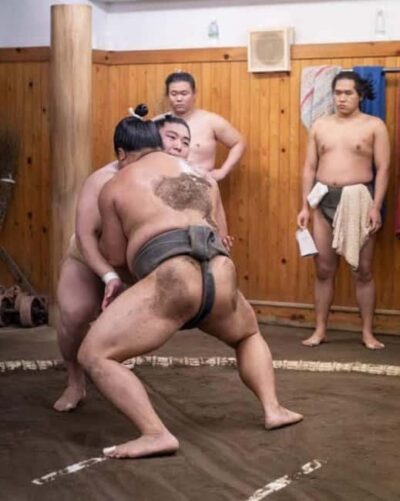
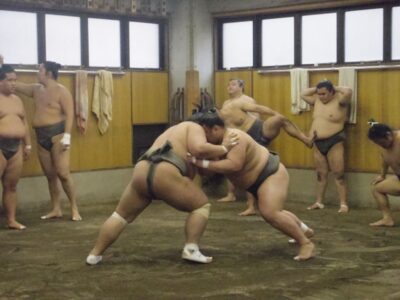
Here’s the important part for your planning: training access and extra cultural add-ons can depend on what’s happening at the time. Past group accounts have talked about training visibility changing based on timing. So if your “must” is seeing wrestlers train, I’d treat that as a bonus when schedules align—not a guaranteed feature.
Also, a few groups have praised hosts for explaining culture and tradition, with names like Ken and Shin coming up in past write-ups. If you enjoy tours where someone puts the sport into human context—history, discipline, and meaning—there’s a decent chance you’ll get that kind of framing as part of the experience.
Just keep one expectation grounded: the most reliable piece is your ticketed access to the tournament match. Build your day around that, and everything else can be gravy.
Who should book this Grand Sumo Tournament ticket?
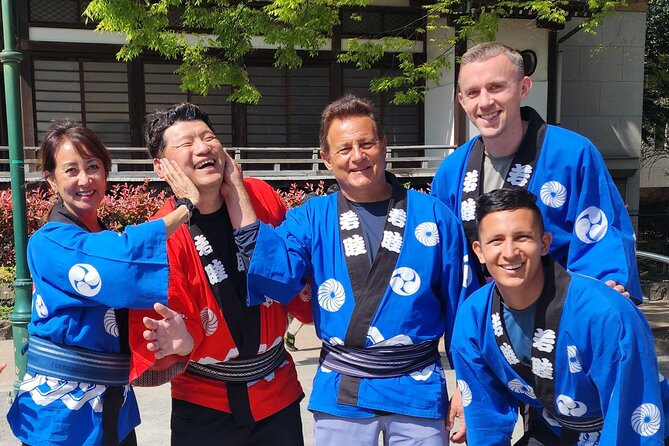
This is a strong match for you if:
- You want guaranteed entry to a top-tier Japanese sports event.
- You care about culture and want to watch with more meaning than just a stopwatch.
- You prefer a focused outing (about 2 hours) rather than an all-day program.
- You’re comfortable handling logistics yourself since transportation is not included.
You might want to think twice if:
- You’re expecting a full guided tour inside the arena as part of the ticket. This is described as ticket-only.
- You’re traveling with strict time constraints for other activities and need a very tightly predictable agenda beyond the match.
- Your top priority is wrestler training every time, no matter what. Training access can be schedule-dependent.
The sweet spot is simple: treat this as a match-day experience first. If you also end up getting extra cultural context or additional stops, great—you’re already winning.
Should you book this Tokyo/Osaka Grand Sumo Tournament experience?
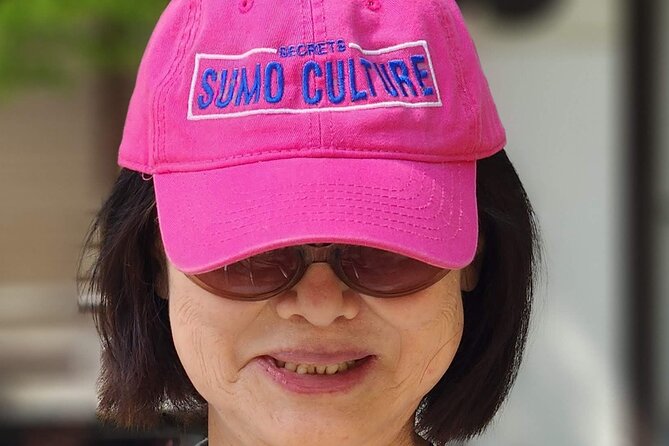
I’d book it if you want the cleanest way to see Grand sumo live, without ticket scrambling. The price reflects the value of access, the match is the main event, and Ryōgoku is the right place for a real sumo atmosphere.
Skip it or plan differently if you need transportation included or you want a guaranteed, in-depth guided walk-and-teach experience every time. In that case, compare against options that explicitly include more structured guidance and clearer schedules.
FAQ
How long is the Grand Sumo Tournament experience?
It runs about 2 hours (approximately).
Where does the experience take place?
In Tokyo, it’s at Ryōgoku Kokugikan. The tournament location can also be Osaka depending on the date.
What is the meeting point and start time?
Meet at Ryōgoku Edo NORENJapan in Sumida City at 10:00 am. The activity ends back at the meeting point.
Is transportation included?
No. Transportation is not included, so you’ll need to arrange how to get to the meeting point and venue.
Do I receive a paper ticket?
Yes. The experience includes a paper ticket.
Can I upgrade my seats?
Upgraded seats are available for an additional fee.
Is the experience refundable if I cancel?
No. It’s non-refundable and cannot be changed for any reason.
More Tour Reviews in Tokyo
- Mt Fuji and Hakone 1-Day Bus Tour Return by Bullet Train
★ 5.0 · 26,383 reviews - 1-Day Tokyo Bus Tour
★ 5.0 · 14,250 reviews - Tokyo: teamLab Planets TOKYO Digital Art Museum Entry Ticket
★ 4.6 · 9,779 reviews - Mt Fuji & Hakone Cruise, Drum Show Bullet Train 1 Day from Tokyo
★ 4.0 · 7,413 reviews - Tokyo: Shinjuku Food Tour (13 Dishes at 4 Local Eateries)
★ 5.0 · 6,603 reviews
More Sumo, Ringside and Rated
- Tokyo: Sumo Show and Dining Experience
★ 4.8 · 2,742 reviews - the SUMO show
★ 5.0 · 1,960 reviews - Tokyo Shinjuku Sumo Show & Experience with Photo
★ 5.0 · 1,750 reviews - Tokyo: Sumo Show and Experience in Shinjuku
★ 4.8 · 1,001 reviews - Tokyo Grand Sumo Tournament Viewing Tour with Tickets
★ 5.0 · 692 reviews
Latest Tokyo reviews off our desk

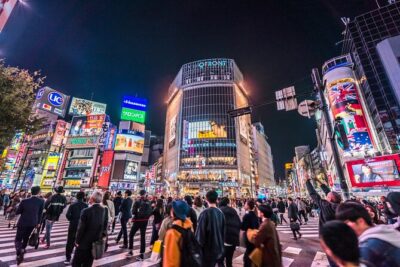
Sumo Tournaments & Shows, compared.
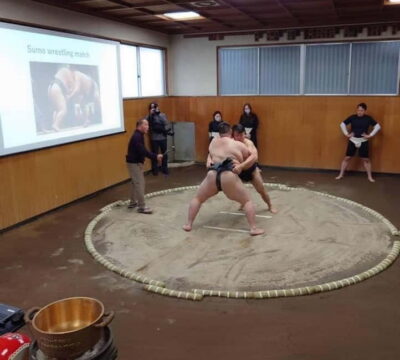 ★ 4.8Sumo Show and Dining ExperienceFrom $792,742 reviews
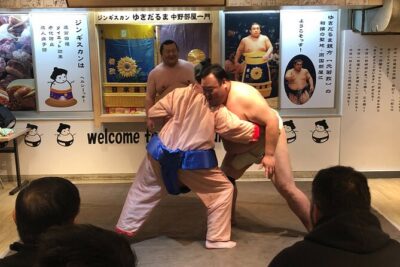 ★ 5.0the SUMO showFrom $891,960 reviews
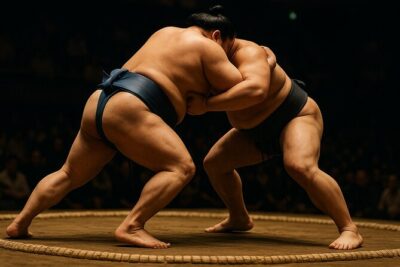 ★ 5.0Tokyo Shinjuku Sumo Show & Experience with PhotoFrom $791,750 reviews
 ★ 4.8Sumo Show and Experience in ShinjukuFrom $691,001 reviews
 ★ 5.0Tokyo Grand Sumo Tournament Viewing Tour with TicketsFrom $124692 reviews
 ★ 5.0Tokyo Sumo Wrestling Tournament ExperienceFrom $124660 reviews
 ★ 4.7Luxury Sumo Show Experience & Japanese cuisine & DrinkFrom $103577 reviews
 ★ 4.8Sumo Morning Practice Viewing TourFrom $81570 reviews
Browse the lists this tour appears in