
Tokyo’s most symbolic address feels quiet, then suddenly complex. This 2-hour walk turns the Imperial Palace grounds into a map you can read, with a guide pointing out history you’d never spot on your own. I like that it mixes Edo Castle remnants with real explanations in plain English, and it also includes a traditional snack only available at the palace area.
Two things I especially liked: the way the guide makes structures feel meaningful (not just pretty walls), and how friendly the experience is in real time. I’ve seen guides like Masa and Rini earn that 5/5 energy with humor, patience, and a focus on what each building or garden element used to do. One drawback to plan for up front: the tour does not mean you’ll see the Emperor’s residence up close—parts of the palace area are not open to the public, and you’ll mainly be walking the grounds.
Key things to know before you go
- Palace-only snack: You get one traditional snack served in the Imperial Palace area, not a generic stop somewhere else.
- Edo Castle context: Many stops connect directly to the Edo-period layout, defenses, and court life.
- English live guide: You’ll be able to ask questions while walking (not just listen to a headset).
- Photo opportunities: Gates, guardhouses, and garden angles give you plenty to shoot.
- Security check required: Entering the palace grounds involves screening, so don’t cut it close.
- Mostly outside: Weather matters—plan for rain or shine in comfortable walking shoes.
In This Review
- Imperial Palace Grounds Without the Guesswork
- The Edo Castle Story You Can See in Plain View
- Start Point at Starbucks: Easy Meeting, Clear Direction
- Walking the Grounds: Sakurada Tatsumi Yagura to Obansho Guardhouse
- Sakurada Tatsumi Yagura
- Ote-Mon Gate
- Constable Guardhouse
- Hyakunin Bansho Guardhouse
- Ninomaru Garden
- 諏訪の茶屋 (Suwa no Chaya)
- 都道府県の木 (Prefectural Trees)
- Former Site of Edo Palace Ooku (Imperial Kitchen)
- Edo Castle Ruins
- Stone Hut Imperial Palace East Gardens
- Fujimi-tamon Defense House
- Fujimi-yagura
- Site of Edo Castle Honmaru (Main Hall)
- 中之門跡 (Naka-no-Mon Site)
- Obansho Guardhouse
- Snack and Vending Machine Drink: Small Food, Specific Place
- Price and Value: $19 for 2 Hours That Actually Teaches
- Before You Go: Shoes, Weather, and Security Check Reality
- Who This Tour Fits Best (and Who Should Skip It)
- Should You Book This Tokyo Imperial Palace Walk and Food Tasting Tour?
- FAQ
- How long is the Tokyo Imperial Palace Historical Walk and Food Tasting Tour?
- What does the tour include for food and drinks?
- Where do we meet for the tour?
- Is the Emperor’s residence open to the public during this tour?
- Do I need to go through security checks?
- Is the tour suitable for wheelchair users?
Imperial Palace Grounds Without the Guesswork
If you’ve ever walked Tokyo and wondered how it all stayed standing through centuries, this tour gives you an answer you can actually see. The Imperial Palace is the center of gravity for Japanese history and identity. Even though the Emperor’s residence itself isn’t open to the public, the surrounding grounds still hold clues—gates, gardens, guardhouses, and defensive features—that help you understand how power moved here over time.
What I like is that this is not a “look at this rock” stroll. You’re walking through the same kind of space that shaped city life—first under Edo Castle influence, later under the Imperial court. A good guide makes that shift click. And when you finish the walk, you’re not just tired; you’re clearer.
Expect an expert English-speaking guide leading you from stop to stop with explanations designed for people who don’t already know the palace map. Guides such as Masa (and sometimes Rini) are known for turning architecture into stories—why a gate is where it is, what a guardhouse implies, and how garden design fits the setting.
The Edo Castle Story You Can See in Plain View
Tokyo’s Edo period isn’t just a textbook topic here—it’s built into the ground plan. The tour’s stops are organized to connect the Imperial Palace grounds with the former Edo Castle layout and function, especially around fortifications and how people moved through controlled spaces.
You start near the Imperial area and then work your way through features that sound technical but feel visual. Names like Sakurada Tatsumi Yagura (a watchtower-like structure), Ote-Mon Gate (main gate area), and Fujimi-tamon Defense House (defensive architecture) aren’t random. They’re markers showing you how security and authority were physically expressed.
A nice part of the experience is that the guide doesn’t treat the Edo elements like trivia. You’ll be learning how these structures supported order—guarding, regulating access, and shaping movement. That’s where this tour becomes more valuable than a self-guided stroll.
Also, be ready for a reality check: from the descriptions and common rules for the palace area, you won’t “tour” the Emperor’s residence. You will walk through lots of the public grounds and learn how the system worked anyway.
More walks around the Imperial grounds
- Tokyo: Imperial Palace and Shogun Historical Walking Tour
★ 5.0 · 2,251 reviews - Tokyo: Imperial Palace Japanese History Walking Tour
★ 4.9 · 987 reviews - Tokyo: Imperial Palace and Shogun Walking Tour
★ 4.9 · 935 reviews - Imperial Palace East Garden and Edo Castle Walking Tour in Tokyo
★ 5.0 · 510 reviews
Start Point at Starbucks: Easy Meeting, Clear Direction
Meeting is at スターバックス コーヒー 皇居外苑 和田倉噴水公園店 (Starbucks Coffee at the Imperial Palace East Garden area / Wadakura Fountain Park). The guide holds a sign with an aircraft logo for Fantasy Travel Japan, so you won’t be hunting for a person in a sea of umbrellas.
This matters more than it sounds. A 2-hour tour can feel short if you’re trying to locate the group. Starting at a familiar landmark keeps your time for walking and learning.
If you like arriving early, give yourself a little buffer to use the restroom, check the weather, and get settled before the first stop. The tour includes a walk that is a good mix of outside areas, so that buffer helps when Tokyo weather is doing its own thing.
Walking the Grounds: Sakurada Tatsumi Yagura to Obansho Guardhouse
You’ll spend the 2 hours moving through a sequence of palace features. Here’s what each stop adds to the overall story—and what to watch for while you’re there.
Sakurada Tatsumi Yagura
This is your first “this place had purpose” moment. Yagura structures are part of the castle-era defensive system, and the guide uses the location to explain how observation and security mattered. I like starting here because it sets the tone: you’re not just looking at old things; you’re learning how people managed safety and access.
Ote-Mon Gate
Main gate areas are where rules become physical. Expect the guide to connect the gate’s position to how entry and movement worked. When you see it with context, you understand why gates weren’t only decorative.
Readers also shortlisted these Tokyo bookings:
- Tokyo Tsukiji Fish Market Food and Culture Walking Tour★ 5.0 · 3,184 reviews
- Tokyo: Imperial Palace and Shogun Historical Walking Tour★ 5.0 · 2,251 reviews
- Tokyo: Shinjuku Local Bar and Izakaya Guided Walking Tour★ 4.9 · 1,794 reviews
- Tokyo: Tsukiji Fish Market Food and Walking tour★ 5.0 · 1,724 reviews
- Tokyo: Asakusa Walking Tour with Sensoji Temple Visit★ 4.8 · 1,583 reviews
Constable Guardhouse
Guardhouses are practical. The tour treats this as more than a building you pass by. You’ll learn how such spaces supported control and communication in the castle-era setup, and why guard roles mattered in a place of high importance.
Hyakunin Bansho Guardhouse
Names like Hyakunin Bansho sound like they belong in an old scroll—and that’s the point. This stop helps you link the Imperial Palace grounds to Edo Castle organization. Watch how the guide frames these points as parts of a larger system, not standalone objects.
Ninomaru Garden
Now you slow down. Gardens here are not just “nice greenery.” They’re tied to how space was used around power centers. If you like photography, this stop is where you’ll likely appreciate angles and seasonal views, because the garden layout gives you compositions that feel calm compared with the defensive architecture nearby.
諏訪の茶屋 (Suwa no Chaya)
This is a short shopping and sightseeing break. The stop is built into the experience for a reason: it’s a chance to see a traditional-style tea-house setting within the palace context. You’ll have time for a quick look, and the guide’s commentary can help you understand what you’re looking at without making it complicated.
都道府県の木 (Prefectural Trees)
This kind of stop can feel abstract until you learn why it’s here. You’ll get explanations on what the tree reference signals in terms of place and representation. It’s a small pause that helps the tour balance the heavy Edo/defense themes with a more modern layer of meaning.
Former Site of Edo Palace Ooku (Imperial Kitchen)
This is where the tour starts to feel human. A palace kitchen site isn’t just architecture; it’s daily life. Even if the exact structures aren’t what you expect, the guide helps you imagine how the Edo-era household functioned, and why food preparation mattered in a controlled environment.
Edo Castle Ruins
This part is the payoff for the Edo focus. “Ruins” can sound vague, but you’re walking through areas that hold remnants. The guide connects these remains to the former Edo Castle layout, so you’re not left guessing what used to be here.
Stone Hut Imperial Palace East Gardens
Stone-hut type structures add texture. The guide uses this stop to show how the grounds were engineered for practicality. Pay attention to how the tour moves from broad defenses into specific structures—each one acts like a puzzle piece.
Fujimi-tamon Defense House
Again, defense-focused architecture takes center stage. The guide frames what you’re seeing with how access and security were handled. If you tend to get bored by technical details, this stop can still work because it’s explained in a way that connects directly to “why would it be built here?”
Fujimi-yagura
This is another tower/observation-linked feature, reinforcing the Edo Castle security theme. You’ll likely notice that by now you can spot patterns—positions, sightlines, and the logic of controlled spaces—even if you don’t read Japanese architecture fluently.
Site of Edo Castle Honmaru (Main Hall)
Honmaru is the kind of name that implies authority. The guide connects the meaning of the main hall area to the center-of-power story. Expect this stop to bring together the defensive pieces you saw earlier with the idea of governance and command.
There’s also a shopping element here, which is handy if you want a small souvenir after you’ve earned it through learning.
中之門跡 (Naka-no-Mon Site)
Sites like this are where you learn to see “missing” things. Even if you’re not looking at a full original building, the guide helps you understand why the location matters. This is a great stop for people who like history but hate when history is stuck in blurry photos.
Obansho Guardhouse
You finish with one more guard-focused feature. Ending here makes sense because it ties the walk back to the system theme: control, access, and organization. When you reach Obansho, you should feel like the palace grounds make more sense as a whole.
Snack and Vending Machine Drink: Small Food, Specific Place
This is one of the tour’s most practical differentiators. You get one traditional snack only at the Imperial Palace area. That means the food is tied to where you are, not just added as a random “included item.”
You also get one drink from a vending machine near the area. It’s simple, but it’s useful when you’re walking for 2 hours. In Tokyo, vending drinks can be a big part of how people actually pace themselves while sightseeing, and here it supports the flow of the tour.
Bring a plan for eating: this is a single snack, not a meal replacement. If you’re doing this early or mid-day, you’ll want to eat proper food before or after with your own timing.
Price and Value: $19 for 2 Hours That Actually Teaches
At $19 per person for a 2-hour guided walk, the value comes from the mix of things you can’t easily replicate: an English-speaking guide, palace-area access that includes security screening, plus a specific palace-only snack.
Self-guiding the Imperial Palace grounds can be nice, but you still face a puzzle: you’re surrounded by structures and names without clear context. This tour basically pays for the interpretation. If you like explanations that turn architecture into meaning, the cost makes sense.
Also, you’re not just paying for movement. You’re paying for someone to connect Edo Castle history to each stop so you can leave with understanding, not just photos.
The tour is priced like a “do one thing well” experience, not a long-day package. If you want more than a casual look and you’re short on time, this fits.
Before You Go: Shoes, Weather, and Security Check Reality
A few practical things matter here, and they’re worth respecting.
First, wear comfortable shoes. This is a walking tour, and the route includes outdoor time, so you want shoes you can trust on day-worn sidewalks and uneven ground.
Second, dress for rain or shine. The tour notes that a good portion is outside. Tokyo can switch conditions fast, so keep a light layer or packable rain gear.
Third, plan for the security check to enter the Imperial Palace grounds area. The Emperor’s residence is not open to the public, but the security process still affects timing. If you’re the type who arrives right at the minute hand, you’ll want to be a little more relaxed.
Finally, photography is encouraged in the sense that there are many good spots for pictures. Bring a camera if you care about angles and details. You can also just use your phone, of course—the point is to be ready.
Restrictions to know up front:
- No pets (assistance dogs are allowed)
- No weapons or sharp objects
- No drones
- No bikes
- No alcohol and drugs
- Not suitable for wheelchair users
Who This Tour Fits Best (and Who Should Skip It)
This experience works best if you:
- Want a structured way to understand the Imperial Palace area through Edo Castle context
- Enjoy walking tours with frequent explanation stops
- Care about photo-worthy gates, gardens, and guardhouse-like structures
- Prefer a small food inclusion tied to the location (not a random add-on)
It may not be a good match if you:
- Need wheelchair access (the tour is not suitable for wheelchair users)
- Want an inside-the-Emperor’s-residence experience (the residence itself is not open)
- Get frustrated when a tour depends on outdoor walking and weather conditions
Also, if your ideal day is mostly indoor museums and long seated breaks, this one will feel more active than that.
Should You Book This Tokyo Imperial Palace Walk and Food Tasting Tour?
Book it if you want a short, focused Tokyo experience that turns famous grounds into something you can read. The guide-led explanations matter here, and the palace-only snack makes the tour feel grounded in place.
Skip it if you’re mainly chasing a look at the Emperor’s residence interior. You won’t get that. You will get the surrounding grounds, with Edo-era context and a guided walk that helps you interpret what you’re seeing.
If you’re spending time in central Tokyo and want something meaningful but not exhausting, this is a strong choice. It’s a smart use of 2 hours: walk, learn, snack, and leave with a clearer mental map of how power and design shaped this city.
FAQ
How long is the Tokyo Imperial Palace Historical Walk and Food Tasting Tour?
It lasts 2 hours.
What does the tour include for food and drinks?
You receive 1 traditional snack in the Imperial Palace area and 1 drink from a vending machine.
Where do we meet for the tour?
You meet at スターバックス コーヒー 皇居外苑 和田倉噴水公園店. The guide holds a Fantasy Travel signboard with an aircraft logo.
Is the Emperor’s residence open to the public during this tour?
No. The Emperor’s residence is not open to the public, though parts of the grounds are used for the tour experience.
Do I need to go through security checks?
Yes. You have to pass a security check to enter the Imperial Palace area.
Is the tour suitable for wheelchair users?
No, it is not suitable for wheelchair users.
More Tours in Tokyo
- Mt Fuji and Hakone 1-Day Bus Tour Return by Bullet Train
★ 5.0 · 26,383 reviews - 1-Day Tokyo Bus Tour
★ 5.0 · 14,250 reviews - Tokyo: Shinjuku Food Tour (13 Dishes at 4 Local Eateries)
★ 5.0 · 6,603 reviews - Tokyo Mt Fuji 5th St & Hakone Cruise Bus Tour w/Bullet Train
★ 4.4 · 5,024 reviews - Flagship 2-Hours Official Street Go-Kart Tour – Tokyo Bay Shop
★ 5.0 · 4,974 reviews
More Tour Reviews in Tokyo
- Mt Fuji and Hakone 1-Day Bus Tour Return by Bullet Train
★ 5.0 · 26,383 reviews - 1-Day Tokyo Bus Tour
★ 5.0 · 14,250 reviews - Tokyo: teamLab Planets TOKYO Digital Art Museum Entry Ticket
★ 4.6 · 9,779 reviews - Mt Fuji & Hakone Cruise, Drum Show Bullet Train 1 Day from Tokyo
★ 4.0 · 7,413 reviews - Tokyo: Shinjuku Food Tour (13 Dishes at 4 Local Eateries)
★ 5.0 · 6,603 reviews
More Imperial Palace Walks
- Tokyo: Imperial Palace and Shogun Historical Walking Tour
★ 5.0 · 2,251 reviews - Tokyo: Imperial Palace Japanese History Walking Tour
★ 4.9 · 987 reviews - Tokyo: Imperial Palace and Shogun Walking Tour
★ 4.9 · 935 reviews - Imperial Palace East Garden and Edo Castle Walking Tour in Tokyo
★ 5.0 · 510 reviews - Tokyo: Imperial Palace East Gardens Walking Tour
★ 4.8 · 353 reviews
Latest Tokyo reviews off our desk
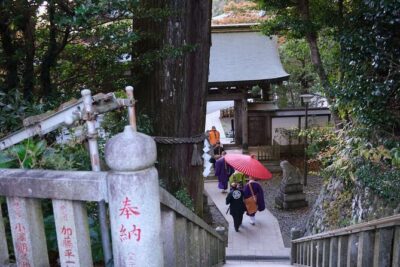




Imperial Palace Tours, compared.
 ★ 5.0Imperial Palace and Shogun Historical Walking TourFrom $222,251 reviews
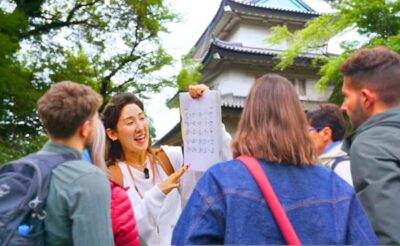 ★ 4.9Imperial Palace Japanese History Walking TourFrom $32987 reviews
 ★ 4.9Imperial Palace and Shogun Walking TourFrom $16935 reviews
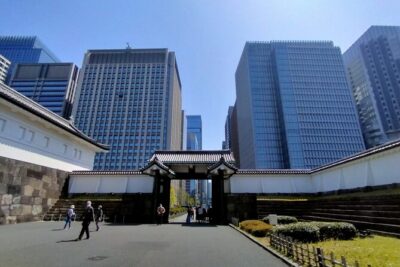 ★ 5.0Imperial Palace East Garden and Edo Castle Walking Tour in TokyoFrom $25510 reviews
 ★ 4.8Imperial Palace East Gardens Walking TourFrom $19353 reviews
 ★ 4.5Imperial Palace, Sensō-ji Temple, & Tokyo Tower TourFrom $40339 reviews
 ★ 5.0Tokyo Castle, Imperial Palace, Shogun & Garden Walking TourFrom $31211 reviews
 ★ 4.7Edo Castle & East Garden of the Imperial Palace TourFrom $42112 reviews
Browse the lists this tour appears in