
Reviewed · WALKING TOURS
Tokyo: Kichijoji Walking Tour with Local Guide
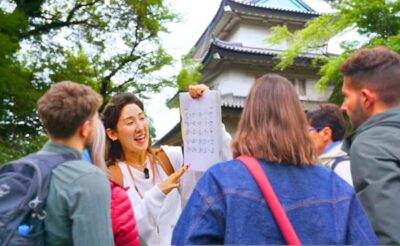
Kichijoji has a way of making Tokyo feel smaller. This 4-hour small-group walk threads together Kichijoji’s everyday streets and Ghibli Museum access, with guides like Mina and Yuma bringing the neighborhood vibe to life before you head for your timed, on-your-own museum visit. You’ll also get a snack and a calm, family-friendly pace that doesn’t feel like a sprint.
The main catch is value vs. price: at $88, you’re paying for the guide and included museum admission, not just the ticket itself. If you’re already set on doing everything solo, the cost can feel steep.
In This Review
- Key moments you’ll actually care about
- Why Kichijoji feels like a real Tokyo day (not a checklist)
- Meeting at the Hanako Elephant Statue: the easiest start in Tokyo
- Sunroad and Harmonica Street: the neighborhood streets portion you’ll remember
- Inokashira Park: when Tokyo noise turns into a pause button
- Getting to the Ghibli Museum: the real reason this tour sells out
- Inside the museum: using your free time well (without missing the good stuff)
- Snacks, lunch reality, and how to plan your stomach
- Guides make or break it: what small-group time feels like
- Price and value at $88: what you’re really paying for
- Weatherproof planning and practical tips for a smooth afternoon
- Who should book this Kichijoji and Ghibli Museum tour
- Should you book this Kichijoji and Ghibli Museum tour?
- FAQ
- How long is the Kichijoji walking tour and Ghibli Museum visit?
- What’s included in the price?
- Is lunch included?
- Where do I meet the guide?
- What group size is it?
- What languages are offered?
- Is the tour canceled if it rains?
Key moments you’ll actually care about
- Meet at the Hanako Elephant Statue near Kichijoji Station, with a guide wearing a lanyard
- Sunroad and Harmonica Street: compact, fun shopping streets on foot
- Inokashira Park time for lakeside calm and seasonal greenery
- Ghibli Museum entry included, then free time to wander at your pace
- Small groups capped at 5, so questions don’t get lost in the crowd
- Rain or shine tour operation, so you can plan without doom-forecast stress
Why Kichijoji feels like a real Tokyo day (not a checklist)
Kichijoji is the kind of neighborhood where you can watch Tokyo’s daily rhythm without feeling swallowed by it. It has shopping streets, side streets, and that local sense of normal life that makes a guided walk worthwhile. You’re not just getting from point A to point B. You’re getting context.
I like that the day is balanced: part city energy, part park quiet, then part anime magic. The route is built around two different moods. First you’ll move through neighborhood streets like you’re meant to be there. Then you’ll slow down in Inokashira Park, one of the areas that locals actually use, not just pose in.
The Ghibli Museum timing is the third mood. You get admission through the tour, but once you’re inside, you’re not stuck in a strict schedule. That combination works well if you’re traveling with kids, traveling with friends who move at different speeds, or just want your own pace for the parts you care about most.
Readers also shortlisted these Tokyo bookings:
- Tokyo Tsukiji Fish Market Food and Culture Walking Tour
★ 5.0 · 3,184 reviews - Tokyo: Imperial Palace and Shogun Historical Walking Tour
★ 5.0 · 2,251 reviews - Tokyo: Shinjuku Local Bar and Izakaya Guided Walking Tour
★ 4.9 · 1,794 reviews - Tokyo: Tsukiji Fish Market Food and Walking tour
★ 5.0 · 1,724 reviews
Meeting at the Hanako Elephant Statue: the easiest start in Tokyo
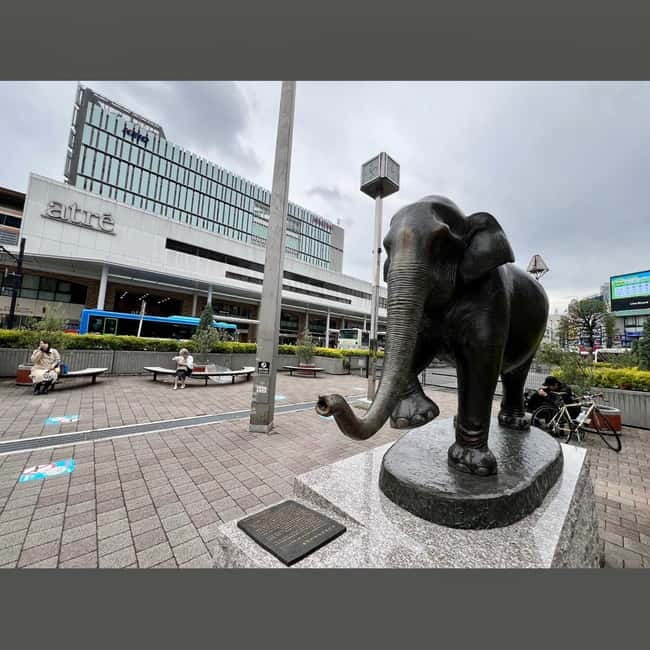
You’ll meet at the Hanako Elephant Statue at Kichijoji Station’s North Exit. Look for your guide with a lanyard. This matters more than it sounds. In Tokyo, the fastest way to waste time is getting turned around at the start.
The tour is designed to keep things simple after you meet. Communication is handled in advance too. Your guide will contact you via WhatsApp the day before to confirm details, which is a lifesaver when train lines and station entrances start playing mind games.
Practical tip: wear comfortable shoes from the get-go. Even though the structure is relaxed, you’re walking through multiple areas and then continuing on foot toward the museum.
Sunroad and Harmonica Street: the neighborhood streets portion you’ll remember
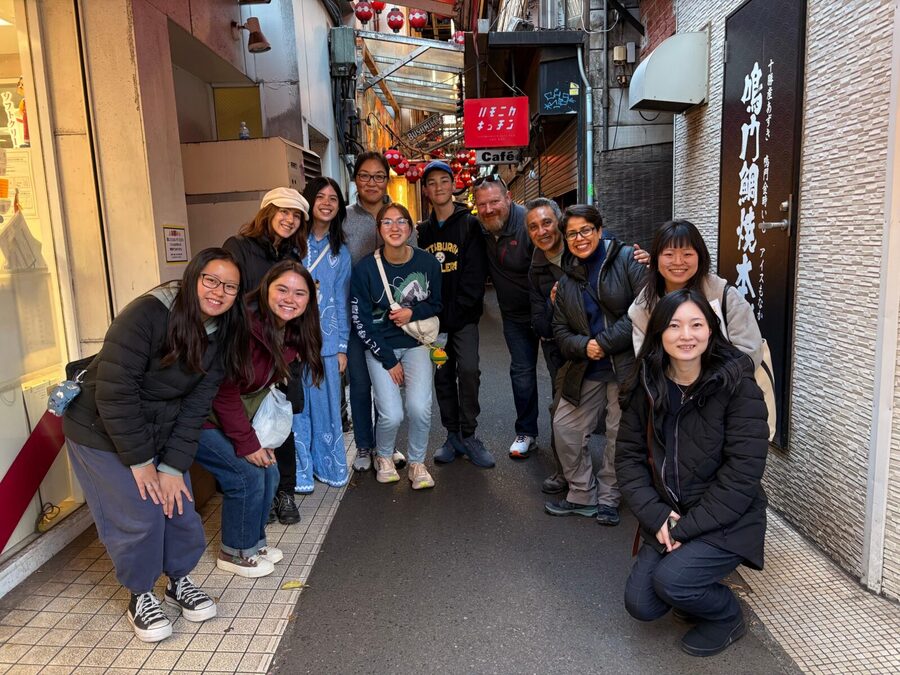
Right after the short approach walk, you’ll hit Kichijoji’s Sunroad. This is one of those pedestrian-focused shopping streets that feels made for wandering. You’ll get quick orientation, and your guide will help you understand what you’re seeing—snack spots, storefront types, and the vibe of the area.
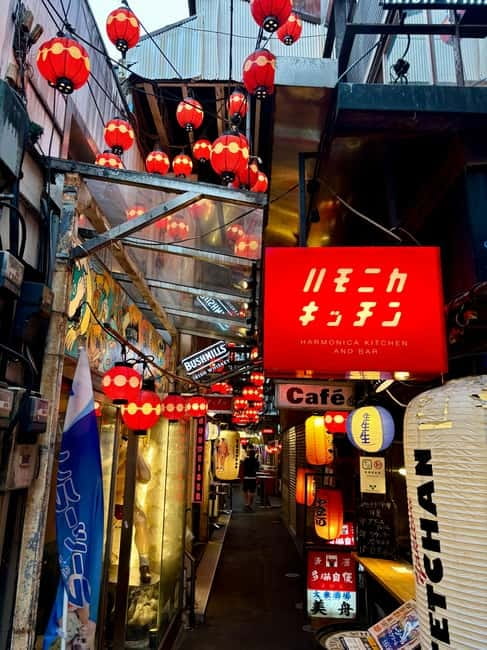
Then comes Harmonica Yokocyo (often just called Harmonica Street). The name is literal: it’s narrow, packed with food and small-shop energy, and it smells like you’re walking through a snack commercial. It’s a fun stop because it’s not trying too hard. It’s just busy, local, and easy to snack your way through.
A couple of things I’d watch for here:
- If you’re hungry, you’ll be tempted. That’s normal. Just remember the day continues, and your museum time is later.
- If you’re picky about food timing, tell your guide. They often help with ordering suggestions and options.
Inokashira Park: when Tokyo noise turns into a pause button
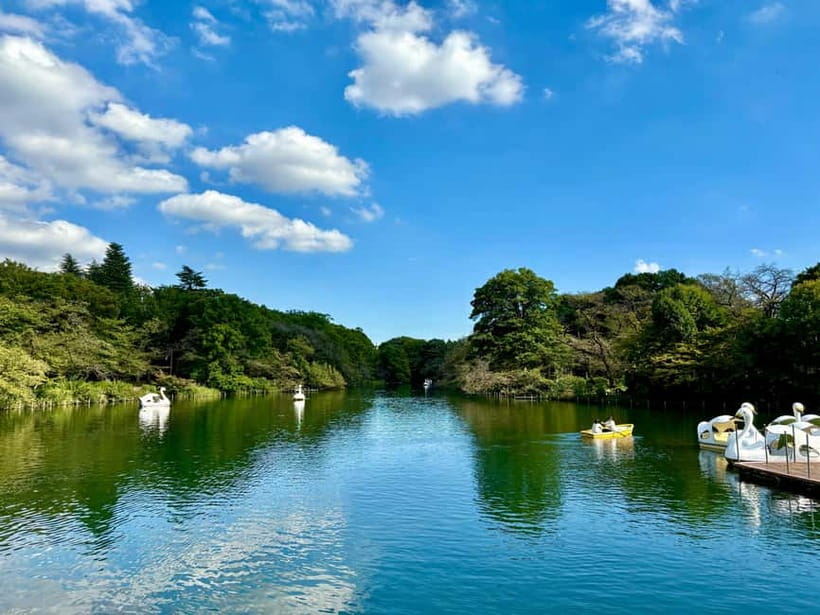
After the shopping streets, you get to the park: Inokashira Park. This is where the tour earns its “slower Tokyo” promise. You get greenery, open paths, and that calmer rhythm that makes Kichijoji feel like a break from the city.
In practice, Inokashira Park can surprise you. The lake area has swan boats, which is one of those details that feels whimsical even if you’re not trying to be impressed. And the park is a good reset between the busy streets and the museum.
Your guide leads the initial park section, then you get the chance to take in the space without being marched around. That’s ideal if you’re traveling with kids, if someone in your group needs breaks, or if you’re the type who just wants to look at trees for a while and stop taking photos for a minute.
Getting to the Ghibli Museum: the real reason this tour sells out
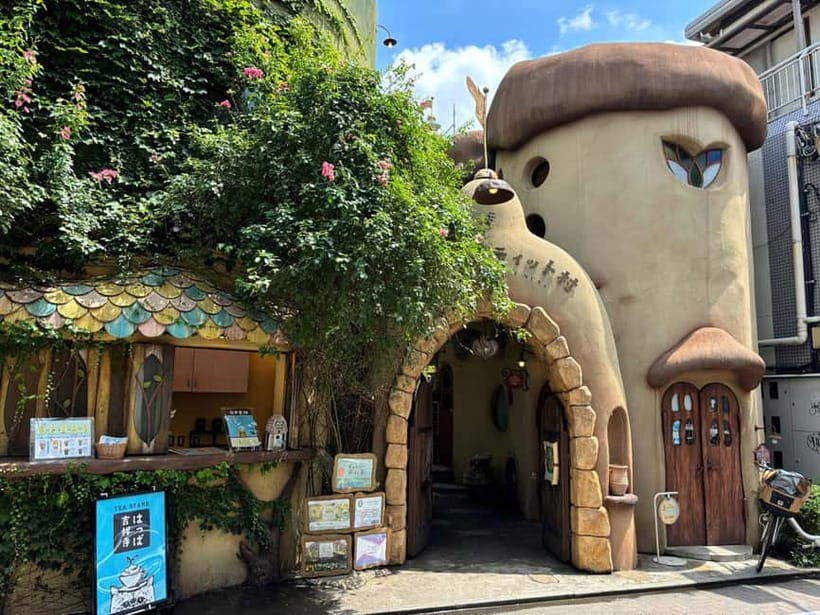
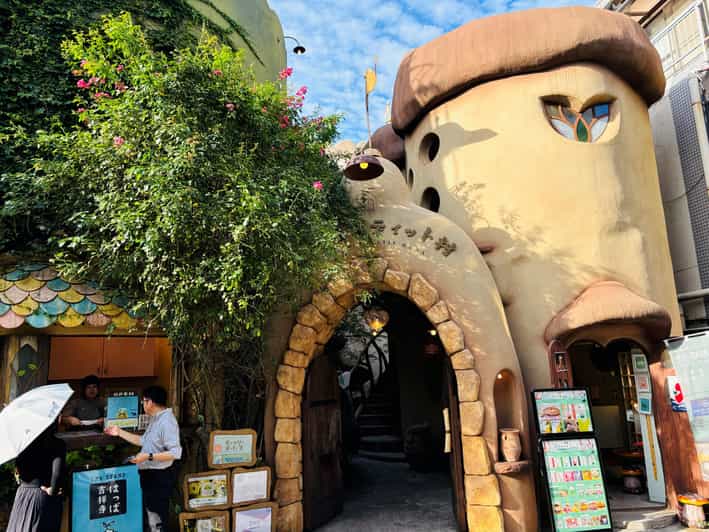
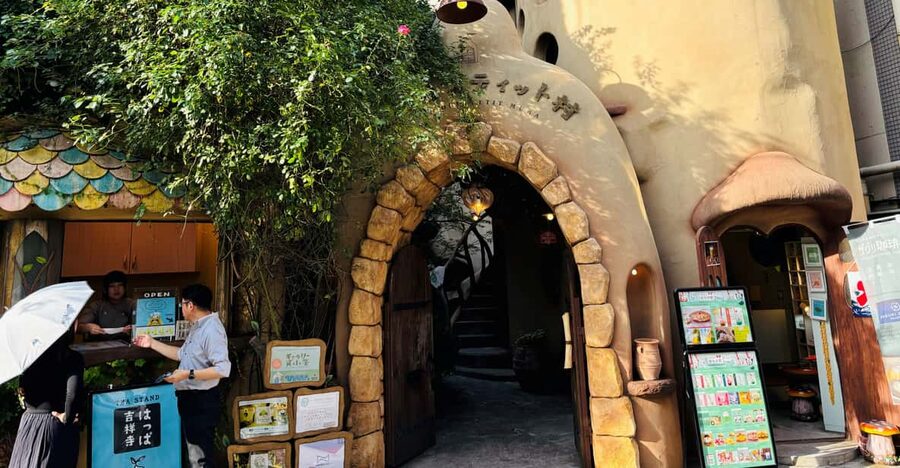
The reason many people book this experience is simple: tickets can be hard to secure on your own, and the museum runs on specific admission patterns. This tour includes Ghibli Museum admission, which removes a big chunk of planning stress.
You’ll walk through the approach toward the museum, which also helps you feel like you’re arriving in a place instead of just appearing at a gate. That transition matters. Tokyo can be intense. The park walk acts like a buffer.
Since the museum entry is included, you also avoid the scramble of figuring out timing rules on the day-of. And because the group is small, your guide can handle the little things smoothly—like where to stand, when to move, and how to keep the group together.
One note to manage expectations: photography may be limited inside the museum. So don’t build your plan around shooting everything. The good news is that there are often photo opportunities around the exterior areas too, and your free time lets you focus on what’s allowed.
Readers also shortlisted these Tokyo bookings:
- Tokyo 6hr Private Tour with Government-Licensed Guide★ 5.0 · 3,902 reviews
- Tokyo: Shinjuku Local Bar and Izakaya Guided Walking Tour★ 4.9 · 1,794 reviews
- Tokyo: Private City Highlights Tour with Local Guide★ 4.8 · 1,433 reviews
- Tokyo: Tsukiji Fish Market Guided Walking Tour★ 4.9 · 1,397 reviews
- Tokyo 4hr Private Tour with Government-Licensed Guide★ 5.0 · 1,394 reviews
Inside the museum: using your free time well (without missing the good stuff)
Once you’re inside, you get about 2 hours of free time. That’s a sweet spot for many people because it gives you enough time to see key exhibits and still have a bit of energy for the shop and wandering.
Here’s how to use that time smartly:
- If you want to end near the gift area, pay attention to the museum flow. One helpful detail: it’s possible to start at the bottom and then work up toward the shop at the top, but there are stairs both ways, so plan your walking.
- If you want a calmer finish, a café spot can work nicely because it gives you a natural place to slow down before you exit back toward the park area.
Also, don’t stress if you don’t catch everything. The museum is the type of place where people remember small moments: specific scenes, textures, and “wait, that’s from a film” recognition. Two hours usually lets you do highlights instead of treating it like a task list.
Snacks, lunch reality, and how to plan your stomach
The tour includes a snack, but lunch is not included. That means you’ll likely pause around lunch time, then eat based on what the guide recommends and what fits your budget and preferences.
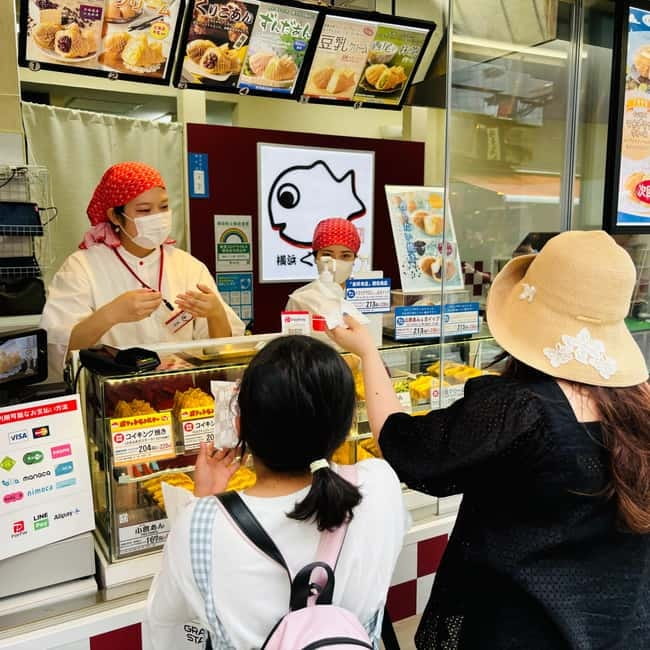
In the real world, you’ll often see guides handle lunch in a practical way. Multiple people describe stops at local restaurants and mention tasty additions like fish-themed meals or treats such as taiyaki. Some groups also report extra desserts after the meal. Just keep it flexible: those touches can vary by day and by guide, but the core point stays the same—your guide will help you find something that works in the neighborhood.
My advice: eat a light breakfast or plan for the snack early, because the day includes shopping streets, then a park walk, then museum time. If you wait until you’re ravenous, you’ll end up eating faster and feeling less happy about it.
Guides make or break it: what small-group time feels like
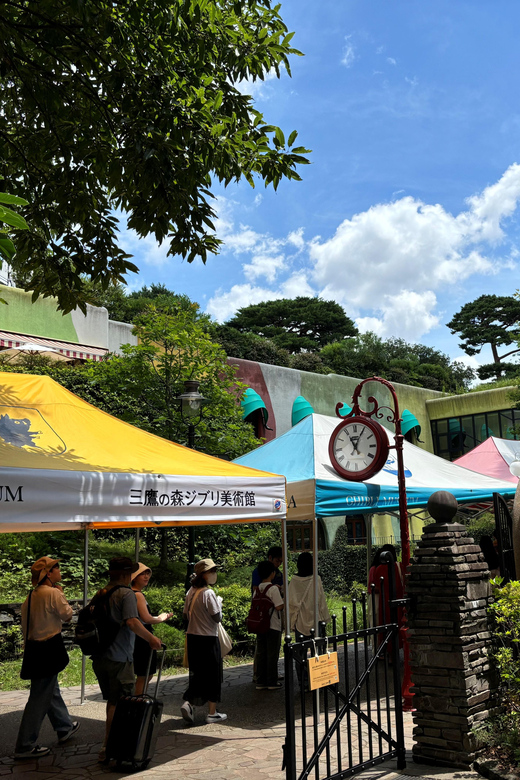
This experience runs as a small group of up to 5 people, and you can feel the difference immediately. It’s not just about comfort. It’s about better timing, better questions, and less “lost in translation” energy.
You’ll see this in how guides communicate and adapt. Names that come up include Mina, Mimi, Yuma, Daiske, and Yuta—each described as friendly, organized, and chatty in a way that feels like talking with someone local rather than listening to a script.
A few high-impact guide behaviors you should expect:
- They’ll explain what you’re seeing in the streets and park, not just point at it.
- They help with group pacing so everyone can keep up.
- Guides may use tools like translation apps if needed, so communication doesn’t collapse mid-tour.
- Some guides even take photos for the group and share them afterward via WhatsApp, which is a nice bonus if your camera battery dies at the worst moment.
Price and value at $88: what you’re really paying for
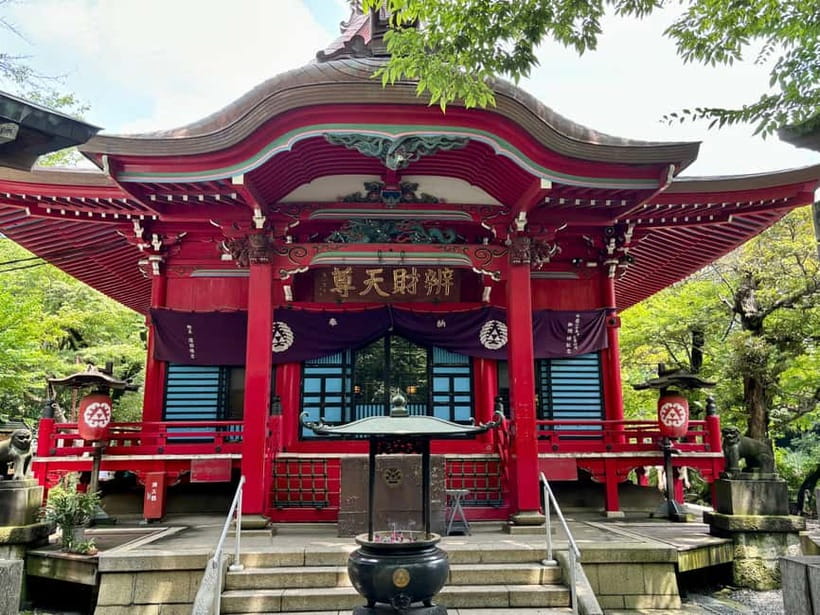
Let’s talk money like adults. At $88 per person for a 4-hour experience, you’re paying for more than the museum admission. You’re paying for:
- A guided neighborhood walk through Kichijoji (including the shopping street stops)
- Included museum entry
- A local guide and snack
- A small-group setup that keeps things calm instead of chaotic
- Time structure that helps you show up and move through the museum without ticket stress
If you compare it to the museum ticket alone, it can feel expensive. One person even noted that perspective directly. But if you factor in the local guide, the park timing, and the “we handled the ticket problem” value, it starts to make more sense.
Think of it this way: the tour is partly about seeing the museum. But it’s also about getting to the museum in a way that feels like a Tokyo day you’d actually repeat.
Weatherproof planning and practical tips for a smooth afternoon
The tour runs rain or shine, so you don’t need to rearrange your whole schedule because the sky decides to do drama. If it’s wet, you’ll still be walking, so bring practical footwear. Comfort beats style on this one.
Other practical points:
- No smoking during the tour.
- Bring comfortable shoes; you’ll be on your feet across multiple stops.
- Inside the museum, expect photo limits, so focus on enjoying what you see.
Also, because your guide contacts you via WhatsApp the day before, you can plan to arrive with less guessing about exact meeting details.
Who should book this Kichijoji and Ghibli Museum tour
I’d book this if you want:
- A calmer, more local side of Tokyo than the big-ticket districts
- A guided walk that shows you Kichijoji’s everyday texture
- Included Ghibli Museum admission with free time once you’re inside
- A small-group experience that fits families and mixed-age groups
It’s also a good call if you care about Studio Ghibli, but you don’t want the whole day to be “museum-march-museum.” You get the best of both worlds: neighborhood wandering plus museum time that isn’t constantly managed for you.
If you only want the museum and you’re able to get tickets easily, you might question whether the guide portion justifies the cost. But if ticket logistics or getting “local context” is part of your trip goal, this tour is a strong option.
Should you book this Kichijoji and Ghibli Museum tour?
Yes, if you want a Tokyo afternoon that feels organized but not stiff. The included Ghibli Museum admission plus a relaxed walk through Kichijoji and Inokashira Park is exactly the kind of day that gives you more than one photo set. It gives you street scenes, park quiet, and a smooth arrival to the museum.
Maybe not, if $88 feels hard to justify and you’re already fully set on handling everything solo. In that case, it becomes a cost question: do you value the guide, the small-group pacing, and the ticket support enough to pay for it?
For most people trying to balance enjoyment, logistics, and local flavor, it’s an easy yes.
FAQ
How long is the Kichijoji walking tour and Ghibli Museum visit?
The experience lasts 4 hours.
What’s included in the price?
You get the walking tour with a guide, admission to the Ghibli Museum, and a snack.
Is lunch included?
No. Lunch is not included.
Where do I meet the guide?
Meet at the Hanako Elephant Statue near Kichijoji Station North Exit. Look for a guide wearing a lanyard.
What group size is it?
It’s a small group limited to 5 participants.
What languages are offered?
The live guide speaks English and Japanese.
Is the tour canceled if it rains?
No. The tour operates rain or shine.
More Walking Tours in Tokyo
- Tokyo Tsukiji Fish Market Food and Culture Walking Tour
★ 5.0 · 3,184 reviews - Tokyo: Imperial Palace and Shogun Historical Walking Tour
★ 5.0 · 2,251 reviews - Tokyo: Shinjuku Local Bar and Izakaya Guided Walking Tour
★ 4.9 · 1,794 reviews - Tokyo: Tsukiji Fish Market Food and Walking tour
★ 5.0 · 1,724 reviews - Tokyo: Asakusa Walking Tour with Sensoji Temple Visit
★ 4.8 · 1,583 reviews
More Tours in Tokyo
- Mt Fuji and Hakone 1-Day Bus Tour Return by Bullet Train
★ 5.0 · 26,383 reviews - 1-Day Tokyo Bus Tour
★ 5.0 · 14,250 reviews - Tokyo: Shinjuku Food Tour (13 Dishes at 4 Local Eateries)
★ 5.0 · 6,603 reviews - Tokyo Mt Fuji 5th St & Hakone Cruise Bus Tour w/Bullet Train
★ 4.4 · 5,024 reviews - Flagship 2-Hours Official Street Go-Kart Tour – Tokyo Bay Shop
★ 5.0 · 4,974 reviews
More Tour Reviews in Tokyo
- Mt Fuji and Hakone 1-Day Bus Tour Return by Bullet Train
★ 5.0 · 26,383 reviews - 1-Day Tokyo Bus Tour
★ 5.0 · 14,250 reviews - Tokyo: teamLab Planets TOKYO Digital Art Museum Entry Ticket
★ 4.6 · 9,779 reviews - Mt Fuji & Hakone Cruise, Drum Show Bullet Train 1 Day from Tokyo
★ 4.0 · 7,413 reviews - Tokyo: Shinjuku Food Tour (13 Dishes at 4 Local Eateries)
★ 5.0 · 6,603 reviews
Latest Tokyo reviews off our desk




Walking Tours, compared.
 ★ 5.0Tokyo Tsukiji Fish Market Food and Culture Walking TourFrom $993,184 reviews
 ★ 5.0Imperial Palace and Shogun Historical Walking TourFrom $222,251 reviews
 ★ 4.9Shinjuku Local Bar and Izakaya Guided Walking TourFrom $341,794 reviews
 ★ 5.0Tsukiji Fish Market Food and Walking tourFrom $301,724 reviews
 ★ 4.8Asakusa Walking Tour with Sensoji Temple VisitFrom $221,583 reviews
 ★ 4.9Tsukiji Fish Market Guided Walking TourFrom $221,397 reviews
 ★ 4.7Tokyo Castle & Imperial PalaceーShogun Walking TourFrom $231,068 reviews
 ★ 4.9Imperial Palace Japanese History Walking TourFrom $32987 reviews
Browse the lists this tour appears in