
Reviewed · WALKING TOURS
Tokyo: Locals Secret Shrine Tour // Walk with a Guide
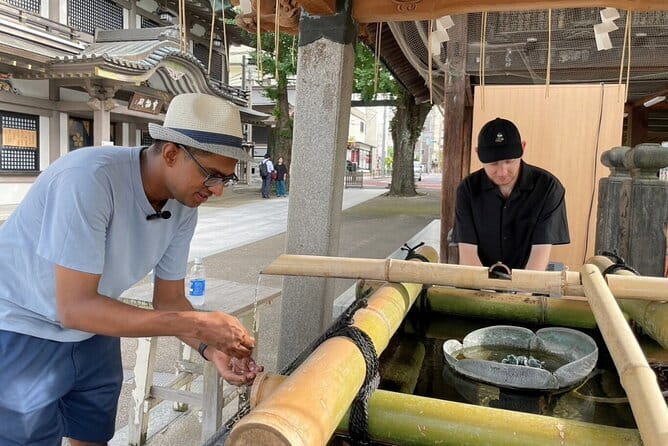
Shrines with the local how-to. This small-group walk in about two hours takes you from Ochanomizu toward Ueno, with an English-speaking guide explaining how people pray and what to notice at each stop. I love the hands-on shrine etiquette guidance and the way the guide’s stories connect sites like Yushima Seido and Kanda Myojin to modern Tokyo life. One consideration: the final stop, Toshogu, has an extra inner-grounds ticket requirement, even though many of the other shrines are free to visit.
I also like the pacing and the fact the group tops out at 4 people, so you can ask questions without feeling rushed. Guides like Lukki and Mari make time for photo stops and share practical local tips as you go. You start at Starbucks Coffee – Ochanomizu Saint Clair and end near Ueno Station, which makes it easy to slot into a day already packed with Tokyo sights.
In This Review
- Key highlights you’ll feel fast
- Why this shrine tour feels different from a checklist
- Price and value: is $42.44 a good deal here?
- Where you meet, and why the logistics actually help
- Entering Ochanomizu, Kanda, and Akihabara mode
- Yushima Seido: when Chinese Neo-Confucianism shows up in Japan
- Kanda Myojin: deities, history, and why festivals matter
- Yushima Tenjin: asking for academic success (and maybe plum blossoms)
- Shinobazu-no-ike Benten-do: music, knowledge, and a calmer pond setting
- Ueno Toshogu: an Edo-period stop with a ticket caveat
- What the guides are really good at: answers, etiquette, and follow-up
- Small group, moderate walking: who this suits best
- Should you book this shrine tour?
- FAQ
- FAQ
- How long is the Tokyo Locals Secret Shrine Tour?
- How big is the group?
- Is the guide English-speaking?
- Where do I meet the guide?
- Where does the tour end?
- Are shrine admissions included?
- Do I need a mobile ticket?
- Do I need to be in good physical shape?
- What if the weather is bad?
- Can I cancel for free?
Key highlights you’ll feel fast
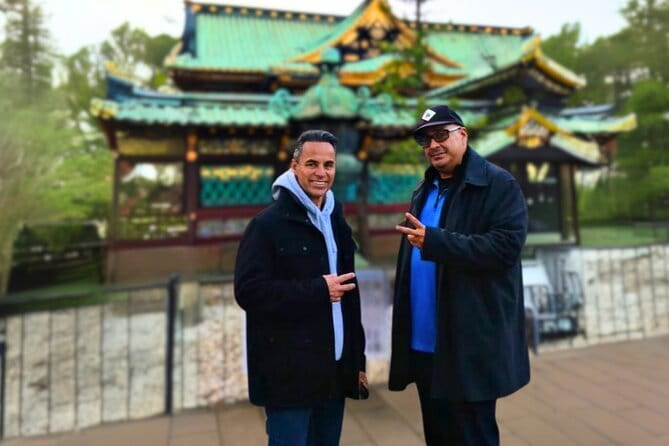
- Small group size (max 4): more personal answers on how to worship and what symbols mean
- Real shrine etiquette, not just sightseeing: you’ll learn how locals approach prayer
- A tight route with big variety: Confucian heritage, academic wishes, music and knowledge, festival stories
- Great photo stops, guided well: you know where to stand and what to notice
- Value with one exception: many shrine entries are free, but Toshogu inner grounds are ticketed
Why this shrine tour feels different from a checklist
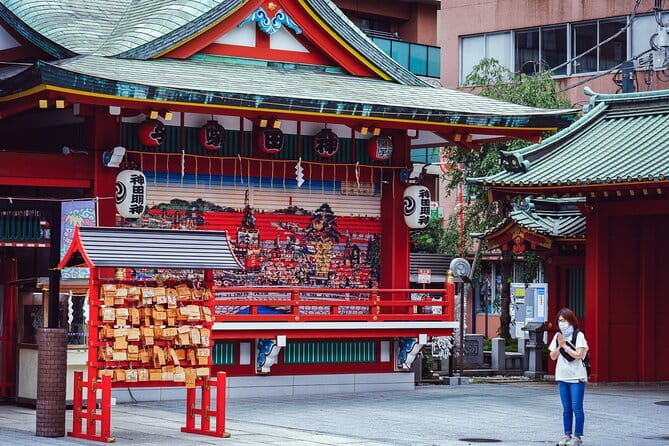
Tokyo has plenty of temples and shrines, but most first-timers walk through them like photo backdrops. This tour is built to fix that. You’re not just moving from point A to point B; you’re learning the quiet logic behind shrine visiting—what locals do, what they’re asking for, and how to behave respectfully.
I love that the guide focuses on the day’s worship basics and then ties those basics to the specific shrines you’re standing in front of. That means the route actually helps you understand what you’re seeing, whether you’re into religion, history, or just good travel manners. And since the group is capped at 4, it stays conversational instead of lecture-style.
Still, keep your expectations realistic: it’s about two hours, so you’re seeing highlights and learning the essentials—not doing a full, do-everything shrine marathon.
Readers also shortlisted these Tokyo bookings:
- Tokyo Tsukiji Fish Market Food and Culture Walking Tour
★ 5.0 · 3,184 reviews - Tokyo: Imperial Palace and Shogun Historical Walking Tour
★ 5.0 · 2,251 reviews - Tokyo: Shinjuku Local Bar and Izakaya Guided Walking Tour
★ 4.9 · 1,794 reviews - Tokyo: Tsukiji Fish Market Food and Walking tour
★ 5.0 · 1,724 reviews
Price and value: is $42.44 a good deal here?
At $42.44 per person for about 2 hours, this isn’t a budget “walk and go” experience. But it can be a strong value because you’re paying for three things that are hard to replicate on your own: an English-speaking guide, structured cultural context, and on-the-spot local tips.
Most shrine visits are inexpensive once you’re there, but the cost of a guide is really the cost of saving you from confusion. The tour helps you understand what you’re supposed to notice and how to act. Also, you get a small group, plus photo opportunities built into the timing, which you don’t always get with larger city tours.
One cost note to keep in mind: Toshogu’s inner grounds require a ticket. The tour notes that other shrines are free to explore, but that last segment isn’t fully included the same way.
Where you meet, and why the logistics actually help
The meeting point is Starbucks Coffee – Ochanomizu Saint Clair (Ochanomizu area). That’s a smart choice: it’s a recognizable landmark close to public transportation, and it reduces the usual stress of meeting points that are hard to find.
You finish near Ueno Station, which is convenient because Ueno is already a hub. If you’re planning to continue to museums, parks, or even just a late meal nearby, you’re not stuck miles away from train lines.
The tour uses a mobile ticket, so you don’t need to hunt for paper vouchers. And because the walking level is listed as moderate fitness, bring comfortable shoes and keep an easy pace in mind.
Also, these tours tend to get booked ahead (on average, about 41 days in advance). If you have tight dates, booking sooner rather than later is wise.
Entering Ochanomizu, Kanda, and Akihabara mode
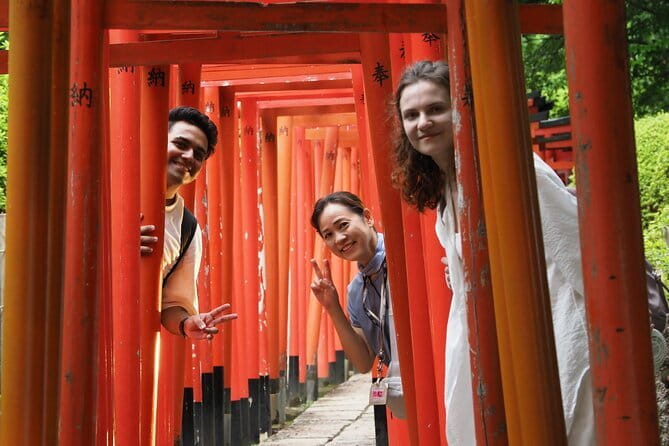
The tour kicks off in the Ochanomizu / Akihabara / Kanda zone, which is a fun contrast in itself. You go from the modern energy people associate with Akihabara to the slower rhythm of shrine grounds, and the guide helps you see the connection.
Before you even reach the first shrine stop, you get an introduction to shrine culture and the plan for the day. That matters because it sets expectations: you’ll learn what to do when you approach, how locals think about prayer, and how to read what you’re seeing instead of guessing.
Yushima Seido: when Chinese Neo-Confucianism shows up in Japan
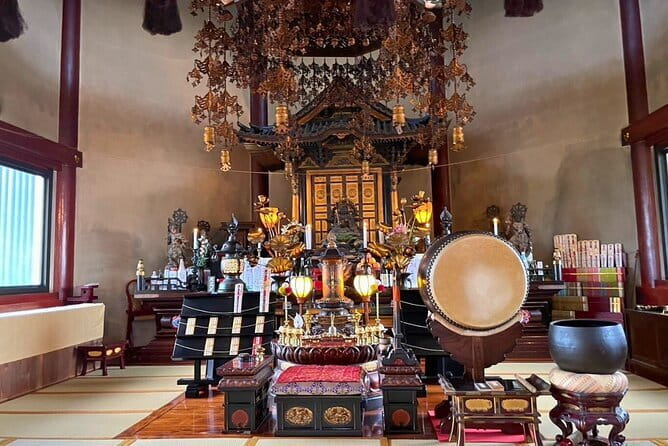
Your first major stop is Yushima Seido Shrine. Here, the guide focuses on the idea of Neo-Confucianism from China shaping modern Japanese society.
Why that’s useful: a lot of shrine visits feel like separate “religion” experiences to foreign visitors. This stop helps you realize that ideas traveled, changed, and became part of how people think about duty, morality, education, and community. It’s not just about worship as an isolated act; it’s also about how cultural beliefs show up in everyday values.
As you move through the shrine grounds, you’re basically training your eyes to notice the relationship between tradition and the modern city around it.
Readers also shortlisted these Tokyo bookings:
- Tokyo 6hr Private Tour with Government-Licensed Guide★ 5.0 · 3,902 reviews
- Tokyo: Shinjuku Local Bar and Izakaya Guided Walking Tour★ 4.9 · 1,794 reviews
- Tokyo: Private City Highlights Tour with Local Guide★ 4.8 · 1,433 reviews
- Tokyo: Tsukiji Fish Market Guided Walking Tour★ 4.9 · 1,397 reviews
- Tokyo 4hr Private Tour with Government-Licensed Guide★ 5.0 · 1,394 reviews
Kanda Myojin: deities, history, and why festivals matter
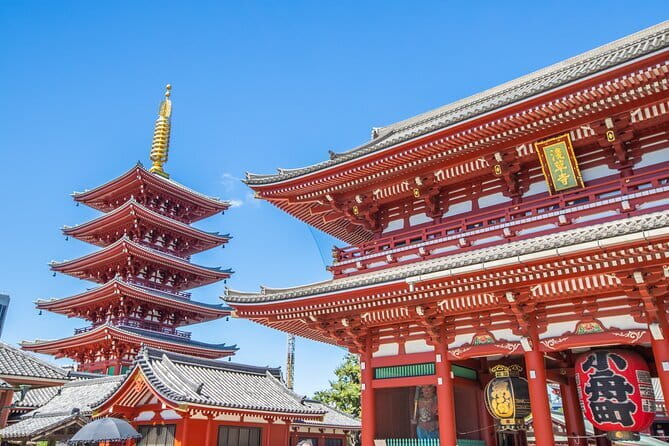
Next comes Kanda Myojin Shrine, where you’ll learn the history and the deities connected to the shrine, plus the reputation for lively festivals and community protection.
This stop is a good reminder that shrines aren’t only quiet places for personal requests. They also function as community anchors. The guide’s focus on protection and festivals gives you a fuller sense of why people care, even if you’re not there on a festival day.
If you’re traveling for cultural understanding rather than just photo ops, this is one of the stronger stops because it explains how a shrine fits into local identity.
Yushima Tenjin: asking for academic success (and maybe plum blossoms)
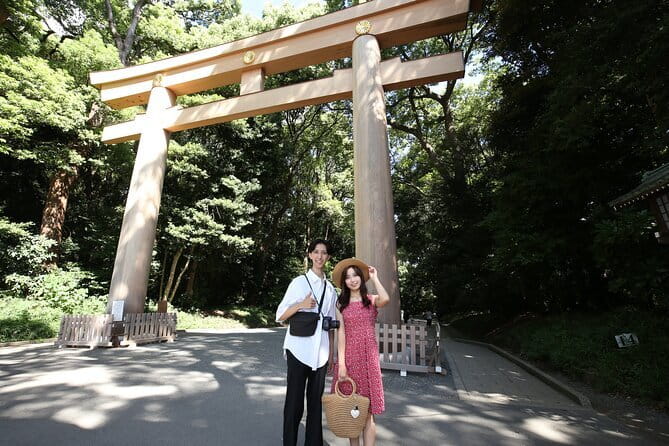
Then you head to Yushima Tenjin Shrine, dedicated to academic success, with a note about seasonal plum blossoms and cultural significance.
This is one of those shrine themes that hits home for many visitors: students and learning are a universal story, so you can relate quickly. The guide’s explanation makes it clearer why certain shrines become linked to particular hopes and prayers.
If you’re visiting around plum season, you might catch the blossoms the tour mentions. Even if you don’t, the stop still helps you understand how nature and timing tie into shrine culture.
Shinobazu-no-ike Benten-do: music, knowledge, and a calmer pond setting
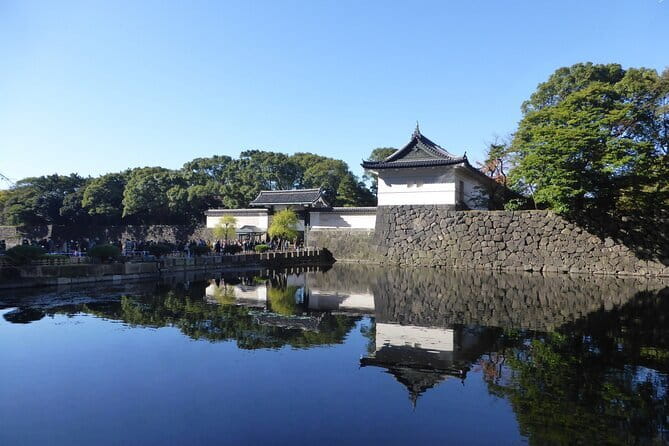
At Shinobazu-no-ike Benten-do, you visit a quieter shrine located by a pond setting, dedicated to Benzaiten, the goddess of music and knowledge.
This stop is great if your brain wants a break from the city. The pond-side location makes it feel slower and more reflective, and the guide’s focus on music and knowledge gives the visit an emotional angle.
Instead of thinking only about big, dramatic wishes, you get a more grounded idea: people pray for creativity, learning, and expression. It also helps you see that prayer topics are often specific in Japan, not just general hopes.
If you’re the type who likes meaning behind rituals, this one will click.
Ueno Toshogu: an Edo-period stop with a ticket caveat
The last main stop is Ueno Toshogu Shrine, where you’ll admire an Edo-period site.
Here’s the key practical point: the tour notes that Toshogu’s inner grounds need a ticket, unlike the free shrines earlier in the route. So plan for the possibility of an extra purchase at the end.
What you get for that extra step is a more formal, historical “grand finale” feeling compared to the smaller surrounding stops. The tour also says you’ll explore nearby too, so even if you’re watching your spending, you’re not only paying to stand at one point.
What the guides are really good at: answers, etiquette, and follow-up
From the guide style, the biggest repeat theme is how much they help you understand what to do. People come away with more than facts. They learn proper etiquette for visiting shrines and how to approach worship in a way that feels respectful.
And the human side matters. In particular, guides such as Lukki and Mari have been praised not just for storytelling, but for going the extra mile if something goes off track. That’s the kind of service you notice when you travel independently and sometimes hit a snag.
If you want a tour that behaves like a helpful local friend instead of a rigid bus guide, this one is built that way.
Small group, moderate walking: who this suits best
This experience is ideal if you:
- Want to understand how locals pray and not just what the shrines are called
- Like short, structured itineraries that still feel personal
- Prefer a group of 4 max so you can ask questions freely
- Are comfortable with moderate walking for about two hours
It may not be the best fit if you:
- Already know shrine etiquette and want a longer, deeper self-guided route
- Want a tour that includes every single ticketed area without any extra purchases (Toshogu inner grounds are ticketed)
Should you book this shrine tour?
If you’re doing Tokyo for the first time and you want your shrine visits to actually make sense, I think this is a smart booking. The route is compact, the guide focuses on practical worship basics, and the stops are chosen to teach different angles of Japanese culture—from Neo-Confucian influences to academic wishes to Benzaiten’s music-and-knowledge theme.
Book it especially if you plan to visit shrines on your own afterward. Learning etiquette and what you’re looking at once will make the rest of your Tokyo trip feel smoother.
FAQ
FAQ
How long is the Tokyo Locals Secret Shrine Tour?
The tour lasts about 2 hours.
How big is the group?
It’s a small group with a maximum of 4 travelers.
Is the guide English-speaking?
Yes, the tour includes an English-speaking guide.
Where do I meet the guide?
Meet at Starbucks Coffee – Ochanomizu Saint Clair, 4-chōme-3 Kanda Surugadai, Chiyoda City, Tokyo 101-0062, Japan.
Where does the tour end?
The tour ends near Ueno Station at 7 Chome-1 Ueno, Taito City, Tokyo 110-0005, Japan.
Are shrine admissions included?
Many shrines on the route are free to explore, but Ueno Toshogu’s inner grounds require a ticket.
Do I need a mobile ticket?
Yes, you receive a mobile ticket.
Do I need to be in good physical shape?
The tour lists a moderate physical fitness level, so you should be comfortable walking for the duration.
What if the weather is bad?
The experience requires good weather. If it’s canceled due to poor weather, you’ll be offered a different date or a full refund.
Can I cancel for free?
Yes, free cancellation is available up to 24 hours in advance for a full refund.
More Walking Tours in Tokyo
- Tokyo Tsukiji Fish Market Food and Culture Walking Tour
★ 5.0 · 3,184 reviews - Tokyo: Imperial Palace and Shogun Historical Walking Tour
★ 5.0 · 2,251 reviews - Tokyo: Shinjuku Local Bar and Izakaya Guided Walking Tour
★ 4.9 · 1,794 reviews - Tokyo: Tsukiji Fish Market Food and Walking tour
★ 5.0 · 1,724 reviews - Tokyo: Asakusa Walking Tour with Sensoji Temple Visit
★ 4.8 · 1,583 reviews
More Tours in Tokyo
- Mt Fuji and Hakone 1-Day Bus Tour Return by Bullet Train
★ 5.0 · 26,383 reviews - 1-Day Tokyo Bus Tour
★ 5.0 · 14,250 reviews - Tokyo: Shinjuku Food Tour (13 Dishes at 4 Local Eateries)
★ 5.0 · 6,603 reviews - Tokyo Mt Fuji 5th St & Hakone Cruise Bus Tour w/Bullet Train
★ 4.4 · 5,024 reviews - Flagship 2-Hours Official Street Go-Kart Tour – Tokyo Bay Shop
★ 5.0 · 4,974 reviews
More Tour Reviews in Tokyo
- Mt Fuji and Hakone 1-Day Bus Tour Return by Bullet Train
★ 5.0 · 26,383 reviews - 1-Day Tokyo Bus Tour
★ 5.0 · 14,250 reviews - Tokyo: teamLab Planets TOKYO Digital Art Museum Entry Ticket
★ 4.6 · 9,779 reviews - Mt Fuji & Hakone Cruise, Drum Show Bullet Train 1 Day from Tokyo
★ 4.0 · 7,413 reviews - Tokyo: Shinjuku Food Tour (13 Dishes at 4 Local Eateries)
★ 5.0 · 6,603 reviews
Latest Tokyo reviews off our desk



Walking Tours, compared.
 ★ 5.0Tokyo Tsukiji Fish Market Food and Culture Walking TourFrom $993,184 reviews
 ★ 5.0Imperial Palace and Shogun Historical Walking TourFrom $222,251 reviews
 ★ 4.9Shinjuku Local Bar and Izakaya Guided Walking TourFrom $341,794 reviews
 ★ 5.0Tsukiji Fish Market Food and Walking tourFrom $301,724 reviews
 ★ 4.8Asakusa Walking Tour with Sensoji Temple VisitFrom $221,583 reviews
 ★ 4.9Tsukiji Fish Market Guided Walking TourFrom $221,397 reviews
 ★ 4.7Tokyo Castle & Imperial PalaceーShogun Walking TourFrom $231,068 reviews
 ★ 4.9Imperial Palace Japanese History Walking TourFrom $32987 reviews
Browse the lists this tour appears in