
Reviewed · WALKING TOURS
Tokyo Old Town Discovery Walk. Lunch Included
Old Tokyo lives on your feet. This 7-hour walking tour knits together key spiritual spots like Senso-ji with hands-on street culture in Asakusa, then finishes in calmer style at Ueno Toshogu Shrine. I like that the guide explains what you’re seeing in plain terms, from temple symbols to shopping-street traditions, so it’s more than just photo stops.
Two big pluses for me are the quality course lunch (served during the old-market stroll) and the way you get context before you eat and shop. One possible consideration: it’s still a long walk, and lunch is included as part of the set meal—if your tastes or dietary needs are specific, plan ahead so you can swap or opt out smoothly.
In This Review
- Key highlights at a glance
- Why Asakusa to Ueno is the best kind of Old Tokyo day
- Senso-ji and Asakusa Shrine: symbols, shopping streets, and gift culture
- Lunch in the old-market lanes: what to order and how to eat
- Kappabashi Street: chef knives, replica food, and fun souvenirs
- Ueno Park and Matsuzakaya Ueno: architecture, seasonal mood, and a food-court perspective
- Toshogu Shrine: Edo-era architecture with a calm walk through the park
- Walking route, timing, and the small-group advantage
- Price and value: how $90 stretches across history, food, and guided time
- Should you book this Old Town Discovery Walk?
- FAQ
- How long is the Tokyo Old Town Discovery Walk?
- Is lunch included?
- Are there any admission fees for the temples and shrines?
- Where does the tour start and where does it end?
- What time does the tour begin?
- How many people are in a group?
- What if I have dietary restrictions?
- What happens if the weather is bad?
- Can I cancel and get a full refund?
Key highlights at a glance
- Senso-ji and Asakusa’s shopping streets, with tips on how gifts and religious items fit the experience
- Asakusa Shrine’s Buddhism vs Shinto framing, right next door to Senso-ji
- Lunch inside the old-market lanes, plus guidance on what to order and basic etiquette
- Kappabashi Street for chef tools and food replicas, a fun detour for kitchen-lovers
- Ueno Park to Toshogu Shrine, mixing park calm with Edo-era architecture
Why Asakusa to Ueno is the best kind of Old Tokyo day
If your Tokyo plan is heavy on skyscrapers, this tour is a smart counterweight. You start in Asakusa, where the city still feels built around temples, neighborhood streets, and everyday errands. Then you work your way toward Ueno, a park area where history shows up in buildings, shrines, and seasonal scenery.
The route also makes practical sense. Most of your key stops are free to enter, so you’re mostly paying for the guided walking format and the included meal. With a maximum group size of 12, you’re not stuck watching a guide through a crowd. That small size helps you ask questions and keep up without sprinting.
And yes, you’ll do plenty of walking. This is a 9:00 am start, about 7 hours total, so pack comfy shoes and plan to slow down once in a while to look up and read the small details.
Readers also shortlisted these Tokyo bookings:
- Tokyo Tsukiji Fish Market Food and Culture Walking Tour
★ 5.0 · 3,184 reviews - Tokyo: Imperial Palace and Shogun Historical Walking Tour
★ 5.0 · 2,251 reviews - Tokyo: Shinjuku Local Bar and Izakaya Guided Walking Tour
★ 4.9 · 1,794 reviews - Tokyo: Tsukiji Fish Market Food and Walking tour
★ 5.0 · 1,724 reviews
Senso-ji and Asakusa Shrine: symbols, shopping streets, and gift culture
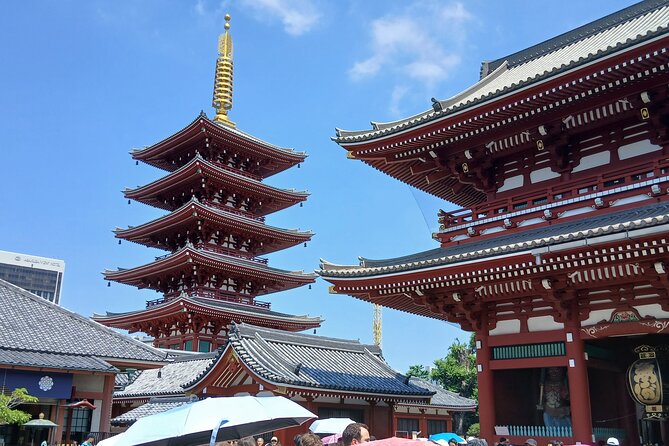
Senso-ji is the headline for a reason. When you arrive, you’re not just looking at a giant temple complex—you’re stepping into a whole system of religious symbolism and street traditions. The guide’s job here is to translate what’s easy to miss if you only skim with your camera.
You’ll visit Senso-ji and then head through the traditional shopping streets around the temple. This is where you’ll see the practical side of visiting: snacks, small treats, and the kind of souvenirs people pick up to take home.
One of the most useful bits of context is the explanation of omiyage, the custom of bringing back gifts from a trip. It’s the sort of thing that sounds simple until you see the way shops package and present items. Once you know what you’re looking for, shopping becomes purposeful instead of random.
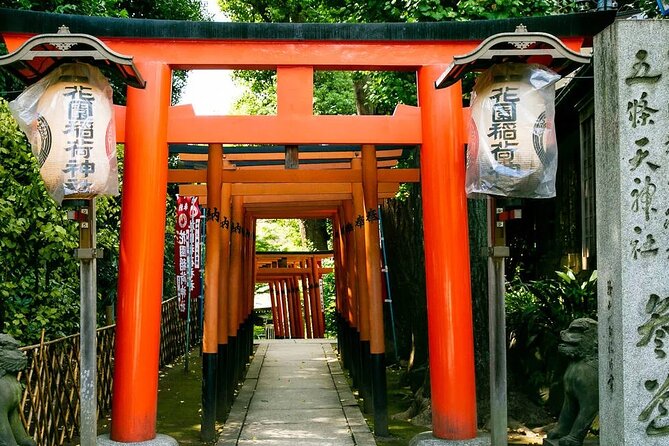
Then you visit Asakusa Shrine, next door. This is a great place to understand Japan’s religious landscape at ground level, because the tour frames what visitors often experience as a day-to-day blend of Buddhism and Shinto rather than a strict either/or. You’ll be right there in the neighborhood where both spiritual traditions show up close together, and the guide helps you connect the dots without turning it into a lecture.
What can trip you up: the temple area is active. If you get stressed by crowds, bring a little patience and take your time. The advantage of a guided walk is that you’re not guessing where to go next.
Lunch in the old-market lanes: what to order and how to eat
Lunch is built into the walk, which matters more than it sounds. You’re not transported somewhere generic; you’re eating while you’re still surrounded by the old streets that shaped the day.
You’ll spend time in the old (and renewed) market area around the temple zone, then have a Japanese lunch included. The tour’s value here isn’t only the food. The guide helps you understand what to eat and shares basic etiquette—the kind of small guidance that helps you feel confident, especially if you’re new to ordering in Japan.
Food notes that are worth keeping in mind:
- If you have dietary restrictions, inform the operator in advance. The info provided says you can arrange meal alternatives, and if advance notice is made at least 24 hours prior, the meal portion can be refunded on location.
- There’s also an option to opt out of the meal and get the meal portion refunded in cash on the spot. This is especially helpful if you just know your tastes won’t match the set meal.
My practical advice: if you have allergies or strict preferences, send the details early. Even with alternatives available, it’s best if the plan is made before you arrive hungry and rushed.
Kappabashi Street: chef knives, replica food, and fun souvenirs
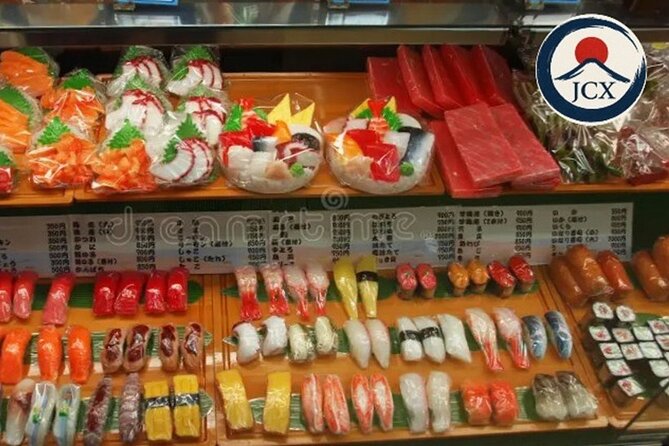
After the temple area, the tour shifts gear in a very Tokyo way. You head to Kappabashi Street, famous for everything related to food and cooking.
Here’s what makes this stop such a good break: it’s not just sightseeing. You get a look at the tools and visual culture behind Japanese cuisine. You’ll find shops associated with the world of chefs’ knives and also places where food replicas are made. Those plastic displays show up all over Japan, so seeing how they’re created makes the whole city feel more connected.
You can browse for kitchen needs or pick up small souvenirs that feel truly tied to the place. If you’re curious and want to go further, the area is also known for hands-on experiences you can book for creating your own food replica—but that’s an add-on, not something your main tour time guarantees.
Potential drawback: if you’re not a kitchen-gear person, this stop might feel more like window-shopping. The fix is to treat it as a culture stop: look closely at what’s displayed, how products are labeled, and why certain items are popular.
Ueno Park and Matsuzakaya Ueno: architecture, seasonal mood, and a food-court perspective
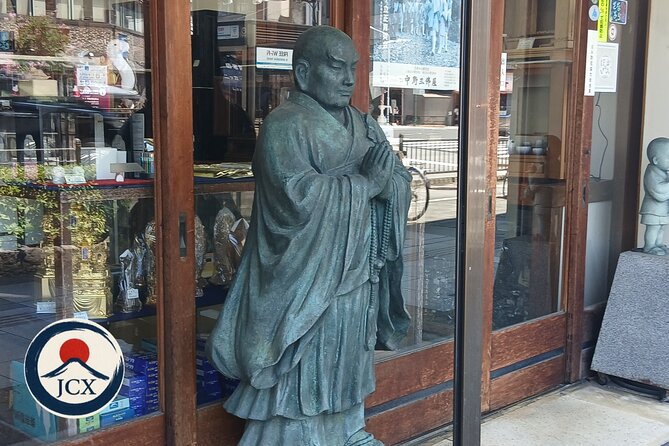
From Kappabashi you’ll move toward the Ueno side of the day. One stop gives you a view (or shopping chance) at Matsuzakaya Ueno, including the famed higher-end food court vibe. This isn’t about buying the most expensive thing. It’s about seeing the style of Japanese food retail—how polished it can be, how seriously people take ordering, and how the experience is built into the space.
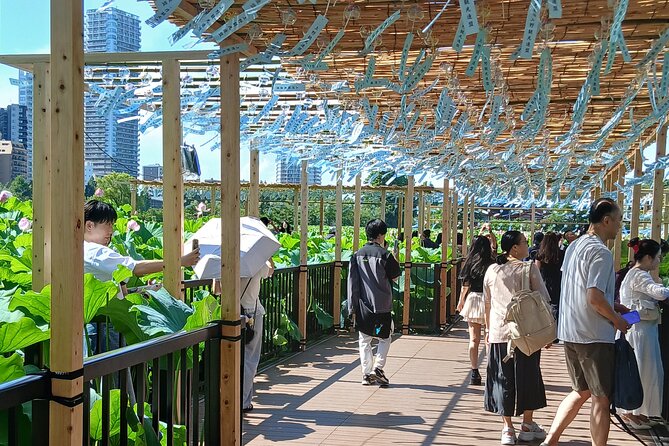
Then you enter Ueno Park, which is a big deal for anyone who wants Tokyo beyond one monument at a time. The park area is home to museums, the zoo, and numerous shrines and temples. The tour also flags seasonal highlights like cherry blossoms, lotus flowers, and wind chimes, plus festival timing when it’s relevant.
In other words, Ueno gives you a different kind of Tokyo memory. Senso-ji is all momentum and street energy. Ueno is more about pace, pathways, and the feeling that you’re walking through a long-established cultural district.
Tip: if you’re sensitive to walking fatigue, the park section is where you can slow down and let your eyes do more work than your feet.
Readers also shortlisted these Tokyo bookings:
- Tokyo: Mt.Fuji & Lake Kawaguchiko 1-Day Bus Tour w/Optional Lunch★ 4.5 · 839 reviews
- Tokyo: Sumo Experience and Chanko Nabe Lunch★ 4.8 · 257 reviews
- Tokyo: Tsukiji Fish Market Tour with 6 Stops & Seafood Lunch★ 4.5 · 165 reviews
- Tokyo: 1 Day Bus Tour with Meiji-Jingu,Odaiba,lunch&Skytree★ 4.6 · 156 reviews
- Tokyo: Full-Day Tour w/Tea Experience,Buffet Lunch & Cruise★ 4.9 · 151 reviews
Toshogu Shrine: Edo-era architecture with a calm walk through the park
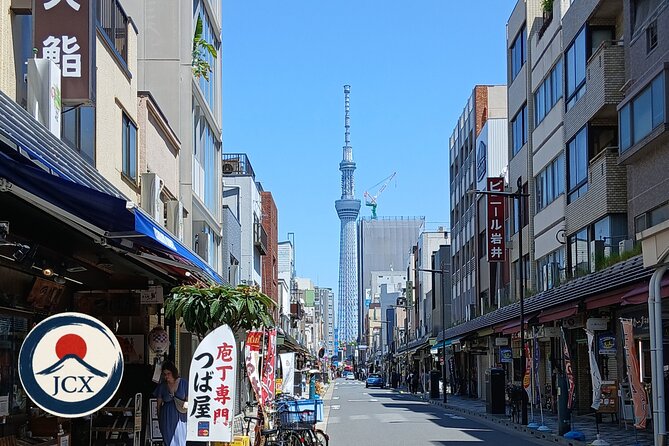
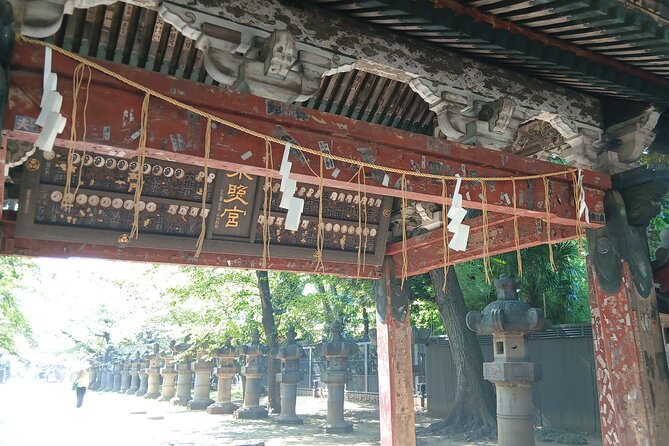
The day ends at Toshogu Shrine in Ueno. This is the kind of stop that rewards you for standing still for a minute. The tour describes it as a major Edo-period landmark tucked in serene walkways, and that matches what this place tends to feel like: ornate details, a sense of order, and a quieter atmosphere than the earlier temple streets.
If you enjoy architecture, this is a strong closer. You’ll see how historical Japan expressed power, spirituality, and craftsmanship in stone and structure. And since the shrine is in a park setting, you get a gentle transition from city noise into something slower.
It’s also a good finishing point for the overall route. By now you’ve already learned how to interpret religious sites and market streets. So when Toshogu shows up, you’re better prepared to notice the difference between a busy temple approach and a more reserved shrine experience.
Walking route, timing, and the small-group advantage
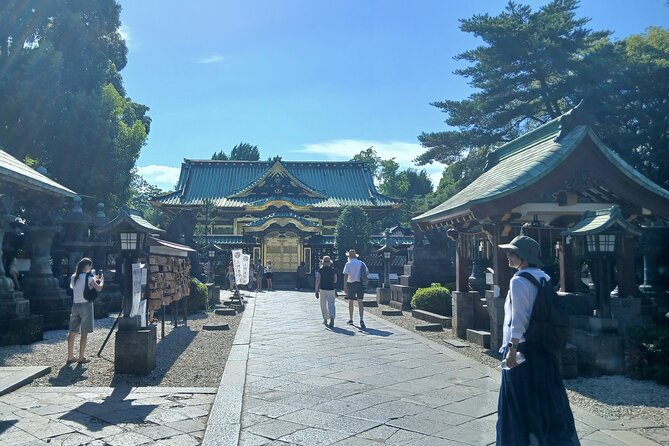
Logistics are simple, but they matter because this tour is timed like a real day out, not a quick circuit. You start at 9:00 am at the Asakusa meeting point near 1-chōme-1-3 Asakusa. The walk ends at the Ueno station area, at JR Ueno Station Park Gate (the listing notes it near the BabyCar rental exit).
The tour is about 7 hours, and it’s described as suitable for most travelers. That’s a good sign, but you should still treat it like a full sightseeing day. Comfortable shoes are non-negotiable. Also, the experience notes that it requires good weather, and if it’s canceled due to poor conditions you’ll be offered another date or a refund.
With a maximum of 12, you’re not constantly losing sight of the group. You’ll also get more personal interaction with the guide, which is a major part of why this tour works. If you’ve taken big-bus tours before, this feels more like someone actually invited you into their local Tokyo day plan.
One guide name that comes up in positive feedback is Mia, praised for being friendly and easy to follow.
Price and value: how $90 stretches across history, food, and guided time
At $90 per person, this isn’t a budget tour, but it doesn’t feel overpriced for what’s included—especially if you value explanation and not just locations.
Here’s what you’re paying for in real terms:
- A guided walking day through multiple iconic sites
- A quality course lunch included (not just a snack stop)
- Free admission at the key religious locations (you’re not paying entry fees on top)
- Time saved on figuring out what to do next and what to pay attention to
You’re also getting variety across the day: spiritual sites, market streets, a specialized shopping lane (Kappabashi), and an Edo-era shrine closer. That blend is hard to assemble on your own without spending time researching and building a route.
If your style of travel is DIY and you love planning, you could recreate pieces of this. But if you want your Tokyo day to feel like you’re being guided through the logic of the neighborhoods, the price holds up.
Should you book this Old Town Discovery Walk?
Book it if you want a coherent Old Tokyo day that mixes temples, food culture, and park-area history in one steady route. It’s especially good for first-timers who want context fast, and for returning visitors who want a more structured way to see Asakusa and Ueno beyond the obvious highlights.
Skip it (or at least consider a different option) if you’re not comfortable walking for most of a day, or if your lunch needs are very specific and you can’t or won’t plan ahead. The meal is included, and while there’s an option to opt out and get the meal portion refunded, it’s still easier when you communicate early.
Overall, this is the kind of tour that helps you leave Tokyo feeling like you understood what you saw—symbols, street habits, and food traditions—rather than just ticking off landmarks.
FAQ
How long is the Tokyo Old Town Discovery Walk?
The tour runs for about 7 hours.
Is lunch included?
Yes. A Japanese lunch is included as part of the itinerary.
Are there any admission fees for the temples and shrines?
The tour description indicates admission tickets for the included sights are free.
Where does the tour start and where does it end?
It starts at 1-chōme-1-3 Asakusa, Taito City, Tokyo 111-0034. It ends at the JR Ueno Station Park Gate area (outside the ticket gate) in Ueno.
What time does the tour begin?
The start time is listed as 9:00 am.
How many people are in a group?
The maximum group size is 12 travelers.
What if I have dietary restrictions?
Let the provider know in advance so meal alternatives can be arranged. The meal portion of the tour cost can be refunded on location if advance notice is given at least 24 hours before the tour starts.
What happens if the weather is bad?
The experience requires good weather. If it’s canceled due to poor weather, you’ll be offered a different date or a full refund.
Can I cancel and get a full refund?
Yes. You can cancel up to 24 hours in advance for a full refund.
More Lunch Experiences in Tokyo
- Tokyo: Mt.Fuji & Lake Kawaguchiko 1-Day Bus Tour w/Optional Lunch
★ 4.5 · 839 reviews - Tokyo: Sumo Experience and Chanko Nabe Lunch
★ 4.8 · 257 reviews - Tokyo: Tsukiji Fish Market Tour with 6 Stops & Seafood Lunch
★ 4.5 · 165 reviews - Tokyo: 1 Day Bus Tour with Meiji-Jingu,Odaiba,lunch&Skytree
★ 4.6 · 156 reviews - Tokyo: Full-Day Tour w/Tea Experience,Buffet Lunch & Cruise
★ 4.9 · 151 reviews
More Walking Tours in Tokyo
- Tokyo Tsukiji Fish Market Food and Culture Walking Tour
★ 5.0 · 3,184 reviews - Tokyo: Imperial Palace and Shogun Historical Walking Tour
★ 5.0 · 2,251 reviews - Tokyo: Shinjuku Local Bar and Izakaya Guided Walking Tour
★ 4.9 · 1,794 reviews - Tokyo: Tsukiji Fish Market Food and Walking tour
★ 5.0 · 1,724 reviews - Tokyo: Asakusa Walking Tour with Sensoji Temple Visit
★ 4.8 · 1,583 reviews
More Tour Reviews in Tokyo
- Mt Fuji and Hakone 1-Day Bus Tour Return by Bullet Train
★ 5.0 · 26,383 reviews - 1-Day Tokyo Bus Tour
★ 5.0 · 14,250 reviews - Tokyo: teamLab Planets TOKYO Digital Art Museum Entry Ticket
★ 4.6 · 9,779 reviews - Mt Fuji & Hakone Cruise, Drum Show Bullet Train 1 Day from Tokyo
★ 4.0 · 7,413 reviews - Tokyo: Shinjuku Food Tour (13 Dishes at 4 Local Eateries)
★ 5.0 · 6,603 reviews
Latest Tokyo reviews off our desk



Walking Tours, compared.
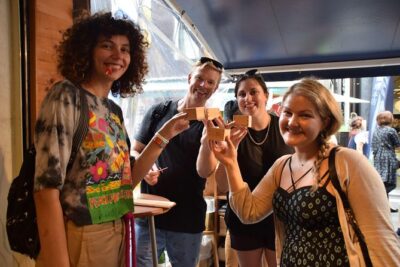 ★ 5.0Tokyo Tsukiji Fish Market Food and Culture Walking TourFrom $993,184 reviews
 ★ 5.0Imperial Palace and Shogun Historical Walking TourFrom $222,251 reviews
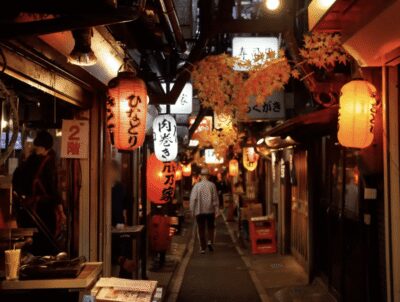 ★ 4.9Shinjuku Local Bar and Izakaya Guided Walking TourFrom $341,794 reviews
 ★ 5.0Tsukiji Fish Market Food and Walking tourFrom $301,724 reviews
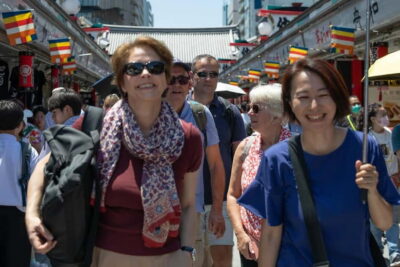 ★ 4.8Asakusa Walking Tour with Sensoji Temple VisitFrom $221,583 reviews
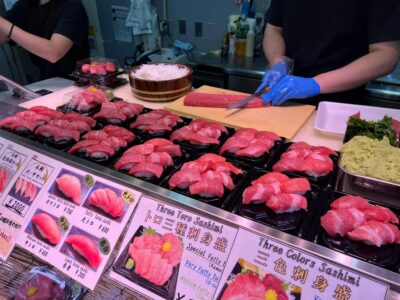 ★ 4.9Tsukiji Fish Market Guided Walking TourFrom $221,397 reviews
 ★ 4.7Tokyo Castle & Imperial PalaceーShogun Walking TourFrom $231,068 reviews
 ★ 4.9Imperial Palace Japanese History Walking TourFrom $32987 reviews
Browse the lists this tour appears in