
Reviewed · WALKING TOURS
Tokyo: Private Custom Walking Tour with Local Guide
Tokyo makes more sense with a local plan. This private custom walking tour lets you shape a day around your interests while a local guide steers you through the parts of the city that are hardest to decode on your own. Instead of just ticking off landmarks, you get context, route logic, and practical stops that fit your pace.
I especially like the hotel pickup when you’re staying in central Tokyo, because the day starts without the stress of figuring out where to meet. I also like the way the guide turns Tokyo’s transit into something you can actually use, with help that can cover basics like train routing and even setting yourself up for the rest of the trip.
One possible drawback: you’re walking for real. With options from 2 to 8 hours, you’ll want comfortable shoes and the mindset that this is a day for moving through neighborhoods, not sitting around.
In This Review
- Quick highlights
- Private custom walking tours in Tokyo: why this format works
- Before you walk: how the guide shapes your day
- Hotel pickup and meeting setup: the quiet advantage
- Train and subway support: turning Tokyo transport into a tool
- Asakusa and Sensō-ji streets: where Tokyo feels old and easy
- SkyTree and view spots: using height to map the city
- Imperial Palace Gardens and Marunouchi: calm with center-stage access
- Shinjuku and Shibuya: neon with a plan, not chaos
- Akihabara and pop-culture stops: shop, learn, and ask
- Odaiba and waterfront time: a different Tokyo mood
- Museum visits and ticket help: when you want more than walking
- Food and culture advice: the bonus that makes the day last
- How long should you book: 2 hours vs 8 hours
- Value and price: why $53 feels fair for a private guide
- Should you book this private custom Tokyo walking tour?
- FAQ
- How long is this Tokyo private walking tour?
- Do you pick me up from my hotel?
- Is this tour private?
- What languages are the guides available in?
- What’s included in the tour price?
- Are museum tickets or attraction tickets included?
- Is the tour wheelchair accessible?
- Can I cancel for a full refund?
Quick highlights
- Hotel pickup in Tokyo so you don’t start with a scavenger hunt
- Custom itinerary based on what you want, including museum options if you ask
- Transit confidence: walking plus public transport, with route help built in
- Iconic sights plus real neighborhoods across multiple wards
- Extra guidance beyond the route (food, etiquette, and what to do next)
Private custom walking tours in Tokyo: why this format works
Tokyo can feel like a game where the rules change every block. You’ll see crowds, signs in three scripts, and trains that arrive on time while your brain is still trying to catch up. A private walking tour fixes that by giving you a live plan and a human translator for how the city works day to day.
The big win is that you’re not locked into one rigid loop. Instead, you can steer toward the kind of Tokyo you actually want: temples and traditional streets, modern towers and wide avenues, shopping districts, or quieter pockets in between. If you want a mix, your guide can build it that way.
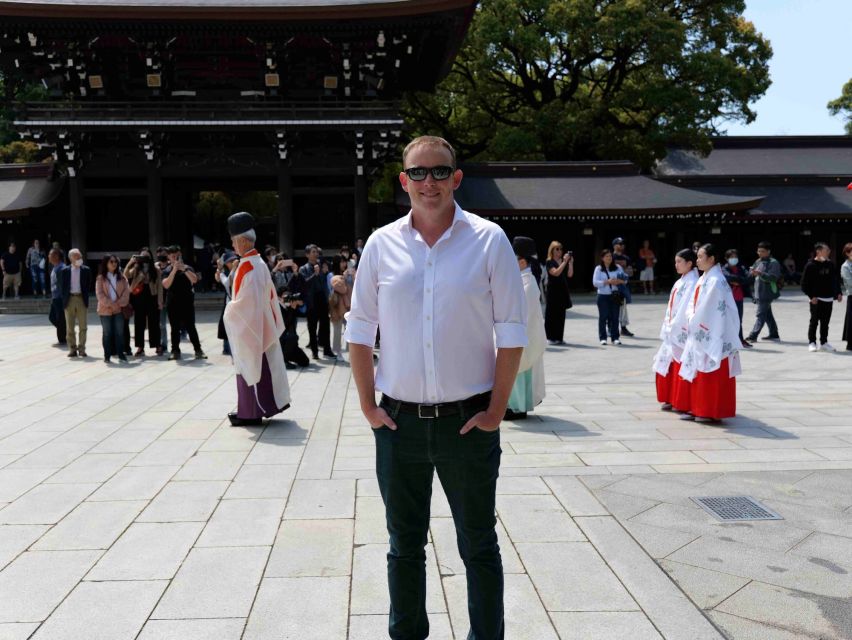
And because the tour is private, your questions don’t have to wait for a group schedule. You can ask about route choices, photo spots, or how to behave around shrines and temples. That kind of on-the-spot guidance is what turns a first visit into something that feels doable.
Readers also shortlisted these Tokyo bookings:
- Tokyo Tsukiji Fish Market Food and Culture Walking Tour
★ 5.0 · 3,184 reviews - Tokyo: Imperial Palace and Shogun Historical Walking Tour
★ 5.0 · 2,251 reviews - Tokyo: Shinjuku Local Bar and Izakaya Guided Walking Tour
★ 4.9 · 1,794 reviews - Tokyo: Tsukiji Fish Market Food and Walking tour
★ 5.0 · 1,724 reviews
Before you walk: how the guide shapes your day
You’ll connect with your guide in advance to talk through preferences. That matters because Tokyo isn’t one thing. One person wants street life in Asakusa. Another wants shopping streets and pop culture. Another is chasing views from a high building. With a custom plan, you can aim at your targets instead of hoping the standard highlights route matches your energy.
Your guide can also adjust around constraints. For example, some people book with family needs in mind, like quick breaks or flexible pacing. Others come in with a very specific list, like SkyTree + Sensō-ji, or Imperial Palace Gardens + Marunouchi. The tour structure is built to absorb that.
The guides named in guest feedback include people like Enrique, Francine, Florencia, Karl, Shaban, and Balsan Victor. You can’t control who you’ll get, but you can expect the guide style to focus on making the route practical and the stories understandable.
Hotel pickup and meeting setup: the quiet advantage
If your hotel is in Tokyo, you’ll meet the local guide at your accommodation. That single detail reduces friction more than you’d think. The first day in Tokyo often includes jet lag, wrong turns, and that moment when you realize the station entrance you’re using is not the one your maps promised.
With pickup, you start moving in the direction you need. If your hotel is outside the city center, you’ll meet at a convenient city spot instead, so you’re not dragged across town just to begin.
One more smart element: the tour may end at a different location from where it starts unless you request otherwise in advance. That’s useful if you want to line up your next activity without backtracking.
Train and subway support: turning Tokyo transport into a tool
Tokyo’s public transport is excellent. It’s also confusing the first time you try to navigate it. This tour handles that by combining walking with public transport and having your guide manage the route.
You’ll get real-time help: how to get on and off, how to read signs, and how to move efficiently between stations. Several guides are praised for this exact value, including help with the subway system and practical tips for getting through stations without losing time. If you’re trying to use IC cards or need help understanding card setup, this tour is one way to get your bearings fast.
If part of your goal is learning enough to go solo afterward, ask for that. I’d do it by requesting a few segments that are transit-heavy but not exhausting. That way you learn route logic while still enjoying the places you came for.
Asakusa and Sensō-ji streets: where Tokyo feels old and easy
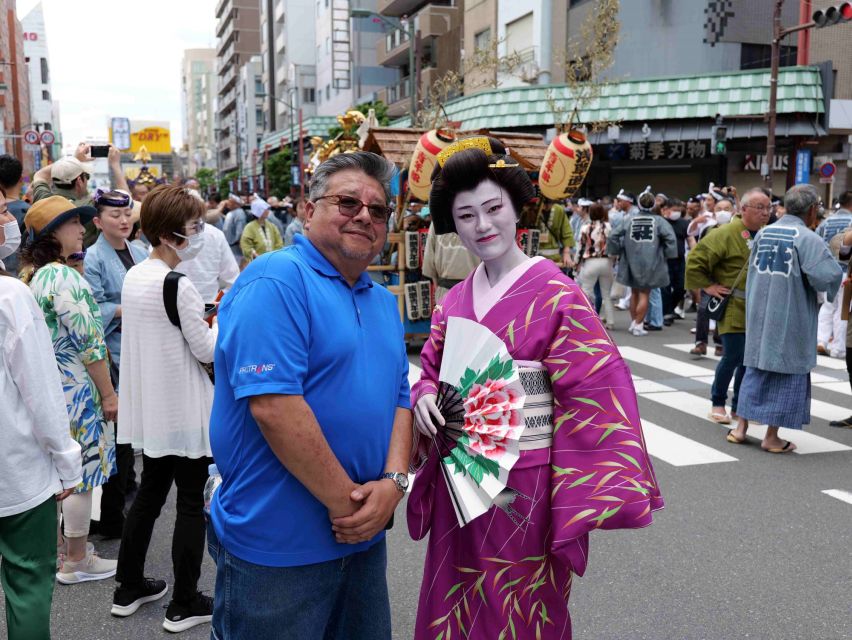
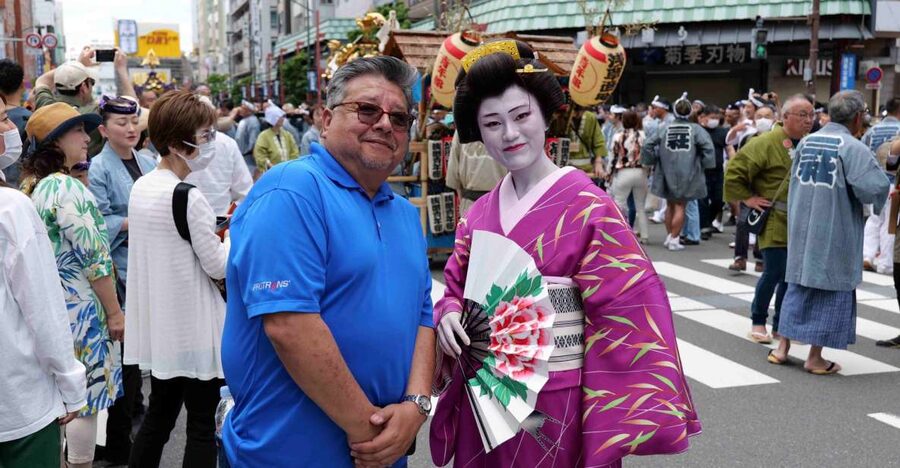
A classic Tokyo pairing is the temple area around Sensō-ji and the streets of Asakusa. This is where you slow down, look up, and feel the city’s older rhythms: incense, lanterns, small shops, and pedestrians moving at human speed.
This tour approach focuses on more than the postcard views. You get the meaning behind what you’re seeing and practical guidance on how to enter sacred spaces respectfully. That can turn a quick stop into something more thoughtful, especially if it’s your first time visiting Japanese temples.
What to expect here:
- A walk through traditional-style streets and temple surroundings
- A chance to understand what you’re looking at, not just point and shoot
- Flexibility to add or skip nearby stops depending on your pace
A drawback to know: it can get crowded. Going during your best time window helps, and a guide’s timing choices can make a difference. Even so, you should expect the energy of a major attraction.
Readers also shortlisted these Tokyo bookings:
- Tokyo 6hr Private Tour with Government-Licensed Guide★ 5.0 · 3,902 reviews
- Tokyo: Shinjuku Local Bar and Izakaya Guided Walking Tour★ 4.9 · 1,794 reviews
- Tokyo: Private City Highlights Tour with Local Guide★ 4.8 · 1,433 reviews
- Tokyo: Tsukiji Fish Market Guided Walking Tour★ 4.9 · 1,397 reviews
- Tokyo 4hr Private Tour with Government-Licensed Guide★ 5.0 · 1,394 reviews
SkyTree and view spots: using height to map the city
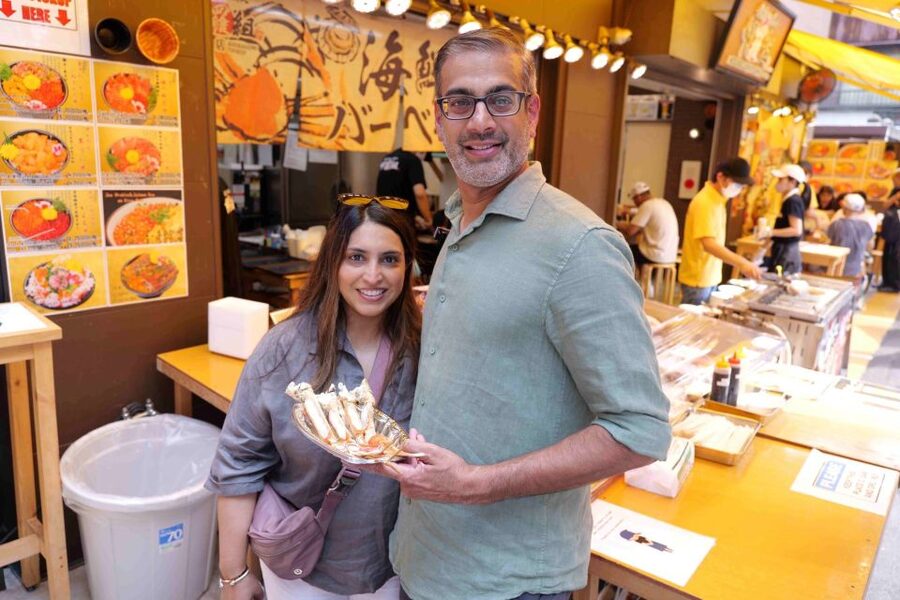
Tokyo has a unique trick: once you see it from above, the ground plan starts to make sense. That’s why stops like SkyTree Tower show up in many custom itineraries. From a high viewpoint, you can pick out river bends, major districts, and the shape of the neighborhoods you’ll explore later.
If you add a view stop, I recommend treating it like a map session, not just sightseeing. Use the skyline to orient yourself, then ask your guide what parts you’ll see later at street level.
You might also get bonus view opportunities depending on the itinerary. One example from guest feedback is time at the Tokyo Metropolitan area for views and city context. Even if your plan doesn’t include that exact stop, the goal stays the same: help you connect the city’s layout to what you’re experiencing.
Imperial Palace Gardens and Marunouchi: calm with center-stage access
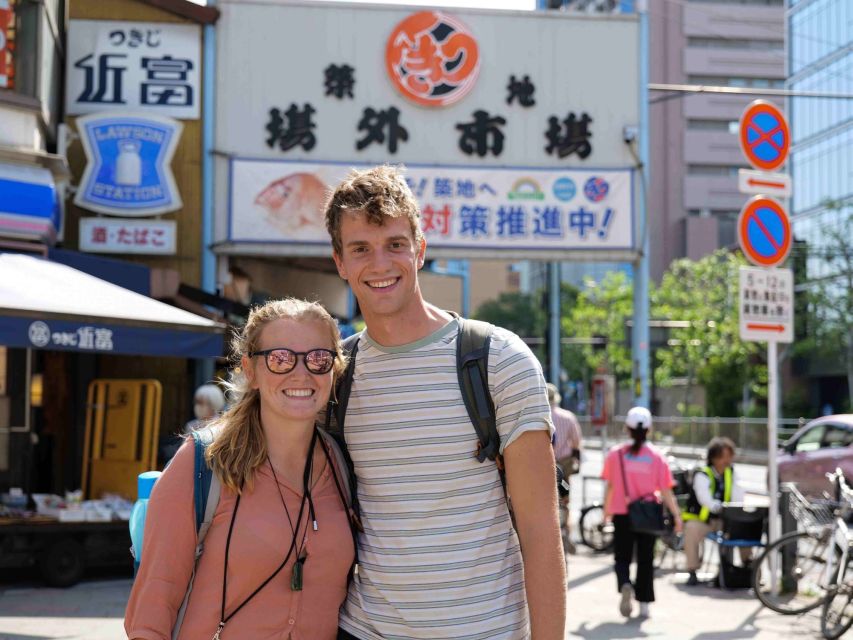
Not every Tokyo moment needs neon. The Imperial Palace area and nearby Marunouchi district give you a break from the crowds while still staying close to the center of the city.
Imperial Palace Gardens-style stops tend to work well when you want:
- A quieter reset after busy neighborhoods
- A walk that feels more spacious and structured
- Photo opportunities with classic city order
Marunouchi adds a different flavor: modern Tokyo’s business district energy, wide streets, and easy connections to other areas. If you’re the type who likes Tokyo to feel varied, this combination is a smart hinge point in a longer day.
If you’re short on time, I’d treat this segment as a “taste, then move” stop. You’ll get the feel without sacrificing the more intense neighborhoods later.
Shinjuku and Shibuya: neon with a plan, not chaos
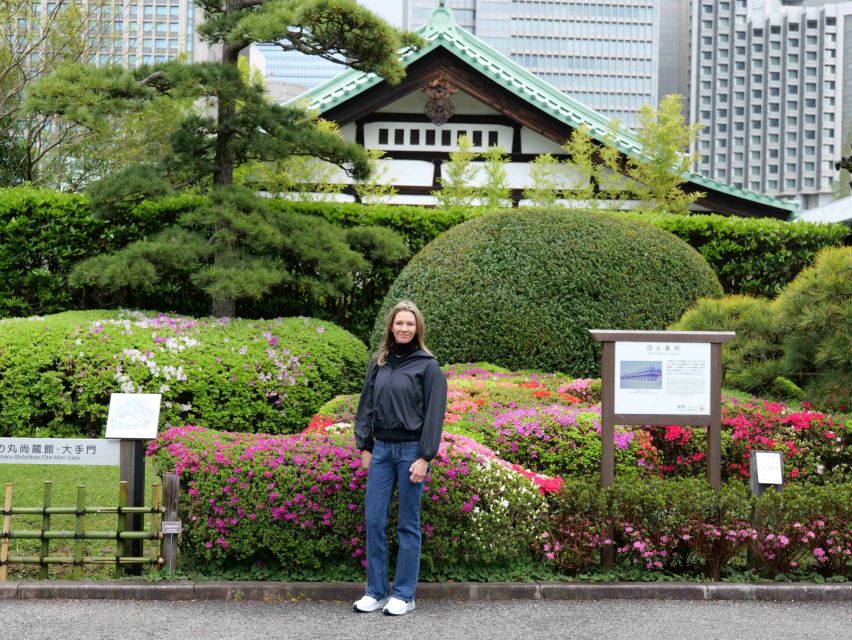
These districts are famous for a reason, but that’s also why they can overwhelm you. Shinjuku is a maze of stations and streets. Shibuya is a scene of lights, crossings, and nonstop motion. Doing them with a guide helps you avoid wandering in circles.
In custom routes, guides may take you through both iconic and quieter side streets, depending on your preferences. Guest feedback highlights that some guides use these neighborhoods to mix major sights with calmer pockets, which is ideal if you don’t want your whole day to feel like walking through a theme park.
What works especially well here:
- You learn where to go for the best photos and where not to lose time
- You get a sense of how different parts of the same ward feel
- You can ask for food or nightlife suggestions that fit your style
One caution: these areas reward early planning. If you want the most comfortable experience, build in time buffers for station navigation and crowd density.
Akihabara and pop-culture stops: shop, learn, and ask
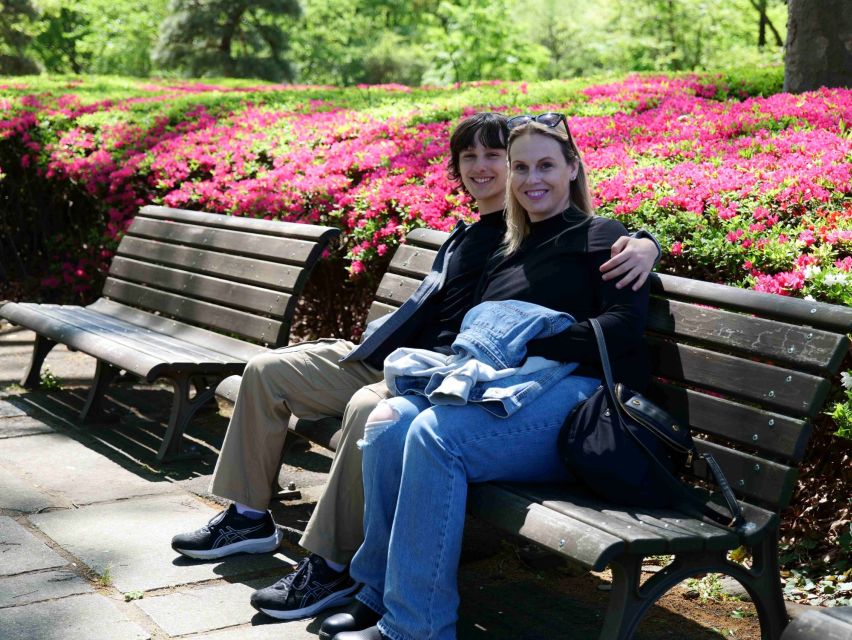
If your Tokyo includes anime, electronics, games, or just curiosity, Akihabara tends to be a natural target. In custom tours, it often pairs well with other centrally located districts so you can keep transit efficient.
In some itineraries, guides have taken guests to places like a Pokemon-themed store, plus surrounding shopping areas. The value here isn’t only the shopping. It’s the cultural context: what you’re seeing, why it’s popular, and how to move through the area without getting stuck or missing the parts that match your interests.
If you’re visiting on a budget, tell your guide your spending comfort level. That way, you’ll get relevant stops without feeling pressured to buy.
Odaiba and waterfront time: a different Tokyo mood
Odaiba is another Tokyo side that often surprises first-timers. It’s more open, more spread out, and it can feel calmer than the inner-city neighborhoods. Some guides have led tours that include Odaiba Marina time, which is a nice change of pace when your earlier day included temples and subway transfers.
This kind of stop can be a smart reset if:
- You need a slower stretch in the middle of a long day
- You want views and space rather than crowds
- You’d like a break after hours of walking
Because it’s customizable, you can decide how long to stay. If you’re trying to maximize sights, keep it shorter. If you want a breather, give it more time.
Museum visits and ticket help: when you want more than walking
The tour is built around walking the exterior of monuments, including museums. If you want to include an actual museum visit, you can ask your guide to adjust the itinerary. Also, there’s support to help book tickets for desired visits.
This matters because museum hours, ticket types, and entry rules are easy to mess up when you’re traveling. Having a guide handle parts of the ticket process can save time and reduce last-minute stress.
What to watch for: museums can slow a day down. If your goal is to cover many districts, ask your guide to treat museums as a single anchor rather than an add-on you’ll regret skipping.
Food and culture advice: the bonus that makes the day last
Food and drinks aren’t included, but the guide guidance can be. Several guide styles in guest feedback include recommendations for treats and places to eat nearby, like foodie stops in areas such as Asakusa. Others focus on practical advice that helps you avoid common mistakes.
That could include:
- Where to find restrooms efficiently
- How to navigate streets and stations with less friction
- Etiquette tips around temples and shrines
If you have dietary needs or accessibility constraints, bring them up in your planning notes. One guest feedback example includes celiac-related help for locating options around a fish-market style stop. You can’t guarantee every request will be perfect, but it’s still worth stating clearly so the guide can adjust on the fly.
How long should you book: 2 hours vs 8 hours
This tour ranges from 2 to 8 hours, and that range is actually the key to value. Two hours is ideal if you want a fast orientation plus a couple of highlights. Eight hours fits people who want to go deep on neighborhoods and learn enough transport logic to feel comfortable solo afterward.
A simple way to decide:
- If it’s your first half-day: go 2–4 hours
- If you’re trying to fit major districts: go 4–6 hours
- If you want a full day with multiple wards and breaks: go 6–8 hours
The bigger time range can also reduce stress. Tokyo days can be “go-go-go.” A longer private tour lets you keep pacing humane and not rush every stop.
Value and price: why $53 feels fair for a private guide
At $53 per person, this tour is priced as a budget-friendly private experience, especially since it includes hotel pickup in Tokyo (when you’re staying in the city), plus walking and public transport during the tour.
What you’re paying for is not just sightseeing. You’re paying for:
- Time saved figuring out transit
- A route that matches your interests
- Real-time coaching and decisions (where to go next, what to skip, when to rest)
- Support for booking tickets if you add museum visits
For many first-timers, the cost is basically one day of stress bought back. That’s the kind of value you notice immediately.
If you’re traveling solo or as a couple, private format can also feel like better math than you’d expect, because you’re not paying for a giant group’s schedule. You get control.
Should you book this private custom Tokyo walking tour?
I’d book this tour if you fall into any of these buckets:
- You want Tokyo highlights, but you also want local context and pacing that fits you
- You’re nervous about transit and want to learn by doing, not by guessing
- You like the idea of building a route around your interests, from Asakusa to Shinjuku to Akihabara
- You want help booking museum tickets or lining up a few structured stops
Skip it if you prefer fully self-directed sightseeing and don’t want to walk much. Also, if you’re only after one single landmark, a guide could be more than you need.
If you do book, come with a short wish list. Then add one flexible chunk. That’s where the guide can turn a good day into a memorable one.
FAQ
How long is this Tokyo private walking tour?
It runs from 2 to 8 hours. The exact starting times depend on availability, so check the options for your date.
Do you pick me up from my hotel?
Yes, pickup is included if your hotel is located in Tokyo. If your hotel is outside the city center, a convenient meeting point in the city center will be selected.
Is this tour private?
Yes. It’s listed as a private group, with just your group participating.
What languages are the guides available in?
The live guide is available in English, French, Italian, Japanese, Spanish, and Portuguese.
What’s included in the tour price?
The price includes a private walking tour, customization, hotel pickup (if you’re in Tokyo), walking plus public transport (unless you select an option that changes this), and help from the team to book tickets for desired visits.
Are museum tickets or attraction tickets included?
No. Tickets to attractions are not included, though the team can help you book tickets if you want to visit.
Is the tour wheelchair accessible?
Yes, it’s listed as wheelchair accessible.
Can I cancel for a full refund?
Yes. Free cancellation is available up to 24 hours in advance for a full refund.
More Walking Tours in Tokyo
- Tokyo Tsukiji Fish Market Food and Culture Walking Tour
★ 5.0 · 3,184 reviews - Tokyo: Imperial Palace and Shogun Historical Walking Tour
★ 5.0 · 2,251 reviews - Tokyo: Shinjuku Local Bar and Izakaya Guided Walking Tour
★ 4.9 · 1,794 reviews - Tokyo: Tsukiji Fish Market Food and Walking tour
★ 5.0 · 1,724 reviews - Tokyo: Asakusa Walking Tour with Sensoji Temple Visit
★ 4.8 · 1,583 reviews
More Tours in Tokyo
- Mt Fuji and Hakone 1-Day Bus Tour Return by Bullet Train
★ 5.0 · 26,383 reviews - 1-Day Tokyo Bus Tour
★ 5.0 · 14,250 reviews - Tokyo: Shinjuku Food Tour (13 Dishes at 4 Local Eateries)
★ 5.0 · 6,603 reviews - Tokyo Mt Fuji 5th St & Hakone Cruise Bus Tour w/Bullet Train
★ 4.4 · 5,024 reviews - Flagship 2-Hours Official Street Go-Kart Tour – Tokyo Bay Shop
★ 5.0 · 4,974 reviews
More Tour Reviews in Tokyo
- Mt Fuji and Hakone 1-Day Bus Tour Return by Bullet Train
★ 5.0 · 26,383 reviews - 1-Day Tokyo Bus Tour
★ 5.0 · 14,250 reviews - Tokyo: teamLab Planets TOKYO Digital Art Museum Entry Ticket
★ 4.6 · 9,779 reviews - Mt Fuji & Hakone Cruise, Drum Show Bullet Train 1 Day from Tokyo
★ 4.0 · 7,413 reviews - Tokyo: Shinjuku Food Tour (13 Dishes at 4 Local Eateries)
★ 5.0 · 6,603 reviews
Latest Tokyo reviews off our desk






Walking Tours, compared.
 ★ 5.0Tokyo Tsukiji Fish Market Food and Culture Walking TourFrom $993,184 reviews
 ★ 5.0Imperial Palace and Shogun Historical Walking TourFrom $222,251 reviews
 ★ 4.9Shinjuku Local Bar and Izakaya Guided Walking TourFrom $341,794 reviews
 ★ 5.0Tsukiji Fish Market Food and Walking tourFrom $301,724 reviews
 ★ 4.8Asakusa Walking Tour with Sensoji Temple VisitFrom $221,583 reviews
 ★ 4.9Tsukiji Fish Market Guided Walking TourFrom $221,397 reviews
 ★ 4.7Tokyo Castle & Imperial PalaceーShogun Walking TourFrom $231,068 reviews
 ★ 4.9Imperial Palace Japanese History Walking TourFrom $32987 reviews
Browse the lists this tour appears in