
Reviewed · WALKING TOURS
Tokyo Private Guided 1/2-Day Walking Subway Tour English guide
You can see Tokyo fast without feeling rushed. This private half-day walking tour strings together five iconic neighborhoods using the subway, with an English guide and hotel pickup to cut out the guesswork.
I especially like that you get real routing help—your guide shows you how to move through the Metro efficiently—plus you hit Meiji Jingu, Asakusa, and Tsukiji in one smooth morning/early afternoon arc. One drawback to plan for: it’s a good amount of outdoor walking, so comfortable shoes matter, and bad weather can mean changes to the exact visits.
If you’re the type who wants Tokyo highlights and practical city skills, this tour fits. It’s also private, so the pace can be adjusted for your group, which came through in how guides like Yoshi, Hiromi, and Izumi handled guests.
In This Review
- Key Highlights Worth Getting Excited About
- Why This Private Subway-Walking Combo Works
- Getting Started: Hotel Pickup and the Included Metro Pass
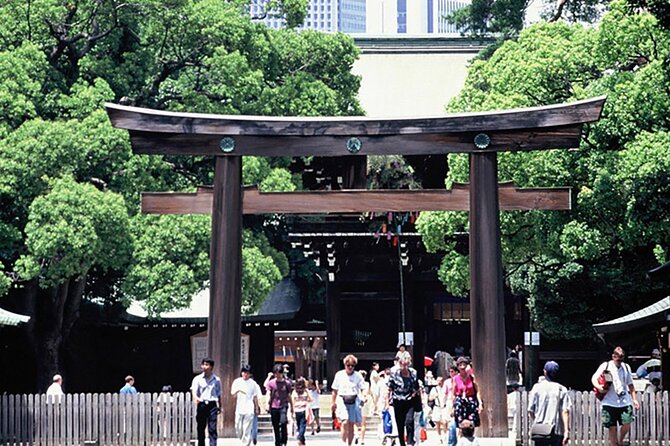
- Stop 1: Meiji Jingu Shrine (The 1920 Shrine in a Forested Reset)
- Stop 2: Shibuya Crossing (How to Read the Chaos)
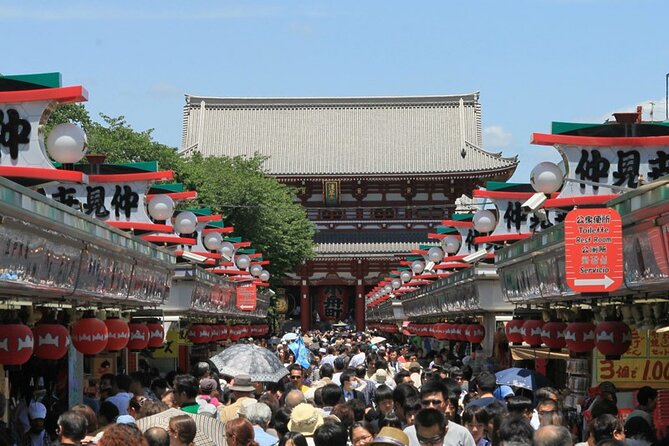
- Stop 3: Asakusa (Traditional Streets and Practical Shopping Time)
- Stop 4: Senso-ji Temple (Oldest Major Temple Energy in About 40 Minutes)
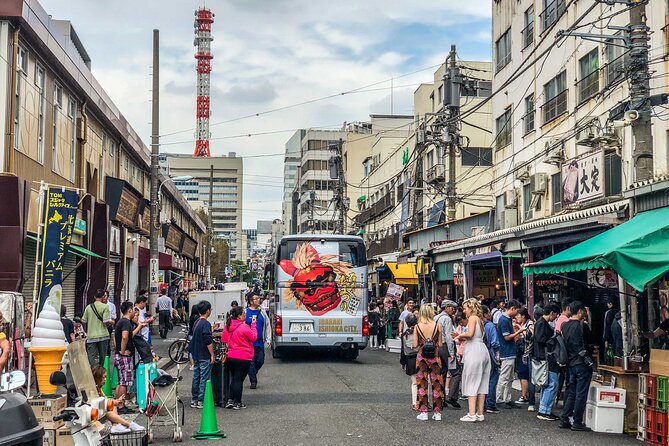
- Stop 5: Tsukiji Outer Market (Where the Old Market Still Lives)
- Pace, Walking, and Comfort: What 4.5 Hours Really Feels Like
- Guides Matter: Yoshi, Hiromi, and Izumi as a Clue to the Quality
- Is the Price Worth It? The Real Value Math
- Who Should Book This Tour (And Who Might Prefer a Different Plan)
- My Booking Advice: How to Get the Best Day Out of It
- Should You Book This Tokyo Subway and Walking Tour?
- FAQ
- What does the tour include for transit?
- Is admission included for the attractions?
- Where does the tour start and how do I get picked up?
- How long is the tour and how much walking is involved?
- What time do we end, and where does it end?
- Is lunch included?
- Does the itinerary change if the weather is bad?
- How are cancellations handled?
- What should I bring for this tour?
Key Highlights Worth Getting Excited About
- Hotel pickup + private pacing so you start with less hassle and less standing around
- Subway navigation help that makes Tokyo’s train system feel less intimidating
- Iconic mix in 4.5 hours: Meiji Jingu, Shibuya Crossing, Asakusa, Senso-ji, Tsukiji Outer Market
- One-day Metro pass included to keep transit costs and friction low
- Guide-led culture context tied to what you’re seeing, not just a checklist of stops
- Plan-friendly structure with set time blocks at each site and a familiar ending point around Tsukiji
Why This Private Subway-Walking Combo Works
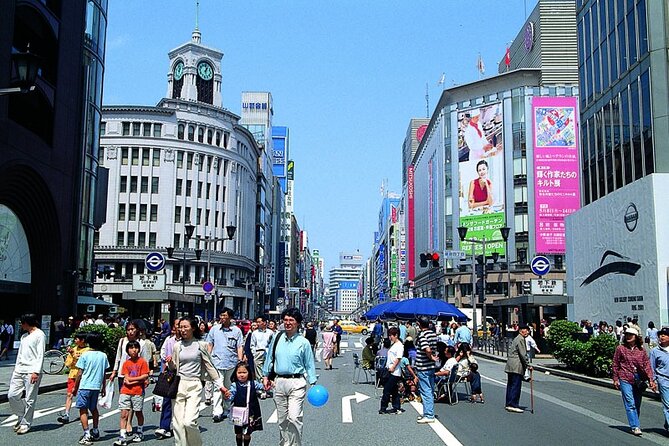
Tokyo is one of the best cities on Earth for public transit. It’s also one of the easiest to overthink when you’re tired, jet-lagged, or trying to figure out which exit is the correct one. That’s where this tour earns its keep: it uses the subway to connect major areas, then adds focused walking where it actually counts.
You’re not hopping randomly. You’re moving from shrine grounds to major crossings, then into a more traditional pocket of the city, and finally into one of Tokyo’s famous food and market zones. The result is a tight “orientation” tour that doesn’t feel like a blur—because each stop gets its own time window.
And because it’s private, the group stays together. You’re not stuck waiting for a big herd to reach the platform or arguing about where everyone wants to eat later. If your group has slower walkers, this format tends to feel calmer. You’ll also find that your guide’s job is not only to show you where to go, but to manage the flow so you spend less time stuck in the wrong station exit loop.
Readers also shortlisted these Tokyo bookings:
- Tokyo Tsukiji Fish Market Food and Culture Walking Tour
★ 5.0 · 3,184 reviews - Tokyo: Imperial Palace and Shogun Historical Walking Tour
★ 5.0 · 2,251 reviews - Tokyo: Shinjuku Local Bar and Izakaya Guided Walking Tour
★ 4.9 · 1,794 reviews - Tokyo: Tsukiji Fish Market Food and Walking tour
★ 5.0 · 1,724 reviews
Getting Started: Hotel Pickup and the Included Metro Pass
One of the smartest parts is the start: hotel pickup is included for convenience. That matters in Tokyo, where “nearby” can still mean a long walk with stairs, crossings, and confusing directions. If your hotel falls outside the designated pickup range, you may need to use alternative transport to reach the first meeting point, and in that case you’d cover those extra fares. So when you book, it’s worth double-checking whether your hotel fits the pickup area.
Once you’re with the guide, you’ll use the subway with a one-day Metro pass included. That’s a practical perk. You’re not juggling individual ticket purchases while also listening for station names and transfer points. You can focus on the route and the experience.
Also, this tour uses a mobile ticket and includes transportation fees within the tour setup. In other words, it’s designed to reduce “money admin” while you’re sightseeing.
Stop 1: Meiji Jingu Shrine (The 1920 Shrine in a Forested Reset)
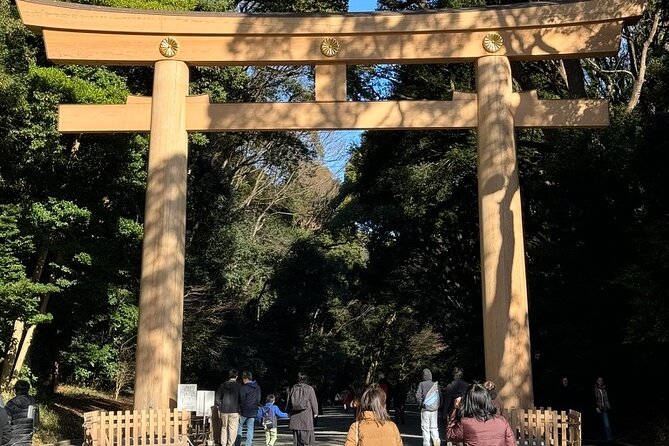
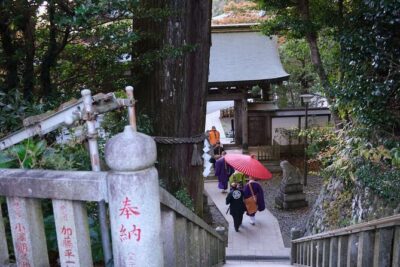
Meiji Jingu is a strong first stop because it gives you a change of pace right away. Your tour begins with subway travel from the nearest station to your hotel, then you arrive at the shrine area with time to settle in.
This site is dedicated to Emperor Meiji, a key figure in modern Japan during the 19th century, and the shrine was completed in 1920. That date detail is more than trivia. It helps you frame the mood: you’re not just seeing an old building—you’re visiting a place created in the modern era that honors a modernizing emperor.
You’ll have about 50 minutes here. That’s long enough to:
- Walk through the shrine approach at an unhurried pace
- Observe the rituals and the “quiet inside Tokyo” feeling
- Ask your guide questions about how Shinto shrines fit into daily Japanese life
What to watch for: even in a short tour, a shrine area can be crowded around peak visiting times. Plan to move slowly and let the flow guide you. If you want great photos, try shifting your angle rather than sprinting to the next “perfect spot.” Your guide can also help you time movements so you’re not stuck at the most congested angles.
Stop 2: Shibuya Crossing (How to Read the Chaos)
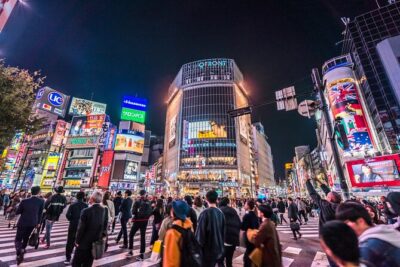
From Meiji Jingu, the hop to Shibuya is relatively quick by subway. Then you hit one of the most photographed streets in the world: the pedestrian scramble near Shibuya Crossing.
This stop is short—about 20 minutes—but it’s useful because it teaches you how Tokyo “moves.” Shibuya is where you feel the city’s energy instantly: streams of people, quick decisions, and a synchronized crossing rhythm.
What I like about making Shibuya a mid-tour stop is that it prevents two extremes:
- You don’t start your day only in crowds and neon
- You also don’t end the tour in quiet, so you still get a taste of modern Tokyo
If you want a calmer experience here, don’t treat it like a single photo spot. Stand at a safe distance, watch the timing of the crosswalk signals, and ask your guide where to stand for less crowd squeeze. Your guide’s subway navigation skill often extends to street timing too—especially on busy days.
Stop 3: Asakusa (Traditional Streets and Practical Shopping Time)
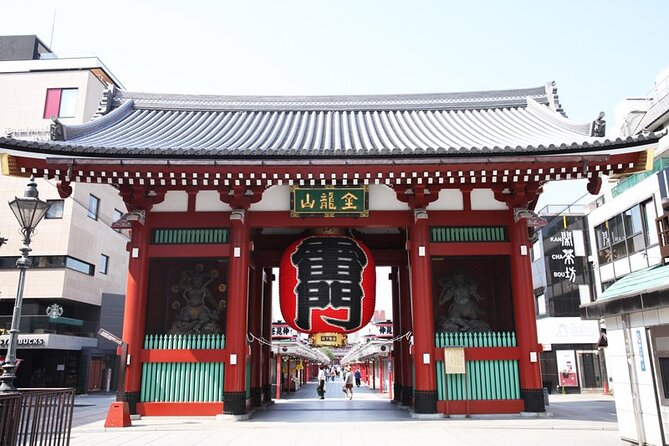
Asakusa is a different Tokyo flavor. After Shibuya’s intensity, Asakusa feels like stepping into a neighborhood with its own pace. This is where you’ll see shops geared toward traditional crafts, souvenirs, and street food.
You’re allocated about 20 minutes for Asakusa. That timing is perfect if you treat it like “sampling time”:
- Look first, buy second
- Taste street snacks if you want, but keep moving so you don’t miss Senso-ji
A big advantage here is that your guide can point you toward what to look for quickly. You won’t need to decode every sign while also trying to figure out transit back out of the area.
If you’re shopping, keep your bag light and your timing realistic. This is a walking-heavy day, and carrying heavy souvenirs around temple streets is a fast way to turn a fun outing into a sore-foot mission.
Readers also shortlisted these Tokyo bookings:
- Tokyo 6hr Private Tour with Government-Licensed Guide★ 5.0 · 3,902 reviews
- Tokyo: Shinjuku Local Bar and Izakaya Guided Walking Tour★ 4.9 · 1,794 reviews
- Tokyo: Private City Highlights Tour with Local Guide★ 4.8 · 1,433 reviews
- Tokyo: Tsukiji Fish Market Guided Walking Tour★ 4.9 · 1,397 reviews
- Tokyo 4hr Private Tour with Government-Licensed Guide★ 5.0 · 1,394 reviews
Stop 4: Senso-ji Temple (Oldest Major Temple Energy in About 40 Minutes)
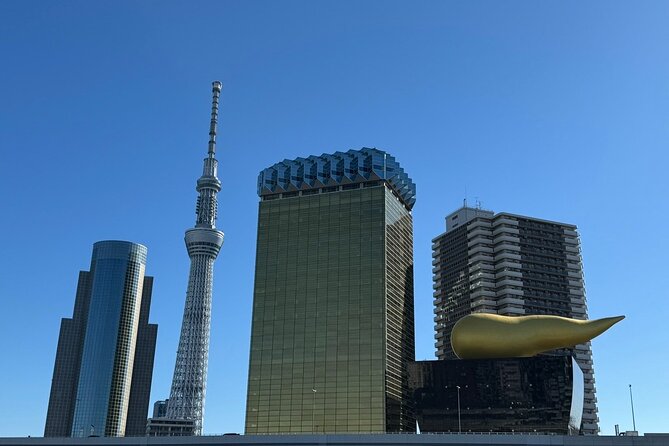
Next up is Senso-ji, one of Tokyo’s oldest and largest Buddhist temples, established in 645. That “since 645” piece is the kind of fact that gives the place weight immediately. You’re not just visiting a sightseeing stop—you’re entering a religious center with a long timeline.
You’ll spend about 40 minutes here. That gives you enough time to:
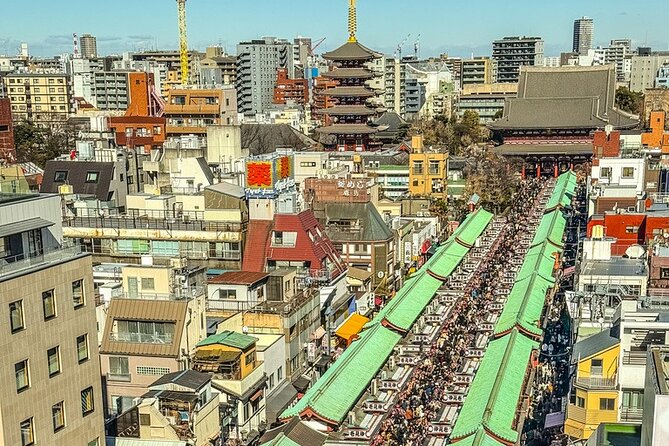
- Walk through the main approach
- Take in the temple grounds
- Let the scale sink in without rushing
Senso-ji also tends to be busy. For a first-time visitor, that can feel overwhelming. This is where a good guide helps. The main value isn’t that they can magically erase crowds; it’s that they guide your route so you see the important parts without wasting half your time searching for the next viewpoint.
If you care about photography, keep expectations realistic. Crowds can block perfect angles. Instead, focus on story shots: close-ups of details, people moving through the main approach, and the contrast between traditional temple architecture and modern Tokyo surroundings.
Stop 5: Tsukiji Outer Market (Where the Old Market Still Lives)
The tour ends around 2:00 pm at Tsukiji Fish Market, but it’s important to understand what that means today. The wholesale fish market relocated to Toyosu in 2018. What remains in the same area is the Tsukiji “Outer Market.”
That’s actually good news for a half-day tour. Outer Market still offers the lively street atmosphere: food stalls, snack bites, and a classic Tokyo market vibe. You’ll have about 30 minutes at the end, which is ideal for:
- Grabbing a quick bite
- Picking up small edible gifts
- Browsing without feeling like you need to plan an entire separate outing
Since you’re finishing near lunchtime or early afternoon, it’s a practical stop for fueling the rest of your day. Just don’t overpack your schedule afterward. You’ll have walked a lot already, and market areas can make you linger longer than you intended.
Pace, Walking, and Comfort: What 4.5 Hours Really Feels Like
Even though the headline duration is about 4 hours 30 minutes, the real feeling comes from movement time and outdoor walking. The tour is designed as a compact highlights circuit, so you’ll spend meaningful chunks of time on your feet outside.
You’ll want sneakers or comfortable shoes. I’d also keep your layers ready. Tokyo’s weather can shift, and the tour asks you to prepare rain gear like an umbrella or raincoat in case conditions turn.
One more practical note: the itinerary can be changed due to weather or other operational reasons, and in those cases certain visits may be omitted or substituted. That’s not a surprise in a city tour, but you should treat this tour as a “best effort highlights day,” not a rigid script with guarantees that every exact stop happens in the same way.
Guides Matter: Yoshi, Hiromi, and Izumi as a Clue to the Quality
A private tour lives or dies by your guide. The names that stand out—Yoshi, Hiromi, and Izumi—signal something consistent: people received help that went beyond giving directions.
In particular, they were praised for:
- Being patient with different walking speeds
- Knowing how to navigate the train and subway system efficiently
- Sharing cultural and historical context that made the stops feel connected
That’s a big deal if you’re trying to learn Tokyo quickly. A guide who helps you use the subway well can save time, which gives you more time for the real reason you booked: seeing Meiji Jingu, understanding why Senso-ji matters, and exploring Asakusa without feeling lost.
Is the Price Worth It? The Real Value Math
At $136.82 per person, this is not a budget street-food crawl. It’s a paid experience built around three major values:
- Private, English-speaking guidance
- Hotel pickup and included transit costs via the one-day Metro pass
- A tight itinerary that bundles multiple top sights into one half-day
If you tried to DIY all five stops—getting from hotel to Meiji Jingu, then to Shibuya, Asakusa, Senso-ji, and ending in Tsukiji Outer Market—you’d spend money on transit and a lot more time figuring out exits, directions, and the best sequence. Time is expensive too, especially if you only have a short Tokyo stay.
So the question becomes: do you want convenience plus context, or do you want full control and lower cost? If you prefer low stress and a guided route, the price is easier to justify.
Who Should Book This Tour (And Who Might Prefer a Different Plan)
This tour fits best if you:
- Want an efficient first visit to Tokyo
- Like the idea of learning transit skills while you sightsee
- Prefer a private guide who can adapt to your group
- Have a limited time window and want major highlights checked off
It’s also great for people who feel overwhelmed by Tokyo’s transit complexity. If you’re the type who gets stuck on station exits and doesn’t want to waste vacation hours retracing steps, a guide can be worth its weight in avoided confusion.
You might consider a different option if:
- Your group struggles with sustained walking outdoors
- You want a fully flexible day with zero structured stops
- You hate the idea of the itinerary possibly changing due to weather
My Booking Advice: How to Get the Best Day Out of It
If you book, do these small things and you’ll feel the difference:
- Wear comfortable shoes and keep a light daypack.
- Bring rain gear even if the forecast looks friendly.
- Plan to eat after Tsukiji Outer Market. Don’t schedule something intense right at the end of the tour.
- Ask your guide at the start what they recommend for food and souvenir priorities, since your Asakusa and Tsukiji windows are short.
Also, consider your hotel location. Pickup is included, but only within a designated range. Knowing that up front prevents a last-minute “how do we meet” scramble.
Should You Book This Tokyo Subway and Walking Tour?
I’d book this tour if you want a high-value Tokyo sampler that also teaches you how to move through the city with confidence. The combination of hotel pickup, a included one-day Metro pass, and a private English guide makes it a smart shortcut for first-time visitors.
The biggest reason to pass is simple: if you don’t want to walk or you’re expecting a calm, slow-paced day. The tour is built for movement, and the outdoor walking is part of the deal.
If that walking part is fine for you, you’ll come away with a strong feel for Tokyo—from the sacred quiet of Meiji Jingu to the street-level energy of Shibuya, then into traditional Asakusa and the still-alive Tsukiji Outer Market.
FAQ
What does the tour include for transit?
The tour includes hotel pickup, an English-speaking guide, and transportation fees via a one-day Metro Pass. The tour uses subway travel between stops.
Is admission included for the attractions?
Admission is listed as free for the key sites on the itinerary (Meiji Jingu Shrine, Shibuya Crossing, Asakusa, Senso-ji Temple, and Tsukiji Fish Market Outer Market).
Where does the tour start and how do I get picked up?
Hotel pickup is offered for convenience. If your hotel is outside the designated pickup range, you may need to arrange alternative transportation to reach the first destination, and you’d cover those extra fares.
How long is the tour and how much walking is involved?
The tour is about 4 hours 30 minutes and includes a good amount of walking outdoors. Comfortable shoes are strongly recommended.
What time do we end, and where does it end?
The tour concludes in Tsukiji Fish Market around 2:00 pm at the Outer Market area.
Is lunch included?
No. Lunch is not included, so plan to eat on your own before or after the tour.
Does the itinerary change if the weather is bad?
Yes. The experience requires good weather. If weather or operational reasons affect the plan, certain visits may be omitted or substituted. The tour may not be canceled, and the tour fare will not be refunded in those cases.
How are cancellations handled?
Free cancellation is available up to 24 hours in advance for a full refund.
What should I bring for this tour?
Bring rain gear such as an umbrella or raincoat in case of bad weather, and wear sneakers or comfortable shoes for the outdoor walking.
More Walking Tours in Tokyo
- Tokyo Tsukiji Fish Market Food and Culture Walking Tour
★ 5.0 · 3,184 reviews - Tokyo: Imperial Palace and Shogun Historical Walking Tour
★ 5.0 · 2,251 reviews - Tokyo: Shinjuku Local Bar and Izakaya Guided Walking Tour
★ 4.9 · 1,794 reviews - Tokyo: Tsukiji Fish Market Food and Walking tour
★ 5.0 · 1,724 reviews - Tokyo: Asakusa Walking Tour with Sensoji Temple Visit
★ 4.8 · 1,583 reviews
More Tours in Tokyo
- Mt Fuji and Hakone 1-Day Bus Tour Return by Bullet Train
★ 5.0 · 26,383 reviews - 1-Day Tokyo Bus Tour
★ 5.0 · 14,250 reviews - Tokyo: Shinjuku Food Tour (13 Dishes at 4 Local Eateries)
★ 5.0 · 6,603 reviews - Tokyo Mt Fuji 5th St & Hakone Cruise Bus Tour w/Bullet Train
★ 4.4 · 5,024 reviews - Flagship 2-Hours Official Street Go-Kart Tour – Tokyo Bay Shop
★ 5.0 · 4,974 reviews
More Tour Reviews in Tokyo
- Mt Fuji and Hakone 1-Day Bus Tour Return by Bullet Train
★ 5.0 · 26,383 reviews - 1-Day Tokyo Bus Tour
★ 5.0 · 14,250 reviews - Tokyo: teamLab Planets TOKYO Digital Art Museum Entry Ticket
★ 4.6 · 9,779 reviews - Mt Fuji & Hakone Cruise, Drum Show Bullet Train 1 Day from Tokyo
★ 4.0 · 7,413 reviews - Tokyo: Shinjuku Food Tour (13 Dishes at 4 Local Eateries)
★ 5.0 · 6,603 reviews
Latest Tokyo reviews off our desk


Walking Tours, compared.
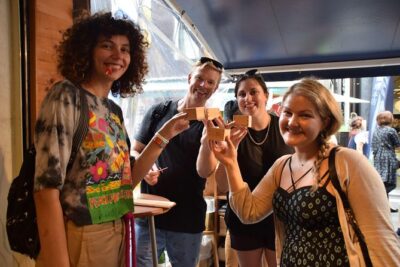 ★ 5.0Tokyo Tsukiji Fish Market Food and Culture Walking TourFrom $993,184 reviews
 ★ 5.0Imperial Palace and Shogun Historical Walking TourFrom $222,251 reviews
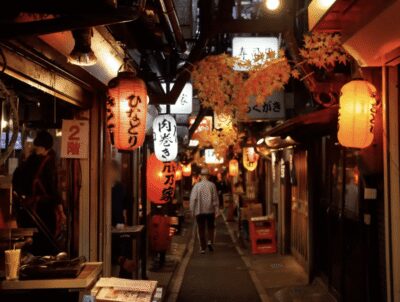 ★ 4.9Shinjuku Local Bar and Izakaya Guided Walking TourFrom $341,794 reviews
 ★ 5.0Tsukiji Fish Market Food and Walking tourFrom $301,724 reviews
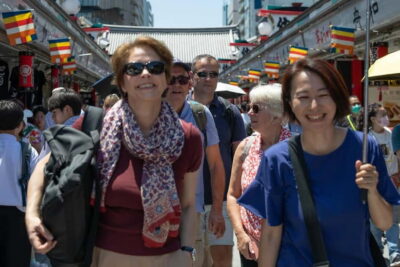 ★ 4.8Asakusa Walking Tour with Sensoji Temple VisitFrom $221,583 reviews
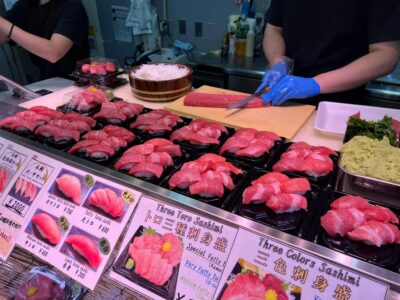 ★ 4.9Tsukiji Fish Market Guided Walking TourFrom $221,397 reviews
 ★ 4.7Tokyo Castle & Imperial PalaceーShogun Walking TourFrom $231,068 reviews
 ★ 4.9Imperial Palace Japanese History Walking TourFrom $32987 reviews
Browse the lists this tour appears in