
Reviewed · COOKING CLASSES
Tokyo: Private Japanese Cooking Class with a Local Chef
Cooking in a Tokyo home feels personal.
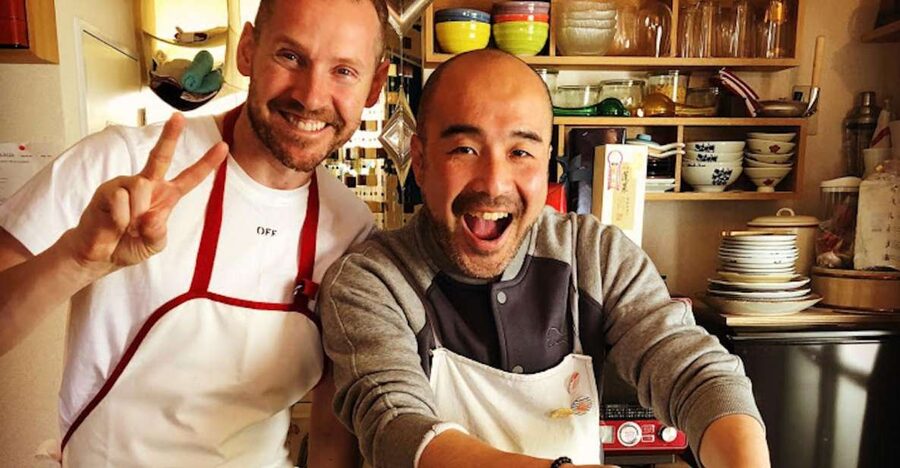
This private Japanese cooking class in Shinjuku pairs hands-on lessons with local life, all led in English by Chef Sato. I love the idea that the menu changes by day, so you’re not stuck repeating tourist basics. You’ll cook 2 to 4 items in a small apartment kitchen and eat what you make, which is a rare way to slow down in a city that moves fast.
My favorite part is the focus on seasonal cooking, not just copying recipes. On traditional days you’ll build a teishoku-style meal around rice, a seasonal main, and two seasonal sides, while popular days lean into comfort favorites like gyoza and ramen. There’s also a free drink (Japanese barley tea), which makes the whole thing feel like an actual meal, not a demo.
One consideration: the dishes you cook depend on the weekday, so you might not get the exact menu you had in mind. Also, it’s a private home kitchen, so the space is compact and you’ll be cooking close to your group.
In This Review
- Key things that make this class worth your time
- Shinjuku Meet-Up and a Home Kitchen You’ll Actually Remember
- The Weekly Menu Switch: Traditional Teishoku vs Popular Comfort Days
- What You’ll Cook: Realistic Japanese Dishes You Can Recreate
- Chef Sato’s Style: Clear English Lessons With the Friendly Stuff Too
- Eating the Meal You Made: Barley Tea, Hands-On Cooking, and Recipe Takeaways
- The Morning-Class Bonus: A Short Trip After Lunch (1 PM to 3:30 PM)
- Price and Value: Why $120 Can Make Sense Here
- Who This Cooking Class Fits Best (and Who Might Skip It)
- Should You Book This Tokyo Cooking Class?
- FAQ
- How long is the cooking class?
- What time options are available?
- Where do we meet in Shinjuku?
- Is the class taught in English?
- What dishes will I cook?
- Is the group private?
- What’s included in the price?
- Is there an option after the morning class?
- FAQ
- Can I cancel for a full refund?
- Do I need to pay right away?
Key things that make this class worth your time
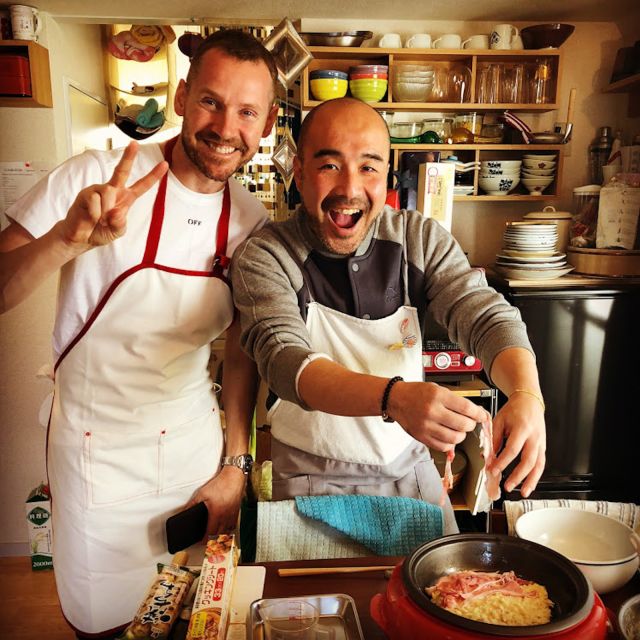
- Shinjuku apartment cooking: you’re learning in real Tokyo living space, not a commercial studio
- Weekly menu rotation: traditional teishoku days vs popular comfort-food days
- Hands-on 2 to 4 dishes: you’re chopping, seasoning, and cooking, not just watching
- Chef Sato’s teaching + stories: clear guidance in English with personal background on food
- Optional mini trip after morning classes: a short outing to spots that don’t feel copy-pasted from guidebooks
Shinjuku Meet-Up and a Home Kitchen You’ll Actually Remember
Start at Shinjuku Station East Exit police box. From there, you’ll meet up and get pick-up at the meeting point, then head to Chef Sato’s apartment. This matters because Shinjuku can be overwhelming. Having a clear start point helps you spend your mental energy on cooking, not navigating.
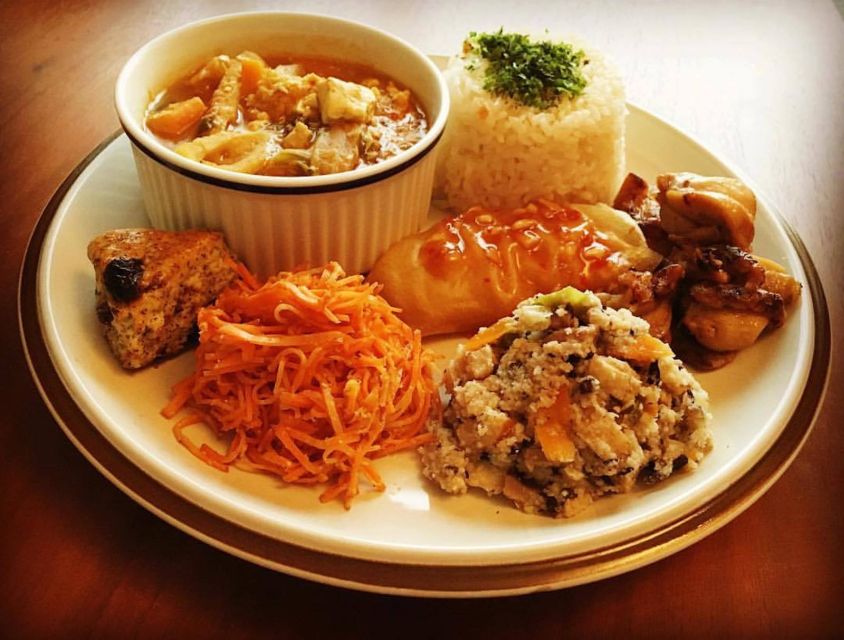
Once you arrive, the tone changes fast. It’s not a staged “kitchen set.” It’s a home with a lived-in feel, and that’s part of the magic. Several people describe the atmosphere as relaxed and stressfree, and you can feel that from the way the class is structured around conversation and hands-on work.
You’ll also likely get a proper sense of neighborhood life. Even the walk arrangements and the casual pacing help you see Tokyo at human scale, the way locals actually move through their day.
Readers also shortlisted these Tokyo bookings:
- Tokyo 6hr Private Tour with Government-Licensed Guide
★ 5.0 · 3,902 reviews - Private Tour to Mt. Fuji and Hakone (Fully Licenced Operator)
★ 5.0 · 1,910 reviews - Tokyo Customized Private Tour (Must See Places in 1 Day)
★ 5.0 · 1,499 reviews - Mount Fuji Full-Day Private Tour from Tokyo (Customizable)
★ 4.9 · 1,470 reviews
The Weekly Menu Switch: Traditional Teishoku vs Popular Comfort Days
This class is built around a simple idea: Japanese cooking is shaped by the season, but also by what people crave. The weekday decides which direction the menu goes.
Saturday, Sunday, Monday, Tuesday (traditional meal days)
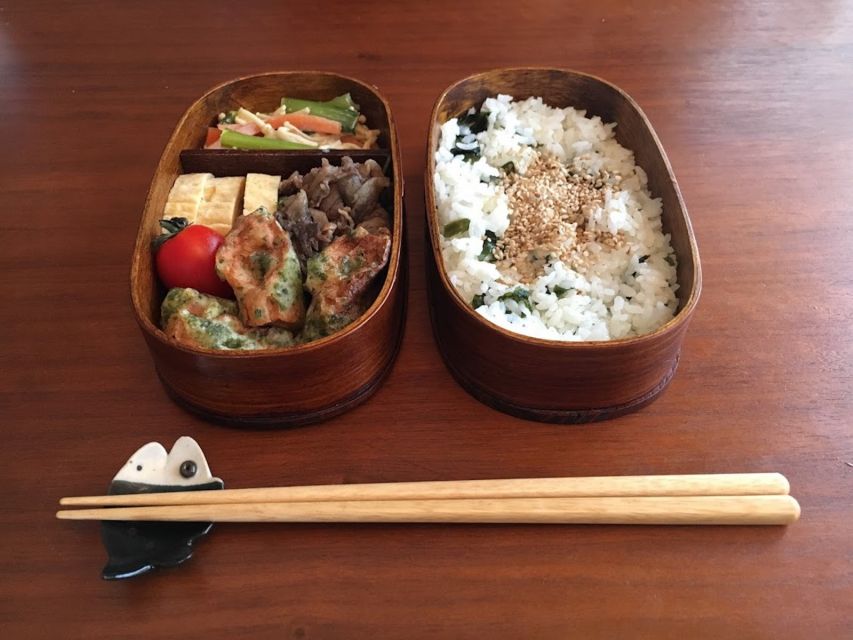
You’ll cook from menus centered on teishoku set meals (rice, a seasonal main dish, and two seasonal side dishes), plus options like donburi, obento, tonjiru, and rice balls. The core theme here is seasonal ingredients and classic Japanese meal structure.
Wednesday, Thursday, Friday (popular food days)
You’ll get menus that lean into widely loved “everyday hits,” including teishoku with a fried main dish, curry rice, okonomiyaki, gyoza, ramen, rice burger, kara-age, and yakisoba. You still get seasonal ingredients, but the flavor profile tends to feel more like comfort food and street-food energy.
If you’re picky about what you want to learn—say, ramen techniques or gyoza folding—you’ll want to pick your day carefully. The good news is that the structure stays consistent: you’ll cook 2 to 4 items and end up eating a full, satisfying meal.
What You’ll Cook: Realistic Japanese Dishes You Can Recreate
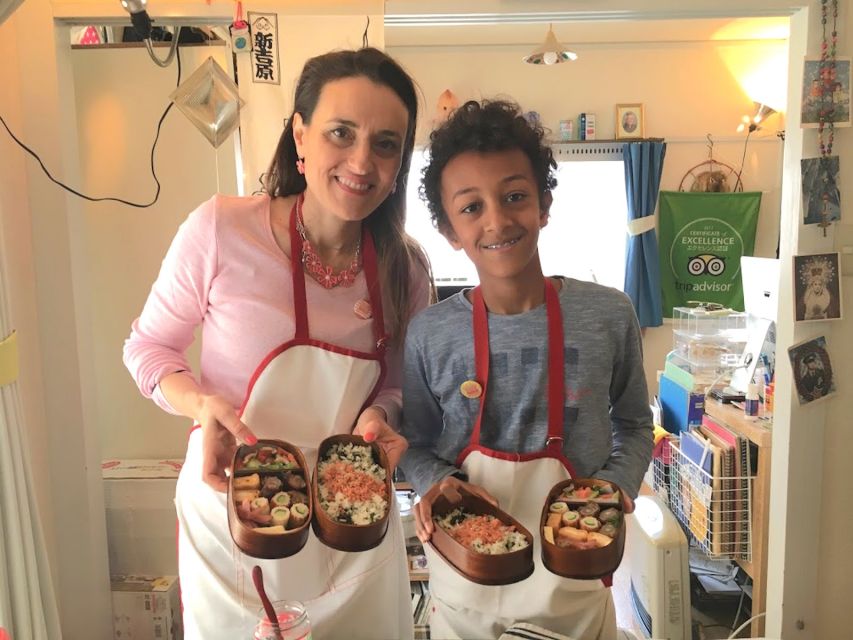
You’re not doing an enormous tasting parade. The class focuses on a small set of dishes so you actually learn the method behind the food.
On many popular-food days, you can expect hands-on prep for dishes like gyoza and ramen. In the home-cooking versions, the learning is practical: how to handle dough or wrappers (when included), how to season properly, and how to build flavor step by step. People have highlighted that the results were truly delicious, even when it was their first time making these dishes.
On traditional days, the teishoku rhythm teaches you something useful: how Japanese meals balance rice with a main and sides. Even if the exact items change, the concept stays. You’ll likely practice things like slicing, seasoning, and assembling a plated meal that looks intentional, not random.
A few concrete examples from what’s been taught include:
- Gyoza and ramen made from scratch in an apartment setting
- Katsu curry over rice plus vegetable-forward sides
- Miso soup and other home-style components
- Teriyaki-style chicken with rice, paired with fresh items
You might cook different dishes depending on the day’s menu, but the goal is always the same: you leave with methods that translate back home.
Chef Sato’s Style: Clear English Lessons With the Friendly Stuff Too
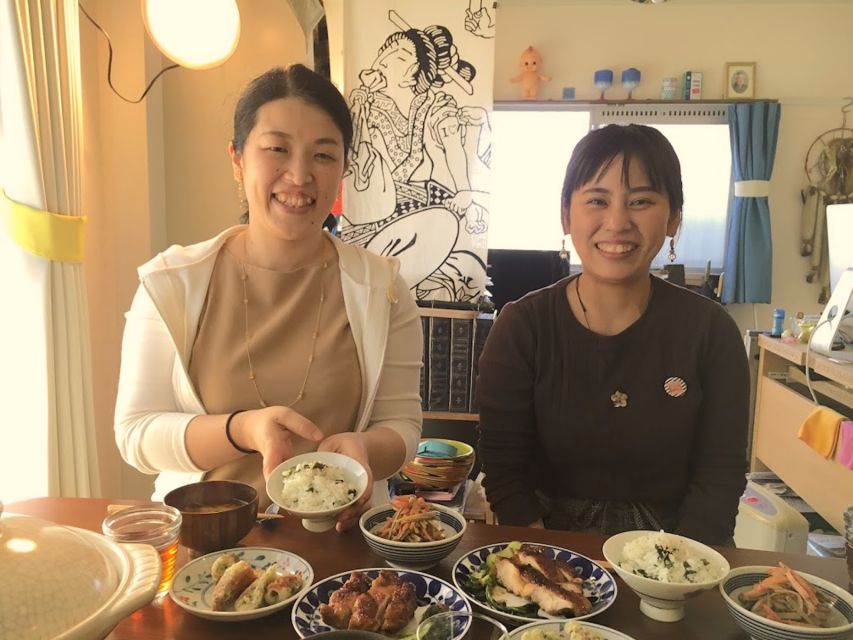
Chef Sato teaches in English, and the tone is one of patient coaching. The class isn’t rushed. You’re guided through steps, asked if you have questions, and encouraged to participate rather than hover.
What I really like is that cooking is treated like a cultural skill, not just a set of directions. People have noted that Chef Sato explains the significance behind dishes and the philosophy of seasonal cooking. That turns the lesson from a “food activity” into something you can remember and actually use.
There’s also a human side. Many participants describe the class like being invited into someone’s life for a few hours. Conversations range from cooking tricks to personal stories, including family connections to food. If you enjoy learning the why behind the how, this is the part that makes the class feel more meaningful than the average cooking workshop.
Eating the Meal You Made: Barley Tea, Hands-On Cooking, and Recipe Takeaways
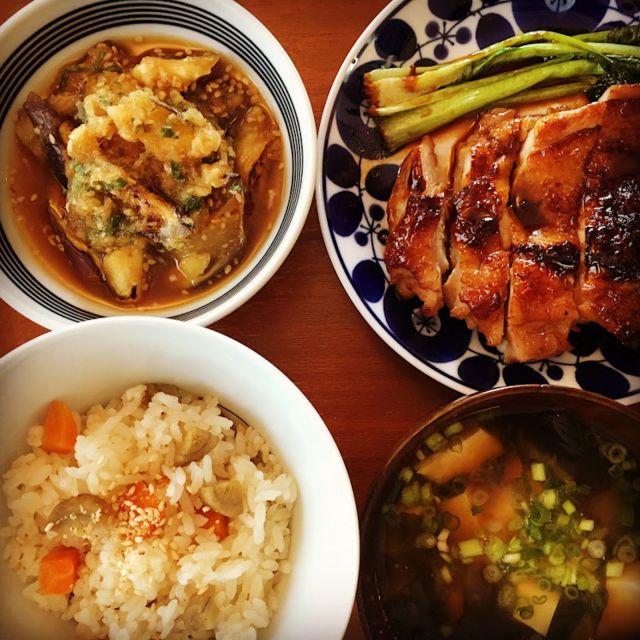
You’ll get meals included, and the free drink is Japanese barley tea. That combination makes a difference. Barley tea is gentle, not overly sweet, and it fits the meal without stealing attention from the food you’re tasting.
After you cook, you sit down and eat what you made together. That part matters more than you might think. In Tokyo, it’s easy to eat on the go. Here you slow down. You taste while the food is still connected to what you just learned—so the techniques stick.
Another practical bonus: people have described receiving handouts with recipes. That’s huge if you want to cook again after your trip. Having written instructions turns the class into something lasting, not just a memory.
And yes, you’ll probably pick up little tricks along the way. One funny example people remember is learning how to handle small potato issues, which sounds minor until you’re actually in your own kitchen and realize those details are what separate decent cooking from really good cooking.
Readers also shortlisted these Tokyo bookings:
- Ramen & Gyoza Cooking Class in Tokyo with Local Supermarket Visit★ 5.0 · 823 reviews
- Tokyo: Easy Ramen Cooking Experience in Kabukicho, Shinjuku★ 4.6 · 321 reviews
- Ramen and Sushi Cooking Class with Sake Pairing Set in Tokyo★ 5.0 · 291 reviews
- Tokyo: Wagyu and 7 Japanese Dishes Cooking Class★ 4.9 · 273 reviews
- Tokyo Washoku 4-hour Cooking Class: From Market to Table★ 5.0 · 253 reviews
The Morning-Class Bonus: A Short Trip After Lunch (1 PM to 3:30 PM)
If you book the morning class, there’s an optional short trip afterward: 1 PM to 3:30 PM. It’s part of the experience every day after the morning session, so you’re not left with a dead afternoon.
This mini outing goes to “amazing places” that don’t show up in the typical checklist. People also specifically mention walking through areas like Shinjuku and Nakano, plus seeing small spots they would likely miss on their own. Even if you already know Tokyo basics, this kind of guided wandering helps you notice details your eyes would skip.
The trip is short, so it won’t drain your energy. It’s built to fit around the cooking lesson, and it’s one more way to feel like you’re living there for a day instead of bouncing between landmarks.
Price and Value: Why $120 Can Make Sense Here
At $120 per person, this isn’t the cheapest “cook and eat” option. But it can be strong value if you’re comparing apples to apples.
Here’s where the value comes from:
- Private group: you’re not competing for attention or space
- Real home kitchen: you learn a method that matches how Japanese food is actually made at home
- Meals included: you’re eating what you cook, plus barley tea
- Pickup included: you’re not stressing about getting from the station to the apartment
- English instruction: you can ask questions and understand the cooking logic
If you’re the kind of traveler who wants to leave Tokyo with skills, this holds up. If you just want a broad overview of Japanese cuisine without investing in the details, you might decide a more casual food tour is a better fit.
Also, think about the time commitment. The class is listed as 3 hours (270 minutes), and the morning option can stretch into the short trip afterward. You’re paying for a concentrated, personal experience.
Who This Cooking Class Fits Best (and Who Might Skip It)
I think this class fits best if you:
- Want hands-on cooking rather than watching someone else do everything
- Like Japanese food and want to learn how it’s built around seasoning and seasonality
- Prefer smaller, personal experiences over big group “performances”
- Plan to cook at home again and want usable methods
You might skip it if:
- You have a strict schedule and don’t want to commit to the morning or evening timing
- You’re hoping for a fixed menu regardless of weekday
- You dislike compact home-kitchen setups
That said, the private nature is a big safety net. You can move at a comfortable pace, and the class format makes it easier to get answers quickly.
Should You Book This Tokyo Cooking Class?
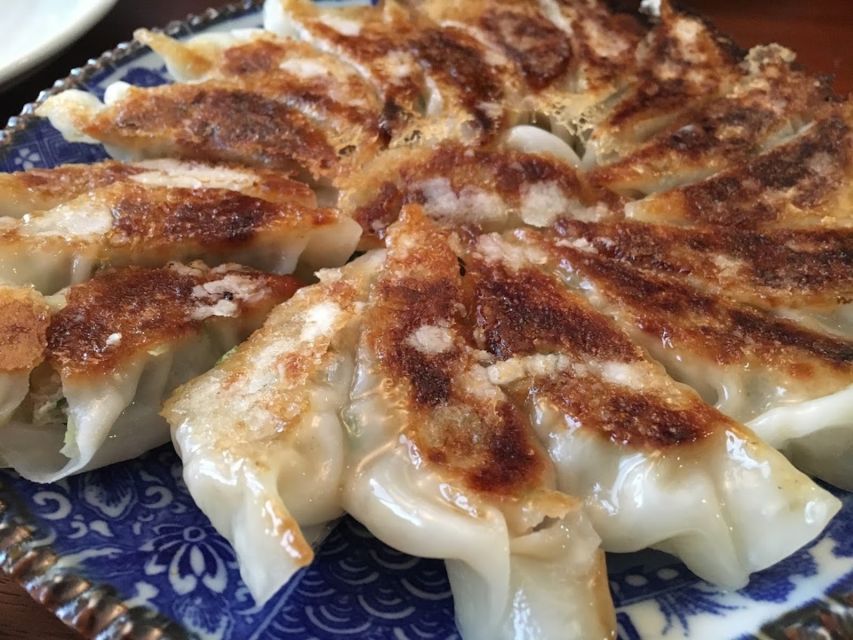
Yes, if you want a truly Tokyo experience that’s about real life, not just famous food in the usual places. Chef Sato’s class is practical, friendly, and centered on seasonal Japanese cooking in an apartment setting. The hands-on approach, recipe takeaways, and the chance to learn dishes like gyoza or ramen techniques (depending on the day) make it one of the more satisfying “learn something” activities in Tokyo.
If your main priority is ticking off the loudest sights, you could get a similar meal experience elsewhere. But if you want to go home with methods you can repeat, and you like the idea of spending time with a real cook in Shinjuku, this is a book-it-when-you-can kind of experience.
FAQ
How long is the cooking class?
The class runs about 3 hours, listed as 270 minutes.
What time options are available?
Morning classes run from 10:30 AM to 1:00 PM, and evening classes run from 6:00 PM to 8:30 PM.
Where do we meet in Shinjuku?
Meet at the Shinjuku Station East Exit police box at 3-38-38-1, Shinjuku, Shinjuku-ku, Tokyo 160-0022, Japan.
Is the class taught in English?
Yes. The instructor teaches in English.
What dishes will I cook?
The menu changes by weekday. You’ll cook 2 to 4 items from that day’s menu, which ranges from teishoku and other set-meal styles to popular foods like curry rice, okonomiyaki, gyoza, ramen, and more.
Is the group private?
Yes. It’s a private group experience.
What’s included in the price?
Meals are included, there’s a free drink of Japanese barley tea, and pickup is included from the meeting point.
Is there an option after the morning class?
Yes. After the morning class, there’s an optional short trip from 1 PM to 3:30 PM.
FAQ
Can I cancel for a full refund?
Yes. You can cancel up to 24 hours in advance for a full refund.
Do I need to pay right away?
No. You can reserve now and pay later.
More Cooking Classes in Tokyo
- Ramen & Gyoza Cooking Class in Tokyo with Local Supermarket Visit
★ 5.0 · 823 reviews - Tokyo: Easy Ramen Cooking Experience in Kabukicho, Shinjuku
★ 4.6 · 321 reviews - Ramen and Sushi Cooking Class with Sake Pairing Set in Tokyo
★ 5.0 · 291 reviews - Tokyo: Wagyu and 7 Japanese Dishes Cooking Class
★ 4.9 · 273 reviews - Tokyo Washoku 4-hour Cooking Class: From Market to Table
★ 5.0 · 253 reviews
More Private in Tokyo
- Tokyo 6hr Private Tour with Government-Licensed Guide
★ 5.0 · 3,902 reviews - Private Tour to Mt. Fuji and Hakone (Fully Licenced Operator)
★ 5.0 · 1,910 reviews - Tokyo Customized Private Tour (Must See Places in 1 Day)
★ 5.0 · 1,499 reviews - Mount Fuji Full-Day Private Tour from Tokyo (Customizable)
★ 4.9 · 1,470 reviews - Tokyo: Private City Highlights Tour with Local Guide
★ 4.8 · 1,433 reviews
More Tour Reviews in Tokyo
- Mt Fuji and Hakone 1-Day Bus Tour Return by Bullet Train
★ 5.0 · 26,383 reviews - 1-Day Tokyo Bus Tour
★ 5.0 · 14,250 reviews - Tokyo: teamLab Planets TOKYO Digital Art Museum Entry Ticket
★ 4.6 · 9,779 reviews - Mt Fuji & Hakone Cruise, Drum Show Bullet Train 1 Day from Tokyo
★ 4.0 · 7,413 reviews - Tokyo: Shinjuku Food Tour (13 Dishes at 4 Local Eateries)
★ 5.0 · 6,603 reviews
Latest Tokyo reviews off our desk




Cooking Classes, compared.
 ★ 5.0Ramen & Gyoza Cooking Class in Tokyo with Local Supermarket VisitFrom $122823 reviews
 ★ 4.6Easy Ramen Cooking Experience in Kabukicho, ShinjukuFrom $29321 reviews
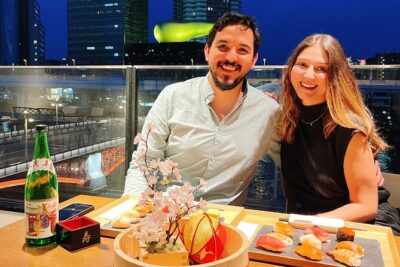 ★ 5.0Ramen and Sushi Cooking Class with Sake Pairing Set in TokyoFrom $79291 reviews
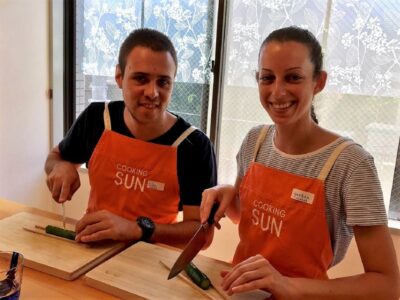 ★ 4.9Wagyu and 7 Japanese Dishes Cooking ClassFrom $67273 reviews
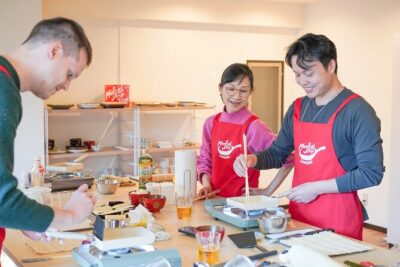 ★ 5.0Tokyo Washoku 4-hour Cooking Class: From Market to TableFrom $79253 reviews
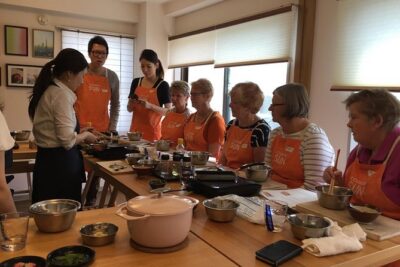 ★ 5.0Small-Group Wagyu Beef and 7 Japanese Dishes Tokyo Cooking ClassFrom $72190 reviews
 ★ 5.0Private Home Cooking in Yanaka – Local Flavors in a Warm SettingFrom $122173 reviews
 ★ 5.0Tokyo Sushi Making Experience & Japanese Cooking ClassFrom $59150 reviews
Browse the lists this tour appears in