
Reviewed · WALKING TOURS
Tokyo: Private Walking Tour with a Local Gen Z Guide
Tokyo can feel like a puzzle at first.
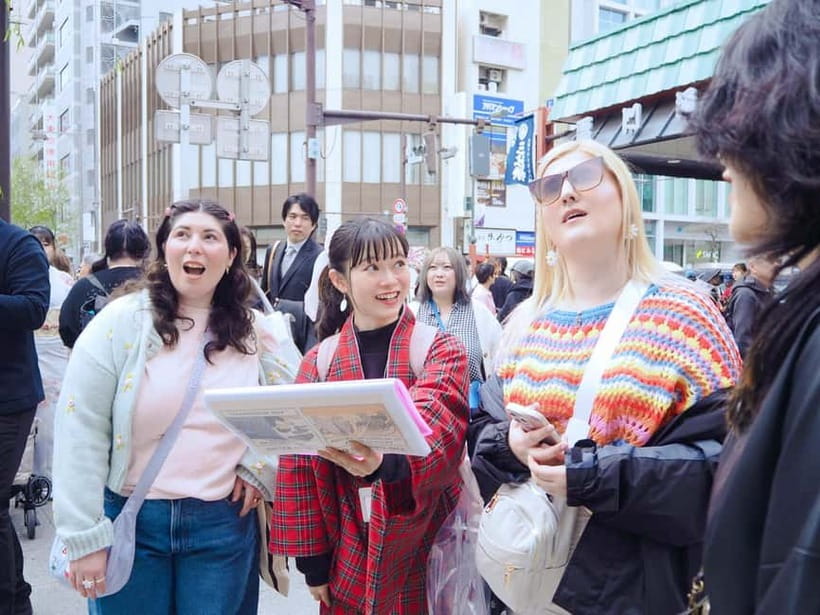
This private walking tour uses a Tokyo-born Gen Z guide to turn streets into stories, and it’s built around what you actually want to see. I like that the focus is not sightseeing bingo; it’s the why behind places, plus local shops and off-the-beaten-path corners you’d likely miss on your own.
Two things I really like: the tour is personalized, not one-size-fits-all, and the guide (often Ami, an English-speaker with a patient, practical style) helps you feel confident moving through the city. One consideration: it’s a walking tour that relies on public transport and time on your feet, so it may not be the best match if you need wheelchair access or are pregnant.
In This Review
- Key Points at a Glance
- A Tokyo-born Gen Z guide turns streets into stories
- How personalization really works (and why it feels worth it)
- Meeting up, getting moving, and using Tokyo transit with confidence
- Stop-by-stop: what each Tokyo area can feel like on this walk
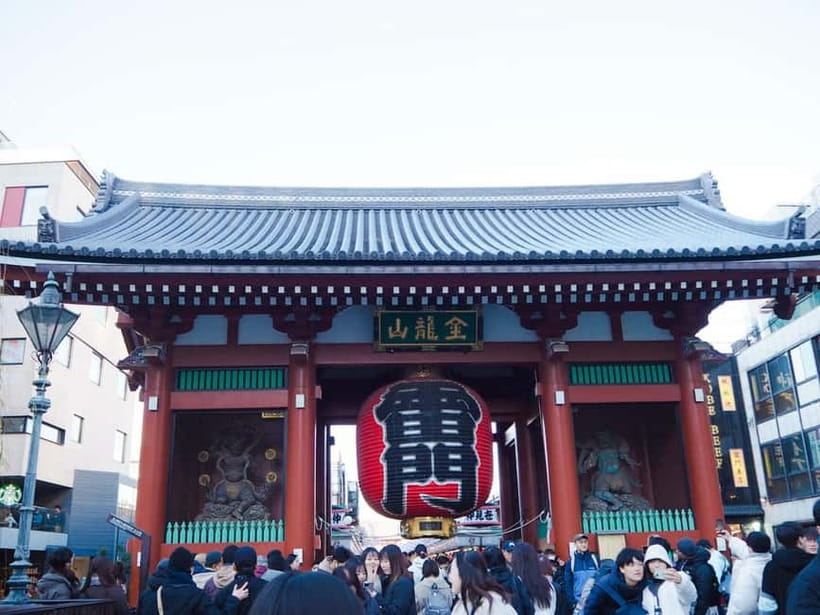
- Asakusa: start with a more traditional Tokyo lens
- Shibuya: modern energy with a locals-first explanation
- Shinjuku Golden Gai: small alleys and big personality
- Ginza: the refined side, explained through local context
- Ueno: a change of pace with neighborhood character
- Yanaka: older-street vibes with room to breathe
- Tsukiji Outer Market: food and market culture without the chaos tutorial
- Akihabara: tech and pop culture with a real-walk approach
- Takeshita Street: youth fashion energy with guide-fueled context
- Meiji Shrine: a cultural pause within a city day
- Kiyosumi-Shirakawa and Monzen-Nakacho: local neighborhood feel
- Nakano and Kichijoji: where Tokyo feels like a lived-in mix
- Food, history, and real connections (not tourist checklists)
- Price and value: why $54 can work if you care about the details
- Who should book this Tokyo private walking tour
- Should you book the Tokyo Private Walking Tour with a local Gen Z guide?
- FAQ
- What kind of tour is this?
- Where will the guide meet me?
- Is it only half-day or full-day?
- Is the itinerary customizable?
- Are food and drinks included?
- Are train or local transportation costs included?
- Are attraction tickets included?
- Is there a pay-later option?
- Is the tour accessible for wheelchair users or for pregnant travelers?
Key Points at a Glance
- Tokyo-born Gen Z guidance with an up-to-date view of the city
- Story-first route: you get context, not just a list of sights
- Custom itinerary based on your preferences and what’s next for you
- Local favorites beyond major landmarks, including hidden alleys and shops
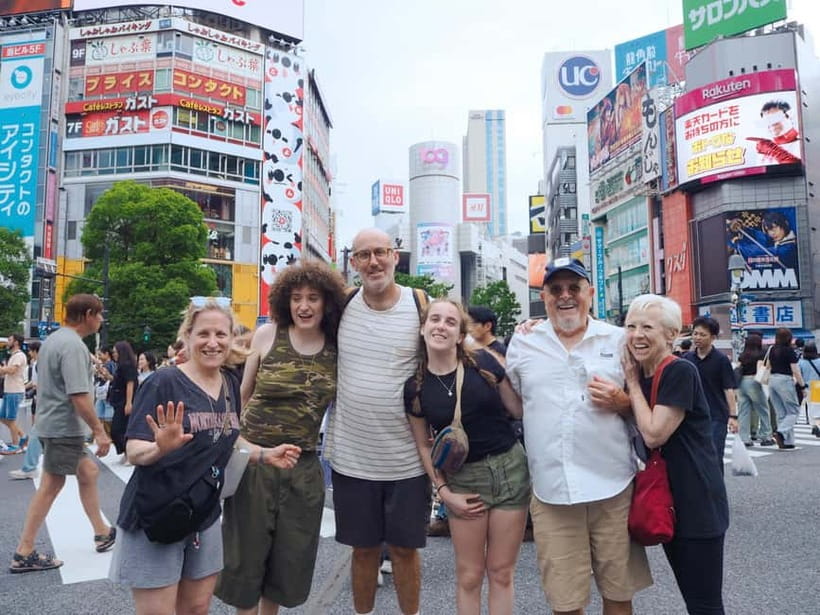
- Free memorable photos during the walk
- Train navigation support that helps you get around Tokyo with confidence
A Tokyo-born Gen Z guide turns streets into stories
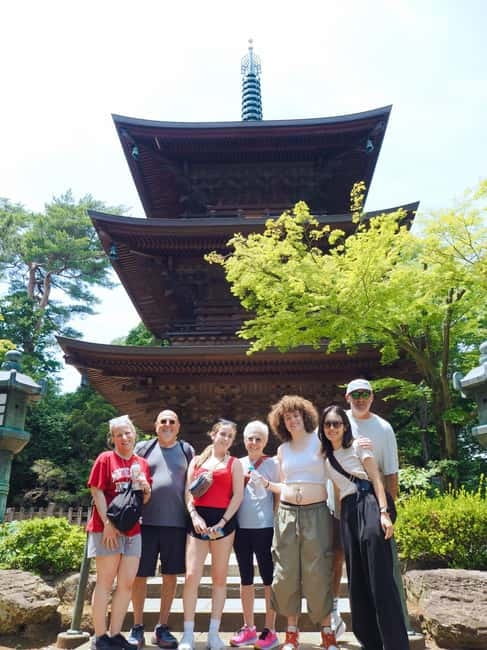
If Tokyo is your kind of place, you’ll love how this tour treats the city like a living conversation. The guide is Tokyo-born and Gen Z, which matters because it shapes how they explain the city: less formal and lecture-like, more practical, street-level, and tuned to what’s happening now.
I like that the tour doesn’t act like you only have value when you hit the famous postcard spots. Instead, you’ll spend time in areas like Asakusa, Shibuya, Shinjuku Golden Gai, Ginza, Ueno, Yanaka, Tsukiji Outer Market, Akihabara, Takeshita Street, Meiji Shrine, Kiyosumi-Shirakawa, Monzen-Nakacho, Nakano, and Kichijoji. The point isn’t that every one of these is guaranteed. The point is that you’re choosing from Tokyo’s different moods, then getting a guided explanation of how locals experience them.
Here’s the trade-off: because it’s built around streets, walking, and flexible routing, you’ll need to keep your expectations realistic. This isn’t a sit-and-glance tour, and it’s not designed for wheelchair users or pregnant travelers.
Readers also shortlisted these Tokyo bookings:
- Tokyo Tsukiji Fish Market Food and Culture Walking Tour
★ 5.0 · 3,184 reviews - Tokyo: Imperial Palace and Shogun Historical Walking Tour
★ 5.0 · 2,251 reviews - Tokyo: Shinjuku Local Bar and Izakaya Guided Walking Tour
★ 4.9 · 1,794 reviews - Tokyo: Tsukiji Fish Market Food and Walking tour
★ 5.0 · 1,724 reviews
How personalization really works (and why it feels worth it)
This tour is private and the itinerary is totally personalized to your preferences. That means your guide isn’t just moving you from Stop A to Stop B. They’re shaping the order, the timing, and the kind of local experience you get based on what you want from Tokyo.
In practice, personalization usually shows up in three ways:
- You choose the direction: traditional-feeling streets, youth culture areas, market energy, shopping districts, or neighborhoods that feel calmer
- The guide explains the why behind each place, so you can connect dots instead of memorizing facts
- You’re guided to local shops and side streets, which makes the walk feel like you have a key to the neighborhood, not a script
A big value point here is the guide’s ability to help you build confidence. One traveler highlighted that Ami showed how to navigate the train network so they felt safe traveling solo afterward. That’s more than helpful. It changes the rest of your trip.
Meeting up, getting moving, and using Tokyo transit with confidence
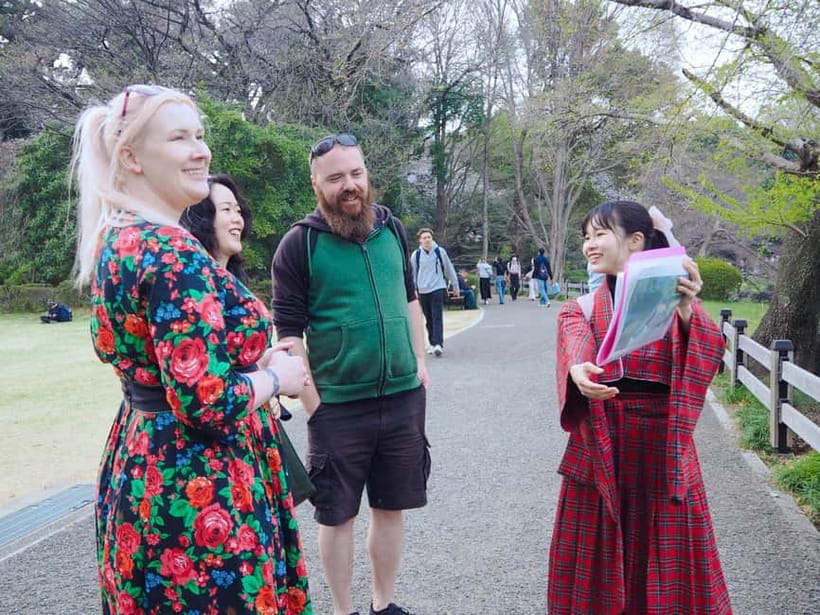
Your guide meets you at your hotel or at a designated station. From there, you move either by walking or using public transport, based on what makes sense for the route and your preferences.
The included piece that matters most is not the route itself. It’s the support. You’re not just following someone through crowds; you’re learning how Tokyo functions day-to-day. That can be a huge deal if you’re trying to avoid that panicky feeling of staring at station signs like they’re written in code.
Just keep one thing in mind: local transportation costs and any attraction tickets are not included. So budget for the rides and any paid entry you decide to add along the way.
Also, this tour is in English, which makes it easier to ask real questions and get clear answers while you’re walking instead of later over email.
Stop-by-stop: what each Tokyo area can feel like on this walk
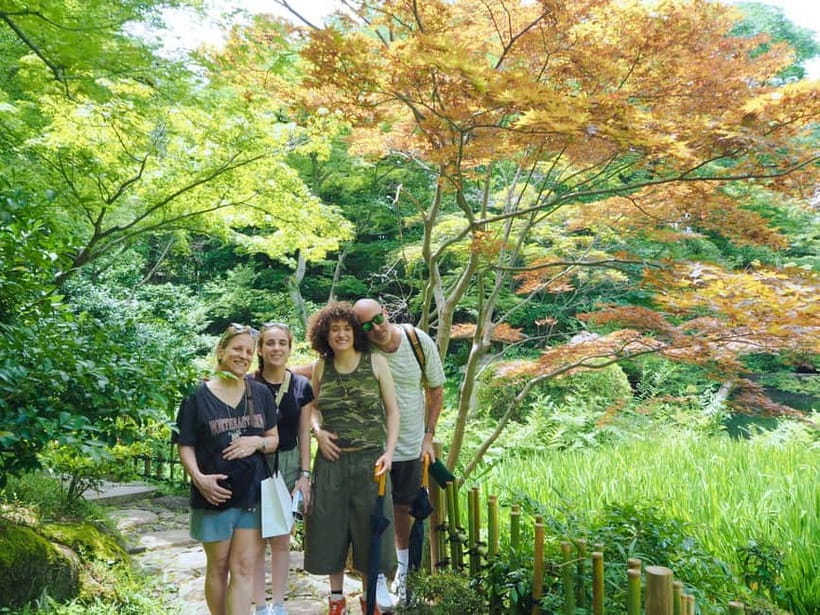
This tour offers popular areas you can explore, and your guide can build the sequence around your interests. Rather than acting like each stop is a checkbox, the guide focuses on culture through food, history, and real connections—and explains the why, not just the what.
Asakusa: start with a more traditional Tokyo lens
Asakusa is a common starting point because it helps anchor your first impression of the city in something distinctly Tokyo. On this tour, you won’t just skim the obvious scene. Your guide will look for the smaller details that explain how the neighborhood works—street-level stories, local favorites, and side routes you’d likely miss.
Potential drawback: if you’re short on time, it can be tempting to linger. The best move is to tell your guide what you want to prioritize early so they can plan smart pacing.
Readers also shortlisted these Tokyo bookings:
- Tokyo 6hr Private Tour with Government-Licensed Guide★ 5.0 · 3,902 reviews
- Tokyo: Shinjuku Local Bar and Izakaya Guided Walking Tour★ 4.9 · 1,794 reviews
- Tokyo: Private City Highlights Tour with Local Guide★ 4.8 · 1,433 reviews
- Tokyo: Tsukiji Fish Market Guided Walking Tour★ 4.9 · 1,397 reviews
- Tokyo 4hr Private Tour with Government-Licensed Guide★ 5.0 · 1,394 reviews
Shibuya: modern energy with a locals-first explanation
Shibuya often represents Tokyo’s fast-moving, youth-facing side. With a local guide, you get more than the main intersections. You can also get a sense of how people actually move through the area and which nearby streets are more interesting than the loudest public view.
Potential drawback: it can be easy to feel overwhelmed in districts like this. Having someone like Ami to help you interpret what you’re seeing is part of the value, not a luxury.
Shinjuku Golden Gai: small alleys and big personality
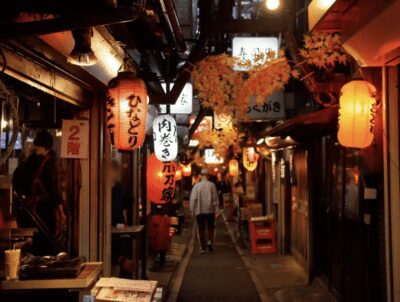
Shinjuku Golden Gai is the kind of place that works well for a story-based walking tour. The name alone tells you you should expect narrow lanes and a “look closely” atmosphere. The guide’s job is to translate that into something you understand: why the area became known the way it did, and how locals see it now.
Potential drawback: because it’s alley-based, it’s not ideal if you’re hoping for a simple, wide-open route. You’ll want comfy shoes and patience for tight walking space.
Ginza: the refined side, explained through local context
Ginza can feel like Tokyo’s polished showroom. This tour helps you understand it beyond shopping expectations by tying the area to culture and everyday life. You’re not just being walked through stores—you’re getting connections that make the district feel less like a mall and more like a place with its own logic.
Potential drawback: it can be pricey if you start shopping. If you’re budget-conscious, tell your guide you want window-shopping routes plus cheaper local food stops.
Ueno: a change of pace with neighborhood character
Ueno can offer a different texture from Tokyo’s headline neighborhoods. The guide’s storytelling approach works well here because you’ll be looking for how local routines shape what you see.
Potential drawback: if you want only iconic sights and nothing else, Ueno may feel like it needs a little time. The tour’s strength is that it gives you that time in a way that stays meaningful.
Yanaka: older-street vibes with room to breathe
Yanaka is often chosen for the way it slows the pace emotionally. This tour uses places like Yanaka to show you Tokyo’s layers—how older streets fit into the modern city. You’ll get help spotting quieter lanes and local spots that don’t scream tourist.
Potential drawback: if your plan is packed with a lot of neighborhoods, Yanaka might become a “quick stop.” If that’s your schedule, say so upfront so the guide can adjust.
Tsukiji Outer Market: food and market culture without the chaos tutorial
Tsukiji Outer Market is built for food-focused wandering. On this tour, the guide helps you connect the market experience to the culture around it, and they can point you to local-style browsing patterns you might not figure out alone.
Potential drawback: this is food-and-stalls territory, so expect to spend money if you eat along the way. Food isn’t included, so decide early if you want snacks included in your budget or just a tasting moment.
Akihabara: tech and pop culture with a real-walk approach
Akihabara is one of those areas where people often arrive with a narrow idea of what it is. This tour expands the lens by pairing the district with context and local streets, so it feels less like a theme zone and more like a neighborhood with its own rhythm.
Potential drawback: if you aren’t into tech or pop culture, you may need to balance it with other interests so the day doesn’t feel mismatched. Good news: your itinerary is flexible.
Takeshita Street: youth fashion energy with guide-fueled context
Takeshita Street is easy to identify and easy to overdo. With a guide, you can experience it without only standing in the busiest lines. You’ll also get a sense of what to look for beyond the most obvious storefront scene.
Potential drawback: it can feel intense. If you prefer calmer walking, ask for side streets nearby rather than lingering on the main drag.
Meiji Shrine: a cultural pause within a city day
Meiji Shrine can act like a reset button during a walking-heavy Tokyo itinerary. This tour’s strength here is the way the guide ties the experience to culture and meaning rather than treating it like a photo stop.
Potential drawback: it can be a moment of stillness in a busy day. If you’re the type who hates breaks, this may feel slower than you expect.
Kiyosumi-Shirakawa and Monzen-Nakacho: local neighborhood feel
These less “headline” districts are where a local guide can really earn their fee. The tour highlights hidden alleys, local shops, and stories that even many people don’t notice because they’re busy hunting famous landmarks.
Potential drawback: because they’re neighborhood-focused, you might not get that big-sight payoff unless you’re open to slow walking and observation.
Nakano and Kichijoji: where Tokyo feels like a lived-in mix
Nakano and Kichijoji work well for travelers who want Tokyo that feels more local than performative. Again, your guide’s storytelling approach is the difference: you’re learning how people experience these areas and why they matter.
Potential drawback: if you only have time for one or two “district moods,” these neighborhoods can feel like extra choices. Tell your guide your priorities so they don’t spread your attention too thin.
Food, history, and real connections (not tourist checklists)
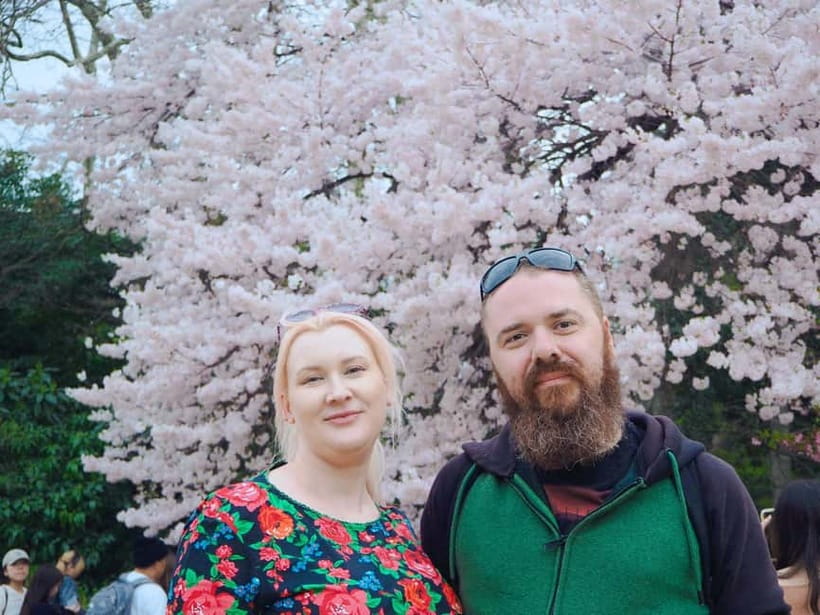
The tour description points to culture through food, history, and real connections, and that’s exactly where I think the value lives. When a guide explains why a place matters and how people treat it day-to-day, you remember it longer.
Food here is also part of the pacing strategy. Even when you’re not eating constantly, the guide can steer you toward food stops that fit your day, your comfort level, and your route. Just remember food expenses are not included, so it’s smart to bring a rough budget.
The same goes for history and stories. The guide doesn’t hand you a textbook. They point out the thread connecting places—why certain areas developed the way they did, and how locals interpret them now. That’s what makes this feel like more than movement.
Price and value: why $54 can work if you care about the details
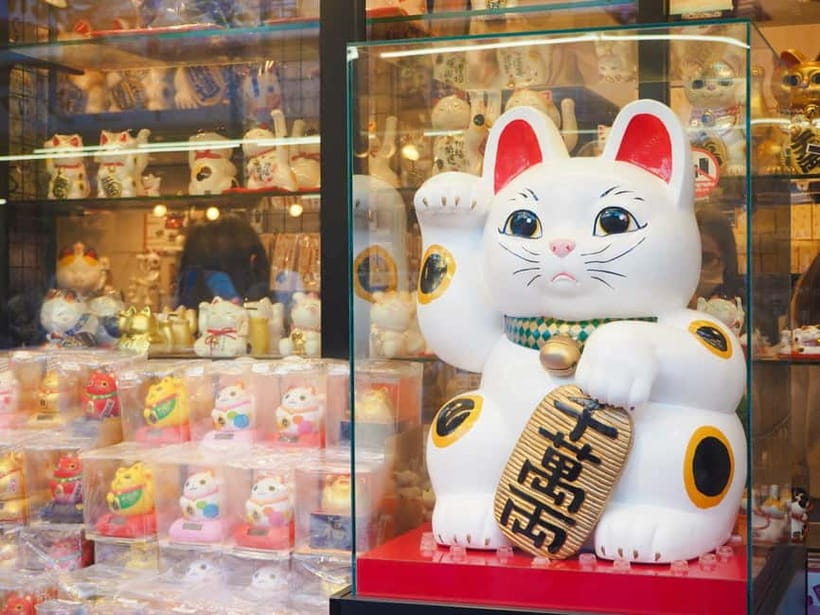
At $54 per person, this feels like a practical splurge for a half-day or full-day walking experience, especially because it’s private and guided by a Tokyo-born local. A “cheap guide” usually fails in one of two ways: you get generic talking points or you feel stuck translating everything yourself. This tour leans away from that by promising personalization and local experiences.
Where the value really shows:
- You pay for clarity: routes, choices, and what to pay attention to
- You pay for time you don’t waste trying to figure things out on your own
- You get free memorable photos, which is a small but real quality-of-life perk
- You’re not locked into tourist traps, which saves you from spending time in places that don’t match your style
The main cost caveat is that you still need to handle local transport and any attraction tickets. If you’re planning paid entries or frequent rides, that can change the total price. But if you’re okay with public transport and choosing stops that fit the day, the base rate can be a smart bargain.
Who should book this Tokyo private walking tour
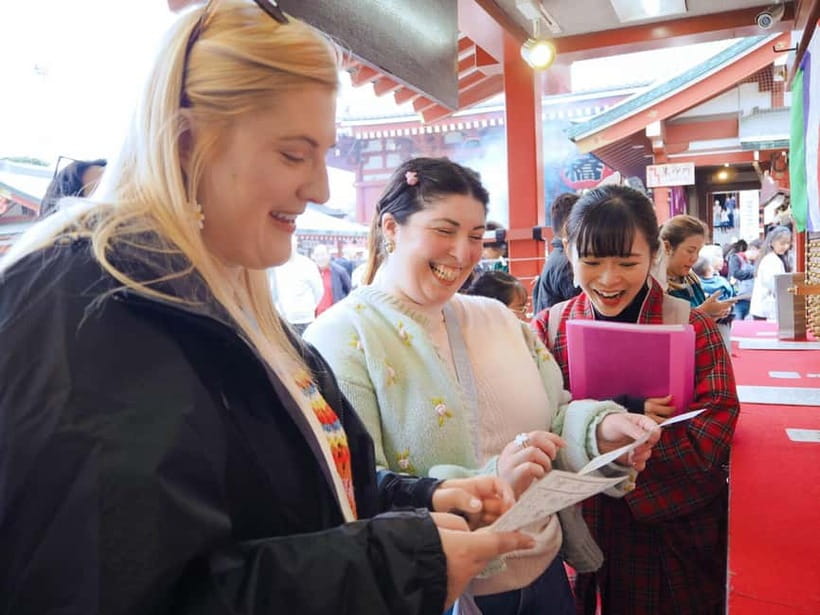
This is a strong fit if you want:
- A private walking experience rather than a group schedule
- A guide who can tailor a route around your interests
- Help navigating Tokyo so you feel confident beyond the tour
- A story-based approach that goes beyond famous landmarks
It may not fit if you need wheelchair access or if you’re pregnant, since the tour is not suitable for those needs.
It also works best if you’re comfortable asking questions while walking. The guide’s English support makes that easier, but the whole concept depends on conversation.
Should you book the Tokyo Private Walking Tour with a local Gen Z guide?
I’d book it if you’re the type of traveler who cares about the how and the why—and if you want Tokyo to feel personal instead of scheduled. The guide-led personalization, the story-first focus, and the practical support for train navigation are the big reasons this seems like good value.
Skip it if your main goal is classic sightseeing with minimal walking, or if you can’t manage the mobility demands of a walking-and-transit day. Also, if you know you only want a short list of landmark photos, you may find the story-based approach less satisfying than a straight checklist route.
If you want Tokyo to make sense fast and feel real, this tour is a solid bet.
FAQ
What kind of tour is this?
It’s a private walking tour of Tokyo with a local Japanese guide who speaks English.
Where will the guide meet me?
The guide meets you at your hotel or at a designated station.
Is it only half-day or full-day?
You can choose a half-day or full-day walking format.
Is the itinerary customizable?
Yes. You’ll get a totally personalized itinerary based on your preferences.
Are food and drinks included?
No. Food and personal expenses are not included.
Are train or local transportation costs included?
No. Local transportation costs like taxi and train tickets are not included.
Are attraction tickets included?
No. Tickets to attractions are not included.
Is there a pay-later option?
Yes. You can reserve and pay later, booking your spot without paying today.
Is the tour accessible for wheelchair users or for pregnant travelers?
No. It is not suitable for wheelchair users or for pregnant women.
More Walking Tours in Tokyo
- Tokyo Tsukiji Fish Market Food and Culture Walking Tour
★ 5.0 · 3,184 reviews - Tokyo: Imperial Palace and Shogun Historical Walking Tour
★ 5.0 · 2,251 reviews - Tokyo: Shinjuku Local Bar and Izakaya Guided Walking Tour
★ 4.9 · 1,794 reviews - Tokyo: Tsukiji Fish Market Food and Walking tour
★ 5.0 · 1,724 reviews - Tokyo: Asakusa Walking Tour with Sensoji Temple Visit
★ 4.8 · 1,583 reviews
More Tours in Tokyo
- Mt Fuji and Hakone 1-Day Bus Tour Return by Bullet Train
★ 5.0 · 26,383 reviews - 1-Day Tokyo Bus Tour
★ 5.0 · 14,250 reviews - Tokyo: Shinjuku Food Tour (13 Dishes at 4 Local Eateries)
★ 5.0 · 6,603 reviews - Tokyo Mt Fuji 5th St & Hakone Cruise Bus Tour w/Bullet Train
★ 4.4 · 5,024 reviews - Flagship 2-Hours Official Street Go-Kart Tour – Tokyo Bay Shop
★ 5.0 · 4,974 reviews
More Tour Reviews in Tokyo
- Mt Fuji and Hakone 1-Day Bus Tour Return by Bullet Train
★ 5.0 · 26,383 reviews - 1-Day Tokyo Bus Tour
★ 5.0 · 14,250 reviews - Tokyo: teamLab Planets TOKYO Digital Art Museum Entry Ticket
★ 4.6 · 9,779 reviews - Mt Fuji & Hakone Cruise, Drum Show Bullet Train 1 Day from Tokyo
★ 4.0 · 7,413 reviews - Tokyo: Shinjuku Food Tour (13 Dishes at 4 Local Eateries)
★ 5.0 · 6,603 reviews
Latest Tokyo reviews off our desk






Walking Tours, compared.
 ★ 5.0Tokyo Tsukiji Fish Market Food and Culture Walking TourFrom $993,184 reviews
 ★ 5.0Imperial Palace and Shogun Historical Walking TourFrom $222,251 reviews
 ★ 4.9Shinjuku Local Bar and Izakaya Guided Walking TourFrom $341,794 reviews
 ★ 5.0Tsukiji Fish Market Food and Walking tourFrom $301,724 reviews
 ★ 4.8Asakusa Walking Tour with Sensoji Temple VisitFrom $221,583 reviews
 ★ 4.9Tsukiji Fish Market Guided Walking TourFrom $221,397 reviews
 ★ 4.7Tokyo Castle & Imperial PalaceーShogun Walking TourFrom $231,068 reviews
 ★ 4.9Imperial Palace Japanese History Walking TourFrom $32987 reviews
Browse the lists this tour appears in