
Reviewed · WALKING TOURS
Tokyo: Private Walking Tour with a Local Guide
Tokyo is easier with a real plan. This private walking tour helps you get past the guesswork with a local guide who can shape your route and timing, from 4 to 8 hours, while you move between iconic neighborhoods and lesser-noticed corners. You can also ask for the day to lean toward your interests and the areas you want most.
I love that you’re not stuck in a rigid script. The itinerary can be customized, and the guide support matters in practical ways, like explaining what to look for and how to move through Tokyo’s huge station layouts. I also like how the route mixes classic landmarks with street-level Tokyo experiences, so your first day feels like you learned the city, not just toured it.
One thing to consider: this is a long walking day. Even with public transit between neighborhoods, you’ll still cover plenty of ground across multiple districts, and food and drinks are not included—so plan for breaks and snacks.
In This Review
- Key things to know before you go
- Why this Tokyo private walking tour feels like a cheat code
- Asakusa: Senso-ji and Nakamise-dori without the free-for-all
- Ueno’s temples and museums, plus Ameya Yokocho’s street-food energy
- Akihabara’s anime and electronics obsession, with a shopping angle
- Shibuya Crossing and the Hachiko story that keeps moving people
- Omoide Yokocho and Shinjuku: old alley vibes and neon streets
- Takeshita Street for fashion contrast, plus Meiji Jingu for calm
- Tsukiji Fish Market and the Imperial Palace East Garden at the right tempo
- Price and logistics: what $132.91 buys you in real life
- Who this tour suits best (and who might want a different style)
- Guide impact: when Saya or Gabriel show up
- Should you book this Tokyo Vibes private walking tour?
- FAQ
- How long is the Tokyo private walking tour?
- Is this tour private or shared with other groups?
- Does the tour offer hotel or accommodation meet-up?
- What stops are included on the route?
- Are tickets for temples and shrines included?
- Is food and drinks included?
- Does the tour include public transportation, and are train fares included?
- What is the cancellation policy?
Key things to know before you go
- Private with a local guide: Only your group, with real-time adjustments.
- Pick your length: Go 4, 6, or 8 hours based on your energy and schedule.
- A smart mix of stops: Temples and shrines, old markets, anime and electronics, plus modern Tokyo hotspots.
- Customization is built in: You can steer the day toward what you care about most.
- Practical touring through big stations: Guides help with navigation so you spend less time lost.
- Tickets for key sites included: Temple and shrine entrance tickets are part of the package.
Why this Tokyo private walking tour feels like a cheat code
Tokyo can be overwhelming fast. Stations are big, signs can blur together, and trains don’t care that you’re tired. The value of this experience is simple: you get a person who understands how to stitch neighborhoods together into a day that makes sense.
You also get flexibility without losing structure. The tour outline includes major areas like Asakusa, Ueno, Akihabara, Shibuya, Shinjuku, Meiji Jingu, Tsukiji, and the Imperial Palace East Garden. But the guide can shape the order or emphasis based on your interests, so you’re not paying for a one-size-fits-all highlights reel.
Another plus is that your experience is designed as a walking tour using public transportation plus meet-up convenience. The pickup offer and hotel or accommodation meet-up help you start clean. And since it’s private, there’s no waiting around for stragglers from a bus group.
Readers also shortlisted these Tokyo bookings:
- Tokyo Tsukiji Fish Market Food and Culture Walking Tour
★ 5.0 · 3,184 reviews - Tokyo: Imperial Palace and Shogun Historical Walking Tour
★ 5.0 · 2,251 reviews - Tokyo: Shinjuku Local Bar and Izakaya Guided Walking Tour
★ 4.9 · 1,794 reviews - Tokyo: Tsukiji Fish Market Food and Walking tour
★ 5.0 · 1,724 reviews
Asakusa: Senso-ji and Nakamise-dori without the free-for-all
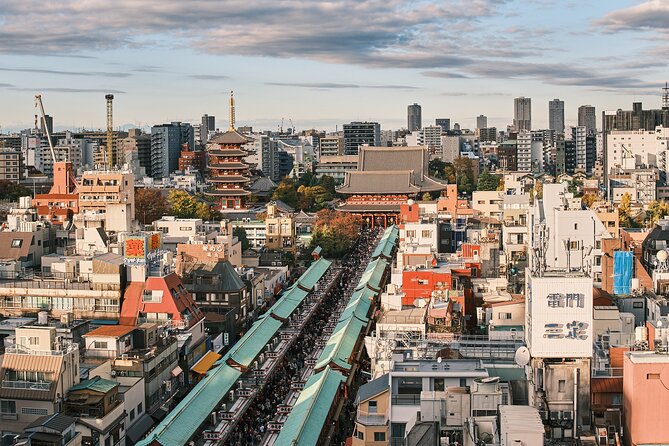
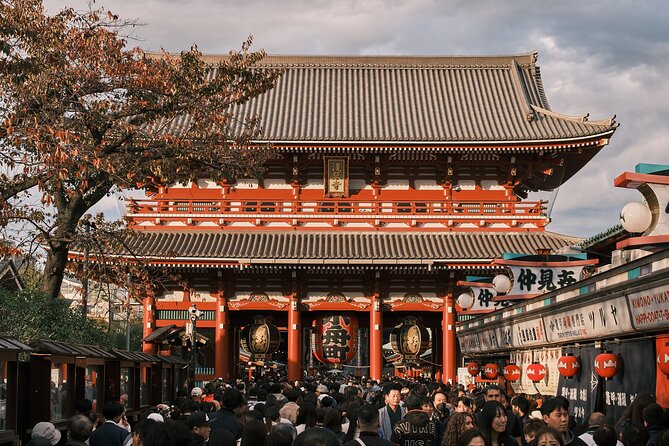
Asakusa is where old Tokyo still feels present. The core stop is Senso-ji Temple, often described as Tokyo’s oldest temple. You’ll get a chance to see the grounds and understand why this area became a long-time magnet for visitors and locals.
Then comes Nakamise-dori, the classic shopping street leading toward the temple. This is the part where you can graze on traditional snacks and shop for souvenirs made for the temple-walk vibe. It’s the kind of area where it’s easy to get pulled into buying stuff you don’t want. A guide helps you focus—what’s worth tasting, what to skip, and how to move through without wasting time.
Potential drawback here: Senso-ji and the shopping street can be crowded. A private plan helps, but it won’t erase peak-time crowds. If you’re the type who hates line-ups or shoulder-to-shoulder movement, shorter tour lengths may feel more comfortable.
Ueno’s temples and museums, plus Ameya Yokocho’s street-food energy
Ueno adds a different flavor from Asakusa. You’ll pass through an area associated with historic temples and several major museum options, including the Tokyo National Museum and the National Museum of Western Art. Even if you don’t go inside a museum, the area gives you that “Tokyo has depth” feeling.
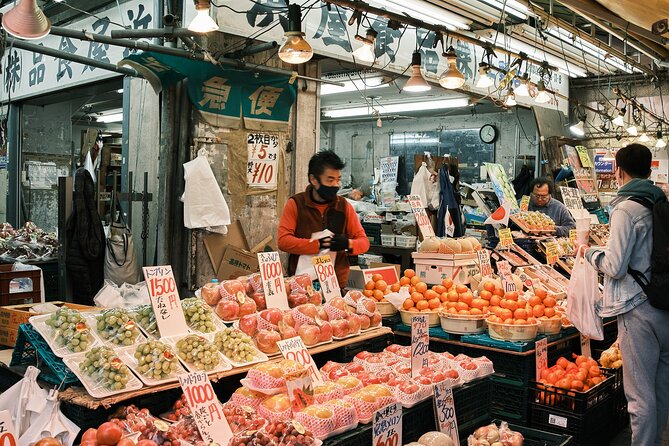
The tour also includes Ueno’s nearby sights, including Ueno Toshogu Shrine and the general museum-zone atmosphere. Then you’ll shift from landmark views to street-level life at Ameya Yokocho, an open-air market known for the classic mix of shops, snack stands, and standing-bar style eating.
This is a great stop for two reasons. First, you get a more local market mood than the more tourist-heavy temple lanes. Second, it’s a place where it’s easier to snack your way through without committing to a full meal. Food and drinks aren’t included, but you’re set up perfectly to grab small bites when you want them.
Akihabara’s anime and electronics obsession, with a shopping angle
Akihabara is where Tokyo’s pop-culture and tech side collide. Expect a route through the world of anime and electronics, with time for retro-and-modern game centers. It’s also a place to hunt for manga and figures without feeling like you have to figure everything out by yourself.
A practical highlight: the tour notes tax-free shopping for electronic items that are described as available only through certain outlets. Even if you’re not planning a big purchase, knowing where tax-free shopping is discussed can save you time and confusion.
One consideration: if you’re not into anime, manga, or electronics, this portion can feel like a hard swing. The upside is that because it’s private and customizable, you can ask your guide to keep Akihabara lighter or swap emphasis for something else you’d rather do.
Shibuya Crossing and the Hachiko story that keeps moving people
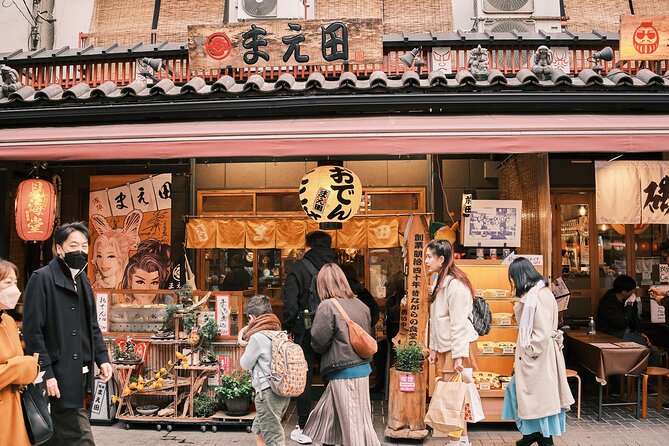
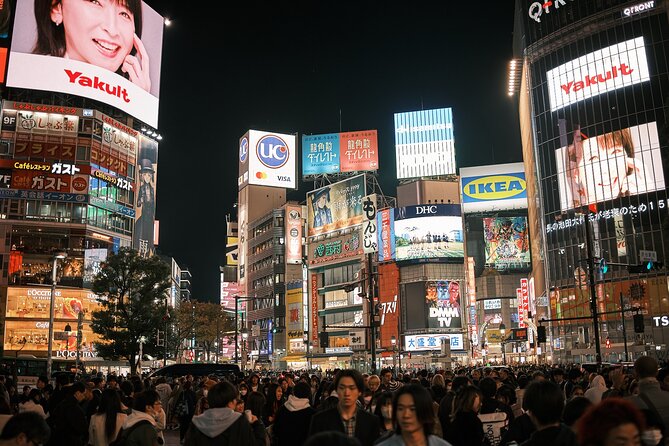
Shibuya is Tokyo’s modern theater district. The tour includes a stop at Shibuya Crossing, including a short look at the intersection that’s become iconic worldwide. It’s one of those places where the point isn’t just the photo—it’s watching how Tokyo handles mass movement with almost no drama.
Then you’ll get the Hachiko connection. You’ll see the Hachiko statue briefly, and the guide will explain the story behind the loyal dog and why he became a symbol of devotion in Tokyo culture. In practice, this is more than a quick photo moment. It gives meaning to a spot you might otherwise treat as just a landmark.
Timing note: Shibuya can be busy. You’ll want comfortable shoes and a mindset for brief crowd navigation. A private guide helps you avoid time-wasting detours and keeps the pacing realistic for your selected duration.
Readers also shortlisted these Tokyo bookings:
- Tokyo 6hr Private Tour with Government-Licensed Guide★ 5.0 · 3,902 reviews
- Tokyo: Shinjuku Local Bar and Izakaya Guided Walking Tour★ 4.9 · 1,794 reviews
- Tokyo: Private City Highlights Tour with Local Guide★ 4.8 · 1,433 reviews
- Tokyo: Tsukiji Fish Market Guided Walking Tour★ 4.9 · 1,397 reviews
- Tokyo 4hr Private Tour with Government-Licensed Guide★ 5.0 · 1,394 reviews
Omoide Yokocho and Shinjuku: old alley vibes and neon streets
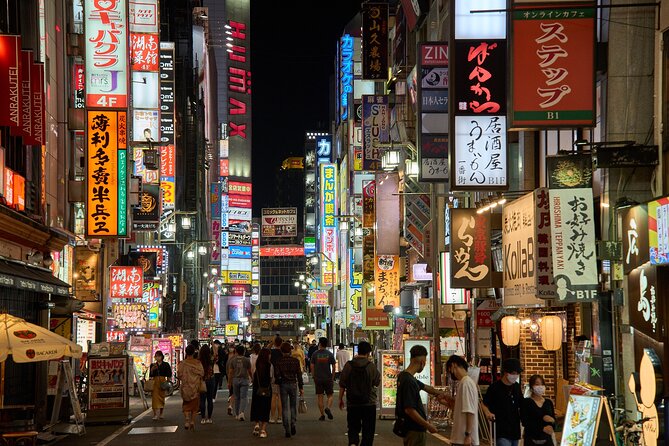
Tokyo’s food culture shows up in a very specific way around Omoide Yokocho. This stop is Omoide Yokocho, a historic alley with narrow lanes lined with classic izakayas and street food. It’s a strong choice for people who want a taste of older Tokyo without doing a formal dinner reservation.
Then the tour shifts to Shinjuku, described as Tokyo’s entertainment hub. You’ll walk through the neon-lit streets and the mix of shops and dining options. This is a good area to bring your shopping instincts and your late-night curiosity.
Potential drawback: Shinjuku and Takeshita Street type areas can lean heavily toward young fashion and busy street energy. If you prefer quiet temples or museum time, you’ll want to steer the day so those stops don’t crowd out your preferred pace.
Takeshita Street for fashion contrast, plus Meiji Jingu for calm
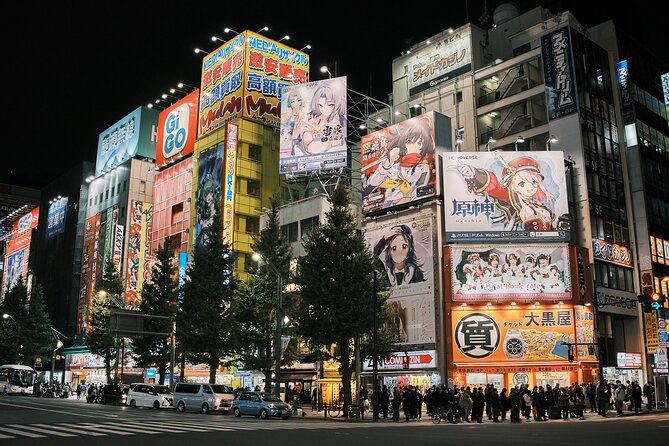
Takeshita Street is one of Tokyo’s most recognizable pedestrian shopping scenes, known for fashion, snacks, and that slightly chaotic mix of trends. It’s perfect if you want a fast snapshot of youth style and food culture. The guide can also help you spot what’s worth a look versus what’s just noise.
Then the tour makes a smart turn: Meiji Jingu Shrine. After the street-shopping crush, this is your reset. You’ll explore peaceful grounds, surrounded by major torii gates and forest-like calm. You’ll also learn about the shrine’s connection to Emperor Meiji and Empress Shoken, which gives the space context beyond a scenic stop.
This pairing works well because it changes your pace. One area is sensory overload; the other is a mental exhale. If you choose the longer tour options (6 or 8 hours), this contrast helps keep the day from blurring together.
Tsukiji Fish Market and the Imperial Palace East Garden at the right tempo
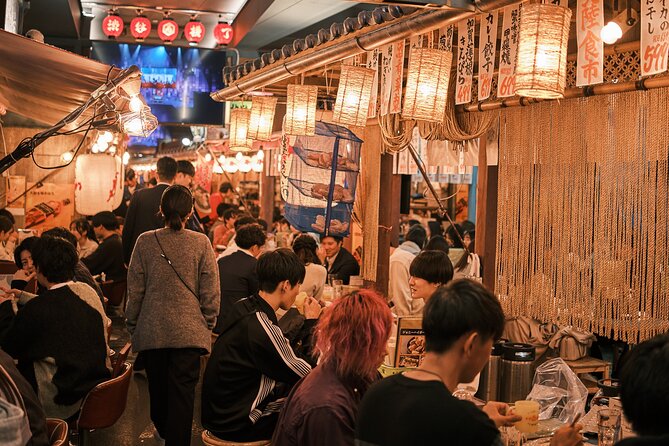
Tsukiji Fish Market is a standout for food-focused visitors. The tour includes Tsukiji as Tokyo’s legendary seafood hub, with a walk through bustling aisles and a chance to see fresh seafood and local delicacies. Even if you don’t buy much, the variety of ingredients and how vendors operate gives you real insight into Japan’s food supply chain and market culture.
Then you get the quieter finale: the East Garden of the Imperial Palace. This is Tokyo’s more contemplative side, with landscaped grounds, old stone walls, and historic ruins that help you connect to Japan’s imperial past. It’s a strong close because it’s different from the market and shopping intensity earlier in the day.
One practical note: you’ll feel tired by this stage, especially in the longer tour versions. The pacing here matters. A private guide can slow down when needed and shorten the walk when the group energy dips.
Price and logistics: what $132.91 buys you in real life
The price is $132.91 per person, and the big question is whether it’s worth paying for a guide instead of DIY-ing with transit and a map.
Here’s the honest value math. You’re paying for:
- Private pacing and a guide who can adjust the day.
- Temple and shrine entrance tickets included.
- A planned route across major areas that otherwise takes real effort to connect smoothly.
- Guidance for navigation through Tokyo’s complex station system.
Compared with buying separate tickets and doing it yourself, the guide can save time and reduce stress—especially if it’s your first day and you want to get your bearings fast. One review pattern mentions station navigation help as a standout benefit, and that’s exactly the kind of thing that pays off fast in Tokyo.
What you should budget on top:
- Food and drinks are not included.
- Trains, private car, and airport pickup/drop-off are listed as not included.
Because the tour is described as using public transportation, you’ll still rely on transit between neighborhoods, but you should plan on covering any transit fares that aren’t explicitly included.
Also, you’ll want to confirm what pickup looks like for your exact location, since pickup is offered. The meet-up is described as convenient for hotels or accommodations and near public transportation, which is usually the easiest setup.
Who this tour suits best (and who might want a different style)
This private walking tour fits best if you:
- Want a first-day Tokyo plan that covers major areas without overthinking logistics.
- Prefer a guide who can explain culture and architecture, not just point at buildings.
- Like the mix of old-town sites, markets, and modern districts in one day.
- Want the option to choose 4, 6, or 8 hours based on your stamina.
It’s also a good match if you’re traveling with a friend or small group and want control. Solo travelers can benefit too because private doesn’t mean rigid. You can still ask for pacing changes and focus areas.
If you mostly want one neighborhood deep and quiet, you might find a multi-district day too much. Tokyo does quiet well, but this itinerary is built for breadth.
Guide impact: when Saya or Gabriel show up
Guides matter on tours like this, and the recent feedback includes specific names. Saya is highlighted for being wonderful and going beyond the walk with cultural context and navigation help that makes the rest of your trip easier. Gabriel is mentioned for flexibility with last-minute booking and for meeting someone at the airport—an example of how guides can sometimes adjust to real-life travel needs.
You can’t assume any specific guide will be assigned to you, but you can use this as a clue about the tour style. The best outcome here isn’t only seeing places—it’s getting practical Tokyo know-how from a local.
Should you book this Tokyo Vibes private walking tour?
I’d book this if you want a smoother first Tokyo day with a plan you can tweak. The itinerary covers a strong cross-section of Tokyo—temples, markets, anime and electronics, Shibuya and Shinjuku energy, plus calm at Meiji Jingu and the Imperial Palace East Garden.
You should think twice if you hate long days or you’re not interested in at least a few of the big stops like Akihabara, Shibuya, Shinjuku, or Tsukiji. Also plan around food since meals aren’t included.
If you’re deciding between DIY and a guide, this tour leans toward the best kind of spending: paying for less stress, better timing, and a local who can explain what you’re actually seeing.
FAQ
How long is the Tokyo private walking tour?
You can choose a duration of about 4, 6, or 8 hours, depending on how much time you want to spend each day.
Is this tour private or shared with other groups?
It’s a private tour/activity, so only your group participates.
Does the tour offer hotel or accommodation meet-up?
Yes. A convenient hotel or accommodation meet-up is offered.
What stops are included on the route?
The tour includes areas such as Asakusa (including Senso-ji), Ueno (including major nearby sites), Akihabara, Shibuya (including Shibuya Crossing and Hachiko), Omoide Yokocho, Shinjuku, Takeshita Street, Meiji Jingu Shrine, Tsukiji Fish Market, and the East Garden of the Imperial Palace.
Are tickets for temples and shrines included?
Yes. Temples and shrines entrance tickets are included.
Is food and drinks included?
No. Food and drinks are not included.
Does the tour include public transportation, and are train fares included?
The tour is described as a walking tour using public transportation. However, trains (along with private car and airport pickup/drop-off) are listed as not included, so you may want to plan for any transit costs accordingly.
What is the cancellation policy?
Free cancellation is available. You can cancel up to 24 hours in advance for a full refund.
More Walking Tours in Tokyo
- Tokyo Tsukiji Fish Market Food and Culture Walking Tour
★ 5.0 · 3,184 reviews - Tokyo: Imperial Palace and Shogun Historical Walking Tour
★ 5.0 · 2,251 reviews - Tokyo: Shinjuku Local Bar and Izakaya Guided Walking Tour
★ 4.9 · 1,794 reviews - Tokyo: Tsukiji Fish Market Food and Walking tour
★ 5.0 · 1,724 reviews - Tokyo: Asakusa Walking Tour with Sensoji Temple Visit
★ 4.8 · 1,583 reviews
More Tours in Tokyo
- Mt Fuji and Hakone 1-Day Bus Tour Return by Bullet Train
★ 5.0 · 26,383 reviews - 1-Day Tokyo Bus Tour
★ 5.0 · 14,250 reviews - Tokyo: Shinjuku Food Tour (13 Dishes at 4 Local Eateries)
★ 5.0 · 6,603 reviews - Tokyo Mt Fuji 5th St & Hakone Cruise Bus Tour w/Bullet Train
★ 4.4 · 5,024 reviews - Flagship 2-Hours Official Street Go-Kart Tour – Tokyo Bay Shop
★ 5.0 · 4,974 reviews
More Tour Reviews in Tokyo
- Mt Fuji and Hakone 1-Day Bus Tour Return by Bullet Train
★ 5.0 · 26,383 reviews - 1-Day Tokyo Bus Tour
★ 5.0 · 14,250 reviews - Tokyo: teamLab Planets TOKYO Digital Art Museum Entry Ticket
★ 4.6 · 9,779 reviews - Mt Fuji & Hakone Cruise, Drum Show Bullet Train 1 Day from Tokyo
★ 4.0 · 7,413 reviews - Tokyo: Shinjuku Food Tour (13 Dishes at 4 Local Eateries)
★ 5.0 · 6,603 reviews
Latest Tokyo reviews off our desk






Walking Tours, compared.
 ★ 5.0Tokyo Tsukiji Fish Market Food and Culture Walking TourFrom $993,184 reviews
 ★ 5.0Imperial Palace and Shogun Historical Walking TourFrom $222,251 reviews
 ★ 4.9Shinjuku Local Bar and Izakaya Guided Walking TourFrom $341,794 reviews
 ★ 5.0Tsukiji Fish Market Food and Walking tourFrom $301,724 reviews
 ★ 4.8Asakusa Walking Tour with Sensoji Temple VisitFrom $221,583 reviews
 ★ 4.9Tsukiji Fish Market Guided Walking TourFrom $221,397 reviews
 ★ 4.7Tokyo Castle & Imperial PalaceーShogun Walking TourFrom $231,068 reviews
 ★ 4.9Imperial Palace Japanese History Walking TourFrom $32987 reviews
Browse the lists this tour appears in