
Reviewed · WALKING TOURS
Tokyo: Private Walking Tour with a Local Guide
Tokyo makes sense fast with a guide. What makes this one work is the private setup and the way guides explain how Tokyo’s traditions and neighborhoods connect, not just what to photograph. I also like that temple and shrine entrance fees are covered, so you spend less time budgeting on the spot. One catch: it’s still a walking + public-transport day, so plan for sore legs, crowded platforms, and plenty of steps.
You’ll meet your guide in central Tokyo, usually at your hotel, then move around with help navigating trains and finding the right stops. After booking, the guide reaches out on WhatsApp within 24 hours to confirm your interests and help shape the route (a sample itinerary is only a starting point). The thing to watch: the exact mix of places can change by tour length, so if you have a must-see, flag it early.
In This Review
- Key things to know before you go
- A private Tokyo day with real locals and clear English
- How the 2–8 hour plan actually works (and why it matters)
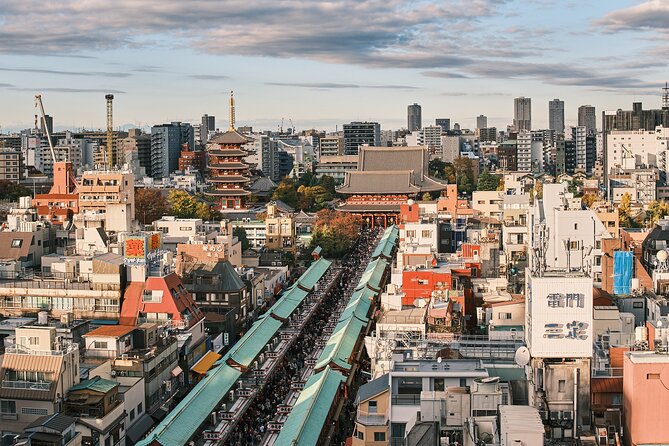
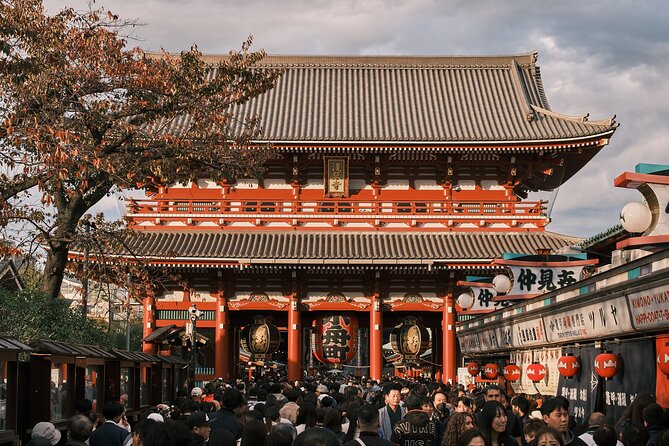
- Sensō-ji Temple and Asakusa: classic Tokyo with breathing room
- Ueno and Ameya-Yokocho: history grounds and street-market energy
- Akihabara to Shibuya Crossing: tech streets and Tokyo’s famous crossing
- Harajuku and Meiji Shrine: calm sacred space next to fashion culture
- Tsukiji Outer Market and Ginza: food hunting with an easy downtown follow-up
- Tokyo Imperial Palace and Shinjuku: power and pace in one day
- Public transport tips: how to avoid losing time on trains
- What’s included, what you pay for, and how to plan lunch
- Who this tour is best for (and who should skip it)
- The real value: is $53 per person worth it?
- Should you book this private walking tour?
- FAQ
- Is this a private tour or a group tour?
- How long is the tour?
- Where does the guide pick you up?
- What sites can the tour include?
- Are temple and shrine entrance fees included?
- Are meals included?
- Do I need to pay for extra attraction tickets?
- What should I bring?
- Is WhatsApp required?
- Is the tour suitable for wheelchair users?
Key things to know before you go
- You control the focus: pick famous sights, quieter neighborhoods, or cultural staples, and the guide builds the day around you.
- Entrance fees for temples/shrines are included: you should be able to enjoy the main spiritual stops without extra ticket math.
- Public transport is part of the plan: the tour is designed around convenient trains, and your guide helps you use them efficiently.
- Guidae communication is practical: WhatsApp contact happens ahead of time, and the final route is confirmed 24 hours before.
- Expect lots of walking: comfy shoes matter, and it’s not ideal for wheelchairs or mobility-limited visitors.
- Meal choices affect the guide: if the guide joins you for lunch or dinner, you cover their meal cost.
A private Tokyo day with real locals and clear English
This tour is built around a simple idea: Tokyo is easier when someone local helps you choose what matters. You’re not stuck following a rigid checklist. Instead, you tell the guide what you’re into—history, shopping streets, shrines, modern neighborhoods, food areas, photo stops—and you get a route that fits that mood.
A big part of why this works is the guide quality. Names like Miwa, Rika, and Momo show up again and again, and the consistent theme is clear communication in English, friendly conversation, and a sense of timing. Some guides are especially focused on making the city navigation feel calm—helping you understand which trains to take, how to move through station bottlenecks, and how to avoid wasting time going in circles.
This isn’t just “sightseeing facts.” You’ll get context that helps you notice what you’re actually looking at: how a shrine space works, why certain streets feel like they do, and how everyday routines shape what you see at street level.
Readers also shortlisted these Tokyo bookings:
- Tokyo Tsukiji Fish Market Food and Culture Walking Tour
★ 5.0 · 3,184 reviews - Tokyo: Imperial Palace and Shogun Historical Walking Tour
★ 5.0 · 2,251 reviews - Tokyo: Shinjuku Local Bar and Izakaya Guided Walking Tour
★ 4.9 · 1,794 reviews - Tokyo: Tsukiji Fish Market Food and Walking tour
★ 5.0 · 1,724 reviews
How the 2–8 hour plan actually works (and why it matters)
The tour ranges from 2 to 8 hours, and that range changes everything. In a shorter window, you’ll likely do fewer districts with more attention to each one. In a longer day, you can stack contrasting areas—old Tokyo and newer Tokyo—without rushing so hard that temples turn into a checklist.
What also matters: each stop has its own duration, so your guide isn’t just moving you from one postcard to the next. They’re balancing time spent walking, time spent inside, and time spent transitioning by train. Tokyo can swallow time fast if you’re aimless. A good guide helps you make deliberate choices so the day stays fun, not exhausting.
Here’s the practical takeaway for you: when you book, you’re not just picking “a tour.” You’re picking your Tokyo strategy. If you only have one full day, prioritize the areas that match your interests. If you have two days, use one tour as an orientation and the other to go back to the places that grabbed you.
And yes, public transport crowding can be real. If you’re traveling in a way that makes packed trains harder, the guide can often adjust the route and suggest alternatives during the day, but keep in mind that extra transport costs (beyond what’s already part of the plan) aren’t automatically included.
Sensō-ji Temple and Asakusa: classic Tokyo with breathing room
If Tokyo has a “starter scene,” it’s often Sensō-ji and Asakusa. Sensō-ji is the kind of temple area where the details pull you in: the approach, the feeling of ceremony, and the way people move through the space. You’ll get context on the shrine/temple traditions and why certain areas feel the way they do.
Asakusa also gives you that tangible mix of old and everyday life. You’re not only looking at buildings—you’re watching how a neighborhood functions around them. A good guide helps you spot the difference between “tourist sight” and “local street life,” so you come away understanding the atmosphere, not just the landmark.
Two practical things to plan:
- Wear shoes you can walk in for hours. This area can mean lots of steady movement.
- Expect crowds. The point of going with a guide is not avoiding people forever; it’s knowing where to stand, when to move, and what to focus on while you’re there.
Ueno and Ameya-Yokocho: history grounds and street-market energy
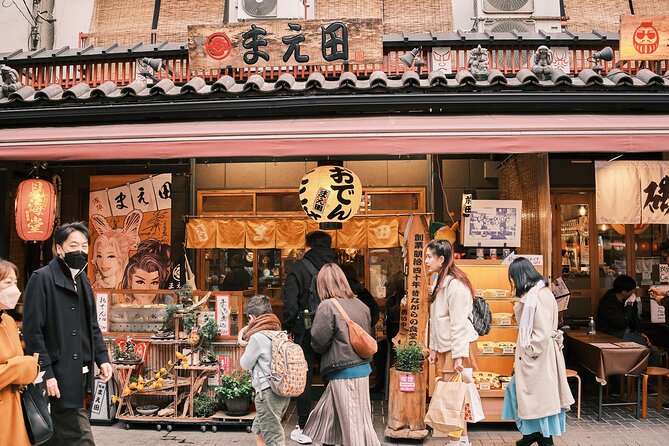
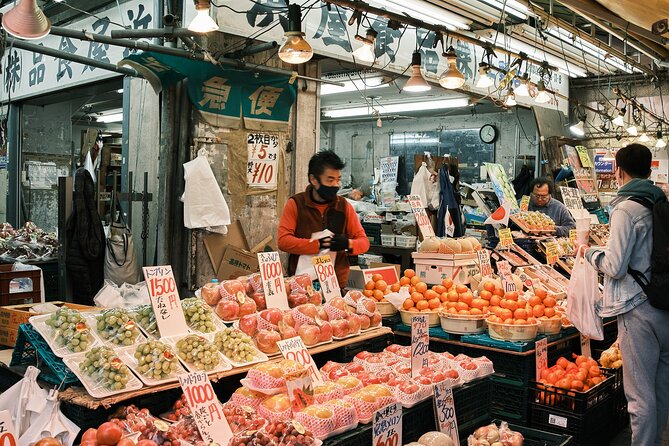
Ueno is a strong choice for travelers who like a bit of everything in one district—cultural sites nearby, plus an easy path into more everyday neighborhoods. Then Ameya-Yokocho adds the street-market side of Tokyo: shopping lanes, snack stops, and a sense of “people actually live here” energy.
One reason Ueno pairs well with the rest of a tour is that it helps you shift tones without losing momentum. You can go from religious atmosphere into casual city life. That contrast is where a walking tour can feel especially rewarding.
If shopping is on your radar, ask your guide for what to buy and what to skip. Guides often steer you toward items that make sense for tourists (and avoid the stuff that’s just noise). You’ll also get pointers on where to take small breaks so you don’t burn out halfway through the day.
Akihabara to Shibuya Crossing: tech streets and Tokyo’s famous crossing
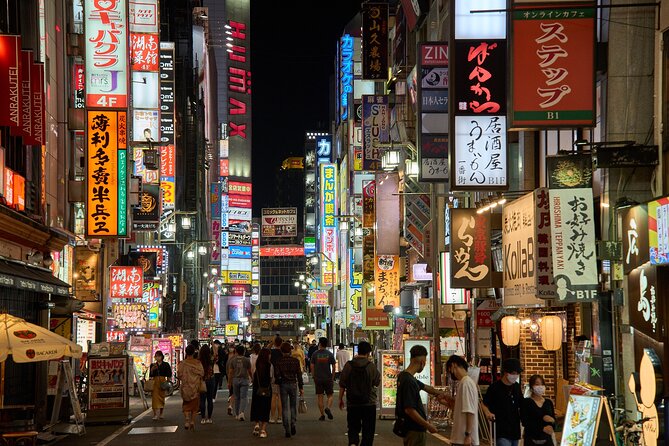
Akihabara is for gadgets, anime culture, and electronic browsing—more “Tokyo pop culture” than old-world ceremony. Even if you’re not an expert, the district is visually overwhelming in a good way. Your guide can explain what you’re seeing and how to navigate the areas without losing time popping into every store that catches your eye.
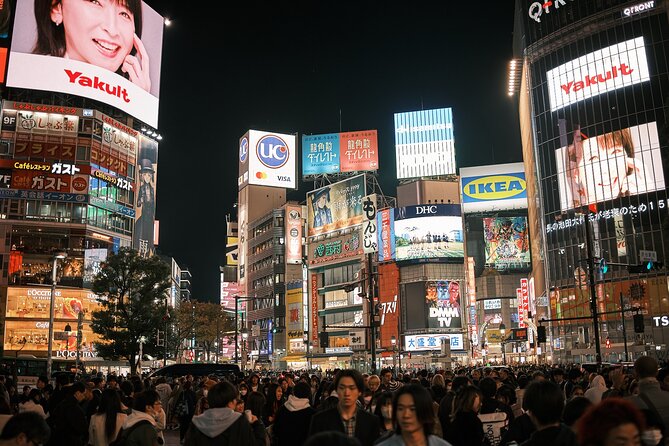
Then many routes swing into Shibuya and Shibuya Crossing. This is a must for many first-time visitors because it’s one of those “only in Tokyo” moments. But crowd intensity is part of the deal. One guest noted that, in hindsight, they wouldn’t have picked Shibuya Crossing as a top choice. That’s your clue to think strategically: if you love iconic scenes, go. If you prefer calmer photography and less pushing-through crowds, you might swap the crossing for surrounding streets.
A smart way to handle Shibuya is to treat it as a quick highlight, not a long sit-and-stare. Your guide can help you time your viewing so you get the dramatic moment without wasting precious hours.
Readers also shortlisted these Tokyo bookings:
- Tokyo 6hr Private Tour with Government-Licensed Guide★ 5.0 · 3,902 reviews
- Tokyo: Shinjuku Local Bar and Izakaya Guided Walking Tour★ 4.9 · 1,794 reviews
- Tokyo: Private City Highlights Tour with Local Guide★ 4.8 · 1,433 reviews
- Tokyo: Tsukiji Fish Market Guided Walking Tour★ 4.9 · 1,397 reviews
- Tokyo 4hr Private Tour with Government-Licensed Guide★ 5.0 · 1,394 reviews
Harajuku and Meiji Shrine: calm sacred space next to fashion culture
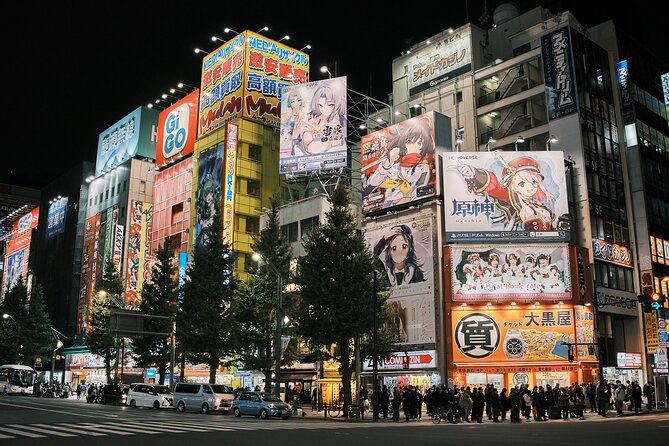
Harajuku and Meiji Shrine are a popular pairing because they feel like two different Tokyo worlds that sit close together. Meiji Shrine brings the quiet spiritual side—big trees, respectful atmosphere, and a sense of stepping away from the city’s speed. Harajuku shifts you into trend culture, street energy, and fashionable neighborhoods.
What I like about this pairing for you is the rhythm. You go from stillness to motion, and it makes the day feel varied rather than repetitive. Plus, the shrine stop gives you perspective on what “tradition” means in Tokyo beyond museums and textbooks.
If you’re photo-focused, this is also a strong section for pictures. Guides can guide you on where to stand and how to keep moving without turning it into a traffic jam.
Tsukiji Outer Market and Ginza: food hunting with an easy downtown follow-up
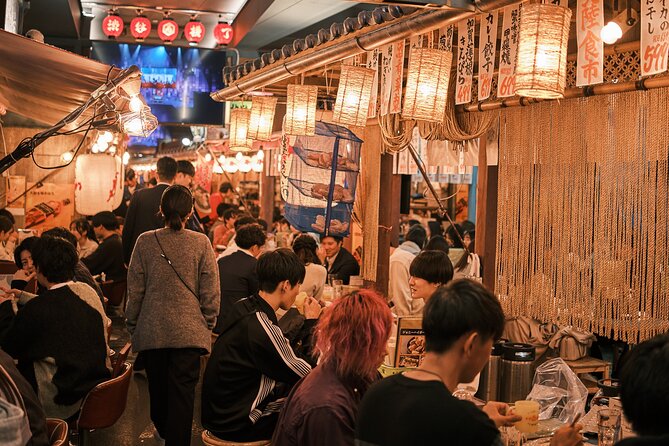
Tsukiji Outer Market is the kind of place where you can eat your way through Tokyo’s food culture, even if you don’t have a giant list of restaurant reservations. The Outer Market area is also great for understanding the market ecosystem—what’s sold, what looks tempting, and how locals approach quick bites.
In at least one case, a guide facilitated tasting while you’re there, including free taste-style stops for the group. You might not get that exact format on every day, but the broader point holds: guides help you navigate the stalls so you aren’t wandering hungry and confused.
After that, Ginza adds a polished contrast. If Tsukiji is busy and food-first, Ginza is sleek and downtown. Your guide can help you transition from “eat and browse” into “stroll and people-watch” without turning the second half into a shopping fatigue session.
If meals are important to you, this is often the easiest area to handle lunch well. Just know that meals are not included in the tour price, and if you want your guide to join you, you cover the guide’s meal cost.
Tokyo Imperial Palace and Shinjuku: power and pace in one day
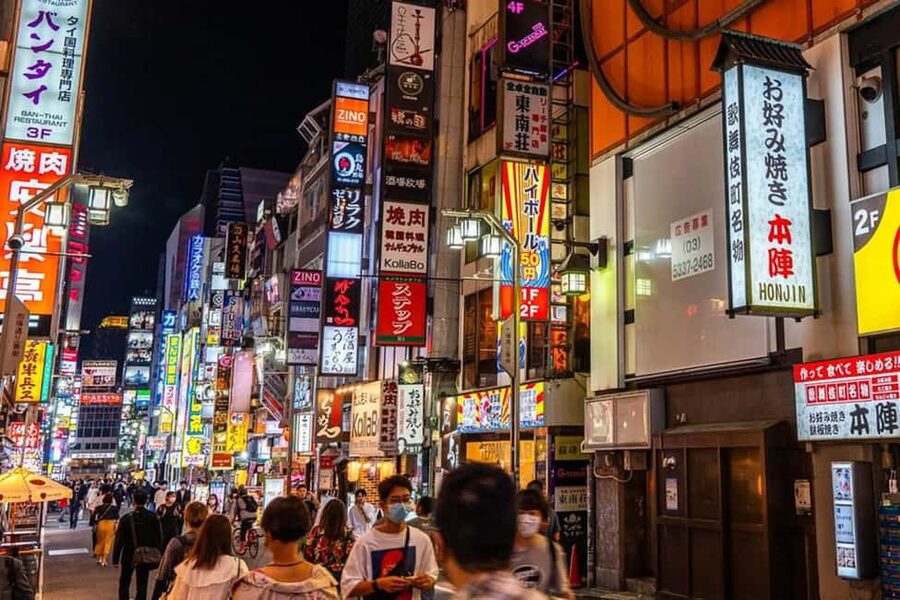
Tokyo Imperial Palace area brings a different tone: you’ll learn how the city connects governance, history, and present-day space. Even if you don’t spend hours inside a museum setting, the surrounding experience helps you understand Tokyo’s layers—how modern streets sit near historic institutions.
Then Shinjuku shifts you into fast, layered city energy. It’s a district where Tokyo feels very modern and very tall, and it often becomes a natural place to end a long day because it’s full of sights and easy transit connections.
This section can be a great fit if your interests include:
- contrasts (old systems vs modern life)
- major Tokyo neighborhoods
- big-city atmosphere with multiple photo angles
Public transport tips: how to avoid losing time on trains
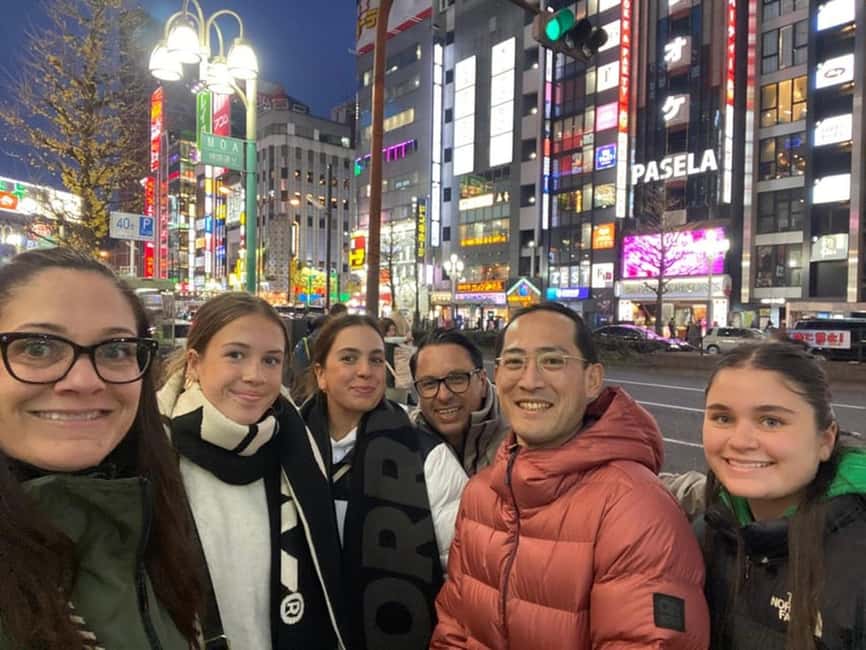
Tokyo’s train system is one of the best parts of visiting—once you understand it. A huge value of this tour is that your guide handles the practical side, like getting you to the right lines and moving through stations efficiently.
That matters because time loss in Tokyo isn’t usually about one wrong turn. It’s about small delays stacking up: standing in the wrong entrance, waiting too long, or ending up on the wrong platform direction. A guide-focused approach helps you avoid that spiral.
One piece of advice you can use right away: have a Suica-type transit card or equivalent system ready so you’re not fumbling during station transitions. Comfortable shoes are non-negotiable too, since even “short” station-to-street walks become long when you do them ten times.
And if you’re traveling with someone who needs extra time or rest stops, the guide can pace the day. There are examples of guides adjusting to slower walking speed and even suggesting taxis when trains would be too much.
What’s included, what you pay for, and how to plan lunch
Here’s the simple breakdown:
- Included: a private walking tour with a local guide, hotel or central Tokyo pickup and drop-off, public transport during the tour, and temple and shrine entrance fees.
- Not included: meals and beverages, other transport like airport pick-up/drop-off, and tickets for additional attractions or special requests.
Meal planning is worth understanding. If you want lunch during the tour and you ask the guide to join, you cover their meal cost. If you’d rather not, tell them in advance. That’s the cleanest way to keep expectations clear.
As for shopping and snacks: you’re on foot, and many districts naturally lead to snacks. Budget for small purchases and water, and keep some cash on hand for market-style areas.
Who this tour is best for (and who should skip it)
This private tour is a strong choice for:
- first-time visitors who want orientation fast
- travelers who like a mix of old Tokyo and modern neighborhoods
- people who want a tailored plan rather than a fixed route
- anyone who values cultural context and wants explanations at a human pace
Guides also tend to take photos for your group, which is a real perk when you’re traveling with friends or family and want more than solo selfies.
It’s not a good fit if you use a wheelchair or have mobility impairments. The tour is explicitly not suitable for wheelchair users, and the walking + transit setup would likely be difficult.
Also note a basic behavior rule: baby strollers are not allowed, and smoking and drones aren’t allowed during the experience. So if you’re traveling with very young kids, double-check whether your setup matches those rules.
The real value: is $53 per person worth it?
For $53 per person, you’re paying for three things that matter in Tokyo:
- Time saved choosing the right areas and a route that fits your hours.
- Local guidance that makes the day make sense, not just look good on camera.
- Reduced friction because temple/shrine entrance fees are covered and you have help navigating trains.
Where it can cost more: meals, snacks, and any extra attraction tickets beyond the included entrance fees. If you add museums or special ticketed activities on top, you’ll need to budget separately.
But if your goal is a well-planned introduction and a smooth day that feels personal, the price is usually fair for a private guide. The high rating—4.9 from 469 reviews—matches the core promise: guides are communicative, flexible, and good at managing time in a huge city.
Should you book this private walking tour?
Book it if you want a first-day (or first-week) Tokyo guide who can adjust the route based on your interests, handle temple stops without ticket stress, and help you use public transport with confidence. It’s especially worth it if you don’t want to spend your precious hours building an itinerary from scratch.
Skip it if you strongly prefer a fully self-guided day, if you need wheelchair accessibility, or if you hate walking and crowded station environments. This tour is built for moving. When that fits you, it’s a very smart way to experience Tokyo like someone lives there.
FAQ
Is this a private tour or a group tour?
It’s a private group experience with a live English-speaking guide.
How long is the tour?
The duration is 2 to 8 hours. Different time options are available depending on availability.
Where does the guide pick you up?
Pickup is included from your hotel or from a preferred meeting place in central Tokyo, and your guide meets you there before walking and using public transport during the tour.
What sites can the tour include?
The tour can include places like Sensō-ji, Asakusa, Ueno, Ameya-Yokocho, Akihabara, Shibuya Crossing, Harajuku, Meiji Shrine, Tsukiji Outer Market, Ginza, Tokyo Imperial Palace, and areas such as Shinjuku. The exact route depends on your chosen option and what you and your guide decide together.
Are temple and shrine entrance fees included?
Yes, temple and shrine entrance fees are covered.
Are meals included?
No, meals and beverages are not included.
Do I need to pay for extra attraction tickets?
Yes. Tickets for additional attractions or special requests are not included, and you’ll be responsible for those.
What should I bring?
Bring a passport or ID card, comfortable shoes, a credit card, and cash.
Is WhatsApp required?
You’re asked to download WhatsApp because your guide will reach out within 24 hours prior to the tour date.
Is the tour suitable for wheelchair users?
No. It is not suitable for people with mobility impairments or wheelchair users.
More Walking Tours in Tokyo
- Tokyo Tsukiji Fish Market Food and Culture Walking Tour
★ 5.0 · 3,184 reviews - Tokyo: Imperial Palace and Shogun Historical Walking Tour
★ 5.0 · 2,251 reviews - Tokyo: Shinjuku Local Bar and Izakaya Guided Walking Tour
★ 4.9 · 1,794 reviews - Tokyo: Tsukiji Fish Market Food and Walking tour
★ 5.0 · 1,724 reviews - Tokyo: Asakusa Walking Tour with Sensoji Temple Visit
★ 4.8 · 1,583 reviews
More Tours in Tokyo
- Mt Fuji and Hakone 1-Day Bus Tour Return by Bullet Train
★ 5.0 · 26,383 reviews - 1-Day Tokyo Bus Tour
★ 5.0 · 14,250 reviews - Tokyo: Shinjuku Food Tour (13 Dishes at 4 Local Eateries)
★ 5.0 · 6,603 reviews - Tokyo Mt Fuji 5th St & Hakone Cruise Bus Tour w/Bullet Train
★ 4.4 · 5,024 reviews - Flagship 2-Hours Official Street Go-Kart Tour – Tokyo Bay Shop
★ 5.0 · 4,974 reviews
More Tour Reviews in Tokyo
- Mt Fuji and Hakone 1-Day Bus Tour Return by Bullet Train
★ 5.0 · 26,383 reviews - 1-Day Tokyo Bus Tour
★ 5.0 · 14,250 reviews - Tokyo: teamLab Planets TOKYO Digital Art Museum Entry Ticket
★ 4.6 · 9,779 reviews - Mt Fuji & Hakone Cruise, Drum Show Bullet Train 1 Day from Tokyo
★ 4.0 · 7,413 reviews - Tokyo: Shinjuku Food Tour (13 Dishes at 4 Local Eateries)
★ 5.0 · 6,603 reviews
Latest Tokyo reviews off our desk






Walking Tours, compared.
 ★ 5.0Tokyo Tsukiji Fish Market Food and Culture Walking TourFrom $993,184 reviews
 ★ 5.0Imperial Palace and Shogun Historical Walking TourFrom $222,251 reviews
 ★ 4.9Shinjuku Local Bar and Izakaya Guided Walking TourFrom $341,794 reviews
 ★ 5.0Tsukiji Fish Market Food and Walking tourFrom $301,724 reviews
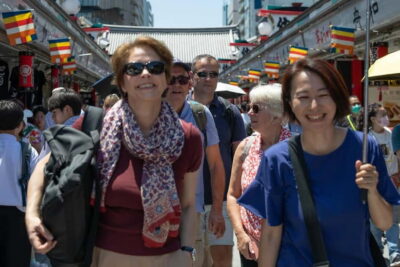 ★ 4.8Asakusa Walking Tour with Sensoji Temple VisitFrom $221,583 reviews
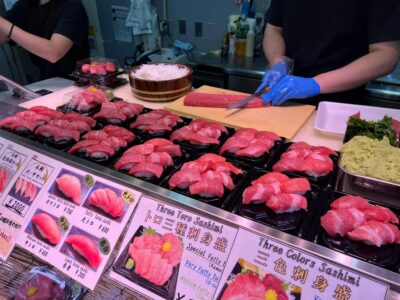 ★ 4.9Tsukiji Fish Market Guided Walking TourFrom $221,397 reviews
 ★ 4.7Tokyo Castle & Imperial PalaceーShogun Walking TourFrom $231,068 reviews
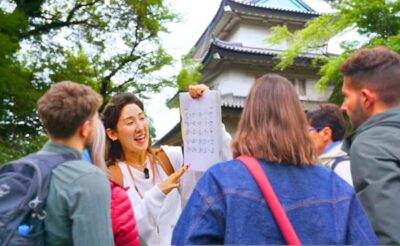 ★ 4.9Imperial Palace Japanese History Walking TourFrom $32987 reviews
Browse the lists this tour appears in