
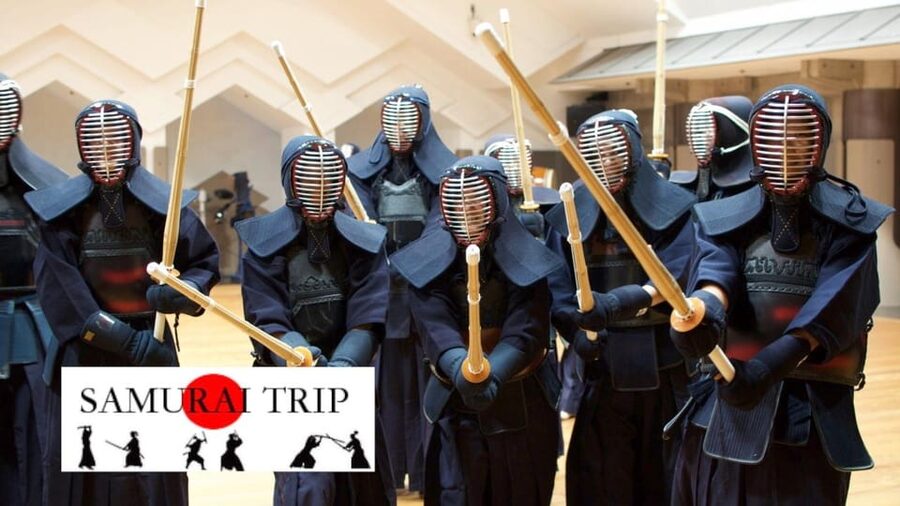
Reviewed · SAMURAI & NINJA CLASSES
Tokyo: Samurai Kendo Practice Experience
Armor up and hit with bamboo rhythm. This Tokyo kendo session at 誠道館 turns a calm dojo into a hands-on training ground where you learn etiquette, timing, and how kendo footwork turns into real sparring energy. What I like most is the chance to wear full kendo armor while training with instruction that also reaches beginners, and the way coaches like Nagamatsu-sensei (and other sensei on the team) keep the class moving with patience and structure. A second plus: it’s a small group capped at 6 participants, so you get direct corrections instead of watching from the sidelines.
One caution before you go: the dojo can be a little tricky to find because it’s run out of a house, and the instruction style can feel strict. Also, if you wear glasses, the head protector can be hard to fit and spectacles may get damaged, so bring contact lenses instead.
In This Review
- Key highlights worth circling
- Kendo Basics in Tokyo: What You Do in Those 2 Hours
- Gear Fitting at 誠道館: Armor, Shinai, and Safety Feel
- The Technique Work: Men, Kote, Do and Counter Moves
- Etiquette and Samurai Mindset: Bowing, Control, and Clear Rules
- English-Friendly Coaching and How to Prepare Your Body
- Location and Logistics from JR Uguisudani: Easy Once You Find 誠道館
- Price and Value: Why $116 Can Make Sense for Real Gear Time
- Who This Fits Best (and Who Should Skip It)
- Should you book the Samurai Kendo Practice in Tokyo?
- FAQ
- How long is the Tokyo Samurai Kendo Practice Experience?
- What does the price include?
- What is the meeting point and how do I get there?
- How large is the group?
- What languages are used during the class?
- Is food or hotel pickup included?
- What should I wear or bring?
- What is the cancellation policy?
- Is it free to reserve first?
Key highlights worth circling
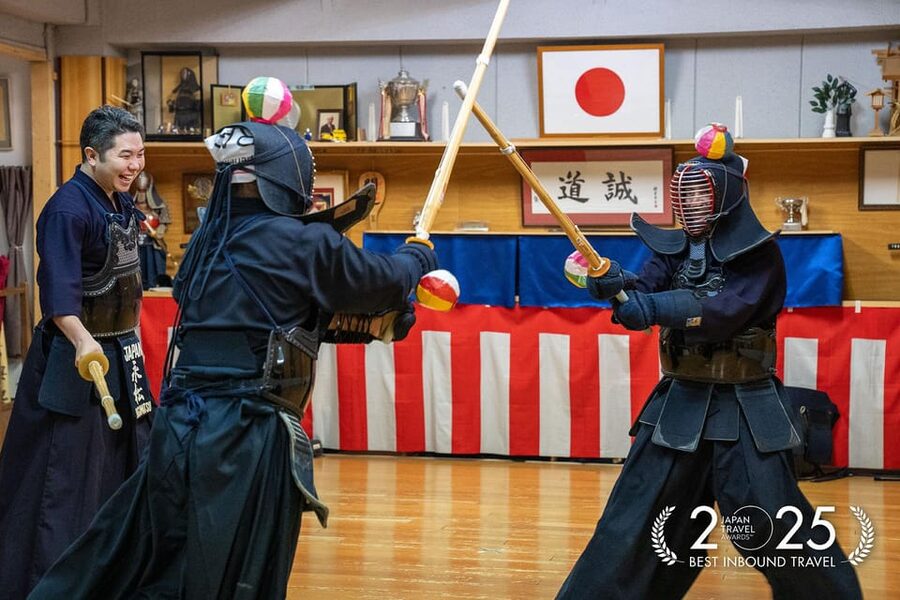
- Full kendo armor practice: You train with the same helmet and protective gear used in kendo sessions
- Core strikes you can name and repeat: You work men, kote, do, plus some counter techniques
- Beginner-friendly spar energy: You practice to fight in a controlled way, including light sparring or games
- Small group coaching: Limited to 6 participants, with hands-on guidance from sensei
- English and Japanese instruction: Clear enough to follow the basics even if your Japanese is limited
Kendo Basics in Tokyo: What You Do in Those 2 Hours
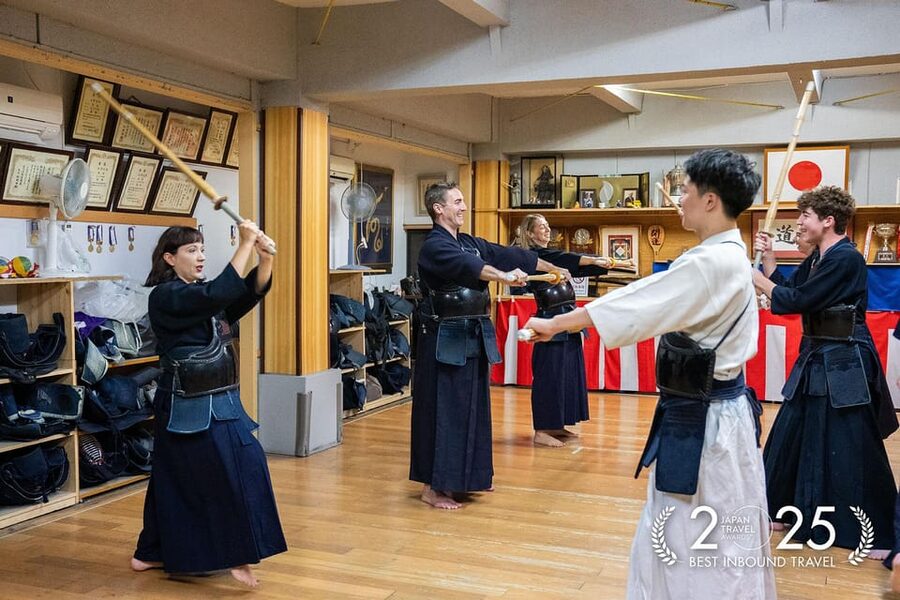
This experience is built around one idea: kendo is not just theory. You’ll start in a calm dojo setting, then gradually shift into practical training where your body learns timing, distance, and how to move as a team. Even as a beginner, you’re guided through drills that feel like the opening steps of an actual match, not a watered-down demo.
Plan on about 2 hours of active instruction and practice. The exact timing can vary a bit depending on the group and how the session flows, so don’t schedule it right before something tight like a last train connection. You do have a set duration, but the tour notes the schedule is an approximation, and that flexibility matters because kendo training is physical and interactive.
A big reason this class stands out (in the best way) is that you learn names and targets while you practice. You’re not just swinging randomly; you’re drilling specific strikes and then applying them in paired work or playful bouts.
More blade-and-dojo sessions, reviewed
- Tokyo: Samurai Ninja Museum Guided tour and Experience
★ 4.6 · 1,010 reviews - Tokyo: Samurai Sword & Archery Class from Samurai Descendant
★ 5.0 · 603 reviews - Best Samurai Experience in Tokyo
★ 5.0 · 458 reviews - Ninja Experience (Family Friendly) at Samurai Ninja Museum TOKYO
★ 5.0 · 441 reviews
Gear Fitting at 誠道館: Armor, Shinai, and Safety Feel
Kendo practice has a huge psychological shift when you put on the armor. The helmet (men) changes how you hear and see. The gloves reshape your grip. The rest of the gear turns your movements into something sharper and more deliberate. That’s exactly why this class is worth doing in person: you understand the sport’s discipline once the equipment clicks into place.
You’ll rent the full set of kendo armor and equipment on site. You’ll also get a towel and mineral water included. If you’re thinking you’ll just watch or try a quick swing, that’s not the point here. The whole session is structured to put you in the gear and train inside the dojo rules from the start.
Two practical tips matter a lot:
- Bring or wear loose exercise clothing. The tour notes that if Kendo wear sizes aren’t available, you may need to train using your own clothing.
- If you wear glasses, don’t count on spectacles working with the head protector. The tour explicitly says it’s not advisable and spectacles can be damaged. Contacts are recommended.
Also, expect sweat. One practical takeaway from how this kind of class is taught: even beginners work hard once the drills start, and traditional protective gear adds heat fast. If you’re the type who hates feeling hot and restricted, plan your day around that reality.
The Technique Work: Men, Kote, Do and Counter Moves
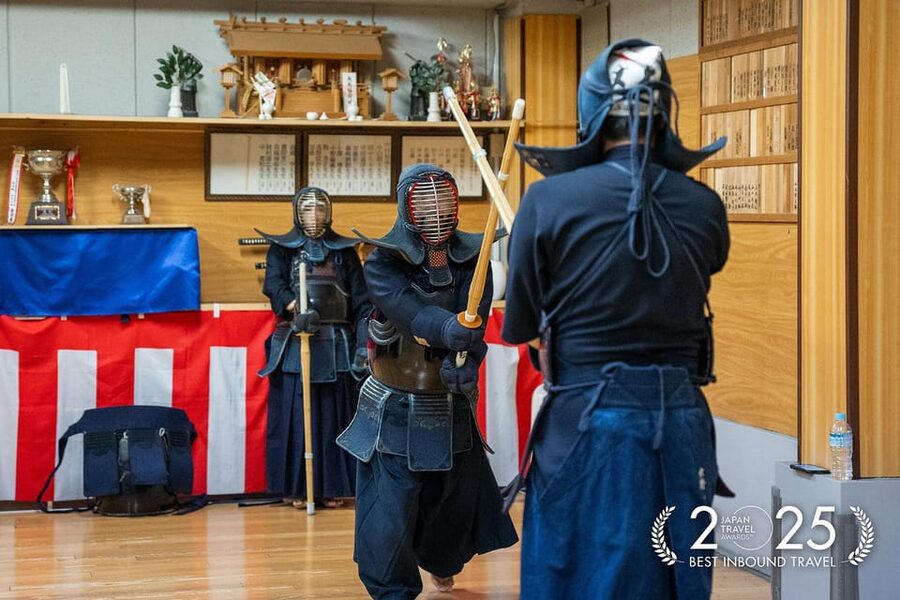
Most beginners want to know what they’ll actually learn. The training focuses on basic striking targets and then adds a layer of tactics. In this session, you can expect instruction on three core strikes:
- Men (head strike target)
- Kote (wrist/glove target)
- Do (body target)
You’ll drill these in a way that helps you build rhythm and accuracy. The instructors don’t just tell you where to swing; they guide how to hold your posture and how to coordinate feet so the strike lands with control. That’s the part that makes kendo feel more demanding than it looks in movies.
After the basics, you’ll work on counter techniques. That matters because kendo isn’t only about attacking. It’s about reading timing and reacting with the correct response. Even if your counters are rough at first, you’re learning the logic of how points are created in kendo.
Then comes the part you’ll remember: applying the moves in practice situations. You may do light sparring and playful games. One common theme in the class experience is that you’re paired up and coached while trying to execute strikes in a semi-real format. You may even see balloon-style game elements used for fun and safety during lighter contact rounds, depending on the flow that day.
Etiquette and Samurai Mindset: Bowing, Control, and Clear Rules
Kendo training is famous for etiquette because safety depends on it. Before you start swinging, you’ll get coached on how to behave in the dojo—how to respond, how to line up, and how to respect the space and partners. That etiquette isn’t performance. It’s the foundation that makes the sparring part work.
You’ll also learn how instructors expect you to control distance. In kendo, the line between a clean strike and a messy hit is timing and footwork. The armor forces you to take that seriously. When you’re wearing men and gloves, you feel immediately how important it is to move with intention instead of flailing.
The instructors’ style can be strict. Some coaching comes with a sharper edge, but the training is still guided and safe. If you like clear standards and you can handle direct feedback, this fits well. If you prefer a super-soft approach, you might find the tone intense at moments, especially during corrections.
You may meet instructors with long track records, including sensei like Nagamatsu-sensei and Kenshi-san mentioned in past experiences. The useful takeaway from working with experienced sensei is that they notice small errors fast—like posture angles, timing, and how you reset between strikes—and they’ll push you to fix them right away.
English-Friendly Coaching and How to Prepare Your Body
The class runs with English and Japanese instruction. That doesn’t mean every detail is translated word-for-word, but it does mean you’re not stranded. You’ll get enough guidance to follow the drills and understand what you’re practicing.
Your best preparation is physical and practical:
- Wear comfortable, loose exercise clothing.
- Bring contact lenses if you need vision correction.
- Plan for sweat and bring a change of clothes for afterward.
A small but important note: the tour warns that headgear fit can be difficult with glasses and you should not wear spectacles during the helmet. Contacts solve that problem, and you’ll look less like you’re doing kendo while babysitting your eyewear.
If you’re used to martial arts, you’ll likely pick up footwork and timing faster. If you’re new, that’s still okay. The entire concept is beginner-friendly, with instruction that guides you as if you’re joining a real training flow.
- Tokyo: Shinjuku Food Tour (13 Dishes at 4 Local Eateries)★ 5.0 · 6,603 reviews
- Tokyo Mt Fuji 5th St & Hakone Cruise Bus Tour w/Bullet Train★ 4.4 · 5,024 reviews
- Flagship 2-Hours Official Street Go-Kart Tour – Tokyo Bay Shop★ 5.0 · 4,974 reviews
- From Tokyo: Mount Fuji Full-Day Sightseeing Trip★ 4.5 · 4,970 reviews
- Tokyo: Hop-On Hop-Off Sightseeing Bus Ticket★ 3.9 · 4,207 reviews
Location and Logistics from JR Uguisudani: Easy Once You Find 誠道館
The meeting point is 10 to 12 minutes from JR Uguisudani station North exit. The address is 4-7-2 Higashinippori, Arakawa-ku, Tokyo, with the dojo name 誠道館.
Here’s the honest logistics vibe: it’s not a giant street-facing gym with a billboard. It’s run out of a house, so first-timers may spend extra minutes finding the right entry. Once you’re there, the session itself is straightforward and well-run.
So I suggest you do one thing: build in a little buffer time. If you arrive early, you’ll have time to get oriented and stay calm. And if you’re coming after another activity, consider how you’ll handle gear changes plus walking from the station.
The provider is Park for us Co., Ltd., and the experience is set up as a small-group class. That small size is a real benefit on-site because there’s less waiting and more coaching time.
Price and Value: Why $116 Can Make Sense for Real Gear Time
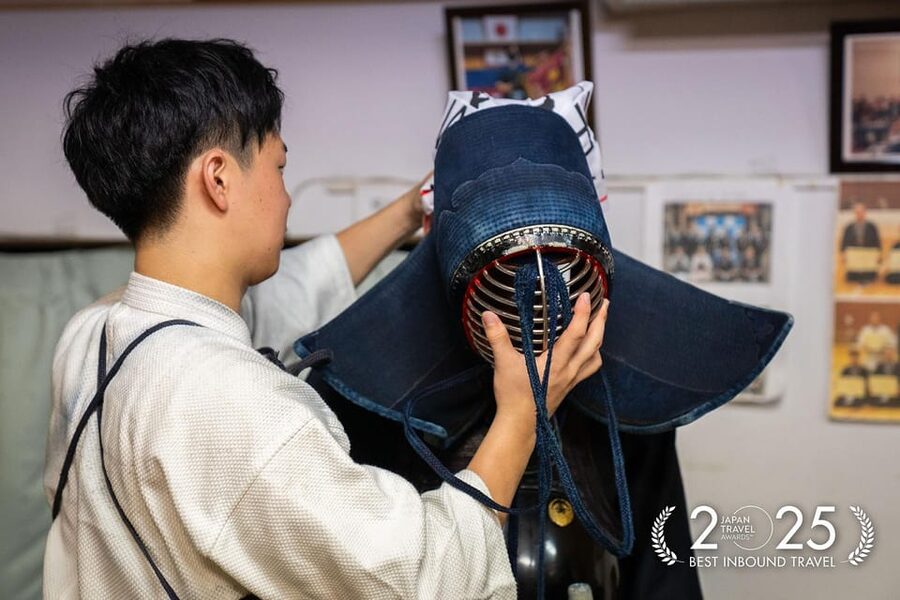
$116 for 2 hours sounds like a splurge until you look at what’s included. You get:
- a professional instructor/guide
- rental of kendo armor and equipment
- mineral water
- a Japanese towel as a gift
That equipment rental is the main value driver. Kendo gear isn’t cheap, and the class isn’t a casual taster. You’re putting on the real protective armor and training under instruction that includes basic techniques, counters, and practice bouts.
If you’ve ever tried to find a class in Tokyo on your own, you know that finding gear-friendly dojos and English support isn’t always easy. Here, it’s built into the experience. The small group limit to 6 participants also supports the price, because you’re not just paying for access—you’re paying for focused correction.
When assessing value, also think about what you’re buying: active learning. You’re not only watching Japanese sword culture from the outside. You’re doing the motions while learning the rules and etiquette that make kendo feel distinct from movie swordplay.
Who This Fits Best (and Who Should Skip It)
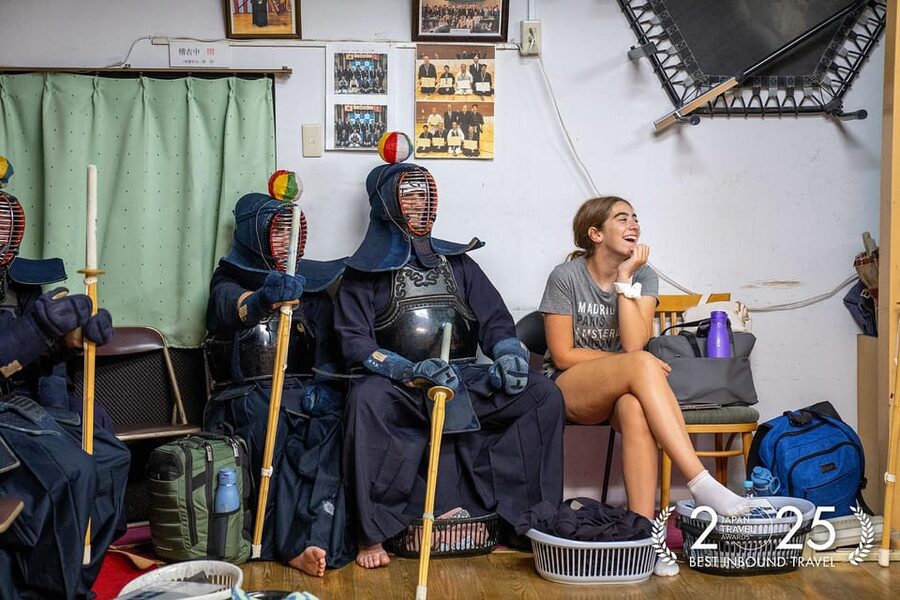
This class is a strong match if you:
- want a hands-on cultural activity beyond photos and museums
- like structured exercise with clear rules
- enjoy martial arts training, even if you’re a beginner
- want small-group coaching in a dojo setting
It’s also family friendly in practice. One earlier experience noted it worked well even with pre-teens, which suggests the session isn’t staged for a purely athletic crowd.
You might want to think twice if you:
- can’t use contact lenses and rely on glasses
- dislike strict coaching or direct corrections
- are sensitive to helmet strikes during sparring-like rounds (the intensity can feel like more contact than people expect)
And if you’re plus-size, keep in mind that armor sizing can be limited. The tour notes clothing size constraints may happen, and at minimum, the equipment is traditional and fitted. If you have concerns, it’s smart to contact the provider before booking.
Should you book the Samurai Kendo Practice in Tokyo?
Book it if you want one of the most active, memorable ways to understand Japanese martial culture while wearing real equipment and getting coached hands-on. The combination of armor rental, small-group limits, and instruction on core strikes (men, kote, do, plus counters) is hard to beat for the time.
Skip or consider alternatives if logistics are your weak point. The location is run out of a house and can be tricky at first, and the session can feel strict. Also, if you absolutely need glasses, you’ll want to solve the vision issue first because the helmet fit guidance is clear.
If you’re game for a sweaty 2 hours of disciplined practice at 誠道館, this is a high-value Tokyo experience that delivers more than a quick performance.
FAQ
How long is the Tokyo Samurai Kendo Practice Experience?
The duration is 2 hours.
What does the price include?
It includes a professional guide/instructor, rental of kendo armor and equipment, free mineral water, and a free Japanese hand towel.
What is the meeting point and how do I get there?
Meet at 4-7-2 Higashinippori, Arakawa-ku, Tokyo at 誠道館. It’s about 10 to 12 minutes from JR Uguisudani station North exit.
How large is the group?
The group is small, limited to 6 participants.
What languages are used during the class?
Instruction is available in English and Japanese.
Is food or hotel pickup included?
Food is not included, and hotel pickup is not included.
What should I wear or bring?
Wear or bring loose fitted exercise clothing if you can. If kendo wear sizes aren’t available, you may need to practice using your own personal cloth. Bring contact lenses if you need vision correction, since glasses are not advisable with the head protector.
What is the cancellation policy?
You can cancel up to 24 hours in advance for a full refund.
Is it free to reserve first?
Yes. The listing offers reserve now & pay later, so you can book your spot and pay nothing today.
More Tour Reviews in Tokyo
- Mt Fuji and Hakone 1-Day Bus Tour Return by Bullet Train
★ 5.0 · 26,383 reviews - 1-Day Tokyo Bus Tour
★ 5.0 · 14,250 reviews - Tokyo: teamLab Planets TOKYO Digital Art Museum Entry Ticket
★ 4.6 · 9,779 reviews - Mt Fuji & Hakone Cruise, Drum Show Bullet Train 1 Day from Tokyo
★ 4.0 · 7,413 reviews - Tokyo: Shinjuku Food Tour (13 Dishes at 4 Local Eateries)
★ 5.0 · 6,603 reviews
More Samurai and Ninja Sessions
- Tokyo: Samurai Ninja Museum Guided tour and Experience
★ 4.6 · 1,010 reviews - Tokyo: Samurai Sword & Archery Class from Samurai Descendant
★ 5.0 · 603 reviews - Best Samurai Experience in Tokyo
★ 5.0 · 458 reviews - Ninja Experience (Family Friendly) at Samurai Ninja Museum TOKYO
★ 5.0 · 441 reviews - Tokyo: Samurai Entertainment Night Show in Kanda Shrine
★ 4.6 · 417 reviews
Latest Tokyo reviews off our desk






Samurai & Ninja Classes, compared.
 ★ 4.6Samurai Ninja Museum Guided tour and ExperienceFrom $271,010 reviews
 ★ 5.0Samurai Sword & Archery Class from Samurai DescendantFrom $193603 reviews
 ★ 5.0Best Samurai Experience in TokyoFrom $65458 reviews
 ★ 5.0Ninja Experience (Family Friendly) at Samurai Ninja Museum TOKYOFrom $47441 reviews
 ★ 4.6Samurai Entertainment Night Show in Kanda ShrineFrom $41417 reviews
 ★ 4.2Ninja Kabuki PerformanceFrom $29330 reviews
 ★ 5.0Tokyo Sword Experience – includes Museum Ticket/Ninja ExperienceFrom $84314 reviews
 ★ 4.8Samurai Ninja Museum Asakusa: Samurai Sword Lesson & TourFrom $63306 reviews
Browse the lists this tour appears in