
Reviewed · SAMURAI & NINJA CLASSES
Tokyo Samurai & Ninja Experience – 60‑Min Cultural Program
A ninja lesson, with real dojo calm. This 60-minute session at the Musashi Ninja Clan Honjin Dojo in Asakusa mixes costume, mindset, and hands-on basics so you leave with more than photos. I love that you get authentic samurai or ninja-style attire and a commemorative photo, and I also like the focus on practical skills like meditation plus respectful warrior etiquette. One thing to consider: it’s an entry-level class, so you’ll get introductions and simple training, not advanced technique or weapon mastery.
The group stays small (up to 9), and the vibe is guided and structured. You’ll also stop at Kappabashi Street (Kappabashi Dogugai), which adds a “look at the tools and culture” beat before you return to the dojo for mindful movement and training.
In This Review
- Key Highlights You’ll Actually Feel
- A 60-Min Dojo Class Where You Put On Samurai and Ninja Gear
- What You Learn: Meditation, Kuja-kiri, Embu, and the Ku Mindset
- Weapons Basics Without the Hollywood Chaos: Blowgun and Shruiken
- Etiquette and Mindful Movement With a 19th-Generation Clan Head
- Kappabashi Street (Kappabashi Dogugai): Tools and Craft Culture Before the Dojo
- Price and Value: Is $93.17 Worth a 60-Min Class?
- Logistics That Matter in Tokyo: Getting There and Staying Relaxed
- Who This Experience Fits Best (And Who Might Skip)
- Should You Book This Tokyo Samurai & Ninja Experience?
- FAQ
- How long is the Tokyo Samurai & Ninja Experience?
- Where does the experience take place?
- Is hotel pickup included?
- What’s included in the price?
- Is there any weapons training?
- Is it suitable for kids?
- What is the cancellation policy?
Key Highlights You’ll Actually Feel
- Authentic dojo training in a small group (max 9) keeps the pace friendly
- Dress-up isn’t just costume: you’ll practice the mindset and etiquette that go with it
- Meditation + Kuja-kiri + Embu give you a clear cultural framework beyond gimmicks
- A weapons intro covers a blowgun and shruiken at an introduction level
- Guidance from a 19th-generation Musashi Clan head adds weight to the lesson
- Commemorative photo inside the dojo gives you a clean memory of the experience
A 60-Min Dojo Class Where You Put On Samurai and Ninja Gear
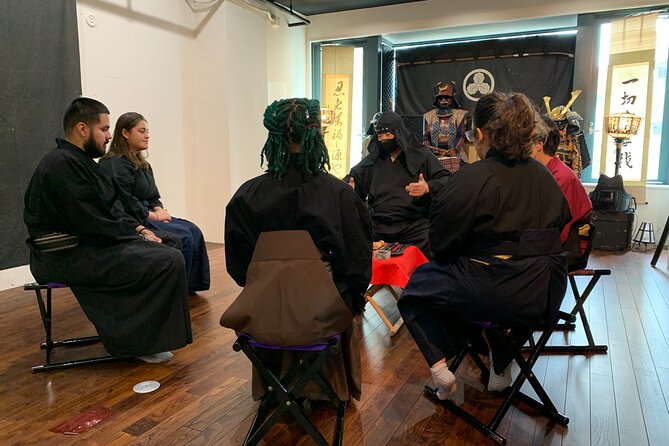
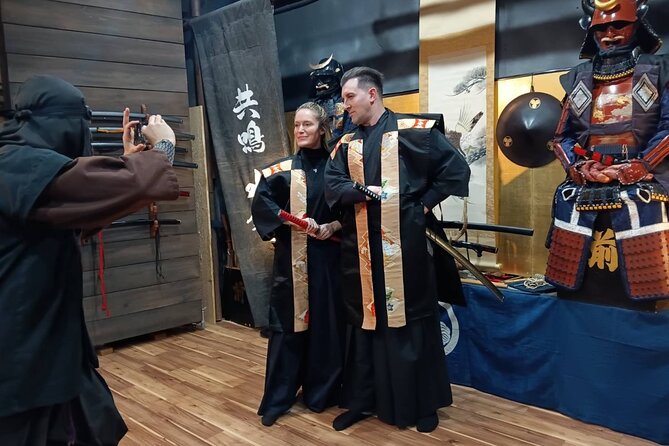
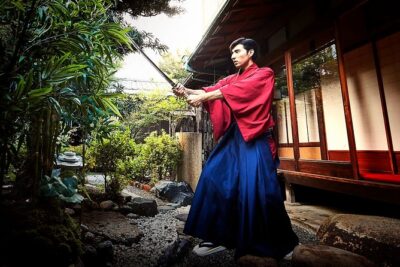
Tokyo can be loud. This experience is the opposite: you walk into a dojo environment and slow down on purpose. The first stage is dressing—swapping into authentic samurai attire (and you’ll see how it connects to the ninja theme of the class). You’re also given time to pose for a few photos, so the “instant Tokyo memories” part is handled, but it isn’t the whole point.
What I like about starting with the outfit is that it sets your brain into the lesson. It’s hard to treat something as serious when you’re still in regular clothes and rushing. Here, you transition, settle, and then the instructor moves you into meditation and warrior mindset.
The session is about 1 hour, which is short in the best way for people who want a meaningful activity without losing half a day. On the flip side, if you’re expecting a deep, multi-hour martial arts immersion, you may feel the time is tight. Think of this as a concentrated “entry-level introduction” with culture and structure.
More blade-and-dojo sessions, reviewed
- Tokyo: Samurai Ninja Museum Guided tour and Experience
★ 4.6 · 1,010 reviews - Tokyo: Samurai Sword & Archery Class from Samurai Descendant
★ 5.0 · 603 reviews - Best Samurai Experience in Tokyo
★ 5.0 · 458 reviews - Ninja Experience (Family Friendly) at Samurai Ninja Museum TOKYO
★ 5.0 · 441 reviews
What You Learn: Meditation, Kuja-kiri, Embu, and the Ku Mindset
This isn’t a random costume show. The teaching centers on core mental habits tied to traditional warrior culture.
You begin with a calming meditation and an instructor demonstration that sets the mindset. Then you work through key cultural practices:
- Kuja-kiri (well-wishing): learning a goodwill practice as part of the warrior mindset
- Embu (ancestor dedication): showing respect through a dedication practice
- The philosophy of ku or no-self: reducing conflict by minimizing ego and self-centered reactions
That last piece matters, because it turns the story of ninjas and samurai from “cool legends” into something you can actually apply in daily life. Even if you don’t walk away becoming calmer on command, you’ll at least understand what the culture is trying to train: attention, restraint, and respectful presence.
You’ll also learn about cultural items, symbolic tools, and historical stories tied to the dojo’s heritage. The goal is not to overwhelm you with names—it’s to help you connect the practices to meaning. This is where the class tends to land well for first-timers: you’re given a map of the ideas, not just movements.
Weapons Basics Without the Hollywood Chaos: Blowgun and Shruiken
Yes, you’ll get an introduction to ninja weapons. The class mentions:
- a blowgun
- shruiken (ninja star)
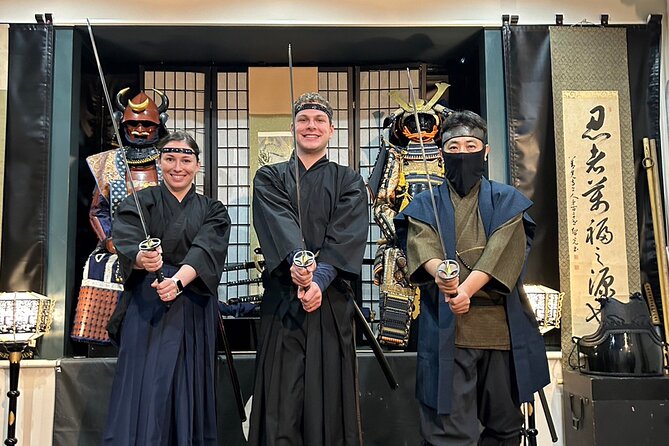
But the way it’s framed is important: this is an introduction, not a live-fire or action sequence. The training is more about learning what these tools are and how they fit into the culture, along with the respectful mindset behind using them.
From the way instructors teach these kinds of classes, the best expectations are simple: you should focus on listening, observing, and practicing the basic handling or positioning they show you. You’ll likely leave with a clearer sense of what the weapons represent historically, instead of walking away with a vague “cool weapon” memory.
If you’re the type of traveler who loves hands-on experiences, you’ll probably appreciate the balance here. It’s not just watching. You’re there to learn and practice the fundamentals, even within a short 60-minute framework.
Etiquette and Mindful Movement With a 19th-Generation Clan Head
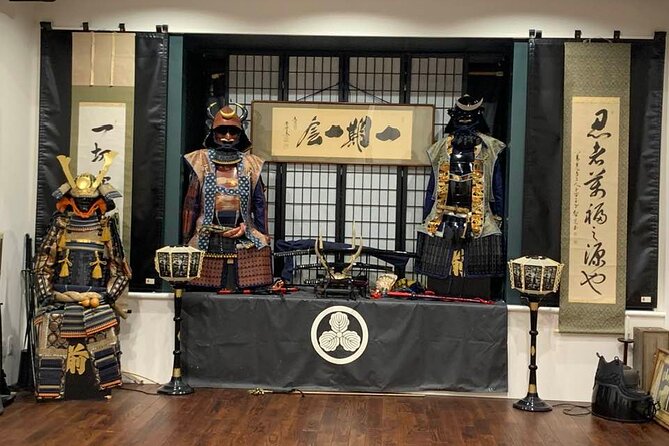
One of the biggest reasons this class feels credible is the instructor background. You’re guided personally by the 19th-generation Musashi Clan head. That’s not a marketing detail you can ignore. It signals that you’re learning from someone rooted in the clan’s tradition, rather than a generic performer running a script.
The class includes traditional etiquette and appreciation practices—small behaviors and attitudes that reflect long-standing Japanese values. This is where many “ninja experiences” fall short because they focus only on props and poses. Here, the emphasis shifts to how a warrior culture would carry itself.
You’ll also do mindful movement training designed to improve:
- concentration
- posture
- inner balance
Because it’s framed as mindfulness-based movement, it should feel accessible for a wide range of ages and fitness levels. It’s still training, but it’s not built like a punishment workout. If you’re traveling and want something that helps you feel grounded after a day of trains and crowds, this portion is a strong match.
You’ll finish with a commemorative photo inside the dojo, which makes the whole session feel like a completed transformation rather than a drop-in demonstration.
Kappabashi Street (Kappabashi Dogugai): Tools and Craft Culture Before the Dojo
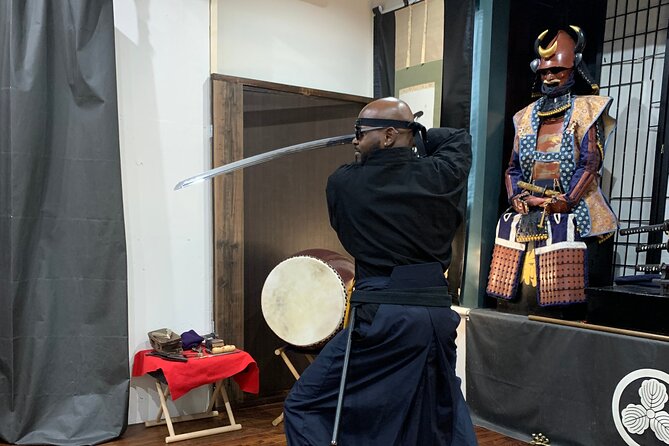
The program includes a stop at Kappabashi Street (Kappabashi Dogugai). Even without heavy explanation, this area is a meaningful cultural contrast: you go from a structured dojo training moment to a real shopping street where Japanese tool-and-craft culture is visible in everyday life.
Here’s how to get the most from this stop:
- Look for how things are made and how crafts are presented
- Notice categories of tools and objects, even if you don’t plan to buy
- Treat it like inspiration for understanding what you later learn in the dojo about symbolic tools and heritage
A drawback: if you’re hoping for big sightseeing or a long walking tour around Asakusa, this isn’t that. The Kappabashi stop is part of a timed 60-minute experience, so it’s best as a short cultural add-on rather than a main event.
- Tokyo: Shinjuku Food Tour (13 Dishes at 4 Local Eateries)★ 5.0 · 6,603 reviews
- Tokyo Mt Fuji 5th St & Hakone Cruise Bus Tour w/Bullet Train★ 4.4 · 5,024 reviews
- Flagship 2-Hours Official Street Go-Kart Tour – Tokyo Bay Shop★ 5.0 · 4,974 reviews
- From Tokyo: Mount Fuji Full-Day Sightseeing Trip★ 4.5 · 4,970 reviews
- Tokyo: Hop-On Hop-Off Sightseeing Bus Ticket★ 3.9 · 4,207 reviews
Price and Value: Is $93.17 Worth a 60-Min Class?
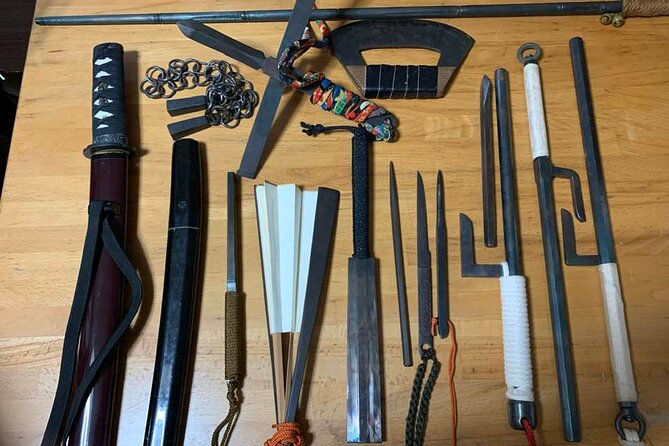
At $93.17 per person, you’re paying for several things that matter in Japan: instruction time, interpreter support, and the outfit rental included in the experience.
Here’s the value breakdown based on what’s included:
- Samurai garb rental (you don’t have to own or arrange costume time)
- Interpreter fee (this is key for understanding practices like Kuja-kiri and Embu)
- A guided experience (meditation, etiquette, mindful movement training)
- A weapons introduction (blowgun and shruiken)
- A commemorative photo included
Also, the tour runs with a maximum of 9 travelers, and the listing notes group discounts and a mobile ticket. A small group usually means you spend less time waiting and more time participating.
So is it worth it? If you want a structured cultural session that’s short, guided, and beginner-friendly, the price makes more sense. If your goal is to become highly skilled at martial arts or you expect a longer training arc, you may feel the cost is steep for the time. In that case, you might look for a multi-session program. But for a one-hour “real dojo culture + costume + practice,” it’s a reasonable spend.
Logistics That Matter in Tokyo: Getting There and Staying Relaxed
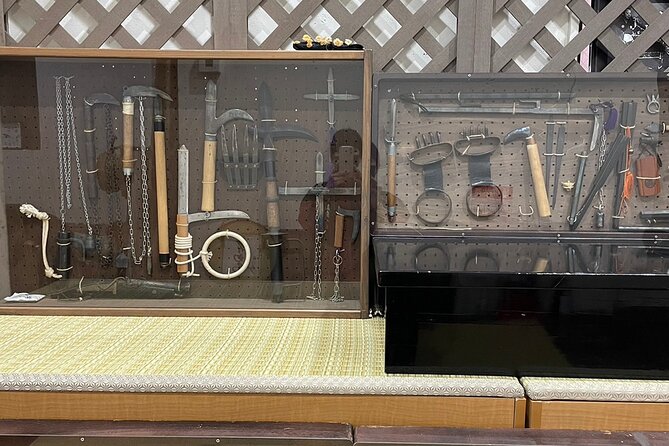
This activity starts at Musashi Ninja Clan Shinobi Samurai Honjin Dojo in Taito City, Matsugaya (Asakusa area). The most practical point: there’s no hotel pickup or drop-off, so you’ll need to plan your own route.
That matters because Tokyo neighborhoods can be confusing when you’re trying to arrive on time. My advice is simple:
- Give yourself buffer time to find the dojo entrance
- Travel light, especially if you’re changing into attire
- Keep your plans flexible right before and after the session, since you’re working on a fixed 1-hour clock
Also, you should confirm details after booking. The experience notes that confirmation happens within 48 hours of booking subject to availability.
Who This Experience Fits Best (And Who Might Skip)
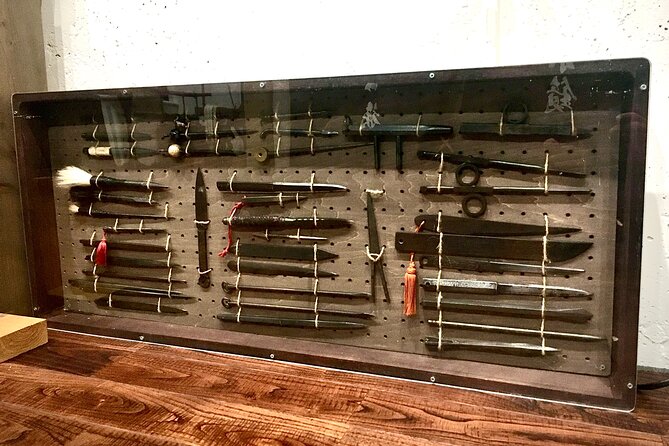
This class is a great match if you want:
- an entry-level introduction to ninja and samurai culture
- a real guided session that covers mindset (Ku/no-self), not just performance
- a structured way to learn Japanese etiquette through embodied training
- a short activity you can fit without sacrificing the day
You might want to skip or look for another option if:
- you want advanced weapon training or intense martial arts coaching
- you’re hoping for long free exploration time in the area
- you dislike guided group settings (though here the group cap is 9, which helps)
For kids: the info says a child must be accompanied by a participating adult. The session also states that most travelers can participate, and service animals are allowed.
Should You Book This Tokyo Samurai & Ninja Experience?
I’d book this if you like the idea of learning a culture story you can actually practice: meditation, goodwill/well-wishing, ancestor dedication, etiquette, and mindful movement, all wrapped in the experience of dressing in period-style attire.
I’d think twice if you’re chasing intensity or depth. This is entry-level, short, and paced for first-timers. But if you want a meaningful hour that feels authentic and respectful—rather than a long show with no substance—this is one of the better ways to do it in Tokyo.
If you go, do it with the right mindset: arrive early enough to feel calm, listen closely during the philosophy and etiquette parts, and treat the weapons intro as context and fundamentals, not a test of skill.
FAQ
How long is the Tokyo Samurai & Ninja Experience?
It’s approximately 1 hour.
Where does the experience take place?
It’s at the Musashi Ninja Clan Honjin Dojo in the Asakusa area (meeting point address is provided at Matsugaya, 3-chōme, Taito City).
Is hotel pickup included?
No. The information states hotel pickup or drop-off is not available, so you’ll need to come to the dojo.
What’s included in the price?
The experience includes an interpreter fee and samurai garb rental. A commemorative photo inside the dojo is also included.
Is there any weapons training?
You’ll receive an introduction to ninja weapons, including a blowgun and shruiken.
Is it suitable for kids?
A child must be accompanied by a participating adult. The experience also notes that most travelers can participate.
What is the cancellation policy?
You can cancel for a full refund if you cancel up to 24 hours before the experience’s start time.
More Tour Reviews in Tokyo
- Mt Fuji and Hakone 1-Day Bus Tour Return by Bullet Train
★ 5.0 · 26,383 reviews - 1-Day Tokyo Bus Tour
★ 5.0 · 14,250 reviews - Tokyo: teamLab Planets TOKYO Digital Art Museum Entry Ticket
★ 4.6 · 9,779 reviews - Mt Fuji & Hakone Cruise, Drum Show Bullet Train 1 Day from Tokyo
★ 4.0 · 7,413 reviews - Tokyo: Shinjuku Food Tour (13 Dishes at 4 Local Eateries)
★ 5.0 · 6,603 reviews
More Samurai and Ninja Sessions
- Tokyo: Samurai Ninja Museum Guided tour and Experience
★ 4.6 · 1,010 reviews - Tokyo: Samurai Sword & Archery Class from Samurai Descendant
★ 5.0 · 603 reviews - Best Samurai Experience in Tokyo
★ 5.0 · 458 reviews - Ninja Experience (Family Friendly) at Samurai Ninja Museum TOKYO
★ 5.0 · 441 reviews - Tokyo: Samurai Entertainment Night Show in Kanda Shrine
★ 4.6 · 417 reviews
Latest Tokyo reviews off our desk






Samurai & Ninja Classes, compared.
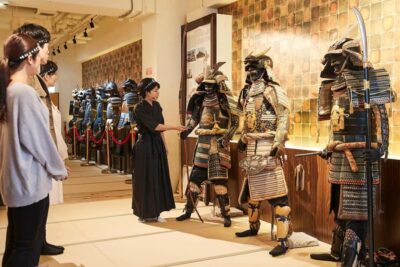 ★ 4.6Samurai Ninja Museum Guided tour and ExperienceFrom $271,010 reviews
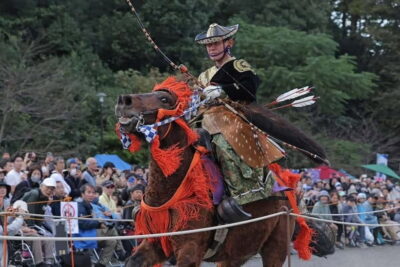 ★ 5.0Samurai Sword & Archery Class from Samurai DescendantFrom $193603 reviews
 ★ 5.0Best Samurai Experience in TokyoFrom $65458 reviews
 ★ 5.0Ninja Experience (Family Friendly) at Samurai Ninja Museum TOKYOFrom $47441 reviews
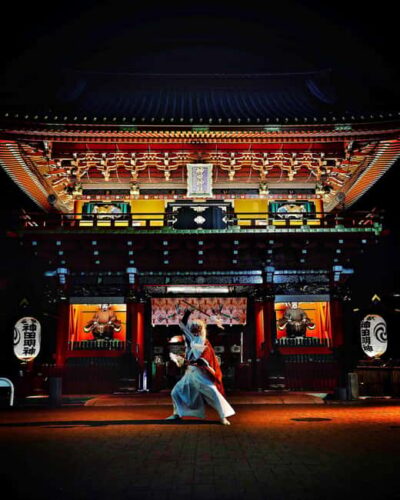 ★ 4.6Samurai Entertainment Night Show in Kanda ShrineFrom $41417 reviews
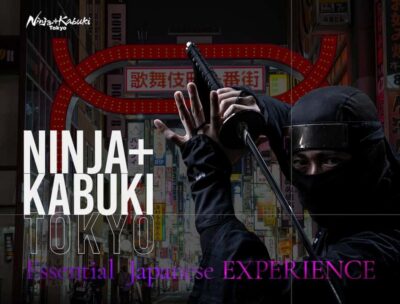 ★ 4.2Ninja Kabuki PerformanceFrom $29330 reviews
 ★ 5.0Tokyo Sword Experience – includes Museum Ticket/Ninja ExperienceFrom $84314 reviews
 ★ 4.8Samurai Ninja Museum Asakusa: Samurai Sword Lesson & TourFrom $63306 reviews
Browse the lists this tour appears in