
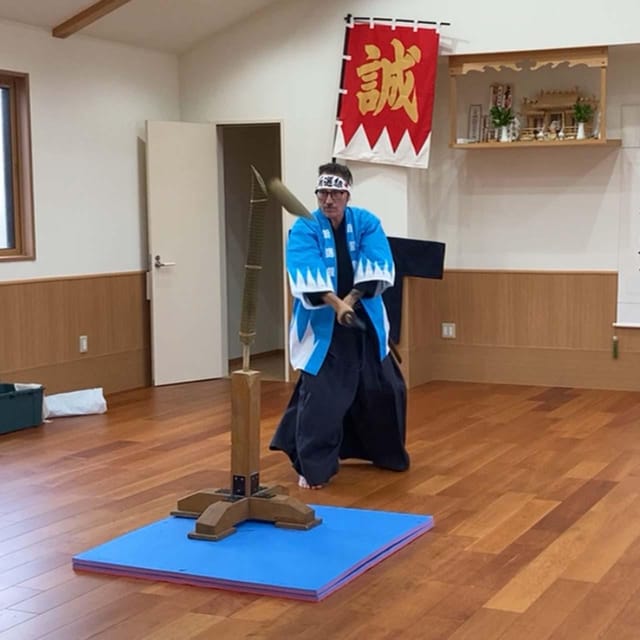
Reviewed · SAMURAI & NINJA CLASSES
Tokyo: Samurai Sword Academy in the Hometown of Last Samurai
Tokyo can feel far from swords and samurai stories.
This class brings you into the world of Tennen Rishin-ryu in the hometown of the Shinsengumi, taught by descendants tied to the tradition. I love two things most: the small group format that keeps the attention on your form, and the staged training that builds from posture to actually handling the sword. One drawback to flag: this isn’t a casual show—if you have limitations listed for movement, balance, or health, it may not be a good fit.
You’ll meet at the second floor of the Inoue Genzaburo Museum, a quick walk from Hino Station, then step into a dojo setting where the atmosphere feels like it matters. You’re there for 2 hours, and the program is structured to teach you the why behind footwork and stance, not just how to swing. Expect serious instruction with a friendly tone, plus a strong sense of place—Hino is the Shinsengumi’s story made physical.
In This Review
- Key takeaways before you go
- Hino City, Tokyo: Tennen Rishin-ryu where the Shinsengumi story started
- Price and value: what $116 gets you in a 2-hour dojo class
- Meeting at the Inoue Genzaburo Museum: easy transit, real local footing
- Getting kitted out: dogi, hakama, and the Shinsengumi dandara baori
- How the 2-hour experience works: a staged lesson, not a quick performance
- 1) Form first: posture, footwork, and the “why”
- 2) Kata-style practice: controlled patterns with the wooden sword
- 3) Getting ready for real sword handling
- 4) Cutting practice: tatami mats and the chance to try more
- 5) The final moment: history extras and a finishing surprise
- English/Japanese instruction with a strict-but-friendly tone
- More than swords: feeling Hino as the Shinsengumi hometown
- Who should book this (and who should skip it)
- Practical tips to make the most of your 2 hours
- Should you book the Samurai Sword Academy in Hino?
- FAQ
- Will I learn Tennen Rishin-ryu swordsmanship?
- Where is the meeting point?
- How long is the experience?
- How many people are in the group?
- What languages are available?
- What equipment and uniform are included?
- Do I handle a real Japanese sword?
- Is it suitable for children?
- What if I need to cancel?
Key takeaways before you go
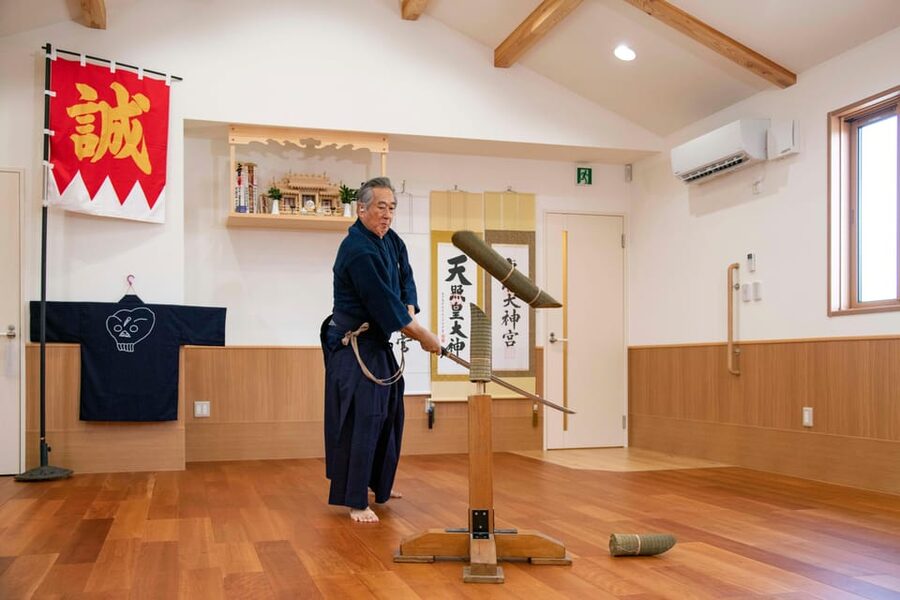
- Tennen Rishin-ryu training taught in the real Hino Dojo tradition that traces back to the Edo period
- Learn Shinsengumi swordsmanship through Tennen Rishin-ryu, with leadership from Masao Inoue
- Practice with wooden swords and Japanese sword equipment, plus the right uniform setup
- A focused small group (max 4) means you get corrections instead of just watching
- You get more than technique, including history context tied to Hino and the Shinsengumi
- The session can build toward hands-on cutting practice, including tatami and sometimes bamboo
Hino City, Tokyo: Tennen Rishin-ryu where the Shinsengumi story started
If you want samurai culture in Tokyo, you usually end up at museums or performances. This experience takes a different route. It’s in Hino, a place connected to the Shinsengumi, the famous late-Edo swordsmen often called the Last Samurai.
The core of the training is Tennen Rishin-ryu kenjutsu, a sword method that began in the Edo period and is still practiced today at the Tennen Rishin-ryu Hino Dojo. That matters because you’re not just learning a modern reenactment. You’re learning a system that has been handed down and maintained through continuing practice.
And there’s a direct lineage here. The program is led by Masao Inoue, chairman of the Tennen Rishin-ryu Hino Dojo and a descendant of Shinsengumi executive Genzaburo Inoue. When your instructor has that kind of connection, it changes the tone of the whole class. People aren’t just performing history. They’re living it through technique, discipline, and respect for the dojo.
More blade-and-dojo sessions, reviewed
- Tokyo: Samurai Ninja Museum Guided tour and Experience
★ 4.6 · 1,010 reviews - Tokyo: Samurai Sword & Archery Class from Samurai Descendant
★ 5.0 · 603 reviews - Best Samurai Experience in Tokyo
★ 5.0 · 458 reviews - Ninja Experience (Family Friendly) at Samurai Ninja Museum TOKYO
★ 5.0 · 441 reviews
Price and value: what $116 gets you in a 2-hour dojo class
At $116 per person for 2 hours, this isn’t the cheapest activity around. But you’re paying for three things that add up fast: private-style attention, real weapons training progression, and an outfit + instruction bundle built for the practice itself.
Here’s how the value stacks up:
- Small group (up to 4): with fewer people, instructors can correct foot placement, posture, and safety details. That’s where most beginners either improve fast or pick up bad habits.
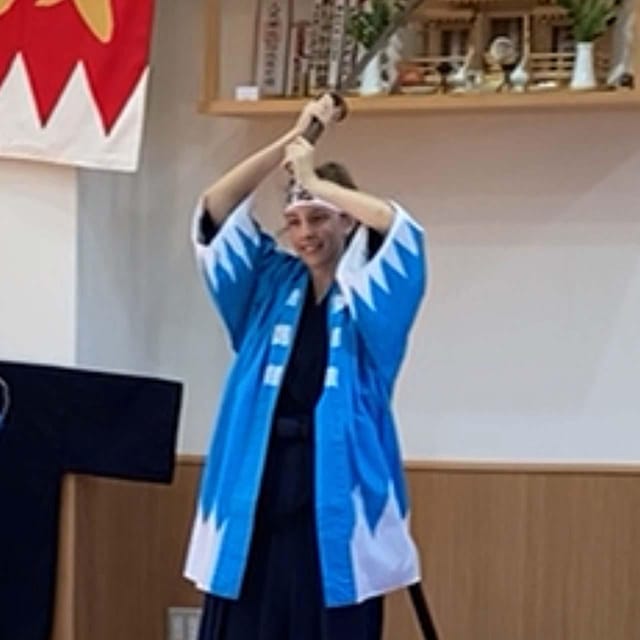
- Included equipment and uniform: you get practice clothing (dogi and hakama) plus the Shinsengumi-style dandara baori, along with a wooden sword and a Japanese sword during the session. You don’t have to bring anything fancy.
- Hands-on instruction: the format is staged, so you start with safe basics (stances, movement, sword handling) and then move toward more advanced practice.
This is also a good price-versus-value choice if you’re the type who likes “real skill” activities—where you leave with a story you can explain, not just a photo.
Meeting at the Inoue Genzaburo Museum: easy transit, real local footing
The meeting point is on the second floor of the Inoue Genzaburo Museum. It’s about a 5-minute walk from Hino Station on the JR Chuo Line.
That’s practical for Tokyo plans. You don’t need an all-day detour or complicated transfers. Hino is not one of the classic “everyone goes there” districts, which is exactly why this feels grounded. You’re arriving in the area connected to the Shinsengumi story, not driving into a generic tourist zone.
Also, the museum location helps set the tone. Even before you start moving, you’re in a space that frames the people and era behind what you’ll do with the sword.
Getting kitted out: dogi, hakama, and the Shinsengumi dandara baori
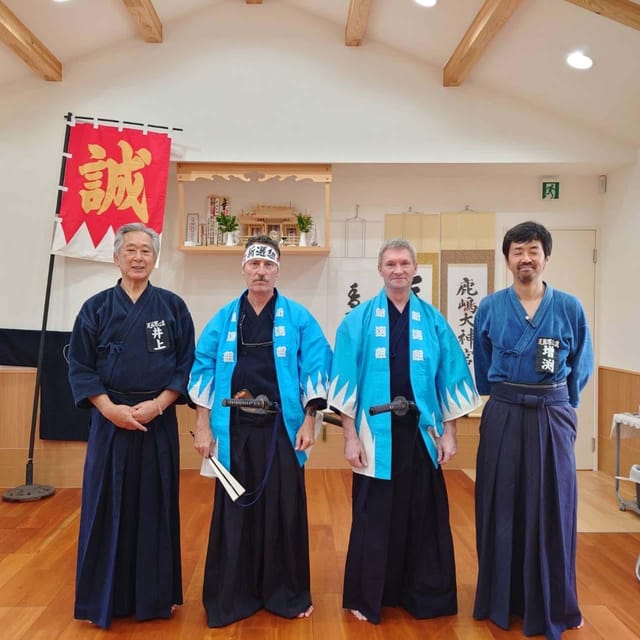
Once you start, you’ll be fitted with the right practice gear: dogi and hakama plus the dandara baori. That uniform isn’t just costume. In a dojo setting, it supports correct movement and helps you feel the discipline behind the training.
Then you’ll move into the tools of the lesson:
- a wooden sword for the early stages
- access to a Japanese sword during the session
Handling a sword is where many visitors get nervous. The class structure is designed to reduce that fear. You’re guided through technique and safety before you’re asked to do anything demanding. In other words, you’re not just handed a katana and expected to figure it out.
How the 2-hour experience works: a staged lesson, not a quick performance
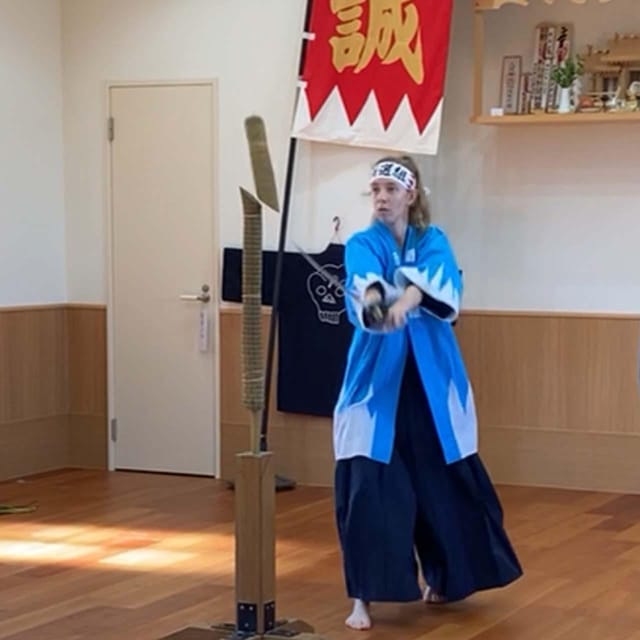
The program is built around a progression you can understand. It’s serious training, but it doesn’t throw you in at full speed.
Here’s what the session generally feels like from start to finish:
- Tokyo: Shinjuku Food Tour (13 Dishes at 4 Local Eateries)★ 5.0 · 6,603 reviews
- Tokyo Mt Fuji 5th St & Hakone Cruise Bus Tour w/Bullet Train★ 4.4 · 5,024 reviews
- Flagship 2-Hours Official Street Go-Kart Tour – Tokyo Bay Shop★ 5.0 · 4,974 reviews
- From Tokyo: Mount Fuji Full-Day Sightseeing Trip★ 4.5 · 4,970 reviews
- Tokyo: Hop-On Hop-Off Sightseeing Bus Ticket★ 3.9 · 4,207 reviews
1) Form first: posture, footwork, and the “why”
You start with fundamentals: stances and the mechanics of safe movement. This is where instructors tend to focus on small corrections—especially around foot placement and balance. It’s also where English-language explanations matter. If you’re not fluent in Japanese, you still get the reasoning behind the technique.
This is one of the most praised parts of the experience. People consistently highlight that instructors explain not just what to do, but why certain positions help prevent injury and improve control.
2) Kata-style practice: controlled patterns with the wooden sword
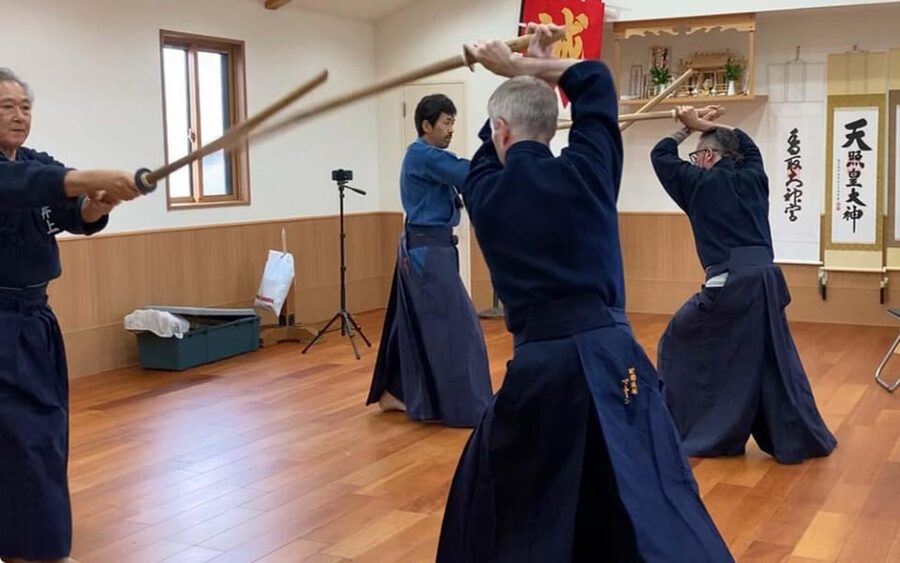
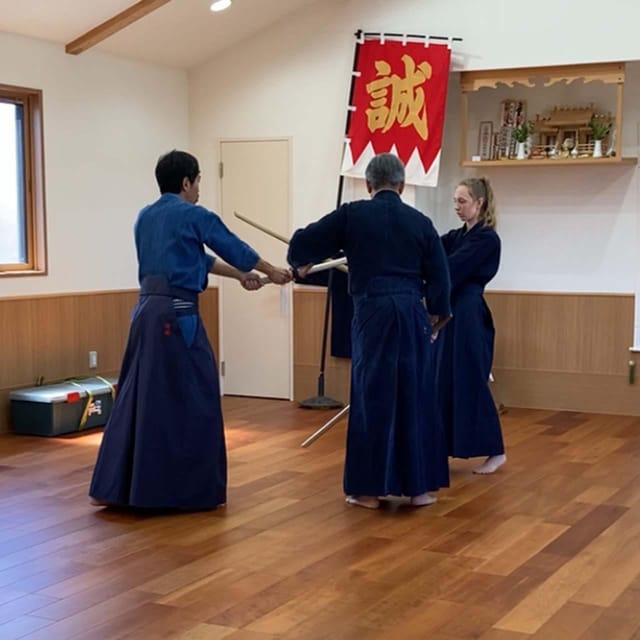
Next comes kata-like movement using a wooden sword. The goal here isn’t to become a swordsman in one afternoon. It’s to learn the shape of movements—how the sword travels, how your body aligns, and how your stance stays stable as you move.
Small-group size helps a lot. With only a few participants, you’re more likely to get personal corrections instead of generic coaching.
3) Getting ready for real sword handling
Then you transition toward using a Japanese sword. The shift from wooden to real steel is a psychological moment. The instructors keep it structured so you don’t just rush into intensity. You’ll get guidance on how to hold and move the sword correctly.
4) Cutting practice: tatami mats and the chance to try more
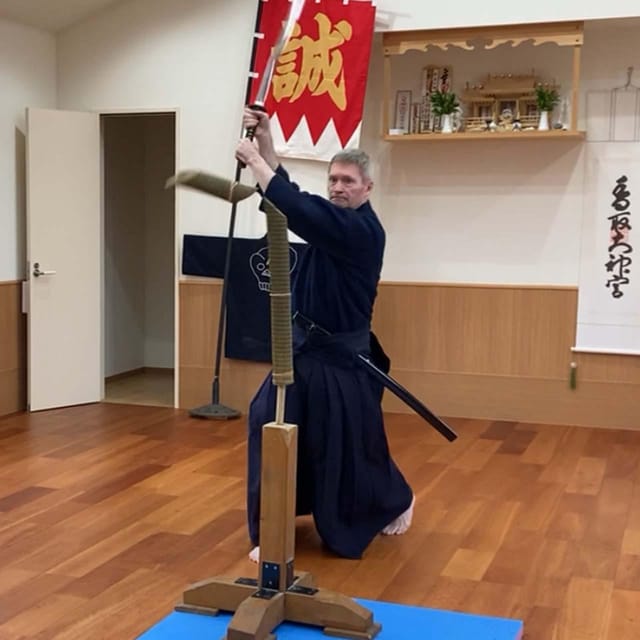
The training can build toward cutting practice. In past sessions, participants have described progressing to cutting tatami mats, and some also mention trying bamboo.
Even if you’re a total beginner, the point isn’t to show off. The point is to experience how the method works under real conditions—where balance, timing, and control matter.
5) The final moment: history extras and a finishing surprise
The session doesn’t end with you walking out right away. People have mentioned a Shinsengumi map highlighting key historical spots, plus a final surprise at the end. That kind of wrap-up is more than fluff; it helps you turn the training into a Tokyo day plan with meaning.
English/Japanese instruction with a strict-but-friendly tone
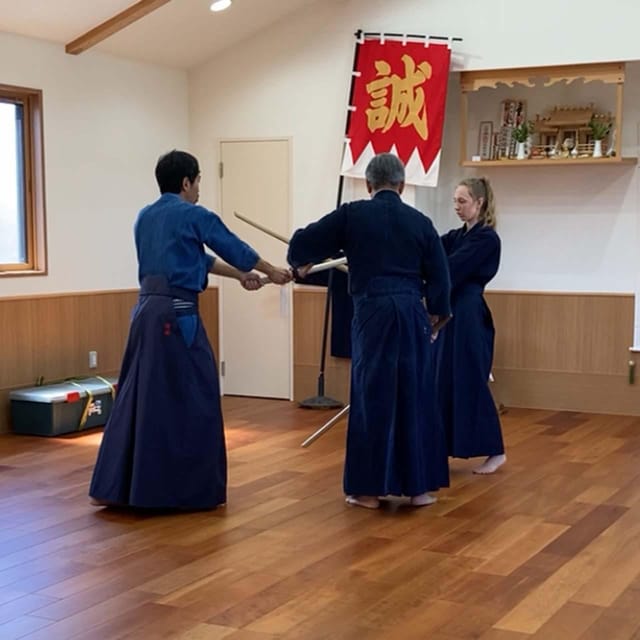
Instruction is offered in English and Japanese, and the experience is led by Masao Inoue. When a teacher speaks both languages, it changes the comfort level fast. You can understand the safety notes and the technique explanations without guessing.
What I like about how this is described: the vibe is serious but not cold. Instructors are attentive and patient, and the training is staged to help you feel confident as you progress. That’s important, because sword practice is one of those activities where ego can get someone hurt. A good dojo keeps the tone respectful and the pacing controlled.
More than swords: feeling Hino as the Shinsengumi hometown
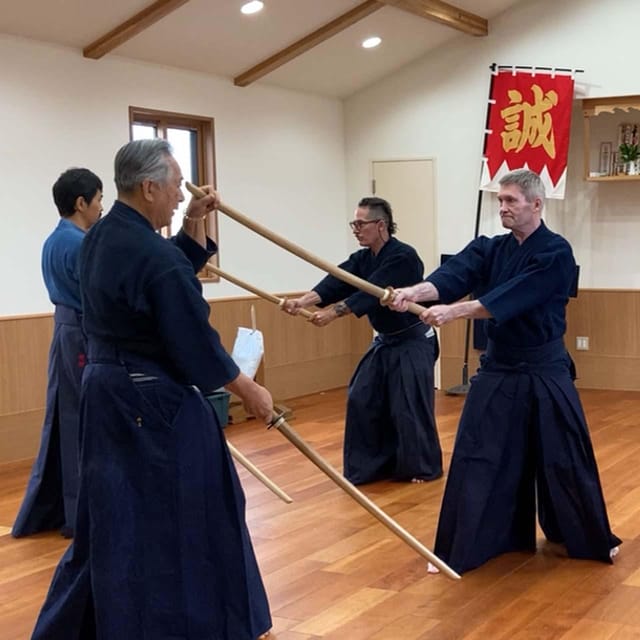
Technique is the headline, but Hino is the setting. The experience is explicitly tied to the idea that swordsmen practicing Tennen Rishin-ryu in Hino formed the Shinsengumi, known as the strongest swordsmen group at the end of the Edo period.
So you’re not just doing sword training in Tokyo. You’re in the neighborhood where the story is anchored.
That sense of place shows up in the history context you receive during the session. You’ll connect the movements you learn to the people associated with the dojo’s lineage. And when you leave with a Shinsengumi map, you’ve got a way to keep exploring on your own—visiting relevant spots rather than treating the afternoon as a standalone gimmick.
Who should book this (and who should skip it)
This is a hands-on physical activity. The activity list is clear about who should not book:
- not suitable for pregnant women
- not suitable for people with back problems
- not suitable for people with mobility impairments or wheelchair users
- not suitable for people with heart problems
- not suitable for people with vertigo
- not suitable for children under 18
- not suitable for people with a cold
- not suitable for those with altitude sickness
- not suitable for people over 75
- not suitable for those with recent surgeries
- not suitable for people with low level of fitness
If you’re healthy, steady on your feet, and okay with learning movement patterns that ask more of your legs and balance than a typical museum stop, you’re in the target zone.
This is also especially good for:
- first-timers who want real instruction, not just a photo moment
- history-minded visitors who like understanding the local roots of a story
- couples or friends who want to learn something together with individualized corrections
Practical tips to make the most of your 2 hours
A sword class rewards preparation. Here are the things that keep it smooth:
- Go on time: you’re meeting at a specific museum floor. Late arrivals make the pacing harder for everyone.
- Wear practical clothing: you’ll be changing into practice uniform (dogi/hakama and dandara baori), but you still want something easy to manage before and after.
- Tell them what you can handle: if something feels risky for your body (pain, tight range of motion, balance concerns), speak up early. The whole style is about safe staging.
- Focus on footwork: it’s often where beginners unlock progress quickest. The instructors emphasize correct stance and foot placement for safety and control.
- Treat it like learning: you won’t master everything in one session. The win is understanding the fundamentals well enough to appreciate the movements when you see them again later.
Should you book the Samurai Sword Academy in Hino?
Book it if you want an authentic-feeling dojo experience tied to the Shinsengumi, and you’re excited to learn real Tennen Rishin-ryu technique with real instructors. The small-group limit, the uniform setup, the progression from wooden sword basics to Japanese sword handling, and the history connection to Hino all point to a high value for the money.
Skip it if you’re not able to do the physical parts safely. This class is structured for technique practice, not gentle strolling. If you fall into the listed health or mobility limits, don’t gamble with comfort or safety.
FAQ
Will I learn Tennen Rishin-ryu swordsmanship?
Yes. The experience focuses on Tennen Rishin-ryu kenjutsu, and it’s taught as practiced at the Tennen Rishin-ryu Hino Dojo.
Where is the meeting point?
You’ll meet at the Inoue Genzaburo Museum, on the second floor, about a 5-minute walk from Hino Station on the JR Chuo Line.
How long is the experience?
The class is 2 hours.
How many people are in the group?
It’s a small group limited to 4 participants.
What languages are available?
The instructor can teach in English and Japanese.
What equipment and uniform are included?
You’ll receive wooden sword, Japanese sword, and a practice uniform: dogi and hakama, plus dandara baori.
Do I handle a real Japanese sword?
The experience includes a Japanese sword as part of the program, so you’ll have the chance to handle it during the session.
Is it suitable for children?
No. It’s not suitable for children under 18.
What if I need to cancel?
You can cancel up to 24 hours in advance for a full refund.
More Tour Reviews in Tokyo
- Mt Fuji and Hakone 1-Day Bus Tour Return by Bullet Train
★ 5.0 · 26,383 reviews - 1-Day Tokyo Bus Tour
★ 5.0 · 14,250 reviews - Tokyo: teamLab Planets TOKYO Digital Art Museum Entry Ticket
★ 4.6 · 9,779 reviews - Mt Fuji & Hakone Cruise, Drum Show Bullet Train 1 Day from Tokyo
★ 4.0 · 7,413 reviews - Tokyo: Shinjuku Food Tour (13 Dishes at 4 Local Eateries)
★ 5.0 · 6,603 reviews
More Samurai and Ninja Sessions
- Tokyo: Samurai Ninja Museum Guided tour and Experience
★ 4.6 · 1,010 reviews - Tokyo: Samurai Sword & Archery Class from Samurai Descendant
★ 5.0 · 603 reviews - Best Samurai Experience in Tokyo
★ 5.0 · 458 reviews - Ninja Experience (Family Friendly) at Samurai Ninja Museum TOKYO
★ 5.0 · 441 reviews - Tokyo: Samurai Entertainment Night Show in Kanda Shrine
★ 4.6 · 417 reviews
Latest Tokyo reviews off our desk




Samurai & Ninja Classes, compared.
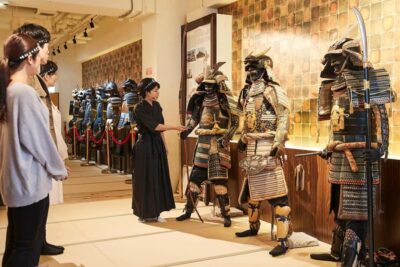 ★ 4.6Samurai Ninja Museum Guided tour and ExperienceFrom $271,010 reviews
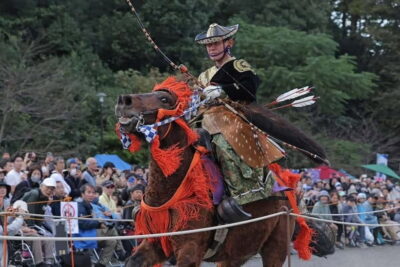 ★ 5.0Samurai Sword & Archery Class from Samurai DescendantFrom $193603 reviews
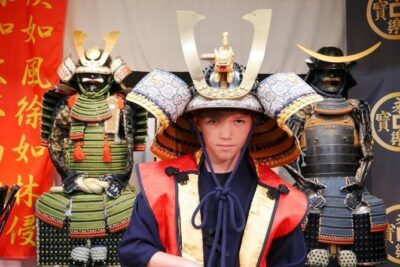 ★ 5.0Best Samurai Experience in TokyoFrom $65458 reviews
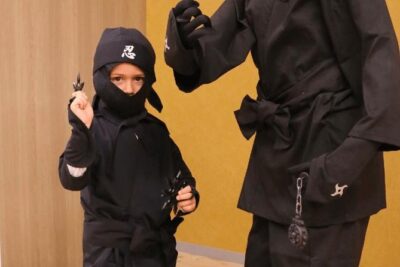 ★ 5.0Ninja Experience (Family Friendly) at Samurai Ninja Museum TOKYOFrom $47441 reviews
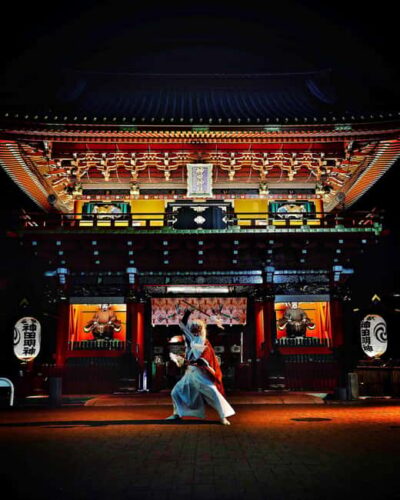 ★ 4.6Samurai Entertainment Night Show in Kanda ShrineFrom $41417 reviews
 ★ 4.2Ninja Kabuki PerformanceFrom $29330 reviews
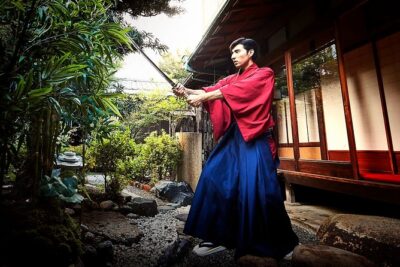 ★ 5.0Tokyo Sword Experience – includes Museum Ticket/Ninja ExperienceFrom $84314 reviews
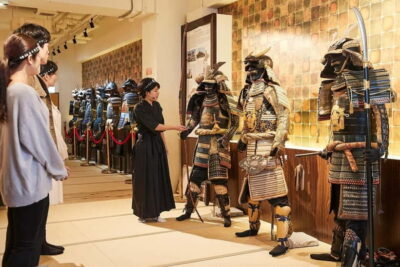 ★ 4.8Samurai Ninja Museum Asakusa: Samurai Sword Lesson & TourFrom $63306 reviews
Browse the lists this tour appears in