
Reviewed · SUMO TOURNAMENTS & SHOWS
Tokyo: Sanctuary Authentic Grand Sumo Experience & Training
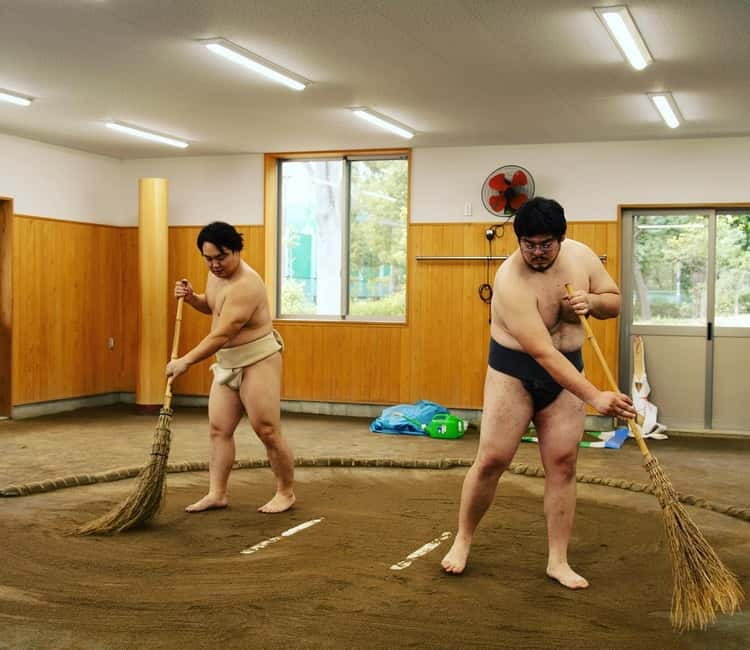
Want to wrestle in a real ring? This Tokyo sumo experience is about training, not just watching, and it puts you in the dohyō with a real mawashi belt. I like that it’s set up for first-timers with no experience needed, and I also like that the coach guides the class in both English and Japanese. The one thing to think about up front: you’ll get sweaty, and you’ll want to plan for the shower cost and your towel setup.
I’d also flag the location details. You’re walking about 10 minutes from Heiwajima Station on the Keikyu Main Line, but taxis won’t casually drop you close unless you arrange one yourself. The good news is it’s straightforward once you follow the provided directions on foot.
If you want a hands-on introduction to Japan’s most physical tradition, this is the rare activity where you do the real work for two hours. From warmups and rules to Shinto-style ritual moments and partner practice, the structure is built to turn nervous beginners into people who can actually wrestle in the ring.
In This Review
- Key Points That Make This Tokyo Sumo Training Different
- Entering the Real Sumo World (Not Just Watching)
- Where Heiwanomori Park Sumo-jo Fits Into Your Tokyo Day
- The 2-Hour Flow: Warmups, Rituals, Rules, Then Practice
- Mawashi and Dohyō: What Gear Changes When You Train
- The Shinto Side: Why Ritual Matters (Even If You Don’t Know It Yet)
- Coach-Led Keiko: Instruction That Gets You Moving
- Match Time: Wrestling With Friends (And Sometimes Coaches)
- Photos and Video: What’s Allowed and What to Avoid
- Price and Value: Is $199 Worth Two Hours in a Real Ring?
- Who This Works Best For
- What to Bring (So You Don’t Show Up Miserable)
- Safety and Expectations: Train Hard, Listen Closely
- Should You Book This Tokyo Sumo Training Session?
- FAQ
- Do I need prior sumo experience to join?
- What if I don’t have a mawashi or sumo gear?
- Where is the meeting point, and how do I get there?
- How long is the experience, and what do we do in that time?
- Can children participate?
- Are photos and videos allowed during the training?
Key Points That Make This Tokyo Sumo Training Different
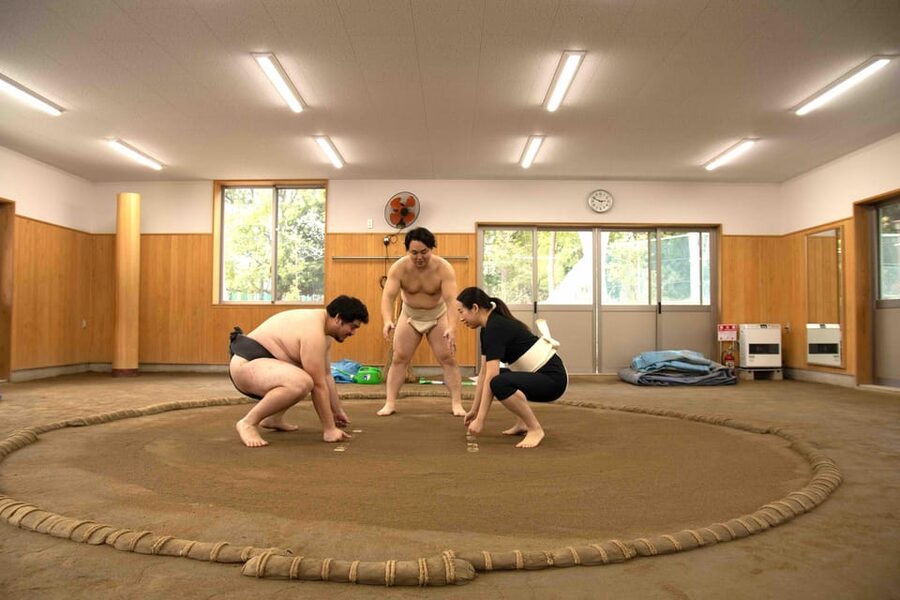
- Real dohyō, real mawashi: You train on a clay sumo ring and wear the traditional belt.
- Keiko training, not a staged show: Expect warm-ups, stretches, and drills led by a coach.
- Shinto rituals included: You’ll practice the ritual side along with the sports side.
- English + Japanese coaching: The instruction is designed so you can follow along.
- You wrestle too: At the end, you’ll have match time with friends and coaches if you’re game.
Entering the Real Sumo World (Not Just Watching)
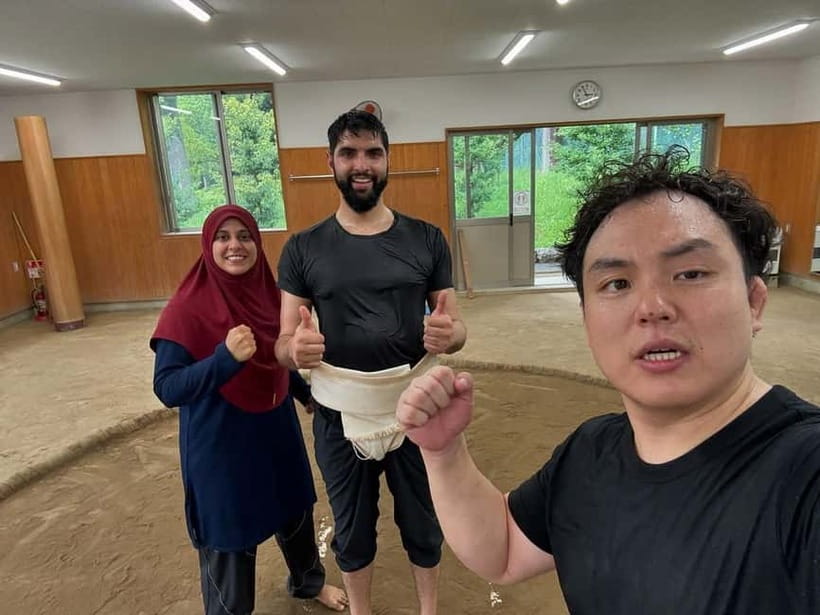
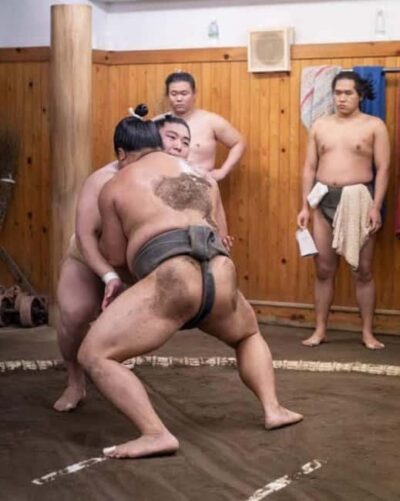
Most sumo experiences in Tokyo fall into two buckets: ticket-based tournament viewing or short show-and-photo sessions. This one aims at something more practical. You don’t just learn what sumo looks like; you learn what sumo feels like when your feet are on the clay ring and your belt is doing its job.
Two things make that big for me. First, the class includes actual training gear—they provide your mawashi at no extra cost if you don’t have one. Second, the session structure includes both the rules and the rituals, so you’re not only copying movements—you’re learning why those movements exist.
There’s also a nice confidence boost in the vibe. Multiple participants have described the coaches as warm and easy-going, which matters when you’re stepping into a sport with strong traditions and a formal setting. You’ll still be expected to work hard, but you shouldn’t feel like you’re in over your head.
Other ringside bookings readers scored
- Tokyo: Sumo Show and Dining Experience
★ 4.8 · 2,742 reviews - the SUMO show
★ 5.0 · 1,960 reviews - Tokyo Shinjuku Sumo Show & Experience with Photo
★ 5.0 · 1,750 reviews - Tokyo: Sumo Show and Experience in Shinjuku
★ 4.8 · 1,001 reviews
Where Heiwanomori Park Sumo-jo Fits Into Your Tokyo Day
The meeting point is at Heiwanomori Park Sumo-jo, 2-1 Heiwanomorikoen, Ota City, Tokyo, 143-0005. There’s a small office at that address where you meet up before the session starts.
Getting there is the part I’d plan for. On foot, it’s about a 10-minute walk from Heiwajima Station on the Keikyu Main Line. If you’re trying to taxi there, expect a catch: taxis won’t come to this location unless you arrange the pickup yourself.
That’s not a dealbreaker. It just means you’ll want to double-check your last-mile plan before you head out. I like walking when I’m comfortable with the route, and here it’s easy enough if you follow the directions. If you prefer taxis for everything else, arrange it ahead so you’re not stuck near the main road guessing how close you can get.
The 2-Hour Flow: Warmups, Rituals, Rules, Then Practice
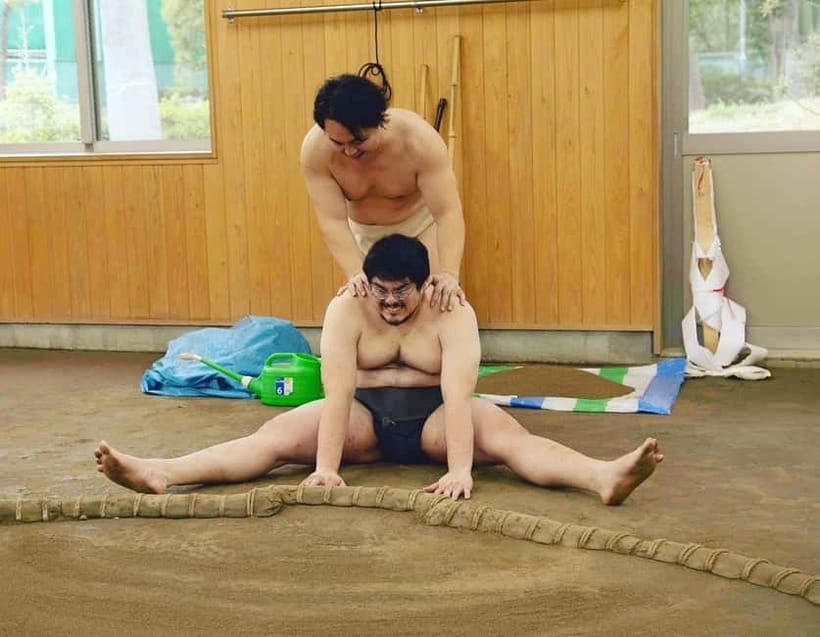
The session runs two hours, so it’s not a long-day commitment. It also means you’ll be moving most of the time—so treat it like training, not a casual cultural stop.
Here’s the typical flow you can expect when you arrive:
You’ll start with stretches and warm-ups, led by the coach. These matter because sumo technique is hard on ankles, hips, and shoulders, and you’ll be doing more than standing around posing.
Next comes the ritual and fundamentals piece. You’ll get explanations of the wrestling in the ring (dohyō) and how it works with the mawashi belt. They also include traditional Shinto rituals as part of the training experience, so you’re not learning sumo like it’s just a gym sport—you’re learning it like a formal tradition.
Then you move into practice. Toward the end, the class turns into match time where you can wrestle with friends and, if you’re brave enough, with the coaches. That’s the moment most people are really here for, and the setup is designed so beginners still get a real try in the ring.
Mawashi and Dohyō: What Gear Changes When You Train
This is where the experience becomes real. You’ll be training in a clay sumo ring, the dohyo, which changes how you move. Clay behaves differently than a regular mat: your footing matters, and your stance has to be stable.
You’ll also wear the mawashi belt. If you don’t have one, they provide it with no added cost. That’s a big value point because it means you don’t waste time shopping for gear before your trip.
One practical tip: bring the towel plan seriously. The sweat level is part of the workout. I recommend two towels—one for sumo and one for after—plus plenty of water.
They also note that there’s a shower room near the place. It costs ¥100 for 5 minutes, so if you’re headed out afterward, plan for a quick rinse and change.
The Shinto Side: Why Ritual Matters (Even If You Don’t Know It Yet)
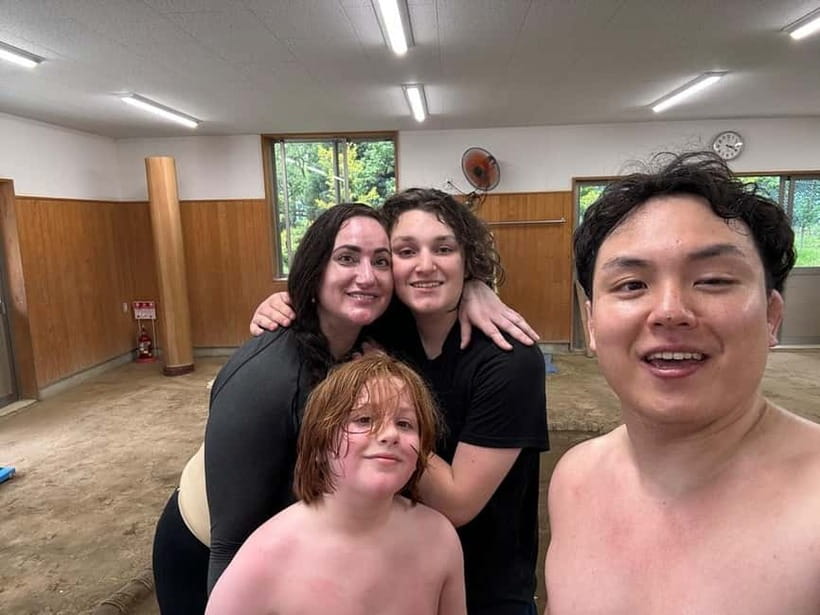
Sumo isn’t just sport. The ceremony has structure, and the coach uses that structure to teach the class.
You’ll be shown traditional Sumo and Shinto rituals as part of the training. Even if you’re not familiar with the meaning, you’ll learn the basics through doing: warm-up behaviors, the timing of steps, and the way the ring is approached.
I like this approach because it gives context. When you understand that the rituals aren’t random decoration, you pay more attention during instruction. It also helps you feel less like you’re intruding and more like you’re joining.
This is also where the coaching style helps. The class is led by a Japanese coach in both Japanese and English, which makes it easier to follow what’s happening in the ring instead of just guessing based on body language.
- Tokyo: Shinjuku Food Tour (13 Dishes at 4 Local Eateries)★ 5.0 · 6,603 reviews
- Tokyo Mt Fuji 5th St & Hakone Cruise Bus Tour w/Bullet Train★ 4.4 · 5,024 reviews
- Flagship 2-Hours Official Street Go-Kart Tour – Tokyo Bay Shop★ 5.0 · 4,974 reviews
- From Tokyo: Mount Fuji Full-Day Sightseeing Trip★ 4.5 · 4,970 reviews
- Tokyo: Hop-On Hop-Off Sightseeing Bus Ticket★ 3.9 · 4,207 reviews
Coach-Led Keiko: Instruction That Gets You Moving
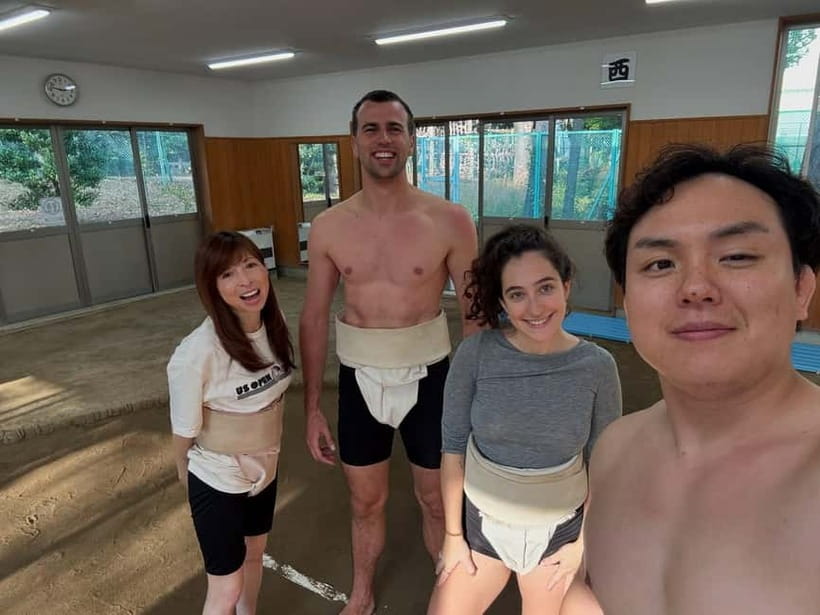
The instruction is the backbone of why this activity works for beginners. It’s keiko training, led by an experienced Japanese sumo coach who can explain in Japanese and English.
From the experience descriptions I’ve seen, the coach—often named Takeshi—does a strong job keeping things clear and fun. The tone shows up in the way the session is described: you learn fundamentals, then you get a chance to test them with real partner action.
Expect to cover:
- Warm-ups and stretches
- Rules and ring basics (how wrestling works on the dohyo)
- How to use the mawashi correctly in your attempts
- Progression into practice matches
If you’re the type who likes knowing what you’re doing, you’ll appreciate the explanation portion. If you’d rather “just try,” you’ll still benefit because the rules and belt handling are what keep the practice safe and structured.
Match Time: Wrestling With Friends (And Sometimes Coaches)
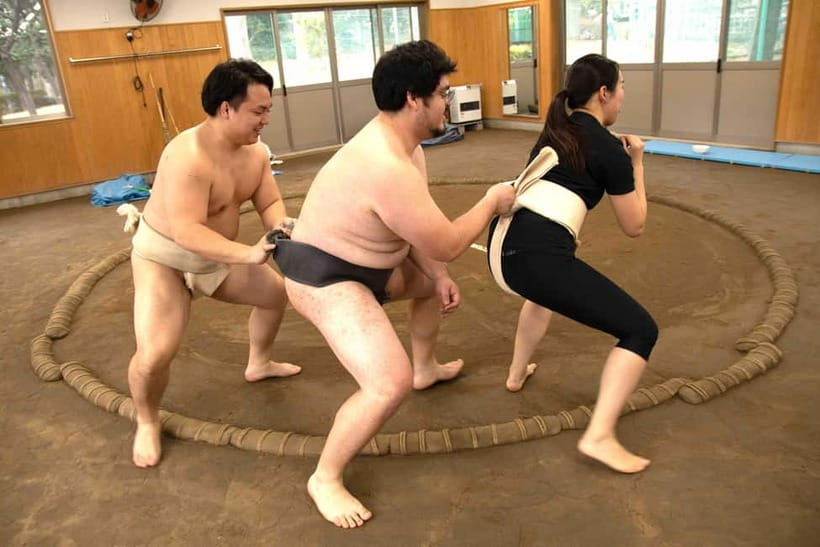
The end of the class is where the room energy changes. You’ll be able to wrestle with your friends, and if you’re willing, you’ll also get match time with the coaches.
That matters for two reasons. First, it turns instruction into feedback. When you feel what doesn’t work—foot placement, grip timing, balance—you correct it immediately. Second, you get a real sense of how sumo matches feel, even if you’re not trying to win by being dramatic.
Also, it’s structured to fit different experience levels. The guidance you get during practice keeps things from turning into chaos. You should still be ready for a workout, though. This is training, not a gentle demo.
One more thing: follow the coach’s pace. The ring is the ring, and in sumo, body position and timing are everything. If you try to rush, you’ll likely just get tired faster than you learn.
Photos and Video: What’s Allowed and What to Avoid
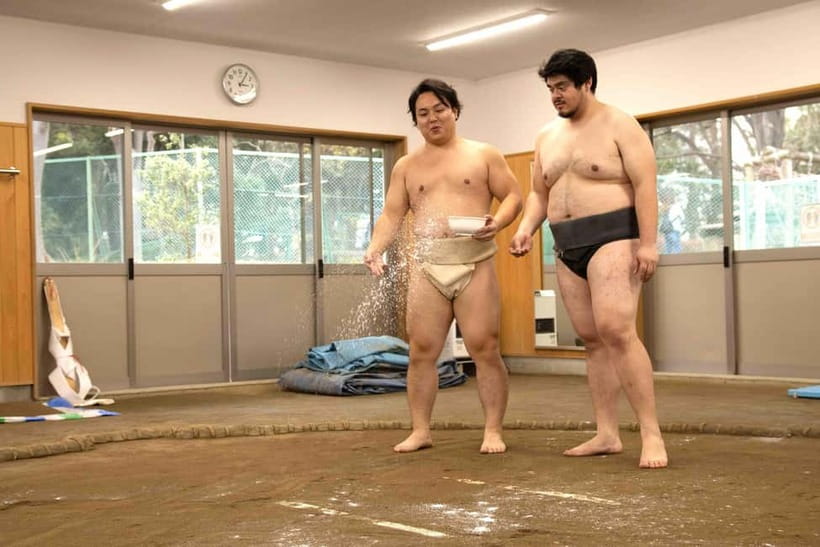
You can take photographs and videos during the sumo experience and share them on social media, as long as you follow the rules.
The key points:
- Don’t film in a way that interferes with other participants or observers.
- Don’t film participants who haven’t given permission to be recorded.
- Don’t film people who aren’t allowed to be filmed, based on the organizer’s guidance.
I recommend you treat recording like you would in a class where everyone needs space. Hold your device low, keep it to the edges, and stop filming if the coach asks.
Price and Value: Is $199 Worth Two Hours in a Real Ring?
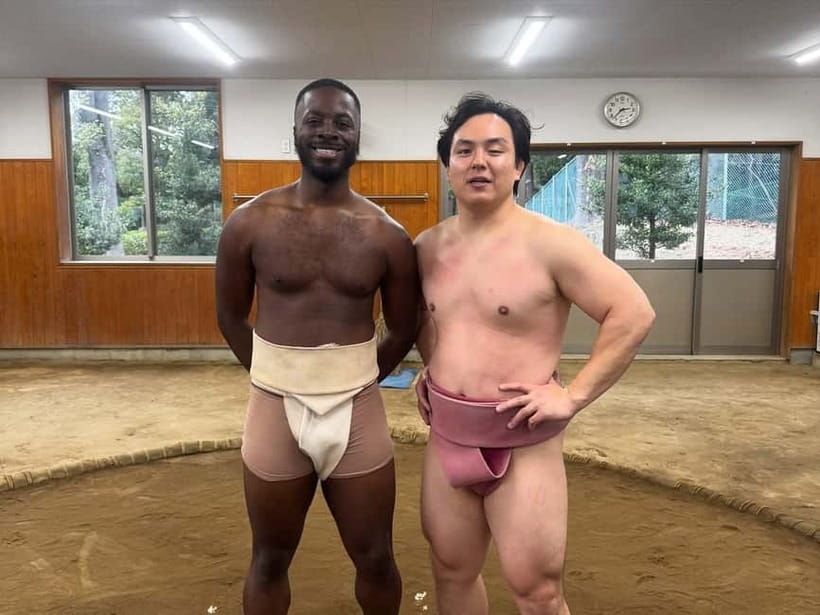
At $199 per person for a 2-hour session, you’re paying for something most sumo days don’t include: the real ring, the real belt, and real coach time where you actually train.
For value, look at what’s included:
- real sumo training experience
- mawashi belt (provided)
- training at the clay dohyo
- instruction by a coach
And what’s not included:
- no food is served
So the equation is pretty direct. You’re not paying for a fancy venue plus a photo moment; you’re paying for training materials plus active instruction, and you get to try matches by the end.
Also, because there’s no experience needed and you don’t need to bring gear (they provide the mawashi), you avoid extra pre-trip costs. That helps the price feel less like a premium ticket and more like a guided class you can’t easily replicate yourself.
Who This Works Best For
This session is a good fit if you want:
- an interactive introduction to sumo
- a chance to train even if you’ve never done martial arts
- English support alongside Japanese instruction
- an experience that includes both the sports side and the ritual side
It can also suit families, with specific rules for kids:
- Children under 4 can accompany you but may only observe.
- For children aged 5 and older, observation is complimentary.
- If a child wants to participate, you need to order for each participating child.
If you’re a solo traveler, you’ll likely enjoy how the class is structured. You’ll do the warmups, drills, and practice matches with others in the group. If you’re a group of friends, it’s even better: you’ll wrestle each other at the end.
What to Bring (So You Don’t Show Up Miserable)
Bring practical items and you’ll enjoy the experience more.
You should bring:
- Towel
- Drinks
And I’d go beyond the minimum. Bring multiple bottles of water if you can, and two towels if you want a clean reset afterward. The sweat factor is real, and the shower is only ¥100 for 5 minutes, so having a towel ready makes that fast rinse more useful.
Wearing clothes is fine if you prefer. They make it clear you don’t need sumo gear to participate, which lowers the stress level for first-timers.
Safety and Expectations: Train Hard, Listen Closely
They note they’re not responsible for injuries or accidents, which is standard language for active activities. Treat this as sports training with rules and coaching, not as a carefree stroll.
Your best move is simple: follow the coach’s guidance during warm-ups, drills, and match time. Don’t ignore how your body feels during practice. Sumo uses strength, balance, and quick adjustments, and your form is what keeps things under control.
Should You Book This Tokyo Sumo Training Session?
I’d book it if you want to do the real thing: clay ring, mawashi belt, keiko training, ritual moments, and match time in a two-hour class. It’s one of the best-value ways to experience sumo beyond watching, because the activity is built around participation from start to finish.
I’d think twice if you’re trying to keep your day very light. This is sweaty, physical training, and the location is a bit off the most obvious subway loops. But if you’re okay with that—and you pack towels and water—you’ll leave with something far more memorable than a photo.
If you want, tell me your hotel area and travel dates, and I’ll suggest the easiest way to plan this into your Tokyo schedule based on your route.
FAQ
Do I need prior sumo experience to join?
No. The training is described as suitable for people with no prior experience, and the coach leads the session with fundamentals and rules.
What if I don’t have a mawashi or sumo gear?
No problem. The session provides the mawashi at no extra cost so you can train without bringing your own gear.
Where is the meeting point, and how do I get there?
Meet at Heiwanomori Park Sumo-jo, 2-1 Heiwanomorikoen, Ota City, Tokyo, 143-0005. It’s about a 10-minute walk from Heiwajima Station on the Keikyu Main Line. Taxis may not drop at the location unless you arrange the pickup yourself.
How long is the experience, and what do we do in that time?
The experience lasts 2 hours. You’ll do stretches and warm-ups, learn the rules and ring fundamentals in the dohyo with the mawashi, participate in traditional Sumo and Shinto rituals, and then wrestle in practice matches near the end.
Can children participate?
Children under 4 may accompany you but can only observe. For children aged 5 and older, observation is complimentary. If a child wants to participate, you need to place an order for each participating child.
Are photos and videos allowed during the training?
Yes, photos and videos are allowed and can be shared on social media. Just follow the guidelines: don’t interfere with the session, don’t film participants who haven’t given permission, and don’t film people who aren’t allowed to be recorded as specified by the organizer.
More Tour Reviews in Tokyo
- Mt Fuji and Hakone 1-Day Bus Tour Return by Bullet Train
★ 5.0 · 26,383 reviews - 1-Day Tokyo Bus Tour
★ 5.0 · 14,250 reviews - Tokyo: teamLab Planets TOKYO Digital Art Museum Entry Ticket
★ 4.6 · 9,779 reviews - Mt Fuji & Hakone Cruise, Drum Show Bullet Train 1 Day from Tokyo
★ 4.0 · 7,413 reviews - Tokyo: Shinjuku Food Tour (13 Dishes at 4 Local Eateries)
★ 5.0 · 6,603 reviews
More Sumo, Ringside and Rated
- Tokyo: Sumo Show and Dining Experience
★ 4.8 · 2,742 reviews - the SUMO show
★ 5.0 · 1,960 reviews - Tokyo Shinjuku Sumo Show & Experience with Photo
★ 5.0 · 1,750 reviews - Tokyo: Sumo Show and Experience in Shinjuku
★ 4.8 · 1,001 reviews - Tokyo Grand Sumo Tournament Viewing Tour with Tickets
★ 5.0 · 692 reviews
Latest Tokyo reviews off our desk






Sumo Tournaments & Shows, compared.
 ★ 4.8Sumo Show and Dining ExperienceFrom $792,742 reviews
 ★ 5.0the SUMO showFrom $891,960 reviews
 ★ 5.0Tokyo Shinjuku Sumo Show & Experience with PhotoFrom $791,750 reviews
 ★ 4.8Sumo Show and Experience in ShinjukuFrom $691,001 reviews
 ★ 5.0Tokyo Grand Sumo Tournament Viewing Tour with TicketsFrom $124692 reviews
 ★ 5.0Tokyo Sumo Wrestling Tournament ExperienceFrom $124660 reviews
 ★ 4.7Luxury Sumo Show Experience & Japanese cuisine & DrinkFrom $103577 reviews
 ★ 4.8Sumo Morning Practice Viewing TourFrom $81570 reviews
Browse the lists this tour appears in