
Reviewed · SAMURAI & NINJA CLASSES
Tokyo: Shinobi Samurai Legacy Journey, 90 min
A dojo session with real tools beats a quick demo. In Tokyo’s Asakusa area, you get a hands-on ninja and samurai training-style experience with clan interpreters and a small-group feel. You’ll learn the basics of classic movement, then put it to work with shuriken and sword exercises.
Two things I really like: the focus on tradition through clan members with live interpretation, and the way the session teaches control before speed. You spend time on etiquette, opening meditation, and even a well-wishing practice called Kujikiri, not just weapon time.
One possible drawback: the session isn’t a passive activity. If you want to watch from the sidelines, you’ll pay a separate spectator admission (2,500 yen), and if you get distracted or violate the dojo rules, you can be asked to leave.
In This Review
- Key things you’ll notice right away
- Why This Shinobi-Samurai Session Feels More Like Training Than Entertainment
- Finding the Dojo Above Kirku in Kappabashi (So You Don’t Chase Your Tail)
- The 90-Minute Flow: Meditation, Ancestors, and Clan Tools
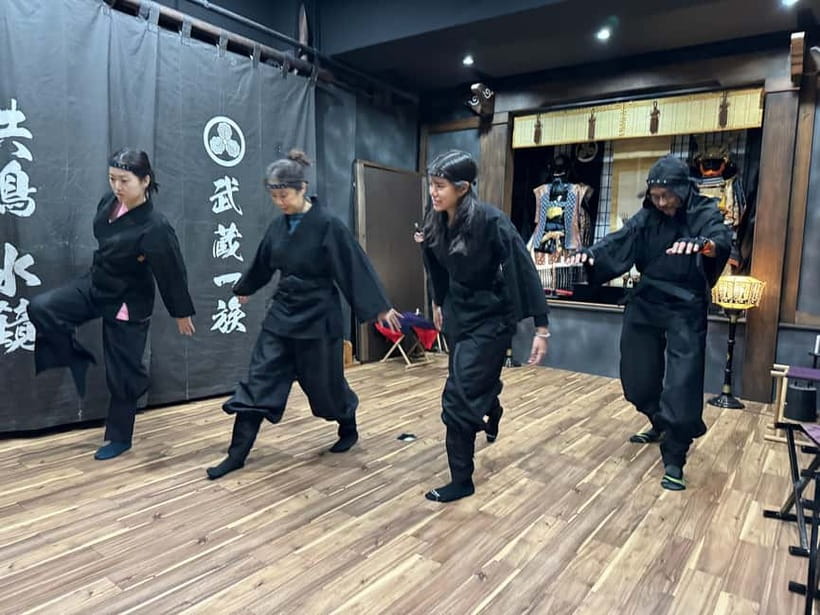
- Namba (Shinobi Samurai Walk) and Stealth Steps: Train Your Body First
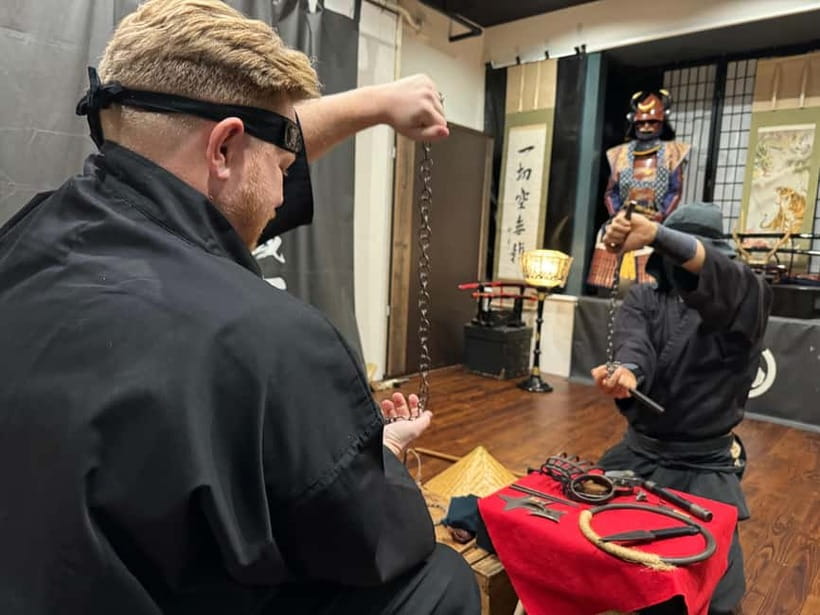
- Shuriken Throwing: Concentration With a Mental-Silence Goal
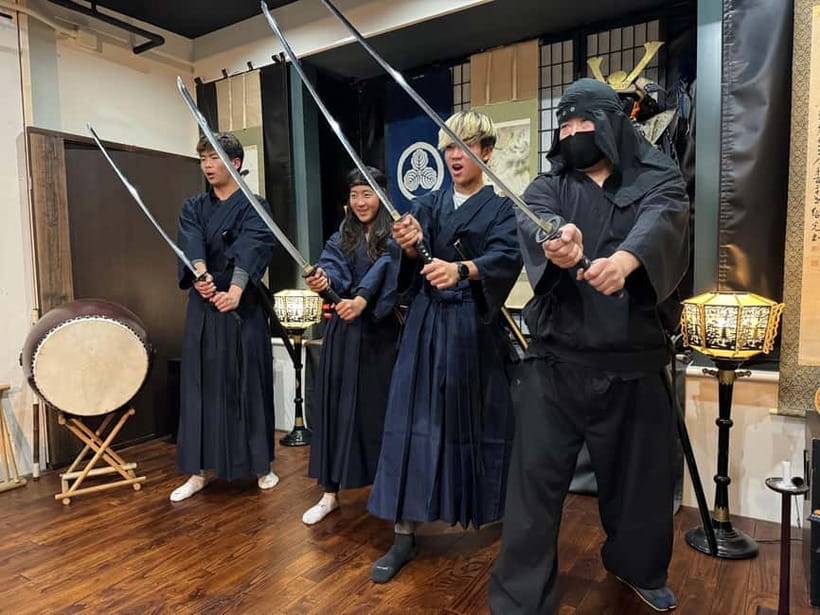
- Changing Into Hakama: Sword Basics With Real Discipline
- Kujikiri Meditation and Mudras: Ending the Session Calm
- Price and Value: Is $170 Worth 90 Minutes in Tokyo?
- Who This Is Best For (And Who Might Want Something Else)
- Practical Tips to Make the Most of Your Session
- If You’re Traveling With a Spectator: Plan for the 2,500 Yen Admission
- Should You Book the Shinobi Samurai Legacy Journey?
- FAQ
- How long is the Shinobi Samurai Legacy Journey?
- Where do I meet for the activity?
- What languages are available during the experience?
- What do I actually do during the training?
- Is food included?
- Are outfits and weapons included?
- Do I need to pay extra for weapons or instruction?
- What are the spectator rules and costs?
- Is the experience suitable for pregnant women?
- What behavior rules are enforced in the dojo?
- Is tipping included?
Key things you’ll notice right away
- Clan-focused training tied to a 450+ year tradition, delivered by clan members and interpreters
- Namba walk and stealth steps to train natural movement before throwing or swinging
- Shuriken throwing framed as concentration and mental silence, not showmanship
- Samurai sword practice in hakama with stance, grip, and draw basics
- Kujikiri meditation using shinobi mudras for a closing mental reset
- Private dojo atmosphere with clear guidance, etiquette, and rules for safety
Why This Shinobi-Samurai Session Feels More Like Training Than Entertainment
If you’ve done the usual Japan “samurai experience,” you might feel it’s mostly costumes and quick poses. This one is different because the session is structured like practice. You start with etiquette and meditation, then work through movement basics, then weapons.
I also like that they treat the weapons like tools with a purpose. When you learn shuriken throwing, it’s explained as a way to keep your mind quiet while you concentrate on the technique. When you handle swords, the goal isn’t flashy. It’s discipline—plus the idea of winning without drawing a sword, which changes how you think about what you’re learning.
The setting is a traditional dojo, and it stays that way. There’s a rule to avoid chatting during training, and that matters. It keeps the mood respectful, not tour-bus noisy.
More blade-and-dojo sessions, reviewed
- Tokyo: Samurai Ninja Museum Guided tour and Experience
★ 4.6 · 1,010 reviews - Tokyo: Samurai Sword & Archery Class from Samurai Descendant
★ 5.0 · 603 reviews - Best Samurai Experience in Tokyo
★ 5.0 · 458 reviews - Ninja Experience (Family Friendly) at Samurai Ninja Museum TOKYO
★ 5.0 · 441 reviews
Finding the Dojo Above Kirku in Kappabashi (So You Don’t Chase Your Tail)
Meeting point location is specific, and you’ll be glad it is. You meet at the intersection of Kappabashi Dogugai Street and Kappabashi Hondori Street, near a traffic light with a sign reading Kappabashi. From there, you walk north toward Kototoi Dori Street on the left sidewalk.
Look for the 634-meter Skytree landmark to orient yourself. Then you’ll walk from the signboard shop on the corner of the block. The dojo is on the 3rd floor of the 10th building.
Here’s the key visual clue: the first floor is a Japanese cafe bar called Kirku, with a red door. The building is between a knife store called Takanojin and a coffee shop called Touching Sense of Earth. There’s also a knife store called Musashi across the street, but that isn’t the dojo.
This kind of detail saves time. It also helps if you’re arriving close to the session start and want to go straight upstairs.
The 90-Minute Flow: Meditation, Ancestors, and Clan Tools
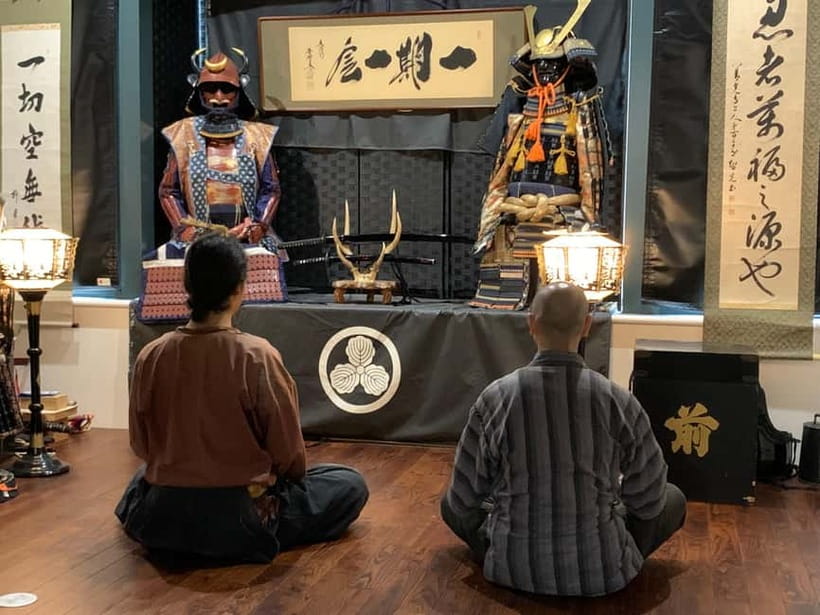
Your session begins with a short opening meditation and traditional dojo etiquette. It’s not long, but it sets the tone. You’ll also see the logic of the training: quiet mind first, then controlled movement.
Next comes an instructor greeting and a demonstration dedicated to the clan’s ancestors. That piece matters because it frames the activity as continuity, not just performance. Then you move into an introduction to handmade shinobi tools and weapons, including the fact that the weapons used in the dojo were made by clan weaponsmiths.
That means you’re not just holding generic replicas. You’re learning in a space where the tools and the stories are part of the same lesson—how craftsmanship and discipline meet.
You’ll likely appreciate the real-time interpretation during the session, since the experience runs in English and Japanese. It’s designed so you can actually follow what you’re being taught, not just copy motions.
Namba (Shinobi Samurai Walk) and Stealth Steps: Train Your Body First
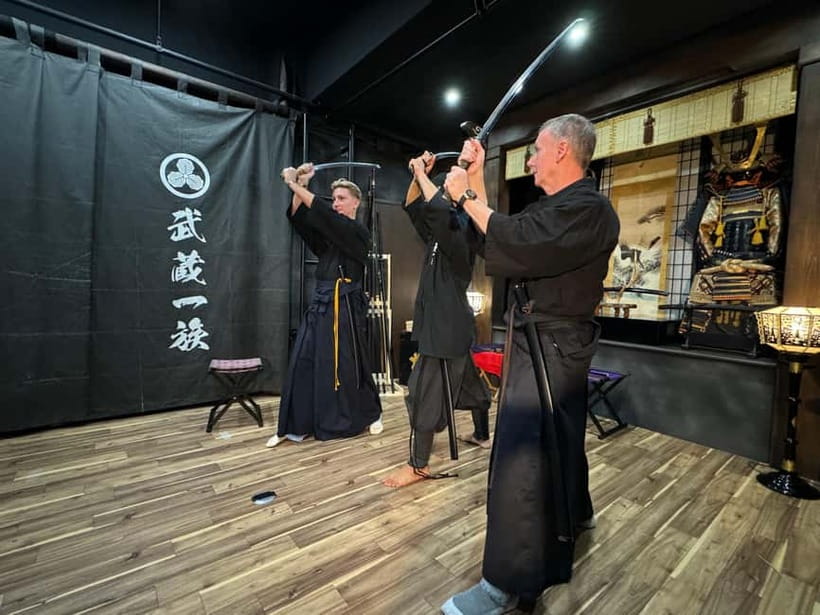
Before any serious weapon practice, you work on classic movement. The session includes Namba, also described as a Shinobi Samurai Walk, plus stealth steps to restore natural body movement.
This is the part I find most valuable if you’re serious about learning. Weapons training gets attention, sure. But if your posture and balance are off, every throw or draw feels awkward. Namba-style walking and stepping teaches fundamentals—how to move without looking tense, and how to control your body instead of forcing it.
It also acts like a mental warm-up. You’re practicing calm control in motion before you ask your brain to focus on aim and timing.
Shuriken Throwing: Concentration With a Mental-Silence Goal
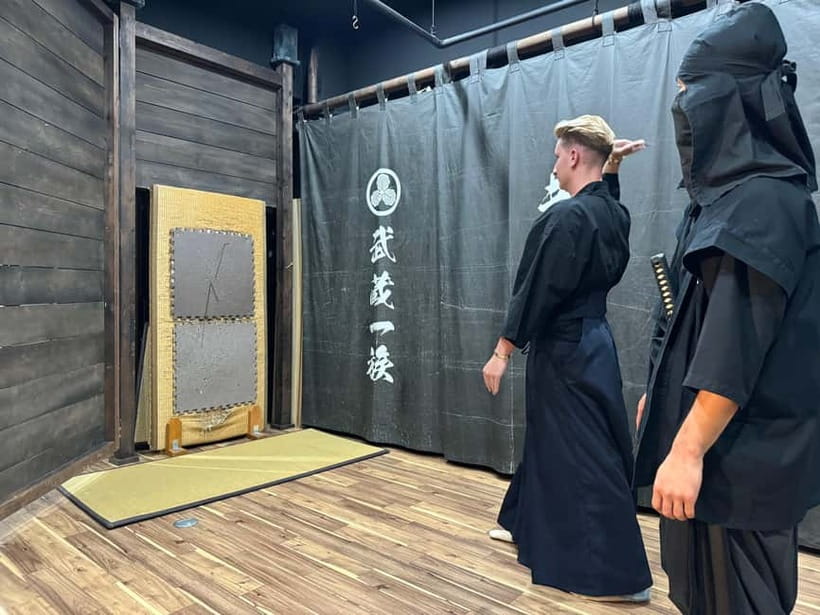
Shuriken throwing comes next. The practical objective is to practice technique. The deeper objective is to keep your mind silent while you focus on the throw.
That framing helps you approach the activity correctly. Don’t treat it like a game of who can throw the hardest. Instead, treat it like attention training: posture, timing, and concentration. If you go in expecting a perfect bullseye every time, you’ll miss what they’re teaching.
You’ll get the chance to handle ninja stars in a coached setting. You also get that “this is actually how they talk about the craft” feeling, which is rare in tourist-first experiences.
- Tokyo: Shinjuku Food Tour (13 Dishes at 4 Local Eateries)★ 5.0 · 6,603 reviews
- Tokyo Mt Fuji 5th St & Hakone Cruise Bus Tour w/Bullet Train★ 4.4 · 5,024 reviews
- Flagship 2-Hours Official Street Go-Kart Tour – Tokyo Bay Shop★ 5.0 · 4,974 reviews
- From Tokyo: Mount Fuji Full-Day Sightseeing Trip★ 4.5 · 4,970 reviews
- Tokyo: Hop-On Hop-Off Sightseeing Bus Ticket★ 3.9 · 4,207 reviews
Changing Into Hakama: Sword Basics With Real Discipline
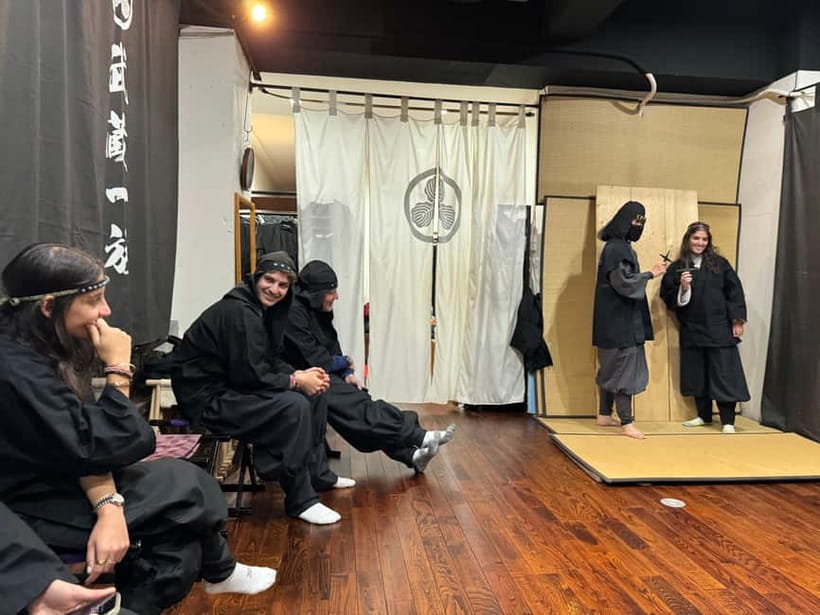
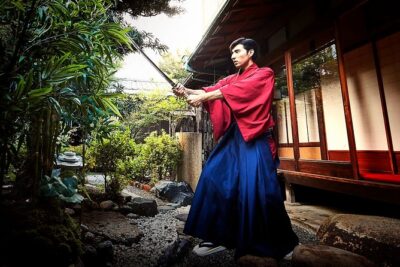
Then you switch into samurai hakama trousers. That change isn’t just a costume moment. It cues your body for sword handling and the kind of posture the instructors want you to practice.
Sword practice focuses on the fundamentals: how to hold the sword, how to stand, and how to draw it. You also learn the discipline behind swordsmanship, including the concept that the ultimate goal is to win without drawing a sword.
That’s a subtle but powerful idea to take into your day. It turns the session from “how to swing” into “how to control yourself.” It’s also a reminder that, historically, sword culture was tied to restraint as much as strength.
Even if you’re a first-timer, the training style is set up to be doable. The dojo keeps the pace structured, and the interpreters help you connect the meaning to the motions.
Kujikiri Meditation and Mudras: Ending the Session Calm
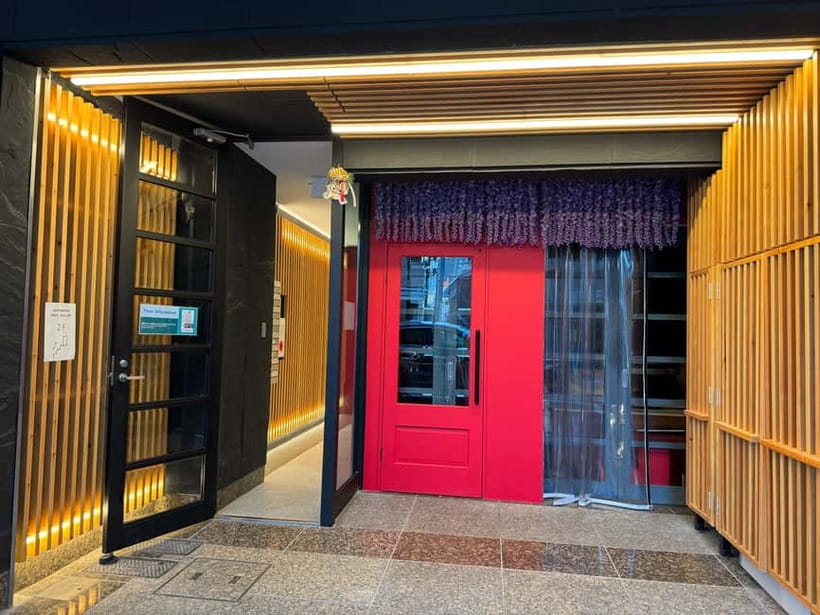
After sword practice, you get a short meditation and Kujikiri well-wishing. This is practiced with shinobi mudras—hand positions used during the meditation.
I like ending this way because it keeps the experience from feeling like pure adrenaline. After weapons and movement, your brain needs a soft landing. The Kujikiri section gives you a final moment to reset focus and posture.
Then there’s photo time. It’s a fun capstone, especially if you want a record of the outfit and the moment. It’s also a good chance to step back and look at what you actually did, not just what you looked like.
Price and Value: Is $170 Worth 90 Minutes in Tokyo?
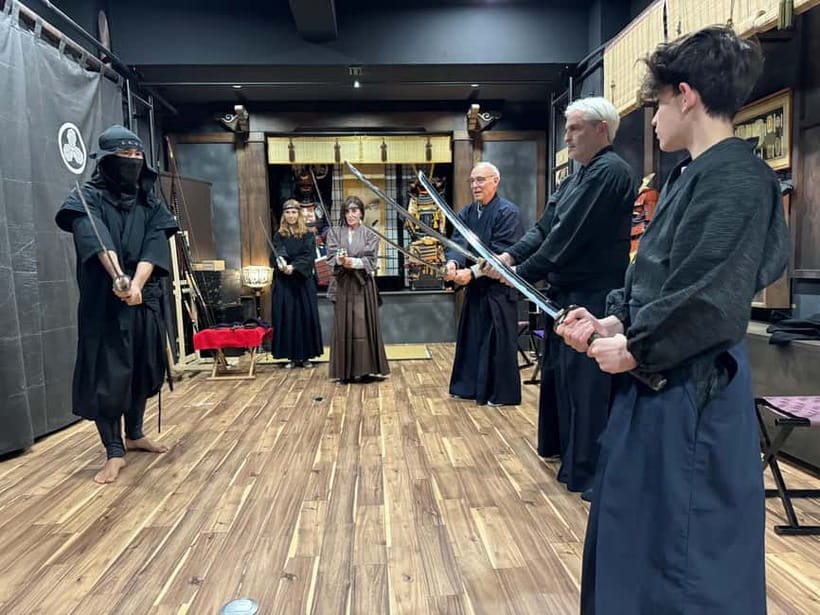
At $170 per person for a 90-minute session, this isn’t “cheap thrills.” So I judge it on value: what’s included, how hands-on it is, and how much instruction you actually get.
You do get a lot for that price:
- Instructor and interpreter fees
- Ninja and samurai outfit rental
- Weapon rental
The weapons and outfits are part of the training, not just props. And the presence of real-time interpretation makes a difference. If you don’t understand what you’re learning, the activity turns into imitation. Here, they aim to keep you informed.
Also, the vibe is intimate. Reviews point to small groups, and in at least one case the session ran with only two participants. That kind of ratio is where training feels personal instead of rushed.
The other side of value is what you get mentally. The session teaches etiquette, meditation, and discipline in addition to weapons. If you only care about photos, you may feel the time is less about spectacle. If you want to understand martial tradition even at a beginner level, it’s a strong use of an hour and a half.
Who This Is Best For (And Who Might Want Something Else)
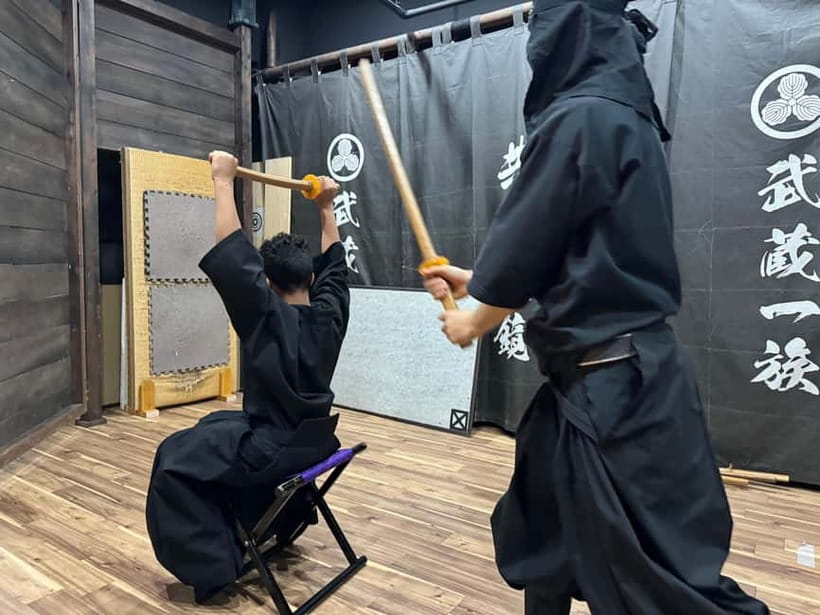
This experience fits best if you:
- want hands-on training, not a performance
- like learning cultural context, not just technique
- enjoy meditation or mind-body routines
- are comfortable following dojo rules for safety and respect
It can work well for kids who are ready to focus. One review highlights a 13-year-old who enjoyed the session and did well, which suggests the training can be approachable when the participant is attentive.
It’s not suitable for pregnant women, per the tour info. And if you’re hoping for an alcohol-and-relaxed atmosphere, the rules won’t match your plans. Intoxication, alcohol, and drugs are not allowed.
Practical Tips to Make the Most of Your Session
A few simple moves will help you get more out of the time.
First, treat the dojo like a shared training space. Avoid chatting when others are training. If you want to ask something, wait for a moment the instructors create for questions.
Second, follow the weapon rules. Don’t touch weapons without permission. This isn’t a “try everything” workshop. It’s a guided training environment.
Third, bring patience. You’re learning basics: Namba walking, stepping, aim and concentration for shuriken, and sword stance plus draw basics. That’s the whole point. You’ll get more satisfaction if you evaluate the learning, not whether you throw like a pro on day one.
If You’re Traveling With a Spectator: Plan for the 2,500 Yen Admission
If someone wants to watch, there is a spectator admission of 2,500 yen per person. That’s useful to know in advance so you don’t get surprised at the door.
If you’re choosing between taking the class yourself versus having someone watch, consider how much you’ll want coaching. This experience is structured around practicing, with rules that limit distractions. Spectating can work, but you’ll get the most from actually joining in.
Should You Book the Shinobi Samurai Legacy Journey?
Book it if you want a real training feel in Tokyo—meditation, disciplined movement, shuriken throwing focused on concentration, and sword basics taught with clear interpretation. The price is high for a short session, but the included instruction plus outfit and weapon rental make it more reasonable, especially if you land in a small group.
Skip it if you’re looking for a casual, laid-back activity or if you mainly want photos. This dojo experience rewards focus and respect. If you come ready to listen and practice, you’ll leave with more than souvenirs. You’ll leave with a calmer sense of what ninja and samurai traditions value: control, etiquette, and mind-first technique.
FAQ
How long is the Shinobi Samurai Legacy Journey?
The experience is 90 minutes.
Where do I meet for the activity?
Meet at the intersection of Kappabashi Dogugai Street and Kappabashi Hondori Street, near a traffic light with a sign for Kappabashi. Walk north toward Kototoi Dori Street on the left sidewalk, then find the dojo on the 3rd floor of the 10th building above Kirku, with a red door.
What languages are available during the experience?
The session offers English and Japanese interpretation.
What do I actually do during the training?
You’ll do an opening meditation, learn about handmade shinobi tools and weapons, practice Namba walk and stealth steps, try shuriken throwing, change into samurai hakama trousers, practice sword handling (including stance and drawing basics), and end with Kujikiri meditation and photo time.
Is food included?
No. Food is not included.
Are outfits and weapons included?
Yes. Ninja and samurai outfit rental and weapon rental are included.
Do I need to pay extra for weapons or instruction?
No extra fees for instruction are listed. Instructor and interpreter fees are included.
What are the spectator rules and costs?
For spectators, there is an admission of 2,500 yen per person.
Is the experience suitable for pregnant women?
No, it is not suitable for pregnant women.
What behavior rules are enforced in the dojo?
Intoxication, alcohol, and drugs are not allowed. You should not litter or chew gum. You’re also asked to refrain from chatting in the dojo during training, not touch weapons without permission, and follow safety guidance. Inattentive people can be asked to leave.
Is tipping included?
No. Gratuity is not included.
More Tour Reviews in Tokyo
- Mt Fuji and Hakone 1-Day Bus Tour Return by Bullet Train
★ 5.0 · 26,383 reviews - 1-Day Tokyo Bus Tour
★ 5.0 · 14,250 reviews - Tokyo: teamLab Planets TOKYO Digital Art Museum Entry Ticket
★ 4.6 · 9,779 reviews - Mt Fuji & Hakone Cruise, Drum Show Bullet Train 1 Day from Tokyo
★ 4.0 · 7,413 reviews - Tokyo: Shinjuku Food Tour (13 Dishes at 4 Local Eateries)
★ 5.0 · 6,603 reviews
More Samurai and Ninja Sessions
- Tokyo: Samurai Ninja Museum Guided tour and Experience
★ 4.6 · 1,010 reviews - Tokyo: Samurai Sword & Archery Class from Samurai Descendant
★ 5.0 · 603 reviews - Best Samurai Experience in Tokyo
★ 5.0 · 458 reviews - Ninja Experience (Family Friendly) at Samurai Ninja Museum TOKYO
★ 5.0 · 441 reviews - Tokyo: Samurai Entertainment Night Show in Kanda Shrine
★ 4.6 · 417 reviews
Latest Tokyo reviews off our desk






Samurai & Ninja Classes, compared.
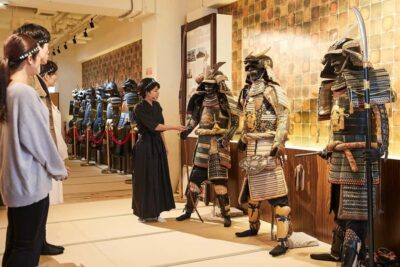 ★ 4.6Samurai Ninja Museum Guided tour and ExperienceFrom $271,010 reviews
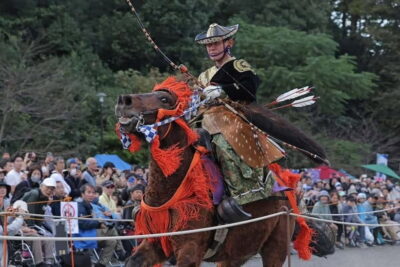 ★ 5.0Samurai Sword & Archery Class from Samurai DescendantFrom $193603 reviews
 ★ 5.0Best Samurai Experience in TokyoFrom $65458 reviews
 ★ 5.0Ninja Experience (Family Friendly) at Samurai Ninja Museum TOKYOFrom $47441 reviews
 ★ 4.6Samurai Entertainment Night Show in Kanda ShrineFrom $41417 reviews
 ★ 4.2Ninja Kabuki PerformanceFrom $29330 reviews
 ★ 5.0Tokyo Sword Experience – includes Museum Ticket/Ninja ExperienceFrom $84314 reviews
 ★ 4.8Samurai Ninja Museum Asakusa: Samurai Sword Lesson & TourFrom $63306 reviews
Browse the lists this tour appears in