
Reviewed · SUMO TOURNAMENTS & SHOWS
Tokyo Sumo Practice Watching & Visit Town from Samurai era
Tokyo sumo practice plus Edo town vibes is a rare mix. This tour strings together ringside training at Shikoroyama-beya and two very Tokyo stops: the quiet, scenic Kiyosumi Teien and the hands-on Fukagawa Edo Museum. You get context as you go, with a guide who helps the rules, rituals, and history make sense.
Two highlights really stand out: you can watch actual wrestlers training with your guide explaining what you’re seeing, and you’ll have a chance for a sumo photo shoot. For the cultural side, you’re not stuck with just one museum stop. You also walk through a garden setting and then step into a full recreation of an Edo-period streetscape.
One consideration: this is an 8:30am start and it depends on public transit to reach the meeting spot at Kiyosumi-shirakawa Station. If you’re not a morning person, plan your morning carefully and wear shoes that handle a bit of walking.
Key moments worth booking for
- Ringside view at Shikoroyama-beya with special permission for the tour route
- A photoshoot chance with sumo wrestlers, with guidance on what’s appropriate
- Kiyosumi Teien as the calm, beautiful counterweight to sumo’s intensity
- Fukagawa Edo Museum with sound-and-light “time passing” effects
- Small group size (max 15) that keeps the guide’s attention focused
- All admissions included, so you don’t have to plan ticket buys mid-day
In This Review
- A morning start at Kiyosumi-shirakawa: where the tour finds its rhythm
- Shikoroyama-beya sumo stable: what ringside practice really feels like
- Photos with wrestlers: how to make it work smoothly
- The quiet shift at Kiyosumi Teien: gardens as cultural contrast
- Fukagawa Edo Museum: life-size Edo Tokyo with sound and lighting
- Why this pairs so well with sumo
- How the guide experience shapes the value
- Price and what you’re really paying for
- Who this tour fits best (and who might want to think twice)
- Should you book this sumo practice + Edo town tour?
- FAQ
- What time does the tour start?
- Where do I meet the guide?
- How long is the tour?
- What’s included in the price?
- Do I need to pay for tickets at the stops?
- Can I take photos during the tour?
- Is this tour suitable for kids or different body types?
A morning start at Kiyosumi-shirakawa: where the tour finds its rhythm
This experience starts early, meeting you at Kiyosumi-shirakawa Station (the ground level of the B1 exit) and then walking together from there. The meet point is specific for a reason: tours like this run on tight timing, and the guide needs the group to stay together as you move between spots.
I like that the tour is built around a clear flow instead of a “hurry up and catch the next thing” schedule. After a short introduction near the station area, you head to the stable and then keep moving to the garden and museum. It’s a smart way to spend a half day in Tokyo: one part pure tradition, one part peaceful scenery, and one part “wait, this looks real.”
Also, you’ll have a mobile ticket, which is convenient if you’re already juggling camera space, train apps, and snack planning. And because it’s a small group, you’re less likely to feel swallowed by crowd noise as the guide talks.
Shikoroyama-beya sumo stable: what ringside practice really feels like
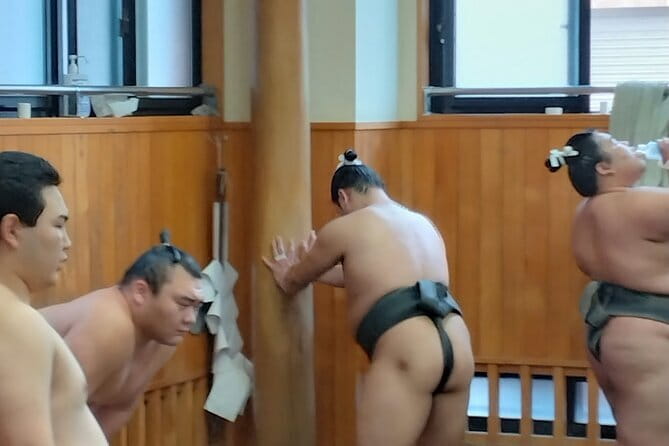
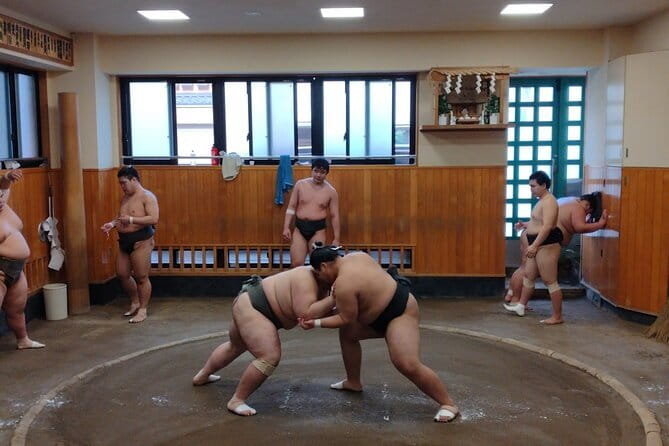
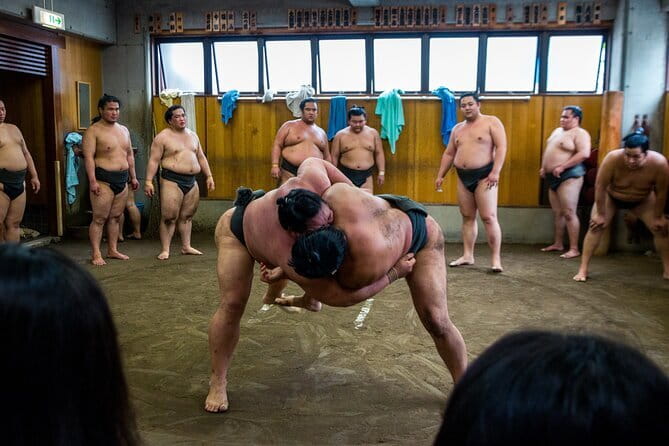
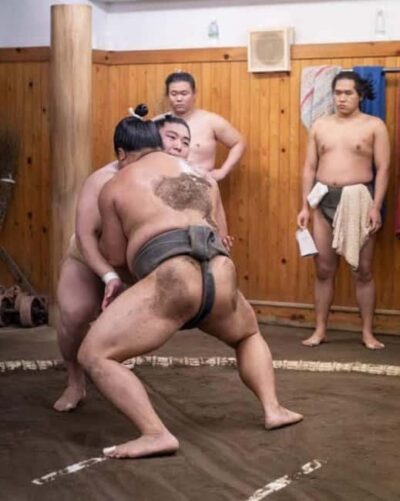
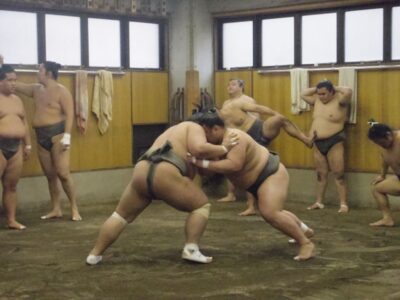
The main event is Shikoroyama-beya Sumo Stable, where you can watch real wrestlers practicing from the ringside. This is the kind of access that doesn’t happen every day. The tour notes that special permission is required, and that fact alone explains why this tends to become a core memory for people.
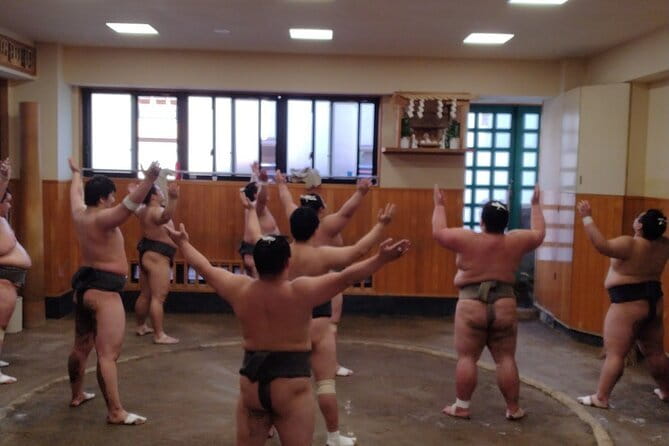
What you can expect is not just a performance. It’s warmups, training routines, and the kind of focused intensity that makes sumo more than a sport. Even if you only know the basics, your guide helps you connect the dots: why certain rituals matter, what the practice rhythms mean, and how sumo culture shapes behavior inside the stable world.
A couple things from the guide experience that help: the tour provider, Ken, is described as punctual, organized, and very patient with questions, with fluent English. That matters here. At a stable, people often want to ask simple things like what a particular routine is for or why the environment works the way it does. Having a guide who can explain without rushing you is a big part of the value.
Other ringside bookings readers scored
- Tokyo: Sumo Show and Dining Experience
★ 4.8 · 2,742 reviews - the SUMO show
★ 5.0 · 1,960 reviews - Tokyo Shinjuku Sumo Show & Experience with Photo
★ 5.0 · 1,750 reviews - Tokyo: Sumo Show and Experience in Shinjuku
★ 4.8 · 1,001 reviews
Photos with wrestlers: how to make it work smoothly
This tour includes a chance for a photoshoot with sumo wrestlers. That’s the headline perk, but the practical win is what your guide can do in the moment: timing, boundaries, and how to approach the moment respectfully. If you care about photos, come ready to move quickly and listen when the guide gives instructions.
My advice: keep your camera settings simple and your hands free. You’ll likely get the best results when you’re not fumbling around mid-instruction.
The quiet shift at Kiyosumi Teien: gardens as cultural contrast
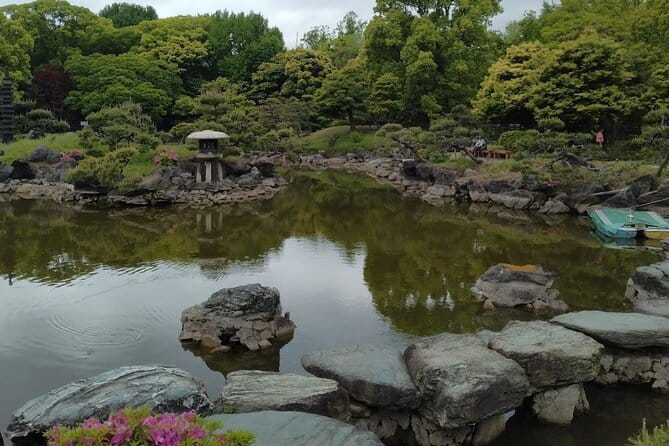
After the intensity of the stable, Kiyosumi Teien works like a palate cleanser. You get about 50 minutes here, and the garden’s selling point is the “walking forest garden” feel, where you experience quiet pathways and artistic scenery rather than just posing in front of a view.
This stop is also a useful lesson in Japanese culture. You’re watching how attention works in a different setting. In sumo, attention is physical and loud. In the garden, it’s soft: sound changes, pace changes, and the whole mood drops a few notches. It’s not just pretty. It teaches you to slow down enough to notice.
One review mentioned koi and cherry blossoms, which is a good reminder that gardens can shift with the season. If you’re traveling in spring, you might catch that “garden + seasonal bloom” look. If you’re elsewhere, the same space can still feel elegant because the experience is designed around calm movement and viewpoints.
Practical tip: bring a small amount of patience for walking flow. Even when it’s not crowded, gardens are meant to be enjoyed at walking speed, not sprint speed.
Fukagawa Edo Museum: life-size Edo Tokyo with sound and lighting
The last major stop is Fukagawa Edo Museum, where you get about 1 hour. This is not a typical museum where you pass behind glass and move on. The big idea here is a life-size reproduction of an Edo-period streetscape, with scenes that change through sound and lighting.
That “time passing” effect is why people find the place memorable. It gives you context. The streetscape isn’t static. It feels like a town you might step into, with daily life suggested through the setup. The tour info also notes that everyday tools are placed inside each house, which helps the whole thing feel grounded rather than purely theatrical.
Why this pairs so well with sumo
On paper, sumo practice and an Edo streetscape museum look unrelated. In practice, the connection is cultural: sumo is tradition, and Edo Japan was a period when tradition lived close to daily routines. When you see an Edo town recreation after a stable visit, the history starts to feel less like a distant timeline and more like a lived environment.
Again, the guide helps here, especially if you ask questions. A good museum visit is partly about what you read, and partly about what someone explains out loud while you’re standing in the room.
More blade-and-dojo sessions, reviewed
- Tokyo: Samurai Ninja Museum Guided tour and Experience★ 4.6 · 1,010 reviews
- Tokyo: Samurai Sword & Archery Class from Samurai Descendant★ 5.0 · 603 reviews
- Best Samurai Experience in Tokyo★ 5.0 · 458 reviews
- Ninja Experience (Family Friendly) at Samurai Ninja Museum TOKYO★ 5.0 · 441 reviews
- Tokyo: Samurai Entertainment Night Show in Kanda Shrine★ 4.6 · 417 reviews
How the guide experience shapes the value
This tour isn’t just about access. It’s about interpretation. A lot of “culture” tours give you a facts sheet and a walk. This one leans more on guided storytelling, and the evidence shows up in the reviews: guests praised Ken for being insightful, helpful, well organized, and fluent in English.
If you’re new to sumo, that guidance changes your experience. Sumo has layers: training habits, stable life, and the cultural meaning of behavior. If you don’t know what to look for, ringside can still be impressive, but you’ll get more out of it when someone explains the whys.
Also, the tour keeps the pace reasonable for a 3.5-hour window. You’re moving between three distinct kinds of places (stable, garden, museum), so having a guide who can hold the schedule together makes the day feel smoother instead of frantic.
Price and what you’re really paying for

At $123.79 per person, this isn’t the cheapest way to see sumo and a couple sights. But you are paying for a few key things that add up fast in Tokyo:
- Ringside access to a sumo stable, plus the note that special permission is involved
- Admission fees to each location included, so you don’t get surprised with extra ticket costs mid-day
- A professional guide from the meeting point to the end of the tour
- A set itinerary that reduces decision fatigue, which matters when you’re trying to do Tokyo efficiently
There’s also a small-group element: the tour caps at 15 travelers. In a place where lines and crowd levels can change quickly, smaller groups typically mean better questions and easier listening.
One more value signal: the tour is often booked about 17 days in advance on average. That usually means availability moves, especially for experiences that involve special access. If this is high on your Tokyo list, it’s worth planning ahead rather than hoping.
Who this tour fits best (and who might want to think twice)
This is ideal if you:
- want sumo practice rather than just a general overview
- like day plans that combine culture with sights instead of bouncing between random stops
- appreciate a guide who can answer questions clearly in fluent English
- want a peaceful contrast after the stable visit, not just more museum time
You might think twice if you:
- dislike early starts, since the tour begins at 8:30am
- need flexible timing on the spot, since this is a structured route with set stop durations
If you’re the type who enjoys both tradition and practical “see it, then understand it” learning, this lines up well.
Should you book this sumo practice + Edo town tour?
I’d book it if you want the strongest possible version of a first-time Tokyo sumo experience. The stable access is the anchor, and the rest of the tour supports it with two carefully chosen places: a garden that helps you reset your senses, and a museum that turns Edo history into something you can actually picture.
This works especially well for travelers who enjoy asking questions. The guide, Ken, is repeatedly highlighted for being organized and patient, and that’s exactly what you want when you’re standing ringside and trying to understand a tradition you might not know well yet.
If you’re visiting Tokyo on a tight schedule, the 3.5-hour format is a sweet spot. You get real training time, then you get a calm garden and a museum with built-in atmosphere, all without needing private transport.
FAQ
What time does the tour start?
The tour starts at 8:30am and ends back at the meeting point.
Where do I meet the guide?
You meet at Kiyosumi-shirakawa Station, at 1-chōme-6-13 Shirakawa, Koto City, Tokyo, at the ground level of the B1 exit.
How long is the tour?
It runs for about 3 hours 30 minutes.
What’s included in the price?
The price includes a professional guide, admission fees to all locations, and all fees and taxes.
Do I need to pay for tickets at the stops?
No. Admission fees are included for the locations on the route.
Can I take photos during the tour?
The tour includes a chance for a photoshoot with sumo wrestlers.
Is this tour suitable for kids or different body types?
The tour says there are no restrictions of age, height, or weight for the included activities.
More Tour Reviews in Tokyo
- Mt Fuji and Hakone 1-Day Bus Tour Return by Bullet Train
★ 5.0 · 26,383 reviews - 1-Day Tokyo Bus Tour
★ 5.0 · 14,250 reviews - Tokyo: teamLab Planets TOKYO Digital Art Museum Entry Ticket
★ 4.6 · 9,779 reviews - Mt Fuji & Hakone Cruise, Drum Show Bullet Train 1 Day from Tokyo
★ 4.0 · 7,413 reviews - Tokyo: Shinjuku Food Tour (13 Dishes at 4 Local Eateries)
★ 5.0 · 6,603 reviews
More Samurai and Ninja Sessions
- Tokyo: Samurai Ninja Museum Guided tour and Experience
★ 4.6 · 1,010 reviews - Tokyo: Samurai Sword & Archery Class from Samurai Descendant
★ 5.0 · 603 reviews - Best Samurai Experience in Tokyo
★ 5.0 · 458 reviews - Ninja Experience (Family Friendly) at Samurai Ninja Museum TOKYO
★ 5.0 · 441 reviews - Tokyo: Samurai Entertainment Night Show in Kanda Shrine
★ 4.6 · 417 reviews
More Sumo, Ringside and Rated
- Tokyo: Sumo Show and Dining Experience
★ 4.8 · 2,742 reviews - the SUMO show
★ 5.0 · 1,960 reviews - Tokyo Shinjuku Sumo Show & Experience with Photo
★ 5.0 · 1,750 reviews - Tokyo: Sumo Show and Experience in Shinjuku
★ 4.8 · 1,001 reviews - Tokyo Grand Sumo Tournament Viewing Tour with Tickets
★ 5.0 · 692 reviews
Latest Tokyo reviews off our desk






Sumo Tournaments & Shows, compared.
 ★ 4.8Sumo Show and Dining ExperienceFrom $792,742 reviews
 ★ 5.0the SUMO showFrom $891,960 reviews
 ★ 5.0Tokyo Shinjuku Sumo Show & Experience with PhotoFrom $791,750 reviews
 ★ 4.8Sumo Show and Experience in ShinjukuFrom $691,001 reviews
 ★ 5.0Tokyo Grand Sumo Tournament Viewing Tour with TicketsFrom $124692 reviews
 ★ 5.0Tokyo Sumo Wrestling Tournament ExperienceFrom $124660 reviews
 ★ 4.7Luxury Sumo Show Experience & Japanese cuisine & DrinkFrom $103577 reviews
 ★ 4.8Sumo Morning Practice Viewing TourFrom $81570 reviews
Browse the lists this tour appears in