
Reviewed · TEA CEREMONY & MATCHA
Tokyo: Tea Ceremony & Japanese Traditional Sweets
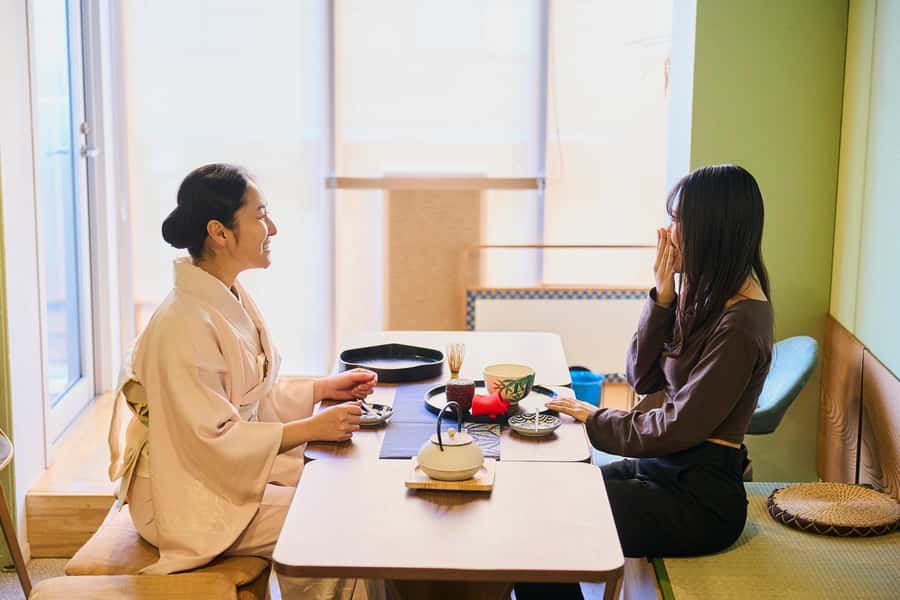
Matcha, calm, and craft in one hour. I love how this session gets you doing the work, not just watching, so you practice matcha whisking and learn the flow of otemae from a tea master. I also like that you make seasonal nerikiri yourself, with careful shapes and colors that match the time of year. One possible drawback: it runs in English only, so there’s no Japanese language support if you prefer that.
This is a small-group format (up to 10 people), which matters more than it sounds. In a class like this, you’ll want enough time to ask questions, adjust your technique, and actually enjoy the tasting instead of rushing through steps. The experience is also guided by an expert host who keeps things clear in English, so first-timers don’t feel lost.
The price is $27 per person for a one-hour, hands-on cultural activity in Tokyo. For me, that feels like solid value because you’re paying for instruction, materials, and the chance to make and eat what you learn. If you’re the type who likes quiet, orderly experiences, this will be a sweet spot in a city that can be loud and fast.
In This Review
- Key highlights that make this tea ceremony worth your time
- Getting there: Hakusan Station and the 2nd-floor start
- What happens in your first moments: a calm welcome and clear English guidance
- Otemae in action: watching the ceremony before you try it
- Making matcha: whisking your own bowl and learning what to taste for
- Japanese traditional sweets: nerikiri you shape with your own hands
- The real value: why $27 feels fair for a hands-on culture lesson
- Who this tea ceremony suits best
- Practical pacing: what to do before and after your session
- Booking and practical basics (without the fine-print headache)
- Should you book this Tokyo tea ceremony and sweets class?
- FAQ
- Where is the meeting point for the tea ceremony experience?
- How long does the experience last?
- Is the tour offered in English?
- What’s included in the price?
- How big is the group?
- What should I wear or bring?
- Is this experience wheelchair accessible?
Key highlights that make this tea ceremony worth your time
- You make your own matcha and taste it right after learning the correct motions
- Otemae demonstration shows the graceful steps behind a real tea ceremony
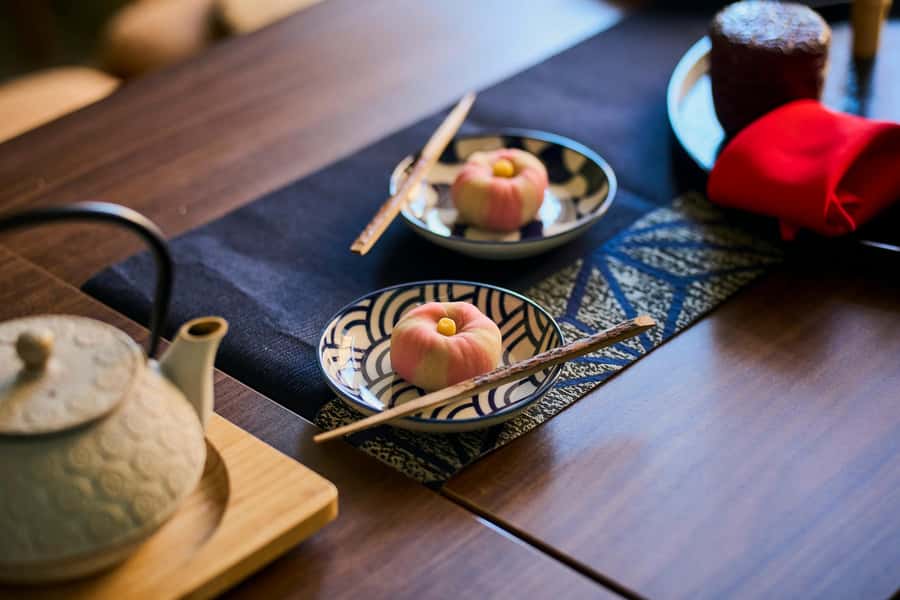
- Seasonal nerikiri confection crafting gives you a hands-on souvenir you can eat
- English guidance from an expert host keeps details clear for first-timers
- Small group size (up to 10) means more attention and easier Q&A
Getting there: Hakusan Station and the 2nd-floor start
The meeting point is about a 5-minute walk from Toei Mita Line Hakusan Station. The location is on the 2nd floor of Phil Park Hakusan Hills, at 1-26-17 Hakusan, Bunkyo-ku, Tokyo. If you like arriving early to settle in, I’d give yourself a little buffer—this kind of class is much more enjoyable when you’re not sprinting up stairs while trying to read a map.
When I’m choosing between activities in Tokyo, I care about how easy it is to find the start. This one is nicely straightforward: walkable from the station, and the address is specific enough that you can plug it in and locate the right building. Once you’re at the correct floor, you’re ready to slow down and focus.
One small practical note: comfortable clothes really matter here. You’ll be sitting and working carefully, so don’t dress in a way that makes you fidget or restrict your movement.
What happens in your first moments: a calm welcome and clear English guidance
This experience is built to be accessible. Even if you’ve never been to a Japanese tea ceremony, you’re not thrown into it with vague instructions. The host’s job is to explain what’s happening in English, and that changes the whole feel of the session.
I like that you have two layers of teaching: a tea master for the ceremony itself, and a guide/host who helps translate the meaning of the steps. That setup is great because tea ceremonies aren’t only about taste—they’re about rhythm, attention, and the small actions that create the final bowl.
In plain terms, you’re going to move from watching to doing. First you observe the graceful otemae, then you take your turn whisking. That pacing is ideal for first-timers because it reduces guesswork. You can watch once, understand the flow, and then try without feeling like you’re guessing in the dark.
Otemae in action: watching the ceremony before you try it
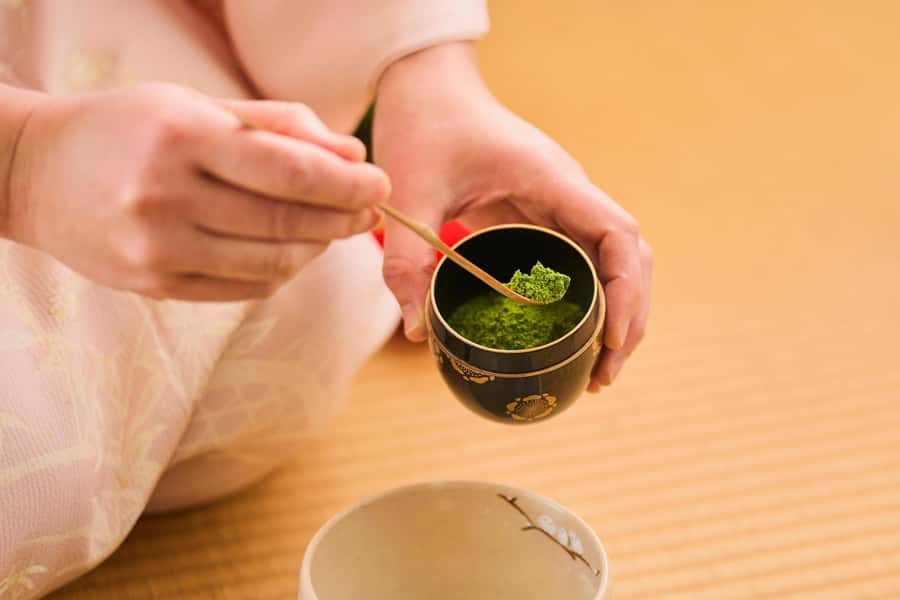
The otemae demonstration is one of the main attractions here. You’ll see the steps performed with a certain steadiness and care, the kind that makes you realize this isn’t just a cooking demo. It’s a structured ritual.
Even if you don’t know the terminology ahead of time, you can still pick up what matters: the order of actions, the calm tempo, and the way the host/tea master explains the purpose behind the movements. I find that watching first makes it easier to get the technique right when you sit down to do your own bowl.
What to expect during this part:
- The tea master guides the ceremony steps while explaining what’s going on
- You focus on the process and the visual flow of the otemae
- You’re given context so your later hands-on part feels meaningful, not random
A drawback to consider: this part is meant to be calm and respectful. If you’re hoping for constant chatty entertainment, you might find the pace quieter than some other Tokyo activities. But if you want a break from the city’s speed, that’s exactly the point.
Making matcha: whisking your own bowl and learning what to taste for
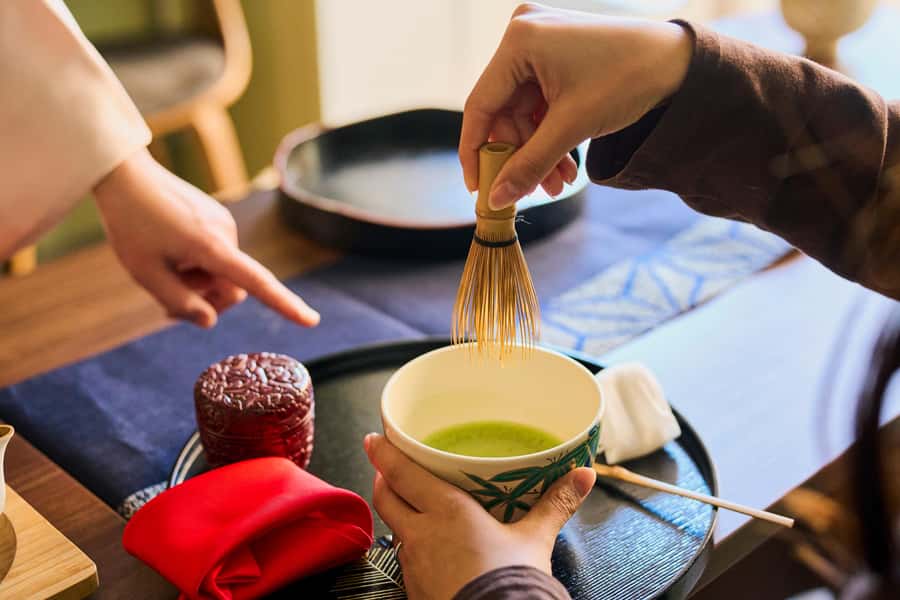
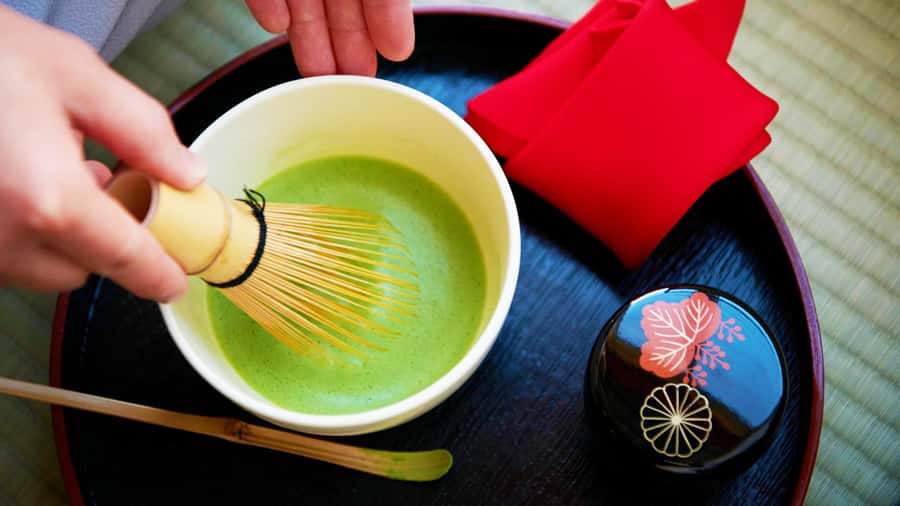
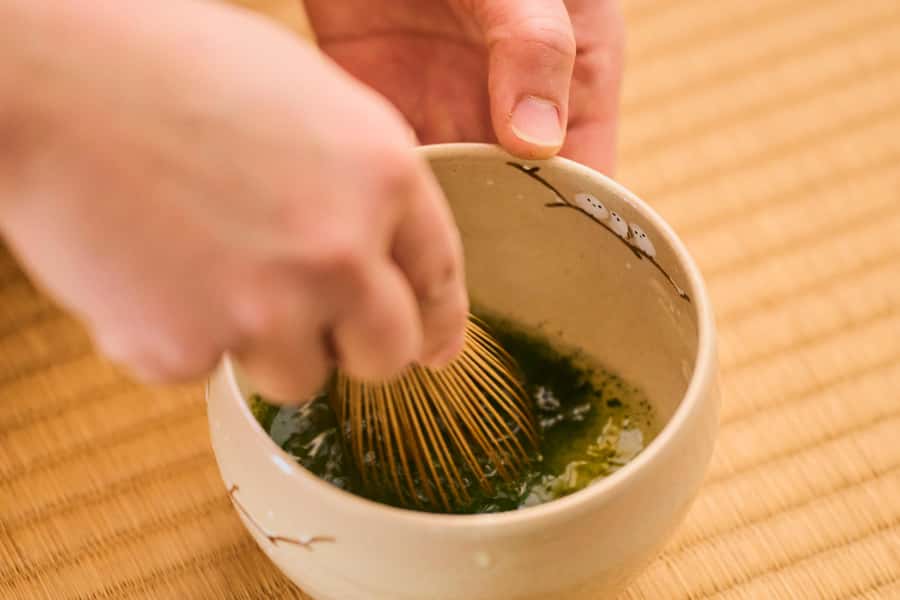
After you watch, you move into the hands-on segment: preparing and whisking your own matcha. This is where the experience turns from interesting to genuinely satisfying, because you don’t just sample—you participate.
You’ll learn how to make matcha from a tea master with over 10 years of experience. That matters because matcha isn’t just a drink; it’s a texture experience. The goal is a smooth, well-prepared bowl, and the lesson is tied to technique and timing.
When you whisk your own bowl, you’ll be able to connect the look and texture to what you’re tasting. I especially like that you get to enjoy the result immediately. It feels like closing the loop: you learn, you do, you taste.
Practical tip for enjoying this part: keep your expectations realistic. You’re not trying to become a tea expert in one hour. You’re learning the core motions and how the finished bowl should feel and taste. If yours looks slightly different from the demonstration, that’s normal—and part of why group classes work so well.
Japanese traditional sweets: nerikiri you shape with your own hands
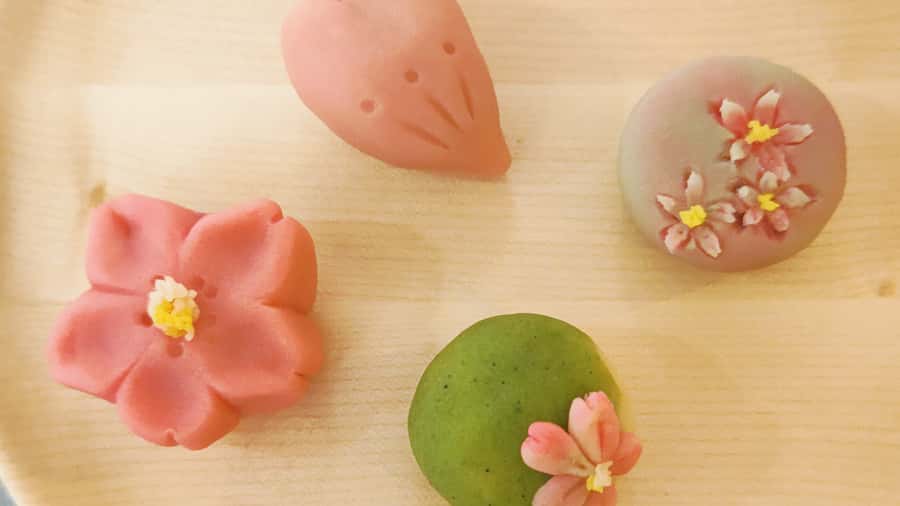
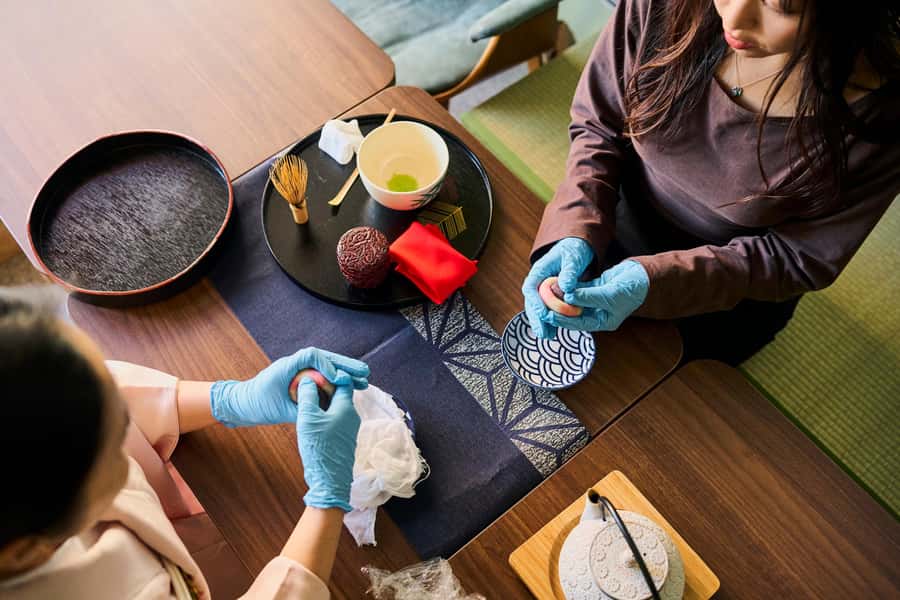
Then comes the sweet part—literally. You’ll have the opportunity to make nerikiri, a traditional Japanese confection known for delicate shapes and season-based design.
The experience includes seasonal nerikiri, with vibrant colors and refined motifs that represent the changing seasons. In other words, you’re not just assembling something generic. You’re crafting a small edible piece of art with a theme that changes depending on timing.
This is hands-on, and that’s a big deal. A lot of food experiences in Tokyo stop at tasting. Here, you create. You’ll pair your handmade nerikiri with freshly prepared matcha so you can experience the intended harmony: a creamy, concentrated tea alongside a sweet that’s delicate in form and flavor.
One thing to think about: nerikiri work is detailed. If you’re traveling with stiff hands from walking all day, slow down and focus on precision. Comfortable clothing helps here too.
The real value: why $27 feels fair for a hands-on culture lesson
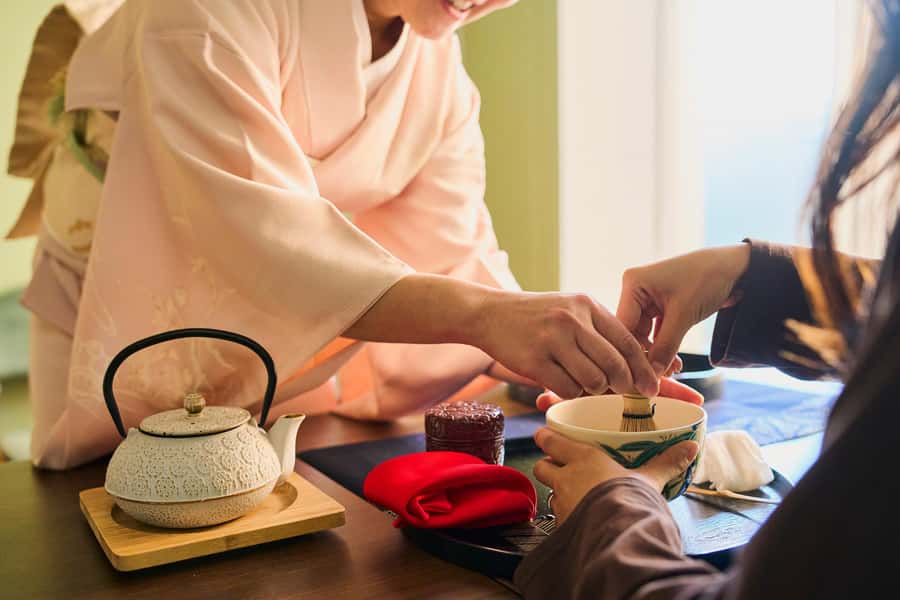
$27 for one hour might seem modest in Tokyo, but the value isn’t only in the time. You’re paying for:
- A guided tea ceremony experience (not a self-guided stop)
- Instruction from a tea master with significant experience
- Hands-on preparation of matcha and crafting of nerikiri
- An expert host in English who keeps things understandable
What makes it feel worth it is that you leave with more than photos. You have a sensory memory of making matcha and tasting it. You also get the satisfaction of shaping a seasonal sweet you’ll actually eat.
It’s also a good use of time when your Tokyo schedule is packed. One hour is long enough for a real experience, but not so long that it crushes the rest of your day.
Who this tea ceremony suits best
This is a strong match if:
- You want a quieter, more thoughtful Tokyo experience
- You like hands-on learning (especially food and technique)
- You’re traveling with first-timers who might need clear English explanations
- You prefer small-group settings where you can ask questions
It may not be ideal if you want an action-heavy, nonstop program. This is more about attention and craftsmanship than speed.
Also, because it’s English only, it’s especially comfortable for travelers who don’t want to rely on translation apps or mixed-language support.
Practical pacing: what to do before and after your session
Since the tour lasts 1 hour, I’d plan it as a reset point in your day. Tokyo can be intense. A calm tea ceremony helps you recharge your brain between busy neighborhoods.
Before you go:
- Wear comfortable clothes
- Bring a calm mindset
- Have your meeting point saved (Hakusan Station area, 2nd floor)
After you go:
- Expect that you’ll feel a little more grounded than when you started
- Use the experience as a jumping-off point for other nearby exploring, ideally when your energy is steady
If you tend to get overwhelmed by crowds, that’s another reason this style of activity works. Small group + structured steps = less chaos.
Booking and practical basics (without the fine-print headache)
This experience is wheelchair accessible, and it runs with a small group limited to 10 participants. It’s conducted in English only, and the session length is 1 hour, with starting times depending on availability.
If you like flexibility, the option to reserve and pay later can help you lock in a spot without committing your budget immediately. And if your plans change, there is free cancellation available up to 24 hours in advance for a full refund.
Should you book this Tokyo tea ceremony and sweets class?
Yes, if you want a meaningful, hands-on cultural experience that doesn’t require prior knowledge. The combination is a smart one: you learn matcha technique, watch otemae, and then create nerikiri tied to the seasons. That’s more engaging than a simple tasting, and it’s paced so first-timers can keep up.
Skip it only if you strongly prefer long lectures, high-energy entertainment, or Japanese language immersion. Otherwise, this feels like a great value: $27 buys you technique, guidance, and an edible takeaway you actually make yourself.
FAQ
Where is the meeting point for the tea ceremony experience?
It’s about a 5-minute walk from Toei Mita Line Hakusan Station. The meeting location is on the 2nd floor of Phil Park Hakusan Hills, 1-26-17 Hakusan, Bunkyo-ku, Tokyo.
How long does the experience last?
The experience lasts 1 hour.
Is the tour offered in English?
Yes. The tour is conducted in English only, with no Japanese language support available.
What’s included in the price?
The experience includes an English guide, the tea ceremony, and traditional Japanese sweets (including making nerikiri).
How big is the group?
It’s a small group limited to 10 participants.
What should I wear or bring?
Wear comfortable clothes.
Is this experience wheelchair accessible?
Yes, it is listed as wheelchair accessible.
Tea Ceremony & Matcha, compared.
 ★ 5.0Matcha Making Class in Tokyo with Authentic Japanese Sweets SetFrom $21744 reviews
 ★ 5.0Traditional Tea Ceremony with a Tea MasterFrom $38528 reviews
 ★ 4.9Matcha Making Experience with Mochi Sweets in AsakusaFrom $22388 reviews
 ★ 4.7Matcha and Kimono ExperienceFrom $57219 reviews
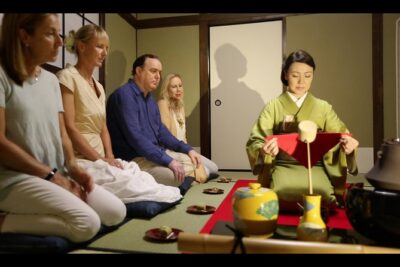 ★ 5.0Tea Ceremony Workshop in Tokyo by the Experienced InstrucorFrom $38189 reviews
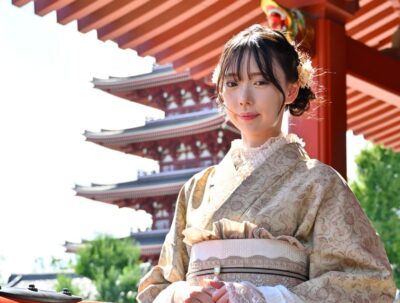 ★ 4.9Asakusa Kimono Dressing and Matcha ExperienceFrom $56173 reviews
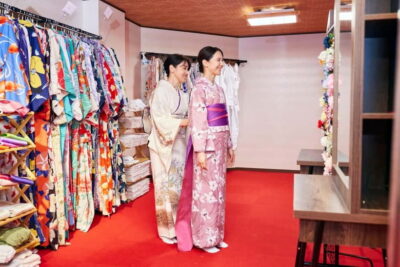 ★ 4.9Asakusa: Kimono Tea Ceremony with Matcha and SweetFrom $66153 reviews
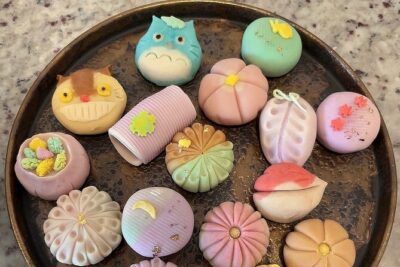 ★ 5.0Make Traditional Nerikiri Sweets & Matcha experience in ShibuyaFrom $60130 reviews
Browse the lists this tour appears in