
Reviewed · ASAKUSA & SENSOJI TOURS
Asakusa: Kimono Tea Ceremony with Matcha and Sweet
Matcha tastes better in a kimono. In Asakusa, kimono dressing plus a hands-on matcha lesson turns a classic Japanese ritual into a very personal Tokyo moment.
I especially love the way you pick a seasonal kimono and get professional help with the full look. I also like that the tea master teaches the principles of Wa Kei Sei Jaku and then lets you practice, not just watch.
One thing to plan for: you’ll sit on tatami mats and shoes aren’t allowed, so expect a calm, no-rush pace and bring socks you’re happy to sit in.
In This Review
- Key things that make this tea ceremony worth your time
- Choosing a seasonal kimono in Asakusa (and getting it right)
- Hair styling: included, but with one clear limit
- Shoes off is not optional
- Tatami seating, calm pacing, and the real tea-room etiquette
- Wa Kei Sei Jaku: what the tea master teaches (and why it matters)
- From utensils to your bowl: making matcha the traditional way
- Wagashi with seasonal flavors: the sweet pause between steps
- Photos in kimono: time to look good without feeling rushed
- 90 minutes, group size, and how to time your day
- Transportation is on you
- Price: $66 per person and what you’re really paying for
- Who should book this (and who should skip)
- Should you book this Asakusa kimono tea ceremony?
- FAQ
- Is the tea ceremony fully guided in English?
- How long does the experience last?
- Are shoes allowed during the ceremony?
- Is a bamboo chair available?
- Who can get hair styling?
- Are children allowed?
Key things that make this tea ceremony worth your time
- Kimono selection is part of the experience, not an afterthought, with help choosing colors, obi, and accessories
- English guidance throughout, so you can actually understand the etiquette while you do it
- You whisk your own matcha, after seeing the precise utensil handling up close
- Wagashi pairing with seasonal sweets, sometimes noted as vegan-friendly
- Photo-ready setups, including a small garden area for pictures
- Tatami is standard, but bamboo chairs are available if you request them in advance
Choosing a seasonal kimono in Asakusa (and getting it right)
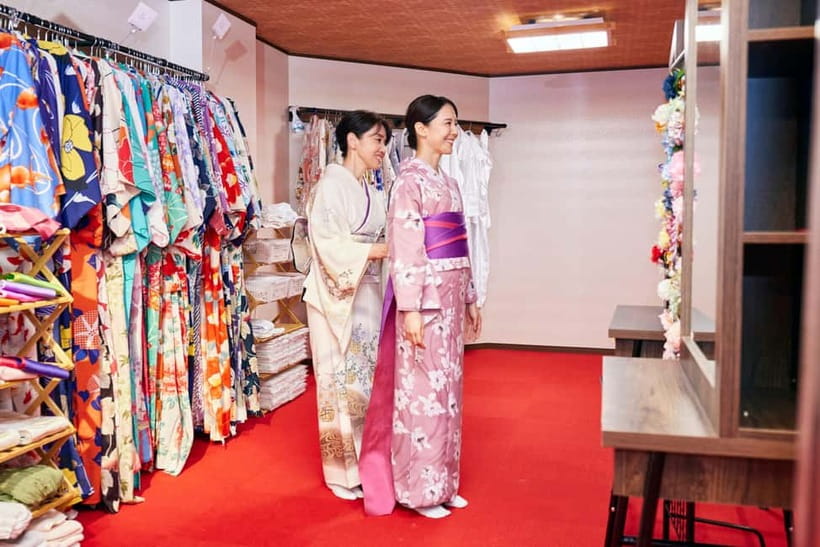
This is the kind of activity where the “main event” starts before you ever enter the tea room. You begin by choosing a seasonal kimono, with full assistance from the staff so your outfit looks balanced and comfortable for the ceremony.
What I like about this setup is that it’s not just rent-and-go. You get help with the details that matter in a kimono look: the obi (the belt), the finishing touches, and coordinating accessories. Several guests have called out that the selection process and styling take real care—like they want the final result to look intentional in photos, not thrown together.
If you’re picky about colors, this is your moment. Some guests also noted that choosing the kimono can feel easier if you already have an idea of which colors flatter you, but the staff support you either way.
More temple mornings in old Asakusa
- Tokyo: Japanese Dance Cabaret Theater Asakusa-Kaguwa Ticket
★ 4.8 · 2,270 reviews - Tokyo: Meiji Shrine, Asakusa, Skytree Bus Tour and Cruise
★ 4.7 · 1,986 reviews - Tokyo: Roll and Authentic Sushi Making Class in Asakusa
★ 4.9 · 1,957 reviews - Tokyo: Asakusa Walking Tour with Sensoji Temple Visit
★ 4.8 · 1,583 reviews
Hair styling: included, but with one clear limit
Hair styling is included for women, and it’s listed for long hair only. If that’s you, great—this is part of what makes the whole outfit feel complete. If you don’t have long hair, you’ll still enjoy the tea ceremony and matcha experience, but don’t count on a hair styling add-on.
Shoes off is not optional
The experience has a strict no-shoes rule. That affects what you wear on arrival and what footwear choice you make while traveling. Plan to wear socks that stay comfortable for the length of the ceremony and any time you may spend afterward in the kimono.
Tatami seating, calm pacing, and the real tea-room etiquette
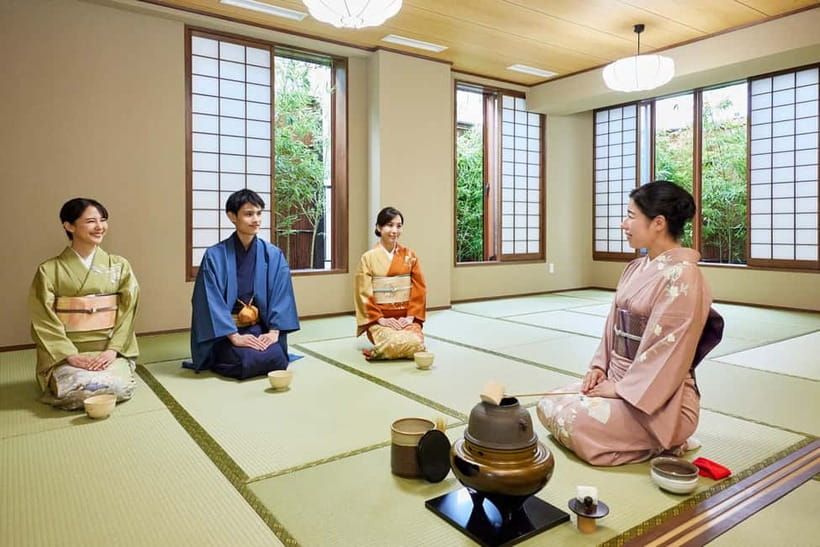
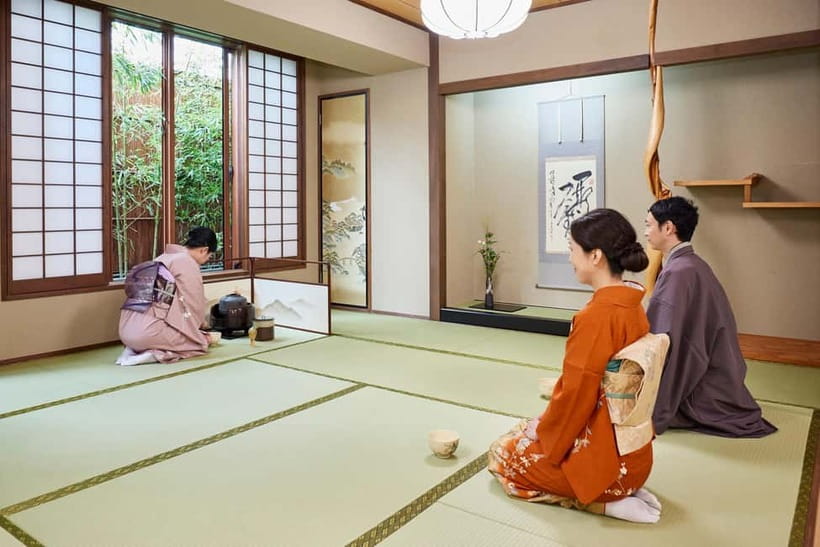
The tea ceremony itself is quiet and calm. That sounds simple, but it changes how you experience the ritual. You’re not moving fast, you’re not multitasking, and you’re not competing for attention. The pace helps you notice the small steps—the way utensils are lifted, set down, and handled with care.
You’ll sit on tatami mats. If you want a bamboo chair instead, it’s available on advance request. That detail is worth flagging because it’s the difference between a relaxing cultural moment and an uncomfortable sitting session.
This ceremony also comes with a clear etiquette lesson, and it’s explained in a way that’s meant for non-Japanese speakers. The staff and tea host guide you through the meaning behind the ritual, so you’re not just copying movements—you understand why those movements exist.
Wa Kei Sei Jaku: what the tea master teaches (and why it matters)
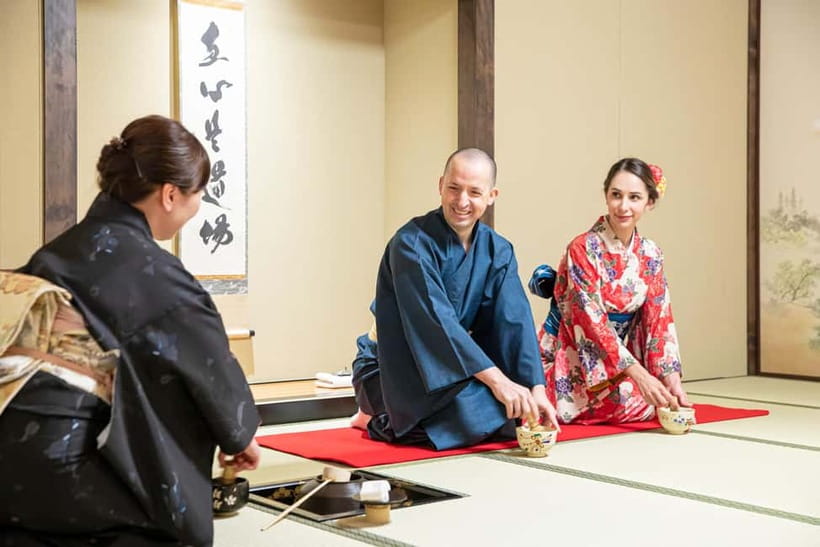
A big part of the value here is the explanation that accompanies the performance. The tea master teaches the principles of Wa (harmony), Kei (respect), Sei (purity), and Jaku (tranquility)—the Zen ideas behind the tea ceremony.
You don’t need to be into Zen to get something from this. You just need to pay attention to how those words show up in behavior:
- How the tools are handled with care
- How the host guides the flow of the room
- How calm, respectful actions are treated as part of hospitality
I like this because it prevents the experience from feeling like a staged photo op. When you understand Wa Kei Sei Jaku, the tea ceremony feels more human and less like a script.
Several hosts have guided sessions in English, and you may encounter different names depending on the date. Reviews mention hosts such as Mia, Wakana, Yoko, and Kyoko—each described as friendly, respectful, and willing to explain the steps clearly.
More tea rooms our readers rated
- Matcha Making Class in Tokyo with Authentic Japanese Sweets Set★ 5.0 · 744 reviews
- Tokyo: Traditional Tea Ceremony with a Tea Master★ 5.0 · 528 reviews
- Tokyo: Matcha Making Experience with Mochi Sweets in Asakusa★ 4.9 · 388 reviews
- Tokyo: Matcha and Kimono Experience★ 4.7 · 219 reviews
- Tea Ceremony Workshop in Tokyo by the Experienced Instrucor★ 5.0 · 189 reviews
From utensils to your bowl: making matcha the traditional way
Once you’re in the serene tea room, the host demonstrates each step in matcha preparation. The handling is precise—right down to the way tools and utensils are used. You’ll also hear that many of the utensils are cherished artifacts, which adds a layer of respect to what could otherwise feel like a simple drink-making class.
Then you try it yourself. You whisk your own bowl of matcha, following the host’s guidance. This is the part that tends to stick with people. Watching matcha being made is interesting; making matcha is a small skill you can repeat later and remember fondly.
A practical note: matcha prep can take a little focus. The calm atmosphere helps, because you’re not rushing while trying to learn hand movements. You’ll likely have time to ask questions through the English guidance.
Wagashi with seasonal flavors: the sweet pause between steps
After your matcha, you enjoy it paired with seasonal Japanese sweets called wagashi. These sweets are chosen to reflect the current season, which means the flavors and shapes are tied to something beyond standard tourist snacks.
One small detail I appreciate: wagashi is not just an extra bite. It’s part of the ceremony’s rhythm. You taste matcha, then you reset your palate with something shaped and flavored for the season.
Also worth knowing: at least one guest specifically noted that the wagashi were vegan friendly. That doesn’t mean every session will match that, but it’s a strong signal that dietary accommodation may be possible depending on the sweets being served.
Photos in kimono: time to look good without feeling rushed
If you care about photos, this experience handles it well. There are staged areas inside, and a small garden area for pictures. Staff help with photos, including pairing you as a couple when relevant.
People have mentioned being able to take lots of pictures during and after the ceremony. One guest even described extra thought for a birthday, such as a special polaroid souvenir—so if you’re celebrating something, it’s reasonable to mention it to the staff.
One especially useful tip: plan your socks and hair. If your kimono and hair styling look great, photos become easier because you’re not constantly adjusting things right before the shutter.
90 minutes, group size, and how to time your day
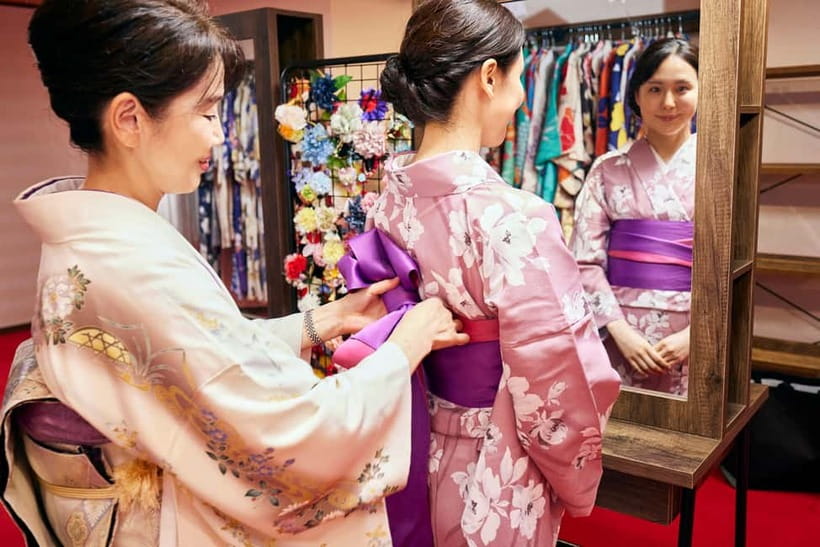
The experience runs about 90 minutes. In practice, that’s enough time for dressing, the tea-room lesson, matcha preparation, and enjoying wagashi, while still keeping the ceremony calm.
You should also expect a small group. The structure can include about 12–14 participants, since sessions can accept people from other booking sources. Even with that size, the tea ceremony itself can still feel intimate—some guests described a session with only two couples, which suggests the vibe may vary by schedule.
Transportation is on you
Transportation to the venue isn’t included. That means you’ll want to decide your route in advance and factor in time to arrive early enough to get comfortable sitting and removing shoes.
Price: $66 per person and what you’re really paying for
At $66 per person for a 90-minute experience, the price can feel fair once you break it down.
You’re not only paying for a matcha drink.
You’re paying for:
- Kimono rental plus professional dressing
- (For women with long hair) hair styling
- Full English guidance throughout
- A guided tea ceremony with explanation of Wa Kei Sei Jaku
- Hands-on matcha preparation
- Seasonal wagashi
That combination is the value. A matcha tasting class alone may cost less, but it wouldn’t include the full kimono transformation and the cultural etiquette lesson in the same package. If you’ve been thinking about kimono photos in Asakusa, this is one way to connect the outfit to an actual ritual instead of just a costume moment.
Who should book this (and who should skip)
This is a great fit if:
- You want a structured, English-friendly introduction to Japanese tea etiquette
- You’d love to try kimono dressing with help (including obi and coordinated styling)
- You like hands-on experiences, not just watching someone perform
- You care about photos but want the setting to feel respectful, not chaotic
It’s not a fit if:
- You’re traveling with children under 7. Kids under 7 aren’t permitted.
- You have trouble sitting on tatami mats and don’t plan to request a bamboo chair.
- You expect a quick stop. This is a quiet ritual with a calm pace.
Should you book this Asakusa kimono tea ceremony?
Book it if you want a Tokyo activity that feels genuinely Japanese, with structure, guidance, and time to take photos—while still learning the meaning behind the ritual. The combo of kimono dressing, Wa Kei Sei Jaku teaching, and hands-on matcha is what makes it worth the money.
Skip it if you hate quiet activities, can’t do shoes-off seating, or you’re only looking for a casual snack stop. In that case, there are easier food-focused options around Asakusa.
If you’re deciding today, I’d lean yes—especially if you want an experience that’s calm, photo-friendly, and taught in clear English by people who clearly care about getting the details right.
FAQ
Is the tea ceremony fully guided in English?
Yes. The experience includes full English guidance throughout, and the instructor is listed as English.
How long does the experience last?
It lasts approximately 90 minutes.
Are shoes allowed during the ceremony?
No. Shoes aren’t allowed. You’ll be seated on tatami mats.
Is a bamboo chair available?
Bamboo chairs are available upon advance request.
Who can get hair styling?
Hair styling for women is included, and it’s listed for long hair only.
Are children allowed?
Children under 7 years old are not permitted.
More Kimono Photo Shoots
- Tokyo: Kimono Dressing, Walking, and Photography Session
★ 4.9 · 427 reviews - Let’s make kimono !(Kimono is a gift for you
★ 5.0 · 252 reviews - Tokyo: Matcha and Kimono Experience
★ 4.7 · 219 reviews - Tokyo: Asakusa Kimono Dressing and Matcha Experience
★ 4.9 · 173 reviews - Matcha Kimono Tea Ceremony in Tokyo
★ 5.0 · 104 reviews
More Tea and Matcha Rooms
- Matcha Making Class in Tokyo with Authentic Japanese Sweets Set
★ 5.0 · 744 reviews - Tokyo: Traditional Tea Ceremony with a Tea Master
★ 5.0 · 528 reviews - Tokyo: Matcha Making Experience with Mochi Sweets in Asakusa
★ 4.9 · 388 reviews - Tokyo: Matcha and Kimono Experience
★ 4.7 · 219 reviews - Tea Ceremony Workshop in Tokyo by the Experienced Instrucor
★ 5.0 · 189 reviews
More Mornings in Old Asakusa
- Tokyo: Japanese Dance Cabaret Theater Asakusa-Kaguwa Ticket
★ 4.8 · 2,270 reviews - Tokyo: Meiji Shrine, Asakusa, Skytree Bus Tour and Cruise
★ 4.7 · 1,986 reviews - Tokyo: Roll and Authentic Sushi Making Class in Asakusa
★ 4.9 · 1,957 reviews - Tokyo: Asakusa Walking Tour with Sensoji Temple Visit
★ 4.8 · 1,583 reviews - Tokyo Asakusa Rickshaw Tour
★ 5.0 · 1,375 reviews
Latest Tokyo reviews off our desk




Asakusa & Sensoji Tours, compared.
 ★ 4.8Japanese Dance Cabaret Theater Asakusa-Kaguwa TicketFrom $492,270 reviews
 ★ 4.7Meiji Shrine, Asakusa, Skytree Bus Tour and CruiseFrom $1221,986 reviews
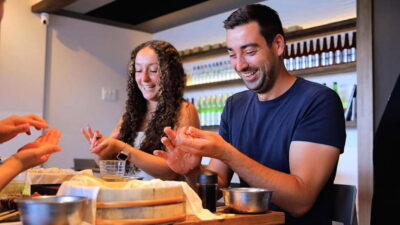 ★ 4.9Roll and Authentic Sushi Making Class in AsakusaFrom $581,957 reviews
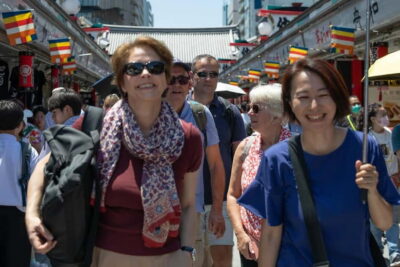 ★ 4.8Asakusa Walking Tour with Sensoji Temple VisitFrom $221,583 reviews
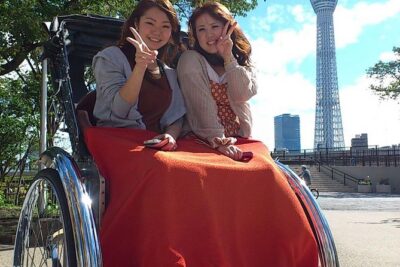 ★ 5.0Tokyo Asakusa Rickshaw TourFrom $421,375 reviews
 ★ 4.5Tokyo Panoramic 1 Day: Meiji Shrine, Asakusa, Odaiba and SKYTREE®From $851,222 reviews
 ★ 5.0Tokyo Go Kart: Asakusa, Skytree, and Akihabara **IDP MUST**From $99988 reviews
 ★ 4.7Asakusa, Skytree & Akhihabara Go-Kart City ExperienceFrom $96761 reviews
Browse the lists this tour appears in