
Reviewed · ASAKUSA & SENSOJI TOURS
Tokyo: Asakusa Kimono Dressing and Matcha Experience
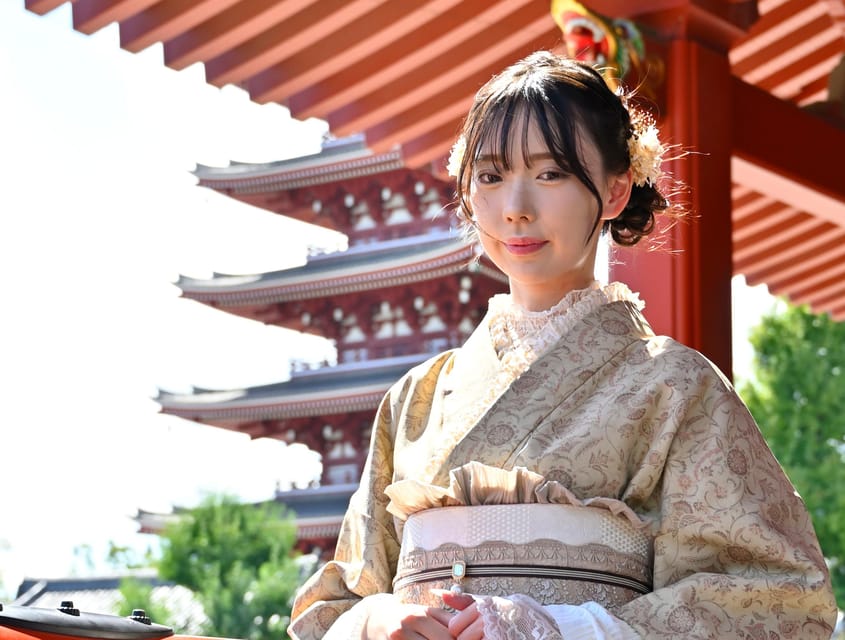
Kimono plus matcha, right by Sensoji. I love the kimono selection (from easy everyday pieces to more formal silk options), and I also love the matcha etiquette lesson led by the shop owner. The only real catch is timing: you’ll need 45–70 minutes for dressing and hair, and you must return the outfit by 17:30.
This is also one of the more relaxed kimono experiences in Tokyo because you’re not stuck in a rigid tour schedule. The shop, YUI, is a short walk from Asakusa Station and close to Kaminarimon, and the experience is wheelchair accessible with an English-speaking host.
In This Review
- Key things I’d bet you’ll notice fast
- YUI in Asakusa: finding the shop and keeping your day moving
- Choosing your kimono or yukata: how the fitting really feels
- Hair, accessories, and the details that make photos look real
- Matcha etiquette lesson: what you actually learn and taste
- Optional private photo shooting by Sensoji and the Sumida River
- Your free time in kimono: Asakusa on your terms
- Price and value: is $56 a good deal?
- Who should book this, and who should skip it
- Should you book the Asakusa kimono and matcha experience?
- FAQ
- What is the duration of the experience?
- Where do I meet, exactly?
- What time do I need to return the kimono?
- What’s included in the price?
- How long does dressing take?
- How long is the matcha experience?
- Is this activity suitable for kids and wheelchair users?
- Do I get photos if I book the photo shooting add-on?
- FAQ
- Is a full tea ceremony included?
- What if I want a next-day return?
- What kinds of kimono can I choose from?
Key things I’d bet you’ll notice fast
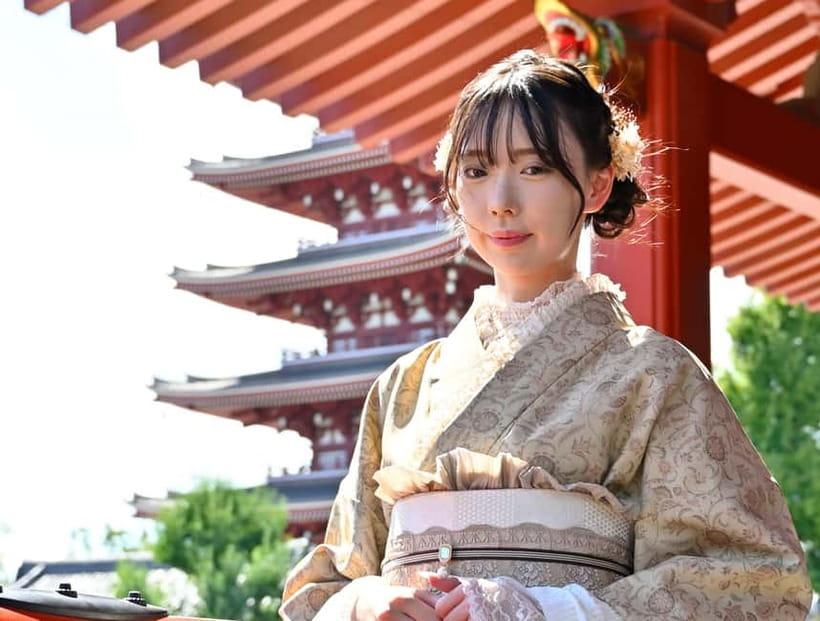
- You get dressed like it matters: footwear (geta), a traditional handbag, and accessories are included, not an afterthought
- Matcha comes with a real technique: you learn the proper way to drink it, guided by the owner’s tea-ceremony background
- Hair styling is part of the deal: they arrange a hairstyle to match your kimono and take their time with details
- The option for private photos is practical: you can add a 60-minute session around Sensoji and the Sumida River
- This works for families: kimono or yukata rentals are available for adults and children
- You’re free to explore afterward: once you’re set, you can walk Asakusa at your own pace until return time
YUI in Asakusa: finding the shop and keeping your day moving
You’ll meet at the YUI building and take the elevator to the 2nd floor. It’s a straightforward stop once you’re in Asakusa—YUI is listed as about a 4-minute walk from Asakusa Station and around 2 minutes from the Kaminarimon gate. That location is a big part of the value: you’re close to the postcard area, but you can still slip into the quieter back streets once you’re dressed.
Hours matter here because the kimono has to come back. Operations run from 9:30 to 17:30, and you need to return the outfit no later than 17:30. Plan your afternoon with that hard stop in mind. If you’re the type who likes to wander until dusk, this will still work—but treat the kimono window like a main event, not a quick side errand.
If you’re traveling light, you’re in luck: large luggage storage costs extra. Most people will want to keep it simple—bring what you need for the outing, and plan on using the included handbag (or something small) rather than carrying a big bag around in geta.
More temple mornings in old Asakusa
- Tokyo: Japanese Dance Cabaret Theater Asakusa-Kaguwa Ticket
★ 4.8 · 2,270 reviews - Tokyo: Meiji Shrine, Asakusa, Skytree Bus Tour and Cruise
★ 4.7 · 1,986 reviews - Tokyo: Roll and Authentic Sushi Making Class in Asakusa
★ 4.9 · 1,957 reviews - Tokyo: Asakusa Walking Tour with Sensoji Temple Visit
★ 4.8 · 1,583 reviews
Choosing your kimono or yukata: how the fitting really feels
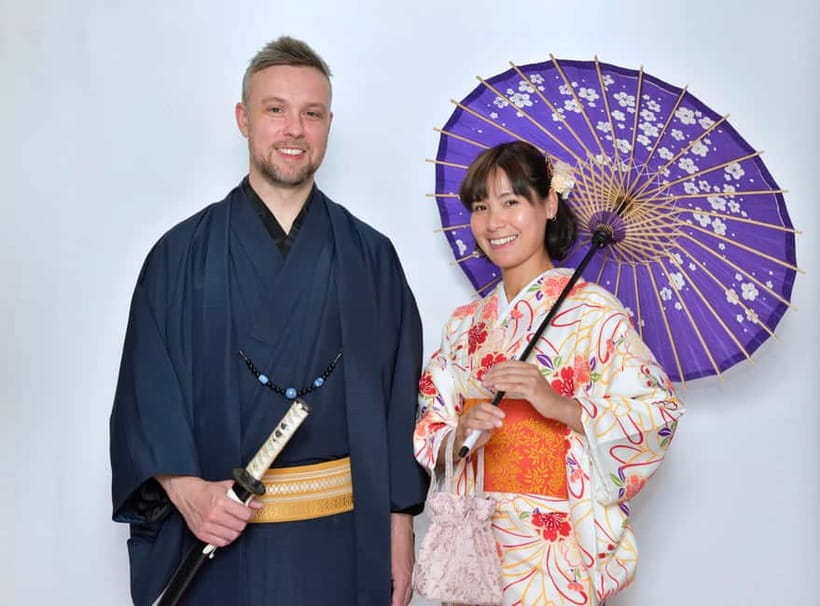
The heart of this experience is picking what you wear. You’ll choose from a wide lineup of kimonos and summer yukatas. What I like about this setup is that it caters to different comfort levels: you can choose an easier-to-wear lighter kimono for walking, or you can level up to more formal silk options if you want the full special-occasion feel.
They also offer upgrades at extra cost, including lace kimono, silk kimono, haori hakama, and furisode. You can think of these as your “make it more dramatic” options. If you’re trying to keep it simple, you can skip upgrades and still leave looking like you stepped out of a movie set.
Once you choose, staff help with everything you need to wear it correctly. Footwear is provided as wooden Japanese sandals (geta), plus a traditional handbag and accessories to match. That matters because kimono-wearing isn’t just fashion—it’s balance, layers, and small adjustments. Even if you’ve never tried it before, the process is built around helping you get it right.
Time-wise, expect dressing and hairstyle to take 45 to 70 minutes. That’s not a short “snap-on costume” situation. It’s detailed. So if you’re tempted to stack another activity right before, don’t. Give yourself breathing room.
Hair, accessories, and the details that make photos look real
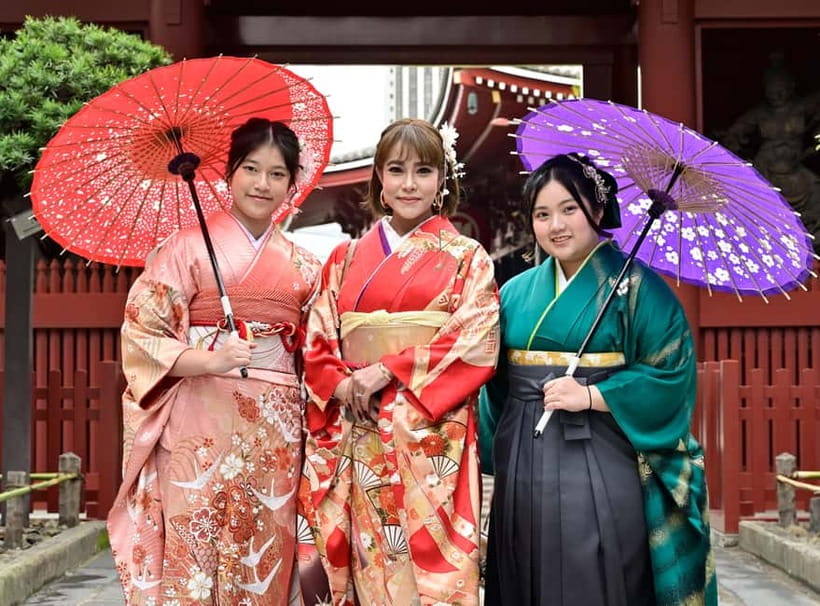
The styling here is a major selling point, and the reviews back it up: staff are patient and hands-on, and they work carefully on your hairstyle rather than treating it as a one-size-fits-all add-on.
One standout detail from guest experiences is how thoughtfully they handled different hair types. People with curly afro-textured hair specifically noted careful effort and respectful care during styling. If you have hair that’s hard to work with, you’ll likely appreciate the extra attention rather than feeling like you’re “just too difficult” for the process.
Accessories also help your outfit look intentional. You’ll get hair accessories and other colorful pieces that work with your chosen kimono or yukata. The goal is not just to make you look dressed—it’s to make the outfit look balanced from all angles. That’s why your photos (even on your phone) come out better than you’d expect.
A practical note: kimono styling can feel warm and layered, especially depending on season and indoor/outdoor temps. Plan to pace yourself, drink water when you can, and accept that you’ll be wearing something a bit different from your normal clothing. It’s part of the fun, just don’t plan to feel like you’re wearing jeans.
Matcha etiquette lesson: what you actually learn and taste
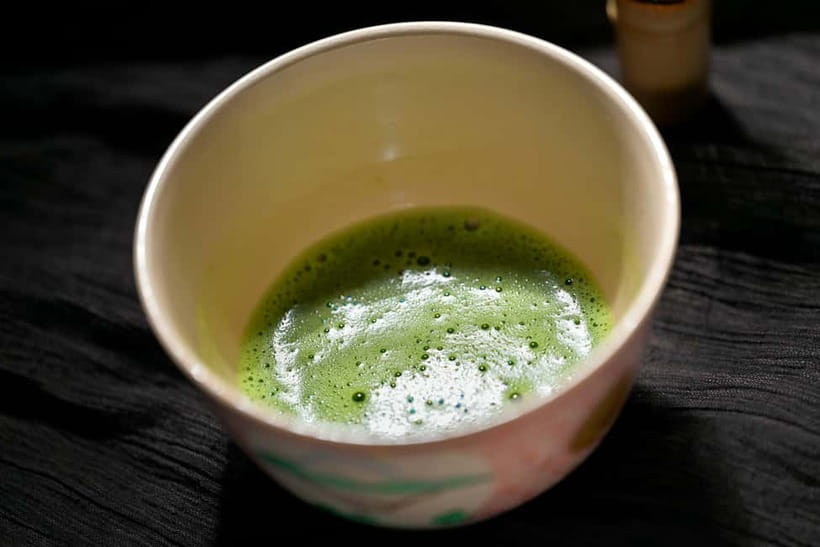
You’ll also get matcha tea and sweets, plus a short lesson on how to drink matcha properly in the tradition of Japanese tea culture. The matcha portion is scheduled for about 15 minutes.
This isn’t just “here’s a cup, good luck.” The shop owner practices tea ceremony and explains the correct approach. That’s the value: you learn small etiquette cues and how to handle the moment instead of treating it like a quick tasting.
From the guest feedback, what people tend to enjoy most is the explanation behind the ritual—history and meaning mixed with the practical steps. You end up feeling like you didn’t just buy a souvenir drink. You learned how to participate.
And yes, the tea and sweets are included, which makes the whole thing feel complete. If you’re a matcha fan, you’ll likely leave with a new appreciation for how the taste is meant to land when you drink it the right way.
Optional private photo shooting by Sensoji and the Sumida River
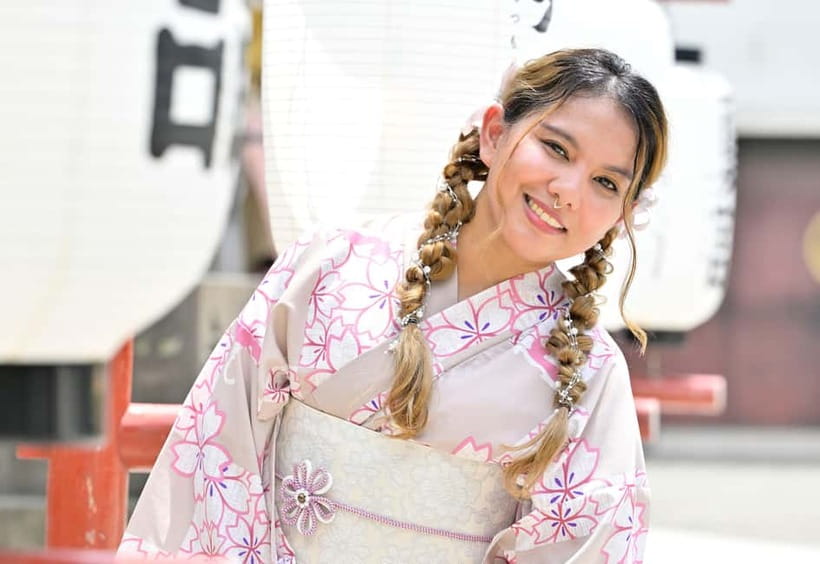
If you want the “one-and-done, I’ll never get this angle again” photos, add the private photo shooting session. It runs 60 minutes and is handled by a professional photographer. You’ll also be shown the most photogenic spots around Sensoji Temple and the Sumida River.
What makes this option feel worth it is the guidance aspect. People described feeling at ease with posing help and direction. So even if you’re not a confident model, you’re not left wandering and hoping your phone timer saves you.
After editing, the photo data gets sent to you to download within a week. That’s a nice trade-off: you don’t have to spend your whole walk hunting for the perfect shot. You can focus on enjoying the area while the photographer does the heavy lifting.
If you’re adding the photo session, plan your day so you’re not rushing. The kimono window is time-limited, and photography takes time. I’d treat it as a centerpiece, not a quick add-on.
More tea rooms our readers rated
- Matcha Making Class in Tokyo with Authentic Japanese Sweets Set★ 5.0 · 744 reviews
- Tokyo: Traditional Tea Ceremony with a Tea Master★ 5.0 · 528 reviews
- Tokyo: Matcha Making Experience with Mochi Sweets in Asakusa★ 4.9 · 388 reviews
- Tokyo: Matcha and Kimono Experience★ 4.7 · 219 reviews
- Tea Ceremony Workshop in Tokyo by the Experienced Instrucor★ 5.0 · 189 reviews
Your free time in kimono: Asakusa on your terms
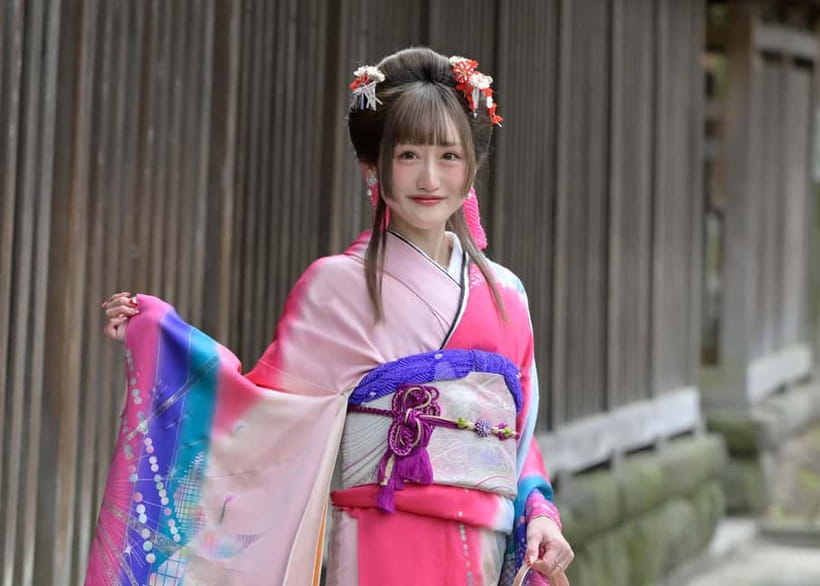
After dressing and the matcha experience, you get time to explore the Asakusa district on your own pace. The exact length depends on your start time, but the key idea stays the same: you’re meant to walk and enjoy, not sit through a lecture for the whole session.
You’ll be close to the iconic Sensoji area, plus the back streets that make Asakusa feel like more than a single landmark. Expect people to compliment your outfit as you wander—kimono color and pattern catch attention, and walking in geta makes you look unmistakably “in character.”
Comfort tips from real-world logic:
- Watch your step. Geta soles can be slick if you rush
- Keep your bag manageable. The included traditional handbag is designed for this kind of walking
- Plan for weather. One guest mentioned staff borrowing an umbrella on a rainy day, which suggests they try to help when conditions turn
Also, remember the deadline: you need to return the kimono no later than 17:30. If you’re aiming for late-evening lights, keep expectations realistic. This experience is built around a daytime kimono outing, not an all-night wear.
Price and value: is $56 a good deal?
At about $56 per person for a 2-hour experience, this sits in the “serious value” zone compared with basic kimono rentals, because more than just the clothing is included.
Here’s what you’re paying for, in plain terms:
- Kimono or yukata rental for adults and children
- Hairstyle and accessories, including footwear (geta) and a traditional handbag
- Matcha tea and sweets
- English-speaking host/greeter support
- Optional private photo session (extra)
What makes it feel like value is the combination. If you only rented a kimono, you’d still need help with dressing and wearing it correctly. If you only did matcha, you’d miss the visual and cultural payoff of wearing a kimono in Asakusa. You get both, plus styling, in a timed package that doesn’t swallow your whole day.
And because the shop is close to Asakusa Station and Kaminarimon, you’re not spending your time fighting transit logistics. You’re using your limited travel time on the experience itself.
Who should book this, and who should skip it
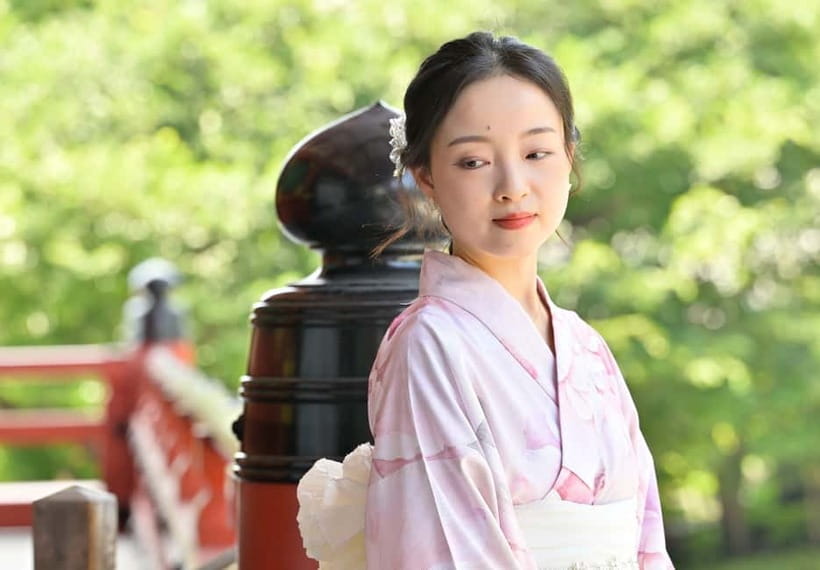
This experience fits best if you want a hands-on cultural moment and you care about looking good while learning something real.
It’s a great match for:
- Families with children (kid rentals are included)
- Solo travelers who want structured help with dressing and then freedom to roam
- Wheelchair users (it’s listed as wheelchair accessible)
- People who want more than a basic rental, especially the hair styling and matcha etiquette lesson
You might want to skip or reconsider if:
- You’re pregnant (it’s listed as not suitable)
- You have very limited time and can’t comfortably fit dressing (45–70 minutes) + matcha (15 minutes) + walking into the day
- You dislike warm layered clothing or uneven footwear during outdoor walking
Also, if you’re traveling with curly or difficult-to-style hair, the reviews suggest the staff put real care into making hairstyles work. That’s a meaningful quality signal.
Should you book the Asakusa kimono and matcha experience?
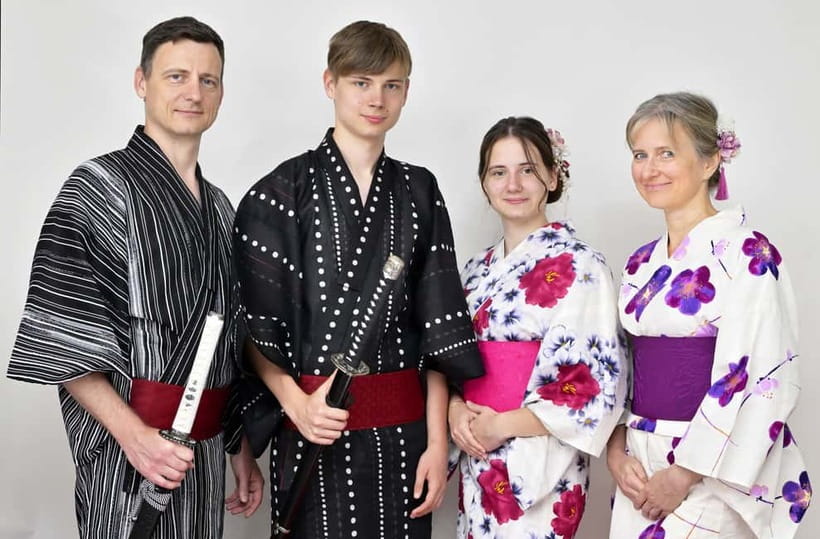
I think you should book if you want a day that feels special without being complicated. The kimono selection, included styling, and the matcha etiquette lesson create a complete experience, and the option for private photos makes it even more tempting if you love documenting your trip.
I’d pass if you’re looking for a full guided walking tour with long explanations, or if you need a flexible all-day outfit with no return deadline. This is a structured window, and you’ll get the most out of it when you treat it like the main event for a chunk of your afternoon.
If you’re on the fence, my practical advice is simple: choose your kimono (or yukata) with comfort in mind, plan your day around the 17:30 return time, and consider adding the photo session if you’re okay paying extra for a professional eye near Sensoji and the Sumida River.
FAQ
What is the duration of the experience?
The experience is listed as 2 hours, with time for dressing and hairstyle, plus a matcha portion.
Where do I meet, exactly?
Take the elevator to the 2nd floor of the building at the meeting point.
What time do I need to return the kimono?
You need to return the kimono no later than 17:30.
What’s included in the price?
Kimono or yukata rental (adults and children), hairstyle and accessories (including footwear and a handbag), and matcha tea with sweets. A photo shooting add-on is optional.
How long does dressing take?
It usually takes 45 to 70 minutes to dress and arrange your hairstyle.
How long is the matcha experience?
The matcha experience takes about 15 minutes.
Is this activity suitable for kids and wheelchair users?
Yes. Kimono or yukata rental is available for children, and the experience is listed as wheelchair accessible.
Do I get photos if I book the photo shooting add-on?
Yes. The photo session lasts 60 minutes, and the edited photo data is sent to you to download within a week.
FAQ
Is a full tea ceremony included?
A full tea ceremony is not listed as included. What you do get is matcha tea plus a lesson on how to drink it according to Japanese tea traditions.
What if I want a next-day return?
Next day return is available for an additional cost.
What kinds of kimono can I choose from?
You can choose from a wide lineup of kimonos and summer yukatas. Lace kimono, silk kimono, haori hakama, and furisode are available at an extra cost.
More Kimono Photo Shoots
- Tokyo: Kimono Dressing, Walking, and Photography Session
★ 4.9 · 427 reviews - Let’s make kimono !(Kimono is a gift for you
★ 5.0 · 252 reviews - Tokyo: Matcha and Kimono Experience
★ 4.7 · 219 reviews - Asakusa: Kimono Tea Ceremony with Matcha and Sweet
★ 4.9 · 153 reviews - Matcha Kimono Tea Ceremony in Tokyo
★ 5.0 · 104 reviews
More Tea and Matcha Rooms
- Matcha Making Class in Tokyo with Authentic Japanese Sweets Set
★ 5.0 · 744 reviews - Tokyo: Traditional Tea Ceremony with a Tea Master
★ 5.0 · 528 reviews - Tokyo: Matcha Making Experience with Mochi Sweets in Asakusa
★ 4.9 · 388 reviews - Tokyo: Matcha and Kimono Experience
★ 4.7 · 219 reviews - Tea Ceremony Workshop in Tokyo by the Experienced Instrucor
★ 5.0 · 189 reviews
More Mornings in Old Asakusa
- Tokyo: Japanese Dance Cabaret Theater Asakusa-Kaguwa Ticket
★ 4.8 · 2,270 reviews - Tokyo: Meiji Shrine, Asakusa, Skytree Bus Tour and Cruise
★ 4.7 · 1,986 reviews - Tokyo: Roll and Authentic Sushi Making Class in Asakusa
★ 4.9 · 1,957 reviews - Tokyo: Asakusa Walking Tour with Sensoji Temple Visit
★ 4.8 · 1,583 reviews - Tokyo Asakusa Rickshaw Tour
★ 5.0 · 1,375 reviews
Latest Tokyo reviews off our desk

Asakusa & Sensoji Tours, compared.
 ★ 4.8Japanese Dance Cabaret Theater Asakusa-Kaguwa TicketFrom $492,270 reviews
 ★ 4.7Meiji Shrine, Asakusa, Skytree Bus Tour and CruiseFrom $1221,986 reviews
 ★ 4.9Roll and Authentic Sushi Making Class in AsakusaFrom $581,957 reviews
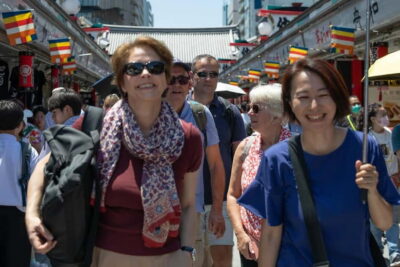 ★ 4.8Asakusa Walking Tour with Sensoji Temple VisitFrom $221,583 reviews
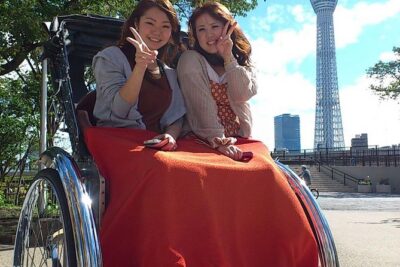 ★ 5.0Tokyo Asakusa Rickshaw TourFrom $421,375 reviews
 ★ 4.5Tokyo Panoramic 1 Day: Meiji Shrine, Asakusa, Odaiba and SKYTREE®From $851,222 reviews
 ★ 5.0Tokyo Go Kart: Asakusa, Skytree, and Akihabara **IDP MUST**From $99988 reviews
 ★ 4.7Asakusa, Skytree & Akhihabara Go-Kart City ExperienceFrom $96761 reviews
Browse the lists this tour appears in