
Reviewed · ASAKUSA & SENSOJI TOURS
Tokyo : Visite des temples d’Asakusa avec guide français
Tokyo’s temple streets can change your day. This small-group walk in Asakusa focuses on Sensoji and the everyday spiritual mix of Shinto and Buddhism, with a French guide who explains what you’re seeing (and what most people miss).
I especially like two things: the way you get great orientation fast (bridge views, then an elevated panorama), and the hands-on rituals like omikuji fortunes and the healing incense at jokoro. One possible drawback: it’s a proper walking tour, so if you tire easily or struggle with lots of steps, you may feel it—also, the visit runs in good or bad weather.
In This Review
- Key Points You’ll Care About
- Why This Asakusa Walk Feels More Like Culture Than Sightseeing
- Meet at Burger King, Then Start With Real Orientation
- Azumabashi Bridge and the Skytree View That Gets Your Bearings
- Kaminarimon Gate: Learn the Lantern Story Instead of Just Passing It
- Nakamise Street: Souvenirs With Context, Not Random Buying
- Temizu, Omikuji, and Jokoro: Rituals You Can Actually Do
- Temizu (Hand-Washing Etiquette)
- Omikuji (Fortune Papers With Clear Steps)
- Jokoro (Healing Incense)
- Sensoji Prayer: Buddhist Etiquette vs. Nearby Shinto Practice
- Views, Steps, and Weather: What to Plan for Before You Go
- Group Size and Guide Style: Why Small Feels Better Here
- Price and Value: Is $40 Worth It?
- Who This Tour Fits Best (and Who Should Skip It)
- Should You Book This Tour?
- FAQ
- What is the tour price?
- Where do you meet for the tour?
- What time should I arrive?
- What sights will we visit?
- Is the tour guided in French?
- Is there any extra cost during the tour?
- What rituals can I expect to try?
- How big are the groups?
- Is the tour suitable for wheelchair users?
- What is the cancellation policy?
Key Points You’ll Care About
- French-language guide: smooth explanations on etiquette, symbols, and what’s happening at each site
- Small groups (max. 8): more time for questions and clearer guidance on ritual steps
- Azumabashi + Asakusa viewpoints: quick skyline moments, including the Tokyo Skytree view
- Kaminarimon details: learn the meaning behind the huge red lantern (700 kg)
- Shinto-Buddhist rituals in practice: temizu, omikuji, and healing incense at jokoro
- Sensoji prayer etiquette: learn how Buddhist practice differs from nearby Shinto worship
Why This Asakusa Walk Feels More Like Culture Than Sightseeing
Sensoji is the big name in Asakusa. But what makes this tour worthwhile is the attention to how people practice religion there, not just that there’s a temple. You start with obvious landmarks, then you go into the slower, quieter side of the area—sanctuaries and temples that help you see the logic behind the rituals.
For me, the best translation of value is simple: when you understand the etiquette and symbols, the place stops being a photo stop and becomes a real experience. With a French guide, that understanding lands fast. And because the group stays small, you’re not lost in a crowd while someone tries to explain the meaning of a lantern, a gate, or a ritual step.
More temple mornings in old Asakusa
- Tokyo: Japanese Dance Cabaret Theater Asakusa-Kaguwa Ticket
★ 4.8 · 2,270 reviews - Tokyo: Meiji Shrine, Asakusa, Skytree Bus Tour and Cruise
★ 4.7 · 1,986 reviews - Tokyo: Roll and Authentic Sushi Making Class in Asakusa
★ 4.9 · 1,957 reviews - Tokyo: Asakusa Walking Tour with Sensoji Temple Visit
★ 4.8 · 1,583 reviews
Meet at Burger King, Then Start With Real Orientation
The tour starts at Burger King Asakusa, near the lively lanes of the neighborhood. The guide meets you at the entrance holding a sign for Sunrise Adventure, and the timing matters: arrive about 10 minutes early so you can start together.
Why this matters: Asakusa can feel like “everything at once.” Getting the group assembled and your bearings set before you walk into temple territory keeps the rest of the tour from turning into a scramble. You’ll also be able to ask quick questions about what shoes to wear, how to handle weather, or how prayer etiquette works before you’re standing in front of the sites.
Azumabashi Bridge and the Skytree View That Gets Your Bearings
You don’t begin deep inside a temple complex right away. First comes Azumabashi (the bridge area), where you get a view over the city, including the Tokyo Skytree. It’s a smart warm-up: you see modern Tokyo layered over older streets, and your brain starts mapping what’s ahead.
Then you climb to the top floor of the Asakusa Tourist Information Center for a panorama over the area. From up there, Asakusa stops being a tangle of buildings. You can understand where the main approach to Sensoji sits, and you’ll feel the route more clearly as you walk it later.
If you care about taking photos without stress, this is a bonus. You get skyline moments early, when you’re still fresh and the group can move smoothly.
Kaminarimon Gate: Learn the Lantern Story Instead of Just Passing It
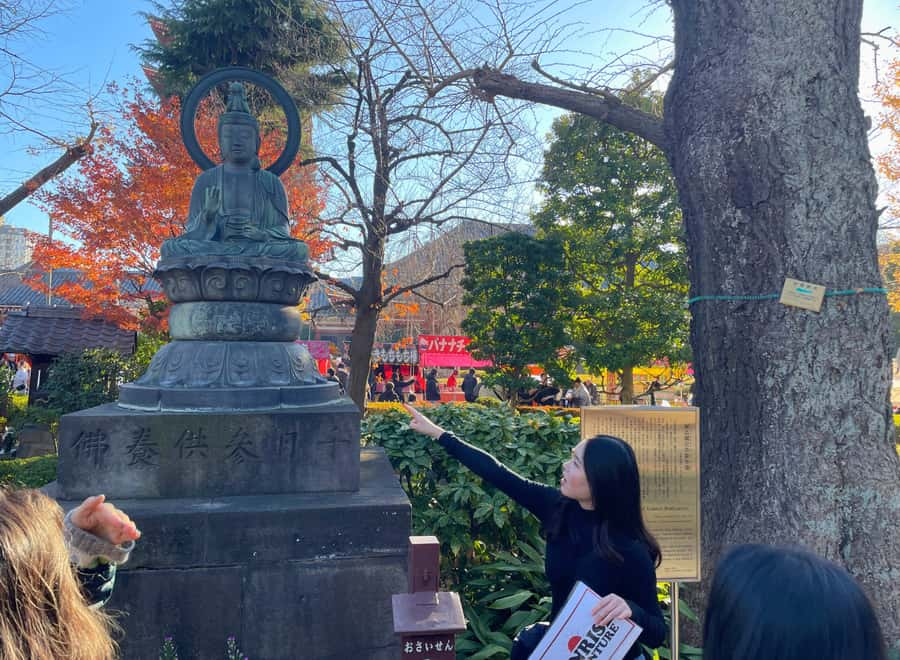
Next you enter through Kaminarimon, the famous gate with the red lantern. This is where the tour earns its keep: your guide doesn’t just point and move on. You learn the meaning behind the lantern and the name of the gate—how it’s tied to the idea of thunder and what that says about cultural symbolism.
Also, the lantern’s sheer scale is hard to ignore. A lantern of about 700 kg is not decorative background; it signals importance and gravity. When you understand that, the gate becomes more than a landmark. It becomes a threshold.
This is a great moment to slow down and look up. The route through Asakusa feels different once you realize you’re stepping through layers of meaning, not just walking past “cool old stuff.”
Nakamise Street: Souvenirs With Context, Not Random Buying
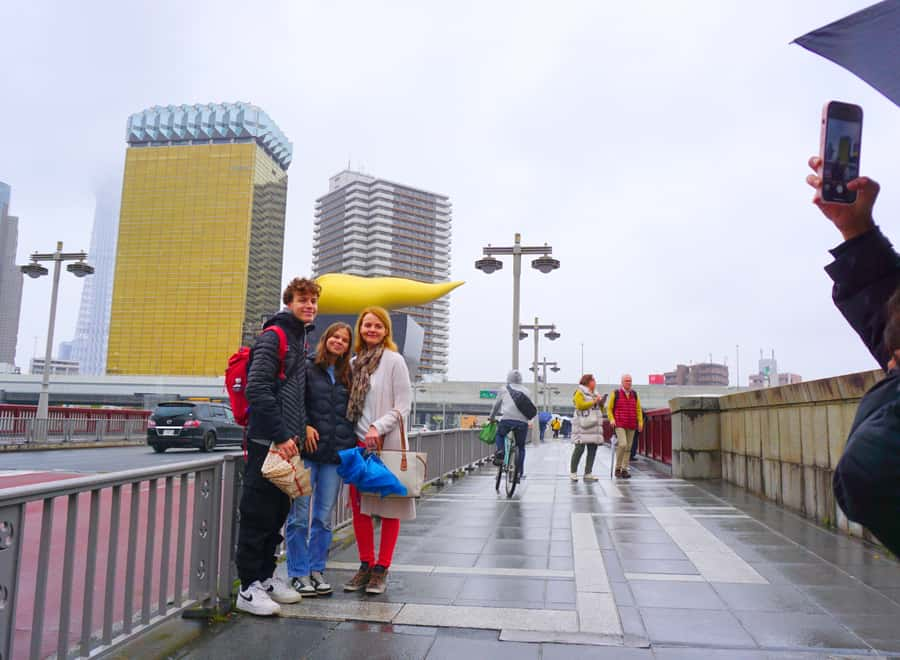
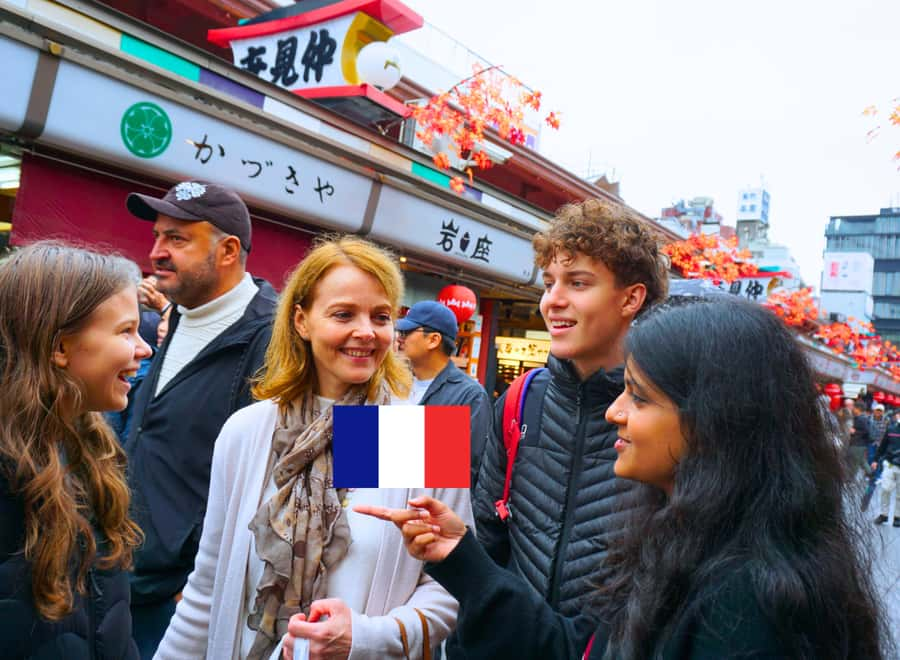
After Kaminarimon, you walk along Nakamise, the well-known shopping street. It’s easy to treat this like a souvenir corridor. The difference here is that your guide explains the cultural reasoning behind popular snacks and typical gifts.
You’ll also get practical advice on where to look for good finds, which matters because Nakamise can be overwhelming. With explanations in your own language, you’re more likely to buy intentionally—things that make sense with the place rather than impulse grabs.
If you like tasting street food, keep a little cash ready. The tour doesn’t require extra costs, but you’ll probably want to sample something as you go. (Just pace yourself; you’ll be walking after.)
Readers also shortlisted these Tokyo bookings:
- Tokyo 6hr Private Tour with Government-Licensed Guide★ 5.0 · 3,902 reviews
- Tokyo: Shinjuku Local Bar and Izakaya Guided Walking Tour★ 4.9 · 1,794 reviews
- Tokyo: Private City Highlights Tour with Local Guide★ 4.8 · 1,433 reviews
- Tokyo: Tsukiji Fish Market Guided Walking Tour★ 4.9 · 1,397 reviews
- Tokyo 4hr Private Tour with Government-Licensed Guide★ 5.0 · 1,394 reviews
Temizu, Omikuji, and Jokoro: Rituals You Can Actually Do
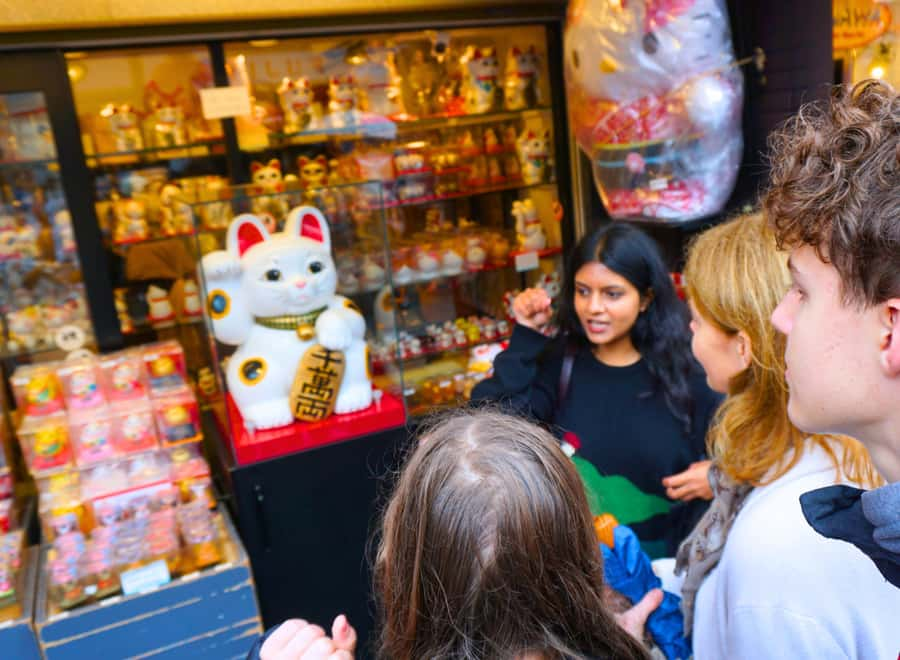
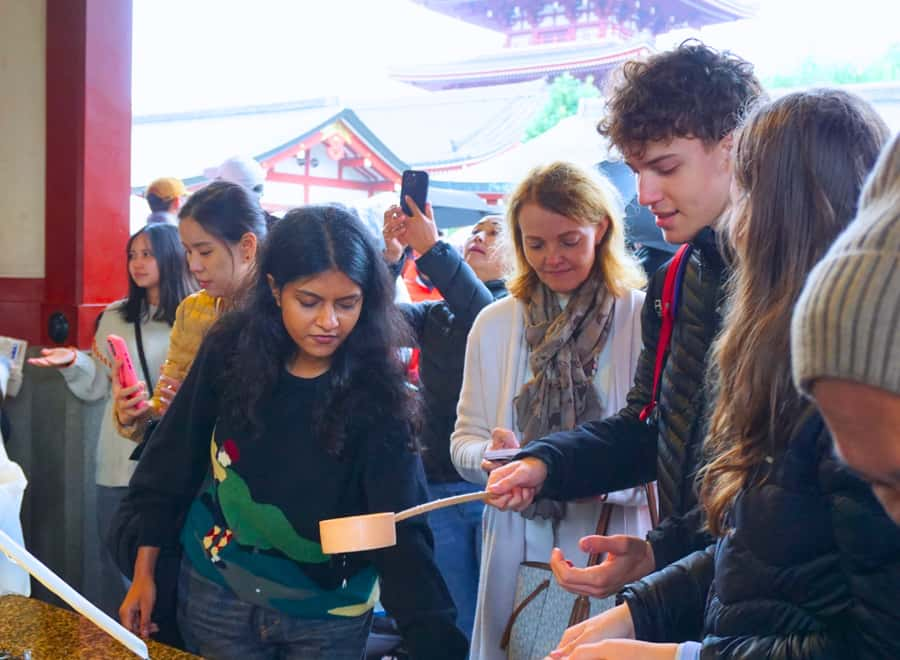
This tour’s signature is that it teaches spiritual practice you can experience with your own hands and eyes. You’ll learn about the coexistence of Shinto and Buddhism in modern Japan, and you’ll see how the routines are different depending on the setting.
Temizu (Hand-Washing Etiquette)
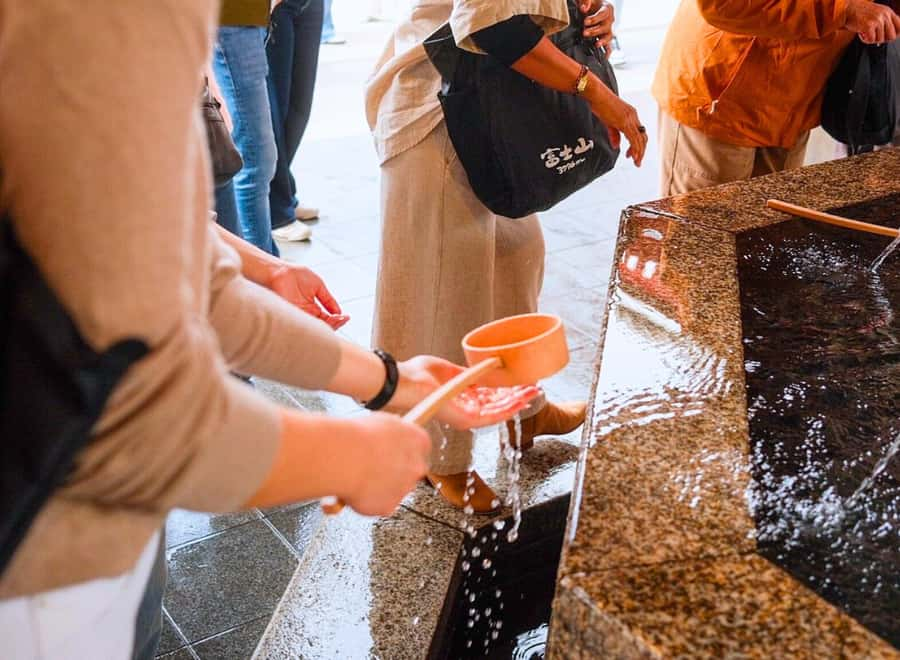
One of the key ritual moments is temizu, the washing of hands. Your guide shows how it works so you don’t accidentally do it wrong. It also helps you understand why the gestures matter: it’s not theatre, it’s a basic step that frames the rest of your visit.
Omikuji (Fortune Papers With Clear Steps)
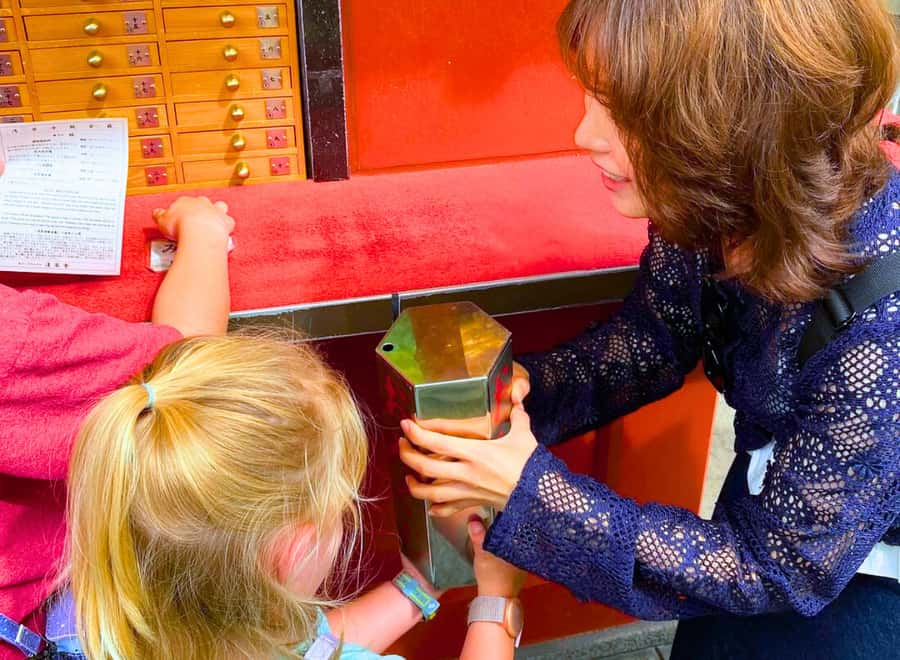
You’ll also try omikuji fortune slips. This is one of those activities that sounds simple, but the meaning depends on etiquette and interpretation. Your guide’s explanations make the whole process feel less like random paper pulling and more like a ritual people take seriously.
Jokoro (Healing Incense)
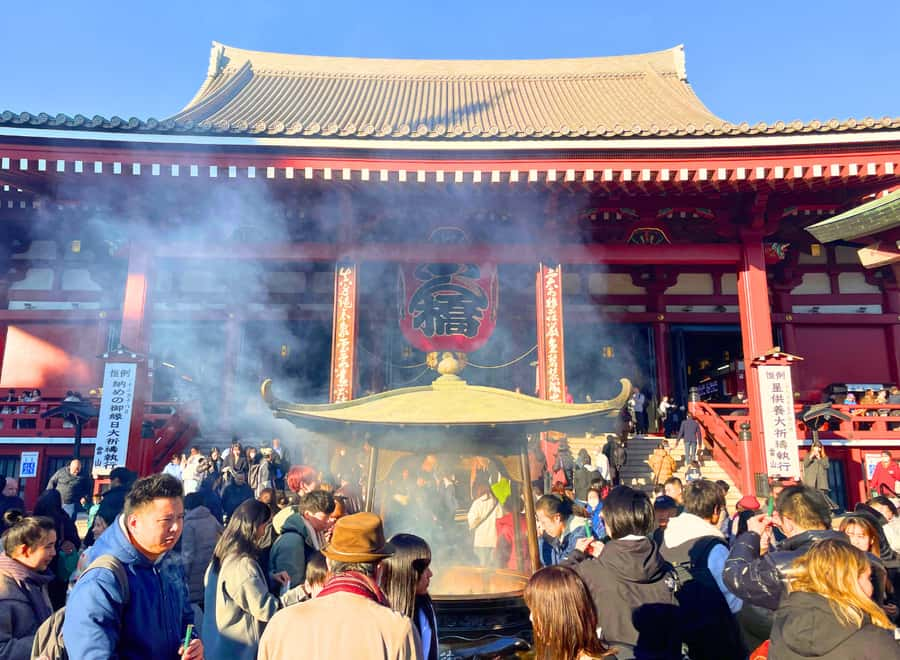
Then comes jokoro, where people burn incense for healing. Your guide explains why it’s done and how it fits into the spiritual world around you.
This is the part many visitors gloss over—because it’s not a single “big building” photo. But it’s exactly what you came for. When you see someone perform a ritual carefully, and then you do the steps yourself, Asakusa becomes less distant.
Sensoji Prayer: Buddhist Etiquette vs. Nearby Shinto Practice
At the heart of the tour is Sensoji, the temple complex tied to about 1,400 years of history. The age alone is impressive, but the tour makes it practical by focusing on prayer behavior and how it differs from nearby Shinto worship.
You learn how to pray in a Buddhist way in Sensoji—how to handle yourself respectfully while moving through sacred space. Your guide also covers how to approach gates and the general etiquette of bowing and walking through ceremonial areas.
Here’s the value: Japan’s temples can feel confusing when you don’t know what role you’re supposed to play. This tour gives you that role. You leave knowing what your body language should be, which is huge for visitors who want to be respectful without overthinking it.
And one more point that I think matters: your guide explains how local practice blends traditions. You’ll see that Shinto and Buddhism aren’t treated as rival teams in everyday life. They’re used together, with different rituals serving different needs.
Views, Steps, and Weather: What to Plan for Before You Go
Because it’s a walking tour, comfort matters. Wear comfortable shoes and dress for weather. The tour runs in good or bad weather, so you’ll want a light rain layer or umbrella if forecasts look questionable.
Also, because you’ll move between viewpoints, gates, and multiple ritual areas, plan to stay flexible. Even when the main sites are close together, you’ll spend time standing, observing, and following the guide’s instructions.
If you’re traveling with kids, it can still work if everyone can walk steadily and tolerate a bit of explanation. But if your group needs frequent sitting breaks or you use a wheelchair, this one isn’t listed as suitable.
Group Size and Guide Style: Why Small Feels Better Here
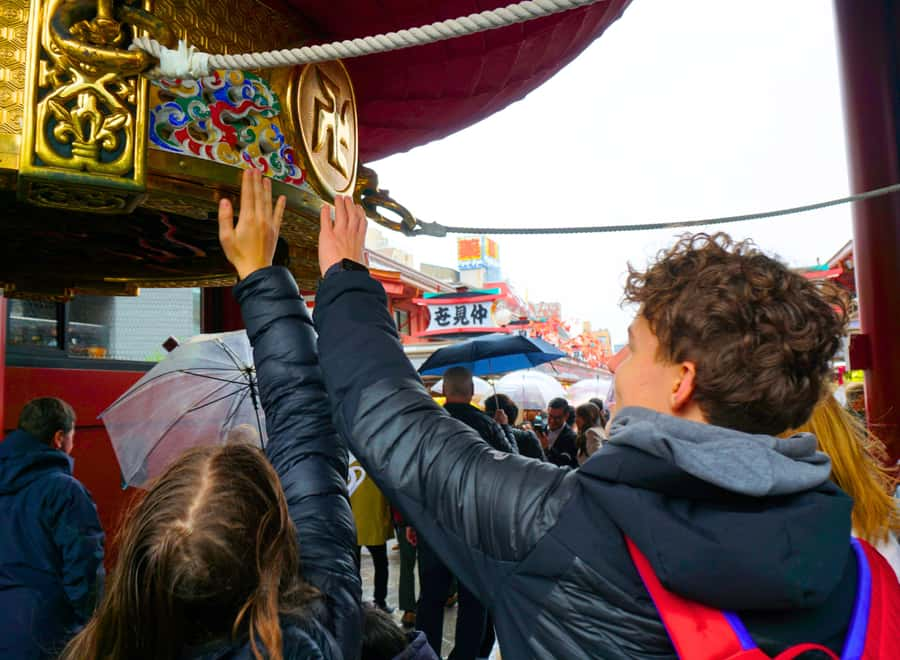
This is max. 8 people. That size changes the whole experience. You’re not just listening; you can ask questions when something feels unclear—like why a ritual is performed or what a symbol means.
One name you might hear during the tour is Nicolas, who has led the group and explained things with patience and kindness. That kind of pacing matters in spiritual spaces. The goal isn’t to race through. It’s to understand what you’re doing as you do it.
And because it’s offered in French (with additional language options), you don’t lose meaning to translation gaps. You can focus on details like the tone of etiquette, rather than trying to decode basics on the fly.
Price and Value: Is $40 Worth It?
At about $40 per person, this isn’t the cheapest way to see Sensoji. But the price makes more sense when you break down what’s included:
- A French guide who explains not just landmarks, but rituals
- Time at key visual points (Azumabashi and the elevated panorama)
- Ritual participation: omikuji and the healing incense at jokoro
- Clear etiquette guidance for temple prayer and sacred spaces
- A small-group format (max. 8), which improves the quality of attention
You also won’t get hit with surprise add-on fees during the tour. You may bring a bit of cash for personal purchases like snacks or souvenirs, but the experience itself is structured so you can focus on what you’re learning and doing.
For me, the best “value test” is this: would you want a guide to explain the difference between Buddhist prayer steps and Shinto practice? If yes, the price starts feeling fair fast. If you just want photos and zero explanation, you could do it on your own. But if you care about meaning and etiquette, a guide saves time and confusion.
Who This Tour Fits Best (and Who Should Skip It)
This tour is ideal if you:
- want Sensoji plus the spiritual details most people miss
- appreciate explanations in French
- like learning practical etiquette, not just reading plaques
- enjoy small-group walks with room for questions
It might be less ideal if you:
- can’t do much walking or step-heavy movement
- want minimal talking and instant photo stops
- need a fully accessible route (this one is not listed for wheelchair users)
Should You Book This Tour?
I think you should book if your goal is to understand Asakusa, not just pass through it. The mix of viewpoints, the Kaminarimon lantern context, and the chance to take part in omikuji and incense rituals gives this walk a sense of “doing” rather than “watching.”
If you’re the type who loves temple architecture but gets bored by explanations, you might find this one too instructional. But if you want your visit to feel respectful and grounded—especially at places where people follow specific ritual steps—this French-guided Sensoji walk is a strong choice.
In short: if you want your Tokyo day to feel clearer, calmer, and more meaningful, this is the kind of tour that actually delivers.
FAQ
What is the tour price?
The tour is listed at about $40 per person.
Where do you meet for the tour?
You meet at Burger King Asakusa. The guide waits at the entrance holding a Sunrise Adventure sign.
What time should I arrive?
Arrive about 10 minutes before the start time so you can begin with the group.
What sights will we visit?
You’ll visit Sensoji and walk through Asakusa, including stops around Azumabashi, Kaminarimon, and Nakamise, plus smaller hidden sanctuaries and temples in the area.
Is the tour guided in French?
Yes. This is a French version of the tour, with a French-speaking guide. English is also listed as available.
Is there any extra cost during the tour?
No additional costs are requested during the tour. You may want cash for personal purchases like snacks or souvenirs.
What rituals can I expect to try?
You can try omikuji fortune slips and experience incense used for healing at the jokoro. You’ll also learn about ritual steps such as hand washing (temizu).
How big are the groups?
The tour is done in small groups, with a maximum of 8 people.
Is the tour suitable for wheelchair users?
No, it’s not suitable for wheelchair users based on the provided information.
What is the cancellation policy?
You can cancel up to 24 hours in advance for a full refund.
More Guided in Tokyo
- Tokyo 6hr Private Tour with Government-Licensed Guide
★ 5.0 · 3,902 reviews - Tokyo: Shinjuku Local Bar and Izakaya Guided Walking Tour
★ 4.9 · 1,794 reviews - Tokyo: Private City Highlights Tour with Local Guide
★ 4.8 · 1,433 reviews - Tokyo: Tsukiji Fish Market Guided Walking Tour
★ 4.9 · 1,397 reviews - Tokyo 4hr Private Tour with Government-Licensed Guide
★ 5.0 · 1,394 reviews
More Tour Reviews in Tokyo
- Mt Fuji and Hakone 1-Day Bus Tour Return by Bullet Train
★ 5.0 · 26,383 reviews - 1-Day Tokyo Bus Tour
★ 5.0 · 14,250 reviews - Tokyo: teamLab Planets TOKYO Digital Art Museum Entry Ticket
★ 4.6 · 9,779 reviews - Mt Fuji & Hakone Cruise, Drum Show Bullet Train 1 Day from Tokyo
★ 4.0 · 7,413 reviews - Tokyo: Shinjuku Food Tour (13 Dishes at 4 Local Eateries)
★ 5.0 · 6,603 reviews
More Mornings in Old Asakusa
- Tokyo: Japanese Dance Cabaret Theater Asakusa-Kaguwa Ticket
★ 4.8 · 2,270 reviews - Tokyo: Meiji Shrine, Asakusa, Skytree Bus Tour and Cruise
★ 4.7 · 1,986 reviews - Tokyo: Roll and Authentic Sushi Making Class in Asakusa
★ 4.9 · 1,957 reviews - Tokyo: Asakusa Walking Tour with Sensoji Temple Visit
★ 4.8 · 1,583 reviews - Tokyo Asakusa Rickshaw Tour
★ 5.0 · 1,375 reviews
Latest Tokyo reviews off our desk






Asakusa & Sensoji Tours, compared.
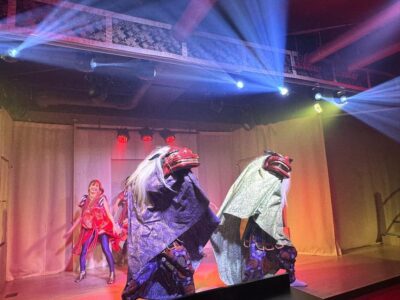 ★ 4.8Japanese Dance Cabaret Theater Asakusa-Kaguwa TicketFrom $492,270 reviews
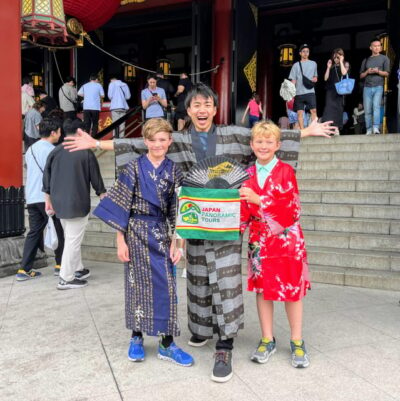 ★ 4.7Meiji Shrine, Asakusa, Skytree Bus Tour and CruiseFrom $1221,986 reviews
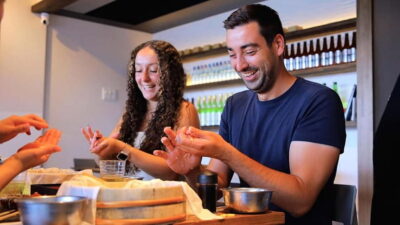 ★ 4.9Roll and Authentic Sushi Making Class in AsakusaFrom $581,957 reviews
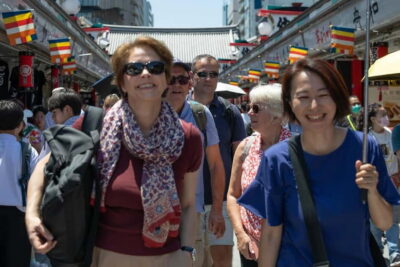 ★ 4.8Asakusa Walking Tour with Sensoji Temple VisitFrom $221,583 reviews
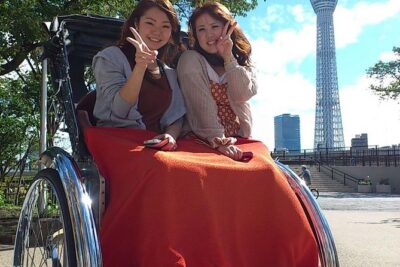 ★ 5.0Tokyo Asakusa Rickshaw TourFrom $421,375 reviews
 ★ 4.5Tokyo Panoramic 1 Day: Meiji Shrine, Asakusa, Odaiba and SKYTREE®From $851,222 reviews
 ★ 5.0Tokyo Go Kart: Asakusa, Skytree, and Akihabara **IDP MUST**From $99988 reviews
 ★ 4.7Asakusa, Skytree & Akhihabara Go-Kart City ExperienceFrom $96761 reviews
Browse the lists this tour appears in