
Reviewed · SAMURAI & NINJA CLASSES
Tokyo:Samurai Training : Swords, Bushido & Mental Discipline
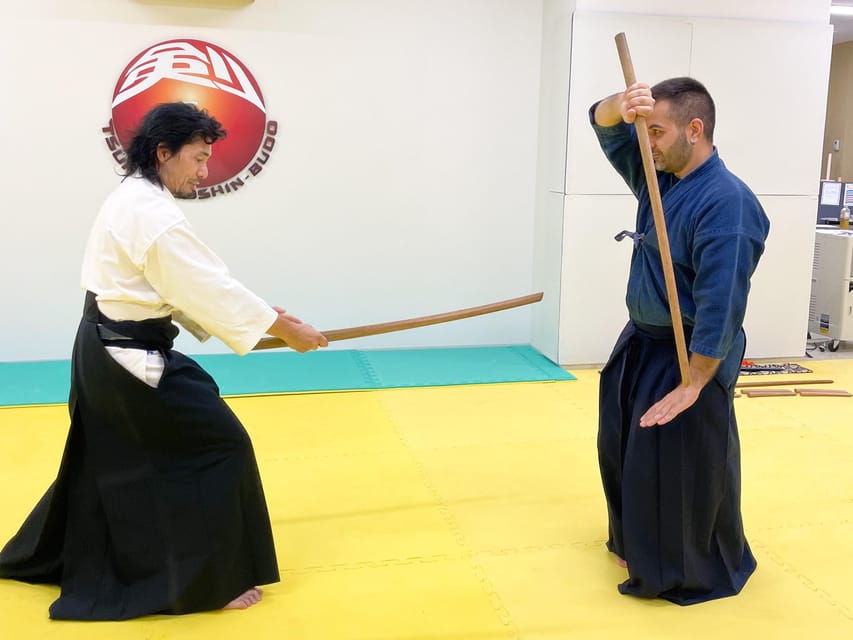
Sword practice in a Tokyo dojo changes your focus. This class in Kojimachi is the real deal: samurai training with Bushido principles, taught in English in a traditional setting tied to Edo Castle grounds. I love that it is not a staged show, and I also like the one-on-one sparring that makes the skills feel practical. One thing to consider: it is physical and includes heavy stick drills, so it may be tough if you’re dealing with a cold or if you’re pregnant.
You’ll spend about two hours learning how to hold yourself—mind first, body second—before you ever swing. The instructors Oedo and Yukikaze get strong praise for positive coaching and clear guidance, even when English isn’t always perfect. If you want to come away knowing etiquette, posture, and basic sword technique you can actually feel, this is a smart use of time in Tokyo. If you want passive sightseeing only, this won’t be for you.
In This Review
- Key highlights at a glance
- Why this Kojimachi dojo experience feels different from a tourist show
- The 2-hour flow: etiquette, breathing, meditation, and first sword basics
- Etiquette and Bushido first
- Breathing and calm focus
- Wooden sword drills: learn grip, posture, and timing
- Heavy stick drills and silent walking: where balance becomes the teacher
- Strength and control with a heavy practice stick
- Ninja-style walking, but with discipline
- Combat kata and one-on-one sparring: the practical part you’ll remember
- Kata practice: structure, not randomness
- One-on-one sparring with instructor feedback
- Matcha break and the scroll certificate: the calm ending that feels earned
- Price and value: what you get for about $83 in two hours
- Who should book (and who should skip it)
- Practical tips before you go: shoes, uniform sizing, and dojo rules
- Shoes and indoor rules
- Uniform sizing: tell them your S/M/L height and size
- Meeting point: find the nobori flag
- Transportation
- Should you book Samurai Training: Swords, Bushido & Mental Discipline in Tokyo?
- FAQ
- How long is the Tokyo samurai training session?
- Is the training beginner-friendly?
- What languages are the instructors?
- What’s included in the $83 price?
- Where do I meet the instructor?
- Is transportation included?
- Who shouldn’t take this class?
- How big is the group?
Key highlights at a glance
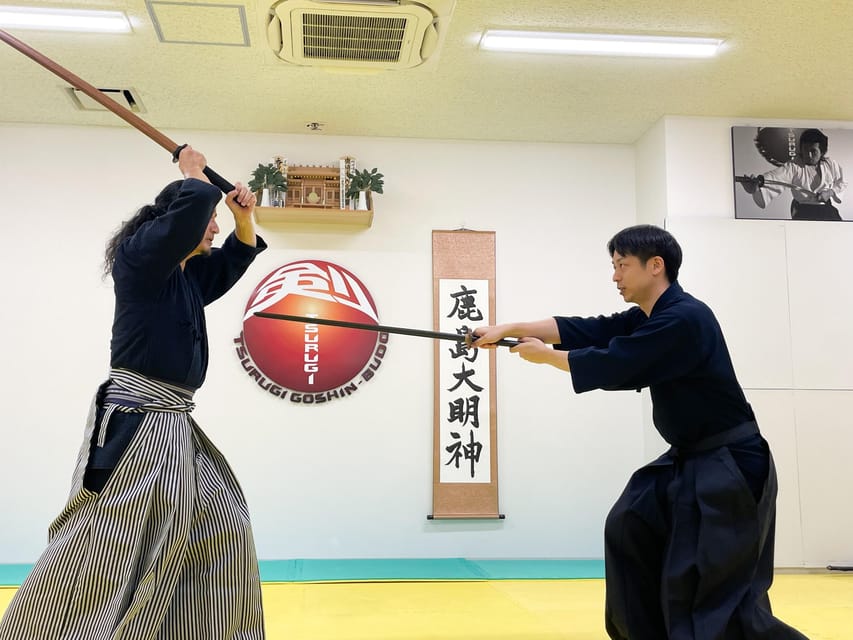
- Real dojo training, not a performance, with live guidance from instructors
- English instruction covering sword basics, combat skills, and Bushido spirit
- Heavy stick drills and silent walking to build balance and control
- One-on-one sparring, so you practice techniques with feedback
- Matcha tea and Japanese sweets during a calm break
- Scroll-style certificate and samurai attire for a memorable finish
Why this Kojimachi dojo experience feels different from a tourist show
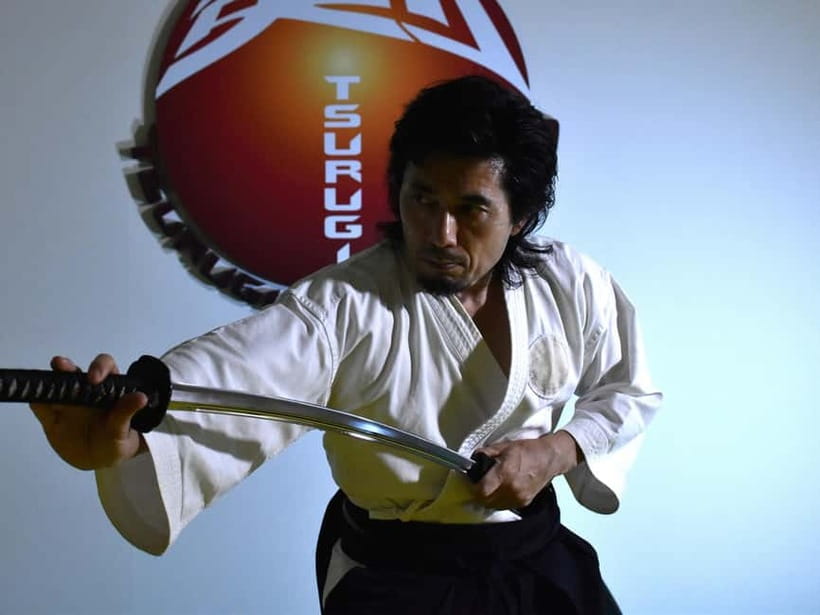
Tokyo has plenty of samurai-themed activities, but most are built for watching. This one is built for doing. You train inside a dojo in Kojimachi, an area once tied to the inner grounds of Edo Castle, where samurai practiced sword skills. That context matters, because the session isn’t just about sword moves. It’s about discipline—how you stand, how you move, how you manage your breathing, and how you treat your space and your training partner.
Two things I especially appreciate about the setup: first, you start with etiquette and Bushido mindset, not weapon hype. Second, you get instruction that stays practical. You’re shown basics, corrected on form, then asked to apply what you learned through structured drills and eventually sparring.
The only real drawback is that this is not a casual walk-through. The drills include heavy stick work and balance-heavy silent walking. Go in feeling curious, not expecting a light, photo-only activity.
More blade-and-dojo sessions, reviewed
- Tokyo: Samurai Ninja Museum Guided tour and Experience
★ 4.6 · 1,010 reviews - Tokyo: Samurai Sword & Archery Class from Samurai Descendant
★ 5.0 · 603 reviews - Best Samurai Experience in Tokyo
★ 5.0 · 458 reviews - Ninja Experience (Family Friendly) at Samurai Ninja Museum TOKYO
★ 5.0 · 441 reviews
The 2-hour flow: etiquette, breathing, meditation, and first sword basics
The session runs about two hours, and it follows a logical order: prepare your mind, prepare your body, then apply technique.
Etiquette and Bushido first
You begin with samurai etiquette and the spirit of Bushido. Even if you only know the word from pop culture, you’ll see how it’s treated here: respect, focus, and responsibility in training. This part isn’t long, but it sets the tone. You quickly realize the class expects you to behave like a student, not like a spectator.
Breathing and calm focus
Next comes breathing practice and meditation-style quieting. You’re training control—settling your energy before you move. In a short class, this can feel like an odd warm-up, but it becomes useful later. When you’re asked to move slowly and precisely, your body feels less chaotic.
Wooden sword drills: learn grip, posture, and timing
Then you move into wooden sword basics (using a wooden practice sword). This is where beginners benefit most. You learn fundamentals like grip and stance, and you practice basic patterns that build coordination without the intimidation factor of a live blade.
A key value here is that the drills aren’t only about technique. They teach you how to manage timing—when your body should be still, when it should move, and how to keep your balance during repeated practice.
- Tokyo: Shinjuku Food Tour (13 Dishes at 4 Local Eateries)★ 5.0 · 6,603 reviews
- Tokyo Mt Fuji 5th St & Hakone Cruise Bus Tour w/Bullet Train★ 4.4 · 5,024 reviews
- Flagship 2-Hours Official Street Go-Kart Tour – Tokyo Bay Shop★ 5.0 · 4,974 reviews
- From Tokyo: Mount Fuji Full-Day Sightseeing Trip★ 4.5 · 4,970 reviews
- Tokyo: Hop-On Hop-Off Sightseeing Bus Ticket★ 3.9 · 4,207 reviews
Heavy stick drills and silent walking: where balance becomes the teacher
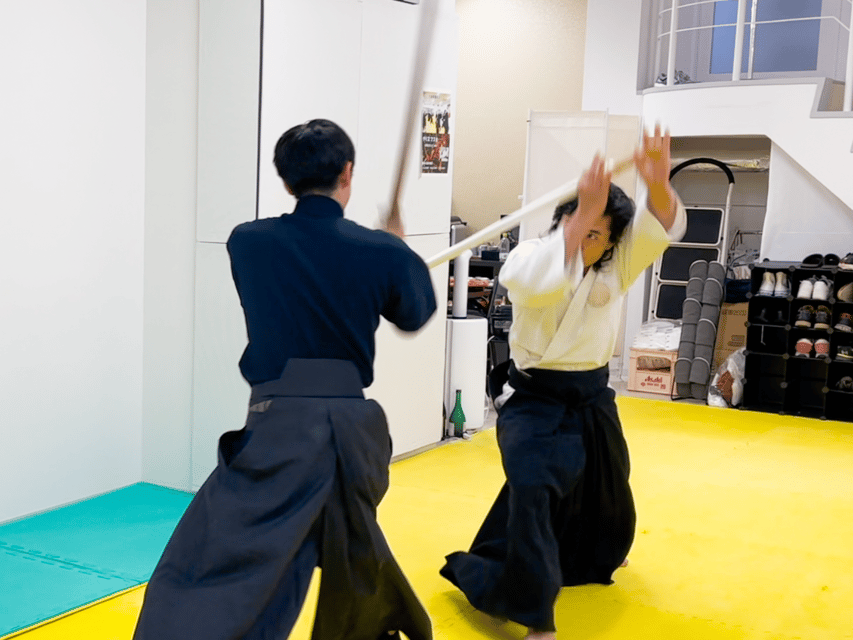
If you’re expecting nonstop sword swings, this training surprises you in a good way. It spends real effort on body mechanics through two main activities.
Strength and control with a heavy practice stick
You’ll do strength work with a heavy practice stick. It’s not just for “workout points.” It teaches stability—how to keep your posture from collapsing when your arms get tired. For many people, this is the moment they feel training is real. It stops being a theme and becomes physical practice.
Ninja-style walking, but with discipline
You also do silent walking exercises, described as ninja-style walking. The goal is not theatrical stealth. It’s balance, awareness, and control over foot placement and body movement. When you walk quietly, you naturally pay attention to how your weight transfers.
This part is one of the best reasons to pick this class over a standard demo. You leave with a better sense of how grounded training works, not just how a sword looks mid-swing.
Combat kata and one-on-one sparring: the practical part you’ll remember
After the fundamentals, you get into more serious technique: combat-oriented sword skills plus a samurai combat kata. You practice one authentic kata, then you apply those ideas with an instructor.
Kata practice: structure, not randomness
Kata training is helpful because it gives you a repeatable structure. Instead of “try this move,” you practice a sequence with meaning: posture, distance, timing, and the idea of controlling your movements instead of rushing them.
Even without knowing the technical language, you can feel how the form keeps you organized. For beginners, that structure helps you avoid turning practice into messy motion.
One-on-one sparring with instructor feedback
The highlight for many people is the one-on-one sparring. It is realistic, with an instructor guiding the exchange. This is where you discover what your body can do under light pressure—without turning the session into something unsafe or chaotic.
You’ll also see why the earlier etiquette and breathing mattered. When you’re focused and calm, technique works better. When you rush or tense up, you lose balance and control.
And yes, this is where coaching makes a difference. Reviews specifically praise instructors Oedo and Yukikaze for going above and beyond and keeping a positive, supportive approach—so you don’t feel like you’re on your own.
Matcha break and the scroll certificate: the calm ending that feels earned
Training ends with a reset. You take a break and enjoy matcha green tea plus traditional Japanese sweets. It’s a simple pause, but it fits the tone of the dojo: quieter, slower, and more reflective than a typical Tokyo snack stop.
Then you receive a personalized scroll-style certificate with your name and the techniques you learned. This is a small item, but it helps you remember the session clearly—especially when you’re in Tokyo juggling multiple sights and tours.
Finally, you get the chance to wear samurai attire for a commemorative photo. It’s a fun button at the end, and it also makes the training feel complete rather than like you just borrowed a sword and ran.
Price and value: what you get for about $83 in two hours
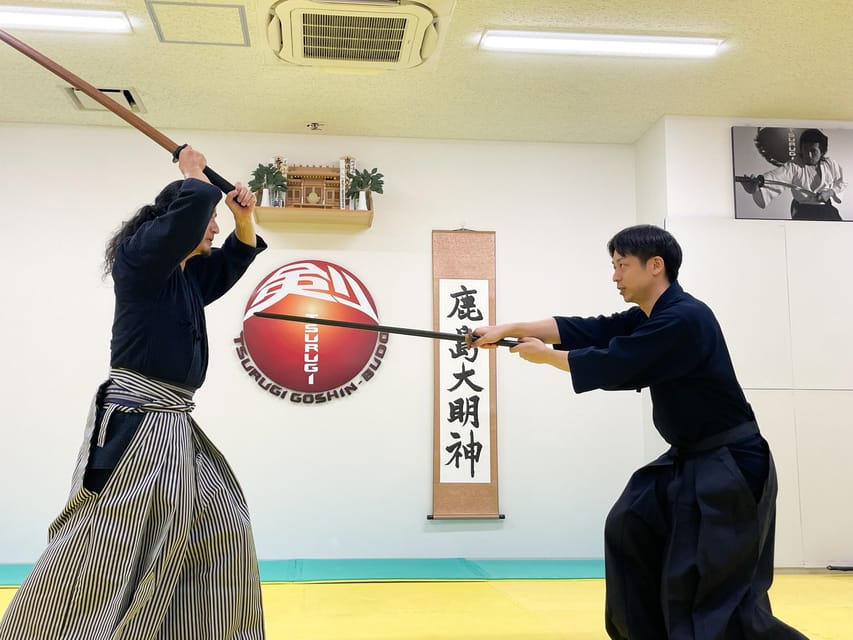
At about $83 per person for a two-hour class, you’re paying for coached skill-building, not just entertainment. Here’s what makes the value feel solid:
- Small group size (limited to 6 participants) means you’re less likely to be ignored
- Uniform rental is included, so you’re not trying to figure out outfit logistics
- You get a live sword demonstration by the instructor, plus hands-on teaching
- You receive a personalized certificate and an included photo opportunity
- The session includes matcha and Japanese sweets, which makes the break feel like part of the program
Is it expensive compared to, say, a museum entry? Sure. But for active training in a dojo with English support, structured drills, and sparring time, it can be a fair deal—especially if you care about doing something memorable rather than only collecting photos.
Who should book (and who should skip it)
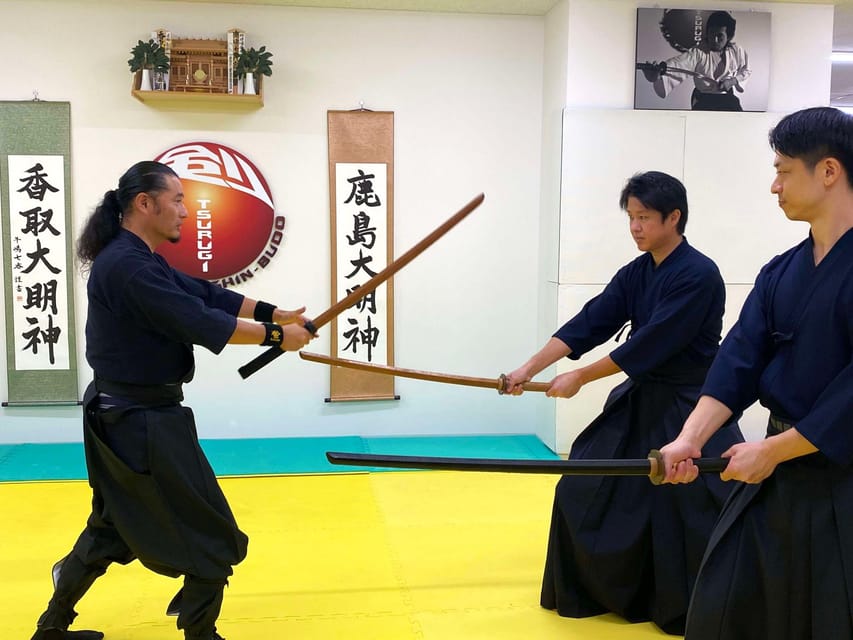
This experience is best for people who want more than sightseeing and want to understand samurai culture through action.
You’ll likely enjoy it if:
- You’re a beginner curious about Bushido etiquette and basic sword technique
- You like hands-on training that tests balance and discipline
- You want a unique Tokyo experience that feels culturally grounded
- You’re comfortable participating with a small group and taking instruction
You might want to skip it if:
- You’re pregnant
- You currently have a cold
- You dislike physical drills like heavy stick work and slow balance exercises
If you’re traveling as a family, the supportive coaching style noted in reviews suggests it can work well for mixed-age groups, as long as everyone is physically able to participate.
Practical tips before you go: shoes, uniform sizing, and dojo rules
Small details matter in dojo training. Here are the practical points to plan for:
Shoes and indoor rules
- No shoes indoors
- No smoking indoors
You’ll want easy footwear for outside, but plan to remove them before training begins.
Uniform sizing: tell them your S/M/L height and size
Uniforms are included, but you need to provide everyone’s height and size (S/M/L). Do this early so the staff can prepare the right fit.
Meeting point: find the nobori flag
A samurai will meet you at the dojo entrance. Look for the nobori flag as your landmark.
Transportation
Transportation is not included. Plan your route to Kojimachi ahead of time so you arrive relaxed and on schedule.
Should you book Samurai Training: Swords, Bushido & Mental Discipline in Tokyo?
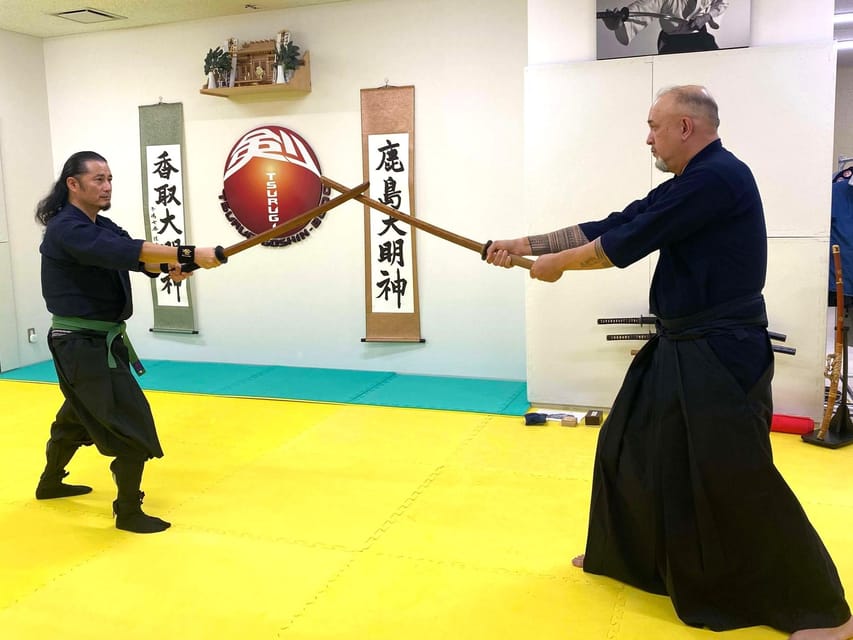
If your Tokyo trip has room for one experience where you actually learn something—stance, etiquette, balance, and basic sword kata—this is a strong choice. It’s also a good pick if you like coaching. The emphasis on instruction in English, plus the praised support from instructors like Oedo and Yukikaze, helps beginners feel guided instead of lost.
I’d skip it only if you want a sit-and-watch activity, or if physical drills would be a problem for you right now. Otherwise, this class gives you a memorable Tokyo story that goes beyond sightseeing: you leave with skills you practiced, not just images you took.
FAQ
How long is the Tokyo samurai training session?
The experience lasts 2 hours.
Is the training beginner-friendly?
Yes. It’s described as beginner-friendly, and instruction is provided in English (and also Japanese).
What languages are the instructors?
The training is conducted in English and Japanese.
What’s included in the $83 price?
You get samurai uniform rental, a live sword demonstration, an English guide covering sword skills and Bushido, a personalized scroll-style certificate, matcha tea and Japanese sweets, and a commemorative photo.
Where do I meet the instructor?
Meet at the dojo entrance. Look for the nobori flag.
Is transportation included?
No. Transportation is not included.
Who shouldn’t take this class?
It’s not suitable for pregnant women and people with a cold.
How big is the group?
It’s a small group limited to up to 6 participants (and a minimum of 2 participants is required).
More Tour Reviews in Tokyo
- Mt Fuji and Hakone 1-Day Bus Tour Return by Bullet Train
★ 5.0 · 26,383 reviews - 1-Day Tokyo Bus Tour
★ 5.0 · 14,250 reviews - Tokyo: teamLab Planets TOKYO Digital Art Museum Entry Ticket
★ 4.6 · 9,779 reviews - Mt Fuji & Hakone Cruise, Drum Show Bullet Train 1 Day from Tokyo
★ 4.0 · 7,413 reviews - Tokyo: Shinjuku Food Tour (13 Dishes at 4 Local Eateries)
★ 5.0 · 6,603 reviews
More Samurai and Ninja Sessions
- Tokyo: Samurai Ninja Museum Guided tour and Experience
★ 4.6 · 1,010 reviews - Tokyo: Samurai Sword & Archery Class from Samurai Descendant
★ 5.0 · 603 reviews - Best Samurai Experience in Tokyo
★ 5.0 · 458 reviews - Ninja Experience (Family Friendly) at Samurai Ninja Museum TOKYO
★ 5.0 · 441 reviews - Tokyo: Samurai Entertainment Night Show in Kanda Shrine
★ 4.6 · 417 reviews
Latest Tokyo reviews off our desk






Samurai & Ninja Classes, compared.
 ★ 4.6Samurai Ninja Museum Guided tour and ExperienceFrom $271,010 reviews
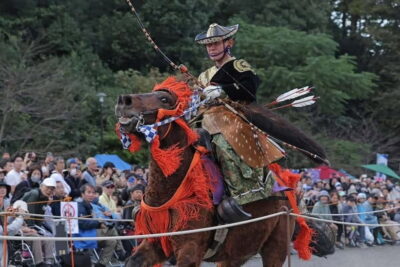 ★ 5.0Samurai Sword & Archery Class from Samurai DescendantFrom $193603 reviews
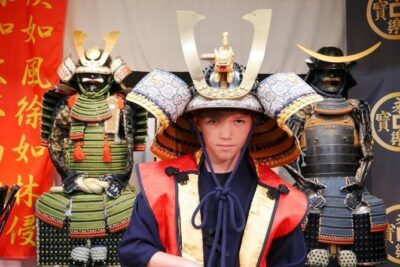 ★ 5.0Best Samurai Experience in TokyoFrom $65458 reviews
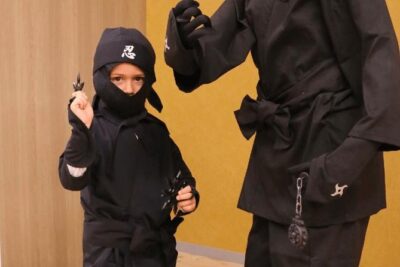 ★ 5.0Ninja Experience (Family Friendly) at Samurai Ninja Museum TOKYOFrom $47441 reviews
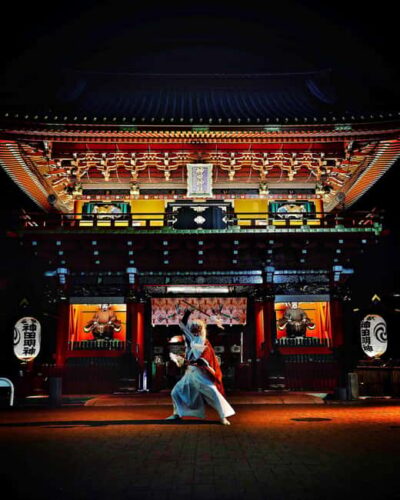 ★ 4.6Samurai Entertainment Night Show in Kanda ShrineFrom $41417 reviews
 ★ 4.2Ninja Kabuki PerformanceFrom $29330 reviews
 ★ 5.0Tokyo Sword Experience – includes Museum Ticket/Ninja ExperienceFrom $84314 reviews
 ★ 4.8Samurai Ninja Museum Asakusa: Samurai Sword Lesson & TourFrom $63306 reviews
Browse the lists this tour appears in