
Reviewed · SUMO TOURNAMENTS & SHOWS
Unique Afternoon Live Sumo training tour in Tokyo
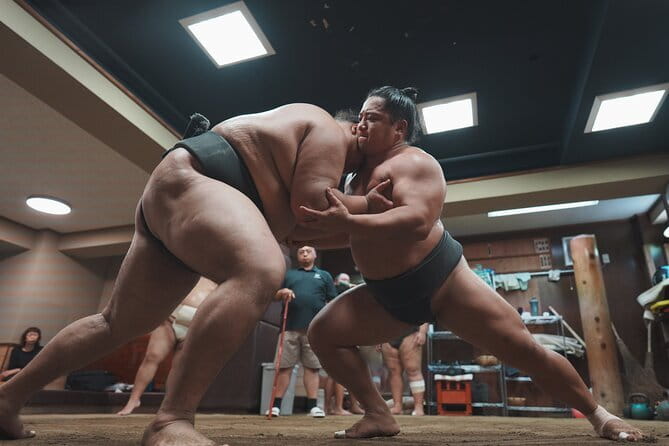
Sumo keiko in Tokyo has a way of feeling more real than any TV clip, and this small-group tour brings you right into it. I like that you’re at Nakamura-beya Sumo Stable to watch discipline up close, not a scripted performance. I also love the practical extras like free Wi‑Fi and phone charging plus a souvenir photo with the wrestlers.
One thing to plan for: the first stretch can feel slower because you’ll typically see warm-up routines before the most intense action begins. If you want instant action, you’ll still get it, but you’ll need a little patience at the start.
In This Review
- Key things to know before you go
- Why Nakamura-beya Keiko Is Worth Your Tokyo Afternoon
- Getting There Fast: Ryōgoku Address and a Simple 90-Minute Plan
- What You’ll See at Nakamura-beya: Keiko Up Close
- Warm-Up First, Then the Intensity: How the Training Flows
- Photo Souvenir and What You’ll Bring Home
- Language Support That Actually Helps You Follow Along
- Comfort and Seating: Where You’ll Sit Matters
- Value Check: Is $137.71 Worth It?
- Best Fit: Who This Tokyo Sumo Tour Works For
- A Simple Booking Decision: Should You Book This?
- FAQ
- How long is the sumo training tour?
- Where does the tour meet?
- Is there pick-up or drop-off?
- What is included in the price?
- What language support is available?
- Do I get a souvenir?
- What time of day does the training happen?
- What are the seating arrangements?
- How big is the group?
- Do I need an admission ticket?
Key things to know before you go
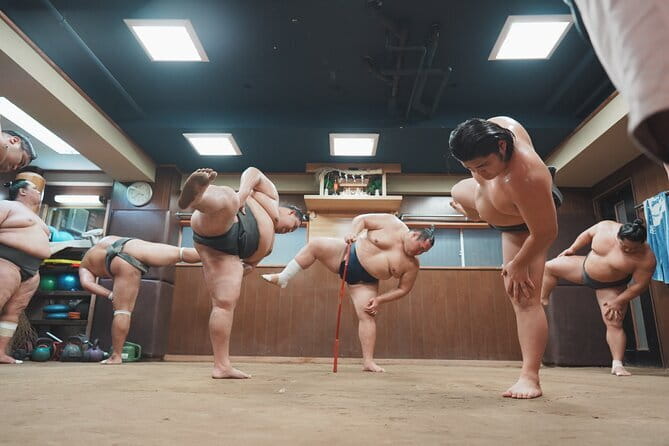
- Nakamura-beya Sumo Stable location: Ryōgoku is sumo country, and you’ll be at an active stable.
- Small group (max 10): Easier sight lines and a calmer feel than big-bus sightseeing.
- Free Wi‑Fi and charging: Useful for mapping, translations, and staying organized.
- Audio guide and 10-language support: You’ll get explanations even if Japanese is not your thing.
- Photo souvenir with sumo wrestlers: A rare keep-sake, tied to your visit.
- Afternoon training (sometimes morning): Check the time on your confirmation so you don’t arrive on the wrong schedule.
Why Nakamura-beya Keiko Is Worth Your Tokyo Afternoon
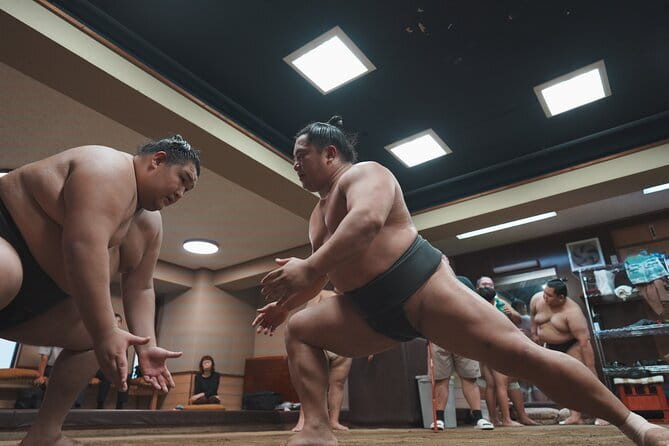
If you’ve only seen sumo in arenas, you might assume it’s all big stomps, loud crowds, and bright lights. At a stable, it’s more than that. The keiko rhythm is slower, more focused, and very physical—like watching athletes build speed, balance, and timing in real time. This tour is built around that idea: you get a front-row view of training at Nakamura-beya, one of the stables that keeps the tradition alive.
I like that it feels straightforward. There’s no sense that you’re being marched through a theme park version of sumo. Instead, you’re there while wrestlers prepare for bouts, including that loud stomp-and-clash energy you see when they go for real. The mood is serious, but it’s still accessible. Even if you’re a first-timer, it’s easy to understand what’s happening because the tour materials are designed to help you connect the dots.
The Ryōgoku setting also helps. This area is strongly tied to sumo culture, so the whole experience lands in the right place. You’re not pretending; you’re actually seeing training where training happens.
Other ringside bookings readers scored
- Tokyo: Sumo Show and Dining Experience
★ 4.8 · 2,742 reviews - the SUMO show
★ 5.0 · 1,960 reviews - Tokyo Shinjuku Sumo Show & Experience with Photo
★ 5.0 · 1,750 reviews - Tokyo: Sumo Show and Experience in Shinjuku
★ 4.8 · 1,001 reviews
Getting There Fast: Ryōgoku Address and a Simple 90-Minute Plan
The meeting point is 1-chōme-18-7 Ryōgoku, Sumida City, Tokyo 130-0026 at Nakamura-beya Sumo Stable. You don’t get pickup or drop-off, so plan to arrive under your own steam. The good news is it’s described as near public transportation, which matters in Tokyo where “near” can range from a short walk to a manageable train-and-walk combo.
The total time is about 1 hour 30 minutes. That’s a sweet spot: long enough to see warm-up routines and the more intense phase, but short enough that you won’t feel like you stole half a day from your itinerary. For most visitors, an afternoon slot also fits the way Tokyo sightseeing typically works—morning for temples or neighborhoods, then a focused cultural activity when crowds shift.
One practical note: the training is basically done in the afternoon, but it can sometimes be in the morning. Check your confirmation details right before you go. In Japan, schedules can shift for the stable’s training calendar, and this tour explicitly warns you to verify the time.
What You’ll See at Nakamura-beya: Keiko Up Close
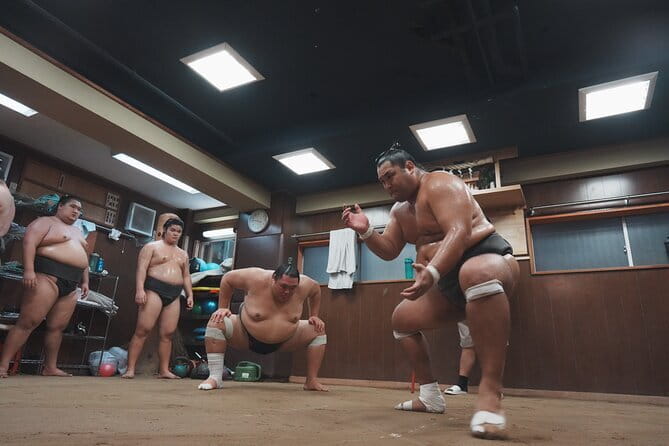
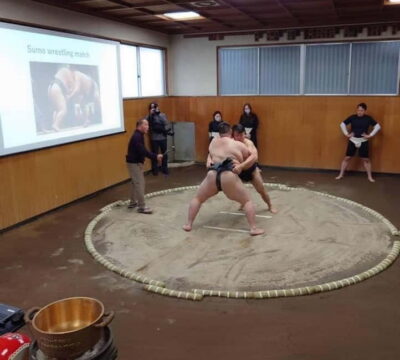
Keiko is the core of sumo life—training that’s equal parts technique, conditioning, and mental preparation. During this tour, you’ll observe the wrestlers’ routines as they work before full-power action starts. In plain terms, you’ll be watching athletes rehearse the movements that decide matches.
Here’s what makes it special for your experience: you get to see the discipline and rigorous routine right in front of you. That’s not just interesting; it helps you understand why sumo is so much more than one dramatic moment. Between grips, footwork, and repeated practice patterns, you’ll start noticing that sumo is methodical even when it looks chaotic.
You’ll also feel the physicality. As the wrestlers prepare and then start pushing harder, the sound and impact of stomps and clashes comes through in a way that’s hard to reproduce in a video. It’s one of those moments where your body understands what your eyes are seeing.
Warm-Up First, Then the Intensity: How the Training Flows

A small heads-up based on what people loved: the first 20–30 minutes can seem uneventful if you’re waiting for constant grappling. Warm-ups matter in sumo training, so you’ll likely see a building sequence before it turns into full-on practice.
But here’s the payoff. Once the wrestlers get started for the more intense portion, it’s fast and exciting—three wrestling moments are mentioned in one standout review, and that matches the general idea that the action ramps up rather than staying at maximum intensity the whole time. If you think of it like a sports practice, it makes more sense: athletes rarely begin at the finish line speed.
So my advice is simple: don’t write it off during warm-up. Use that time to get your bearings, watch posture and timing, and listen for the changes when practice turns serious.
Photo Souvenir and What You’ll Bring Home
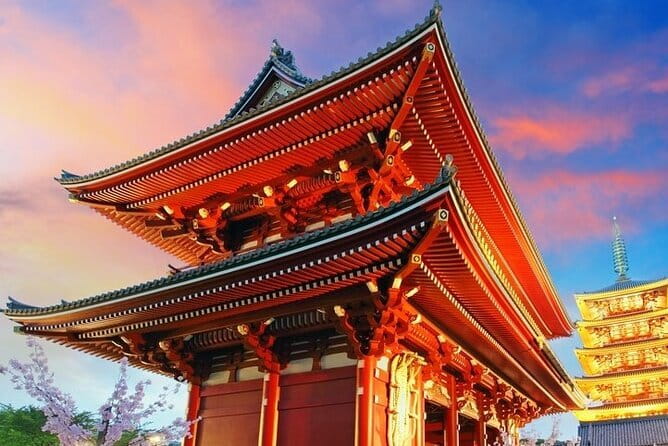
This tour includes a photo souvenir with the sumo wrestlers. That’s a big deal because it gives you a tangible memory. A lot of Tokyo culture visits end with a few photos you take yourself. This one gives you a keepsake connected to your visit with the people you came to see.
In addition, you get a sumo keiko explanation pamphlet. That helps you make sense of what you’re watching instead of guessing. When you’re standing there live, it can be tempting to focus only on the action. The pamphlet nudges you to connect training steps to what they mean.
And yes, there’s also the expectation of seeing those famous training moments up close—so the photo feels earned, not random.
- Tokyo: Shinjuku Food Tour (13 Dishes at 4 Local Eateries)★ 5.0 · 6,603 reviews
- Tokyo Mt Fuji 5th St & Hakone Cruise Bus Tour w/Bullet Train★ 4.4 · 5,024 reviews
- Flagship 2-Hours Official Street Go-Kart Tour – Tokyo Bay Shop★ 5.0 · 4,974 reviews
- From Tokyo: Mount Fuji Full-Day Sightseeing Trip★ 4.5 · 4,970 reviews
- Tokyo: Hop-On Hop-Off Sightseeing Bus Ticket★ 3.9 · 4,207 reviews
Language Support That Actually Helps You Follow Along
Language barriers are one of the biggest reasons people skip Japanese cultural activities, and this experience tries to solve that. You’ll have an audio guide in 10 languages, plus a guide who can speak English, Japanese, and Korean. The tour also notes that there are 11 language options to choose from, which gives you more flexibility than a single fixed lineup.
This matters because the keiko isn’t just about watching wrestlers move. You want to know what the training is trying to accomplish—why a certain drill is repeated, what you’re seeing when the intensity rises, and how it connects to sumo’s tradition.
I like that they also provide an explanation format, not only spoken translation. That’s helpful if you’re trying to follow the activity while also hearing instructions.
Comfort and Seating: Where You’ll Sit Matters
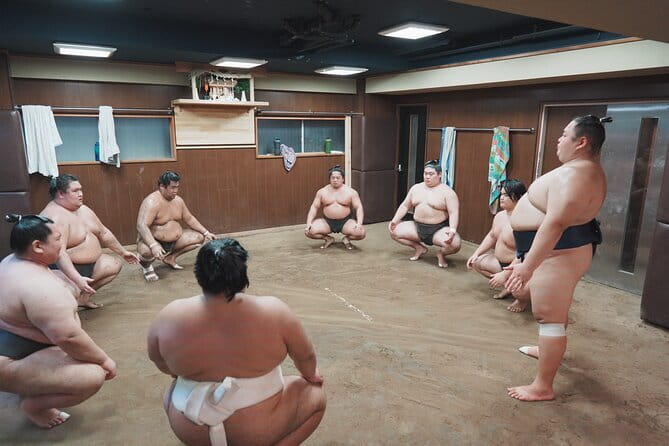
You’ll have chair-type seats for 8 to 10 people. If your group size is larger than that, the rest can sit on the floor. That’s not unusual for a stable visit, but it’s something to take seriously—especially if you’re visiting with kids, seniors, or anyone who doesn’t love sitting on the floor for a solid block of time.
The good news is the group size is kept small—maximum 10 travelers—so you’re not fighting crowds for position. Still, I’d recommend wearing comfortable shoes. You may be standing to look, shifting to find a clear sight line, and moving around as the session changes.
Also plan your posture strategy: if you choose the chairs, you’ll be upright and ready for photos. If you’re on the floor, think about a seat cushion or something similar if you know you get uncomfortable during extended sit periods.
Value Check: Is $137.71 Worth It?

At $137.71 per person, this isn’t a “cheap add-on” to your Tokyo day. But it also isn’t priced like a generic city tour. You’re paying for access to an active stable experience, plus structured language support and included materials.
Here’s the value math that makes sense for me:
- It’s small-group (max 10), which is usually where the money goes when you want real access.
- Training is included via an admission ticket concept, so you’re not watching a distant exhibit.
- Practical extras are included: free Wi‑Fi, charging service, and an audio guide in multiple languages.
- You leave with a photo souvenir plus an explanation pamphlet.
If you’re a frequent Tokyo visitor, you already know how many “cultural” experiences are really performances in disguise. This one is about the real thing: seeing keiko happen. For first-time visitors, that same authenticity can be the difference between a memorable story and a forgettable photo stop.
Best Fit: Who This Tokyo Sumo Tour Works For
This tour is a strong match if you want the side of Tokyo culture that doesn’t feel like it’s designed for mass tourism. It’s also a great pick for families. One review called it a super experience with both kids and adults enjoying it, and another highlighted that teenage boys loved the authenticity and the fact it wasn’t a show.
It also works for frequent travelers because it’s not the standard checklist. You’re not just walking past famous sights—you’re watching a living tradition with training that’s happening right now.
If you’re traveling with kids, pay attention to timing and warm-up expectations. The ramp-up portion seems to deliver the excitement, and the overall schedule is short enough that kids usually don’t feel trapped for hours.
A Simple Booking Decision: Should You Book This?
Book it if you want real sumo keiko at Nakamura-beya, especially if you care about authenticity and small-group access. I’d also book it if you appreciate translation support—audio in multiple languages, plus a guide who can speak English, Japanese, and Korean.
Skip or reconsider if you know you hate waiting through warm-ups. The first part can feel slow, and you’ll want to be okay with that build-up. Also, take seating seriously. If sitting on the floor is a problem for you, you’ll want to plan around the limited chair seating.
If you’re trying to decide between a sumo “performance” and actual training, I’d choose training most days. The chance to see stomps, clashes, and focused practice in person is exactly the kind of Tokyo moment that changes how you understand what you’ve been watching from afar.
FAQ
How long is the sumo training tour?
The tour runs for about 1 hour 30 minutes.
Where does the tour meet?
You meet at Nakamura-beya Sumo Stable, 1-chōme-18-7 Ryōgoku, Sumida City, Tokyo 130-0026, Japan.
Is there pick-up or drop-off?
No, pick-up and drop-off are not included.
What is included in the price?
Included are an audio guide in 10 languages, a photo with sumo wrestlers, a sumo keiko explanation pamphlet, and free Wi‑Fi and charging service.
What language support is available?
You can choose from 11 languages, and the audio guide is available in 10 languages. The guide can speak English, Japanese, and Korean.
Do I get a souvenir?
Yes. You get a photo with the sumo wrestlers.
What time of day does the training happen?
It is basically done in the afternoon, but sometimes it is done in the morning. Check the time shown on your confirmation.
What are the seating arrangements?
There are chair-type seats for 8 to 10 people. The rest can sit on the floor.
How big is the group?
The tour maximum is 10 travelers.
Do I need an admission ticket?
Yes—an admission ticket is included as part of the tour.
If you want, tell me your travel dates and whether you’re traveling with kids, and I’ll help you plan the best time slot so the warm-up-to-action pacing works for your group.
More Tours in Tokyo
- Mt Fuji and Hakone 1-Day Bus Tour Return by Bullet Train
★ 5.0 · 26,383 reviews - 1-Day Tokyo Bus Tour
★ 5.0 · 14,250 reviews - Tokyo: Shinjuku Food Tour (13 Dishes at 4 Local Eateries)
★ 5.0 · 6,603 reviews - Tokyo Mt Fuji 5th St & Hakone Cruise Bus Tour w/Bullet Train
★ 4.4 · 5,024 reviews - Flagship 2-Hours Official Street Go-Kart Tour – Tokyo Bay Shop
★ 5.0 · 4,974 reviews
More Tour Reviews in Tokyo
- Mt Fuji and Hakone 1-Day Bus Tour Return by Bullet Train
★ 5.0 · 26,383 reviews - 1-Day Tokyo Bus Tour
★ 5.0 · 14,250 reviews - Tokyo: teamLab Planets TOKYO Digital Art Museum Entry Ticket
★ 4.6 · 9,779 reviews - Mt Fuji & Hakone Cruise, Drum Show Bullet Train 1 Day from Tokyo
★ 4.0 · 7,413 reviews - Tokyo: Shinjuku Food Tour (13 Dishes at 4 Local Eateries)
★ 5.0 · 6,603 reviews
More Sumo, Ringside and Rated
- Tokyo: Sumo Show and Dining Experience
★ 4.8 · 2,742 reviews - the SUMO show
★ 5.0 · 1,960 reviews - Tokyo Shinjuku Sumo Show & Experience with Photo
★ 5.0 · 1,750 reviews - Tokyo: Sumo Show and Experience in Shinjuku
★ 4.8 · 1,001 reviews - Tokyo Grand Sumo Tournament Viewing Tour with Tickets
★ 5.0 · 692 reviews
Latest Tokyo reviews off our desk






Sumo Tournaments & Shows, compared.
 ★ 4.8Sumo Show and Dining ExperienceFrom $792,742 reviews
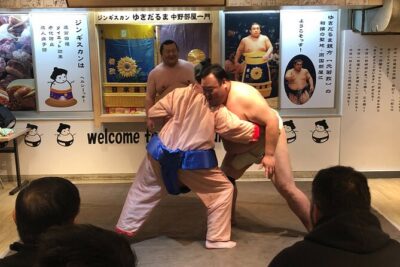 ★ 5.0the SUMO showFrom $891,960 reviews
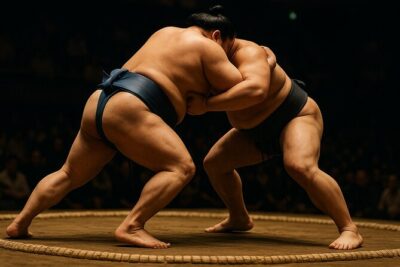 ★ 5.0Tokyo Shinjuku Sumo Show & Experience with PhotoFrom $791,750 reviews
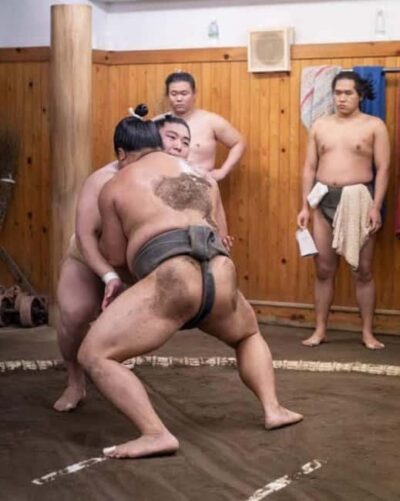 ★ 4.8Sumo Show and Experience in ShinjukuFrom $691,001 reviews
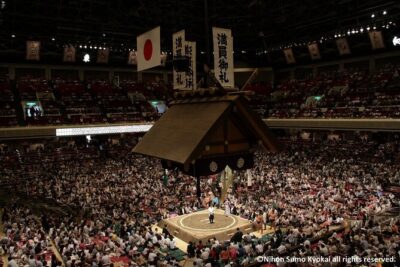 ★ 5.0Tokyo Grand Sumo Tournament Viewing Tour with TicketsFrom $124692 reviews
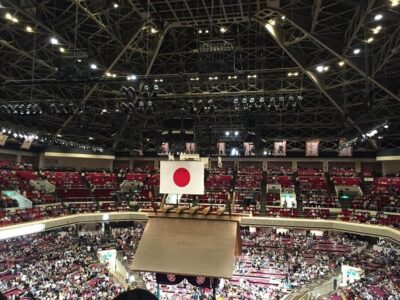 ★ 5.0Tokyo Sumo Wrestling Tournament ExperienceFrom $124660 reviews
 ★ 4.7Luxury Sumo Show Experience & Japanese cuisine & DrinkFrom $103577 reviews
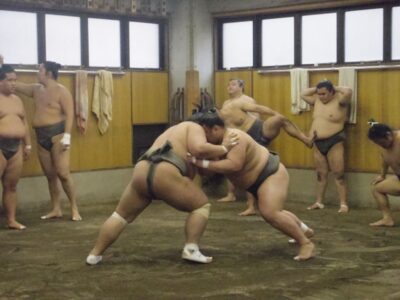 ★ 4.8Sumo Morning Practice Viewing TourFrom $81570 reviews
Browse the lists this tour appears in