
Reviewed · YOKOHAMA DAY TRIPS
Yokohama : Tea Ceremony with Sweets and Souvenir
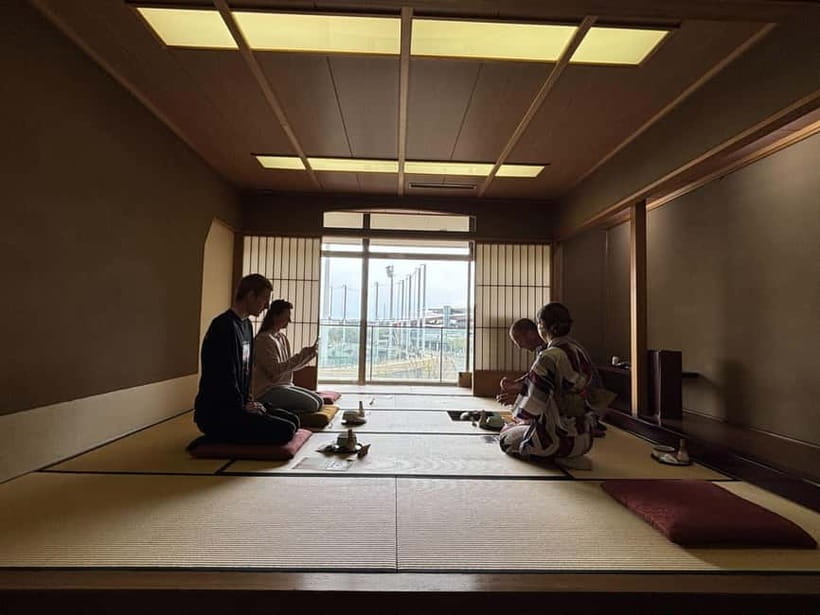
Tea time beats a standard city tour. This Yokohama tea ceremony is a relaxed, hands-on way to learn how Japanese tea is made, with English coaching while you brew. I also like the social vibe, where conversation naturally happens as you sip. Just note it runs about 1 hour, so you’ll learn a lot quickly, not spend the whole day perfecting technique.
The teaching style matters here, and it shows with friendly hosts like Sarina and Ryota keeping things easy and welcoming. You’ll pair your cup with traditional Japanese sweets and finish with a crafted tea-set souvenir you can actually use after the trip.
In This Review
- Key things you’ll notice fast
- A Yokohama Tea Ceremony That Feels Like Culture, Not Performance
- Brewing Your Own Tea: The Hands-On Part That Sticks
- Sweets and Tea Pairing: Why the Dessert Isn’t Just an Extra
- English Guidance in a Small Group: What Sarina and Ryota Add
- The Flow in Practice: What Happens During the Hour
- The Tea Set Souvenir: Value Beyond the Photo
- Price and Value Check: Is $45 Reasonable for One Hour?
- Who This Yokohama Tea Ceremony Suits Best
- Practical Tips Before You Go (Simple, But They Help)
- Should You Book This Yokohama Tea Ceremony?
- FAQ
- How long does the Yokohama tea ceremony with sweets and souvenir last?
- How much does it cost per person?
- What is included in the experience?
- Is the guide available in English?
- How many people are in the group?
- What should I bring, and is smoking allowed?
Key things you’ll notice fast
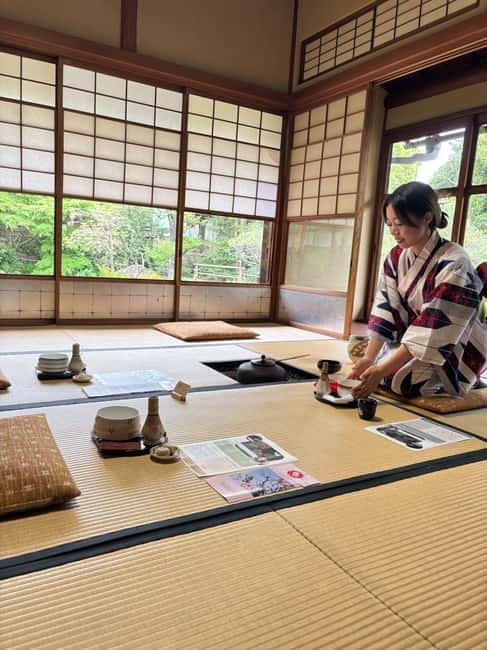
- Brew your own tea with help in English
- Sweets are provided and chosen to go with the tea
- Small group (up to 10) for real conversation, not a classroom rush
- Take-home tea set and souvenir as a lasting memory
- Express security check helps reduce waiting time
A Yokohama Tea Ceremony That Feels Like Culture, Not Performance
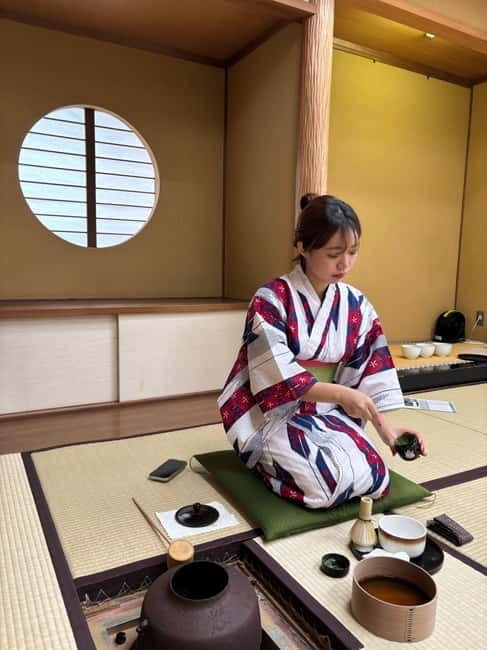
If you’ve ever done a formal show that feels a bit staged, this one has a different energy. The goal is casual and approachable: you’re in a tea room setting, but you’re also learning in a way that makes sense for overseas visitors. You don’t need a background in tea to enjoy it.
I like that it’s designed around the core idea of the tea ceremony: connection. You’re not only tasting and learning technique, you’re sharing the moment with other people sitting nearby. In a small group, that matters. You get chances to ask questions, chat a little, and keep the experience from turning into a one-way lecture.
The other big win is the practical outcome. Yes, you learn about tea. But you also leave with a tea set souvenir, so the memory isn’t locked away in photos only. You might even end up using it at home when you want something calm and a little ritual-like.
The harbour city next door, reviewed
- Narita Airport: One Way Private Transfer to Tokyo|Yokohama Hotels
★ 4.5 · 69 reviews - Tokyo/Yokohama: Mt. Fuji and Hakone Private Day Tour
★ 5.0 · 64 reviews - Tokyo: Private One-Way Transfers to/from Yokohama Port
★ 4.5 · 50 reviews - Private Car Tour to see Highlights of Kamakura, Enoshima, Yokohama from Tokyo
★ 5.0 · 48 reviews
Brewing Your Own Tea: The Hands-On Part That Sticks
This experience isn’t a sit-and-watch demonstration. You brew the tea yourself. That’s the best way to learn, because your hands slow you down and your senses pay attention. You’ll get guidance from an English-speaking guide so you know what to do, not just what something is called.
Here’s what that means for you in real life: you can go from unsure to capable in a short time. Tea ceremony etiquette, timing, and how tea preparation changes the flavor all make more sense once you try it. It’s also the kind of activity that works for first-timers because you’re not being judged on polish. The point is to learn the process and enjoy it.
In one session described by a recent booking, the host-led ceremony used matcha, and the matcha was called out as spot on. Even if you’re new to matcha, you’ll still understand what makes the tea taste the way it does when you’re the one doing the steps.
One small practical note: since it’s only one hour, the focus is on getting you through the key actions and the main takeaways. Don’t expect a long, technical seminar. Do expect the basics to click.
Sweets and Tea Pairing: Why the Dessert Isn’t Just an Extra
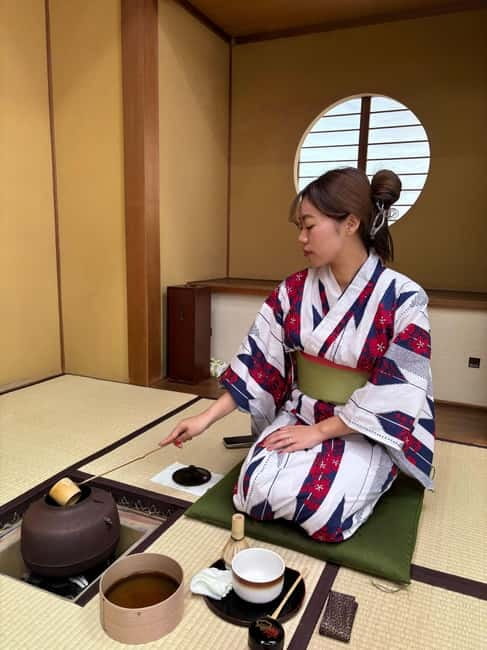
Tea ceremony sweets sound like a side detail until you actually experience the pairing. The sweets here are traditional Japanese sweets provided alongside the tea, and they’re selected to complement the flavor of what you’re brewing. That pairing is part of how Japanese sweets are experienced: not just sweetness for its own sake, but balance.
For your taste buds, the payoff is simple. The tea and sweet together can feel smoother, less harsh, and more rounded than either one alone. You’ll likely notice how sweetness, texture, and even subtle flavors change how you perceive the tea’s bitterness or depth.
For your brain, it’s also a quick lesson in Japanese attention to detail. People talk about tea ceremony as a visual ritual, but the “pairing” angle is what makes it feel like a full sensory experience. You’re tasting like you’re learning, not tasting like you’re eating snacks.
If you’re a sweet tooth, this part is a bonus. If you’re not, don’t worry. The sweets are there to guide your tea experience, not to turn the session into dessert-first chaos.
English Guidance in a Small Group: What Sarina and Ryota Add
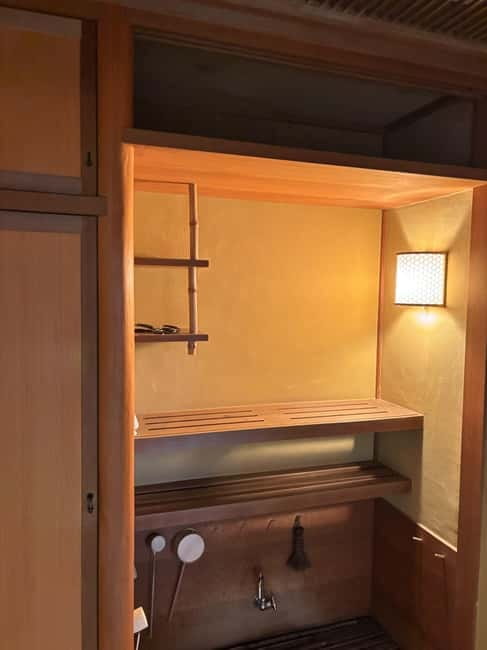
Language can make or break cultural activities. Here, the guide is English-speaking, and the session stays relaxed and friendly. That means you can ask questions without guessing what the guide might mean.
The small-group size also changes the feel. Limited to 10 participants, it’s intimate enough for you to actually connect with others rather than shout across a room. In one booking, the hosts also helped with recommendations for places to visit in Yokohama, which is a nice bonus when you still have energy for sightseeing later.
Names you may hear include Sarina and Ryota. One booking specifically highlighted how welcoming and helpful they were, including being happy to explain the tea as well as talk more broadly. Another booking mentioned the conversation style as relaxed and warm, which fits the overall vibe: it’s not a stiff lesson. It’s a shared moment.
A practical perk: if photos matter to you, one booking described that the hosts took plenty of pictures during the experience and shared them afterward. That’s not guaranteed for every session in the info you’re given, but it does match the overall host approach described by recent participants.
The Flow in Practice: What Happens During the Hour
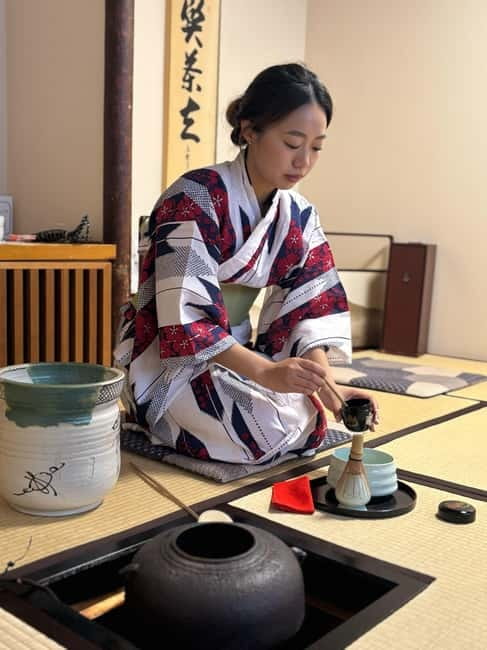
You should expect the ceremony to be structured but not rushed. The session lasts about one hour, and that time is used to cover both the explanation and the hands-on brewing. You’re guided step by step, then you get time to do it yourself.
Meeting point details are straightforward: it varies depending on the tea room location, and you’ll be contacted with the exact information. That matters because Yokohama can be confusing if you arrive thinking you’ll easily “find the tea room.” Plan for a quick message exchange and confirm where you’re headed.
Some sessions may include a bit of time before the tea ceremony to settle in. One recent booking described a pickup at the hotel in a Tesla, plus a short walk through a Japanese garden while the hosts set everything up. Not every booking will have that exact flow, but it shows what the hosts are capable of adding when timing allows.
Also note the practical time-saver: the experience includes an express security check, helping you avoid the common waiting that can eat into your day.
Bottom line: treat this as a focused cultural stop you can fit into a travel day. It’s short enough to pair with sightseeing, but structured enough to feel complete.
More tea rooms our readers rated
- Matcha Making Class in Tokyo with Authentic Japanese Sweets Set★ 5.0 · 744 reviews
- Tokyo: Traditional Tea Ceremony with a Tea Master★ 5.0 · 528 reviews
- Tokyo: Matcha Making Experience with Mochi Sweets in Asakusa★ 4.9 · 388 reviews
- Tokyo: Matcha and Kimono Experience★ 4.7 · 219 reviews
- Tea Ceremony Workshop in Tokyo by the Experienced Instrucor★ 5.0 · 189 reviews
The Tea Set Souvenir: Value Beyond the Photo
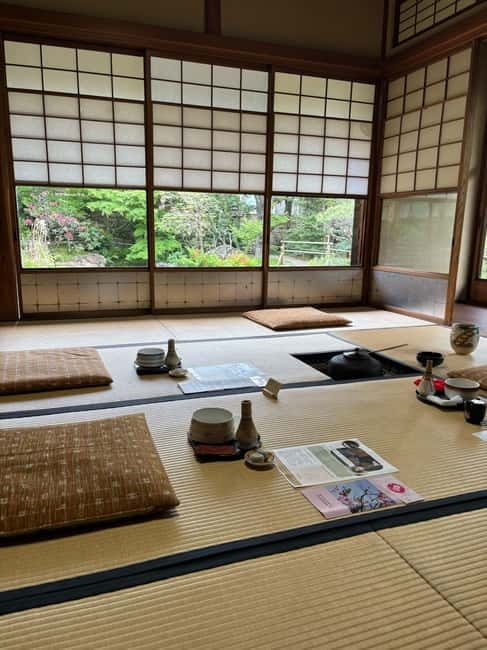
A tea-set souvenir can go one of two ways. It’s either a decorative trinket you never touch again, or it’s something you can bring back into daily life. The way this experience is described, you take home a beautifully crafted tea set, plus an original souvenir gift. That’s a strong signal that they expect you to keep using it.
Why this matters for you: tea ceremonies are more than taste. They’re rhythm. When you have a tea set at home, you can recreate part of that rhythm without needing a specialist class. Even if you never do a full ceremony at home, having the set gives you an easy way to practice the simplest ritual—pour, breathe, sip, slow down.
There’s also a satisfaction angle. Leaving with a tangible item feels better than only leaving with a receipt and a photo. If you’re the type who wants a souvenir that’s not just decorative, this tends to fit.
Price and Value Check: Is $45 Reasonable for One Hour?
At $45 per person for about one hour, the first question is simple: what do you actually get for that money?
You get:
- an English-speaking guide
- a hands-on Japanese tea brewing session
- traditional Japanese sweets
- an original souvenir and a crafted tea set
That bundle is what makes the price make sense. The cost isn’t only paying for a venue. It’s paying for instruction, guided preparation, and the included food and take-home item.
So how do you decide if it’s worth it? Think about what you’d pay if you tried to cobble the experience together yourself. You’d likely spend money on tea tasting, transport, and possibly a paid workshop anyway. Here, you get the whole package in a tight timeframe, and you don’t have to solve the “how do I do this properly” problem alone.
The only real drawback, again, is time. One hour means you’ll learn the basics and the feel, not become a tea master. If you want a long deep study, look for a longer class. If you want a memorable first taste of Japanese tea culture with support, $45 for a small-group, guided, hands-on session can feel fair.
Who This Yokohama Tea Ceremony Suits Best
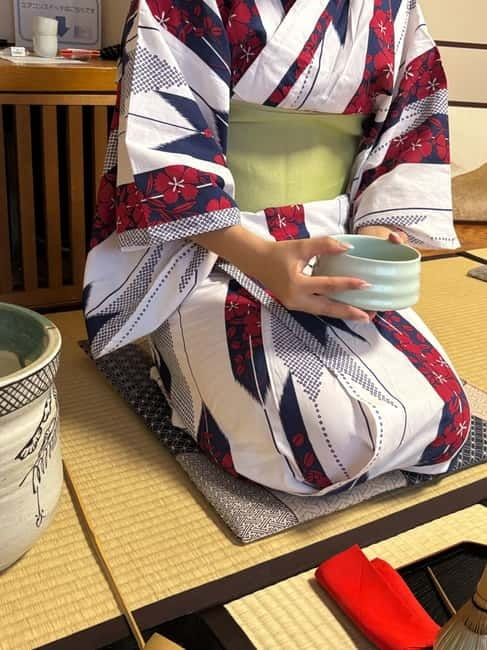
This is a great fit if you’re:
- new to tea ceremony and want an easy entry point
- traveling solo or with friends and want a calm activity with conversation
- the kind of person who appreciates small cultural rituals more than big ticket attractions
- looking for a Japanese cultural experience that doesn’t require advanced language
It’s also a good option for limited time. A one-hour session slots neatly between Yokohama sights without overwhelming your day.
If you’re expecting a grand spectacle, you might feel underwhelmed. This isn’t built to be loud or flashy. It’s built to be quiet, guided, and comfortable.
Practical Tips Before You Go (Simple, But They Help)
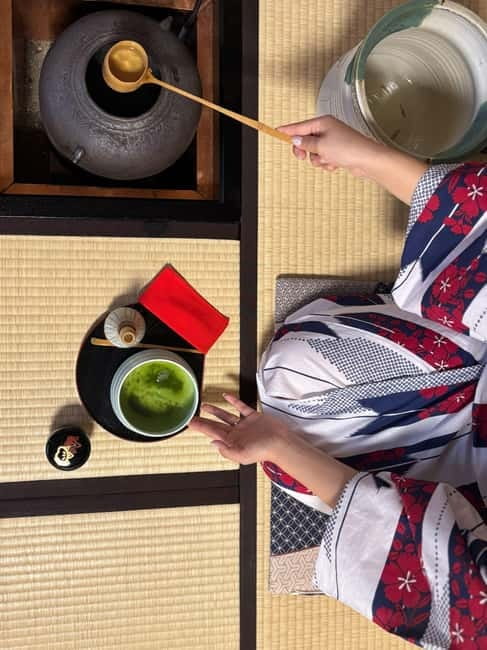
You only need a camera. That’s listed as what to bring, and it’s a smart move because you’ll want photos of the tea room moment and the take-home tea set.
A couple of small etiquette reminders based on what’s explicitly stated:
- smoking isn’t allowed
- you’ll spend time in a controlled environment, so keep your own pace calm
Also, because the meeting point varies by tea room location, make sure you’re ready to follow the contact instructions you’ll receive. If you’re the kind of traveler who likes to show up early, do it. Not for worry—just so you have a few minutes to settle in.
Should You Book This Yokohama Tea Ceremony?
I’d book it if you want a genuinely manageable way to experience Japanese tea culture in Yokohama. You’re not only learning theory. You brew your own tea with English guidance, you get traditional sweets paired with what you make, and you leave with a crafted tea set that keeps the experience with you.
Skip this only if you strongly prefer long, technical classes or you hate social settings with other participants. If you can handle a calm, small-group hour, this is a solid value play for culture that feels personal.
If you’re building a Yokohama itinerary and want one “slow and meaningful” stop, this tea ceremony belongs on the list.
FAQ
How long does the Yokohama tea ceremony with sweets and souvenir last?
The duration is 1 hour.
How much does it cost per person?
It costs $45 per person.
What is included in the experience?
You get an English-speaking guide, a traditional Japanese tea brewing session, Japanese sweets, and an original Japanese souvenir. You also take home a crafted tea set.
Is the guide available in English?
Yes. The instructor is English-speaking.
How many people are in the group?
The group is limited to 10 participants.
What should I bring, and is smoking allowed?
Bring a camera. Smoking is not allowed.
More Tour Reviews in Tokyo
- Mt Fuji and Hakone 1-Day Bus Tour Return by Bullet Train
★ 5.0 · 26,383 reviews - 1-Day Tokyo Bus Tour
★ 5.0 · 14,250 reviews - Tokyo: teamLab Planets TOKYO Digital Art Museum Entry Ticket
★ 4.6 · 9,779 reviews - Mt Fuji & Hakone Cruise, Drum Show Bullet Train 1 Day from Tokyo
★ 4.0 · 7,413 reviews - Tokyo: Shinjuku Food Tour (13 Dishes at 4 Local Eateries)
★ 5.0 · 6,603 reviews
More Tea and Matcha Rooms
- Matcha Making Class in Tokyo with Authentic Japanese Sweets Set
★ 5.0 · 744 reviews - Tokyo: Traditional Tea Ceremony with a Tea Master
★ 5.0 · 528 reviews - Tokyo: Matcha Making Experience with Mochi Sweets in Asakusa
★ 4.9 · 388 reviews - Tokyo: Matcha and Kimono Experience
★ 4.7 · 219 reviews - Tea Ceremony Workshop in Tokyo by the Experienced Instrucor
★ 5.0 · 189 reviews
The Harbour City Next Door, Rated
- Narita Airport: One Way Private Transfer to Tokyo|Yokohama Hotels
★ 4.5 · 69 reviews - Tokyo/Yokohama: Mt. Fuji and Hakone Private Day Tour
★ 5.0 · 64 reviews - Tokyo: Private One-Way Transfers to/from Yokohama Port
★ 4.5 · 50 reviews - Private Car Tour to see Highlights of Kamakura, Enoshima, Yokohama from Tokyo
★ 5.0 · 48 reviews - Private Kamakura plus Yokohama Tour – English Speaking Driver
★ 4.5 · 28 reviews
Latest Tokyo reviews off our desk






Yokohama Day Trips, compared.
 ★ 5.0Tokyo 8hr Private Tour with Licensed Guide from YokohamaFrom $20194 reviews
 ★ 4.5Narita Airport: One Way Private Transfer to Tokyo|Yokohama HotelsFrom $7769 reviews
 ★ 5.0Tokyo/Yokohama: Mt. Fuji and Hakone Private Day TourFrom $39264 reviews
 ★ 5.0Shuttle Van Transfer, Yokohama(Port)⇒Tokyo, Narita, Haneda, TDRFrom $12263 reviews
 ★ 5.0Yokohama Ramen Adventure From a Local Noodle Factory to HomeFrom $16560 reviews
 ★ 4.5Private One-Way Transfers to/from Yokohama PortFrom $6750 reviews
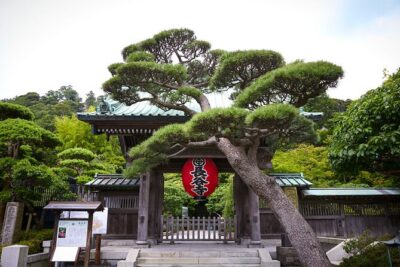 ★ 5.0Private Car Tour to see Highlights of Kamakura, Enoshima, Yokohama from TokyoFrom $1,18348 reviews
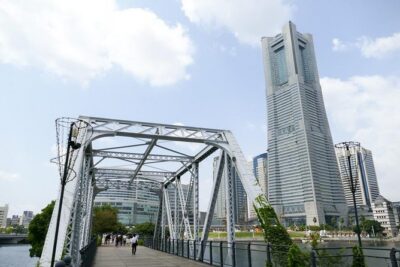 ★ 5.0Yokohama 4hr Private Tour with Government-Licensed GuideFrom $10834 reviews
Browse the lists this tour appears in