
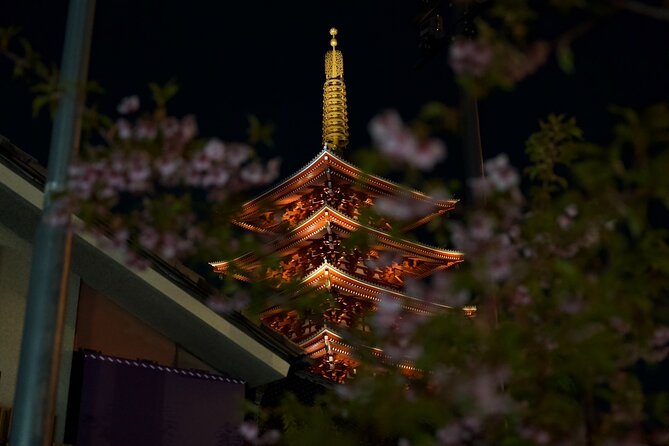
Reviewed · ASAKUSA & SENSOJI TOURS
Asakusa Night Evening Walking Tour with English-Speaking Guide
Nightfall turns Asakusa into a mood. This Asakusa night walk is a smart way to see the big sights after daylight crowds, with a English-speaking guide who explains what you’re looking at as you move from Kaminarimon to local alleys. I like that the route is built for a pre-dinner plan, so you’re not stuck wandering hungry in the dark. The one thing to keep in mind is timing: the Senso-ji main hall closes at 6 PM, so depending on when you go, you may only view parts of the complex from outside.
What I like most is the fast, focused format. In about an hour, the guide helps you get the background you missed on a daytime visit, and that changes the whole feeling of the streets—especially when you hear the stories behind Senso-ji, Asakusa Shrine, and the alleys around Hoppy Street. Guides Takumi and Mio are specifically praised for making the walk enjoyable and informative, with backstory that clicks immediately.
In This Review
- Key highlights to notice before you go
- Asakusa at night: what this 1-hour walk gives you
- Price and value: does $34.29 make sense?
- Where you meet and how the timing usually works
- Stop 1: Kaminarimon Gate and the Thunder Gate glow
- Stop 2: Nakamise Shopping Street for snacks and souvenirs (without overbuying)
- Stop 3: Senso-ji Temple after the crowds thin out
- Stop 4: Asakusa Shrine, history that survived the hard years
- Stop 5: Hanayashikidori Street near the amusement-park namesake
- Stop 6: Hoppy Street, then dinner on your terms
- The guides make or break the experience
- Getting the most out of your night walk (simple, practical tips)
- Who should book this tour?
- Should you book this Asakusa night walking tour?
- FAQ
- How long is the Asakusa Night Evening Walking Tour?
- Is this tour in English?
- What stops are included on the walk?
- Are food and drinks included?
- Do I need to pay for entry at the stops?
- What is the group size limit?
- What time should I consider for Senso-ji Temple?
Key highlights to notice before you go
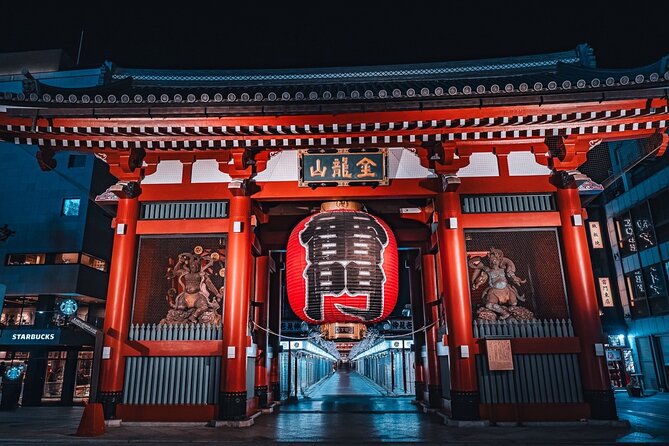
- A tight 1-hour route that works perfectly before dinner, not as a full-day commitment
- After-crowds timing that lets Senso-ji feel calmer and easier to appreciate
- Temple to izakaya handoff: finish near Hoppy Street when you’re ready to eat and drink
- Stops that connect by theme: gate, shopping street, temple, shrine, then side streets
- Small group size (max 8), which helps you actually hear and ask questions
Asakusa at night: what this 1-hour walk gives you
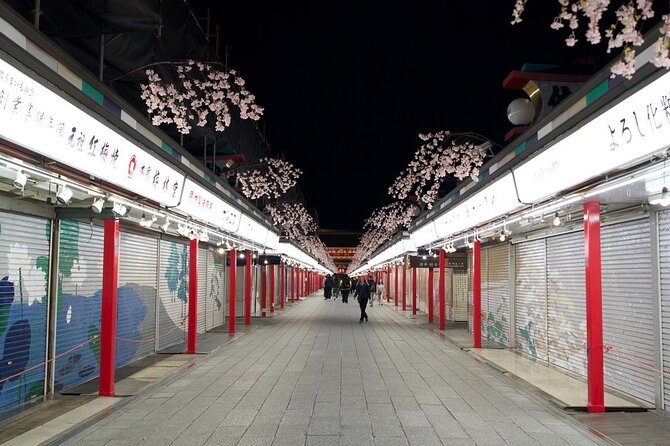
This is the kind of Tokyo tour that helps you do two things well: see the famous postcard spots, and still get that local feeling right afterward. You get an evening stroll through Asakusa’s illuminated entrance area, then a quieter look around temple grounds once the day-trippers have faded. The guide’s job is to translate the place—so you’re not just taking photos, you’re understanding why these exact gates, shrines, and streets matter.
I also like that it ends where your plans can naturally continue. You’re not left standing around at the end of a tour, unsure what’s next. Instead, you finish at Hoppy Street, an izakaya alley known for serving the local drink called hoppy.
More temple mornings in old Asakusa
- Tokyo: Japanese Dance Cabaret Theater Asakusa-Kaguwa Ticket
★ 4.8 · 2,270 reviews - Tokyo: Meiji Shrine, Asakusa, Skytree Bus Tour and Cruise
★ 4.7 · 1,986 reviews - Tokyo: Roll and Authentic Sushi Making Class in Asakusa
★ 4.9 · 1,957 reviews - Tokyo: Asakusa Walking Tour with Sensoji Temple Visit
★ 4.8 · 1,583 reviews
Price and value: does $34.29 make sense?
At $34.29 per person, you’re paying for three things: an English-speaking guide, a short timed route (about 1 hour), and a small-group experience capped at 8 travelers. If you’ve already seen Asakusa in daylight, this kind of evening walk can be unusually good value because it fills in context fast—exactly what many people realize they missed earlier.
There’s also a practical trade-off: the tour doesn’t include food or drinks. So if you’re expecting the price to cover dinner, it won’t. But that can also be a plus. You get to decide where you actually want to eat, and you end the walk in the right neighborhood to do it.
Where you meet and how the timing usually works
The meeting point is Burger King Asakusa Azumabashi in the Kaminarimon area (the exact pin is listed by the operator). The tour ends on Hoppy Street, which is a convenient drop-off if your next step is dinner in Asakusa.
Because the schedule is short, timing matters. You’ll want to arrive a bit early so the guide can start on time and you can keep the flow. And double-check your evening plan around 6 PM if you care about entering the Senso-ji main hall area; that’s the one clearly stated cutoff for closure.
Stop 1: Kaminarimon Gate and the Thunder Gate glow
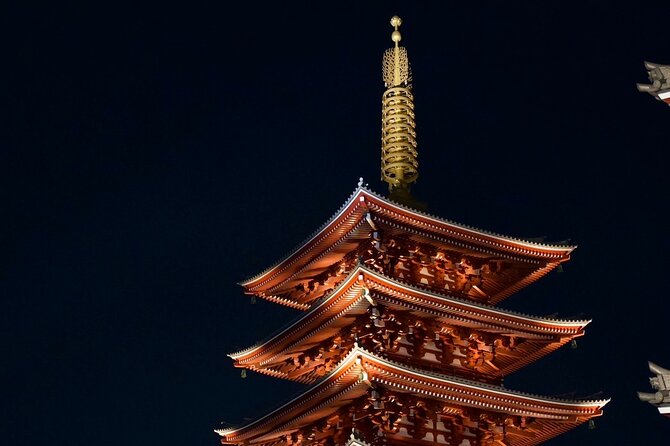
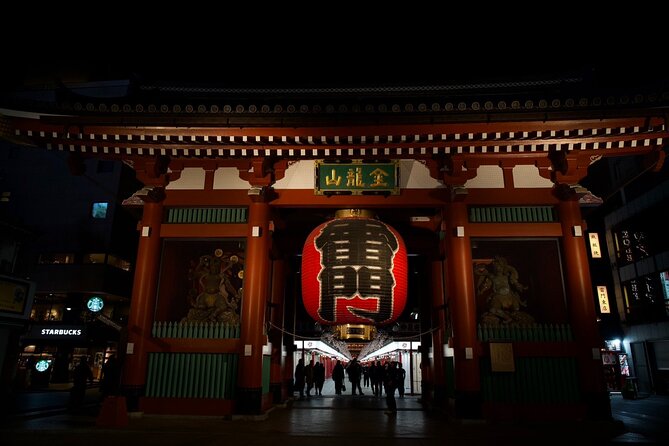
Kaminarimon is the iconic entrance to Senso-ji Temple in Asakusa, often called the Thunder Gate. You’ll see Fujin and Raijin flank the gate—wind and thunder deity statues—plus the massive red lantern that anchors a lot of classic photos here.
Why this stop matters on a night tour: after dark, the gate and lantern feel less like a daytime landmark and more like a real entrance into a different world. It’s also a strong warm-up because your guide can set the stories you’ll hear later, right at the start.
Practical tip: take a minute to look up and take the shot, then move on. This first stop is great, but it’s also easy to get stuck photographing the same angle. The tour is designed to keep momentum.
Stop 2: Nakamise Shopping Street for snacks and souvenirs (without overbuying)
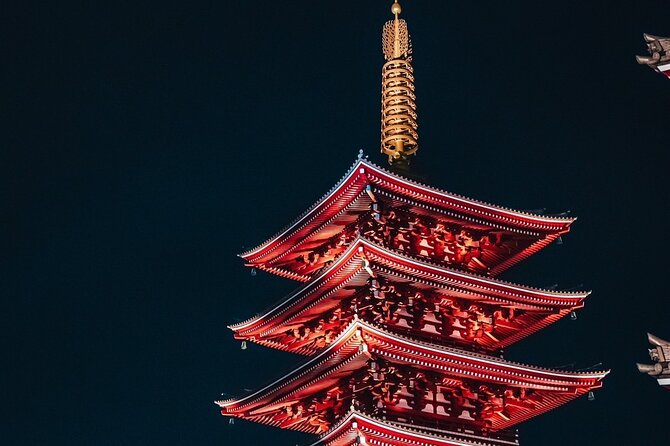
From Kaminarimon, you pass through Nakamise Shopping Street, the traditional approach lined with shops. Here you’ll find classic Japanese snack options, souvenir stands, and handmade-style goods.
What I like about including Nakamise on an evening walk: you still get the sensory feel of the shopping corridor, but the tour keeps it from turning into a long shopping detour. It’s enough time to spot what you might want, then you continue to the temple and shrine areas while the night atmosphere settles in.
One consideration: if you’re a heavy shopper, you might want to save purchases for later. With only about an hour total, the walk is more about seeing and understanding than browsing everything.
Readers also shortlisted these Tokyo bookings:
- Tokyo Tsukiji Fish Market Food and Culture Walking Tour★ 5.0 · 3,184 reviews
- Tokyo: Imperial Palace and Shogun Historical Walking Tour★ 5.0 · 2,251 reviews
- Tokyo: Shinjuku Local Bar and Izakaya Guided Walking Tour★ 4.9 · 1,794 reviews
- Tokyo: Tsukiji Fish Market Food and Walking tour★ 5.0 · 1,724 reviews
- Tokyo: Asakusa Walking Tour with Sensoji Temple Visit★ 4.8 · 1,583 reviews
Stop 3: Senso-ji Temple after the crowds thin out
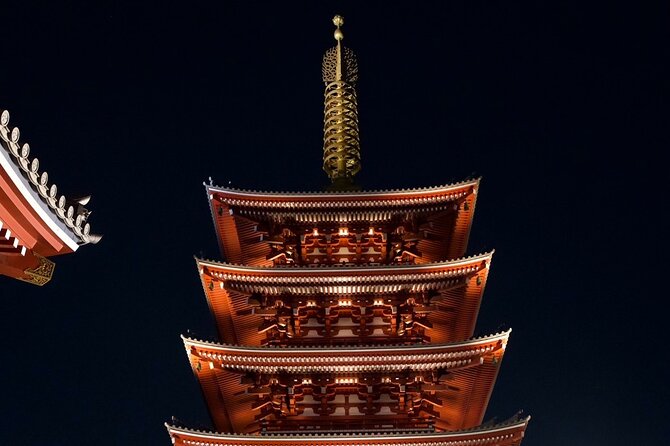
Senso-ji is one of Tokyo’s oldest and most renowned temples and is dedicated to Kannon, the goddess of mercy. You’ll also see the iconic Kaminarimon Gate from this temple-side perspective, which is why it’s such a famous photo spot.
The big night-tour advantage is the crowd shift. The tour is designed specifically for a calmer feel after the daytime rush. That makes it easier to walk, look closely, and actually hear your guide’s explanations.
The key drawback is timing: the main hall closes at 6 PM, so entry may not be possible depending on when your group reaches this stop. Even then, you still get the atmosphere, and you’ll be able to understand the layout through your guide’s storytelling, but if you’re set on entering, plan your evening accordingly.
Stop 4: Asakusa Shrine, history that survived the hard years
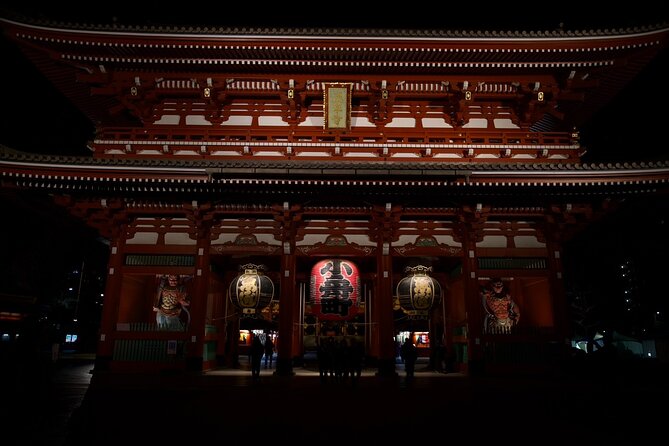
Next to Senso-ji is Asakusa Shrine, a Shinto shrine dedicated to the three men said to have founded Senso-ji. The shrine dates back to the 17th century and survived World War II, and it remains a symbol of harmony.
This stop is a nice balancing act. While Senso-ji tends to grab the attention, the shrine provides another layer of meaning right beside it. On an evening tour, it also feels less like a repeat of the big headline spot and more like a quieter chapter in the same neighborhood story.
If you like when a tour gives you context beyond the obvious, this is one of the stops that tends to land well. It helps you connect temple culture with shrine culture, instead of treating them like two separate attractions.
Stop 5: Hanayashikidori Street near the amusement-park namesake
You’ll then head to Hanayashikidori Street, named after Hanayashiki, Japan’s oldest amusement park. The street is lined with shops, restaurants, and cafés, so it has that in-between feel: not just sacred sightseeing anymore, but everyday Asakusa life.
Why it works in the route: it changes pace. After the temple and shrine stops, this feels like a transition into casual evening wandering. It’s also a smart place to look around for dinner ideas without committing yet.
What to expect: you’ll pass through the area as part of the walk. This isn’t presented as a deep time-sink shopping stop, so don’t assume you’ll have time to fully explore every storefront.
Stop 6: Hoppy Street, then dinner on your terms
The tour ends at Hoppy Street, a lively alley famous for izakayas serving hoppy, a popular local drink. It’s a favorite area for both locals and visitors, and the mix of drink-focused spots gives you an easy, low-stress next step.
This is the real payoff for booking a short evening tour. You finish already in the right pocket of town, with a natural plan forming in front of you: walk a few steps, choose a place, and eat.
Because food and drinks are not included, you’ll still be in control. And that can be a good thing, since it means you can match your dinner choice to your appetite and budget.
The guides make or break the experience
The operator is GuideMe Japan, and the walking style here is very much about explanation. Your English-speaking guide shares stories about Asakusa’s history, culture, and local legends as you move between stops.
I especially liked the emphasis from the guide experiences shared for this tour: Takumi is praised for making the evening walk both enjoyable and informative, and Mio is praised for being lively while explaining backstories that make a brief visit much more satisfying. The theme is clear: they don’t just point at sights; they help you understand why the sights are there.
That matters a lot on a place like Asakusa, where the main icons are famous but the details can be missed if you’re walking on your own.
Getting the most out of your night walk (simple, practical tips)
- Wear comfortable shoes. You’ll be walking and standing near gates and temple areas, and the tour is short, so you’ll move steadily.
- Bring a camera, but also take small breaks to look without shooting. The lantern and gate views are best when you pause instead of rushing.
- If you went to Senso-ji in the daytime already, treat this tour as context. That’s the sweet spot for a lot of people who book it after a daytime wander.
- Time your evening if Senso-ji main hall access matters to you. The stated closure at 6 PM can change what you can enter.
Who should book this tour?
This works best if you want:
- a first evening plan in Tokyo that shows a real neighborhood, not just a single monument
- a guided route when you don’t want to puzzle out what to see next
- an efficient way to get context if you already visited Asakusa earlier in the day
It’s also a good fit for people who like group travel but want it to stay personal. With max 8 travelers, it’s small enough that your guide can actually manage the group and keep conversation going.
If you prefer long free time for shopping or if you want a food-focused experience, you might find the structure a bit tight. Food isn’t included, and the walk is designed to flow through multiple stops in about an hour.
Should you book this Asakusa night walking tour?
I think it’s a yes for most people who have one evening to start their Tokyo week in a memorable way. The price is fair for what you get: an English-speaking guide, a tight route across key Asakusa landmarks, and a finish at Hoppy Street that makes dinner feel easy.
I’d say consider your timing if you care about entering the Senso-ji main hall, since that area closes at 6 PM. And if you’re hoping the tour price includes a meal, it doesn’t—so plan to eat on your own right after.
If your goal is to walk Asakusa at night with clear explanations and a smooth handoff into dinner, this is the kind of short tour that feels worth it.
FAQ
How long is the Asakusa Night Evening Walking Tour?
It runs for about 1 hour.
Is this tour in English?
Yes. It includes an English-speaking guide.
What stops are included on the walk?
The tour includes Kaminarimon Gate, Nakamise Shopping Street, Senso-ji Temple, Asakusa Shrine, Hanayashikidori, and ends at Hoppy Street.
Are food and drinks included?
No. Food and drinks are not included.
Do I need to pay for entry at the stops?
The tour notes admission ticket free for each of the listed stops.
What is the group size limit?
The tour has a maximum of 8 travelers.
What time should I consider for Senso-ji Temple?
The Senso-ji main hall closes at 6 PM, so entry may not be possible depending on the tour timing.
More Tours in Tokyo
- Mt Fuji and Hakone 1-Day Bus Tour Return by Bullet Train
★ 5.0 · 26,383 reviews - 1-Day Tokyo Bus Tour
★ 5.0 · 14,250 reviews - Tokyo: Shinjuku Food Tour (13 Dishes at 4 Local Eateries)
★ 5.0 · 6,603 reviews - Tokyo Mt Fuji 5th St & Hakone Cruise Bus Tour w/Bullet Train
★ 4.4 · 5,024 reviews - Flagship 2-Hours Official Street Go-Kart Tour – Tokyo Bay Shop
★ 5.0 · 4,974 reviews
More Tour Reviews in Tokyo
- Mt Fuji and Hakone 1-Day Bus Tour Return by Bullet Train
★ 5.0 · 26,383 reviews - 1-Day Tokyo Bus Tour
★ 5.0 · 14,250 reviews - Tokyo: teamLab Planets TOKYO Digital Art Museum Entry Ticket
★ 4.6 · 9,779 reviews - Mt Fuji & Hakone Cruise, Drum Show Bullet Train 1 Day from Tokyo
★ 4.0 · 7,413 reviews - Tokyo: Shinjuku Food Tour (13 Dishes at 4 Local Eateries)
★ 5.0 · 6,603 reviews
More Mornings in Old Asakusa
- Tokyo: Japanese Dance Cabaret Theater Asakusa-Kaguwa Ticket
★ 4.8 · 2,270 reviews - Tokyo: Meiji Shrine, Asakusa, Skytree Bus Tour and Cruise
★ 4.7 · 1,986 reviews - Tokyo: Roll and Authentic Sushi Making Class in Asakusa
★ 4.9 · 1,957 reviews - Tokyo: Asakusa Walking Tour with Sensoji Temple Visit
★ 4.8 · 1,583 reviews - Tokyo Asakusa Rickshaw Tour
★ 5.0 · 1,375 reviews
Latest Tokyo reviews off our desk

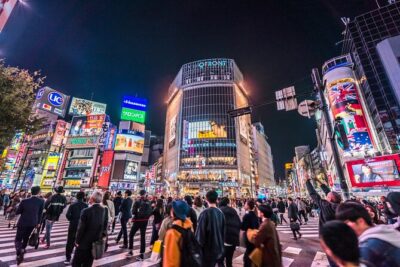
Asakusa & Sensoji Tours, compared.
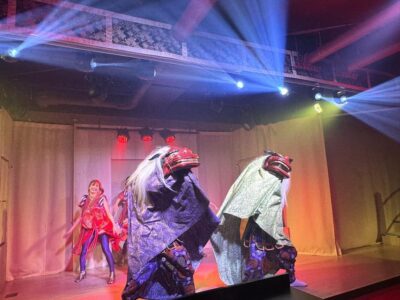 ★ 4.8Japanese Dance Cabaret Theater Asakusa-Kaguwa TicketFrom $492,270 reviews
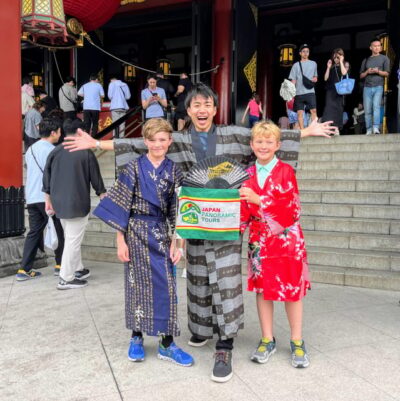 ★ 4.7Meiji Shrine, Asakusa, Skytree Bus Tour and CruiseFrom $1221,986 reviews
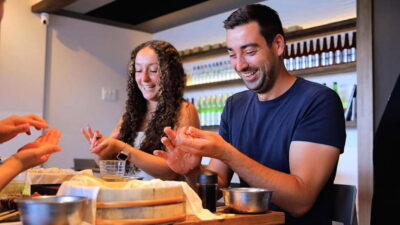 ★ 4.9Roll and Authentic Sushi Making Class in AsakusaFrom $581,957 reviews
 ★ 4.8Asakusa Walking Tour with Sensoji Temple VisitFrom $221,583 reviews
 ★ 5.0Tokyo Asakusa Rickshaw TourFrom $421,375 reviews
 ★ 4.5Tokyo Panoramic 1 Day: Meiji Shrine, Asakusa, Odaiba and SKYTREE®From $851,222 reviews
 ★ 5.0Tokyo Go Kart: Asakusa, Skytree, and Akihabara **IDP MUST**From $99988 reviews
 ★ 4.7Asakusa, Skytree & Akhihabara Go-Kart City ExperienceFrom $96761 reviews
Browse the lists this tour appears in