
Reviewed · ASAKUSA & SENSOJI TOURS
Asakusa, Tokyo’s #1 Family Food Tour
Food and temple streets, in three hours. This tour strings together Asakusa sightseeing and five food stops (including lunch) in a way that feels practical, not rushed. I like how the route stays focused on the places you’d actually want to revisit, even if you’re new to Tokyo.
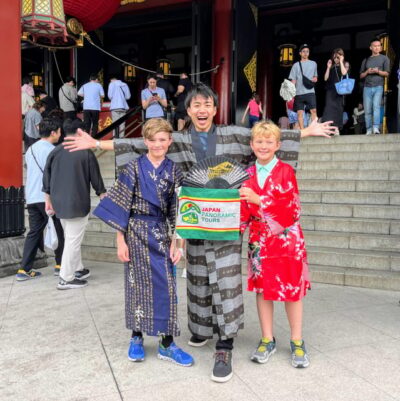
Second, I really like the small-group setup (max 10) and the hands-on guidance. Reviews specifically call out guides like Michie and Wesley for being personable, knowledgeable, and patient—which matters when you’re moving through crowded streets with kids or just trying to keep everyone happy.
One consideration: this is a walking-focused tour, and you’ll be on your feet. If you’re sensitive to heat or stamina limits, plan around that and wear shoes you trust.
In This Review
- Key things to know before you go
- Asakusa, Japan’s food-and-street-scene shortcut
- The 11:00 meeting point: why the orientation matters
- Your food plan: five tastings that actually add up
- Stop-by-stop: how the walk flows through Asakusa
- Around Asakusa: side streets, not just the headline spots
- Kaminarimon: the lightning gate moment
- Sensō-ji temple area: stories and street-scene atmosphere
- Nakamise Street and the Asakusa Shrine perspective
- Drop-off: end near Sensō-ji’s main gate
- Lunch from southern Japan: what makes it feel worth the money
- Dessert and the drink finish: melon pan and matcha choices
- Price reality check: $221 and whether it’s good value
- Who this tour fits best (and who might want a different style)
- Practical tips so you enjoy every stop
- Should you book this Asakusa family food tour?
- FAQ
- How long is the Asakusa family food tour?
- Where does the tour start and end?
- What’s included in the price?
- How many people are in the group?
- What foods will I try?
- Is it vegetarian or pescetarian friendly?
- Is it suitable for children?
- What happens if weather is bad?
Key things to know before you go
- Max 10 people keeps the pace human and the food stops easy to manage.
- Start at Asakusa Culture Tourist Information Center for a quick district orientation before you snack your way through it.
- 5 food stops with lunch means you’re not just nibbling; you’re eating a full meal’s worth.
- Regional flavors from southern Japan for lunch, plus smaller tastings like plums, pickles, rice crackers, and tea.
- Seasonal swaps happen, so the exact items can change depending on what’s available.
- Ends near Sensō-ji so you can keep exploring afterward without losing your bearings.
Asakusa, Japan’s food-and-street-scene shortcut
Asakusa is one of those Tokyo neighborhoods where food and tradition walk together. You get the charm of old-school downtown streets, plus the big sights that make people come here in the first place.
What I like about this tour is that it doesn’t treat food like a side quest. You’re guided through short segments, with tastings placed along the way, so your time stays packed with flavor and context instead of just photos.
And because it’s built around a small group, you’re less likely to feel like you’re being herded. That sounds like marketing, but in practice it means quicker questions, easier pacing, and less waiting at snack stops.
More temple mornings in old Asakusa
- Tokyo: Japanese Dance Cabaret Theater Asakusa-Kaguwa Ticket
★ 4.8 · 2,270 reviews - Tokyo: Meiji Shrine, Asakusa, Skytree Bus Tour and Cruise
★ 4.7 · 1,986 reviews - Tokyo: Roll and Authentic Sushi Making Class in Asakusa
★ 4.9 · 1,957 reviews - Tokyo: Asakusa Walking Tour with Sensoji Temple Visit
★ 4.8 · 1,583 reviews
The 11:00 meeting point: why the orientation matters
You meet at the Asakusa Culture Tourist Information Center at 11:00 am. This isn’t just a “stand here and listen” moment. It’s a quick overview that sets you up for what you’ll see later—so you understand what you’re walking past as you go.
The tour starts with a short stop (admission free) before moving into Asakusa proper. I like this approach because it helps you map the area in your head early, and it makes the rest of the walk feel smoother.
Also, there’s a practical side: your guide is already handling the flow. That matters in Asakusa, where foot traffic can get intense around major sights.
Your food plan: five tastings that actually add up
This tour is built around five food stops, and lunch is included. Expect a mix of small regional bites and fuller items, plus a dessert and a drink during the experience.
Here’s the general style of what you’ll taste, with the understanding that seasonal items can change:
- Japanese plums, pickles, and rice crackers
- Tea, and sometimes ice cream
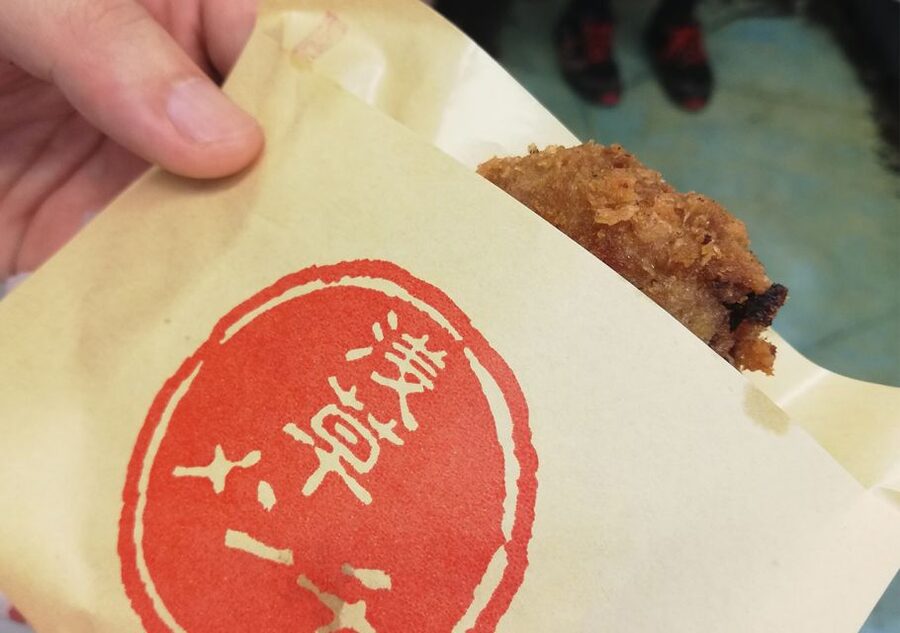
- Melon pan (a sweet bread that’s very local to Japan’s snack culture)
- Matcha tea (or ice cream) to close out
- A dessert included with the tastings
I like that this isn’t only one kind of food. You’re getting sweet, salty, sour/umami-leaning bites, and drinks that help reset your palate between stops. That keeps you from feeling like you’re eating the same flavor on repeat.
One more thing: the tour is listed as vegetarian, pescetarian friendly. That doesn’t mean everything will always be meat-free, but it does mean you can usually plan for options without feeling completely shut out.
Stop-by-stop: how the walk flows through Asakusa
The tour feels like a guided route through Asakusa’s main sights and side streets, where the guide helps you move efficiently.
Around Asakusa: side streets, not just the headline spots
After the info center, you’ll head into Asakusa with your local English-speaking guide. The point here is not only to see landmarks, but to get the food places you might miss if you’re wandering on your own.
You’ll also get stories along the way—why certain foods fit local tastes, and what’s behind the popularity of different items in Japan. That’s the kind of context that turns snacking into learning, without turning the tour into a lecture.
Readers also shortlisted these Tokyo bookings:
- Tokyo: Shinjuku Food Tour (13 Dishes at 4 Local Eateries)★ 5.0 · 6,603 reviews
- Tokyo Tsukiji Fish Market Food and Culture Walking Tour★ 5.0 · 3,184 reviews
- Tokyo: Shinjuku Food Tour (15 Dishes and 4 Eateries)★ 4.9 · 2,033 reviews
- Best of Shinjuku: Izakaya Food Tour (4 Stops, 14+ Tastings)★ 5.0 · 1,863 reviews
- Tokyo: Tsukiji Fish Market Food and Walking tour★ 5.0 · 1,724 reviews
Kaminarimon: the lightning gate moment
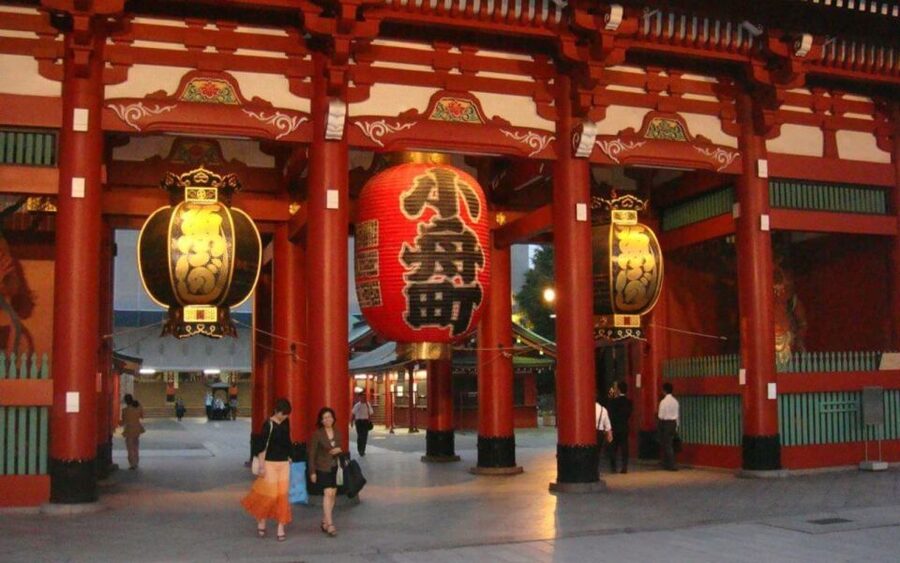
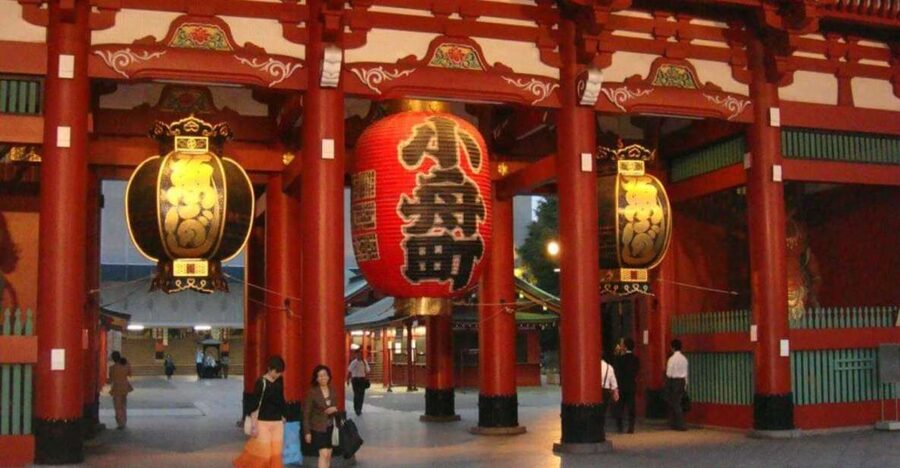
You’ll pass Kaminari-mon (the Kaminarimon area). It’s a quick, recognizable landmark stop—more of a “you’re in the right place” moment than a long sightseeing block.
This is where the tour’s strategy shows up: you hit the famous icon quickly, then shift back to the food and neighborhood streets where the experience actually happens.
Sensō-ji temple area: stories and street-scene atmosphere
You’ll spend time at Sensō-ji Temple, and you’ll also move past the Hōzōmon gate area. The guide shares hidden secrets and local details, especially related to shitamachi, Tokyo’s downtown neighborhood vibe.
This part is also where you’ll likely notice just how food-driven Asakusa is. The sensory mix—smells, crowds, little shops—can be overwhelming if you’re trying to navigate solo. With a guide, it turns into something you can enjoy instead of something you have to survive.
Nakamise Street and the Asakusa Shrine perspective
Your route includes time near Nakamise Street (the classic shopping/souvenir lane) and Asakusa Shrine. The tour description frames this as seeing Asakusa from a local’s perspective.
It’s a good ending stretch because it keeps you close to where you may want to continue exploring on your own after the tour finishes.
Drop-off: end near Sensō-ji’s main gate
The tour ends near Sensō-ji, at the main gate area, giving you a central position to keep walking, grabbing a second snack, or checking out nearby sights.
The guide also drops your group off at a central location so the rest of your afternoon is yours. That’s a nice balance: organized enough to be worth it, flexible enough to not trap you.
Lunch from southern Japan: what makes it feel worth the money
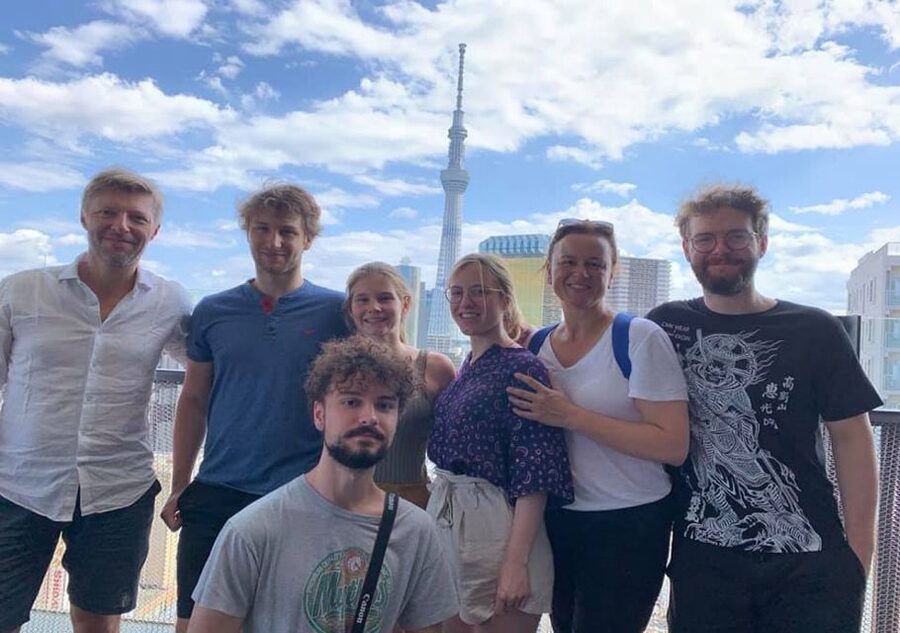
The lunch is a highlight because it’s not an afterthought. It’s included, and the cuisine is described as coming from southern Japan.
Why that matters: Asakusa is known for lots of traditional food culture, but it can skew toward the “same type of snack” if you’re only eating street bites. Adding a proper meal with regional variety gives the tour more depth and makes the cost feel more grounded.
You also get tastings leading into lunch, which helps you get your appetite and preferences sorted. When you sit down for lunch, you’re not just hungry—you’re ready for a regional food shift.
Vegetarian and pescetarian guests should have options, since the tour is explicitly labeled as compatible with those diets. If you’re traveling with someone with strict restrictions, it’s smart to communicate early, so the guide can steer you to the right items.
Dessert and the drink finish: melon pan and matcha choices
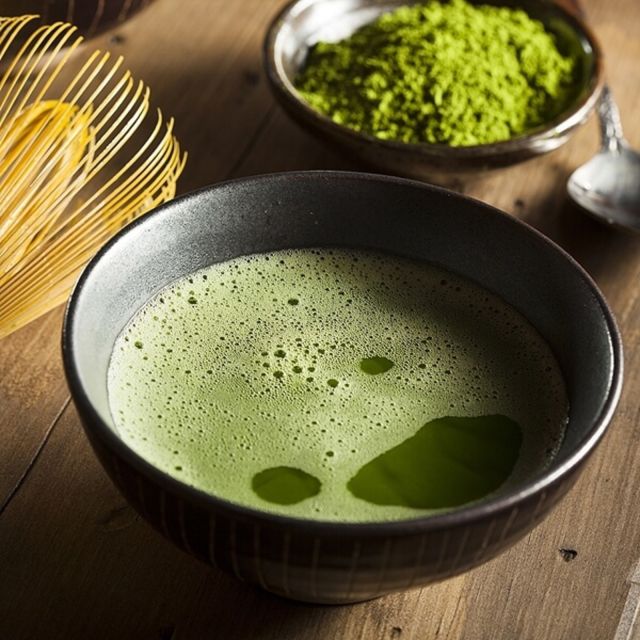
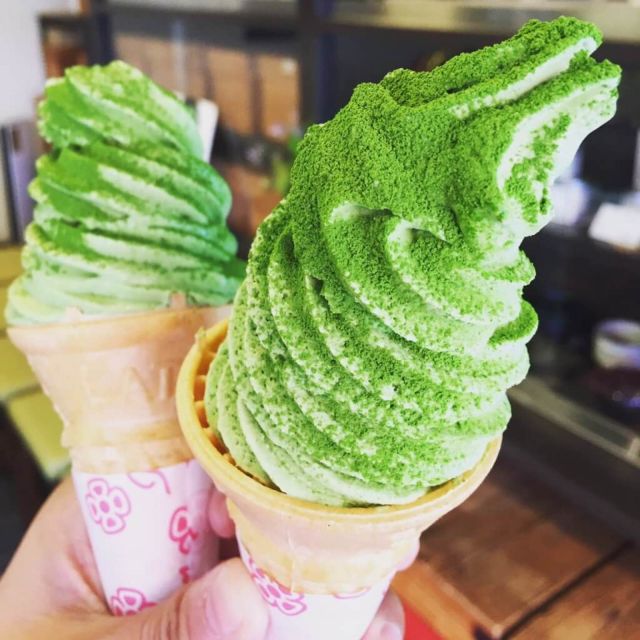
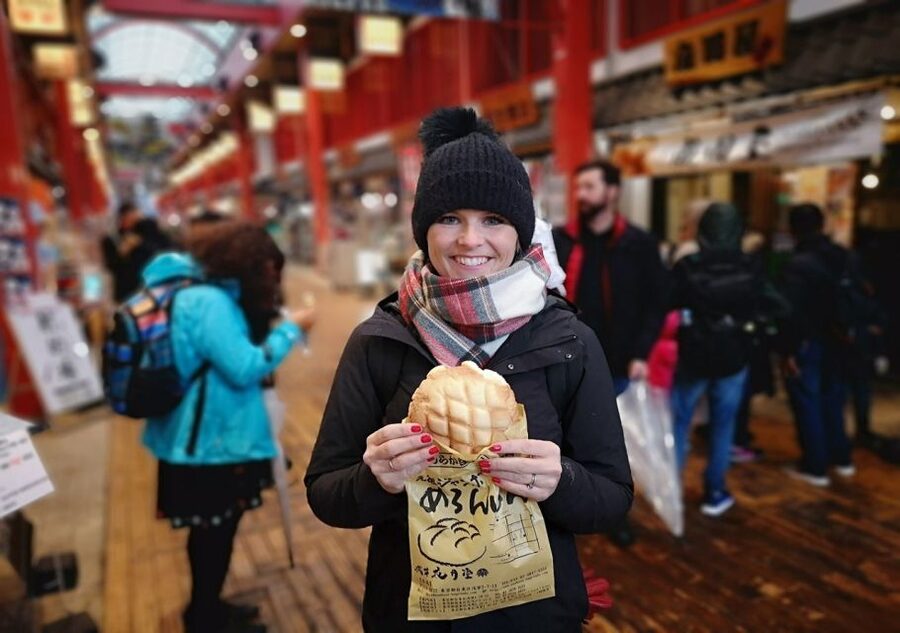
This tour includes a dessert and one drink, plus a final matcha tea moment (or ice cream). You’ll also have a chance to try melon pan, which is one of those Japan sweets that feels simple until you taste it.
What I like about ending with matcha tea or ice cream is that it gives your palate a clear reset. It also ties the experience back to Japan’s tea culture and dessert snack style, instead of letting you end with something unrelated.
Also, you’re not stuck with one drink. The tour setup includes one drink, and the menu theme suggests tea is a key part of the experience. That’s useful if you don’t want to do extra planning.
Price reality check: $221 and whether it’s good value
At $221 per person, this isn’t a budget snack crawl. But it also isn’t just “pay to taste a few things.”
You’re paying for:
- Five food stops including lunch
- Dessert plus one drink
- A local English-speaking guide
- Time-efficient routing through Asakusa so you spend fewer minutes lost and more minutes eating
If you were doing this on your own, you’d still pay for lunch plus multiple snacks and drinks, and you’d spend time figuring out where to go. The guide handles the planning, the flow, and the food sequencing.
Is it worth it? For first-timers, people traveling with kids, and anyone who likes learning while eating, it usually is. For super independent foodies who already have a tight Asakusa plan, it may feel pricier than you’d like—especially since there’s no hotel pickup and you’re responsible for getting yourself to the meeting point.
Who this tour fits best (and who might want a different style)
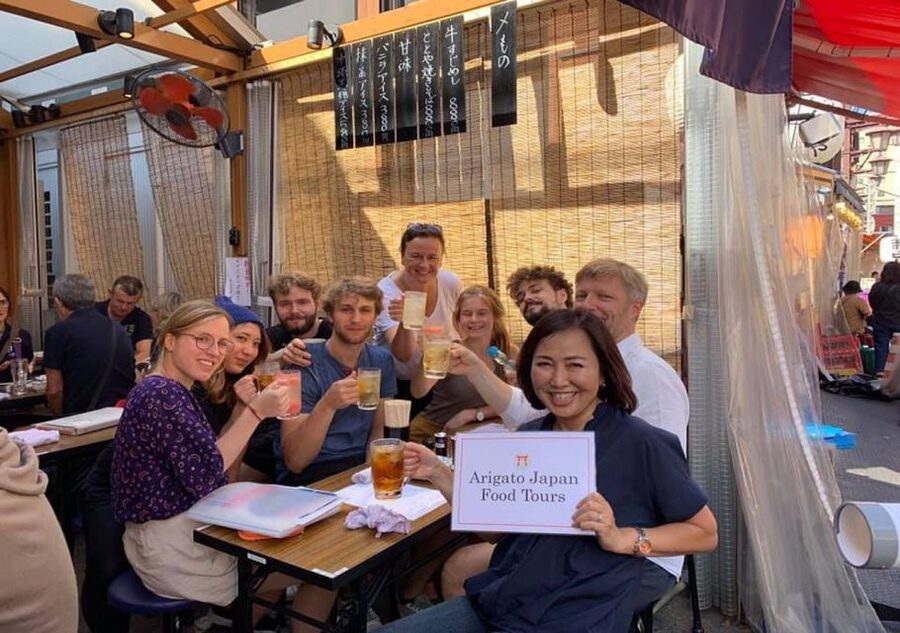
This tour is marked family-friendly, and the group stays small. That combo matters because kids do better when stops are organized and pacing is manageable.
It’s also a good fit if:
- You want a guided path through major Asakusa sights without doing full-day museum mode
- You like tasting a range of foods rather than committing to one restaurant
- You need something practical if your Japanese is limited (the guide is English-speaking)
You might consider a different option if:
- You hate walking tours or you can’t handle being on your feet for a few hours
- You’re allergic to common ingredients and need a very specialized menu (the tour is labeled vegetarian/pescetarian friendly, but the exact items can shift)
Practical tips so you enjoy every stop
This is a “show up and eat” kind of tour, but a few prep moves will make it easier.
- Wear comfortable shoes. The tour expects good physical fitness, and Asakusa is full of stairs and sidewalk weaving near busy sights.
- Bring water and plan for heat. Even though water isn’t listed as included, you’ll want it for comfort during a walking-heavy afternoon.
- Eat with an open mind. The tastings range from savory to sweet and include items like plums/pickles, so go in curious.
- Expect seasonal swaps. If you see one food listed, your actual tastings might change based on what’s available that day.
- Use the mobile ticket. The tour uses a mobile ticket, so have it ready on your phone when you meet.
Finally, keep in mind the tour ends near Sensō-ji. Build a little extra time afterward if you like wandering. You’ll be in the right area to continue at your own pace.
Should you book this Asakusa family food tour?
I’d book it if you want a simple, guided way to enjoy Asakusa without turning your afternoon into a map-reading project. The combo of five tastings + lunch plus stories and a route through major sights is exactly the kind of structured value that works well for families and first-time visitors.
I would skip it if you’re the type who wants to pick your own restaurants and you already know where you’re going. At $221, you’re paying for convenience, guidance, and a packed schedule—not just food.
If you’re flexible with seasonal menu changes and you can handle a walking tour, this one is a strong bet for a satisfying Asakusa afternoon.
FAQ
How long is the Asakusa family food tour?
It runs for about 3 hours.
Where does the tour start and end?
You start at the Asakusa Culture Tourist Information Center (11:00 am). The tour ends at the main gate of Sensō-ji in the Asakusa area.
What’s included in the price?
The tour includes 5 food stops (including lunch), dessert, one drink, and a local English-speaking guide.
How many people are in the group?
The experience has a maximum group size of 10 travelers.
What foods will I try?
You’ll likely taste items such as Japanese plums, pickles, rice crackers, tea, ice cream, and melon bread, plus lunch and a matcha tea (or ice cream) finish. The exact selection can change based on season.
Is it vegetarian or pescetarian friendly?
Yes. The tour is listed as vegetarian, pescetarian friendly.
Is it suitable for children?
It’s marked family-friendly. Children must be accompanied by an adult, and for kids 10 and above you’ll need a passport information copy.
What happens if weather is bad?
The experience requires good weather. If it’s canceled due to poor weather, you’ll be offered a different date or a full refund.
More Tours in Tokyo
- Mt Fuji and Hakone 1-Day Bus Tour Return by Bullet Train
★ 5.0 · 26,383 reviews - 1-Day Tokyo Bus Tour
★ 5.0 · 14,250 reviews - Tokyo: Shinjuku Food Tour (13 Dishes at 4 Local Eateries)
★ 5.0 · 6,603 reviews - Tokyo Mt Fuji 5th St & Hakone Cruise Bus Tour w/Bullet Train
★ 4.4 · 5,024 reviews - Flagship 2-Hours Official Street Go-Kart Tour – Tokyo Bay Shop
★ 5.0 · 4,974 reviews
More Tour Reviews in Tokyo
- Mt Fuji and Hakone 1-Day Bus Tour Return by Bullet Train
★ 5.0 · 26,383 reviews - 1-Day Tokyo Bus Tour
★ 5.0 · 14,250 reviews - Tokyo: teamLab Planets TOKYO Digital Art Museum Entry Ticket
★ 4.6 · 9,779 reviews - Mt Fuji & Hakone Cruise, Drum Show Bullet Train 1 Day from Tokyo
★ 4.0 · 7,413 reviews - Tokyo: Shinjuku Food Tour (13 Dishes at 4 Local Eateries)
★ 5.0 · 6,603 reviews
More Mornings in Old Asakusa
- Tokyo: Japanese Dance Cabaret Theater Asakusa-Kaguwa Ticket
★ 4.8 · 2,270 reviews - Tokyo: Meiji Shrine, Asakusa, Skytree Bus Tour and Cruise
★ 4.7 · 1,986 reviews - Tokyo: Roll and Authentic Sushi Making Class in Asakusa
★ 4.9 · 1,957 reviews - Tokyo: Asakusa Walking Tour with Sensoji Temple Visit
★ 4.8 · 1,583 reviews - Tokyo Asakusa Rickshaw Tour
★ 5.0 · 1,375 reviews
Latest Tokyo reviews off our desk






Asakusa & Sensoji Tours, compared.
 ★ 4.8Japanese Dance Cabaret Theater Asakusa-Kaguwa TicketFrom $492,270 reviews
 ★ 4.7Meiji Shrine, Asakusa, Skytree Bus Tour and CruiseFrom $1221,986 reviews
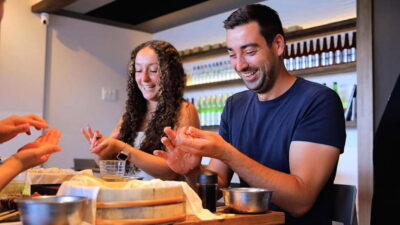 ★ 4.9Roll and Authentic Sushi Making Class in AsakusaFrom $581,957 reviews
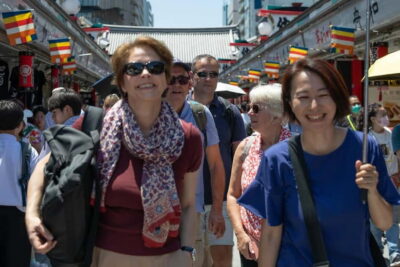 ★ 4.8Asakusa Walking Tour with Sensoji Temple VisitFrom $221,583 reviews
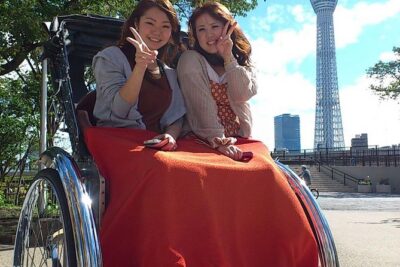 ★ 5.0Tokyo Asakusa Rickshaw TourFrom $421,375 reviews
 ★ 4.5Tokyo Panoramic 1 Day: Meiji Shrine, Asakusa, Odaiba and SKYTREE®From $851,222 reviews
 ★ 5.0Tokyo Go Kart: Asakusa, Skytree, and Akihabara **IDP MUST**From $99988 reviews
 ★ 4.7Asakusa, Skytree & Akhihabara Go-Kart City ExperienceFrom $96761 reviews
Browse the lists this tour appears in