
Reviewed · KAMAKURA DAY TRIPS
Authentic Japanese Tea Ceremony Experience in Kamakura
Tea ceremony time slows down fast.
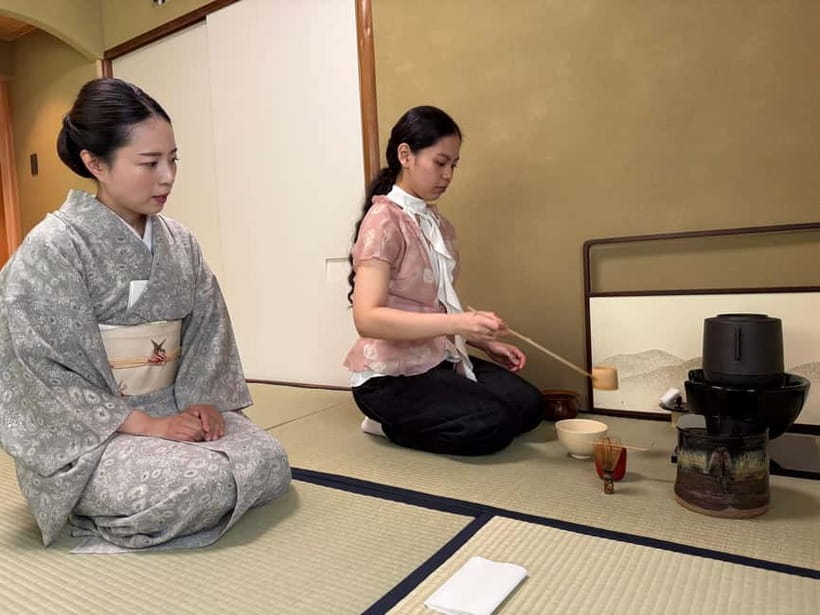
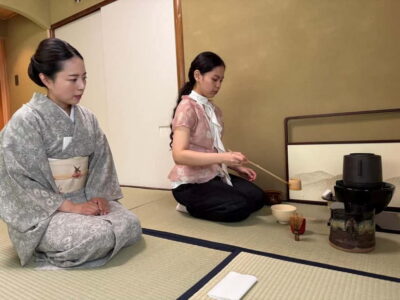
This Kamakura session is interesting because you get to experience sadō etiquette up close, then you personally whisk and drink matcha right in the tea room. I also like the small-group feel, which helps the instructor stay calm and practical instead of rushing everyone through.
One possible consideration: this is a tatami-style tea room, so shoes come off and you’ll kneel unless you request a chair in advance. If kneeling is tricky for you, plan ahead so you can actually enjoy the ritual instead of counting minutes.
Key highlights you’ll care about
- Sukiya-zukuri tea room setting with no shoes inside, designed for quiet focus
- Certified tea master explanation of what sadō means, not just how to do it
- Two servings of fresh matcha plus seasonal wagashi paired for the moment
- Hands-on whisking and serving guided step-by-step, no experience needed
- Small group max 6 for English-friendly pacing and personal attention
- Photos allowed at designated times, so the session stays respectful and unhurried
In This Review
- Why Kamakura Is a Smart Choice for Tea Rituals
- Finding the Tea Room: 茶室「竹翠庵」 and the Tatami Reality
- The 60-Minute Flow: What Happens After You Sit Down
- The Part You’ll Remember Most: Whisking Matcha Like You Mean It
- Etiquette Lessons That Don’t Feel Like Homework
- Price and Value: Is $36 Worth 60 Minutes of Tea Ritual?
- Who This Is Best For (and Who Should Skip It)
- Practical Tips to Make the Experience Go Smoothly
- Should You Book This Tea Ceremony Experience in Kamakura?
- FAQ
- How long is the Japanese tea ceremony experience?
- What does the price include?
- Where is the meeting point?
- Do I need to speak Japanese?
- Can I whisk and serve matcha myself?
- What should I bring?
- Is there a dress code?
- Are photos allowed?
Why Kamakura Is a Smart Choice for Tea Rituals
Kamakura is one of those places that makes cultural experiences feel less like a museum stop and more like daily life. You’re in Honshu, and you’re close to Tokyo—about an hour from the center—so you can fit this into a Tokyo-to-Kamakura day without exhausting your whole schedule.
What I like about doing the tea ceremony here is the contrast. Outside, you’ll get normal Japanese street energy. Inside, the pace changes. In a 60-minute format, that shift is the main point: you learn how tea ceremony etiquette shapes attention, conversation, and even the way you hold your hands.
You’ll also be in a historic town context, which matters for tea ceremony because it’s about atmosphere. This isn’t a loud performance for crowds. It’s structured for calm.
Finding the Tea Room: 茶室「竹翠庵」 and the Tatami Reality
You meet at 茶室「竹翠庵」, near the restaurant 「航」. From JR Kita-Kamakura Station, expect about a 5–7 minute walk. It’s not far, but it’s also not the kind of spot where you can wander aimlessly and still arrive on time—so give yourself a little cushion.
Here’s the practical part you’ll want to remember:
- Shoes must be removed before entering the tea room (tatami floor).
- Bring socks. The experience lists socks as what you should bring.
- No dress code, but modest attire is smart since you’ll be seated and participating.
- If kneeling is difficult, chairs are available if you notify in advance.
In other words, plan to be physically comfortable enough to focus. Tea ceremony is slow by design. If you’re distracted by cold feet or knee pain, the whole lesson turns into a waiting game.
One tip I’d give you based on the kind of feedback this experience attracts: the location details aren’t complicated, but you may still want to have a map ready on your phone before you head out. Walk there with purpose, not hope.
Coast-and-Buddha days near Kamakura, rated
- Tokyo: Kamakura & Enoshima Day Trip including Temple Tickets
★ 4.5 · 1,375 reviews - From Tokyo: Kamakura & Enoshima 1-Day Bus Tour
★ 4.5 · 189 reviews - Kamakura Historical Walking Tour with the Great Buddha
★ 5.0 · 129 reviews - Kamakura Private Tour: Temples, Nature, and the Great Buddha
★ 5.0 · 121 reviews
The 60-Minute Flow: What Happens After You Sit Down
This is a structured session built for first-timers, and the pacing is part of the value. It lasts about 60 minutes, with a small group of up to 6. That matters. With fewer people, the instructor can correct your hand position and timing without making you feel like you’re holding up a bus.
In plain terms, you’ll experience it in phases:
- Welcome into a traditional tea room
The room is designed in a sukiya-zukuri style, which helps set the tone—quiet, simple, and designed for ceremony gestures.
- Sadō explained by a certified tea master
You’ll learn the history and meaning behind the tea ceremony (茶道 / sadō). This isn’t just trivia. The goal is to understand why every small action exists: how respect is shown, how mindfulness is practiced, and how the ritual shapes the mood of the whole encounter.
- A live demonstration of tea-making
You watch the ritual performed in a way that shows omotenashi (hospitality spirit). The watch-and-follow portion is helpful because you’ll copy the movements later.
- Two servings of freshly whisked matcha with wagashi
This is one of the best parts: you don’t just learn technique—you taste the result. You’ll get two servings of matcha, paired with seasonal Japanese sweets (wagashi).
- You make and serve tea yourself
After watching, you’ll whisk and serve tea with step-by-step guidance. No prior experience needed. That hands-on stage is where most people relax into the activity, because suddenly it’s not just watching—it’s participating.
The whole point of this layout is learning without pressure. Even if you’ve never done it, you’re not expected to memorize a sequence. You’re expected to follow, try, and feel what the ritual is for.
The Part You’ll Remember Most: Whisking Matcha Like You Mean It
If you’re deciding whether this is worth your time, center on this: you’ll actually whisk matcha yourself. Many cultural classes are mostly watching with a photo at the end. Here, whisking is the core activity.
You’re given the rental tea ceremony utensils, so you don’t need to hunt down equipment or worry about carrying it. The instructor guides you through the motions—again, no prior experience required—so you can focus on the feel rather than technical perfection.
Two servings is also a smart touch. The first one helps you taste and calibrate. The second one lets you improve your technique while still staying in the flow of the ceremony.
And the wagashi matters. These sweets are seasonal, and they’re not an afterthought snack. They’re part of how the tea is experienced. Matcha isn’t just a drink here; it’s paired with flavor and texture that reflect the time of year.
Expect a lesson that turns into a sensory moment: how matcha looks, how it tastes, and how the pace of the ritual changes your attention.
Etiquette Lessons That Don’t Feel Like Homework
The tea ceremony teaches manners the way good culture classes should: as behavior you practice, not rules you memorize.
You’ll learn etiquette and manners rooted in traditional Japanese customs. That includes how to behave in a tea room setting where respect is shown through controlled movement, attention to others, and thoughtful timing.
The instructor also emphasizes the philosophy behind the actions—linked to Zen and mindfulness. That’s not just a spiritual label. In practice, it shows up as calmer movements and a quieter mental state. You’re meant to slow down enough that you can do the ritual correctly and enjoy it, not rush through it like a checklist.
Also, you get instruction in English, delivered by a Japanese/English speaking instructor. That matters for etiquette. Small cultural differences are easier to handle when you can ask questions or get the meaning behind the gesture.
Price and Value: Is $36 Worth 60 Minutes of Tea Ritual?
At $36 per person for about 1 hour, this can be good value if you want the full package: instruction, a real tea room experience, and hands-on participation.
Here’s what you’re getting that justifies the price:
- Matcha and seasonal wagashi (not just a sip)
- Rental utensils (so you’re paying for a prepared setup)
- A guided tea ceremony performance plus your own guided participation
- A certified tea master providing context and meaning
- A small group max 6, which is usually where the quality lives
Could you theoretically do something cheaper on your own? Sure. But if you’re paying, pay for the things that are hard to DIY in Japan: the etiquette, the pacing, and the meaning. Tea ceremony is also a kind of instruction you can’t replicate from a video and a YouTube search in time.
For $36, you’re buying time, guidance, and a quiet experience you’ll carry longer than a photo.
- Kamakura Walking Tour – The City of Shogun★ 5.0 · 100 reviews
- Kamakura: Private Guided Walking Tour with Local Guide★ 4.8 · 60 reviews
- Kamakura 4hr Private Trip with Government-Licensed Guide★ 5.0 · 58 reviews
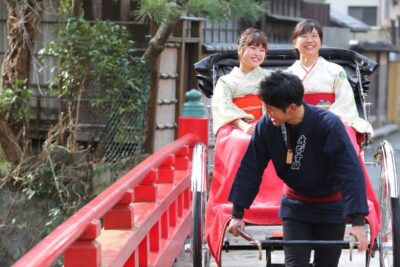
- Kamakura Rickshaw Tour★ 5.0 · 53 reviews
- From Tokyo: Kamakura Full Day Tour with a Local Expert Guide★ 4.6 · 43 reviews
Who This Is Best For (and Who Should Skip It)
This works especially well for:
- First-time visitors to Japan who want something cultural that still feels doable
- Couples looking for a calm, shared activity
- Families with kids old enough to sit through a 60-minute ritual (it’s recommended for ages 7 and up)
- People who like structured experiences where the instructor keeps things clear and gentle
A few clear limitations based on the experience details:
- Not suitable for pregnant women
- Not suitable for wheelchair users
If you kneel easily, you’ll probably find this very comfortable. If kneeling is difficult, you can request a chair, but do it in advance so the session stays smooth.
Practical Tips to Make the Experience Go Smoothly
Here are the things that help you avoid silly stress:
- Wear or pack socks. That’s specifically listed as what you should bring.
- Plan to remove shoes. Have your socks handy and don’t wear footwear that makes sock changes complicated.
- If you might want a chair, notify in advance so it’s ready.
- Photos are allowed, but only at designated times, so don’t expect free-for-all picture taking during the quiet parts.
- The session has a modest-attire vibe even though it’s not required. Simple, comfortable clothing usually works best.
And in Kamakura, one more practical point: give yourself buffer time on the walk from Kita-Kamakura Station. Even a short walk feels longer when you’re trying to spot the tea room sign.
Should You Book This Tea Ceremony Experience in Kamakura?
Book it if you want a real tea ceremony—one where you don’t just watch, you participate. The combination of English instruction, small group size, two matcha tastings, and hands-on whisking makes this feel complete for the price.
Skip it if kneeling is a dealbreaker for you and you can’t arrange the chair, or if you fall into the stated unsuitability categories (pregnancy and wheelchair use).
If you like calm, cultural experiences with clear guidance, this is the kind of activity that turns a sightseeing day into a memory with texture—warm tea, seasonal wagashi, and manners you actually understand.
FAQ
How long is the Japanese tea ceremony experience?
It lasts about 60 minutes.
What does the price include?
You get matcha, Japanese sweets (wagashi), rental tea ceremony utensils, and the traditional tea ceremony performance.
Where is the meeting point?
Meet at 茶室「竹翠庵」 near the restaurant 「航」, roughly a 5–7 minute walk from JR Kita-Kamakura Station.
Do I need to speak Japanese?
No. The instructor speaks English, and the activity also notes Japanese and English.
Can I whisk and serve matcha myself?
Yes. You’ll be guided step-by-step to make and serve tea yourself, including whisking matcha.
What should I bring?
Bring socks. Shoes must be removed inside the tea room.
Is there a dress code?
No strict dress code is listed, but modest attire is recommended.
Are photos allowed?
Yes, photos are allowed at designated times during the session.
More Tour Reviews in Kamakura
- Tokyo: Kamakura & Enoshima Day Trip including Temple Tickets
★ 4.5 · 1,375 reviews - From Tokyo: Kamakura & Enoshima 1-Day Bus Tour
★ 4.5 · 189 reviews - Kamakura Historical Walking Tour with the Great Buddha
★ 5.0 · 129 reviews - Kamakura Private Tour: Temples, Nature, and the Great Buddha
★ 5.0 · 121 reviews - Kamakura Walking Tour – The City of Shogun
★ 5.0 · 100 reviews
More Kamakura and Enoshima Days
- Tokyo: Kamakura & Enoshima Day Trip including Temple Tickets
★ 4.5 · 1,375 reviews - From Tokyo: Kamakura & Enoshima 1-Day Bus Tour
★ 4.5 · 189 reviews - Kamakura Historical Walking Tour with the Great Buddha
★ 5.0 · 129 reviews - Kamakura Private Tour: Temples, Nature, and the Great Buddha
★ 5.0 · 121 reviews - Kamakura Walking Tour – The City of Shogun
★ 5.0 · 100 reviews
Latest Kamakura reviews off our desk
Kamakura Day Trips, compared.
 ★ 4.5Kamakura & Enoshima Day Trip including Temple TicketsFrom $581,375 reviews
 ★ 4.5Mt. Fuji, Kamakura, Big Buddha, & Lake Ashi Day TripFrom $49867 reviews
 ★ 4.5From Tokyo: Kamakura & Enoshima 1-Day Bus TourFrom $66189 reviews
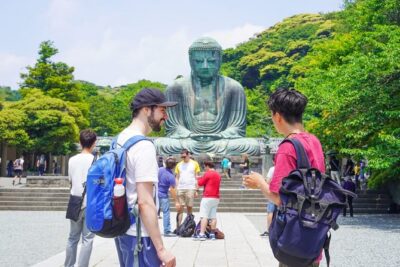 ★ 5.0Kamakura Historical Walking Tour with the Great BuddhaFrom $98129 reviews
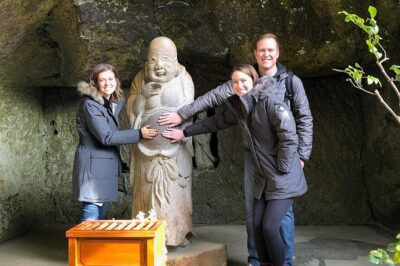 ★ 5.0Kamakura Private Tour: Temples, Nature, and the Great BuddhaFrom $98121 reviews
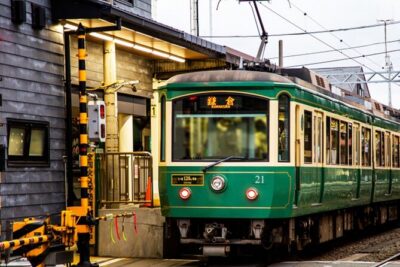 ★ 5.0Kamakura Walking Tour – The City of ShogunFrom $35100 reviews
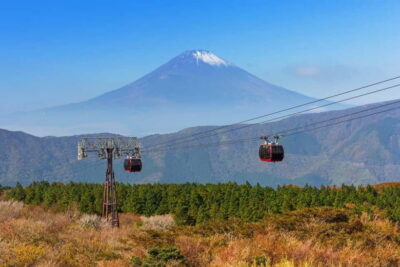 ★ 4.9Sea of Mount Fuji, Hakone Ropeway, Ōwakudani, EnoshimaFrom $5084 reviews
 ★ 5.0Kamakura 8 hr Private Walking Tour with Licensed Guide from TokyoFrom $20180 reviews
Browse the lists this tour appears in