
Reviewed · KAMAKURA DAY TRIPS
Kamakura Zen: Great Buddha, Nature, Bamboo & Samurai Culture
Bamboo, Buddha, samurai—four hours that fly. I like the calm, up-close Great Buddha moment, and I love the hush of the Hokokuji bamboo forest. The only real drawback: you’ll be on your feet (including some stairs), so comfy shoes are not optional.
This is a small-group, fixed-route tour led by an English guide, and the experience tends to feel personal rather than rushed. I’m especially drawn to the fact that the guide takes photos for you along the way, which saves you from playing camera operator at the best spots.
The value is strong for a short outing: entry tickets for the temple and shrine stops are included, plus an optional matcha tea moment in the bamboo area. If you want a longer, free-roaming day with lots of extra detours, this tour might feel a bit structured—but that structure is also why it works.
In This Review
- Key highlights I’d mark on your map
- Meeting at Kamakura Station East Exit, Then the Day Finds Its Rhythm
- Kotōku-in and the Great Buddha: Calm, Scale, and First Impressions
- Hase-dera: Kannon, Zen Gardens, and Benzaiten’s Cave
- Tsurugaoka Hachimangu: Samurai Spirit at the Center of Kamakura
- Hokokuji Bamboo Forest: Quiet Steps and Optional Matcha
- Komachidori Street: Snacks, Souvenirs, and Old-Town Energy
- Price and Value: Why $64 Works for a Short, Organized Day
- Pacing, Walking, and What to Wear (So You Enjoy It)
- Who This Tour Fits Best (And Who Should Skip It)
- Should You Book This Kamakura Zen Tour?
- FAQ
- Where is the meeting point?
- What time does the tour run?
- How long is the tour?
- Is this tour private or a public group?
- What language is the tour guide?
- Are temple and shrine entry tickets included?
- Is matcha included?
- Does transportation cost extra?
- Does the tour run in rain?
- What should I bring?
- Is the tour suitable for wheelchair users?
Key highlights I’d mark on your map
- Great Buddha and Hasedera’s Zen gardens in a tight, satisfying route
- Kannon statue at Hase-dera, plus tranquil spaces and Benzaiten’s cave
- Tsurugaoka Hachimangu as the center of Kamakura’s warrior past
- Hokokuji bamboo forest with a quiet teahouse-style break and optional matcha
- Komachidori Street to finish with snacks, souvenirs, and old-town charm
Meeting at Kamakura Station East Exit, Then the Day Finds Its Rhythm
You start at the Kamakura City Tourist Information Center, right at the East Exit of Kamakura Station. After you pass through the ticket gates, turn left, and you’ll see the center just ahead.
Arrive about 10 minutes early. Tours like this run rain or shine, and the plan is built around moving between sites without delays. In practice, that means you’ll spend your time looking at temples and walking through streets, not standing around.
This is also a public group tour with a fixed itinerary, so you’re not going off on random side quests. I like that when I’m short on time and want the big-hitting highlights covered.
Coast-and-Buddha days near Kamakura, rated
- Tokyo: Kamakura & Enoshima Day Trip including Temple Tickets
★ 4.5 · 1,375 reviews - From Tokyo: Kamakura & Enoshima 1-Day Bus Tour
★ 4.5 · 189 reviews - Kamakura Historical Walking Tour with the Great Buddha
★ 5.0 · 129 reviews - Kamakura Private Tour: Temples, Nature, and the Great Buddha
★ 5.0 · 121 reviews
Kotōku-in and the Great Buddha: Calm, Scale, and First Impressions
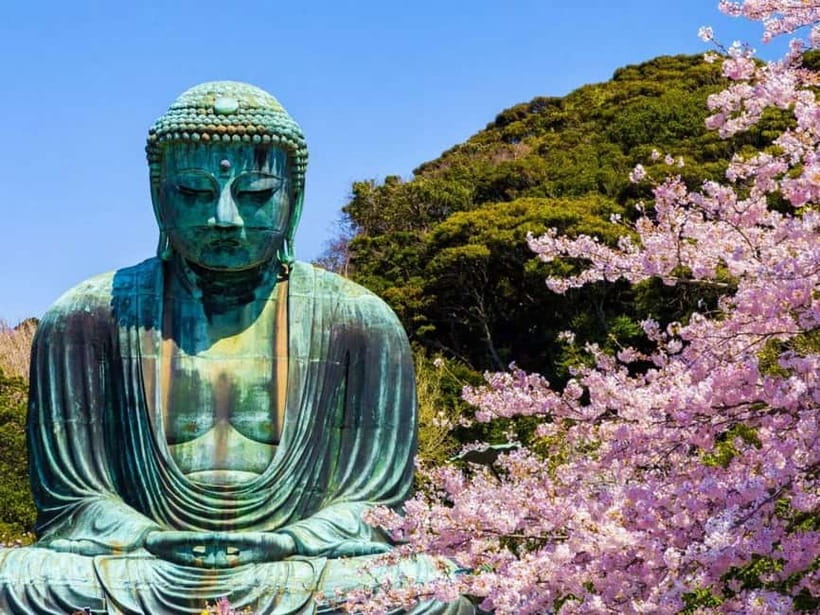
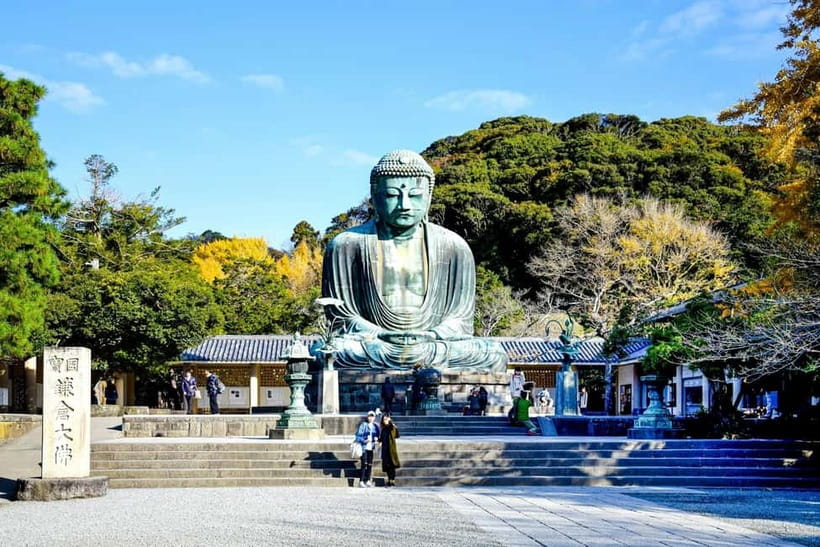
Your first major stop is Kōtoku-in, where you’ll see Kamakura’s iconic Great Buddha. The visit lasts long enough for you to actually take it in instead of just snapping one quick photo and moving on.
What makes this stop work is the contrast. You’re in Japan’s famous temple world, but the Buddha is visually direct—big, clear, and impossible to ignore. Even if you’re not a Buddhism deep-reader, you can feel the mood: quiet focus, slower attention, and a sense of space.
You’ll also appreciate the pacing here. Starting with something visually immediate helps your brain switch from train-station mode into temple-walk mode fast. Just remember you’re going to be standing and walking, so hydration matters.
Hase-dera: Kannon, Zen Gardens, and Benzaiten’s Cave
After a short move by foot, you head to Hase-dera for a longer visit. This is where the tour slows down in a good way—around 45 minutes to enjoy the grounds without feeling frantic.
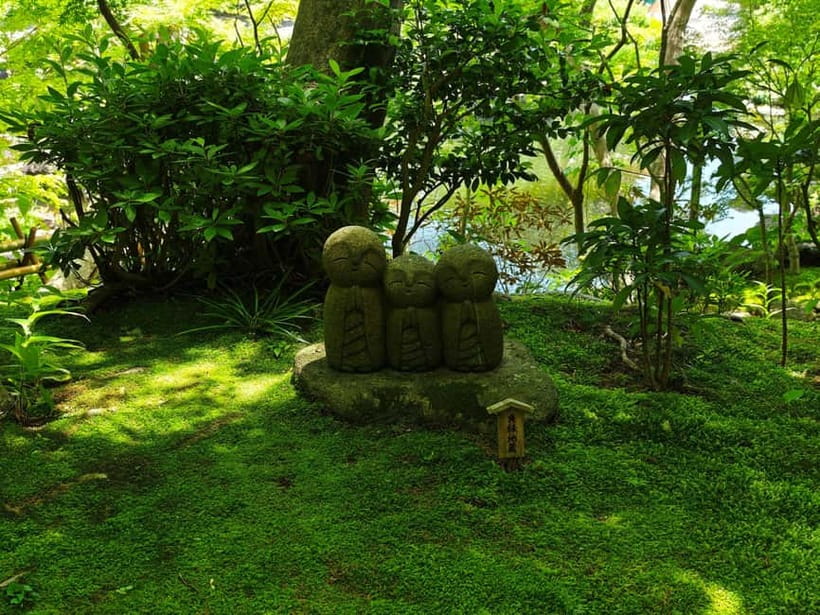
At Hase-dera, you’ll see the elegant Kannon statue and explore the temple’s tranquil gardens. This stop is designed for that calm, reflective vibe people associate with Zen, with soothing spaces built for walking, pausing, and looking around.
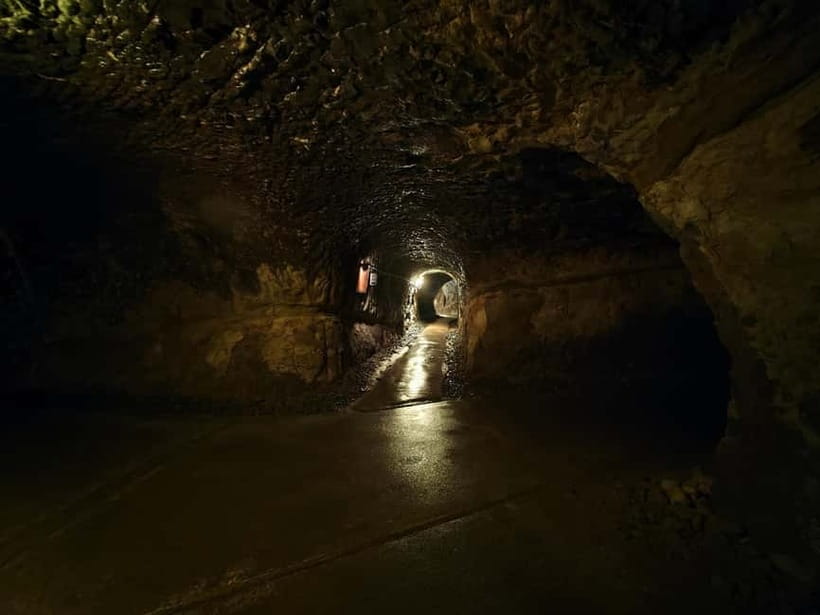
One standout detail is Benzaiten’s cave. You’re not just collecting sights—you’re getting a specific feature of the temple grounds that adds variety to what you’ll otherwise see as open-air views and garden paths. It’s the kind of element that makes the visit feel more like a story than a checklist.
Practical tip: bring a little energy buffer here. Tea and snacks are later, so if you tend to get hungry while sightseeing, plan a water sip break during the gardens.
Tsurugaoka Hachimangu: Samurai Spirit at the Center of Kamakura
Next up is Tsurugaoka Hachimangu, a shrine tied to the heart of Kamakura’s warrior past. The tour gives this stop about 30 minutes, which is enough time to understand the setting and soak up the atmosphere without sprinting.
This is the point where the tour’s theme clicks. You’ve had Zen gardens and a famous Buddha—now you’re switching to the samurai side of Kamakura culture. Even without turning it into a lecture, you can feel the difference in energy: more ceremonial shrine focus, with the sense of a historical center.
What I like here is that the tour doesn’t treat samurai culture like costumes or cosplay. It frames the shrine as a cultural anchor—something that explains why Kamakura developed a reputation tied to warriors, governance, and tradition.
Also, since this is still part of a walking route, you’ll want your legs ready. The walking between stops is short, but the day adds up.
Hokokuji Bamboo Forest: Quiet Steps and Optional Matcha
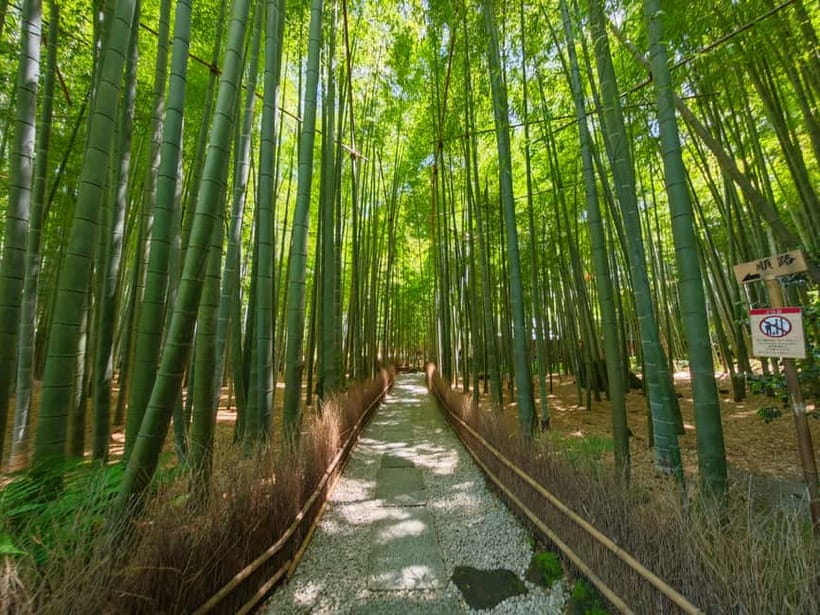
Then the tour heads to Hokokuji, where you’ll find the hidden bamboo grove. This stop is about 30 minutes, and it’s structured for the kind of calm that makes bamboo feel almost theatrical—cool shade, subtle movement, and fewer distractions.
A special detail here is the presence of a secret teahouse. Even if you’re not a tea person, the idea matters: this is a Zen escape moment built into the route. You’re given time to slow down and experience the atmosphere rather than just walk through it as a background.
There’s also an optional matcha tea experience at the bamboo forest. If you like green tea, this is one of the few chances on the day to make your visit more than just photos. If you don’t like matcha, you can still enjoy the setting and treat the tea moment as optional rather than a requirement.
My advice: if you do the matcha, take it as a pause button. The bamboo grove is the one place on this route where you’ll feel the biggest mood shift. Let it work.
More blade-and-dojo sessions, reviewed
- Kamakura: Walking Tour through the City of Samurai★ 4.9 · 12 reviews
- Kamakura Zen: Great Buddha, Nature, Bamboo & Samurai Culture★ 5.0 · 3 reviews
Komachidori Street: Snacks, Souvenirs, and Old-Town Energy
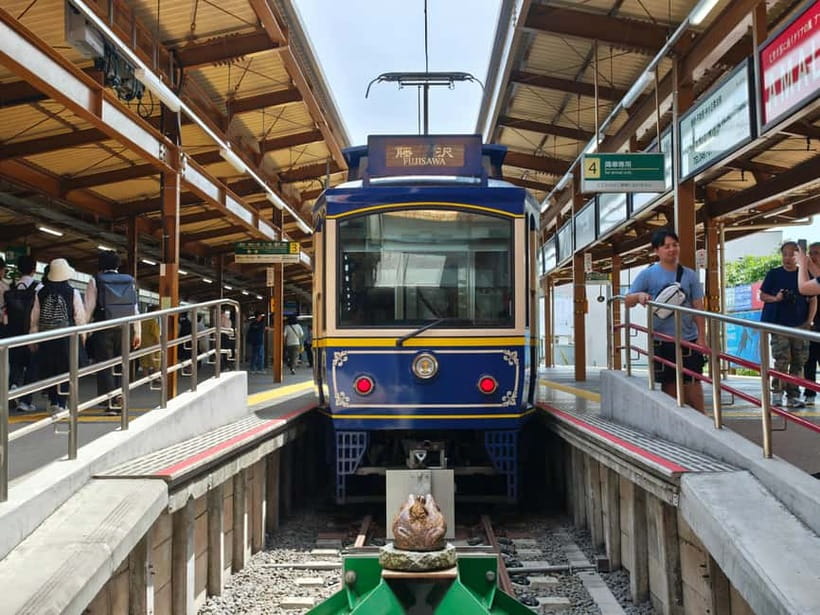
After the quiet temples and bamboo, you finish on Komachidori Street. This is the lively old-town stretch known for local snacks, souvenirs, and that Kamakura street atmosphere.
The time here is around 30 minutes, which is perfect for a focused wander. You’re not stuck for hours. You can grab a snack, browse small stores, and pick up a souvenir without feeling like you’re missing more temple time.
This stop also balances the day in a practical way. Earlier sites are calm and structured; Komachidori lets you switch gears and interact with the daily rhythm of the area.
If you’re bringing cash, this is where it usually comes in handy. It’s also where you can reward yourself for the walking you did earlier.
Price and Value: Why $64 Works for a Short, Organized Day
At $64 per person for a 4-hour tour, the price feels fair because key costs are handled upfront. You get entry tickets to all the temple and shrine stops, and that matters in a country where many attractions charge separate fees.
You also get more than “someone points things out.” The tour includes:
- A friendly local expert guide who explains culture alongside the sites
- Photos taken for you during the tour
- An optional matcha tea experience
That last part is important for value thinking. Optional doesn’t mean hidden fees—it means you can choose how you want to spend your money during the bamboo stop.
The one factor you should plan for is that transportation is not included. The tour includes short bus and tram hops within Kamakura, but you’ll still need to handle train or bus fare to and from Kamakura (and any in-town transit that your day requires). So budget a little extra if you’re arriving from outside the area.
Still, for a half-day structured experience, the all-in feel is strong—especially if you’d otherwise have to coordinate tickets and route on your own.
Pacing, Walking, and What to Wear (So You Enjoy It)
This tour is built on a steady rhythm: short travel segments, then fixed time at each site. You’re looking at about 4 hours total, which is long enough for multiple sites but short enough to keep energy from draining.
You’ll walk between stops, and there are some stairs. That’s why comfortable shoes are on the must-bring list. If your travel style is more rolling luggage and minimal steps, this might be uncomfortable—but if you’re fine with temple walking, you’ll likely find it manageable.
Another practical note: the tour runs rain or shine. If the weather looks iffy, bring something for the ground (sensible shoes) and for you (umbrella or light rain gear). Wet bamboo paths and slick stairs are not the place to wear fancy footwear.
Who This Tour Fits Best (And Who Should Skip It)
This tour is a great fit if you want a focused mix of Kamakura’s major vibes: Zen temples, samurai-era culture, and a calm nature break. It’s also ideal if you want an English guide to connect the dots without you having to research every stop before you arrive.
You’ll probably enjoy it most if:
- You want a short day plan that feels complete
- You like temples and gardens but also want variety
- You enjoy quiet moments like bamboo and matcha
- You’re okay with a public group schedule and fixed timing
If you’re traveling with limited mobility, note that it is not suitable for wheelchair users. Also, if you hate organized itineraries and prefer free wandering, the fixed route could feel limiting.
Should You Book This Kamakura Zen Tour?
Yes—if your goal is a half-day that mixes Great Buddha, Zen garden atmosphere, samurai-era shrine energy, and a true nature pause. The route makes sense, the included temple and shrine entries remove hassle, and the optional matcha + bamboo teahouse vibe give you that calmer, more memorable finish.
I’d book it especially if you like learning through an actual guide. One of the verified experiences praised Deen for being personable and knowledgeable about these sites and Japanese culture in general, and that kind of guiding makes a short tour feel much bigger.
Skip it if you want a long, freeform day or if your legs aren’t up for stairs and steady walking. This tour is about steady pacing, not wandering.
FAQ
Where is the meeting point?
You meet at the Kamakura City Tourist Information Center at the East Exit of Kamakura Station.
What time does the tour run?
The tour duration is 4 hours, and you should check available starting times before booking.
How long is the tour?
It’s 4 hours in total.
Is this tour private or a public group?
It’s a public group tour with a fixed itinerary.
What language is the tour guide?
The live tour guide is English.
Are temple and shrine entry tickets included?
Yes. Entry tickets to all temples and shrines are included.
Is matcha included?
A matcha tea experience at the bamboo forest is optional.
Does transportation cost extra?
Yes. Transportation (train or bus fare to/from and during the tour) is not included.
Does the tour run in rain?
Yes, it runs rain or shine.
What should I bring?
Bring comfortable shoes, water, and cash.
Is the tour suitable for wheelchair users?
No, it is not suitable for wheelchair users.
More Quiet Temple Hours
- Buddha, Bamboo & Zen – Bespoke Kamakura Private Walking Tours
★ 5.0 · 25 reviews - Kamakura Zen Temples and Gardens Private Trip with Government-Licensed Guide
★ 5.0 · 7 reviews
More Samurai and Ninja Sessions
- Kamakura: Walking Tour through the City of Samurai
★ 4.9 · 12 reviews - Kamakura; First Samurai Capital walking tour
★ 5.0 · 8 reviews
More Kamakura and Enoshima Days
- Tokyo: Kamakura & Enoshima Day Trip including Temple Tickets
★ 4.5 · 1,375 reviews - From Tokyo: Kamakura & Enoshima 1-Day Bus Tour
★ 4.5 · 189 reviews - Kamakura Historical Walking Tour with the Great Buddha
★ 5.0 · 129 reviews - Kamakura Private Tour: Temples, Nature, and the Great Buddha
★ 5.0 · 121 reviews - Kamakura Walking Tour – The City of Shogun
★ 5.0 · 100 reviews
Latest Kamakura reviews off our desk

Kamakura Day Trips, compared.
 ★ 4.5Kamakura & Enoshima Day Trip including Temple TicketsFrom $581,375 reviews
 ★ 4.5Mt. Fuji, Kamakura, Big Buddha, & Lake Ashi Day TripFrom $49867 reviews
 ★ 4.5From Tokyo: Kamakura & Enoshima 1-Day Bus TourFrom $66189 reviews
 ★ 5.0Kamakura Historical Walking Tour with the Great BuddhaFrom $98129 reviews
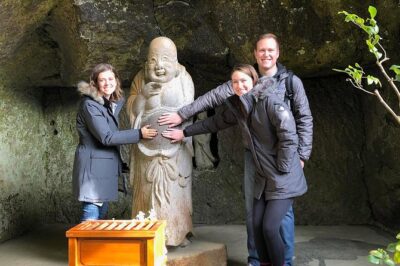 ★ 5.0Kamakura Private Tour: Temples, Nature, and the Great BuddhaFrom $98121 reviews
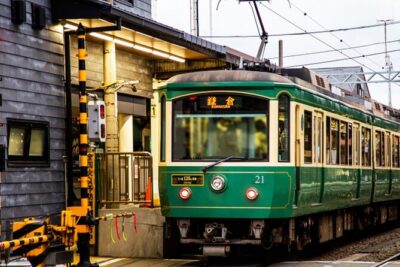 ★ 5.0Kamakura Walking Tour – The City of ShogunFrom $35100 reviews
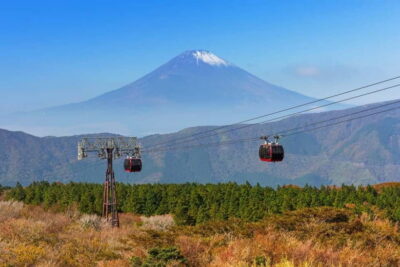 ★ 4.9Sea of Mount Fuji, Hakone Ropeway, Ōwakudani, EnoshimaFrom $5084 reviews
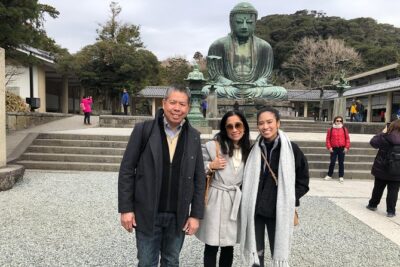 ★ 5.0Kamakura 8 hr Private Walking Tour with Licensed Guide from TokyoFrom $20180 reviews
Browse the lists this tour appears in