
Reviewed · KAMAKURA DAY TRIPS
From Tokyo: Kamakura & Enoshima 1-Day Bus Tour
One day, two coastal icons. I like how this Kamakura and Enoshima tour strings together Tsurugaoka Hachimangu and Enoshima ocean views without you having to plan trains and transfers. The one thing I’d flag is the day can feel long, and you’ll do real walking and stairs at multiple stops.
I also appreciate the way the English/Chinese guide commentary helps you understand what you’re seeing as you go. In real-life trips, guides named Omar, Chen, and Yuki are often called out for friendly, clear direction and for adding story context, not just logistics. The downside: if you’re sensitive to crowds or weather changes, your experience can swing a bit because the schedule may shift.
What makes this one practical is the package vibe: air-conditioned bus, entrance fees handled for key temples, and a mobile ticket. Still, you should come ready for an active day—plus the drive back to Tokyo can be long depending on traffic.
In This Review
- Key points before you go
- Kamakura and Enoshima: why this combo works from Tokyo
- Price and value: $66.05 for a day with entrances handled
- Shinjuku pickup and the bus loop: what to expect in real life
- Tsurugaoka Hachimangu Shrine and Komachi Street: a calm start with shopping breaks
- Kotoku-in’s Great Buddha: short stop, huge impact
- Hase-dera Temple: Kannon, gardens, and a stair workout
- Enoshima Island: shrines, Zeniarai Benten, and that lighthouse viewpoint
- Lunch on your own: how to avoid the Enoshima timing crunch
- Guides make or break the day: Omar, Chen, Yuki, and the best kind of help
- Walking, stairs, and “how active is this day trip?”
- Should you book this Kamakura and Enoshima bus tour?
- FAQ
- How long is the Kamakura & Enoshima day trip?
- Where do I meet the tour in Tokyo?
- What is the total price?
- Is lunch included?
- Which places does the tour visit?
- Are any entrance fees included?
- What language will the guide speak?
- What happens at the end of the tour?
Key points before you go
- Four big stops in one day: Tsurugaoka Hachimangu, Kotoku-in, Hasedera, then Enoshima Island
- Guide commentary in English and Chinese, often praised for being clear and friendly
- Enoshima time for sea views and shrines, including Benzaiten and Zeniarai Benten
- Efficient “hit list” pacing, with breaks that still leave time to shop on Komachi Street
- Plan for stairs and follow directions closely on Enoshima if rain hits
- Simple logistics from Shinjuku, with Shinjuku Station the end point near the West Exit
Kamakura and Enoshima: why this combo works from Tokyo
Kamakura feels like a different chapter of Japan compared with central Tokyo. You get old spiritual spaces, samurai-era history vibes, and the kind of seaside air that makes you exhale the minute you arrive. Enoshima, west of Kamakura, adds that ocean-and-island contrast: shrines tucked into the slopes, viewpoints, and walkable lanes where you can slow down.
Doing both in one day is the whole point. You’re not trying to cram a whole weekend’s worth of train hopping into a single afternoon. A bus tour also matters here because the area is spread out, and you’re building in transit time without losing your stops to missed connections.
This is best if you want a “great overview” day. If you’re the type who loves lingering for hours inside every hall, you may end up wanting more time at just one place. But if you’re aiming for a solid snapshot—temples, a giant Buddha, and Enoshima views—this route has the right structure.
Coast-and-Buddha days near Kamakura, rated
- Tokyo: Kamakura & Enoshima Day Trip including Temple Tickets
★ 4.5 · 1,375 reviews - From Tokyo: Kamakura & Enoshima 1-Day Bus Tour
★ 4.5 · 189 reviews - Kamakura Historical Walking Tour with the Great Buddha
★ 5.0 · 129 reviews - Kamakura Private Tour: Temples, Nature, and the Great Buddha
★ 5.0 · 121 reviews
Price and value: $66.05 for a day with entrances handled
At $66.05 per person, you’re paying for more than the ride. The tour includes air-conditioned transportation and it covers admission for Kotoku-in (Great Buddha) and Hasedera. That alone takes a bite out of the “hidden costs” you can run into when you DIY this itinerary.
You’re also buying time-saving convenience. The schedule is built to stack the four major areas in a single flow, so you’re not coordinating trains, buses, and walking distances between each stop yourself. For many people, the value is simply that you arrive, follow a plan, and come back without the mental load.
Where value can wobble is in what you do at your free time. Lunch isn’t included, and some days get tight if traffic changes the order or timing. So if you hate deciding where to eat on the fly, you’ll want a small strategy (more on that later).
Shinjuku pickup and the bus loop: what to expect in real life
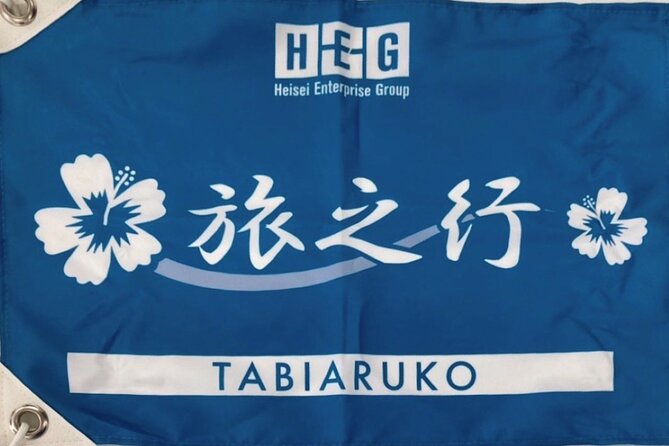
Your day starts at Shinjuku Post Office (Shinjuku City). You’ll meet the guide holding a pale blue flag, and you should show up 10 minutes early so you match the correct assigned bus. The tour is run on the clock—buses depart on time, and there’s no waiting if you miss the meet-up.
This matters more than people think. One bad start can mean you’re late for the first stop, and then your whole day compresses. So treat arrival time like part of the tour, not a suggestion.
Onboard, you can expect a comfortable, air-conditioned setup. Some departures are described as having a modern bus and even USB charging, which is handy on the longer segments. The group size is capped at 90 travelers, and in practice the group feels manageable in most cases because the schedule funnels you into timed visits rather than “wander all day” freedom.
Also remember luggage rules: you can bring one piece per person, and it must be manageable and fit in the trunk storage (max combined size 155 cm height+width+depth). Items stored in the trunk aren’t accessible between stops, so keep valuables with you.
Tsurugaoka Hachimangu Shrine and Komachi Street: a calm start with shopping breaks
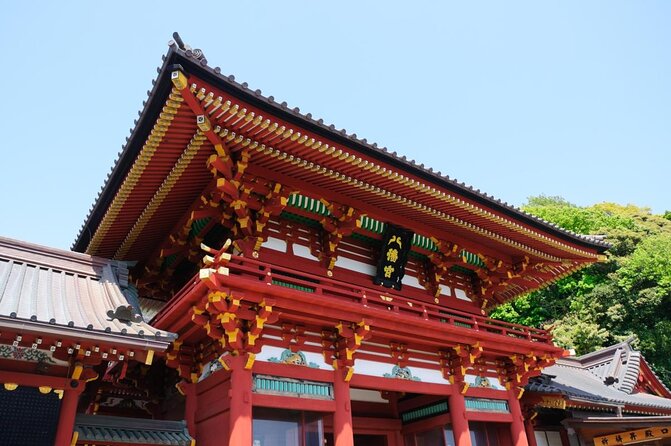
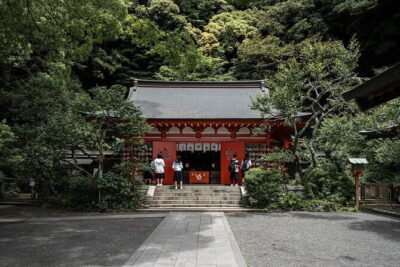
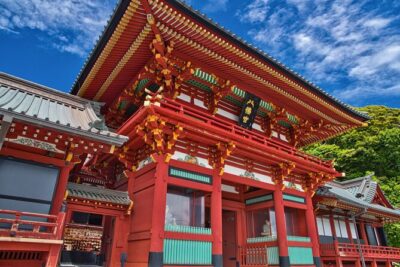
Tsurugaoka Hachimangu is a classic Kamakura opening, and it’s a good one to start with. You’ll pass through the shrine’s grand torii gate and enter a peaceful setup with ponds and koi—an easy way to shift from Tokyo’s motion into temple time. The stop is about two hours, which gives you room to slow down and not feel like you’re sprinting through photos.
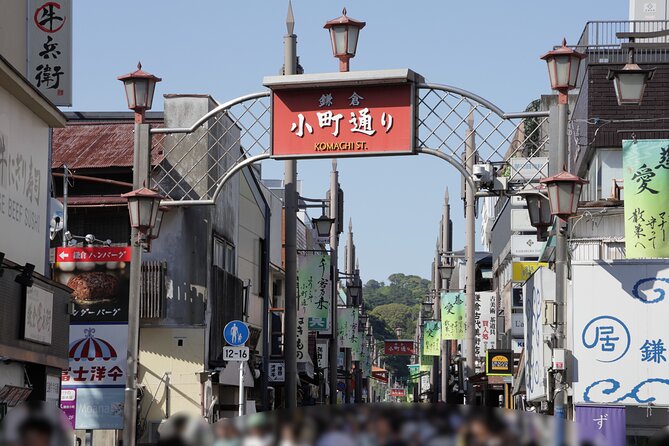
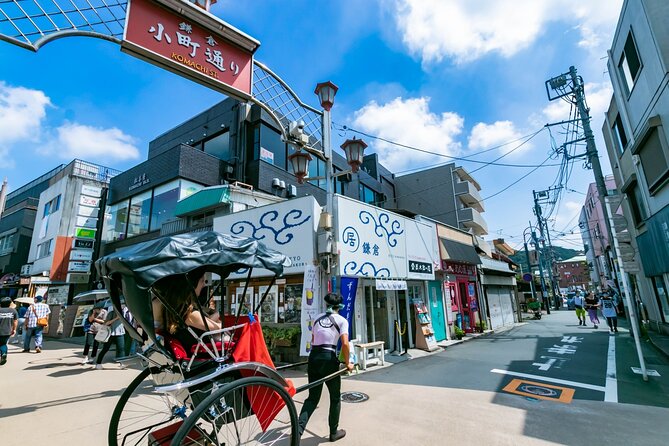
Right after, you’ll have time around Komachi Street. This is where the day becomes more than history: you can snack, browse Kamakura-only style souvenirs, and pick up small crafts. It’s also a smart place to refuel because you’re likely to do more stairs later in the day.
What I like about putting Komachi Street here is timing. You get energy before the day turns into “bigger sights” and longer walks. If you’re traveling with kids, it’s also a morale boost: the street offers quick distractions without derailing the itinerary.
Possible drawback: this is a popular area. If crowds and noise bother you, go early in your allotted time and don’t wait until the last minutes to shop.
Kotoku-in’s Great Buddha: short stop, huge impact
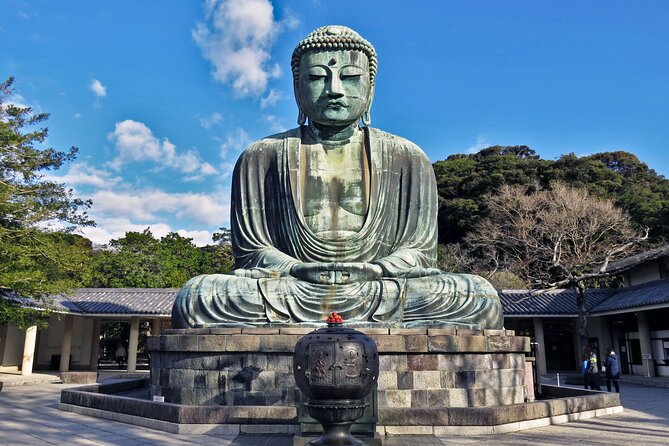
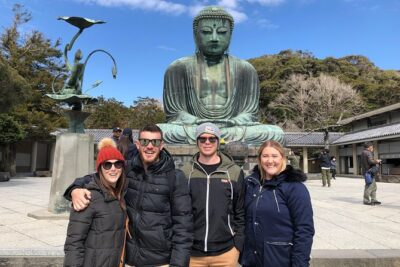
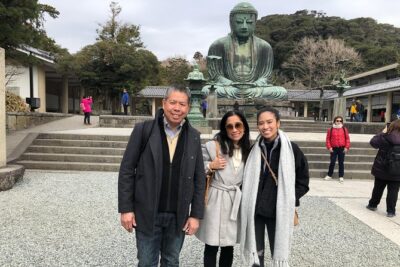
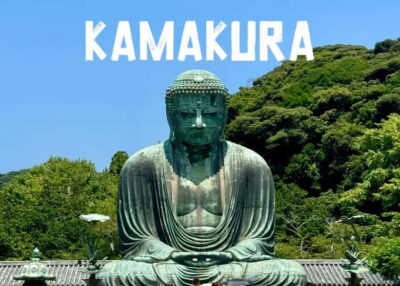
Then you hit Kotoku-in, the home of the Great Buddha of Kamakura. Your time here is around 30 minutes, and that’s enough if you’ve prepared for what the stop is: this is a “see it, feel it, move on” moment.
The Buddha itself is the headline—an Amida Buddha outdoors that you don’t need a ticket booth to understand. It’s one of those sights where you notice details fast, like scale and weather patterns on the bronze. It’s also a good place to take a breather because after this, you’ll shift into more temple stairs and garden paths.
One practical tip from the way this tour is run: if you’re bringing coins for any small offerings or entry moments, have a few ready. In at least one situation, a guide helped someone because they didn’t have the right coin amount for a particular access point. You won’t want your day to stall while you figure out payment.
Admission for Kotoku-in is included, so you’re not paying twice to enjoy the core experience. The time window is tight, though—so don’t plan to linger for an hour just because the area is pretty.
Readers also shortlisted these Kamakura bookings:
- Exciting Kamakura – One Day Tour from Tokyo★ 5.0 · 40 reviews
Hase-dera Temple: Kannon, gardens, and a stair workout
Hasedera Temple is where the tour adds spiritual punch and physical effort. You get about 50 minutes, and the main draw is the famous eleven-headed statue of Kannon, the goddess of mercy. This is a wooden statue scene that feels dramatic in person, especially as you wind through the temple grounds.
What you’re really experiencing at Hasedera is a blend of shrine atmosphere and garden layout. You’ll be moving along paths and likely dealing with many stairs. More than one person notes that the day involves a lot of stair climbing, so Hasedera isn’t a “light stroll” stop.
The good news is that 50 minutes is long enough to see what matters without burning the whole day. The guide often helps by pointing you toward key areas and keeping your timing aligned with the bus schedule.
If you’re traveling with someone who needs mobility support, this stop is worth thinking about. Even if you can move fine, the combination of time pressure plus stairs can feel stressful if you’re also navigating directions on the grounds.
Enoshima Island: shrines, Zeniarai Benten, and that lighthouse viewpoint
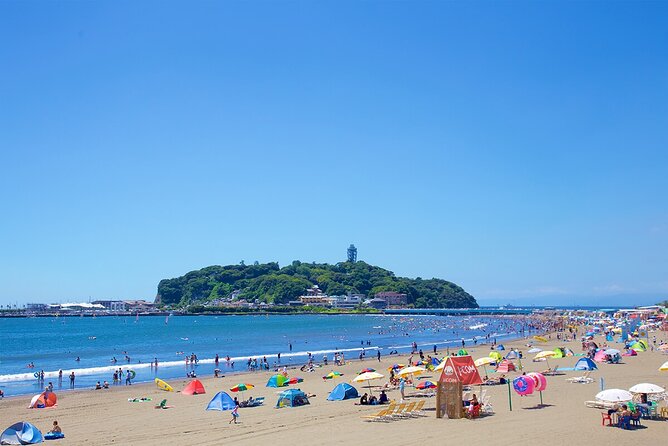
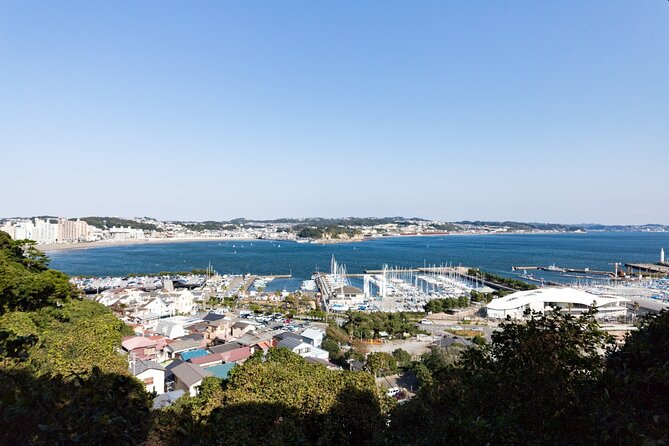
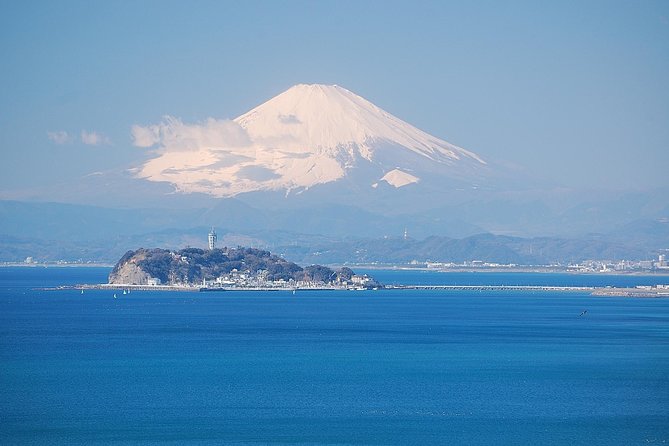
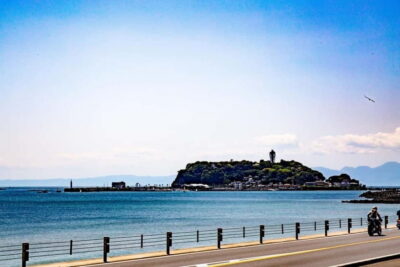
Enoshima is the tour’s ocean payoff, and it tends to be the favorite for people who want sea views and scenic strolling. You get about two hours on the island, plus time within the Enoshima-area highlights.
One big spiritual stop is the Benzaiten shrine complex, dedicated to the goddess of music, wealth, and wisdom. It’s broken into multiple shrines (like Hetsu-no-miya and Nakatsu-no-miya), so you’re not just taking one quick photo and leaving. Nearby is Shirahata Shrine by Yanagihara Pond, and you may also have access time around other shrine points depending on your exact routing.
The most unique “why am I doing this” shrine moment is Zeniarai Benten Shrine. The tradition is washing coins in the spring—zeniarai literally tied to coin washing—based on the idea that money washed there will double. Even if you don’t fully buy into the superstition, it’s a memorable, very local ritual to witness.
For views, Enoshima has the Samuel Cocking Garden area and its observatory lighthouse. The lighthouse reopened after renovations on April 29, 2003, and it’s described at 59.8 m tall (119.6 m above sea level). If the weather is clear, those viewpoints can be dramatic enough to justify the effort it takes to reach them.
Possible drawback: Enoshima can involve a lot of back-and-forth walking, and timing can become stressful if rain hits. One caution that comes up in real experiences is unclear directions leading to frantic searching for the bus in bad weather. So use a simple rule: once you’ve found the main meeting point reference, don’t wander too far without mentally tracking how to get back.
Lunch on your own: how to avoid the Enoshima timing crunch
Lunch isn’t included. That’s normal on day trips, but it matters because Enoshima is not always reliable for “sit and eat whenever you want.” If traffic shifts the day or if you arrive earlier than expected, some restaurants may be slow to open.
There’s also a rhythm to the itinerary: you’ll have time at each stop, and you need to return to the bus on schedule. If you treat lunch like an unplanned detour, it can steal time from Enoshima’s viewpoints and shrine areas.
So I recommend you do two things:
- Check what you want before you’re hungry. Walk through Komachi Street and Enoshima shop lanes with a plan.
- Bring a backup snack. A small convenience-store bite can save your mood if a restaurant line or opening time isn’t cooperative.
If you’re a seafood fan, Enoshima is often where people hope to eat. Just remember that “great meal” takes time, and your day trip has a deadline.
Guides make or break the day: Omar, Chen, Yuki, and the best kind of help
The tour experience often rises or falls based on the guide’s style. In the best versions of this day trip, the guide doesn’t just announce where to go. They help you understand why it matters and how to move efficiently within the time limit.
Names that come up with strong feedback include Omar, who’s described as friendly, funny, and professionally strong on historical context. Chen is praised for being clear and making directions easy. Yuki is repeatedly mentioned for caring for the group and thinking on her feet when issues come up.
Here’s what that means for you: you’ll get more than a checklist. A good guide can make Tsurugaoka feel more than pretty ponds, turn the Great Buddha into an intentional stop, and explain what you’re looking at at Hase-dera and Enoshima.
Also watch for the guide with the pale blue flag at the meet-up. That small detail helps you avoid the kind of start-day chaos that’s hard to recover from, especially if you’re joining at the correct location and time.
Walking, stairs, and “how active is this day trip?”
This is a sightseeing day, not a couch-and-views tour. The itinerary includes temple areas where stairs are part of the experience, and Enoshima can add extra walking on top of that.
More than one person mentions the amount of steps can be significant, especially with rain. The stress isn’t just the physical part—it’s also the navigation part: stairs plus slippery surfaces plus time pressure can make the day feel sharper.
My practical advice:
- Wear shoes you trust on wet steps.
- Keep your schedule margin. Don’t be the person who cuts it close to rejoin the bus.
- If you’re buying or using coins or small entry items, keep them organized so you’re not digging for them when the group is moving.
If you want a mostly easy pace, you’ll still probably enjoy it—but you should go in knowing the day includes stair work. You can still enjoy it with good shoes and calm timing.
Should you book this Kamakura and Enoshima bus tour?
Book it if you want:
- A straightforward Kamakura + Enoshima day trip from Tokyo without train planning
- The big highlights packed into one day: Hachimangu, Great Buddha, Hase-dera, Enoshima
- A guide you can rely on for English/Chinese commentary and practical direction
- Enough time to shop a bit on Komachi Street and roam Enoshima’s shrine areas
Skip it (or choose a different format) if:
- You hate stair-heavy days or crowds
- You want total control over lunch and pacing at your own speed
- You get anxious if plans shift due to traffic or weather (the tour does run on schedule, and changes can happen)
If you’re weighing value, this route is a good deal for many people because key entrances are handled and you’re transported in an organized loop. Just go in with the right expectations: it’s one day of history, shrines, and steps—with the ocean views of Enoshima as the payoff.
FAQ
How long is the Kamakura & Enoshima day trip?
The tour runs about 9 to 10 hours.
Where do I meet the tour in Tokyo?
The meeting point listed is Shinjuku Post Office (1-chōme-8-8 Nishishinjuku, Shinjuku City). Look for the guide holding a pale blue flag.
What is the total price?
The price is $66.05 per person.
Is lunch included?
No. Lunch isn’t included.
Which places does the tour visit?
You’ll visit Tsurugaoka Hachimangu Shrine, Kotoku-in (Great Buddha), Hasedera Temple, and Enoshima Island.
Are any entrance fees included?
Yes. Entrance fees for Hase-dera and Kotoku-in are included. Tsurugaoka Hachimangu and the Enoshima stop are listed as free in the tour timing details.
What language will the guide speak?
The tour includes an English/Chinese-speaking guide, and commentary may be provided in both languages on the bus.
What happens at the end of the tour?
The tour ends with drop-off near Shinjuku Station (West Exit), and Shinjuku is the only available drop-off point.
More Tours in Kamakura
- Kamakura Historical Walking Tour with the Great Buddha
★ 5.0 · 129 reviews - Kamakura Private Tour: Temples, Nature, and the Great Buddha
★ 5.0 · 121 reviews - Kamakura Walking Tour – The City of Shogun
★ 5.0 · 100 reviews - Kamakura: Private Guided Walking Tour with Local Guide
★ 4.8 · 60 reviews - Kamakura Rickshaw Tour
★ 5.0 · 53 reviews
More Tour Reviews in Kamakura
- Tokyo: Kamakura & Enoshima Day Trip including Temple Tickets
★ 4.5 · 1,375 reviews - Kamakura Historical Walking Tour with the Great Buddha
★ 5.0 · 129 reviews - Kamakura Private Tour: Temples, Nature, and the Great Buddha
★ 5.0 · 121 reviews - Kamakura Walking Tour – The City of Shogun
★ 5.0 · 100 reviews - Kamakura: Private Guided Walking Tour with Local Guide
★ 4.8 · 60 reviews
More Kamakura and Enoshima Days
- Tokyo: Kamakura & Enoshima Day Trip including Temple Tickets
★ 4.5 · 1,375 reviews - Kamakura Historical Walking Tour with the Great Buddha
★ 5.0 · 129 reviews - Kamakura Private Tour: Temples, Nature, and the Great Buddha
★ 5.0 · 121 reviews - Kamakura Walking Tour – The City of Shogun
★ 5.0 · 100 reviews - Kamakura: Private Guided Walking Tour with Local Guide
★ 4.8 · 60 reviews
Latest Kamakura reviews off our desk
Kamakura Day Trips, compared.
 ★ 4.5Kamakura & Enoshima Day Trip including Temple TicketsFrom $581,375 reviews
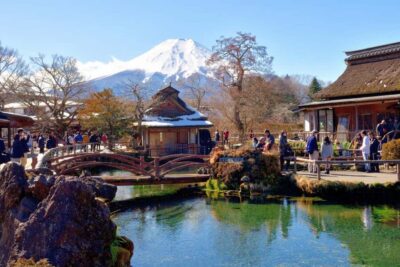 ★ 4.5Mt. Fuji, Kamakura, Big Buddha, & Lake Ashi Day TripFrom $49867 reviews
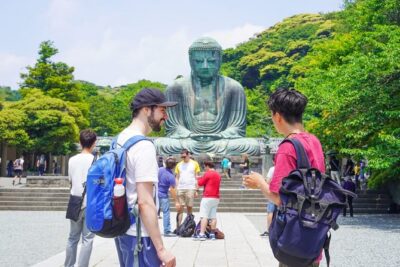 ★ 5.0Kamakura Historical Walking Tour with the Great BuddhaFrom $98129 reviews
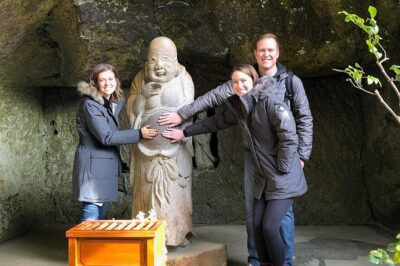 ★ 5.0Kamakura Private Tour: Temples, Nature, and the Great BuddhaFrom $98121 reviews
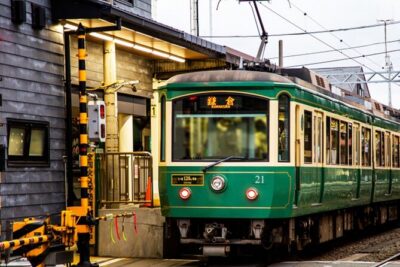 ★ 5.0Kamakura Walking Tour – The City of ShogunFrom $35100 reviews
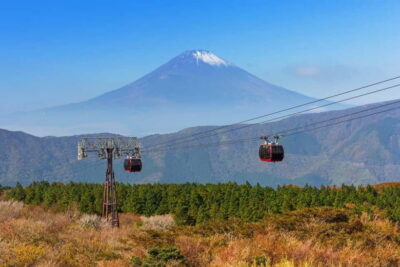 ★ 4.9Sea of Mount Fuji, Hakone Ropeway, Ōwakudani, EnoshimaFrom $5084 reviews
 ★ 5.0Kamakura 8 hr Private Walking Tour with Licensed Guide from TokyoFrom $20180 reviews
 ★ 4.1Kamakura & Enoshima Day Tour with Pickup & Train RideFrom $1361 reviews
Browse the lists this tour appears in