
Reviewed · KAMAKURA DAY TRIPS
Kamakura Walking Tour – The City of Shogun
Kamakura hits differently when you walk it with context. This tour strings together major Shogun-era stops and coastal-view moments in about 3.5 hours, so you get the big picture without rushing. I especially liked how the guide work keeps the shrines and temples from feeling like random photo backdrops.
My second big win is the pace and group size. With a maximum of 10 people, you can ask questions and still move at a comfortable walking tempo, including time to stop, look up, and regroup.
One thing to plan for: the tour price does not cover paid admissions and local transportation. You’ll need to budget about 1,200 yen on top of the $35, and some of the most popular sites have separate entry.
In This Review
- Key things to know before you go
- Why Kamakura works so well as a guided walking loop
- Tsurugaoka Hachimangu: start at the shrine that anchors the city
- Komachi Street: the practical break for snacks and strolling
- Kotoku-in and the Great Buddha: big sight, paid entry, no fuss
- Hasedera Temple: gardens, calm, and a wooden Kannon statue
- How the guides turn shrines and temples into stories
- Budget and value: $35 plus about 1,200 yen for local costs
- Timing, duration, and what to wear for a 3.5-hour day
- Who this tour is best for
- Should you book the Kamakura Walking Tour – City of Shogun?
- FAQ
- How long is the Kamakura Walking Tour
- What are the meeting point and start time
- Where does the tour end
- How much does the tour cost
- What is included in the price
- Are admission fees included for all stops
- How much extra should I budget for transportation and admissions
- Is there a mobile ticket
- Is the tour small-group
- What happens if the weather is bad
- Is free cancellation available
Key things to know before you go
- Small group (max 10): easier questions, less crowding, better flow between stops
- Mobile ticket: simple start, no paper hunting
- Big-name sights in 3.5 hours: Tsurugaoka Hachimangu, Komachi Street, Kotoku-in, Hasedera
- Guide-led history: Shinto and Buddhist sites explained in plain language
- Extra cost for entry/transport: plan around the listed total of 1,200 yen
Why Kamakura works so well as a guided walking loop
Kamakura can feel simple on the map and complicated on the ground. You’ll see shrines, temples, statues, and old streets packed into a fairly walkable area, but the real payoff comes from understanding what you’re looking at. This tour is built for that moment when your photos start meaning something.
The format also helps you pace the day. In just 3 hours 30 minutes (approx.), you cover the headline sites and then end near Hase Station, which is ideal if you want to keep exploring afterward on your own.
Coast-and-Buddha days near Kamakura, rated
- Tokyo: Kamakura & Enoshima Day Trip including Temple Tickets
★ 4.5 · 1,375 reviews - From Tokyo: Kamakura & Enoshima 1-Day Bus Tour
★ 4.5 · 189 reviews - Kamakura Historical Walking Tour with the Great Buddha
★ 5.0 · 129 reviews - Kamakura Private Tour: Temples, Nature, and the Great Buddha
★ 5.0 · 121 reviews
Tsurugaoka Hachimangu: start at the shrine that anchors the city
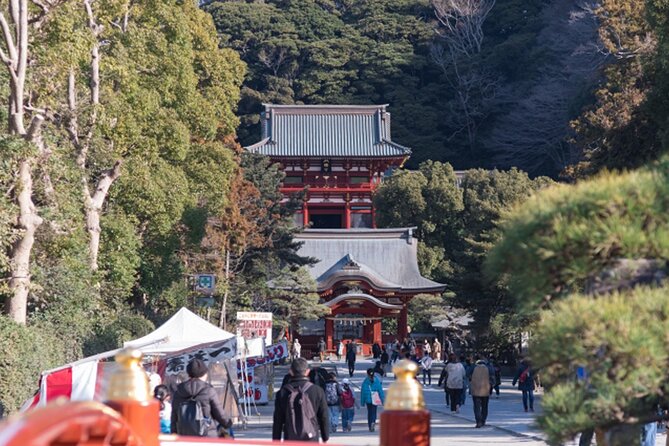
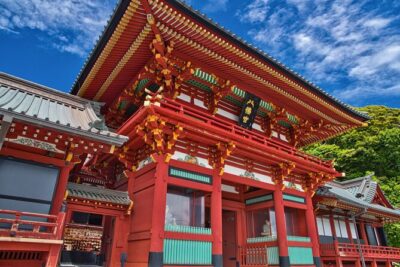
Your walk begins at the Kamakura City Tourist Information Center in Komachi, then heads to Tsurugaoka Hachimangu Shrine. This is one of the most important Shinto sites in Kamakura, founded in the 12th century by Minamoto no Yoritomo and dedicated to Hachiman, the Shinto god tied to war and protection.
You’ll spend about 30 minutes here. That time is short enough to keep things moving, but long enough to understand why the shrine layout and rituals matter. A strong guide makes this stop click because you’re not just staring at buildings—you’re learning the logic behind the space.
What I like about starting here: the vibe is immediately different from modern Japan. Even if you’re only half-listening for the first few minutes, you’ll catch the rhythm—processions, sacred space, and the way people behave in a shrine setting.
Komachi Street: the practical break for snacks and strolling
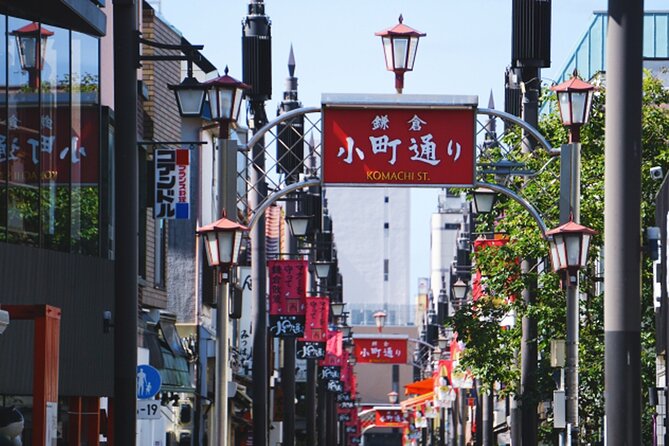
Next up is Komachi Street, a pedestrian street in the heart of Kamakura named after the poet Ono no Komachi. You get about 20 minutes here, and since admission is free, this is your time to reset your legs and your appetite.
This is also where the day becomes more real. The tour’s main theme is history and culture, but Komachi Street is where you can feel everyday Kamakura—shop windows, casual mingling, and the easy temptation to grab something sweet or savory.
How I’d use this stop: treat it like a flexible pause. If you want a snack, this is your window. If you want photos of the street and storefront atmosphere, this is your window too. The guide can point out good stops, but the timing is short enough that you still need to make quick choices.
Kotoku-in and the Great Buddha: big sight, paid entry, no fuss
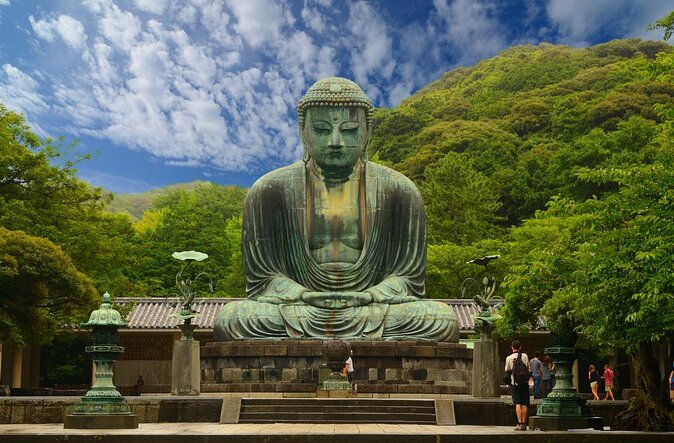
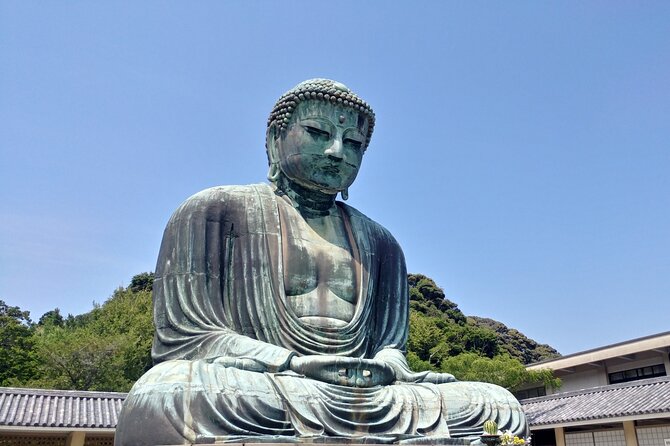
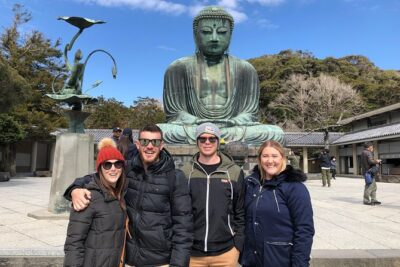
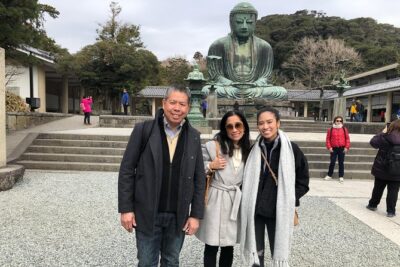
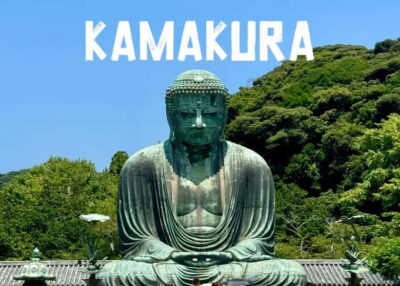
Then comes the star-level photo moment: Kotoku-in, home of the Kamakura Great Buddha. This colossal bronze statue is about 13.35 meters tall (44 feet), and it’s the kind of sight that changes how you look at the rest of the temples.
You’ll spend about 30 minutes here. Admission is not included, so you’ll pay separately, with the tour listing a total of 1,200 yen for transportation and admissions.
A practical tip: plan to slow down once you’re close. The Great Buddha reads differently from far away versus up close. If you rush, you miss the scale effect that makes this statue so memorable.
Potential drawback: since entry is separate, you’ll want to have the mindset that this is part of the day’s cost. If you hate extra ticket lines, build in some patience and keep your money ready.
Hasedera Temple: gardens, calm, and a wooden Kannon statue
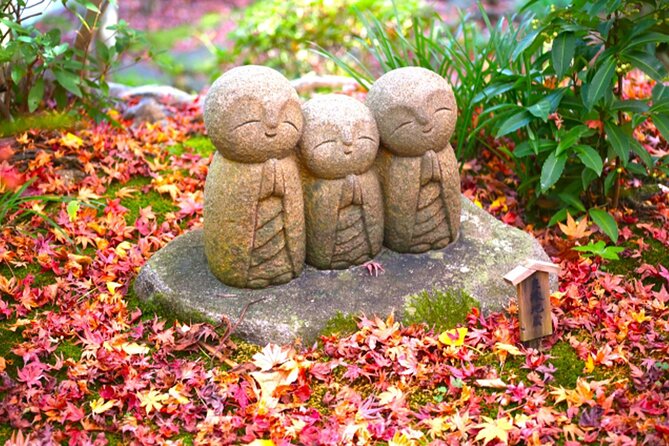
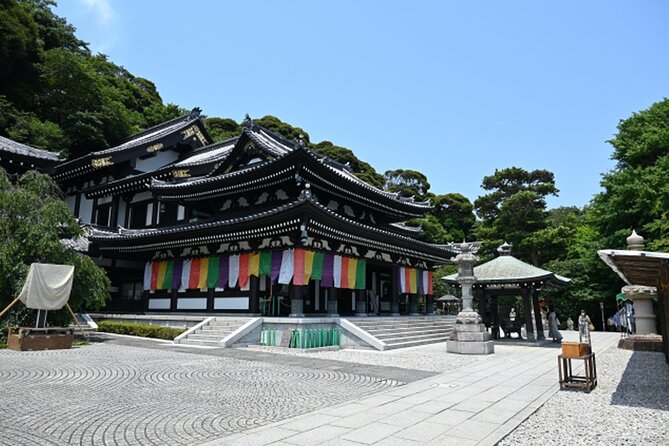
Your last main stop is Hasedera Temple, also known as Hase Kannon Temple. This is a prominent Buddhist temple known for a serene atmosphere, beautiful gardens, and a towering wooden statue of Kannon.
You’ll get about 40 minutes here, which is the longest stop of the tour after Hasedera. That extra time matters because temple grounds are meant to be absorbed, not conquered. Gardens take a moment. Views take a moment. Even if you’re only able to do a short loop inside the grounds, you’ll benefit from that breathing space.
One of the best ways to enjoy Hasedera is to let your eyes do two jobs: first, look for the statue and the sacred focus of the space; then, look outward for the way the grounds frame your surroundings. A good guide can help connect Buddhist iconography to what you see in the physical layout.
Where this fits in your day: if you’re heading into afternoon exploring, Hasedera helps you shift from “sightseeing mode” into a calmer “walk-and-think” pace.
- Kamakura: Private Guided Walking Tour with Local Guide★ 4.8 · 60 reviews
- Kamakura 4hr Private Trip with Government-Licensed Guide★ 5.0 · 58 reviews
- Kamakura Rickshaw Tour★ 5.0 · 53 reviews
- From Tokyo: Kamakura Full Day Tour with a Local Expert Guide★ 4.6 · 43 reviews
- When Emperors Reigned and Shoguns Ruled★ 5.0 · 43 reviews
How the guides turn shrines and temples into stories
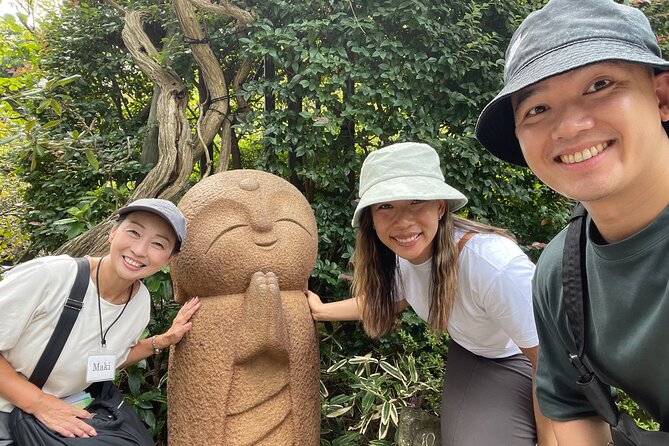
This tour lives and dies by the guide experience, and the pattern in the guide feedback is consistent: clear explanations, lots of answers, and a friendly way of making history feel usable.
You might be led by someone like Miyu, Midori, or Maki—names that show up for this tour’s groups. The common thread across these guides is an ability to connect what you see with what it meant, then explain how those customs still show up today.
That matters because Kamakura is not just famous for what’s there. It’s famous for why those places were built and how people have used them over time. When the guide is good, you stop asking what everything is called and start asking why it’s arranged that way.
Also, you’ll likely appreciate the practical side. More than one guide is noted for giving extra ideas after the tour—useful if you want your day to keep flowing instead of ending when the guide ends.
Budget and value: $35 plus about 1,200 yen for local costs
The advertised price is $35.00 per person, and the guide fee is included. You are not covering transportation and admission fees in that base price, and the tour lists a total of 1,200 yen for those local costs.
Here’s how I’d think about value:
- You’re paying for time saved and context delivered. Doing four major sites alone is doable, but you’ll spend more energy figuring out what to look for.
- You’re paying for small-group pacing (max 10), which makes questions and stop-and-look time realistic.
- You’re not paying for the places themselves. The extra yen is mostly the price of admission and local movement between stops.
If you’re the type who likes getting the story with your photos, this is a fair deal. If you’re trying to squeeze every yen and you’re happy reading guide signs on your own, you could do Kamakura independently. But you’d lose the quick explanations that make these sites feel like more than postcard stops.
Timing, duration, and what to wear for a 3.5-hour day
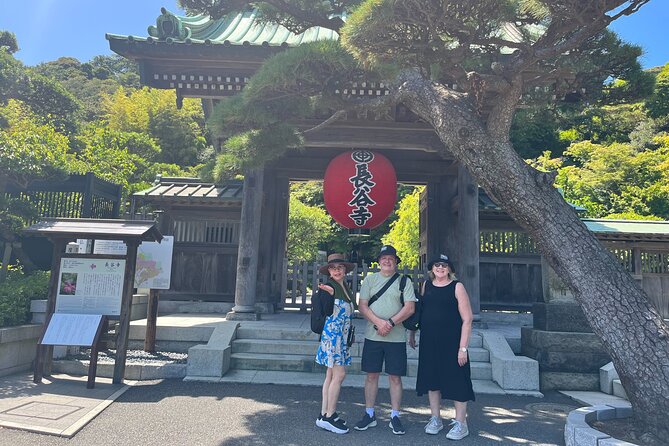
The walk runs about 3 hours 30 minutes. The meeting point is the Kamakura City Tourist Information Center (1-chōme-1-1 Komachi, Kamakura). Start time is 10:00 am.
You end at Hase Station (2 Chome-14 Hase). That’s a smart ending spot because it lets you transition into a separate plan without feeling stuck.
Wear comfortable shoes. This is a walking tour, and even short temple strolls add up. Also, keep weather in mind. The experience notes that it works best with good weather, and if it’s canceled due to poor weather, you’re offered a different date or a full refund. If you’re coming during a variable forecast week, plan for flexibility.
If you’re traveling with kids, the short, structured stops help. One of the strongest recurring notes is that families can handle this day and still have it feel fun rather than like a history lecture.
Who this tour is best for
I think this is a great fit if:
- It’s your first time in Kamakura and you want a guided hit list that makes sense
- You care about Shinto and Buddhist sites but don’t want to research for hours first
- You want a morning activity that leaves your afternoon open
- You like asking questions and getting answers in real time
I’d skip it if:
- You strongly prefer solo sightseeing with no structure at all
- You don’t want to pay extra admissions on top of the tour price
- Your schedule can’t handle an almost 4-hour commitment
Should you book the Kamakura Walking Tour – City of Shogun?
If you’re aiming for an efficient, meaningful day, I’d book it. For $35, you’re buying a guide who can turn famous names—Tsurugaoka Hachimangu, the Great Buddha at Kotoku-in, and Hasedera—into a coherent story you can actually remember. Add the fact that the group stays small (max 10) and the pace feels relaxed, and you get a lot of value for the effort.
Just go in with the right expectations: budget around 1,200 yen for local admissions and transportation, and keep an eye on the weather. Do that, and you’ll get the kind of Kamakura experience that feels like more than a checklist.
FAQ
How long is the Kamakura Walking Tour
It runs about 3 hours 30 minutes (approx.).
What are the meeting point and start time
You meet at the Kamakura City Tourist Information Center at 10:00 am.
Where does the tour end
The tour ends at Hase Station.
How much does the tour cost
The price is $35.00 per person.
What is included in the price
The tour guide fee is included.
Are admission fees included for all stops
Admission ticket details vary by stop. Tsurugaoka Hachimangu Shrine and Komachi Street are listed as free, while Kotoku-in (Great Buddha of Kamakura) and Hasedera Temple are not included.
How much extra should I budget for transportation and admissions
The tour lists a total of 1,200 yen for transportation and admission fees that are not included.
Is there a mobile ticket
Yes, it uses a mobile ticket.
Is the tour small-group
Yes. The maximum group size is 10 travelers.
What happens if the weather is bad
This experience requires good weather. If it’s canceled due to poor weather, you’ll be offered a different date or a full refund.
Is free cancellation available
Yes. You can cancel up to 24 hours in advance for a full refund. Canceling less than 24 hours before the start time is not refunded.
More Tour Reviews in Kamakura
- Tokyo: Kamakura & Enoshima Day Trip including Temple Tickets
★ 4.5 · 1,375 reviews - From Tokyo: Kamakura & Enoshima 1-Day Bus Tour
★ 4.5 · 189 reviews - Kamakura Historical Walking Tour with the Great Buddha
★ 5.0 · 129 reviews - Kamakura Private Tour: Temples, Nature, and the Great Buddha
★ 5.0 · 121 reviews - Kamakura: Private Guided Walking Tour with Local Guide
★ 4.8 · 60 reviews
More Kamakura and Enoshima Days
- Tokyo: Kamakura & Enoshima Day Trip including Temple Tickets
★ 4.5 · 1,375 reviews - From Tokyo: Kamakura & Enoshima 1-Day Bus Tour
★ 4.5 · 189 reviews - Kamakura Historical Walking Tour with the Great Buddha
★ 5.0 · 129 reviews - Kamakura Private Tour: Temples, Nature, and the Great Buddha
★ 5.0 · 121 reviews - Kamakura: Private Guided Walking Tour with Local Guide
★ 4.8 · 60 reviews
Latest Kamakura reviews off our desk

Kamakura Day Trips, compared.
 ★ 4.5Kamakura & Enoshima Day Trip including Temple TicketsFrom $581,375 reviews
 ★ 4.5Mt. Fuji, Kamakura, Big Buddha, & Lake Ashi Day TripFrom $49867 reviews
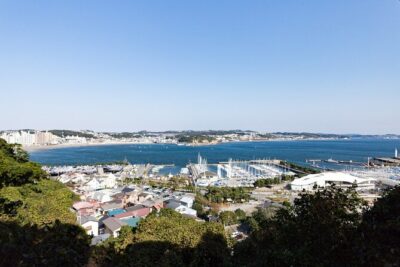 ★ 4.5From Tokyo: Kamakura & Enoshima 1-Day Bus TourFrom $66189 reviews
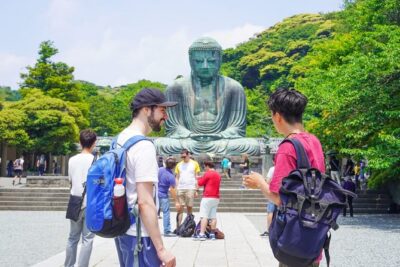 ★ 5.0Kamakura Historical Walking Tour with the Great BuddhaFrom $98129 reviews
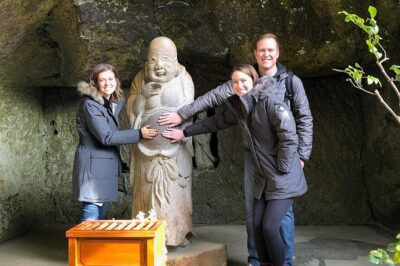 ★ 5.0Kamakura Private Tour: Temples, Nature, and the Great BuddhaFrom $98121 reviews
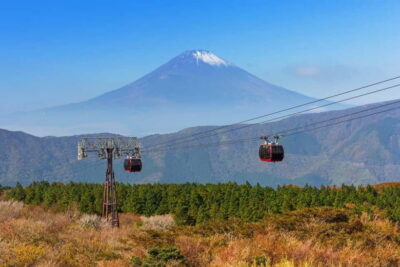 ★ 4.9Sea of Mount Fuji, Hakone Ropeway, Ōwakudani, EnoshimaFrom $5084 reviews
 ★ 5.0Kamakura 8 hr Private Walking Tour with Licensed Guide from TokyoFrom $20180 reviews
 ★ 4.1Kamakura & Enoshima Day Tour with Pickup & Train RideFrom $1361 reviews
Browse the lists this tour appears in