
Reviewed · COOKING CLASSES
Basic Japanese Home Cooking with Fermented Foods(Teriyaki & Miso)
Miso class, minus the museum lecture. In central Tokyo, I get why this cooking experience works: you cook a real lunch or dinner using traditional fermented ingredients under a certified instructor, with time to ask questions. It also includes an in-depth talk on the foods themselves, so the meal is tied to the how and why, not just instructions.
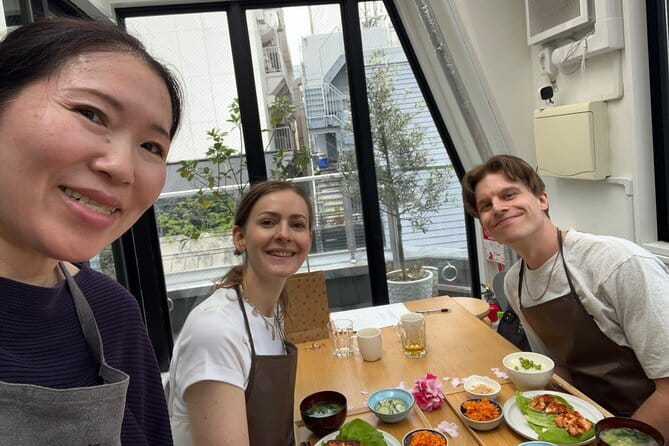
I especially liked the small-group setup, because you get more feedback while you’re working (and you’re not stuck guessing your way through miso and sauce). I also like that the instructor, Naoko, brings both food know-how and practical Tokyo tips, like how to approach fermented products and grocery shopping.
One thing to consider: if you need the vegan option, it’s possible, but you’ll still share the kitchen with the non-vegan cooking, and the vegan approach uses deep fried tofu. If you want a fully separated setup, you’ll want to think ahead and ask at booking.
Max 6 people means real coaching, not a demo
Akasaka-Mitsuke location keeps you close to central Tokyo lines
A fermented-food lecture covers miso, mirin, and koji topics
Seasonal menu changes so you learn techniques, not one fixed dish
Meal includes apron + coffee/tea + lecture handout
Vegan option uses deep fried tofu, but the kitchen is shared
In This Review
- Entering A Central-Tokyo Kitchen From Akasaka-Mitsuke
- The 2-Hour Flow: Lecture First, Then Cooking Together
- Fermentation 101 With Miso, Mirin, and Koji (That Actually Helps You Cook)
- Teriyaki and Miso Cooking: Learning Techniques, Not Just One Recipe
- What You Eat: A Seasonal Home-Cooked Meal With Real Ingredient Focus
- Vegan Lunch or Dinner? How the Deep-Fried Tofu Option Works
- Comfort and Practicalities: Group Size, Instructor Feedback, and Central Convenience
- Price and Value in Tokyo Terms (Why $70.36 Can Make Sense)
- Pair It With the Fermented Dessert Class for a Fun Second Taste
- Who This Cooking Class Suits Best (And Who Might Skip It)
- Should You Book This Fermented-Food Class?
- FAQ
- Where does the class start?
- How long is the experience?
- How many people are in the group?
- What food do I get?
- Is there a vegan option?
- Does the class involve ingredients with alcohol?
- What fermented foods do they talk about?
- Is the menu the same every time?
- Is transportation included?
- Is it suitable for kids?
Entering A Central-Tokyo Kitchen From Akasaka-Mitsuke
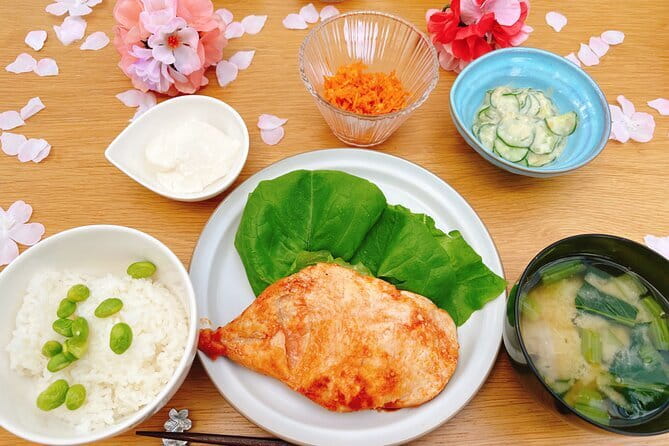
This class starts at Akasaka-Mitsuke Station, specifically 3-chōme-1-6 Akasaka in Minato City. From there, you head to the kitchen in central Tokyo with a short walk, and the whole trip feels manageable even on a hot day.
One detail I really appreciate for practical planning: it’s about a 10-minute ride from Shibuya Station to the kitchen, including walking. That matters in Tokyo, where waiting, transfers, and weather can quietly add stress.
You’ll receive a mobile ticket, and you’ll meet back at the same place when the 2-hour session ends. That makes it easy to tuck this into a day of walking and other food stops without turning your afternoon into a logistics puzzle.
The 2-Hour Flow: Lecture First, Then Cooking Together
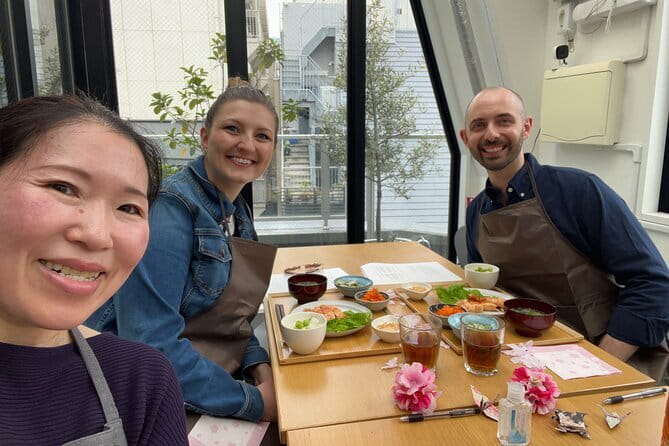
The time window is tight in the best way: about 2 hours for lunch or dinner. You don’t wander off for a long segment, and you’re not stuck watching from the sidelines. You learn, cook, eat, and leave.
It typically starts with an in-depth lecture in a small group. Based on the themes emphasized by the instructor and what she’s discussed (miso, mirin, and koji), you can expect the talk to connect fermented ingredients to their history, how they work in cooking, and what health benefits people associate with them.
Then you shift into hands-on cooking. The pacing is designed for beginners and for travelers who want an easy path to making Japanese home food. You’ll follow guided steps, and because the group is small, you can get course-correcting tips while your hands are actually doing the work.
Finally, you eat the meal you prepared. Included coffee and/or tea (and Japanese tea such as green tea) round it out, so this isn’t just a lesson with a snack. You’ll feel like you had a proper meal, not a half-bite experience.
Readers also shortlisted these Tokyo bookings:
- Ramen & Gyoza Cooking Class in Tokyo with Local Supermarket Visit
★ 5.0 · 823 reviews - Tokyo: Easy Ramen Cooking Experience in Kabukicho, Shinjuku
★ 4.6 · 321 reviews - Ramen and Sushi Cooking Class with Sake Pairing Set in Tokyo
★ 5.0 · 291 reviews - Tokyo: Wagyu and 7 Japanese Dishes Cooking Class
★ 4.9 · 273 reviews
Fermentation 101 With Miso, Mirin, and Koji (That Actually Helps You Cook)
Fermented foods can sound complicated until you connect them to a real dish. This class does that. You learn what traditional Japanese fermented ingredients are, why they’re used, and how they bring depth and balance to everyday cooking.
The instructor also spends time on koji, which is the starter ingredient behind several Japanese fermentation traditions. That’s a big deal, because it helps you understand why certain flavors show up as savory sweetness or rounded umami rather than tasting flat.
Mirin comes up too. One practical point that’s useful for your peace of mind: the class uses a small amount of mirin that contains alcohol, but the alcohol is removed during cooking, so the dish is safe for children. Still, tasting isn’t available for children.
I like that the lecture doesn’t stay abstract. When you go back home (or even just to your Tokyo grocery run), you’ll know what you’re looking for and why the ingredient matters.
Teriyaki and Miso Cooking: Learning Techniques, Not Just One Recipe
The class title points to what you’ll focus on: teriyaki & miso. Even if the exact menu changes by season, the core value is that you learn how to build flavor using fermented ingredients rather than relying only on bottled sauces.
What you’re really paying for is the guided technique. That includes how to handle miso in cooking (when to add, how to combine, and how to avoid common flavor mistakes). For teriyaki-style results, you’ll learn how fermented components can affect the balance between sweetness, saltiness, and savory depth.
Because the menu changes depending on the season, you also get something that feels more like Japanese home cooking. It’s not a one-size-fits-all demonstration. You’re learning a repeatable approach you can adapt later, using what’s available.
What You Eat: A Seasonal Home-Cooked Meal With Real Ingredient Focus
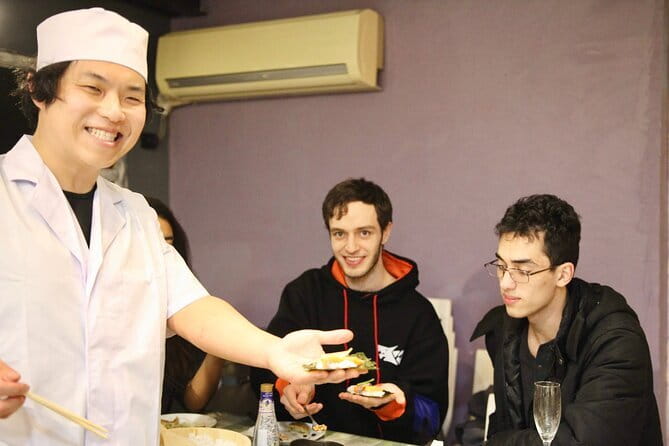
You’ll eat lunch or dinner prepared in the class, and the emphasis is on traditional Japanese fermented foods. The menu shifts by season, so if you’re the type who likes to taste what’s most current in Japanese kitchens, this fits well.
Included with your meal is green tea or other Japanese tea, plus coffee and/or tea. You also get a lecture handout, which is handy if you want to recreate the dishes later and not rely on memory.
In real terms, this is about value. You’re paying for central Tokyo instruction, a full cooking session, and an actual meal—not just a bite-sized tasting.
Vegan Lunch or Dinner? How the Deep-Fried Tofu Option Works
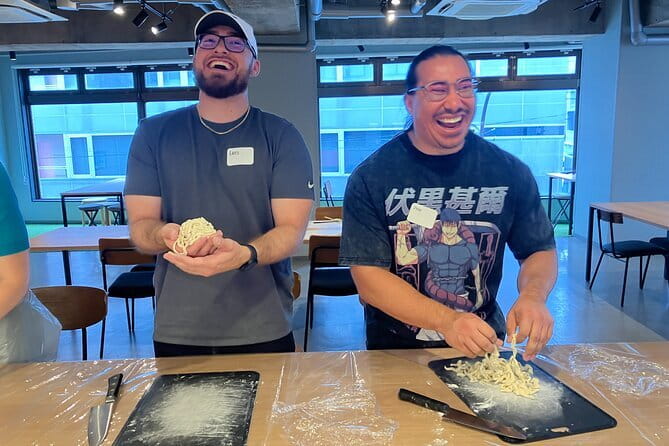
If you’re vegan, you can request the vegan lunch or dinner option. The key detail to know is that it uses deep fried tofu, and the class shares the kitchen with the non-vegan version.
That means the vegan meal is not prepared in a separate, fully isolated setup. If you have strong preferences around cross-contact or you’re very sensitive to certain ingredients, make those needs clear when you apply. The good news is that they explicitly offer a vegan option, so you’re not stuck hoping the instructor can adapt on the spot.
Also, because they use mirin in a small amount (with alcohol removed during cooking), the class explains the safety angle for children. The class also notes that tasting isn’t available for children, which can matter if you’re traveling with family.
- Tokyo: Shinjuku Food Tour (13 Dishes at 4 Local Eateries)★ 5.0 · 6,603 reviews
- Tokyo Mt Fuji 5th St & Hakone Cruise Bus Tour w/Bullet Train★ 4.4 · 5,024 reviews
- Flagship 2-Hours Official Street Go-Kart Tour – Tokyo Bay Shop★ 5.0 · 4,974 reviews
- From Tokyo: Mount Fuji Full-Day Sightseeing Trip★ 4.5 · 4,970 reviews
- Tokyo: Hop-On Hop-Off Sightseeing Bus Ticket★ 3.9 · 4,207 reviews
Comfort and Practicalities: Group Size, Instructor Feedback, and Central Convenience
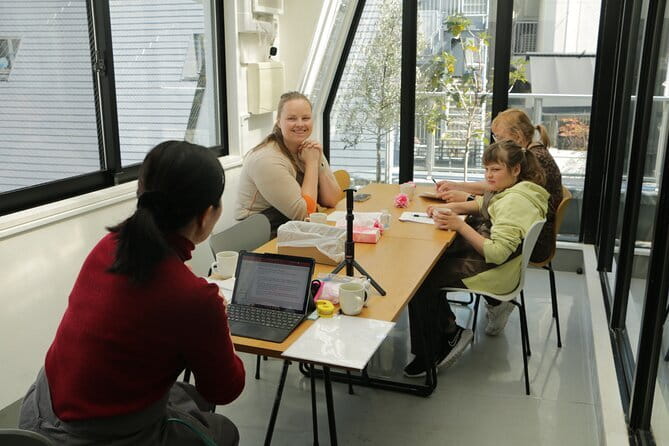
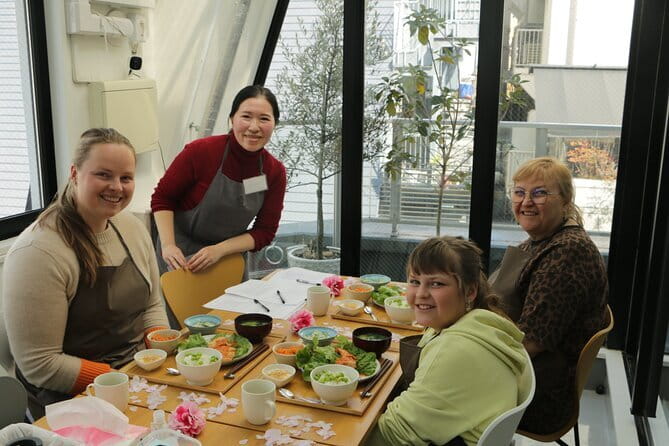
This experience caps at 6 travelers, and that limit shapes the whole feel of the class. You’re not fighting for attention, and you’re not waiting for a single cutting board to become free. If you’ve ever been in a “crowd watches, chef explains” cooking class, this will feel much more like you’re learning a skill.
The kitchen is centrally located, and you can avoid weather stress thanks to the short walk and indoor cooking time. You’ll also likely appreciate that the class is short enough to keep your energy up, even if you’ve been walking around Tokyo all morning.
The materials are practical too: you get a rental apron and a lecture handout. Small touch, but it matters because it keeps you focused on cooking instead of hunting for kitchen supplies.
Price and Value in Tokyo Terms (Why $70.36 Can Make Sense)
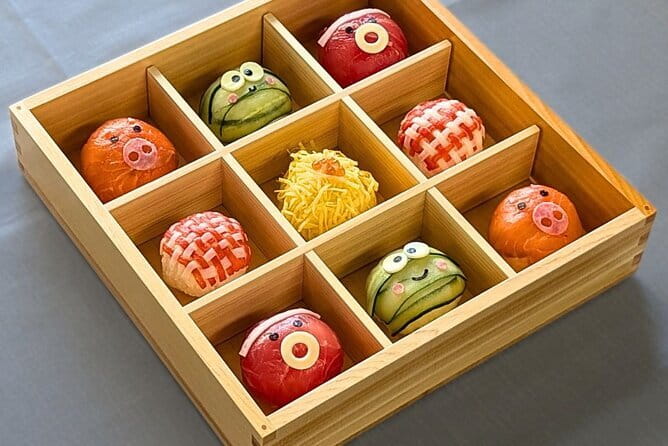
At $70.36 per person for about 2 hours, the price lands in a common Tokyo range for an instructed cooking experience. The value here isn’t just the meal, it’s the coaching you get in a small group, plus the fermented-food lecture and the included tea.
You’re also getting something most food experiences don’t offer: a framework you can reuse at home. With fermented ingredients, technique is half the battle. Being shown how to work with miso and teriyaki-style flavors is worth more than simply tasting a finished dish.
If you like food that teaches you something you can recreate, this price can feel fair. If you only want a quick snack and don’t care about ingredient understanding, you might question the cost.
Pair It With the Fermented Dessert Class for a Fun Second Taste
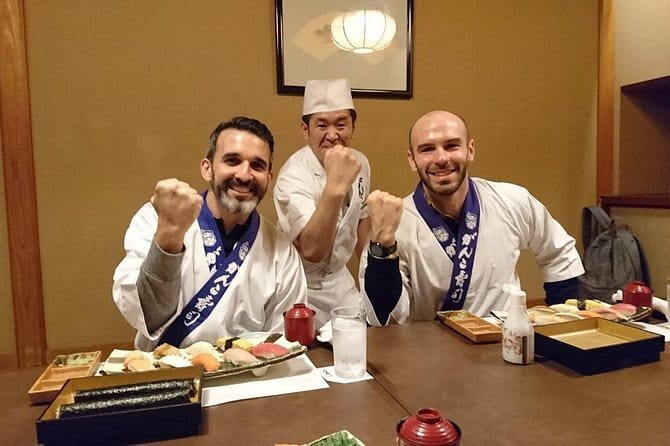
There’s a special promotion tied to another class called Fermented Food Dessert Class, held at 2pm. If you join both classes on the same day, you’ll receive a special gift: rice koji amazake, which is used in the dessert class.
That’s a smart choice if you’re the type who wants to go deeper without changing your plans all day. It also helps connect fermentation beyond savory cooking, so you see how the same traditions can show up in drinks and sweets.
Who This Cooking Class Suits Best (And Who Might Skip It)
This is a great fit if you want to eat well while learning how Japanese home cooking actually works with fermented ingredients. The small group, the structured lecture, and the hands-on cooking make it ideal for first-timers who still want more than a basic tutorial.
It also works well if you’re interested in wellness topics like fermentation, because the class includes an in-depth lecture on health benefits and ingredient roles. And if you’re traveling solo or with a partner, the max-6 size tends to feel personal without getting awkward.
One more match: if you’re planning to do grocery shopping in Tokyo afterward, you’ll likely appreciate the focus on what to buy and how to think about fermented products.
If you hate any alcohol-related ingredient topics, note that mirin is used in a small amount, though cooking removes the alcohol. Tasting for children is not available, and children aged 6 and under aren’t the best fit for the class content.
Should You Book This Fermented-Food Class?
Book it if you want a short, high-impact Tokyo food experience where you cook and eat, and you leave with a clearer understanding of miso, teriyaki, and koji. I’d especially recommend it if you like lessons that turn into real kitchen habits, not just a nice meal you forget later.
Hold off if you’re looking for a large-scale, sightseeing-style activity or if vegan needs mean you want a fully separated kitchen setup. Otherwise, it’s a solid choice for a practical, cozy evening or lunchtime in the heart of Tokyo.
FAQ
Where does the class start?
It starts at Akasaka-Mitsuke Station, listed at 3-chōme-1-6 Akasaka, Minato City, Tokyo 107-0052, Japan.
How long is the experience?
It’s about 2 hours long.
How many people are in the group?
The experience has a maximum of 6 travelers.
What food do I get?
You’ll get a lunch or dinner that you prepare during the class. Tea is also included (green tea or other Japanese tea), and coffee and/or tea may be included as well.
Is there a vegan option?
Yes. Vegan lunch or dinner is available by using deep fried tofu, and the class shares the kitchen with the non-vegan version. You need to request the vegan option when applying.
Does the class involve ingredients with alcohol?
The class uses a small amount of mirin that contains alcohol. The alcohol is removed during cooking, so the dish is safe for children, but tasting is not available for children.
What fermented foods do they talk about?
The class focuses on traditional Japanese fermented ingredients, including topics like miso, mirin, and koji.
Is the menu the same every time?
No. The menu changes depending on the season.
Is transportation included?
No. Private transportation is not included. You should budget for the fee to get yourself to the venue.
Is it suitable for kids?
The experience is best suited for adults and children aged 7 and above. It may not be suitable for children 6 and under due to the learning and technique focus.
More Cooking Classes in Tokyo
- Ramen & Gyoza Cooking Class in Tokyo with Local Supermarket Visit
★ 5.0 · 823 reviews - Tokyo: Easy Ramen Cooking Experience in Kabukicho, Shinjuku
★ 4.6 · 321 reviews - Ramen and Sushi Cooking Class with Sake Pairing Set in Tokyo
★ 5.0 · 291 reviews - Tokyo: Wagyu and 7 Japanese Dishes Cooking Class
★ 4.9 · 273 reviews - Tokyo Washoku 4-hour Cooking Class: From Market to Table
★ 5.0 · 253 reviews
More Tour Reviews in Tokyo
- Mt Fuji and Hakone 1-Day Bus Tour Return by Bullet Train
★ 5.0 · 26,383 reviews - 1-Day Tokyo Bus Tour
★ 5.0 · 14,250 reviews - Tokyo: teamLab Planets TOKYO Digital Art Museum Entry Ticket
★ 4.6 · 9,779 reviews - Mt Fuji & Hakone Cruise, Drum Show Bullet Train 1 Day from Tokyo
★ 4.0 · 7,413 reviews - Tokyo: Shinjuku Food Tour (13 Dishes at 4 Local Eateries)
★ 5.0 · 6,603 reviews
Latest Tokyo reviews off our desk




Cooking Classes, compared.
 ★ 5.0Ramen & Gyoza Cooking Class in Tokyo with Local Supermarket VisitFrom $122823 reviews
 ★ 4.6Easy Ramen Cooking Experience in Kabukicho, ShinjukuFrom $29321 reviews
 ★ 5.0Ramen and Sushi Cooking Class with Sake Pairing Set in TokyoFrom $79291 reviews
 ★ 4.9Wagyu and 7 Japanese Dishes Cooking ClassFrom $67273 reviews
 ★ 5.0Tokyo Washoku 4-hour Cooking Class: From Market to TableFrom $79253 reviews
 ★ 5.0Small-Group Wagyu Beef and 7 Japanese Dishes Tokyo Cooking ClassFrom $72190 reviews
 ★ 5.0Private Home Cooking in Yanaka – Local Flavors in a Warm SettingFrom $122173 reviews
 ★ 5.0Tokyo Sushi Making Experience & Japanese Cooking ClassFrom $59150 reviews
Browse the lists this tour appears in